Apology Example
Description
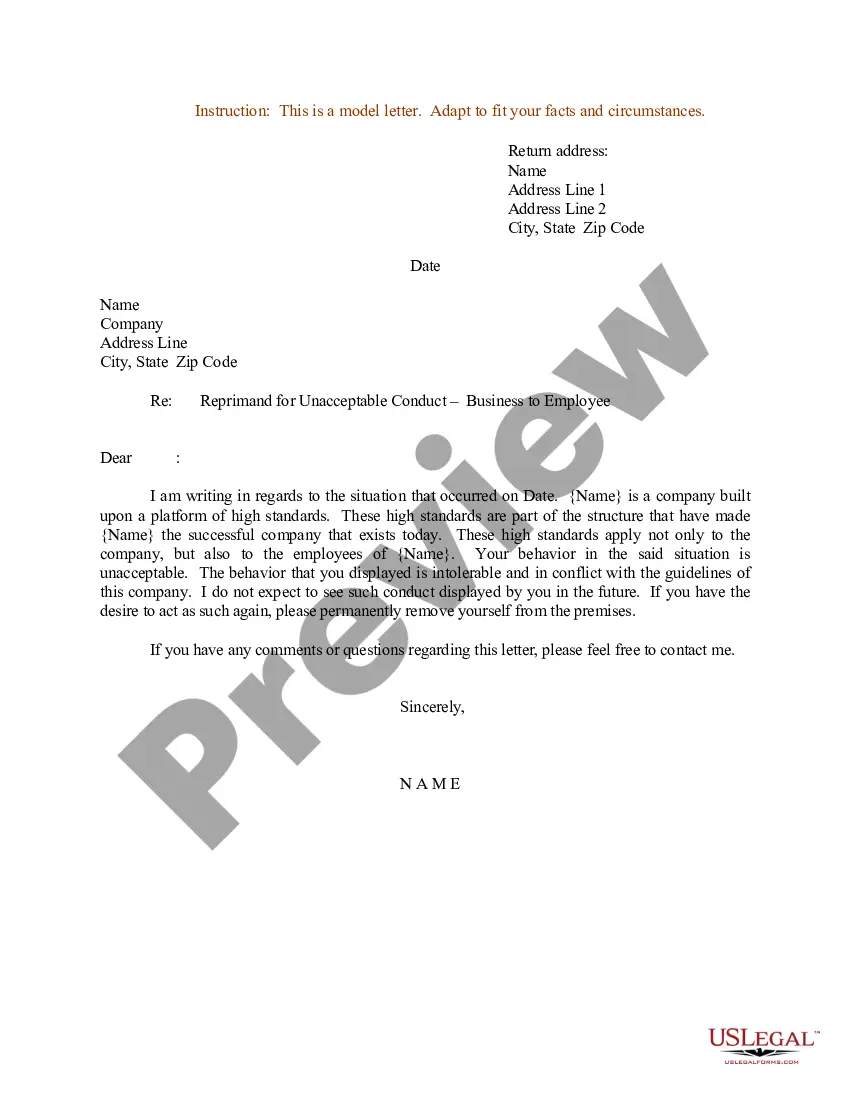
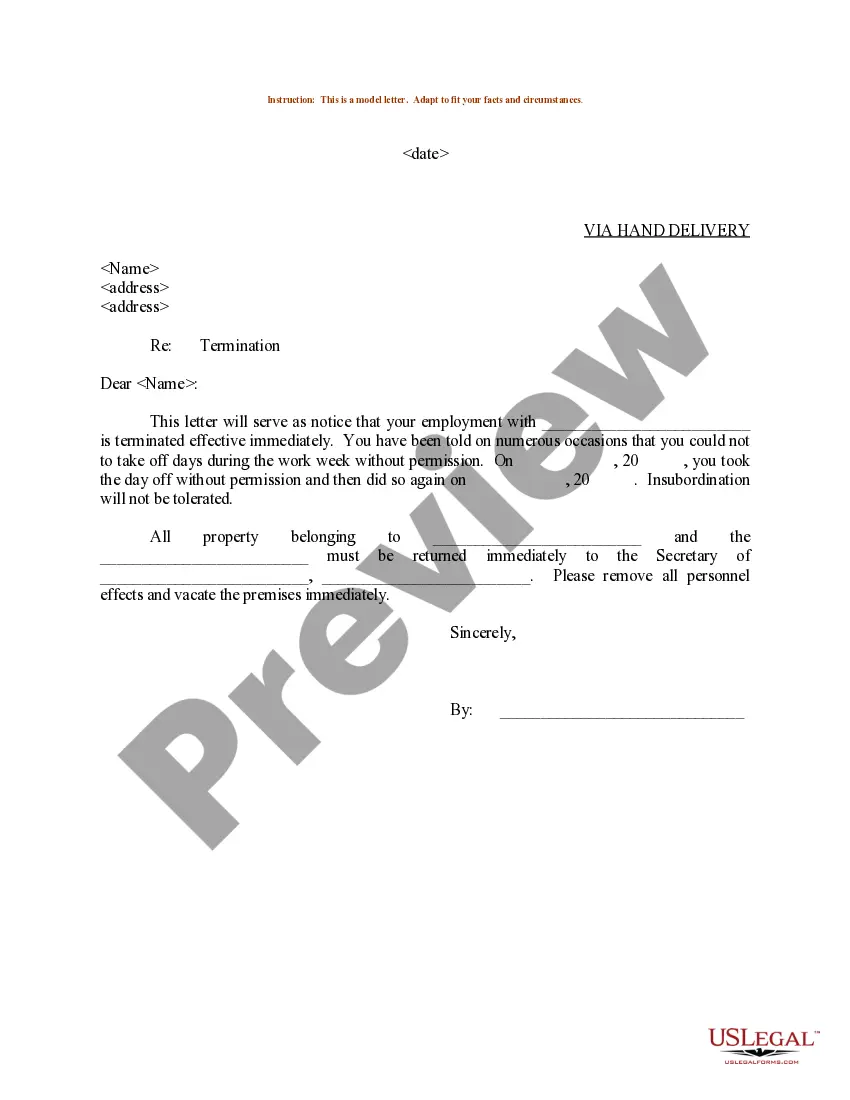
Get your form ready online
Our built-in tools help you complete, sign, share, and store your documents in one place.
Make edits, fill in missing information, and update formatting in US Legal Forms—just like you would in MS Word.
Download a copy, print it, send it by email, or mail it via USPS—whatever works best for your next step.
Sign and collect signatures with our SignNow integration. Send to multiple recipients, set reminders, and more. Go Premium to unlock E-Sign.
If this form requires notarization, complete it online through a secure video call—no need to meet a notary in person or wait for an appointment.
We protect your documents and personal data by following strict security and privacy standards.

Make edits, fill in missing information, and update formatting in US Legal Forms—just like you would in MS Word.

Download a copy, print it, send it by email, or mail it via USPS—whatever works best for your next step.

Sign and collect signatures with our SignNow integration. Send to multiple recipients, set reminders, and more. Go Premium to unlock E-Sign.

If this form requires notarization, complete it online through a secure video call—no need to meet a notary in person or wait for an appointment.

We protect your documents and personal data by following strict security and privacy standards.
Looking for another form?



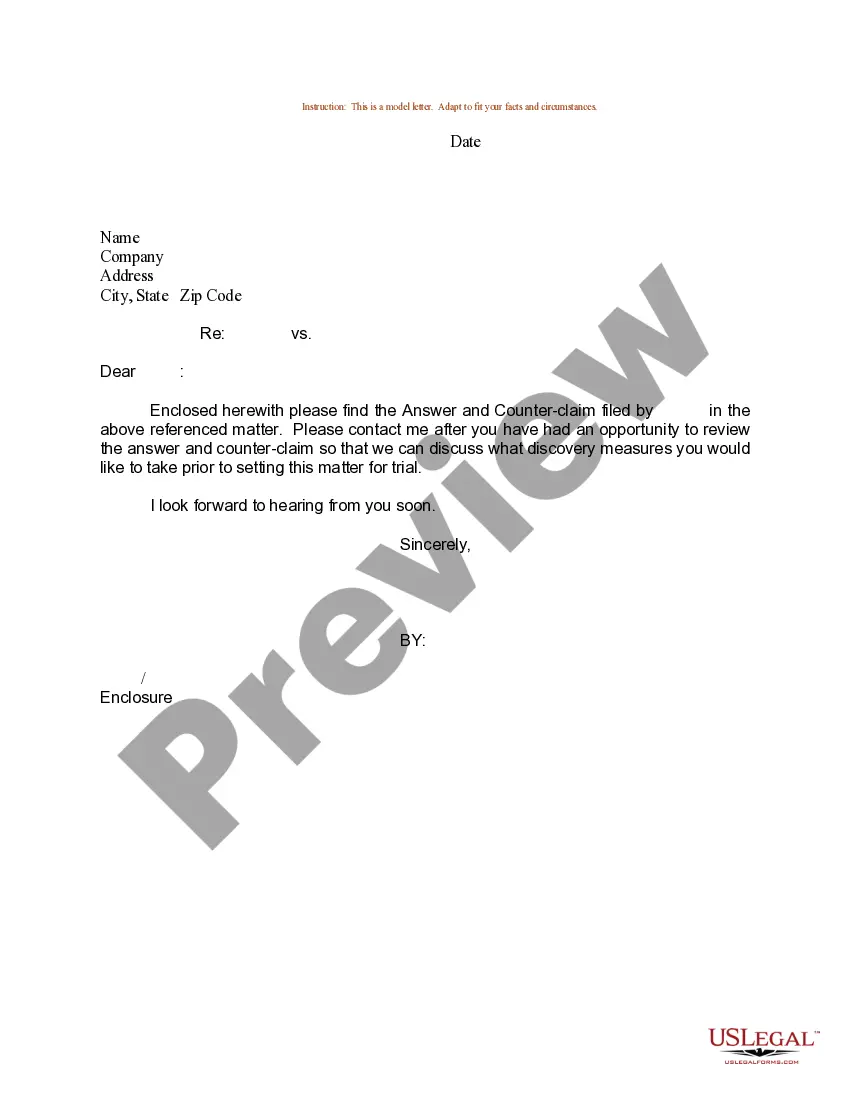
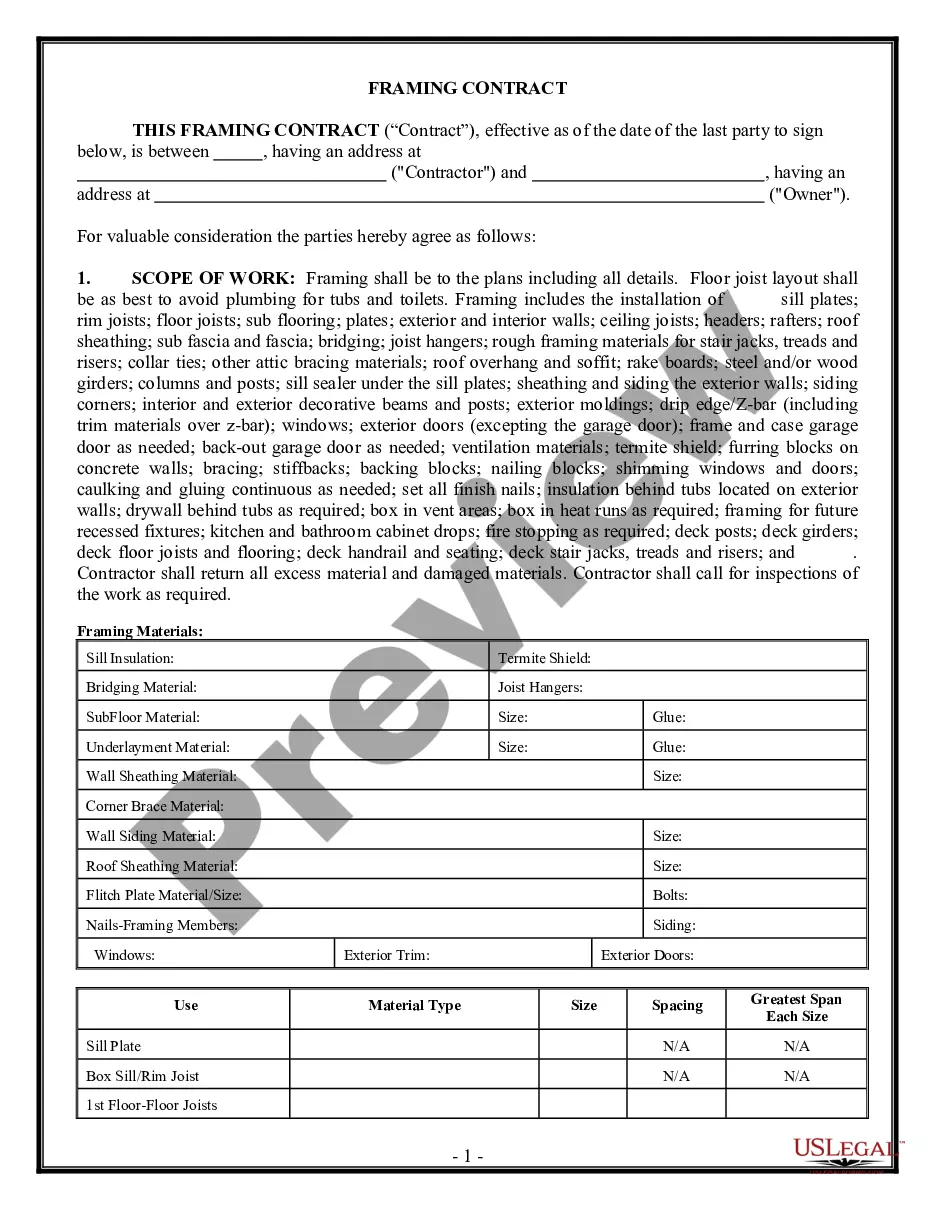
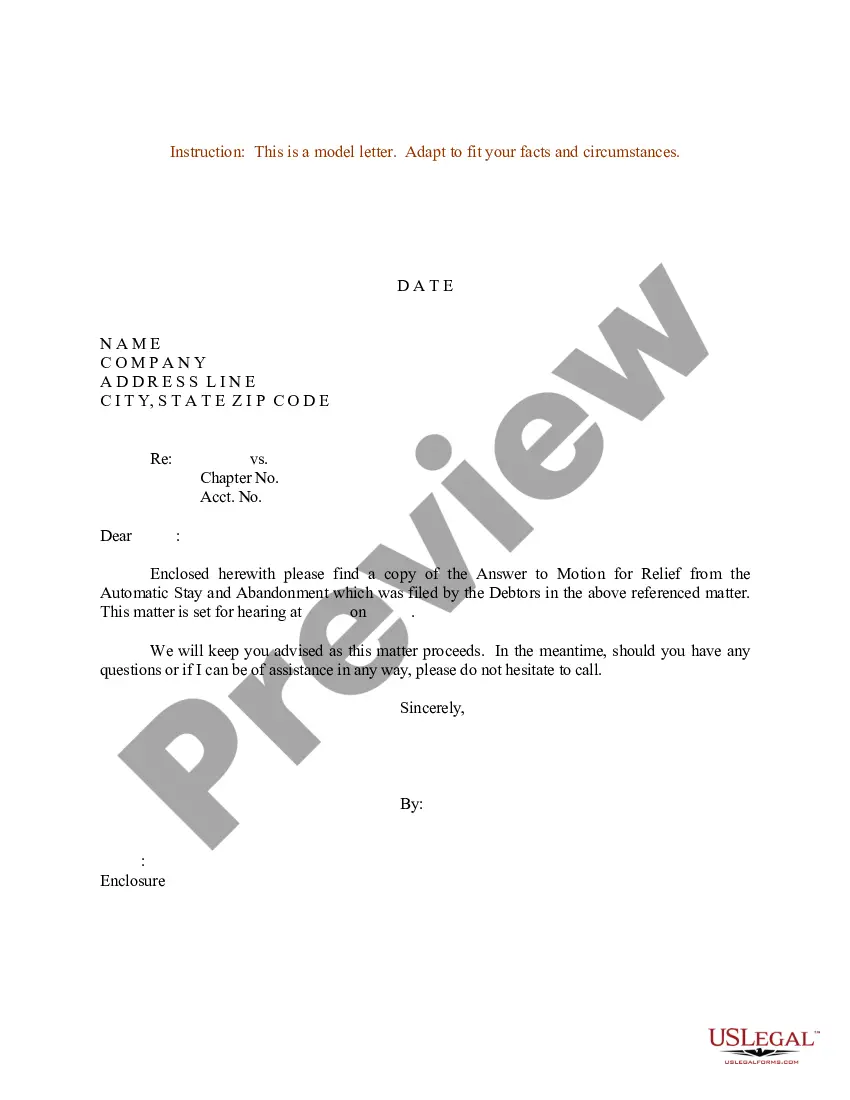
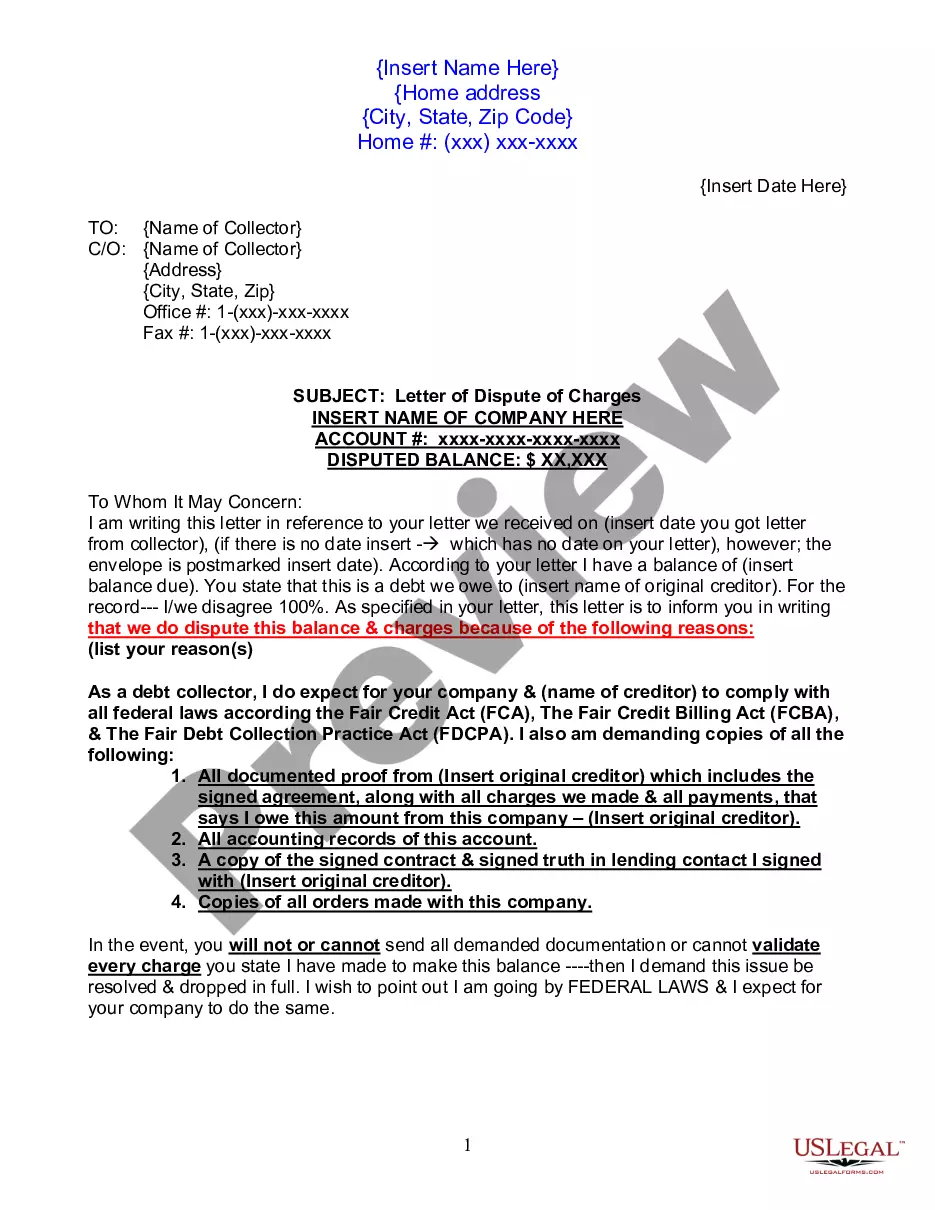
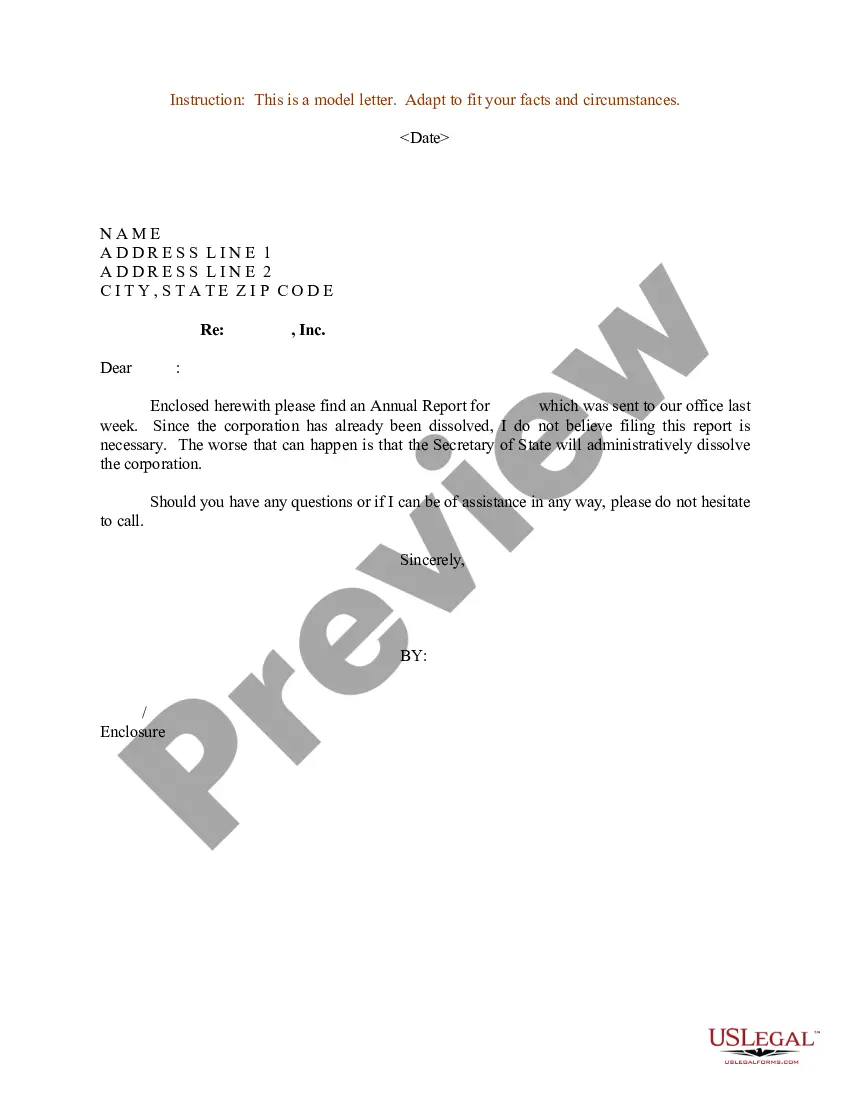

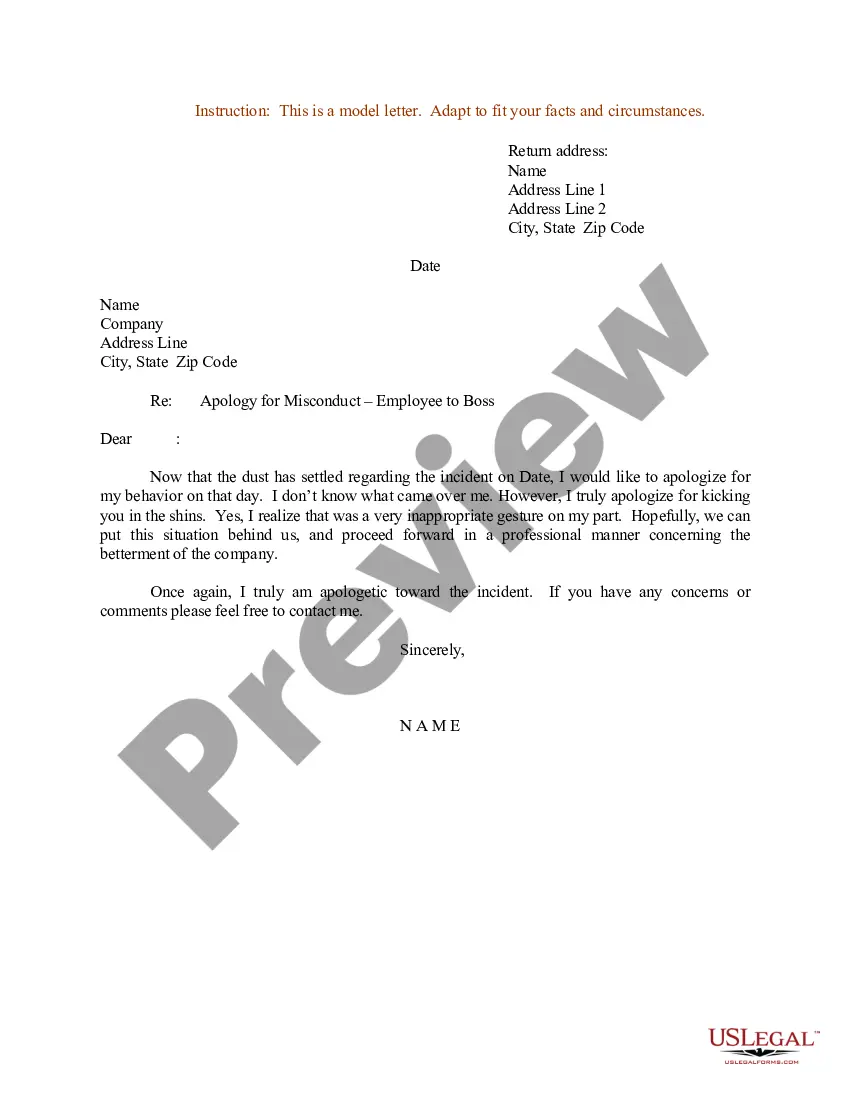
How to fill out Sample Letter For Apology For Misconduct - Employee To Boss?
- Access your account by logging in at US Legal Forms. If you are a new user, click on the 'Sign Up' option to create an account.
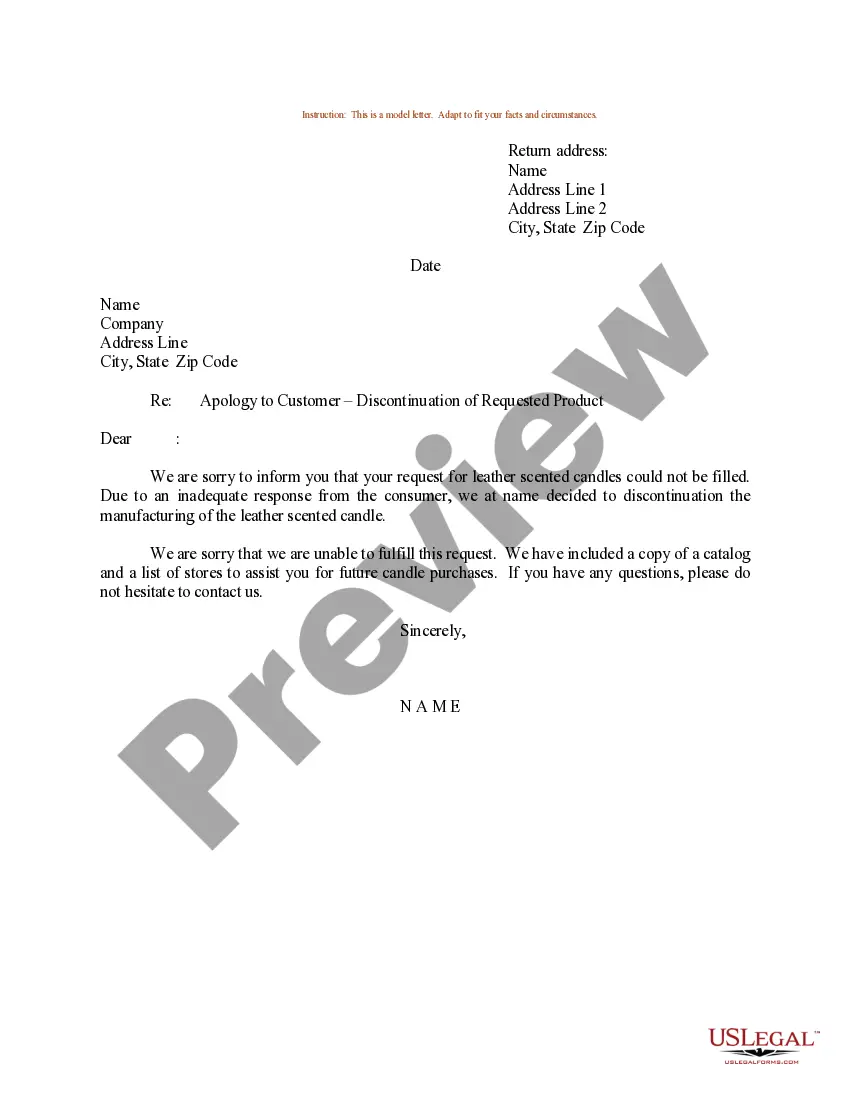
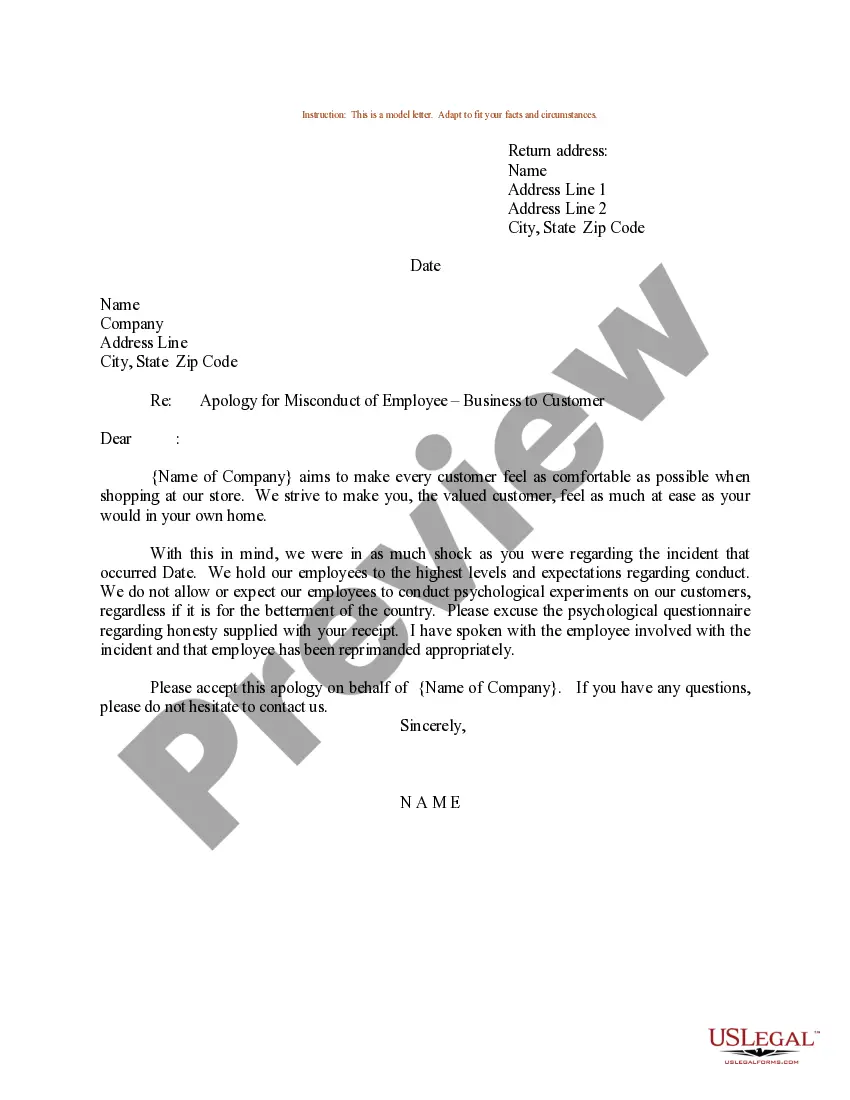
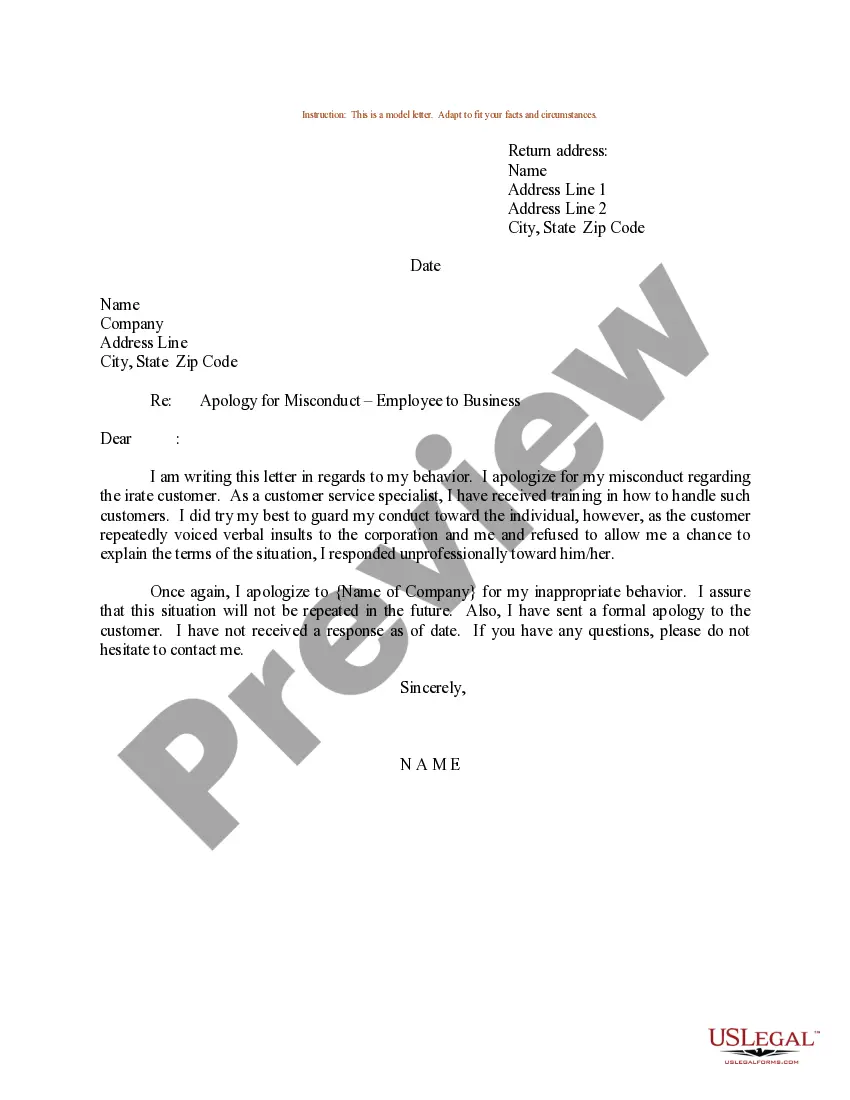
- Browse the preview mode and read the description of the apology example form to ensure it meets your jurisdiction's requirements.
- If the form doesn't fit your needs, utilize the search feature to find a suitable template.
- Once you find the correct form, proceed by clicking the 'Buy Now' button and select your preferred subscription plan.
- Complete your purchase by entering your payment details or using a PayPal account.
- After the transaction, download your form to your device and access it anytime via the 'My Forms' section in your profile.
Using US Legal Forms ensures that you have access to a robust collection of over 85,000 legal documents, which is unmatched by competitors. This comprehensive library makes obtaining the right form quick and easy.
In conclusion, utilizing US Legal Forms can streamline your legal documentation process. Explore their services today and empower yourself with the right tools for legal success!
Form popularity
FAQ
A thoughtfully constructed sentence to apologize is, 'I apologize for my behavior last night, and I truly appreciate your understanding.' This sentence conveys sincerity and acknowledges the impact of your actions. It's important to communicate such sentiments effectively, as a clear apology example strengthens relationships and promotes healing. Remember, taking the time to express genuine remorse can pave the way for positive interactions in the future.
A good apology example involves taking full responsibility for your actions, clearly expressing regret, and offering to make amends. For instance, saying, 'I’m sorry for missing your event. I understand how much it meant to you, and I will do my best to ensure it doesn’t happen again.' This clarity shows sincerity and builds trust. Additionally, using a structured approach helps ensure that your message resonates with the other person.
A good apology sentence can be, 'I want to sincerely apologize for any distress I may have caused you.' This sentence emphasizes personal accountability and recognizes the emotional impact of your actions. Such clarity and sincerity make it a strong apology example for various contexts.
The best statement to apologize often reflects genuine remorse and accountability. An example could be, 'I take full responsibility for my mistake and am committed to making it right.' This clear acknowledgment of responsibility, coupled with a commitment to rectify the issue, often resonates well with recipients.
To properly say sorry, you can use an apology example like, 'I am truly sorry for my oversight, and I appreciate your understanding as I address this issue.' This statement conveys both sincerity and recognition of impact. It’s essential to follow this up with concrete steps you will take to avoid a repeat of the situation.
To write a good apology example, start by clearly stating what you are apologizing for. Follow that with a sincere expression of remorse, and then mitigate any negative effects of your actions. Lastly, ensure you provide assurance about how you plan to improve, as this shows your commitment to change.
Examples of apology statements include phrases like, 'I apologize for my mistake and the inconvenience it caused.' You could also say, 'I regret my decision and understand its impact on the team.' These statements illustrate accountability and the willingness to make amends, making them strong examples of effective apologies.
A good sentence for an apology example might be, 'I sincerely regret my actions and the confusion they caused.' This sentence demonstrates accountability and understanding without being overly complicated. It’s straightforward, clear, and expresses genuine regret, making it effective in any situation.
To apologize professionally, start with a clear acknowledgment of the mistake. Use a sincere tone and express your regret. Provide a brief explanation of the situation, if appropriate, and outline the steps you will take to rectify the issue. Always end with an assurance of your commitment to better practices in the future.
An effective apology example includes acceptance of responsibility, expression of remorse, and a commitment to change. Acknowledging your mistake helps to build trust. Expressing genuine remorse shows you understand the impact of your actions. Finally, committing to change demonstrates your intent to avoid repeating the error.