Dynasty Trust Problems Forbes
Description
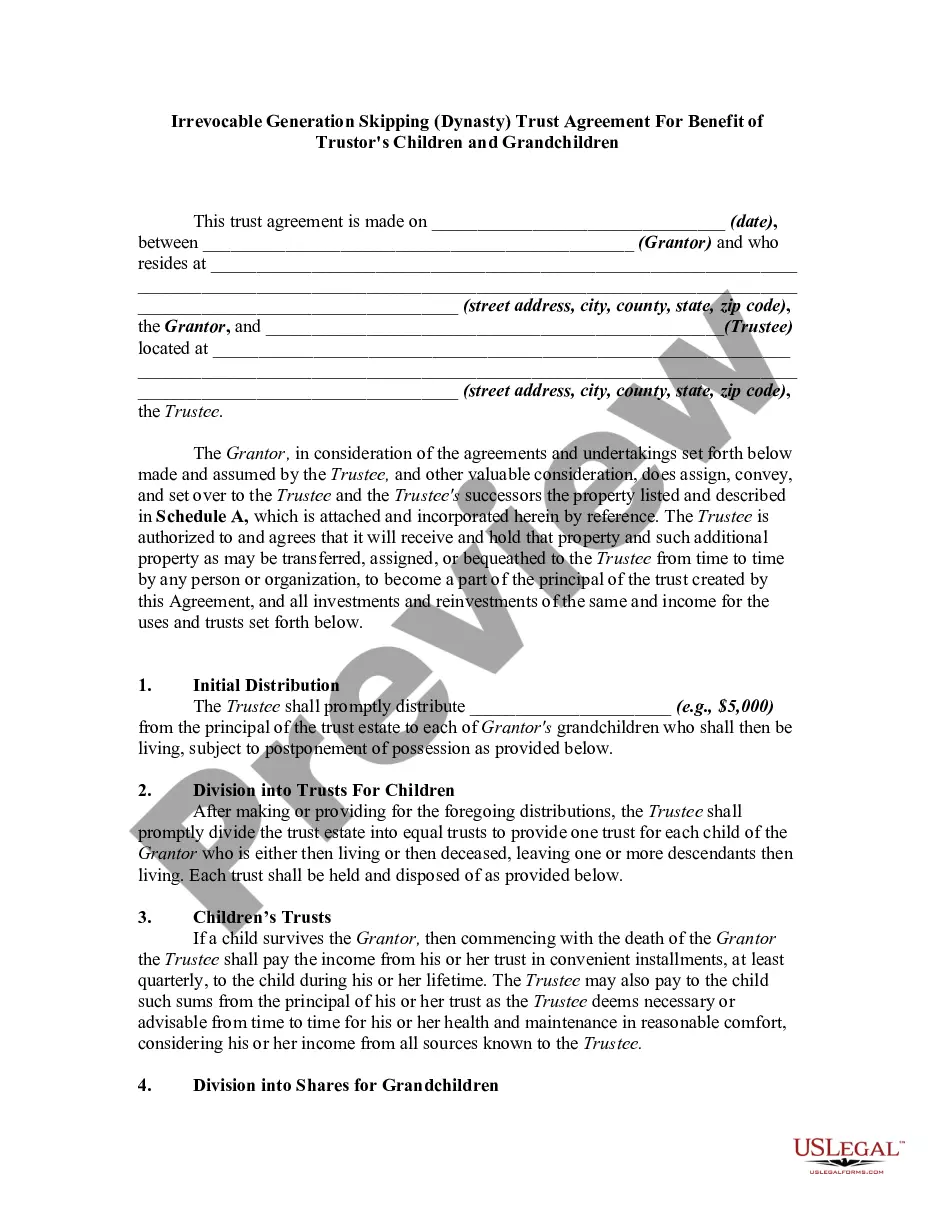
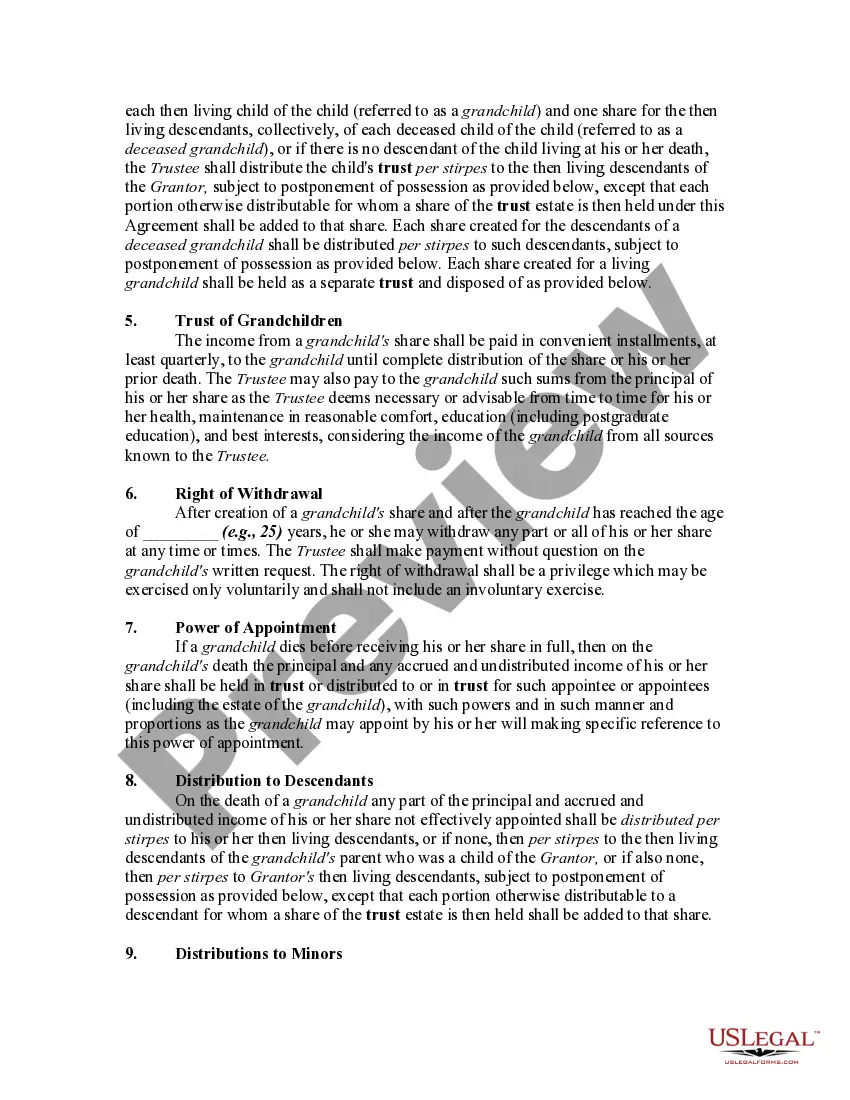
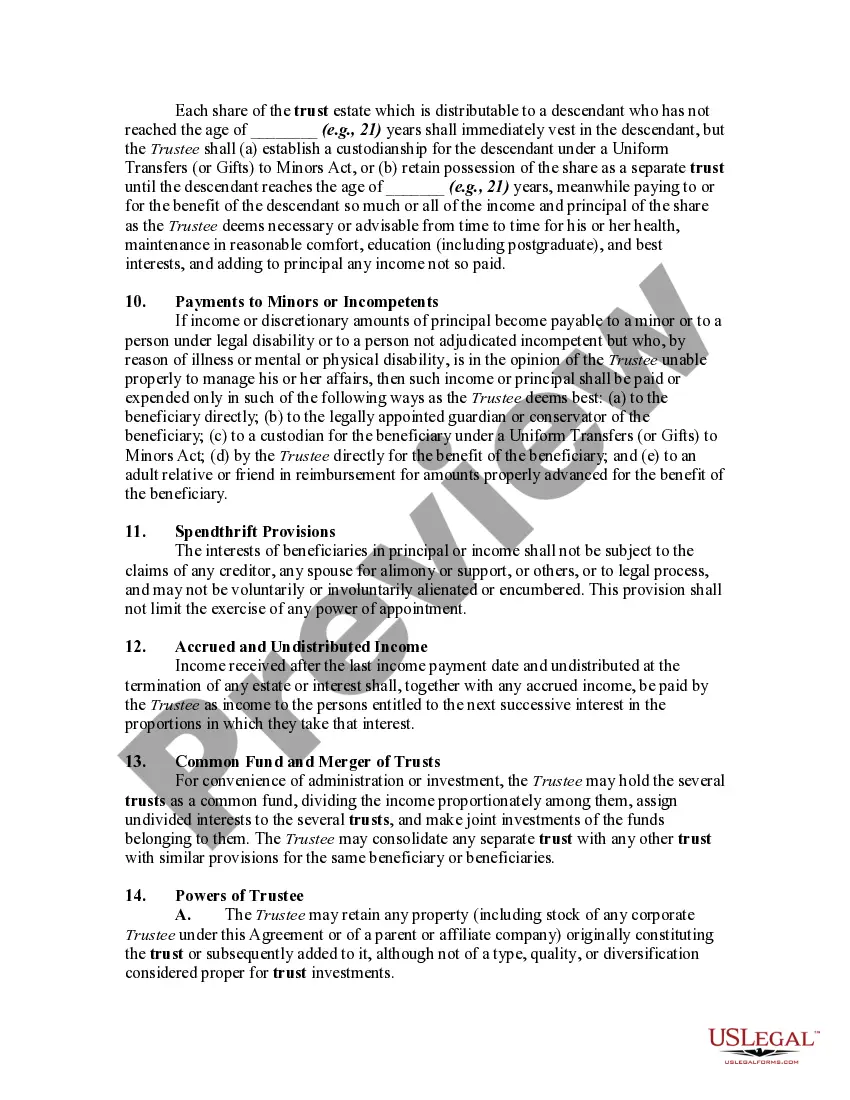
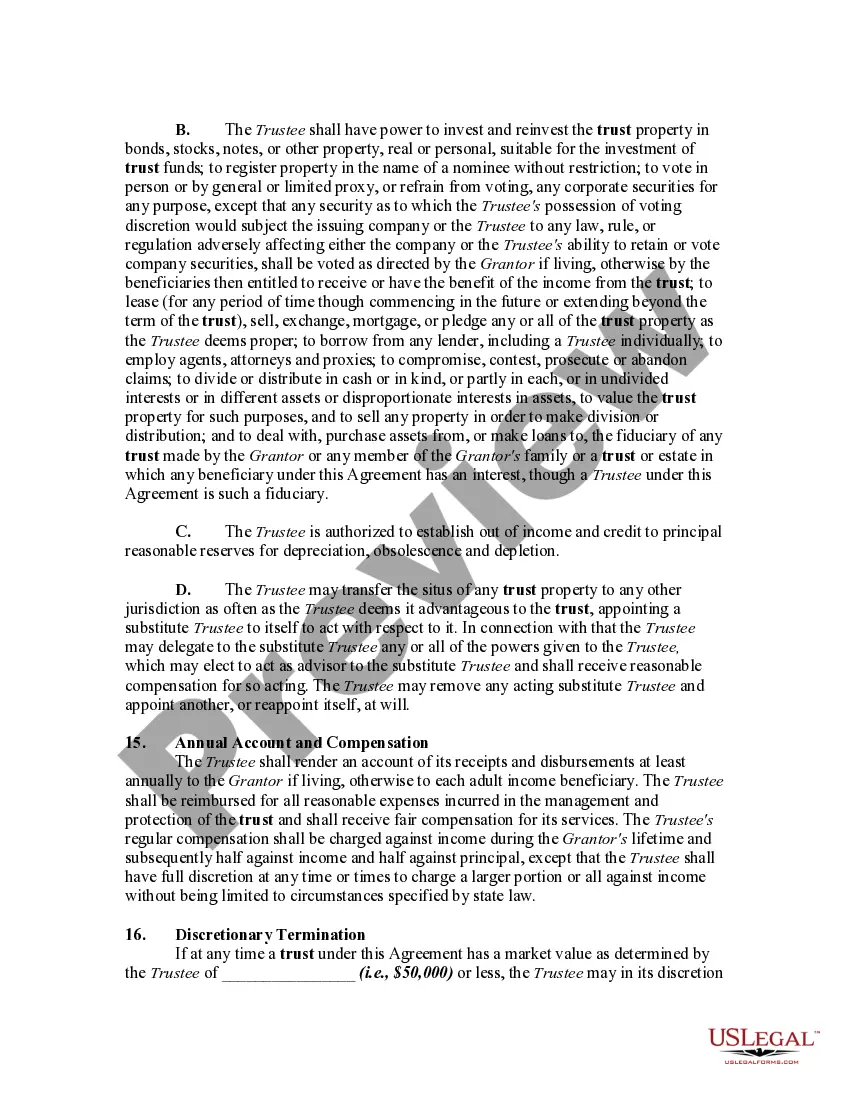
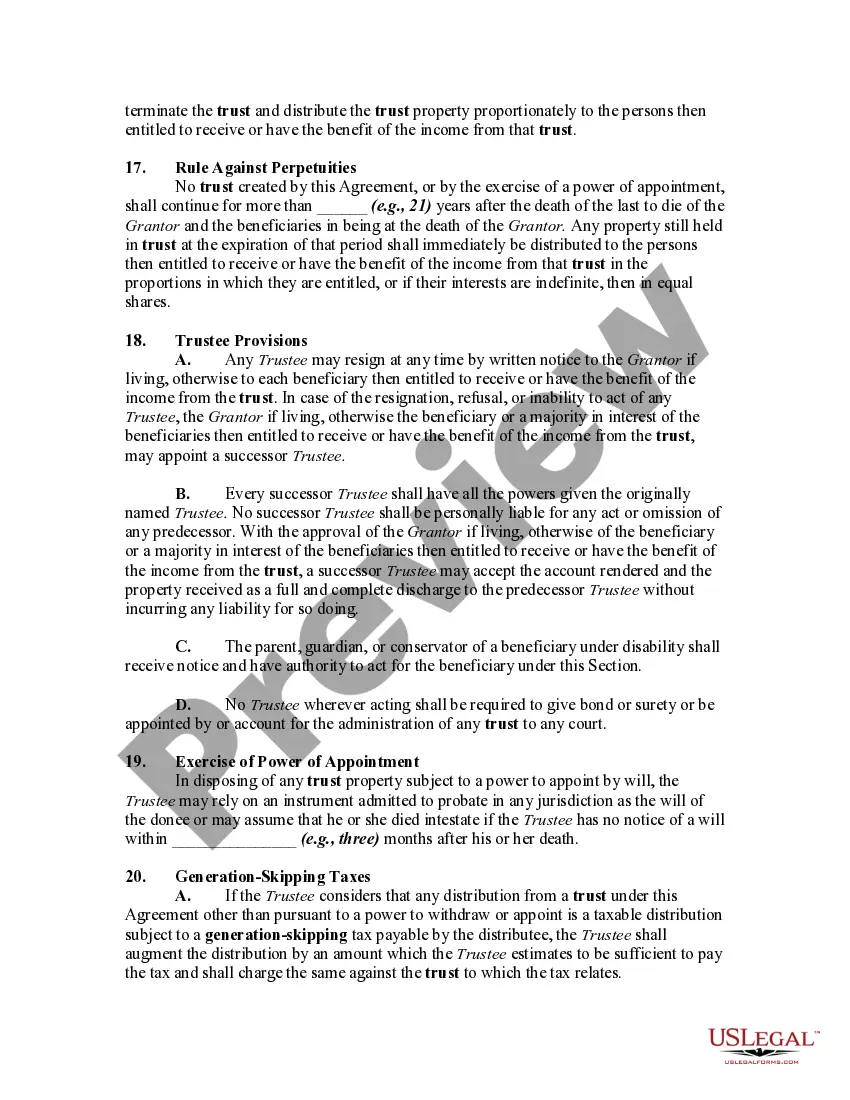
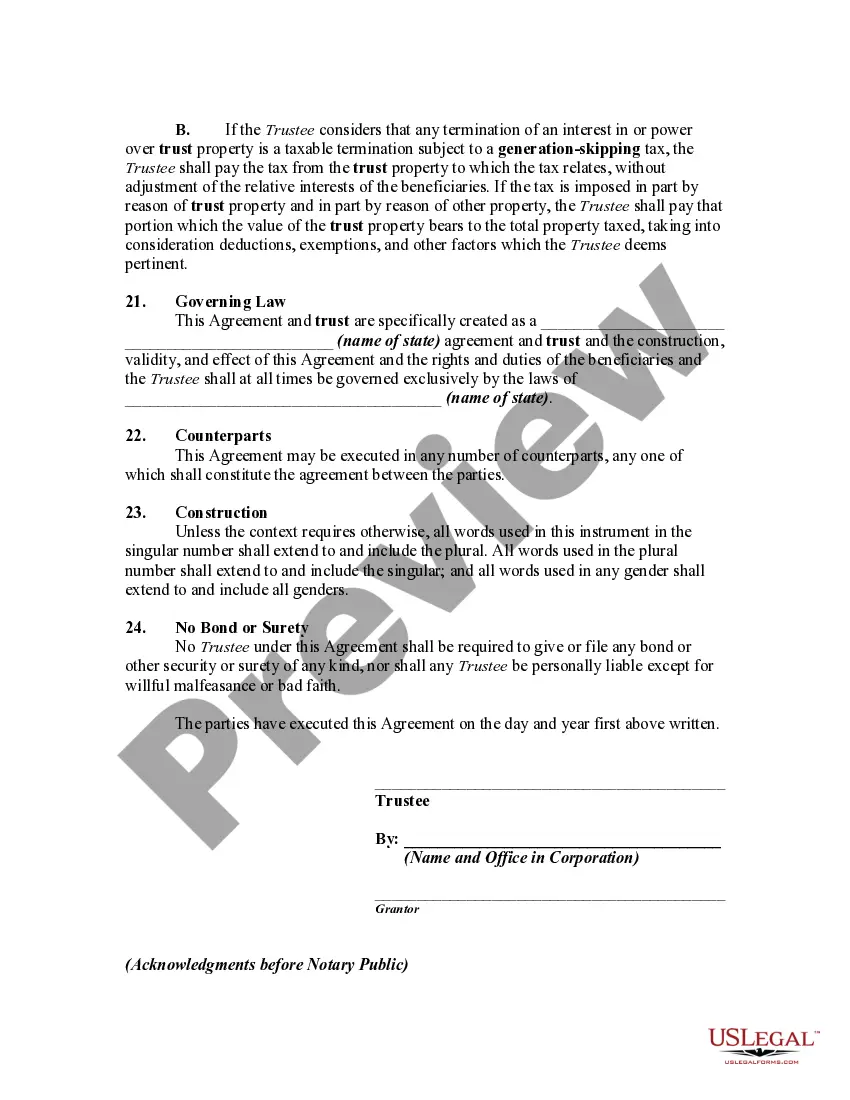

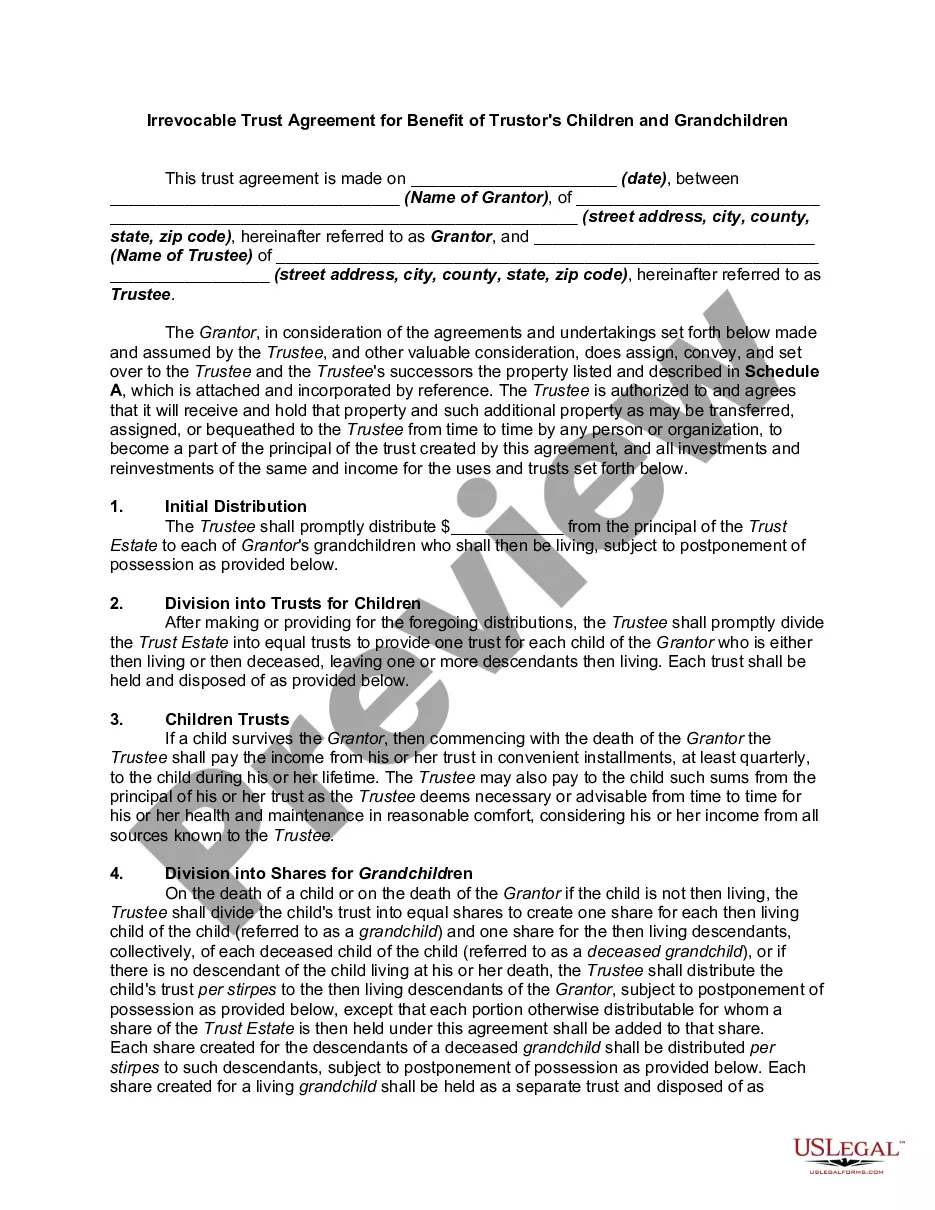
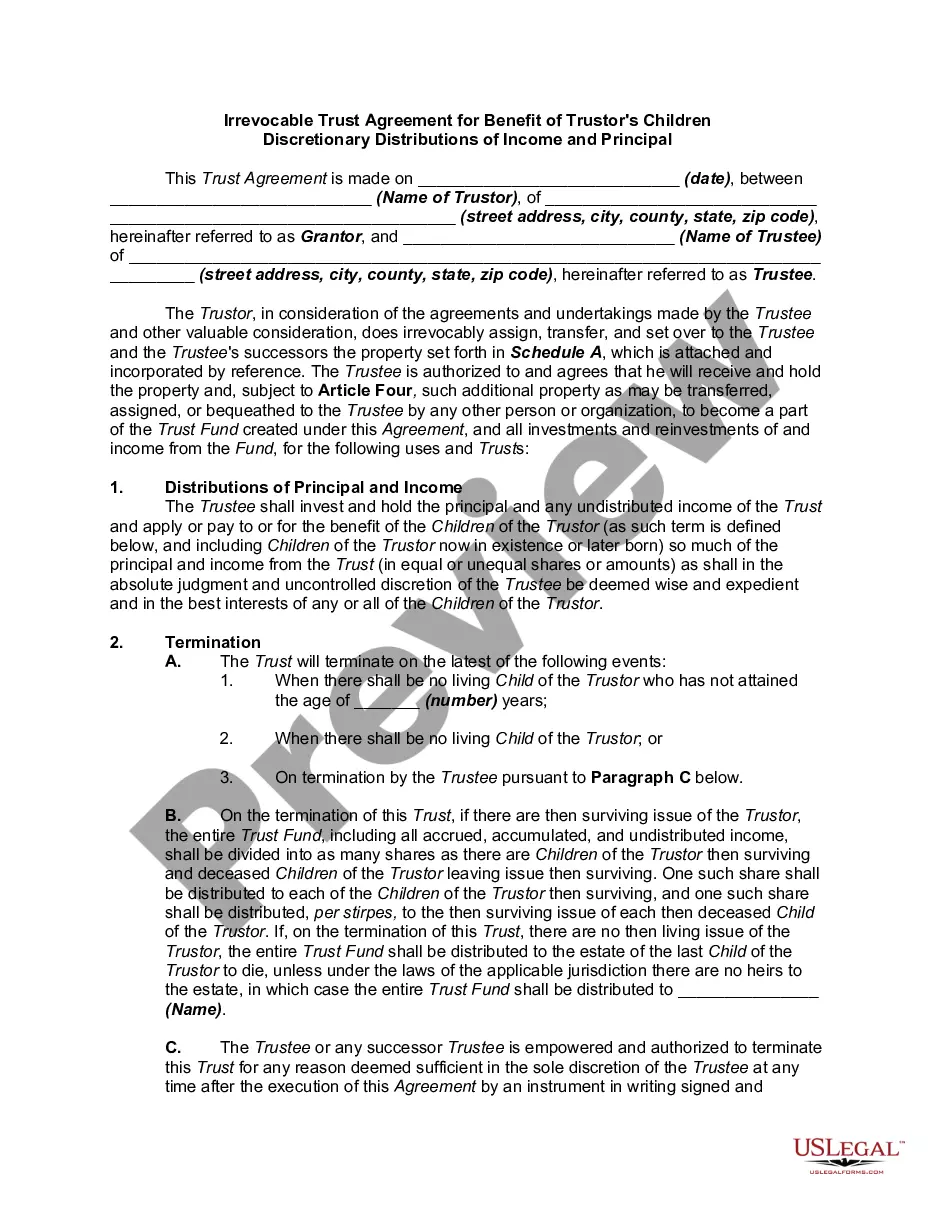
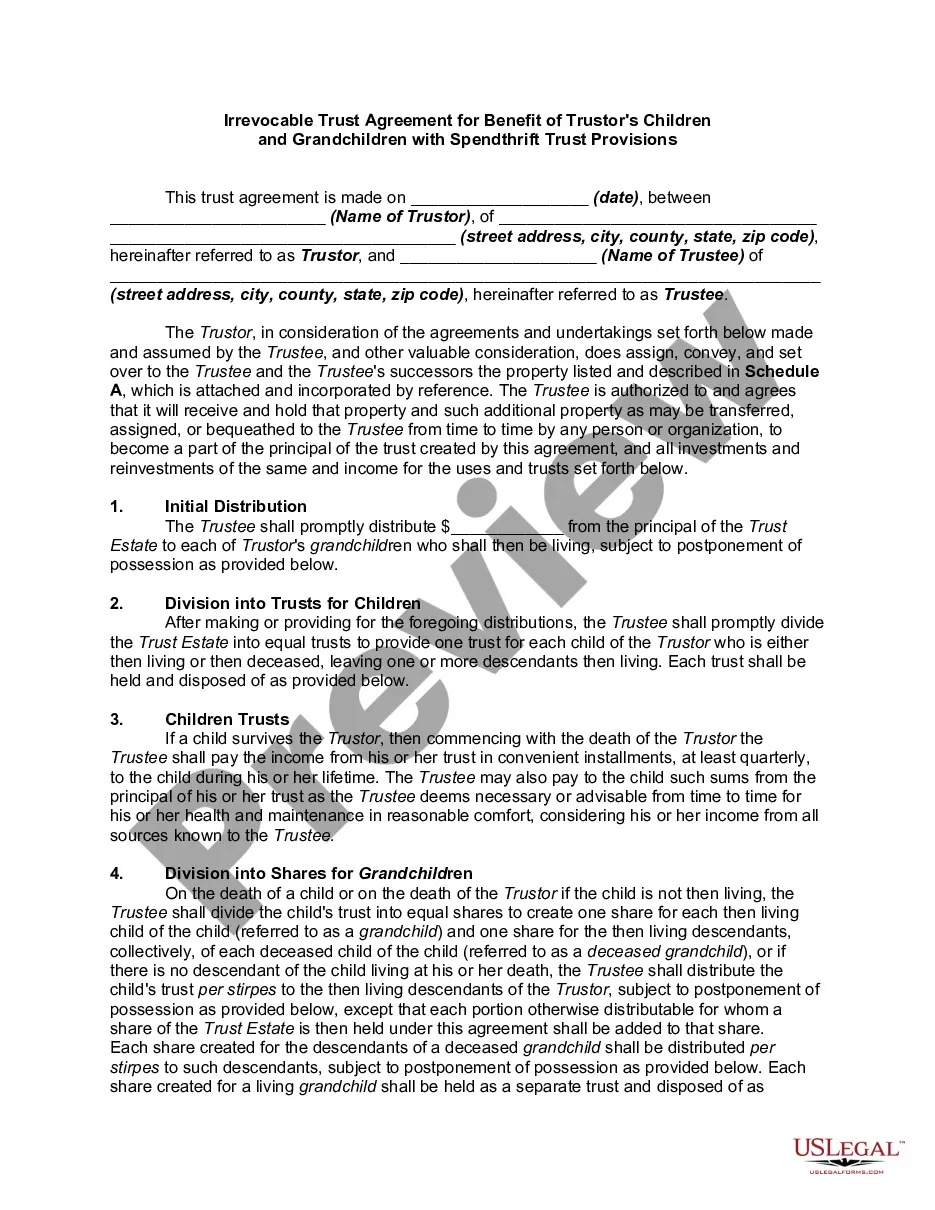
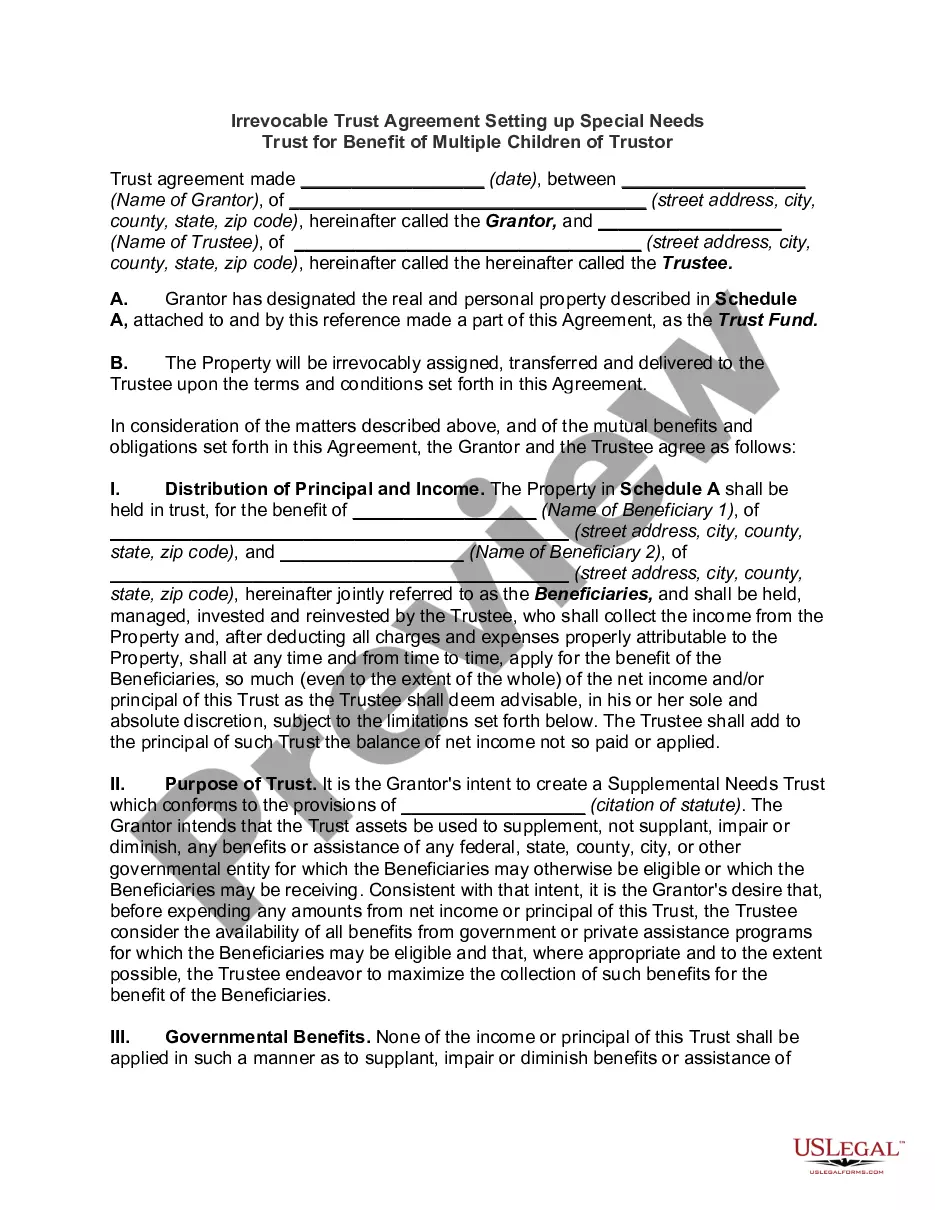
Get your form ready online
Our built-in tools help you complete, sign, share, and store your documents in one place.
Make edits, fill in missing information, and update formatting in US Legal Forms—just like you would in MS Word.
Download a copy, print it, send it by email, or mail it via USPS—whatever works best for your next step.
Sign and collect signatures with our SignNow integration. Send to multiple recipients, set reminders, and more. Go Premium to unlock E-Sign.
If this form requires notarization, complete it online through a secure video call—no need to meet a notary in person or wait for an appointment.
We protect your documents and personal data by following strict security and privacy standards.

Make edits, fill in missing information, and update formatting in US Legal Forms—just like you would in MS Word.

Download a copy, print it, send it by email, or mail it via USPS—whatever works best for your next step.

Sign and collect signatures with our SignNow integration. Send to multiple recipients, set reminders, and more. Go Premium to unlock E-Sign.

If this form requires notarization, complete it online through a secure video call—no need to meet a notary in person or wait for an appointment.

We protect your documents and personal data by following strict security and privacy standards.
Looking for another form?



How to fill out Irrevocable Generation Skipping Or Dynasty Trust Agreement For Benefit Of Trustor's Children And Grandchildren?
Regardless of whether it's for corporate intentions or personal matters, every individual eventually faces legal issues at some point in their life.
Finalizing legal documentation demands meticulous care, beginning with the selection of the appropriate template.
With an extensive US Legal Forms library available, you won't have to waste time searching for the correct template online. Make use of the library’s straightforward navigation to find the right form for any circumstance.
- Acquire the template you require by using the search bar or directory navigation.
- Review the form’s details to ensure it aligns with your situation, jurisdiction, and area.
- Click on the form’s preview to inspect it.
- If it’s not the correct form, return to the search feature to locate the necessary Dynasty Trust Problems Forbes template.
- Obtain the document if it meets your requirements.
- If you already possess a US Legal Forms account, simply click Log in to access previously stored files in My documents.
- Should you not have an account yet, you can purchase the form by clicking Buy now.
- Select the appropriate pricing choice.
- Complete the account registration form.
- Choose your payment method: either a credit card or a PayPal account.
- Select the document format you desire and download the Dynasty Trust Problems Forbes.
- Once saved, you can fill out the form using editing software or print it out and complete it by hand.
Form popularity
FAQ
A dynasty trust can be modified or terminated, but the process often involves legal complexities that may raise dynasty trust problems forbes. Typically, the trust’s terms govern its existence, and altering these terms might require consent from all beneficiaries. Additionally, state laws can influence the ability to break a trust, making it essential to consult with a qualified attorney. For those facing challenges, the US Legal Forms platform offers valuable resources and guidance to navigate these issues effectively.
The best state to set up a dynasty trust often includes states such as South Dakota, Nevada, and Alaska. These states provide favorable laws that allow trusts to last indefinitely without facing estate tax. This can significantly enhance your estate planning strategy and mitigate potential dynasty trust problems Forbes brings to light. Researching state laws and leveraging US Legal Forms can ensure your trust is set up correctly, maximizing its benefits.
When selecting assets for a dynasty trust, consider including real estate, stocks, and family-owned businesses. These assets typically appreciate over time, providing long-term benefits for future generations. It's important to evaluate the specific tax implications associated with each asset, as dynasty trust problems Forbes discusses often stem from improper asset allocation. Utilizing platforms like US Legal Forms can guide you in creating effective documentation for your trust.
Dynasty trust problems Forbes often highlight include complexities surrounding tax implications and regulatory challenges. These trusts can face challenges regarding generation-skipping transfer taxes, which may erode the trust's benefits over time. Additionally, beneficiaries may encounter disputes related to trust management and distribution, leading to conflicts. Considering a well-structured dynasty trust with professional guidance can help minimize these issues.
Most dynasty trusts are irrevocable, meaning once the assets are placed in the trust, the grantor cannot dissolve or modify it without consent. This feature helps protect assets from creditors and ensures long-term wealth preservation. However, understanding the implications of this aspect can help you navigate potential dynasty trust problems, making platforms like US Legal Forms valuable for clarity and assistance.
A dynasty trust is typically managed by a trustee, who is appointed to oversee the assets and carry out the terms of the trust. This person can be an individual or a financial institution, depending on the complexity of the trust. Ensuring the right trustee is in place is vital to prevent dynasty trust problems and manage the family wealth effectively.
Yes, a dynasty trust can potentially be dissolved, but this involves specific legal processes. The trust's terms, local laws, and the intentions of the grantor play crucial roles. If you are facing dynasty trust problems, seeking guidance from professionals or using platforms like US Legal Forms can simplify this process and clarify your options.