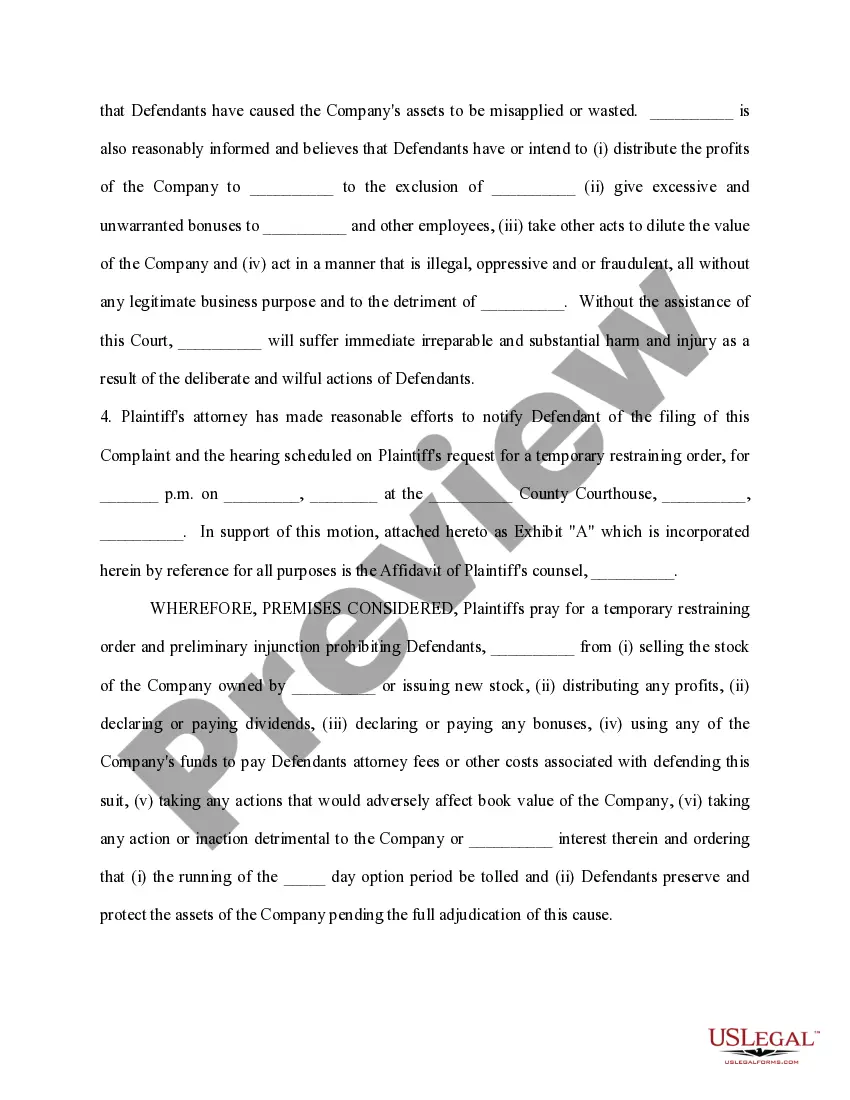
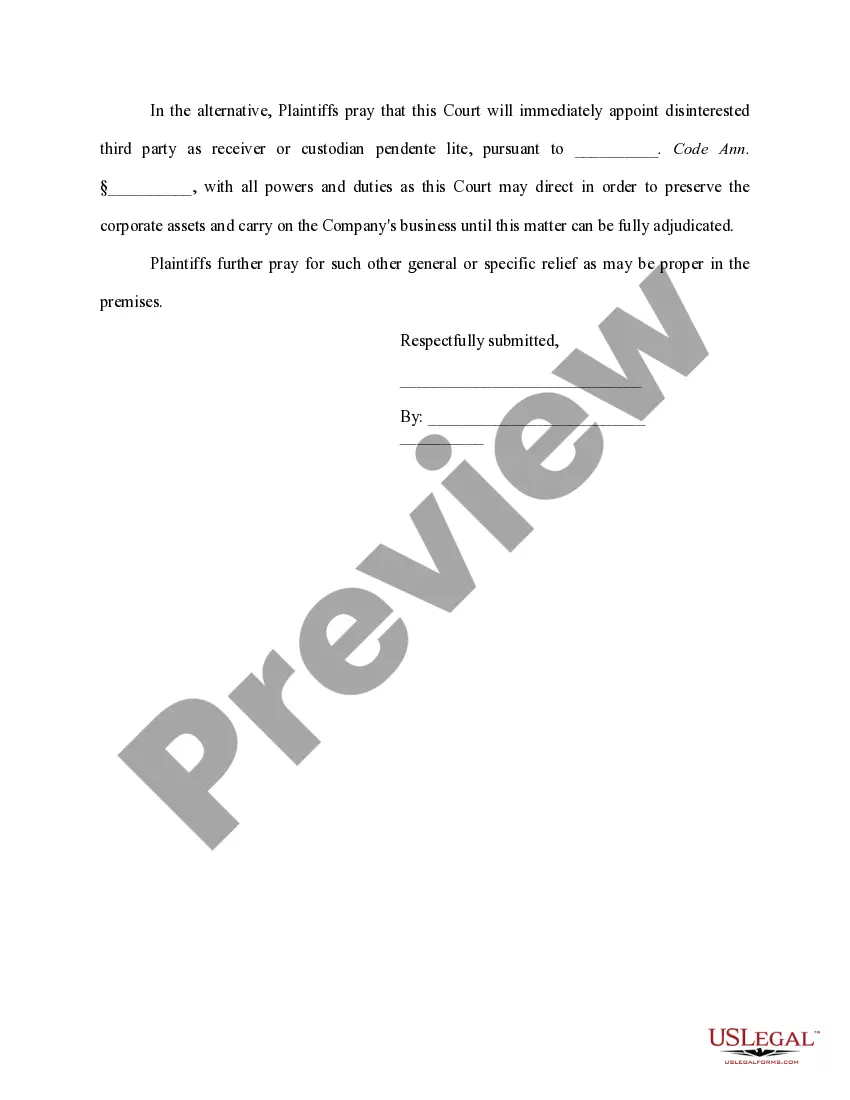
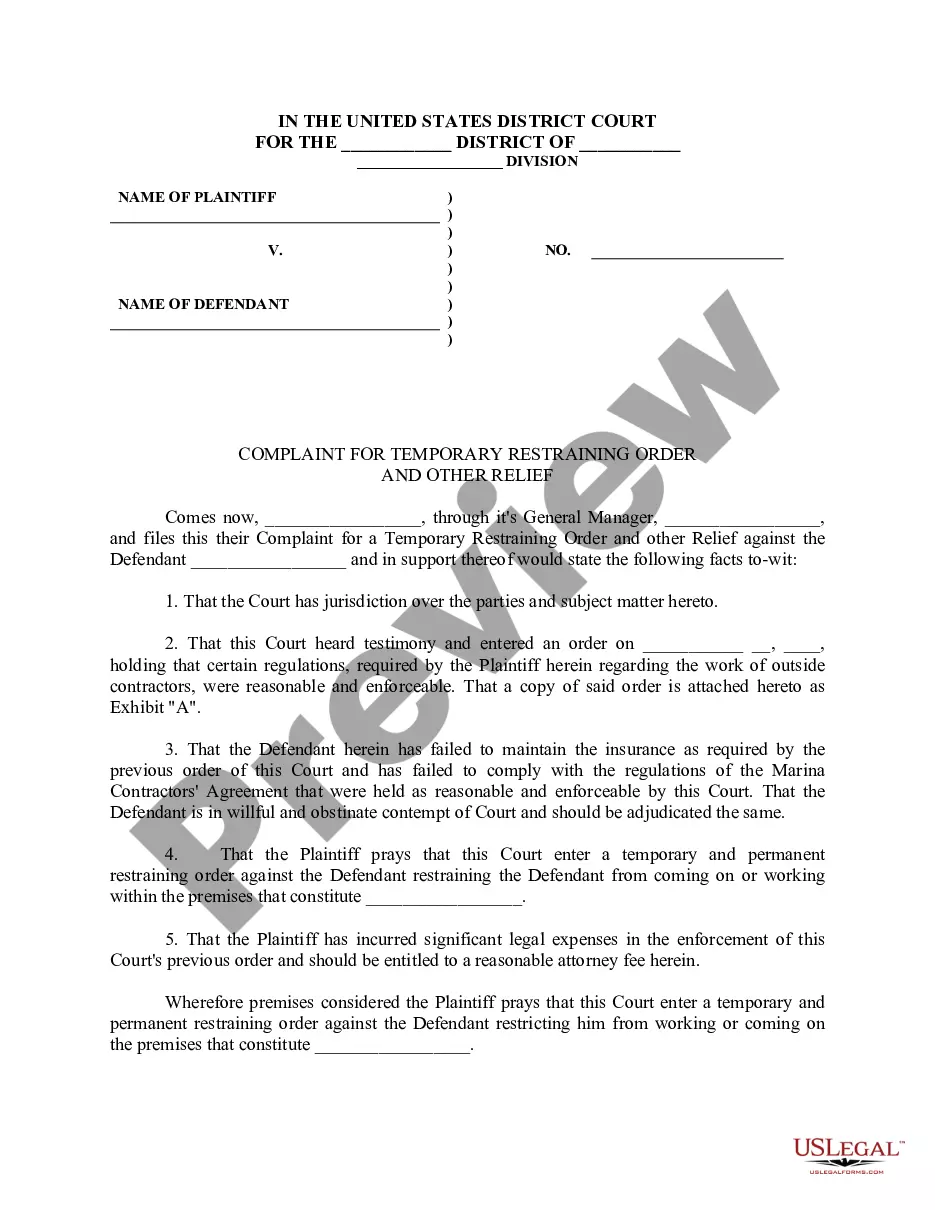
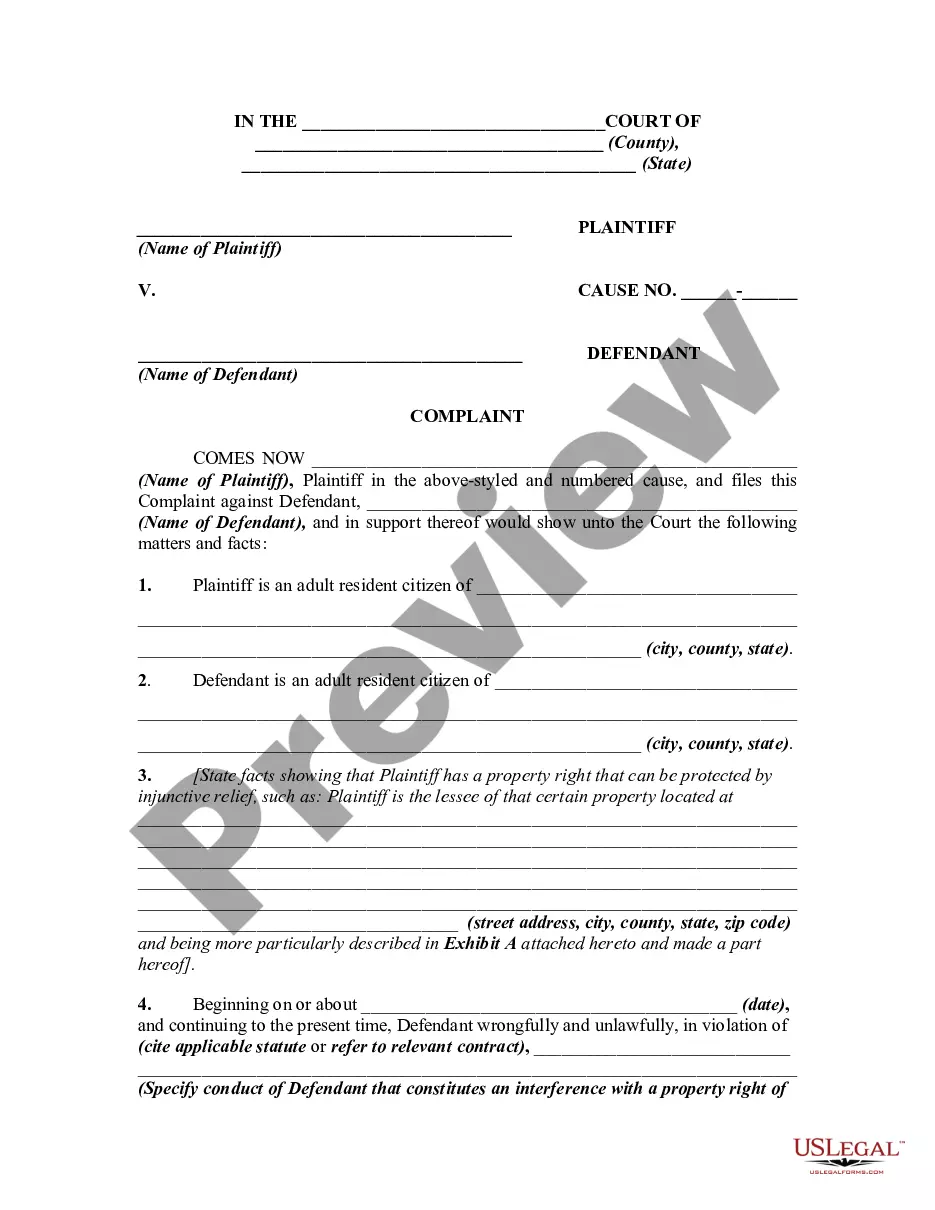
Temporary Restraining Form Order For California
Description


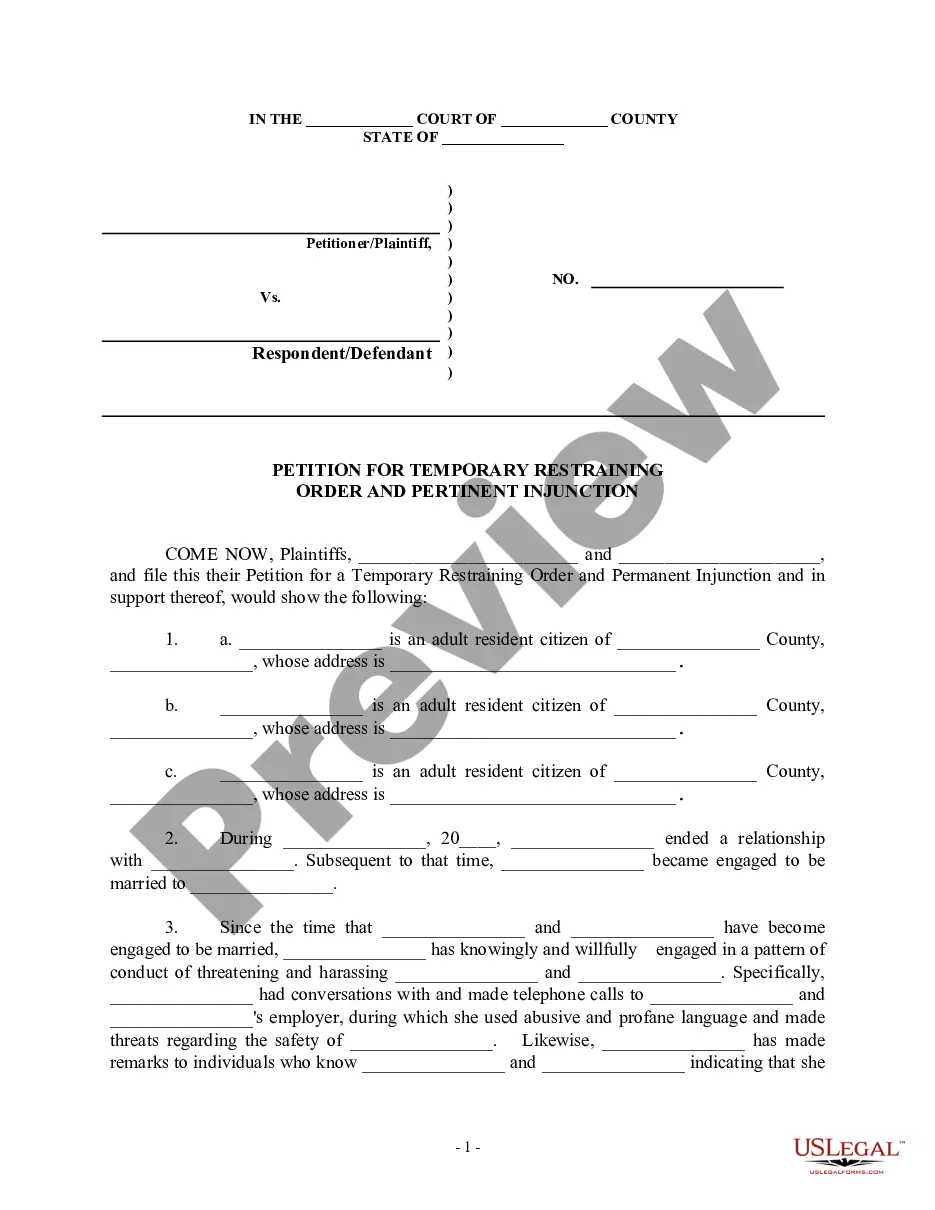

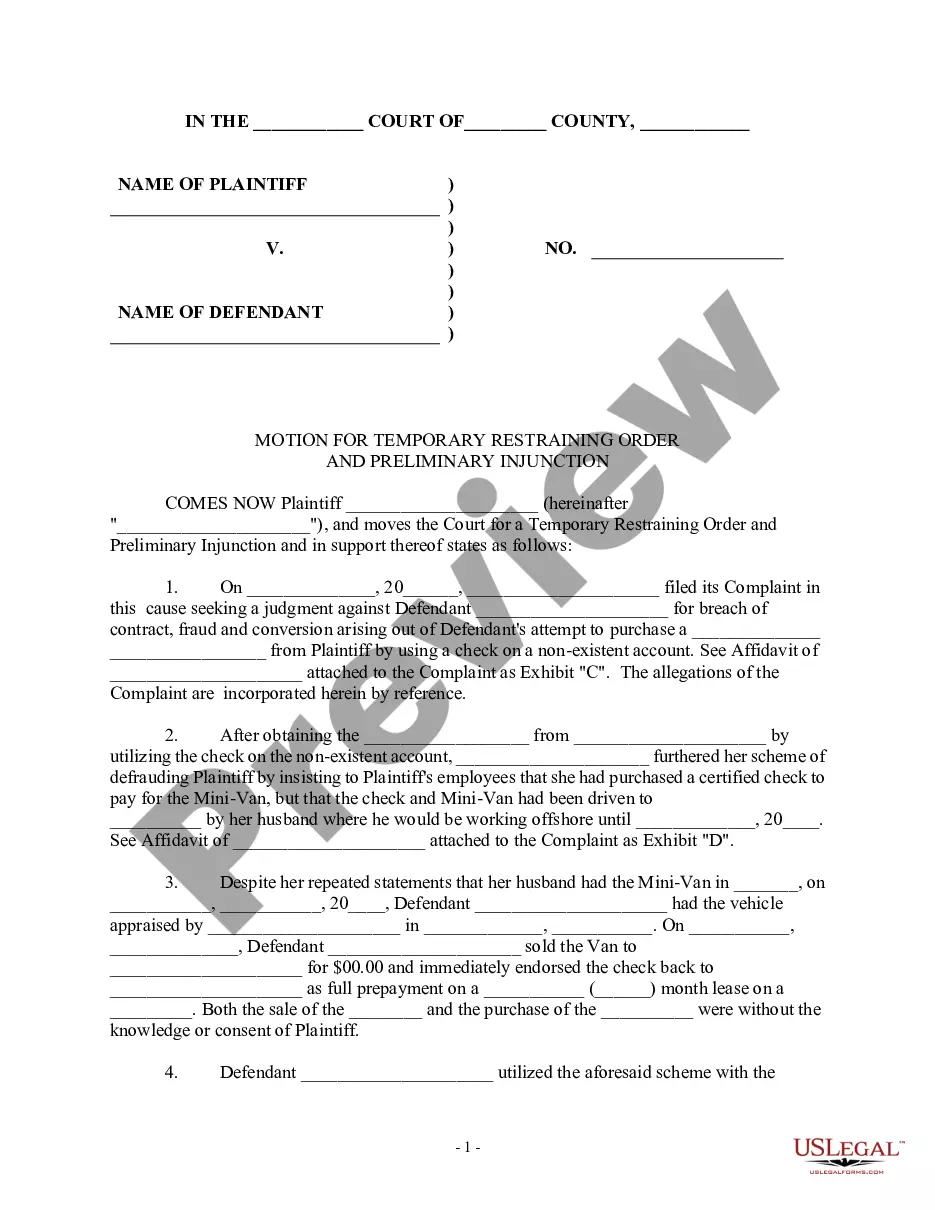
Get your form ready online
Our built-in tools help you complete, sign, share, and store your documents in one place.
Make edits, fill in missing information, and update formatting in US Legal Forms—just like you would in MS Word.
Download a copy, print it, send it by email, or mail it via USPS—whatever works best for your next step.
Sign and collect signatures with our SignNow integration. Send to multiple recipients, set reminders, and more. Go Premium to unlock E-Sign.
If this form requires notarization, complete it online through a secure video call—no need to meet a notary in person or wait for an appointment.
We protect your documents and personal data by following strict security and privacy standards.

Make edits, fill in missing information, and update formatting in US Legal Forms—just like you would in MS Word.

Download a copy, print it, send it by email, or mail it via USPS—whatever works best for your next step.

Sign and collect signatures with our SignNow integration. Send to multiple recipients, set reminders, and more. Go Premium to unlock E-Sign.

If this form requires notarization, complete it online through a secure video call—no need to meet a notary in person or wait for an appointment.

We protect your documents and personal data by following strict security and privacy standards.
Looking for another form?
How to fill out Complaint For Temporary Restraining Order, Preliminary Injunction And Permanent Injunction?
Obtaining legal templates that adhere to federal and state laws is crucial, and the web provides numerous choices to select from.
However, what’s the purpose of spending time looking for the suitable Temporary Restraining Order Form sample for California online if the US Legal Forms digital library already has such documents collected in one location.
US Legal Forms is the largest online legal repository with over 85,000 fillable templates created by attorneys for any professional and personal circumstances. They are easy to navigate with all documents categorized by state and intended use. Our experts keep up with legislative changes, so you can always trust that your form is current and compliant when acquiring a Temporary Restraining Order Form for California from our site.
All documents you come across through US Legal Forms are reusable. To re-download and fill out previously acquired forms, access the My documents tab in your profile. Take advantage of the most extensive and user-friendly legal document service!
- Acquiring a Temporary Restraining Order Form for California is straightforward and quick for both existing and new users.
- If you already possess an account with an active subscription, Log In and download the document sample you need in the desired format.
- If you are new to our platform, follow the steps below.
- Review the template using the Preview feature or through the text description to confirm it meets your requirements.
- Search for another sample using the search tool at the top of the page if necessary.
- Click Buy Now once you’ve located the correct form and choose a subscription plan.
- Create an account or Log In and make a payment via PayPal or a credit card.
- Select the appropriate format for your Temporary Restraining Order Form for California and download it.
Form popularity
FAQ
It is important to note that while there are no filing fees to file for a restraining order in California, there may be other costs associated with obtaining a restraining order, such as transportation to and from the courthouse, the cost of hiring an attorney, or the cost of obtaining a copy of the restraining order.
For a person to obtain a TRO, that person must go to court and fill out the required paperwork explaining to the judge what occurred and why that person needs a restraining order. This person can ask the judge to issue a Temporary Restraining Order without notifying the other party.
Once you turn in your request, a judge will decide quickly whether to grant temporary protection. The whole process can take a few weeks to months, depending on how complicated your case is. If the judge grants you a long-term restraining order, it can last up to five years.
Types of proof that can aid in your filing a protective order include: Threatening, violent, or harassing, texts, emails, or voicemails. Previous calls to 911 or domestic violence hotlines. Records of previous medical emergencies or injuries that occurred because of the other party.