Restraining Order Against Get With Someone Else
Description

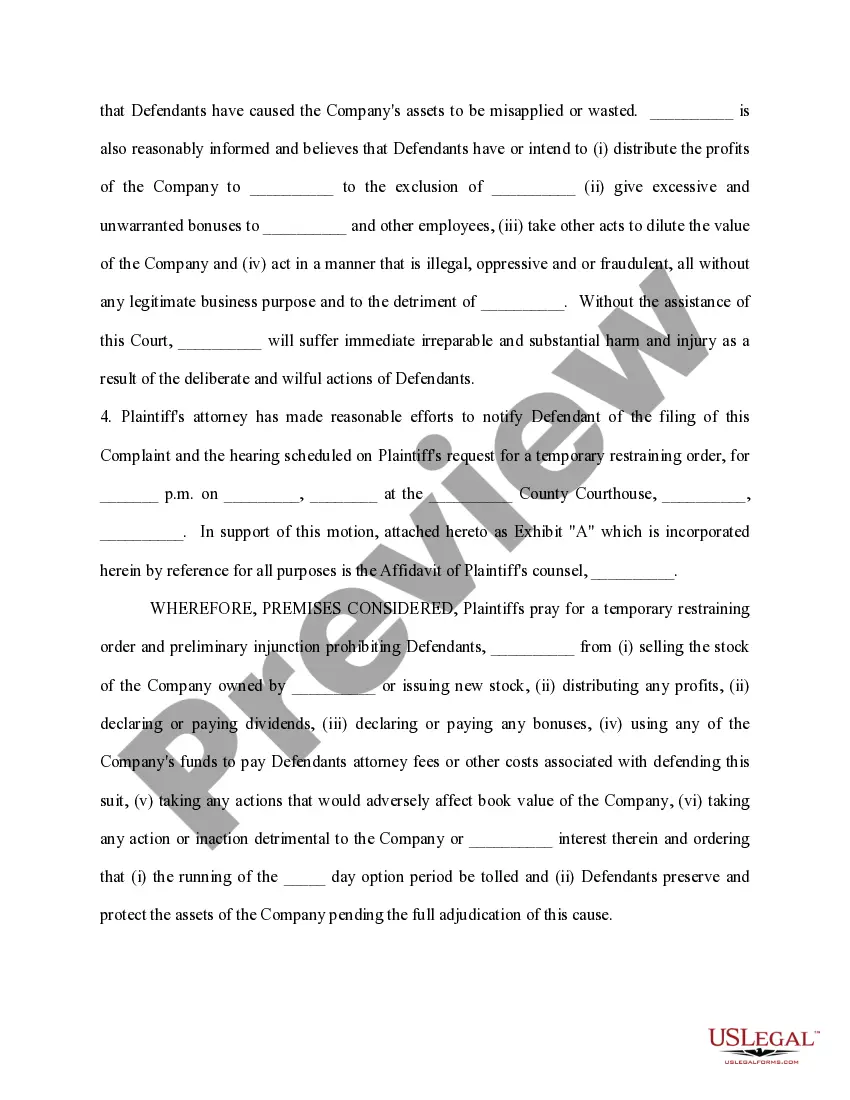
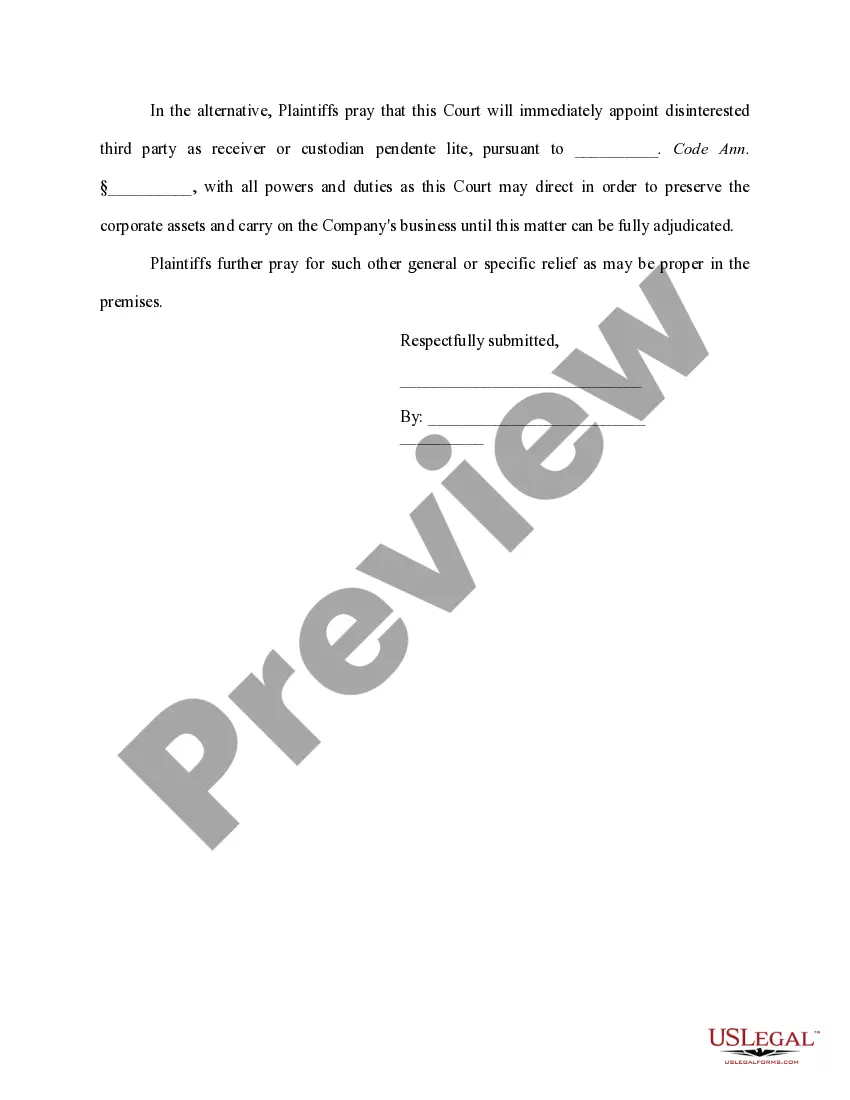

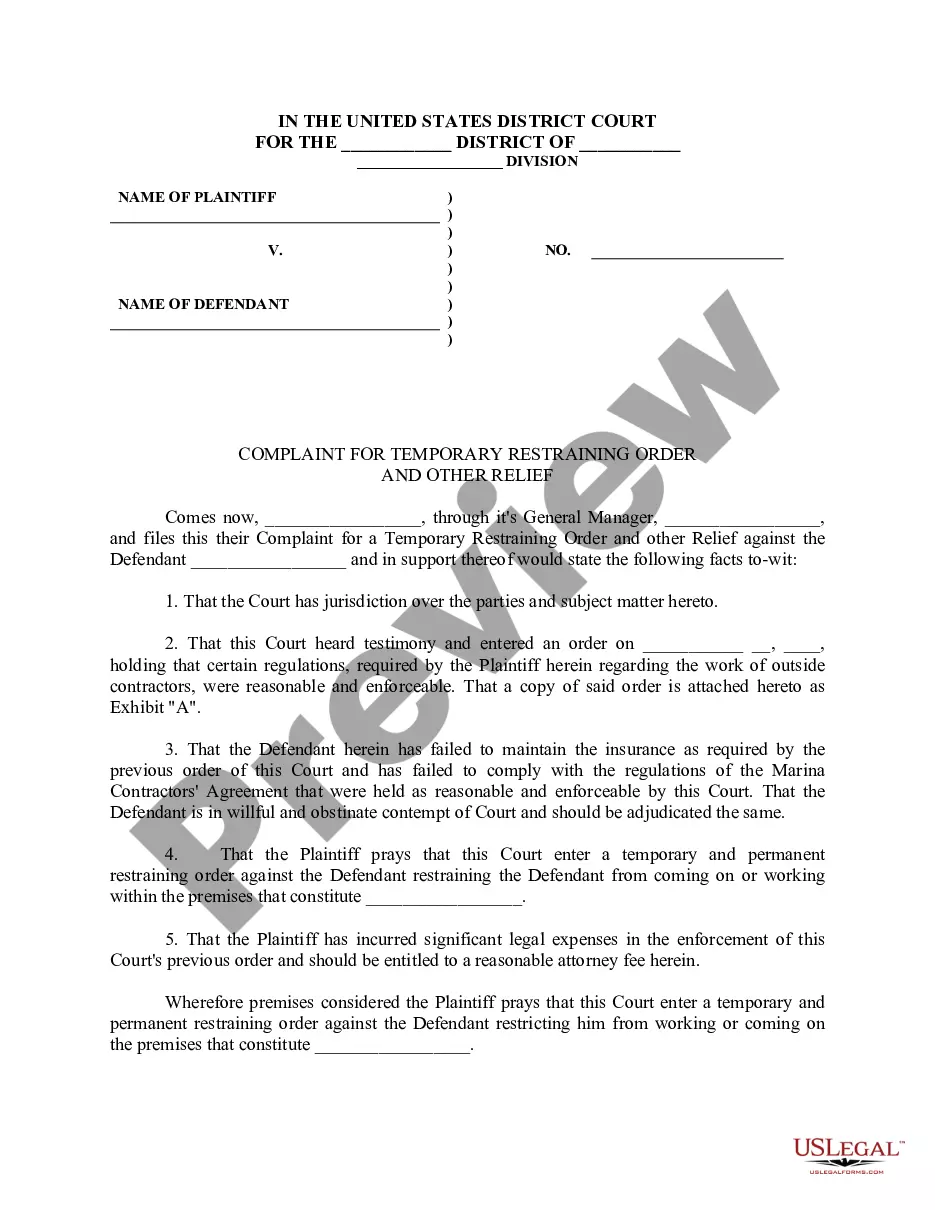
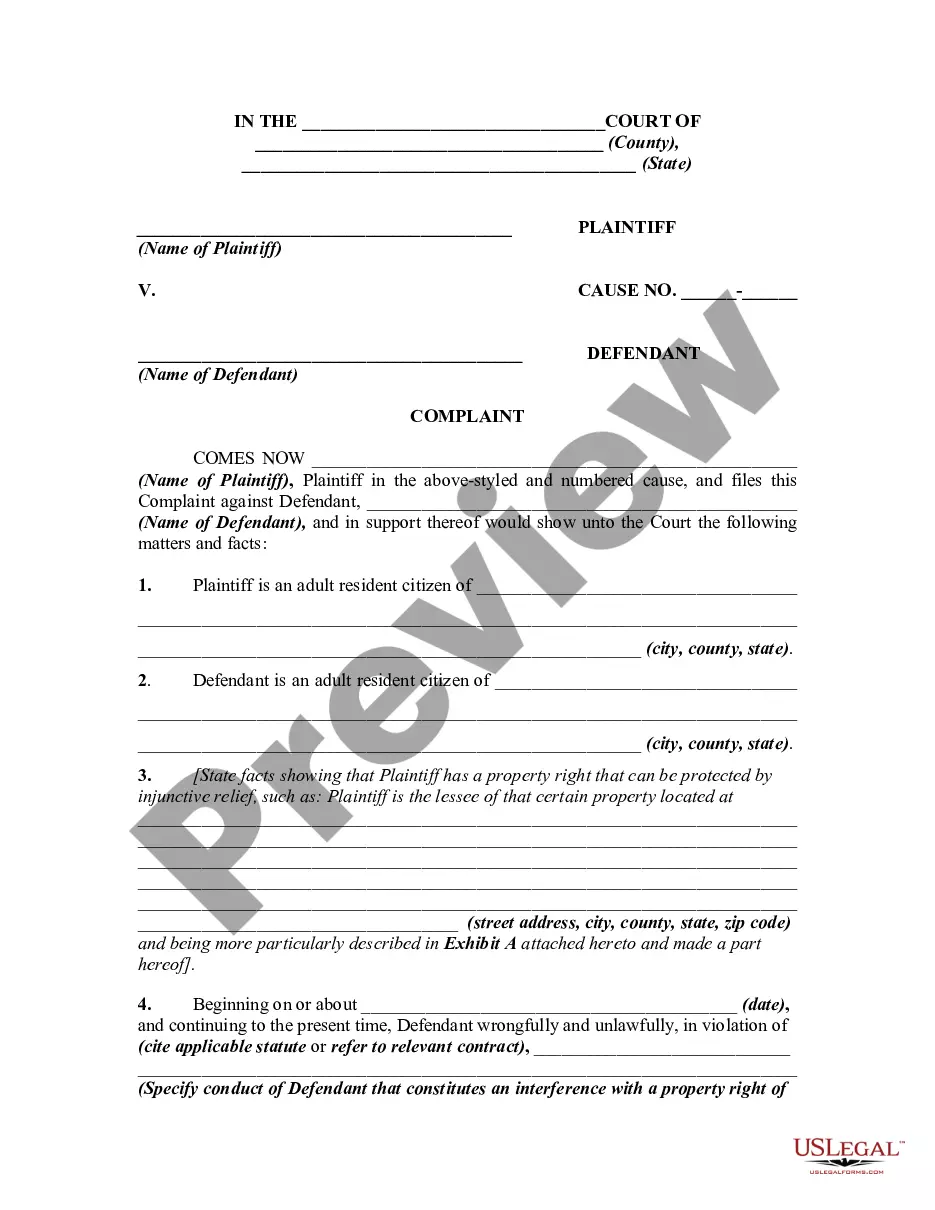
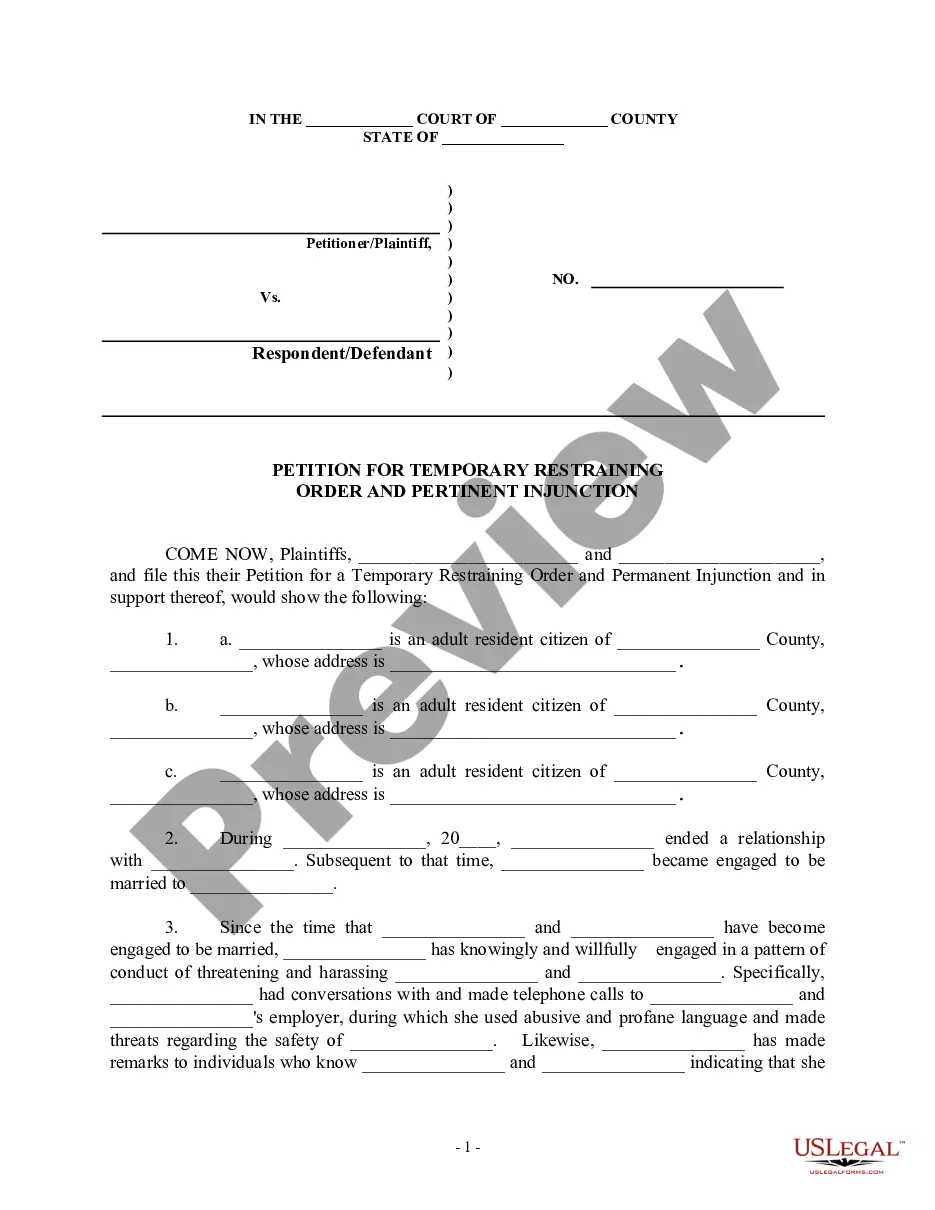

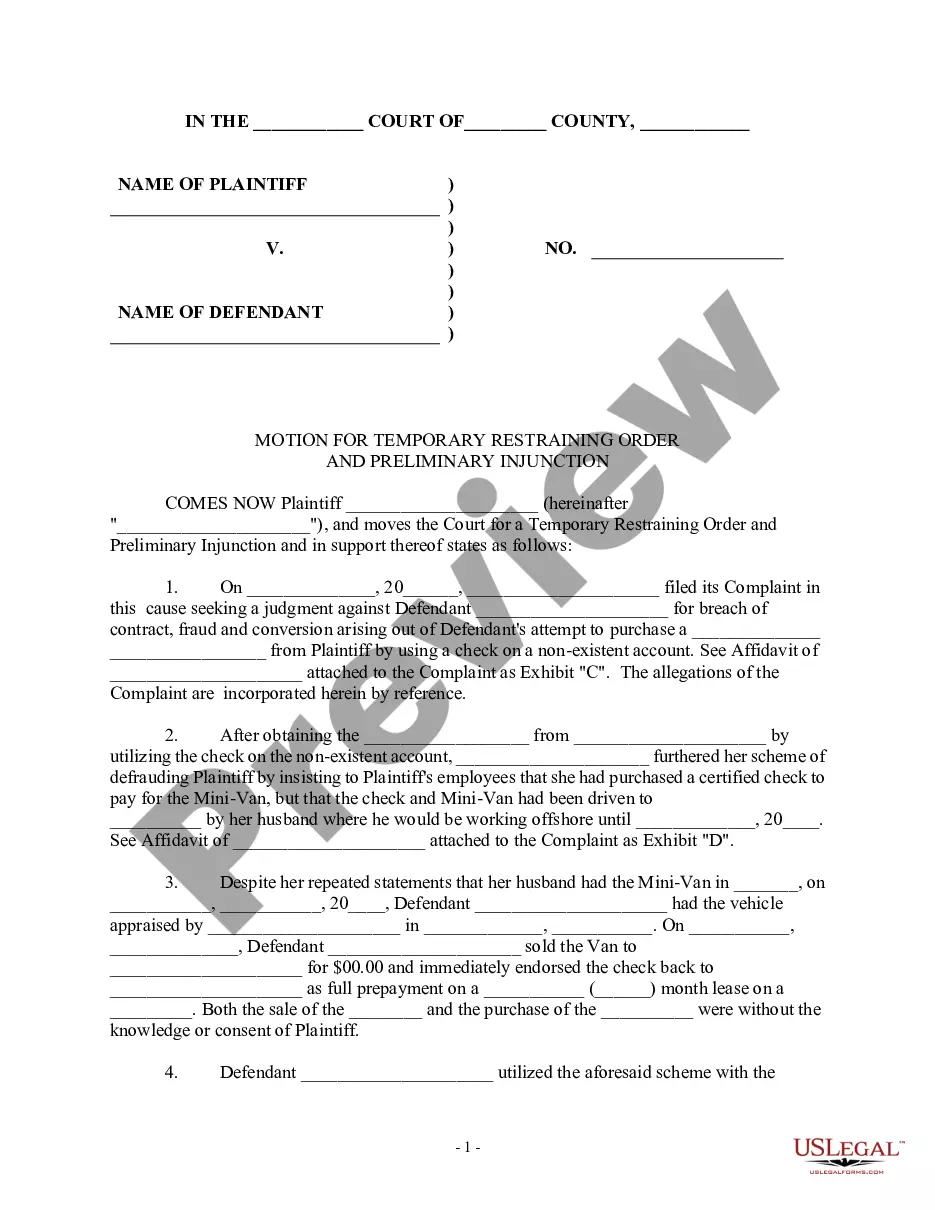
Get your form ready online
Our built-in tools help you complete, sign, share, and store your documents in one place.
Make edits, fill in missing information, and update formatting in US Legal Forms—just like you would in MS Word.
Download a copy, print it, send it by email, or mail it via USPS—whatever works best for your next step.
Sign and collect signatures with our SignNow integration. Send to multiple recipients, set reminders, and more. Go Premium to unlock E-Sign.
If this form requires notarization, complete it online through a secure video call—no need to meet a notary in person or wait for an appointment.
We protect your documents and personal data by following strict security and privacy standards.

Make edits, fill in missing information, and update formatting in US Legal Forms—just like you would in MS Word.

Download a copy, print it, send it by email, or mail it via USPS—whatever works best for your next step.

Sign and collect signatures with our SignNow integration. Send to multiple recipients, set reminders, and more. Go Premium to unlock E-Sign.

If this form requires notarization, complete it online through a secure video call—no need to meet a notary in person or wait for an appointment.

We protect your documents and personal data by following strict security and privacy standards.
Looking for another form?


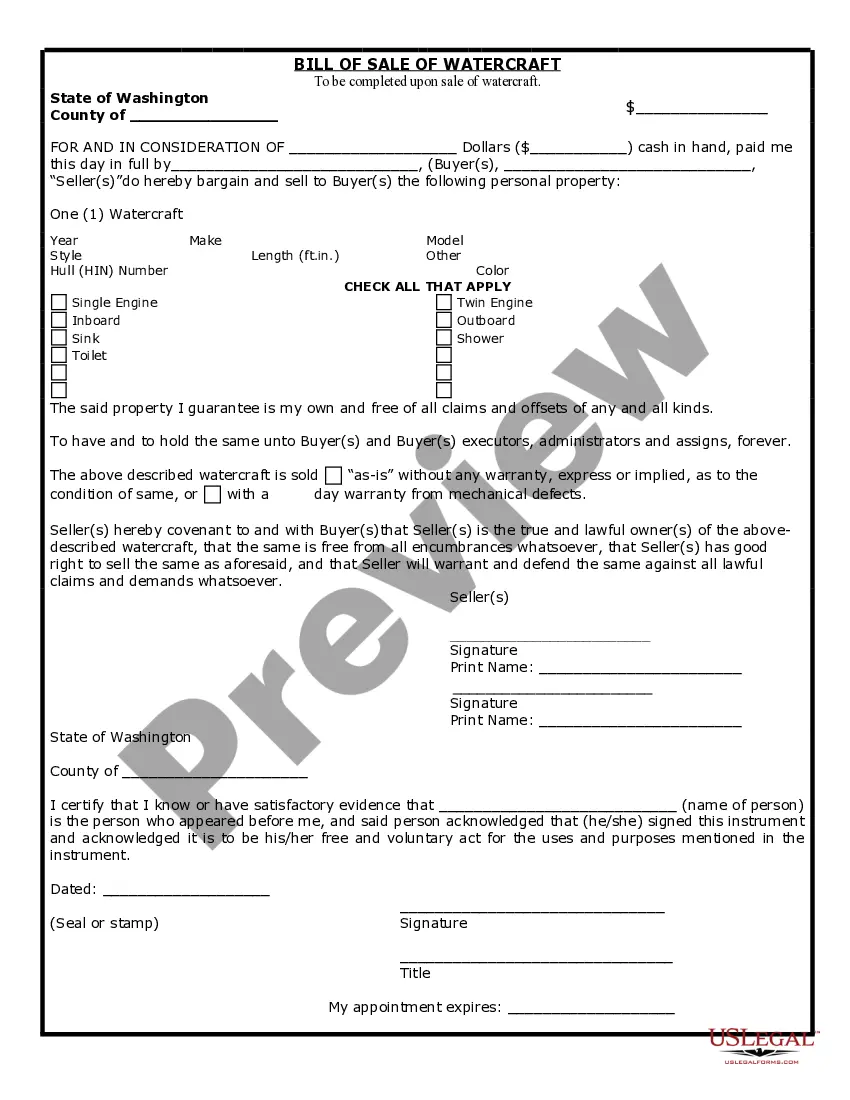






How to fill out Complaint For Temporary Restraining Order, Preliminary Injunction And Permanent Injunction?
Locating a go-to resource for acquiring the latest and suitable legal document templates is part of the challenge of managing bureaucracy.
Selecting the correct legal documents necessitates precision and careful attention, which is why it is essential to obtain examples of Restraining Order Against Get With Someone Else only from trustworthy sources, like US Legal Forms. An incorrect template will consume your time and delay your current situation. With US Legal Forms, you have minimal concerns.
Eliminate the frustration associated with your legal documentation. Explore the vast US Legal Forms library where you can discover legal templates, verify their pertinence to your situation, and download them instantly.
- Utilize the library navigation or search bar to discover your template.
- Access the document’s details to confirm if it aligns with the regulations of your state and area.
- View the document preview, if available, to verify it is indeed the form you seek.
- Return to the search to identify the correct document if the Restraining Order Against Get With Someone Else does not fit your criteria.
- If you are confident in the document’s relevance, download it.
- For registered users, click Log in to validate and access your selected templates in My documents.
- If you lack an account, click Buy now to acquire the template.
- Choose the pricing option that suits your needs.
- Proceed to registration to complete your transaction.
- Finalize your purchase by selecting a payment option (credit card or PayPal).
- Select the document format for downloading Restraining Order Against Get With Someone Else.
- Once the form is on your device, you may amend it using the editor or print it out and fill it manually.
Form popularity
FAQ
Yes, securing a protection order against someone who already has one on you is possible. If you feel their actions pose a threat, you can present your case to the court. It's essential to collect evidence that supports your need for a restraining order against them. Utilizing services like US Legal Forms can guide you through the documentation needed for a strong application.
Yes, you can file a restraining order against someone who has one on you. The existence of their restraining order does not prevent you from seeking protection if you feel threatened or unsafe. You should provide your side of the story and any evidence that supports your claims. Legal platforms like US Legal Forms can help you navigate this process effectively.
To secure a restraining order against someone who is harassing you, you need to gather clear evidence. This may include text messages, emails, or recorded phone calls that demonstrate the unwanted behavior. Document any incidents with dates and descriptions to show a pattern of harassment. By presenting credible proof, you strengthen your case when filing a restraining order against someone else.
Harassment includes any unwanted, aggressive behavior that causes fear or distress to another person. Actions such as repeated phone calls, threats, or stalking fall into this category. Understanding what constitutes harassment is vital, especially if you intend to obtain a restraining order against someone who gets with someone else.
Evidence for harassment includes any materials that demonstrate unwanted or threatening behavior. This can encompass emails, text messages, voicemails, or social media posts. Photographs of injuries or property damage also play a role. Gathering this evidence is essential when seeking a restraining order against someone who gets with someone else.
To effectively document instances of harassment, keep a detailed record of each incident. Note the date, time, location, and description of what occurred. Include any communications, such as texts or emails, and any witnesses present. This documentation can serve as crucial evidence if you decide to pursue a restraining order against someone who gets with someone else.
In Arizona, qualifying for a restraining order typically requires evidence of harassment, threats, or physical harm against you. This includes any behavior that causes you to feel unsafe or intimidated. Understanding these criteria is essential, and seeking assistance from US Legal Forms can provide valuable guidance in navigating Arizona's legal requirements.
When speaking to a judge, clearly express your fears and the reasons you seek a restraining order against someone. Share specific incidents, including threats or harassment, to illustrate your claim. It's vital to remain calm and respectful while ensuring the judge understands the urgency of your situation. Utilizing resources from US Legal Forms can assist in preparing your statement effectively.
A no contact order is typically more limited in scope, merely prohibiting direct contact, while a restraining order often provides broader legal protections. Restraining orders usually allow for additional legal actions and consequences if violated. Your specific situation and needs will determine which option you should pursue, and consulting a legal advisor may clarify your best course of action.
Common mistakes include failing to provide adequate evidence of threats or harassment and not clearly outlining the reasons for the restraining order against someone. Some individuals may underestimate the importance of following legal procedures, resulting in delays or denials. Staying organized and thorough in your approach is essential, and using US Legal Forms can help ensure you meet all necessary requirements.