Restraining Forces Of International Trade
Description

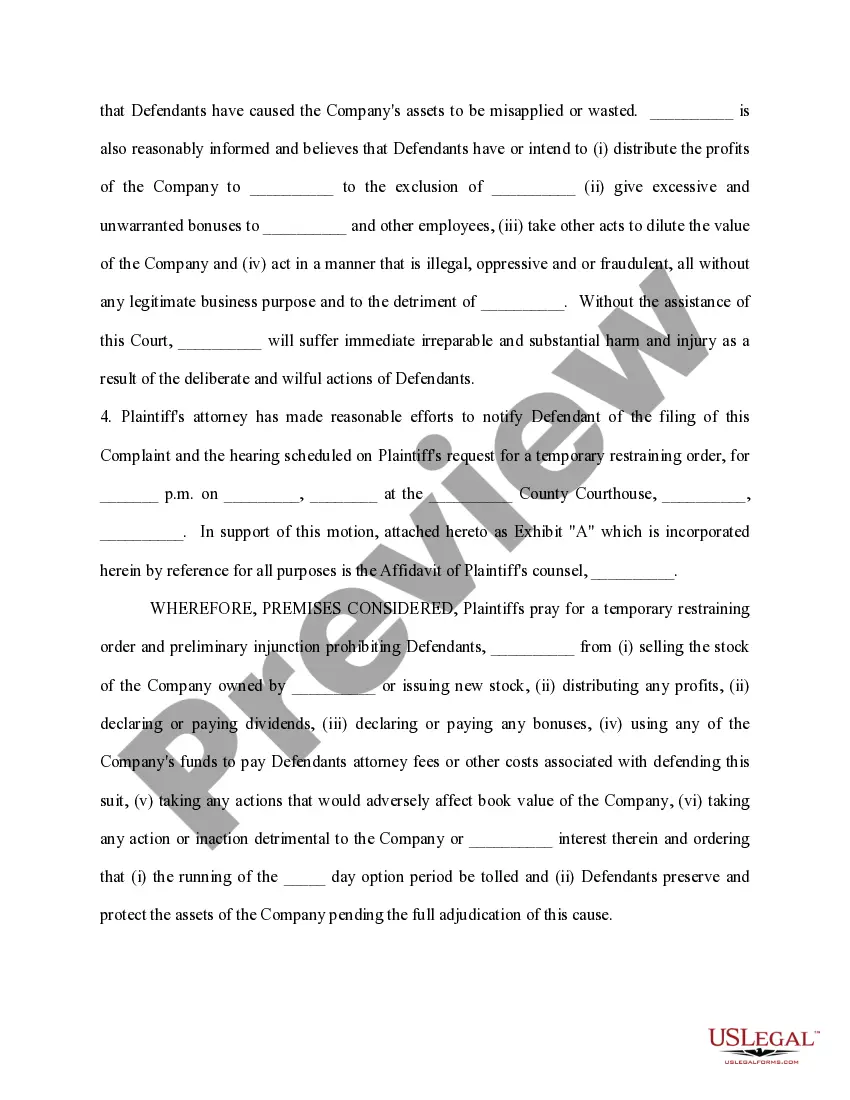

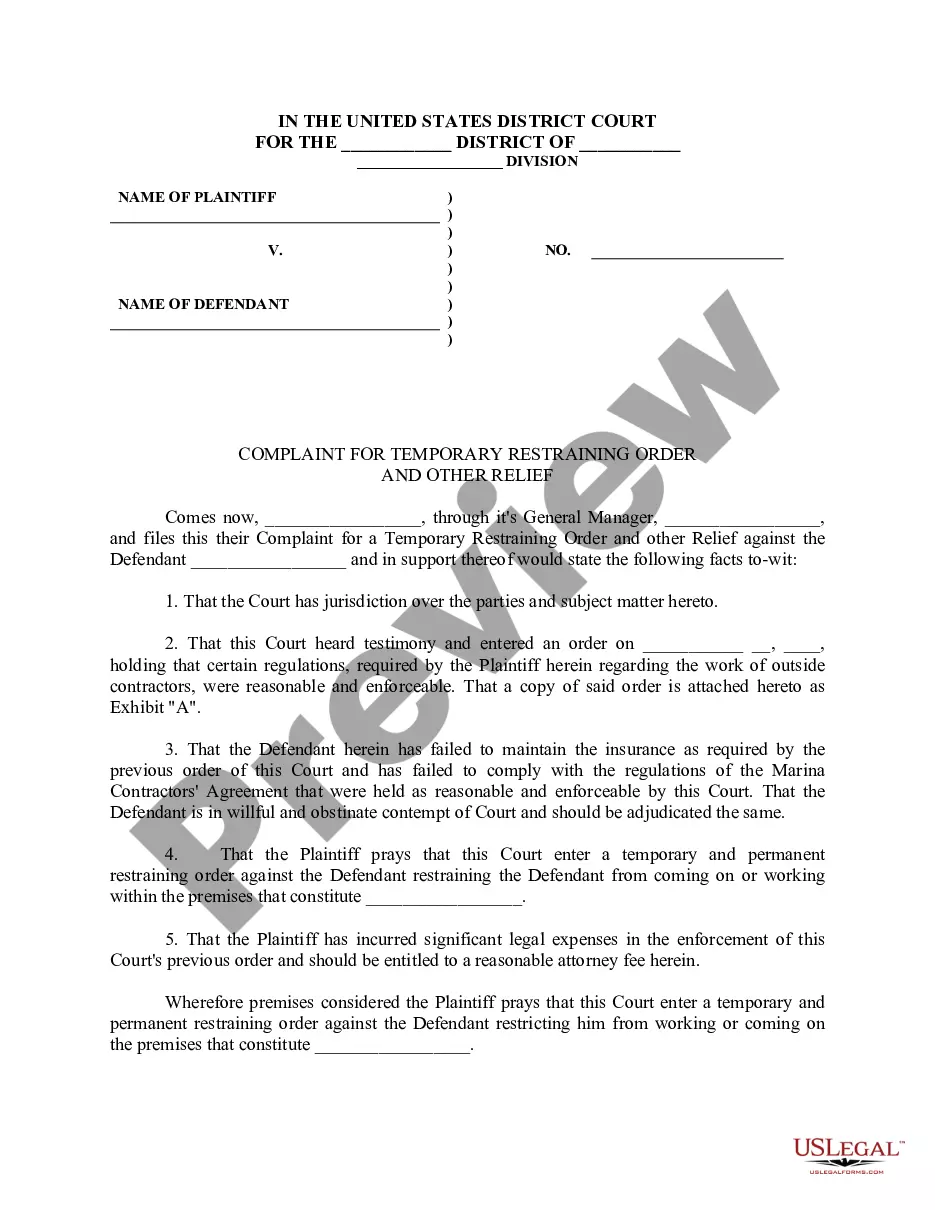
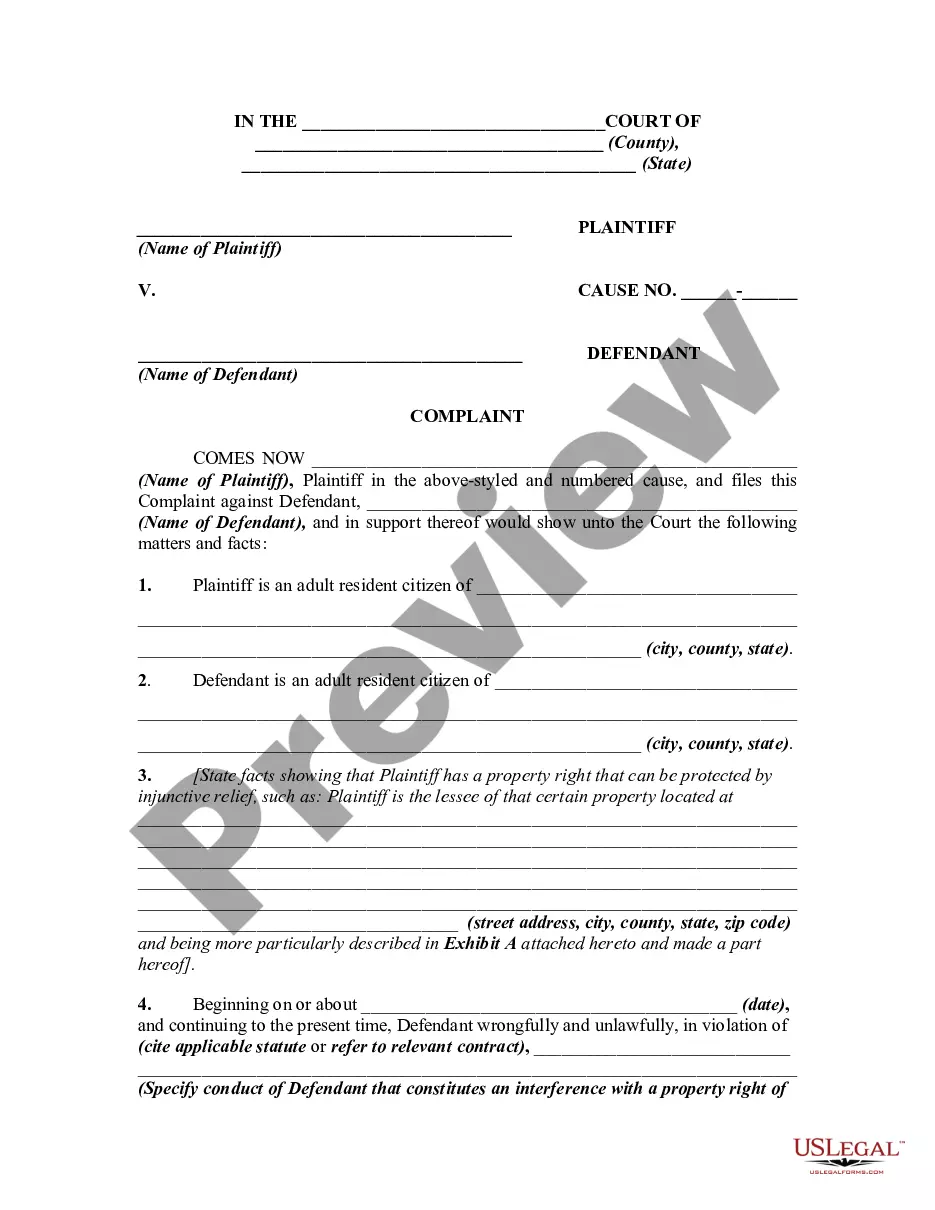

Get your form ready online
Our built-in tools help you complete, sign, share, and store your documents in one place.
Make edits, fill in missing information, and update formatting in US Legal Forms—just like you would in MS Word.
Download a copy, print it, send it by email, or mail it via USPS—whatever works best for your next step.
Sign and collect signatures with our SignNow integration. Send to multiple recipients, set reminders, and more. Go Premium to unlock E-Sign.
If this form requires notarization, complete it online through a secure video call—no need to meet a notary in person or wait for an appointment.
We protect your documents and personal data by following strict security and privacy standards.

Make edits, fill in missing information, and update formatting in US Legal Forms—just like you would in MS Word.

Download a copy, print it, send it by email, or mail it via USPS—whatever works best for your next step.

Sign and collect signatures with our SignNow integration. Send to multiple recipients, set reminders, and more. Go Premium to unlock E-Sign.

If this form requires notarization, complete it online through a secure video call—no need to meet a notary in person or wait for an appointment.

We protect your documents and personal data by following strict security and privacy standards.
Looking for another form?


How to fill out Complaint For Temporary Restraining Order, Preliminary Injunction And Permanent Injunction?
Managing legal documents can be daunting, even for the most experienced professionals.
If you're looking for a Restraining Forces Of International Trade and lack the time to dedicate to finding the right and current version, the process can become overwhelming.
Through US Legal Forms, you can.
Acquire state- or county-specific legal and commercial documents. US Legal Forms caters to any requirements you might have, from personal to corporate paperwork, all in one location.
If this is your first interaction with US Legal Forms, create an account and gain unlimited access to all the benefits of the library. Here are the steps to follow after accessing the desired form.
Confirm it is the correct form by previewing it and reviewing its details.
Ensure that the template is valid in your state or county.
- Utilize advanced tools to complete and manage your Restraining Forces Of International Trade.
- Access a repository of articles, guides, and handbooks relevant to your situation and needs.
- Save time and energy searching for the documents you require, and leverage US Legal Forms’ sophisticated search and Review feature to find Restraining Forces Of International Trade and obtain it.
- If you have a subscription, Log In to your US Legal Forms account, locate the form, and obtain it.
- Check the My documents section to see the documents you have previously saved and manage your folders as needed.
Select Buy Now when you are prepared.
Choose a monthly subscription option.
Locate the format you prefer, and Download, fill it out, eSign, print, and send your document.
Leverage the US Legal Forms online catalogue, reinforced by 25 years of experience and trustworthiness. Revolutionize your daily document management into an easy and user-friendly process right now.
- A comprehensive online form library could be transformative for anyone wishing to address these matters adeptly.
- US Legal Forms stands as a leading provider in online legal documents, offering more than 85,000 state-specific legal forms at your fingertips.
Form popularity
FAQ
A method of restricting trade includes implementing tariffs and quotas. These barriers directly affect the ability of goods to enter or exit a country. Familiarity with these methods can empower businesses to strategize effectively in the international marketplace.
Ways to restrict international trade encompass tariffs, import quotas, export subsidies, and trade embargoes. Each of these measures serves to regulate the flow of goods across borders, thereby protecting local industries or achieving strategic goals. Understanding these methods is essential for navigating the complex global trade landscape.
Different types of restraining forces in international trade include economic barriers, political factors, and social influences. Economic barriers may involve tariffs or trade agreements, while political factors can include government policies. Social influences, such as cultural perceptions and consumer behavior, also play a role in shaping trade dynamics.
The forces influencing international marketing include economic conditions, cultural differences, legal regulations, and technological advancements. Businesses must consider these factors to create effective marketing strategies that can withstand restraining forces of international trade. Staying informed on these aspects can lead to successful international operations.
International trade retaliation occurs when a country responds to trade restrictions imposed by another nation. This often means enacting similar barriers against the offending country, further escalating tensions in trade relations. Being aware of these retaliatory actions can be crucial for businesses operating in the global market.
Tariffs are the most common tools used to restrict trade between countries. By imposing taxes on imported goods, governments aim to protect domestic industries and generate revenue. Such restrictions can directly impact the dynamics of international trade and the flow of goods.
Restraining forces of international trade include tariffs, quotas, and regulations that limit a country's ability to market its products abroad. These barriers can create challenges for businesses trying to enter new markets. Understanding these forces helps navigate the complexities of international marketing strategies effectively.
An example of protectionism in international trade is the implementation of tariffs to protect domestic industries from foreign competition. These tariffs can result in higher prices for consumers and reduced product variety. Recognizing such protectionist measures helps businesses navigate the restraining forces of international trade, allowing for effective strategic planning.
Restraints to international business often include legal restrictions, logistical challenges, and market access issues. These factors can limit your ability to compete globally and remain profitable. Understanding these restraints is vital to overcoming the restraining forces of international trade and successfully expanding into new markets.
The four main types of trade barriers are tariffs, quotas, subsidies, and non-tariff barriers. Tariffs increase product prices, while quotas restrict the volume of imports. Subsidies can give local businesses an unfair advantage, and non-tariff barriers might involve mismatched regulations or standards. Recognizing these types is essential for overcoming the restraining forces of international trade.