Simple Easement Agreement With Landlord
Description
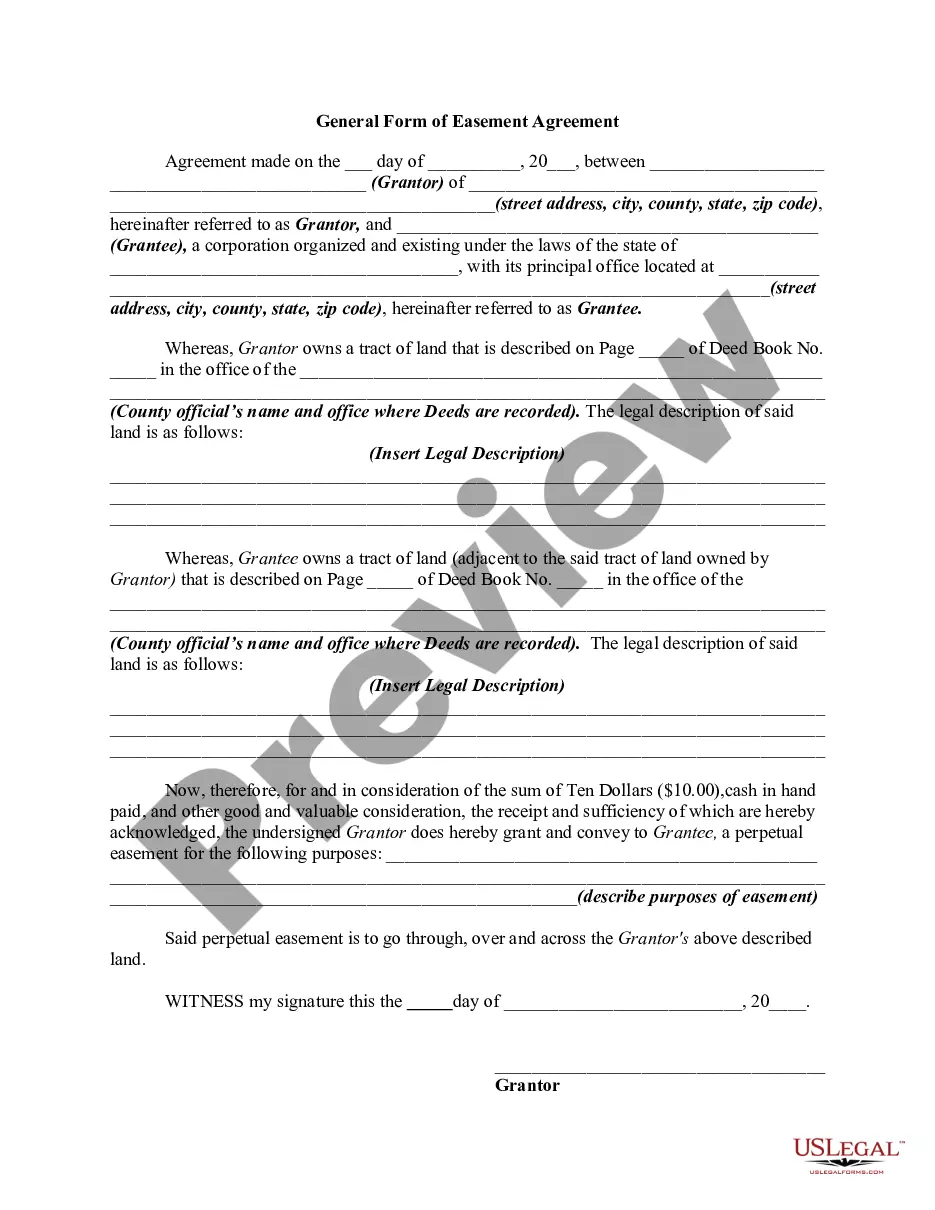
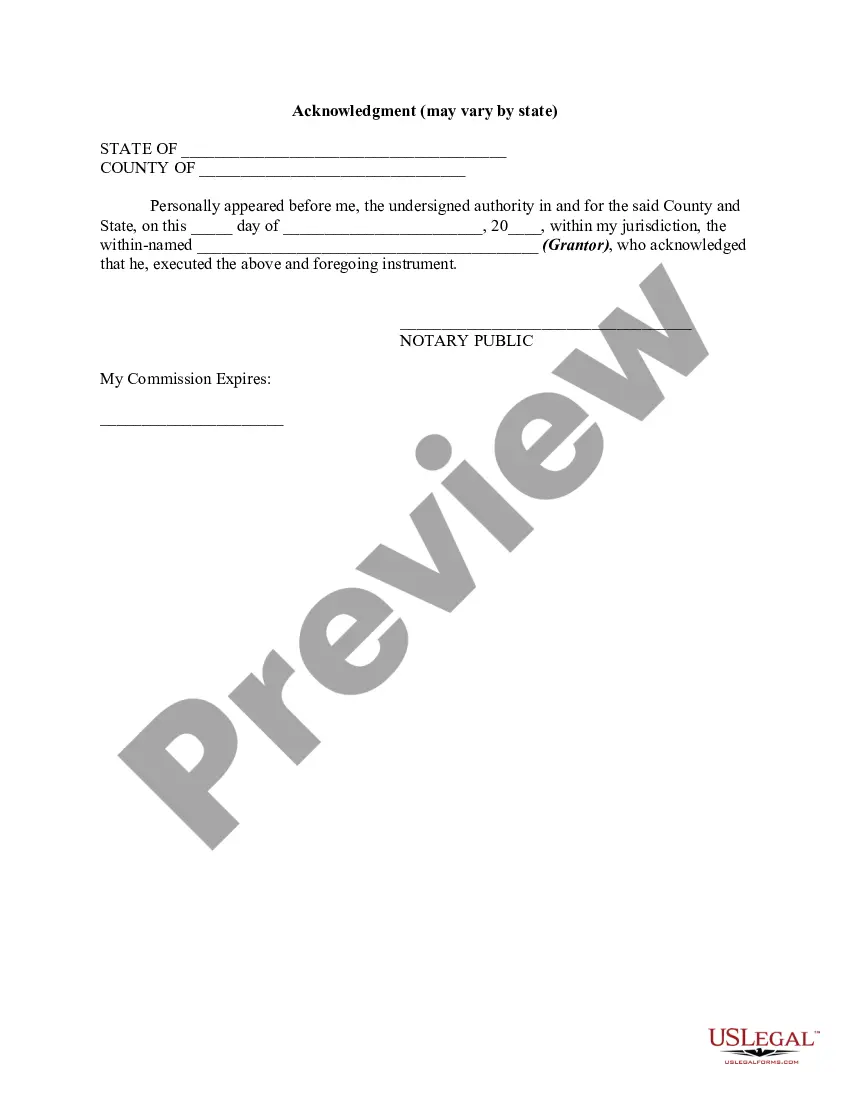
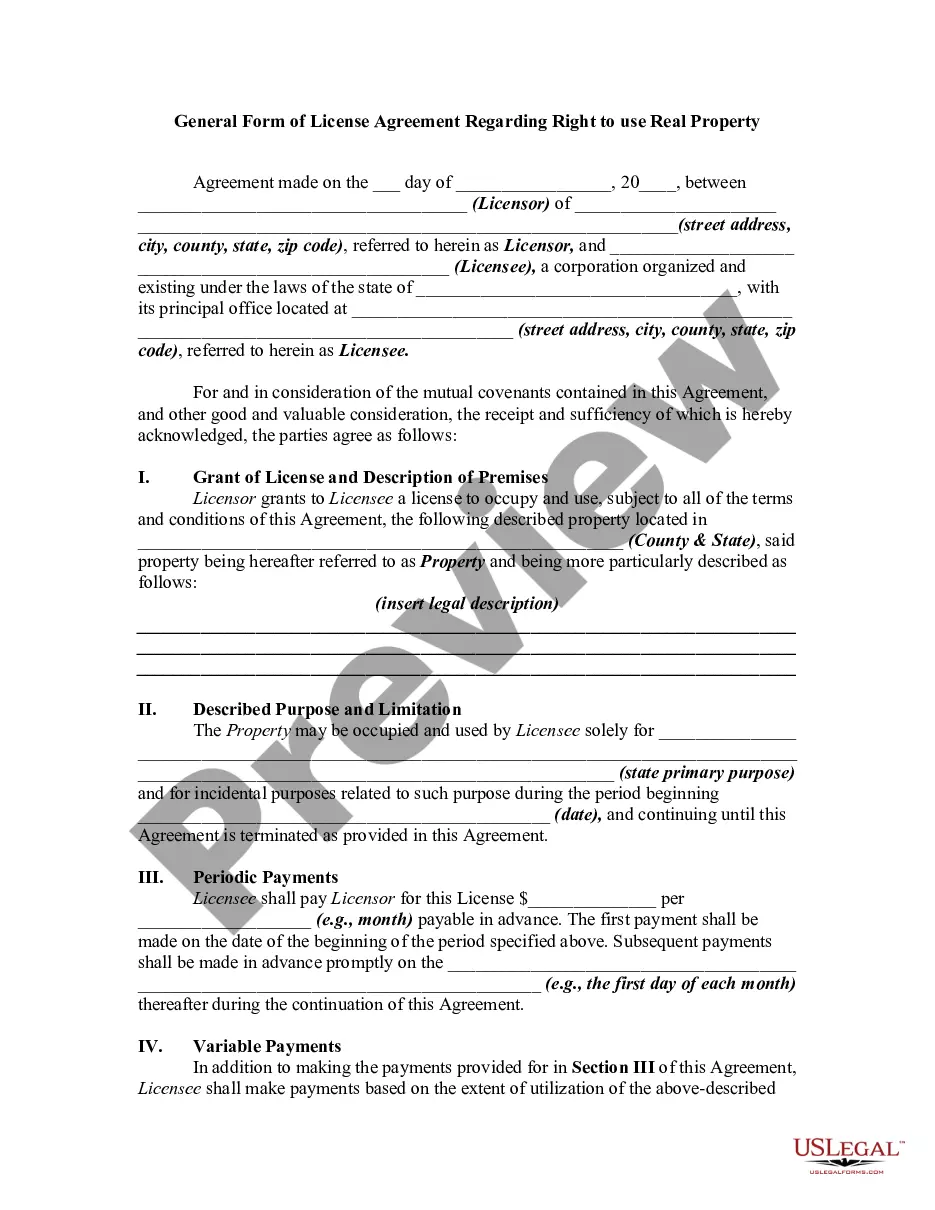
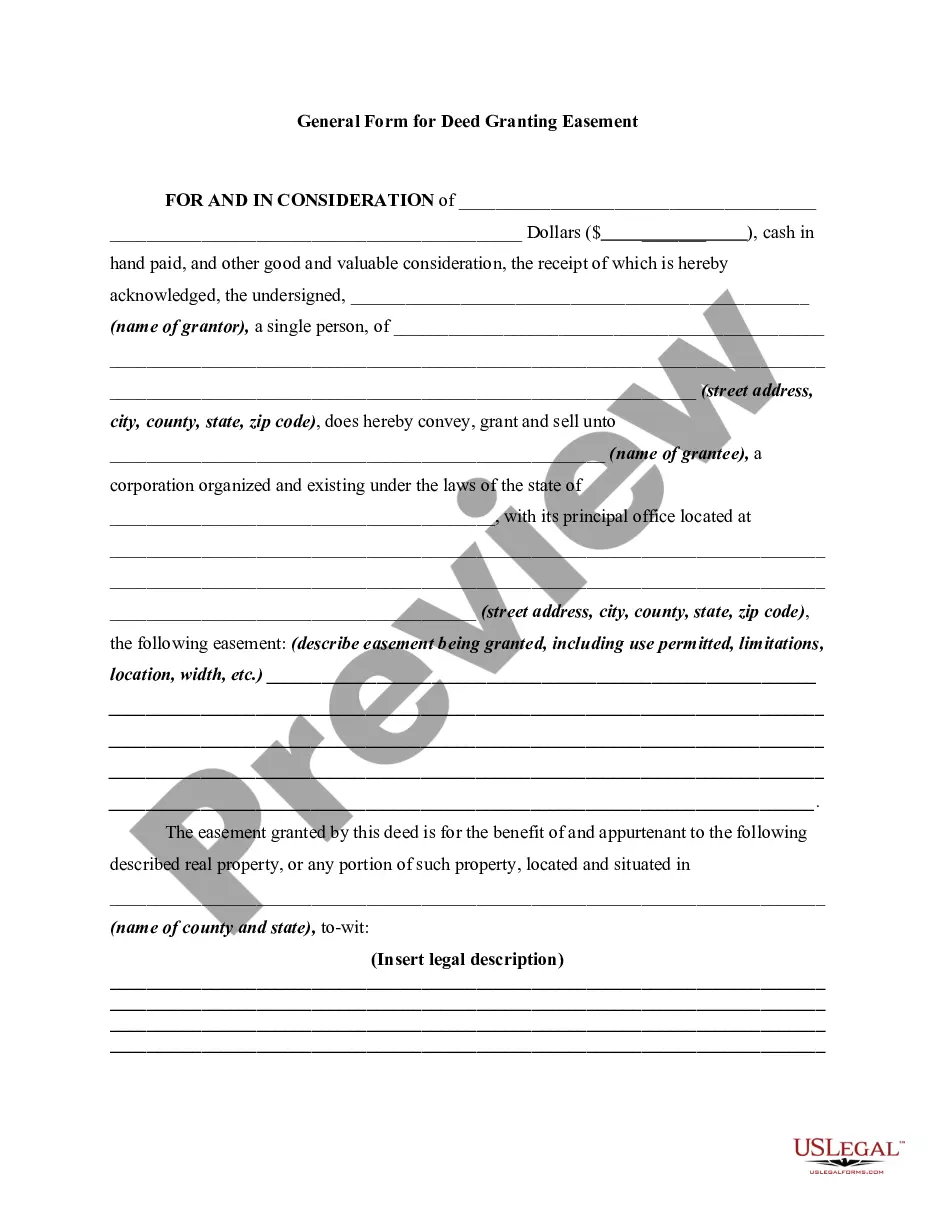
Get your form ready online
Our built-in tools help you complete, sign, share, and store your documents in one place.
Make edits, fill in missing information, and update formatting in US Legal Forms—just like you would in MS Word.
Download a copy, print it, send it by email, or mail it via USPS—whatever works best for your next step.
Sign and collect signatures with our SignNow integration. Send to multiple recipients, set reminders, and more. Go Premium to unlock E-Sign.
If this form requires notarization, complete it online through a secure video call—no need to meet a notary in person or wait for an appointment.
We protect your documents and personal data by following strict security and privacy standards.

Make edits, fill in missing information, and update formatting in US Legal Forms—just like you would in MS Word.

Download a copy, print it, send it by email, or mail it via USPS—whatever works best for your next step.

Sign and collect signatures with our SignNow integration. Send to multiple recipients, set reminders, and more. Go Premium to unlock E-Sign.

If this form requires notarization, complete it online through a secure video call—no need to meet a notary in person or wait for an appointment.

We protect your documents and personal data by following strict security and privacy standards.
Looking for another form?








How to fill out General Form Of Easement Agreement?
Managing legal documents can be exasperating, even for the most adept experts.
When you are looking for a Basic Easement Agreement With Landlord and lack the time to search for the correct and current version, the experience can be overwhelming.
US Legal Forms caters to any requirements you might encounter, ranging from personal to business paperwork, all consolidated in one location.
Utilize advanced tools to prepare and manage your Basic Easement Agreement With Landlord.
After acquiring the document you require, follow these steps: verify it is the correct form by previewing and reviewing its details.
- Tap into a valuable resource collection of articles, guides, and resources pertinent to your context and needs.
- Conserve time and effort in finding the required documents, and take advantage of US Legal Forms' sophisticated search and Review tool to locate the Basic Easement Agreement With Landlord and obtain it.
- If you possess a subscription, Log Into your US Legal Forms account, search for the desired form, and download it.
- Check your My documents tab to access the documents you have previously saved and to manage your folders as needed.
- If this is your first experience with US Legal Forms, register for a free account to gain unrestricted access to the platform's full benefits.
- A comprehensive online form directory could transform the way individuals handle these issues efficiently.
- US Legal Forms stands as a frontrunner in the field of digital legal forms, offering more than 85,000 state-specific legal documents at your convenience.
- With US Legal Forms, you can access personalized state or district legal and business forms.
Form popularity
FAQ
A right of way is a type of easement granted or reserved over the land for transportation purposes, this can be for a highway, public footpath, rail transport, canal, as well as electrical transmission lines, and oil and gas pipelines.
An easement may be recorded in the public real estate records or other regulatory agency records; however, an easement may exist without recordation.
In most instances, the responsibility falls on the person who has the easement right. A landowner that has an easement over the property of another landowner is the holder of the dominant estate.
Appurtenant easements require two different estates (or tenements) for their existence?a dominant estate and a servient estate. The owner of the dominant tenement has the right or privilege to use an easement across the land of the servient tenement. The servient tenement is burdened by the easement.
Execution: The Easement must be executed on behalf of both the Grantor and the Grantee, and all signatures must be acknowledged by a Notary Public. Recording: The Easement must be recorded in the Office of the County Recorder of the county in which the Land is located.