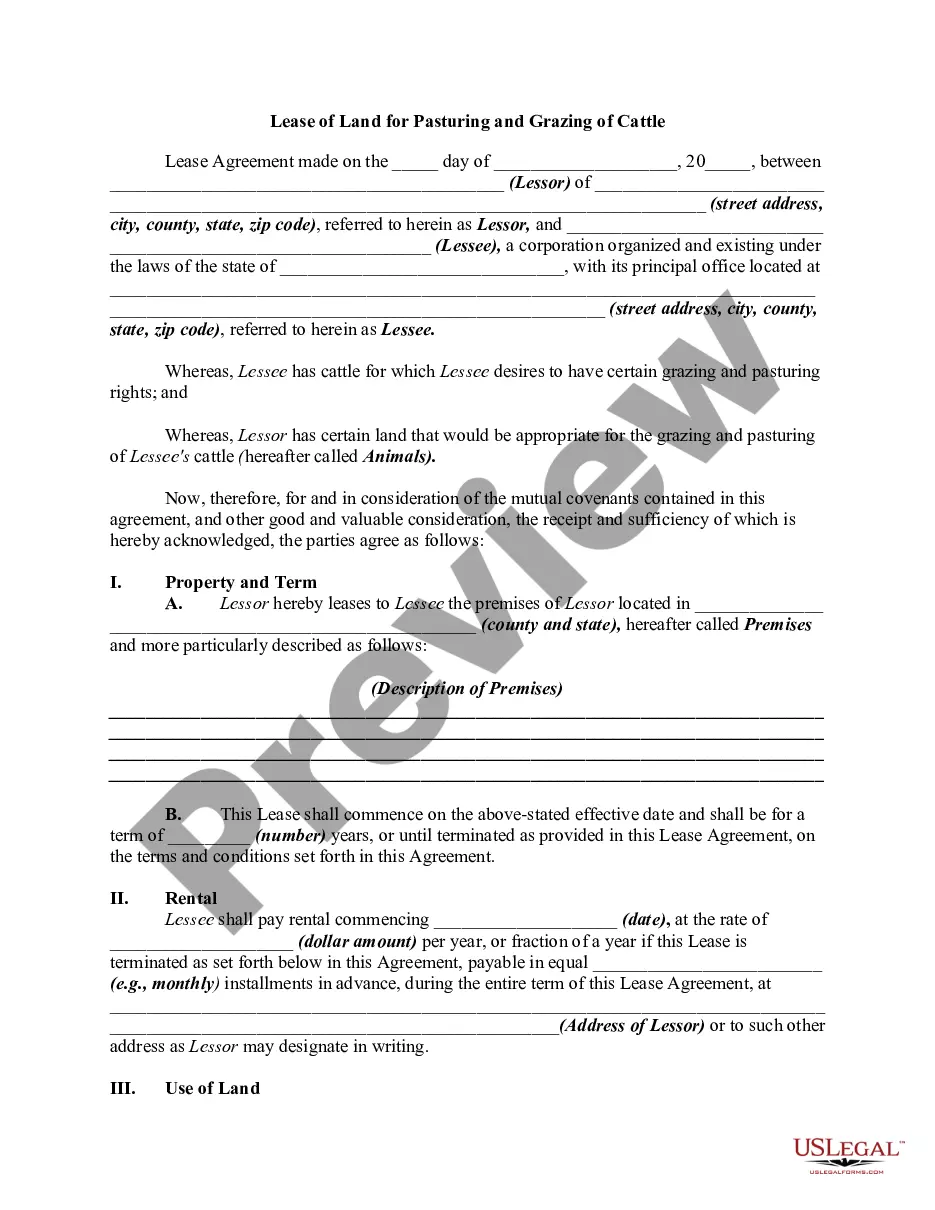
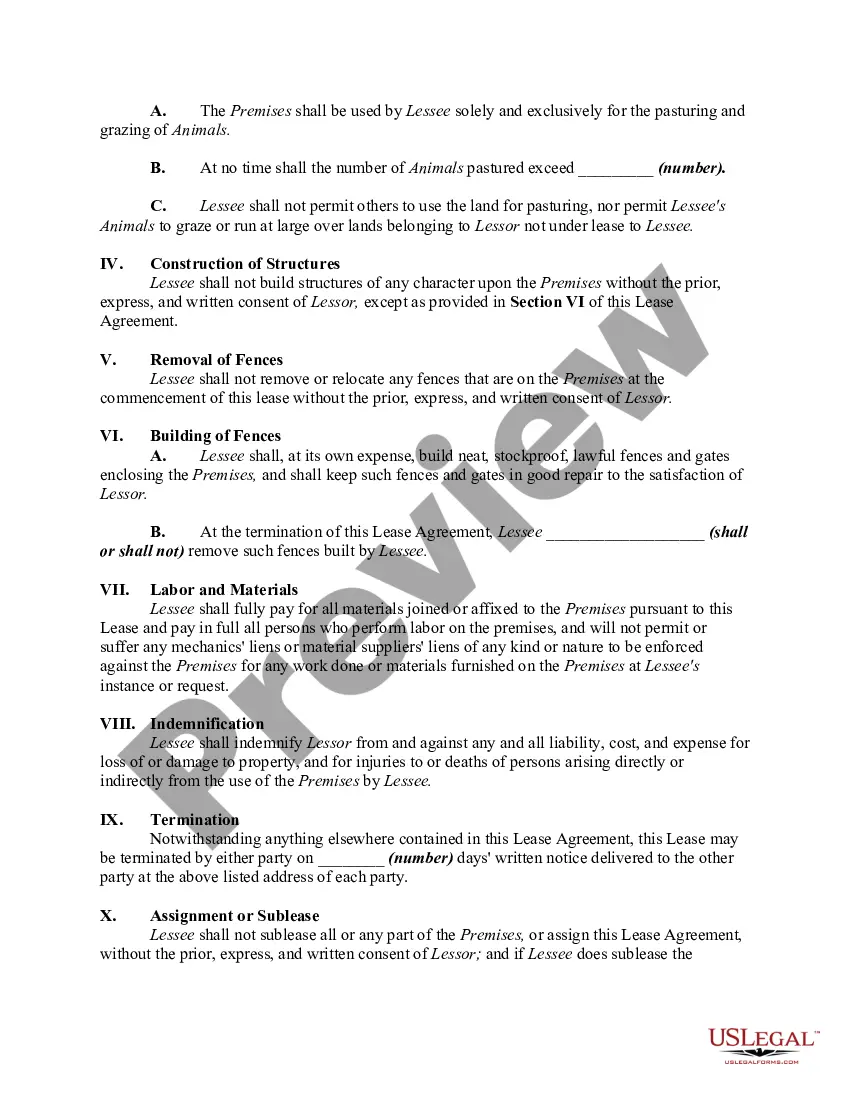
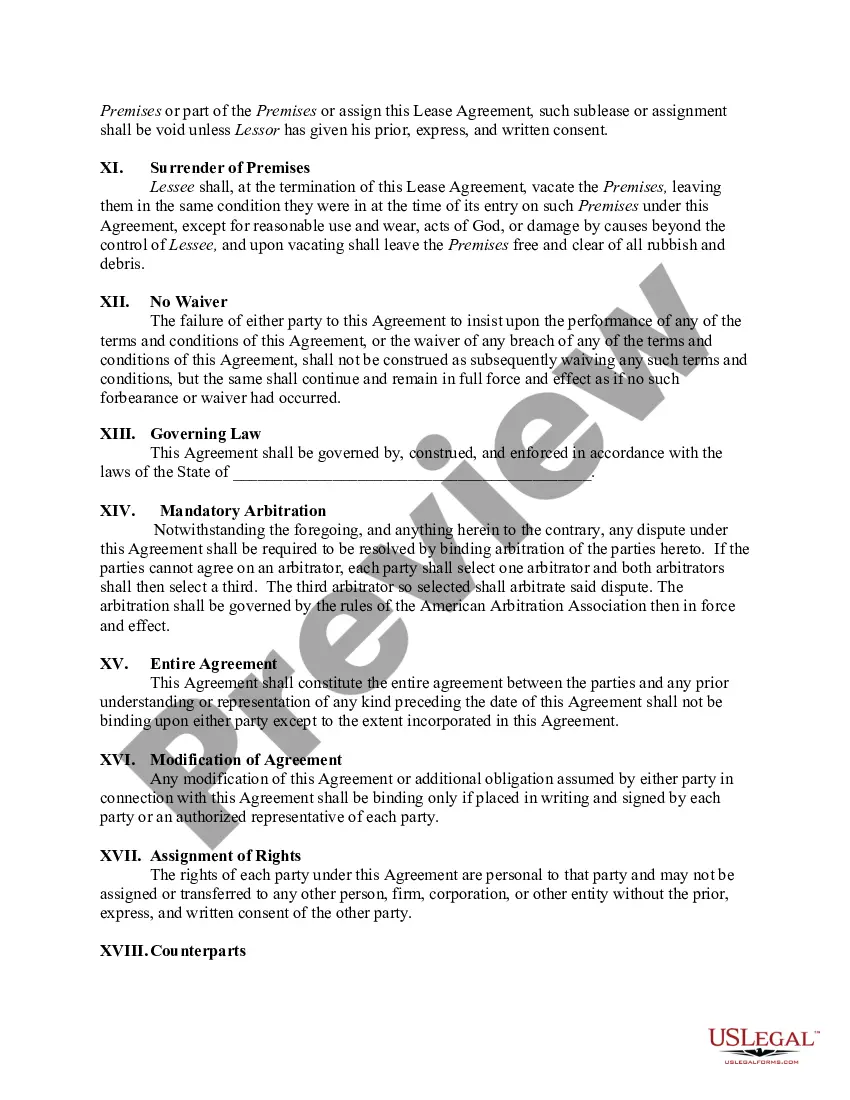
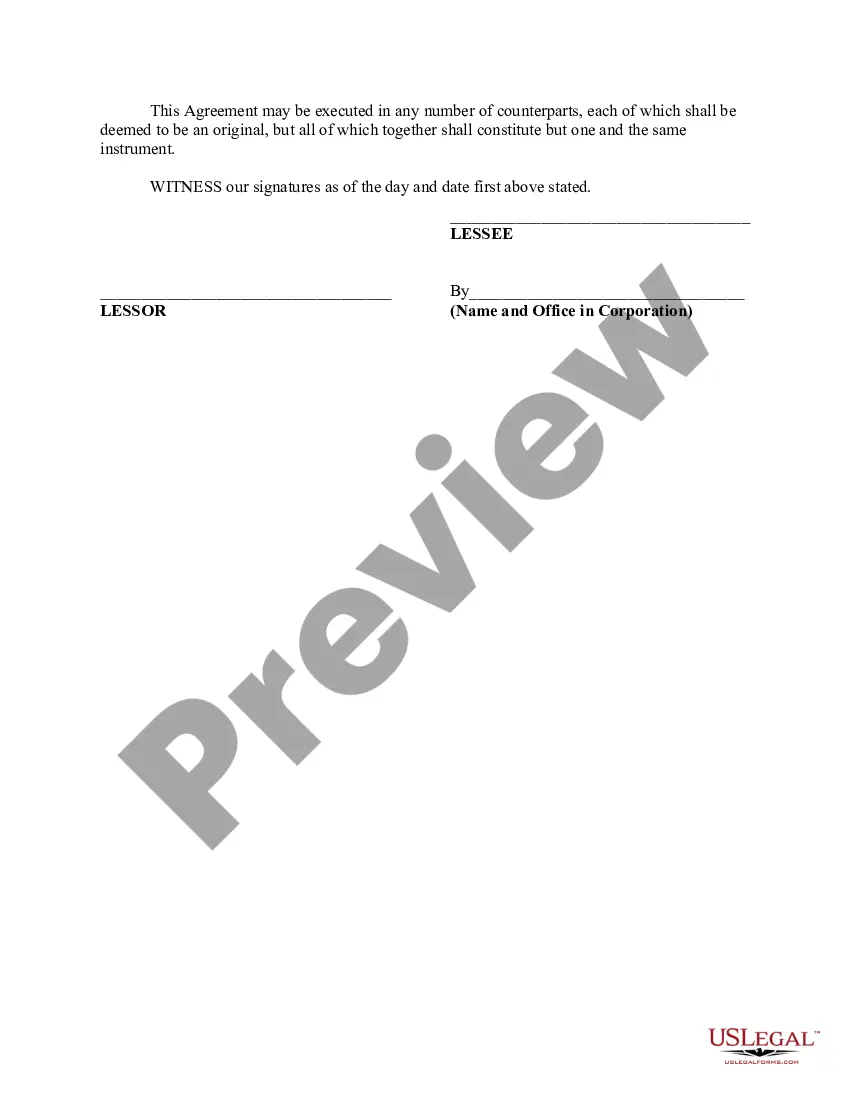
Pasture Rental Contract Form 410-t
Description
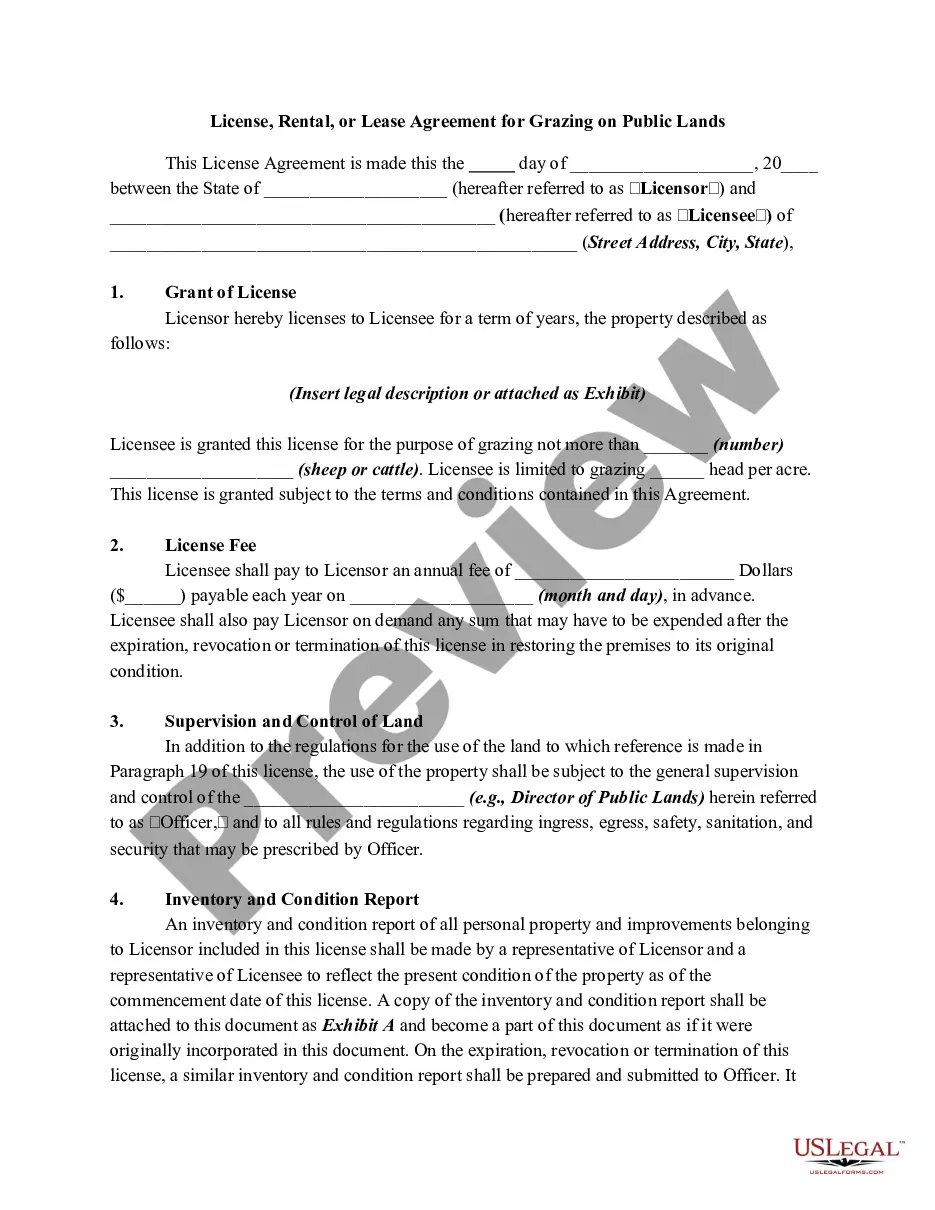
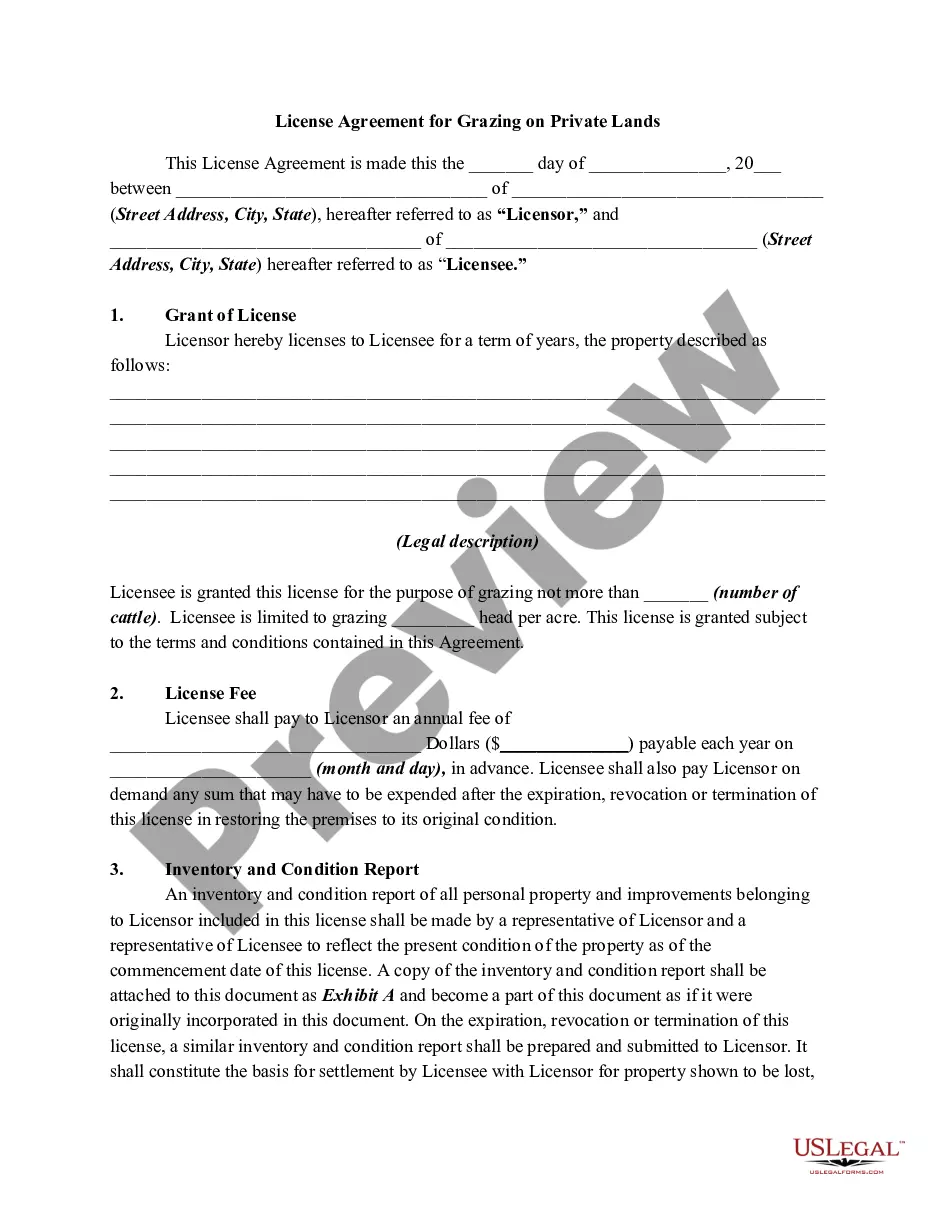
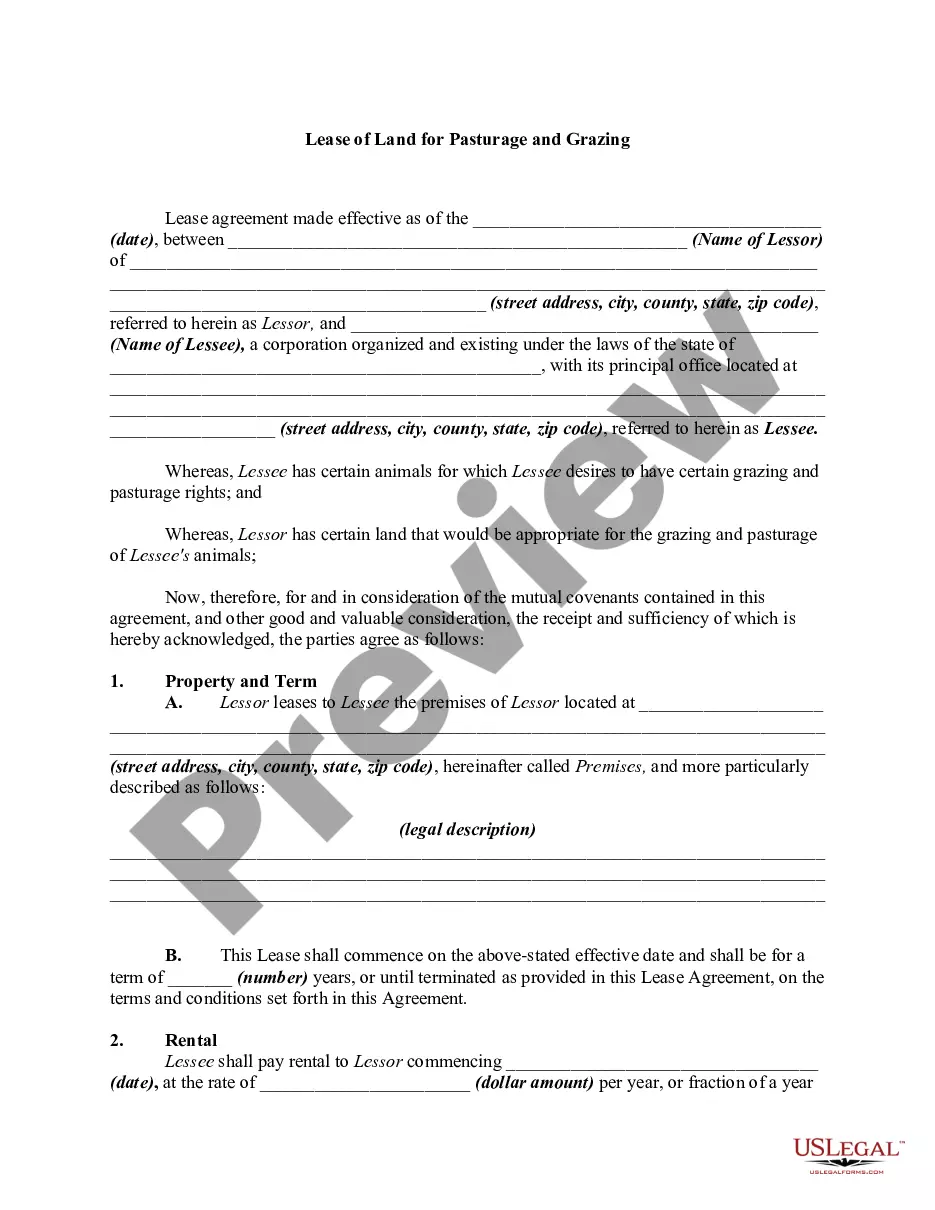
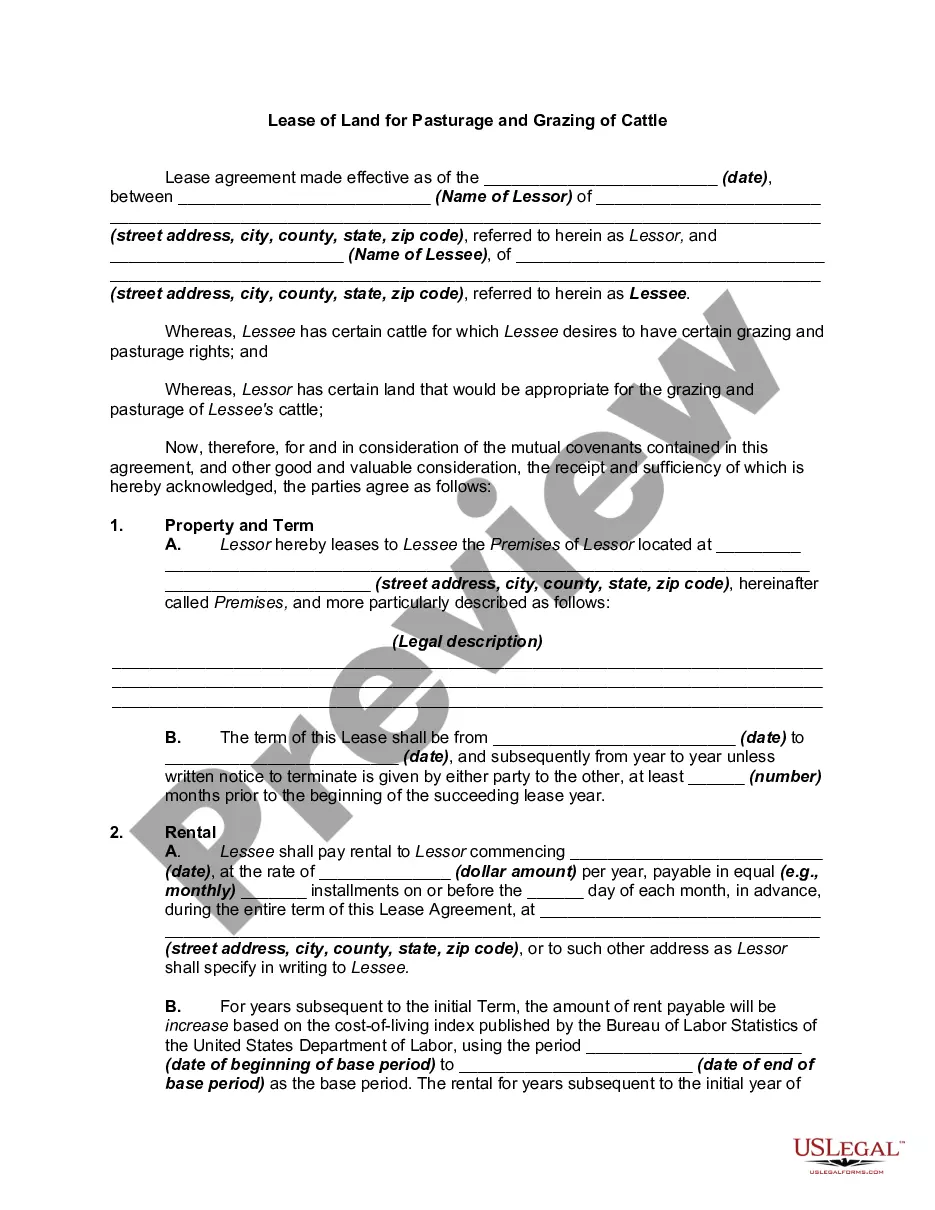
Get your form ready online
Our built-in tools help you complete, sign, share, and store your documents in one place.
Make edits, fill in missing information, and update formatting in US Legal Forms—just like you would in MS Word.
Download a copy, print it, send it by email, or mail it via USPS—whatever works best for your next step.
Sign and collect signatures with our SignNow integration. Send to multiple recipients, set reminders, and more. Go Premium to unlock E-Sign.
If this form requires notarization, complete it online through a secure video call—no need to meet a notary in person or wait for an appointment.
We protect your documents and personal data by following strict security and privacy standards.

Make edits, fill in missing information, and update formatting in US Legal Forms—just like you would in MS Word.

Download a copy, print it, send it by email, or mail it via USPS—whatever works best for your next step.

Sign and collect signatures with our SignNow integration. Send to multiple recipients, set reminders, and more. Go Premium to unlock E-Sign.

If this form requires notarization, complete it online through a secure video call—no need to meet a notary in person or wait for an appointment.

We protect your documents and personal data by following strict security and privacy standards.
Looking for another form?

How to fill out Lease Of Land For Pasturing And Grazing Of Cattle?
Managing legal documents and tasks can be a lengthy addition to your schedule.
Pasture Lease Agreement Form 410-t and similar documents typically require you to search for them and comprehend how to fill them out accurately.
For this reason, whether you are dealing with financial, legal, or personal issues, maintaining a comprehensive and user-friendly online repository of documents readily available will be immensely beneficial.
US Legal Forms stands out as the premier online resource for legal templates, featuring over 85,000 state-specific documents and a collection of tools to help you complete your paperwork swiftly.
Simply Log In to your account, find Pasture Lease Agreement Form 410-t, and download it right away from the My documents section. You can also access previously downloaded documents.
- Explore the archive of relevant documents accessible to you with just one click.
- US Legal Forms offers you state- and county-specific documents that are available for download at any time.
- Safeguard your document management processes with premium support that enables you to prepare any form in just a few minutes without additional or concealed costs.
Form popularity
FAQ
Texas Arbitration Rules The most important provision of the Texas Arbitration Act is the first section, which states that an arbitration clause in Texas is valid if it is designed to arbitrate: A dispute that existed before the agreement or. A dispute that arises between the parties after the agreement has been signed.
Texas generally permits binding arbitration in lawyer-client disputes and doesn't prohibit the inclusion of arbitration provisions in fee agreements; however, the Texas Supreme Court's Professional Ethics Committee added an important qualification to the use by lawyers of binding arbitration agreements.
To be listed on the registry, arbitrators must: Principally reside in the state of Texas. Meet the following license and training requirements: Agree to conduct the arbitration for the allowed fee schedule. File the Application for Arbitrator Registry - Individuals Only (PDF) with the Comptroller's office for approval.
Arbitrators, mediators, and conciliators are usually lawyers or business professionals with expertise in a particular field. Arbitrators, mediators, and conciliators typically need at least a bachelor's degree at the entry level. They learn their skills through a combination of education, training, and work experience.
If the parties have not appointed any arbitrator(s) and have not provided another method of appointment, then generally the case manager submits a list of potential arbitrators to the parties, who then may strike any names and rank the remaining in order of preference.
How do I choose arbitration? All parties must agree to arbitration and complete and sign DWC Form-044, Election to Engage in Arbitration. There is a deadline. The completed form must be filed with DWC by the 20th day after the benefit review conference.
The parties must pay fees and expenses to the AAA plus pay for the arbitrator. Many arbitration provisions in contracts require the parties to equally split the cost of the AAA and the arbitrator.
(c) To qualify professionally to serve as an arbitrator, a person must either: (1) be licensed as an attorney and hold a current, active Texas law license; or (2) have completed at least 30 hours of training, of which no more than three hours may be self-study or homework, in arbitration and alternative dispute ...