Time For Adverse Possession In Ohio
Description
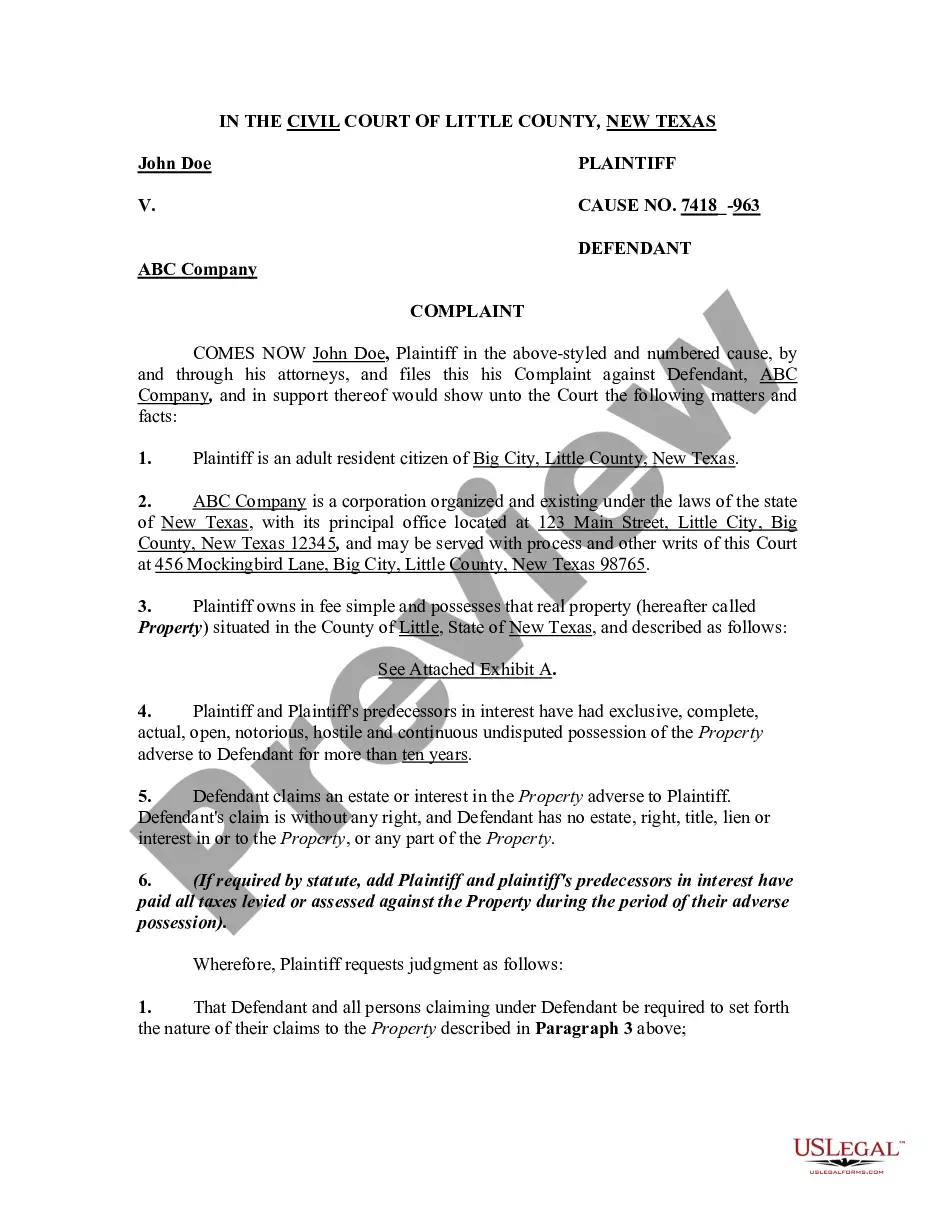
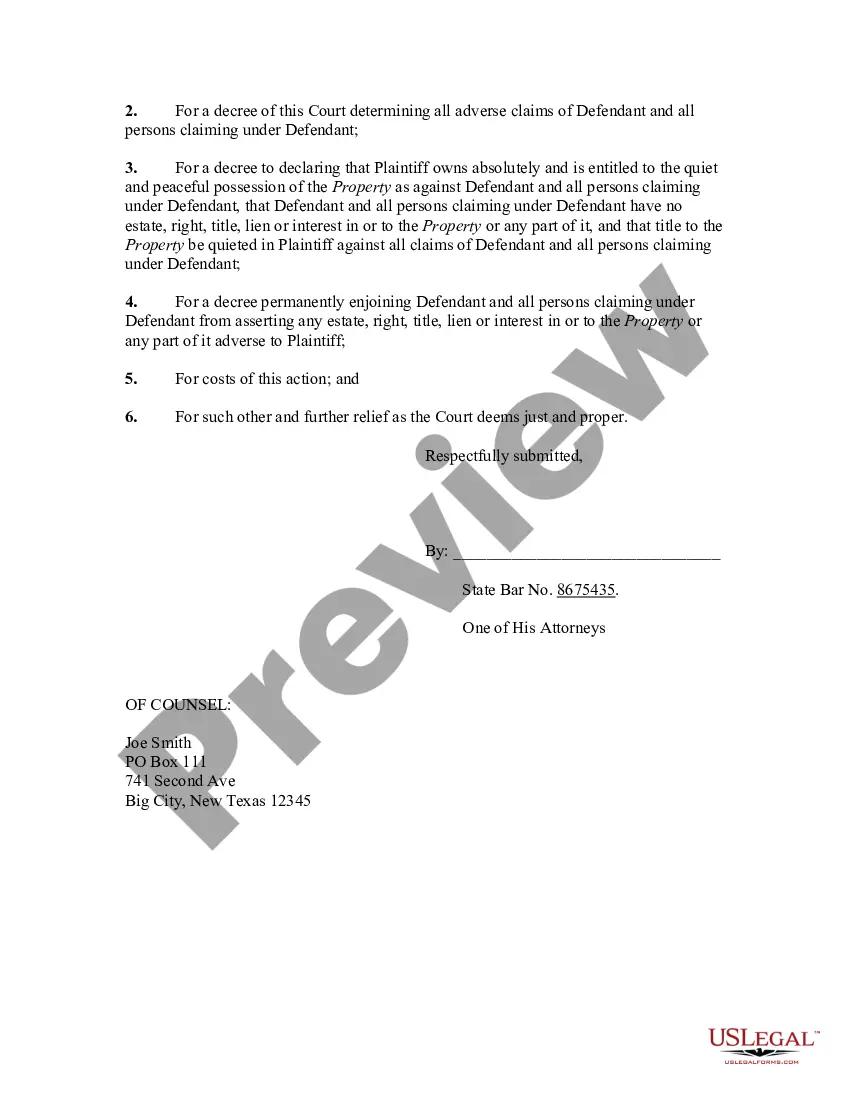
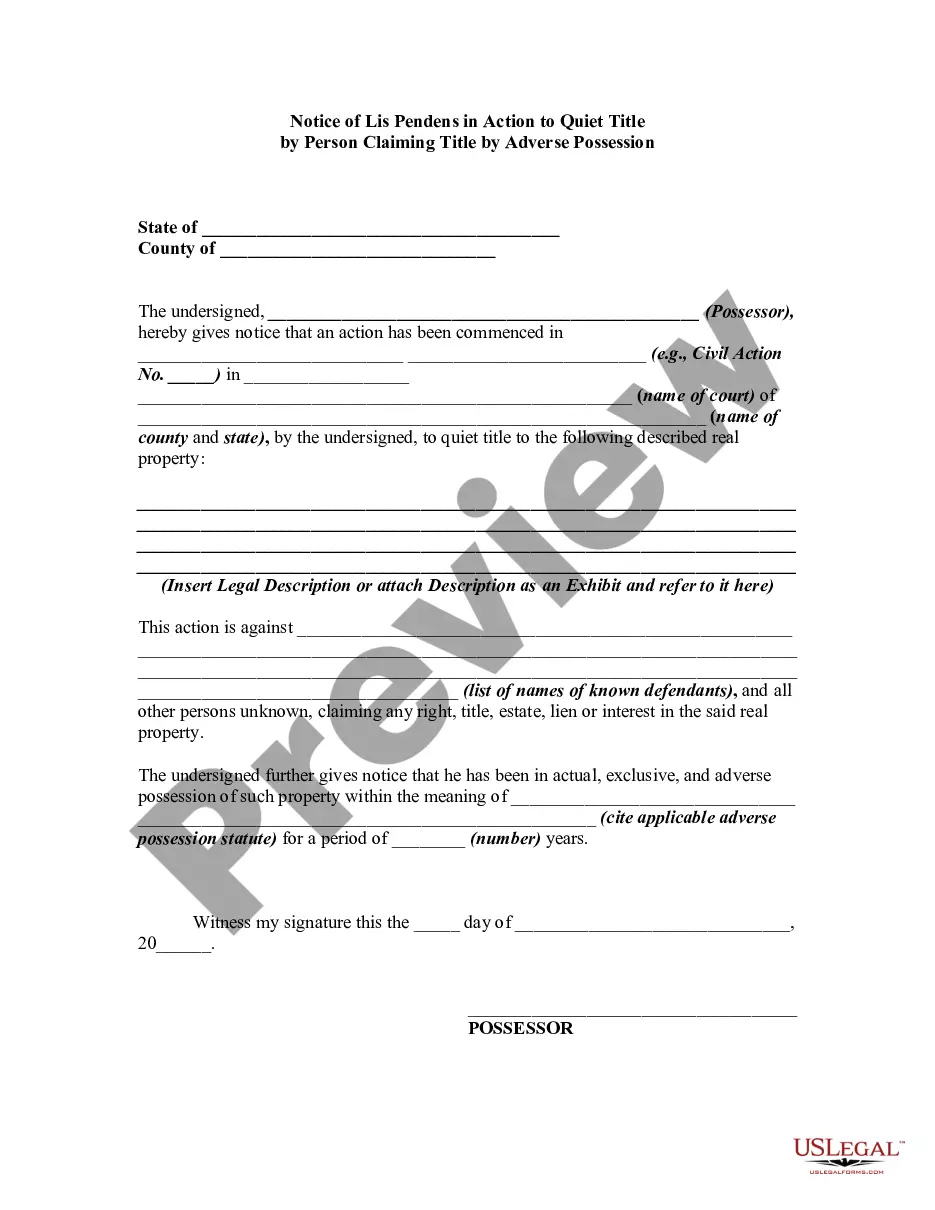
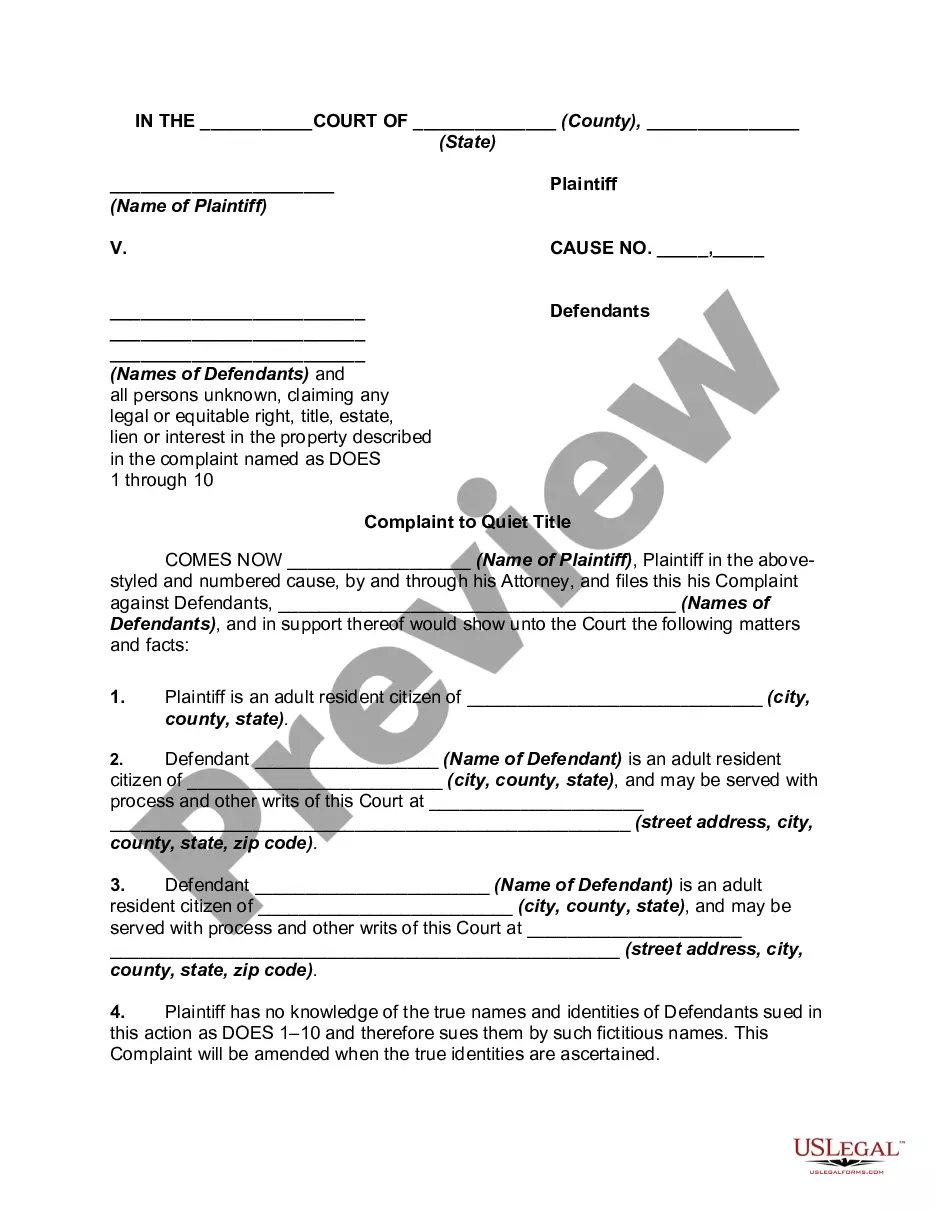
Get your form ready online
Our built-in tools help you complete, sign, share, and store your documents in one place.
Make edits, fill in missing information, and update formatting in US Legal Forms—just like you would in MS Word.
Download a copy, print it, send it by email, or mail it via USPS—whatever works best for your next step.
Sign and collect signatures with our SignNow integration. Send to multiple recipients, set reminders, and more. Go Premium to unlock E-Sign.
If this form requires notarization, complete it online through a secure video call—no need to meet a notary in person or wait for an appointment.
We protect your documents and personal data by following strict security and privacy standards.

Make edits, fill in missing information, and update formatting in US Legal Forms—just like you would in MS Word.

Download a copy, print it, send it by email, or mail it via USPS—whatever works best for your next step.

Sign and collect signatures with our SignNow integration. Send to multiple recipients, set reminders, and more. Go Premium to unlock E-Sign.

If this form requires notarization, complete it online through a secure video call—no need to meet a notary in person or wait for an appointment.

We protect your documents and personal data by following strict security and privacy standards.
Looking for another form?

How to fill out Complaint To Quiet Title By Person Claiming Adverse Possession - Squatters Rights?
Whether for corporate reasons or personal matters, everyone eventually has to handle legal circumstances at some point in their life.
Filling out legal documents requires meticulous attention, beginning with choosing the appropriate form template. For instance, if you select an incorrect edition of the Time For Adverse Possession In Ohio, it will be denied upon submission.
With an extensive US Legal Forms catalog available, you don’t have to waste time searching for the proper template online. Use the library’s straightforward navigation to find the suitable template for any situation.
- Locate the template you require by utilizing the search bar or catalog browsing.
- Review the form’s details to ensure it aligns with your circumstances, state, and county.
- Click on the form’s preview to examine it.
- If it is the incorrect form, return to the search function to find the Time For Adverse Possession In Ohio template you require.
- Obtain the template if it fulfills your needs.
- If you already possess a US Legal Forms account, simply click Log in to access previously saved documents in My documents.
- If you don’t have an account yet, you can download the form by clicking Buy now.
- Select the appropriate pricing option.
- Complete the account registration form.
- Choose your payment method: either a credit card or PayPal account.
- Select the file format you prefer and download the Time For Adverse Possession In Ohio.
- Once it is saved, you can fill out the form using editing software or print it out and complete it manually.
Form popularity
FAQ
To successfully prove adverse possession in Ohio, one must show five critical things. First, the claimant must demonstrate actual possession of the property. Second, the possession should be open and notorious, meaning it is visible and obvious to others. Third, the possession must be exclusive, with no shared use. Fourth, it must be continuous for 21 years. Lastly, the possession needs to be hostile, indicating it is without the owner's consent. Learning about the time for adverse possession in Ohio can empower claimants to present a strong case.
In Ohio, simply mowing your neighbor's land does not automatically grant them a claim through adverse possession. However, if they consistently maintain and occupy the land without your permission for the required 21 years, they may have a chance. It is essential to understand the time for adverse possession in Ohio to protect your property rights. Consulting legal resources or professionals can help clarify the boundaries and potential claims.
To support a claim for adverse possession in Ohio, the claimant must gather specific proof. This includes evidence of physical occupation, such as photographs, witness statements, or utility bills showing continuous use. Documentation establishing the length of possession, typically 21 years, is also necessary. Utilizing resources like US Legal Forms can help you streamline the process of collecting the relevant documentation and understanding the time for adverse possession in Ohio.
In Ohio, a party claiming adverse possession must prove several essential elements. The claimant must demonstrate actual, exclusive, open, notorious, and continuous possession of the property. Additionally, the possession must be hostile, meaning it is against the interests of the true owner. By understanding these elements and the time for adverse possession in Ohio, individuals can better assess their situation and seek appropriate legal guidance.
To establish adverse possession in Ohio, the claimant must meet five key requirements. First, the possession must be actual, meaning the person physically occupies the land. Second, the possession must be open and notorious, allowing the true owner and the public to notice the occupation. Third, the possession must be exclusive, with the claimant using the land without sharing control. Fourth, the possession must be continuous for a specific duration, typically 21 years. Finally, the possession must be hostile, indicating that it is without permission from the true owner. Understanding the time for adverse possession in Ohio is crucial for potential claimants.
For an adverse possession claim in Ohio, you need to demonstrate actual, open, and continuous possession of the property for at least 21 years. Additionally, your possession must be exclusive and hostile to the interests of the original owner. Collecting documentation, such as photos or witness statements, can strengthen your claim. US Legal Forms offers valuable templates and guidance to help you compile the required information and support your case.
To file for adverse possession in Ohio, you must first occupy the property continuously for a specified period. Generally, this period is 21 years. You should gather evidence of your possession, such as utility bills or maintenance records, to support your claim. Using resources from US Legal Forms can simplify the filing process and provide you with the necessary documents to proceed effectively.
Adverse possession in Ohio takes a minimum of 21 years to complete. This duration is essential for establishing a legal claim to property that you have occupied without permission. To successfully claim ownership, you must meet specific legal criteria throughout this period. For detailed guidance, consider using USLegalForms as a resource to streamline the process and ensure compliance with Ohio law.
In Ohio, the statute of limitations for adverse possession is set at 21 years, which aligns with the timeline for claiming ownership of the property. This period allows individuals to establish a legal claim if they have occupied the land continuously and without the owner's consent. It's important to consult legal resources to ensure you meet all necessary criteria during this timeframe. USLegalForms offers valuable tools to assist you in understanding and claiming your rights.
The timeline for adverse possession in Ohio generally requires a continuous period of at least 21 years. During this time, the possessor must occupy the land openly, without permission, and in a manner that demonstrates ownership. Understanding this timeline is crucial for anyone considering a claim of adverse possession. Utilizing resources like USLegalForms can help you navigate the legal requirements effectively.