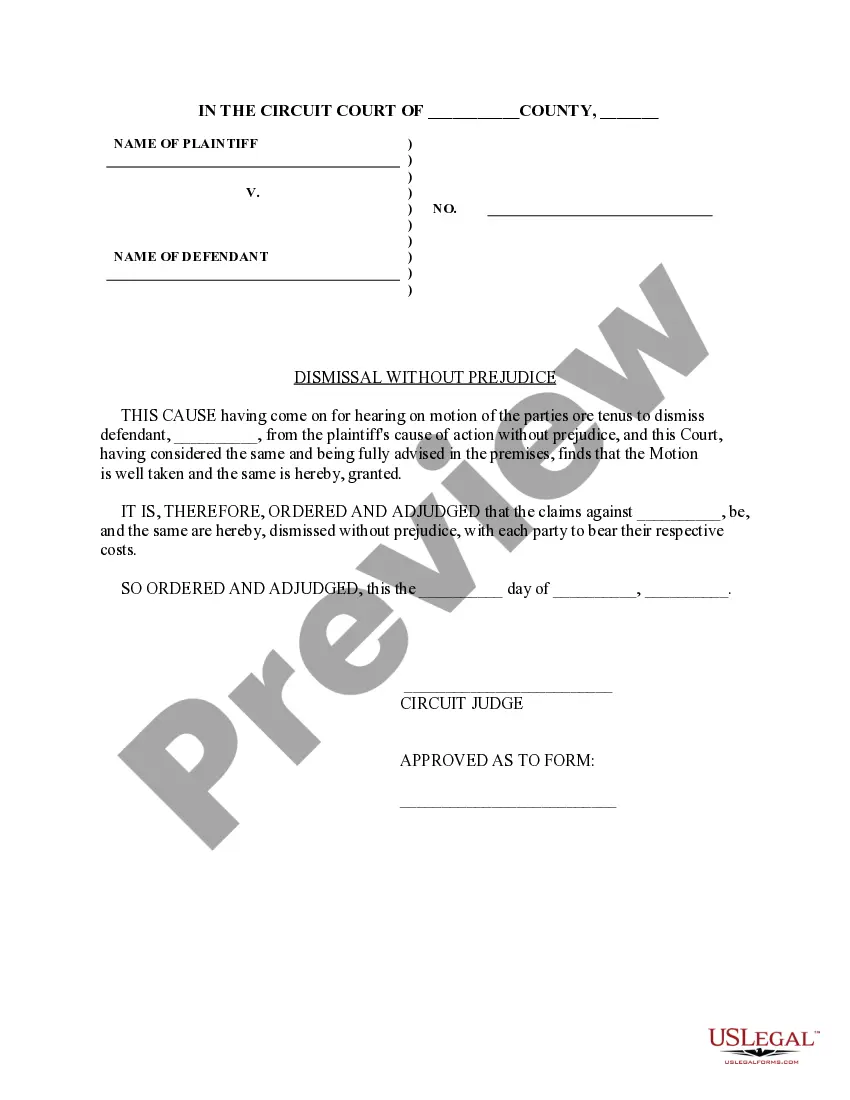
Court Dismissal Without Prejudice Meaning
Description
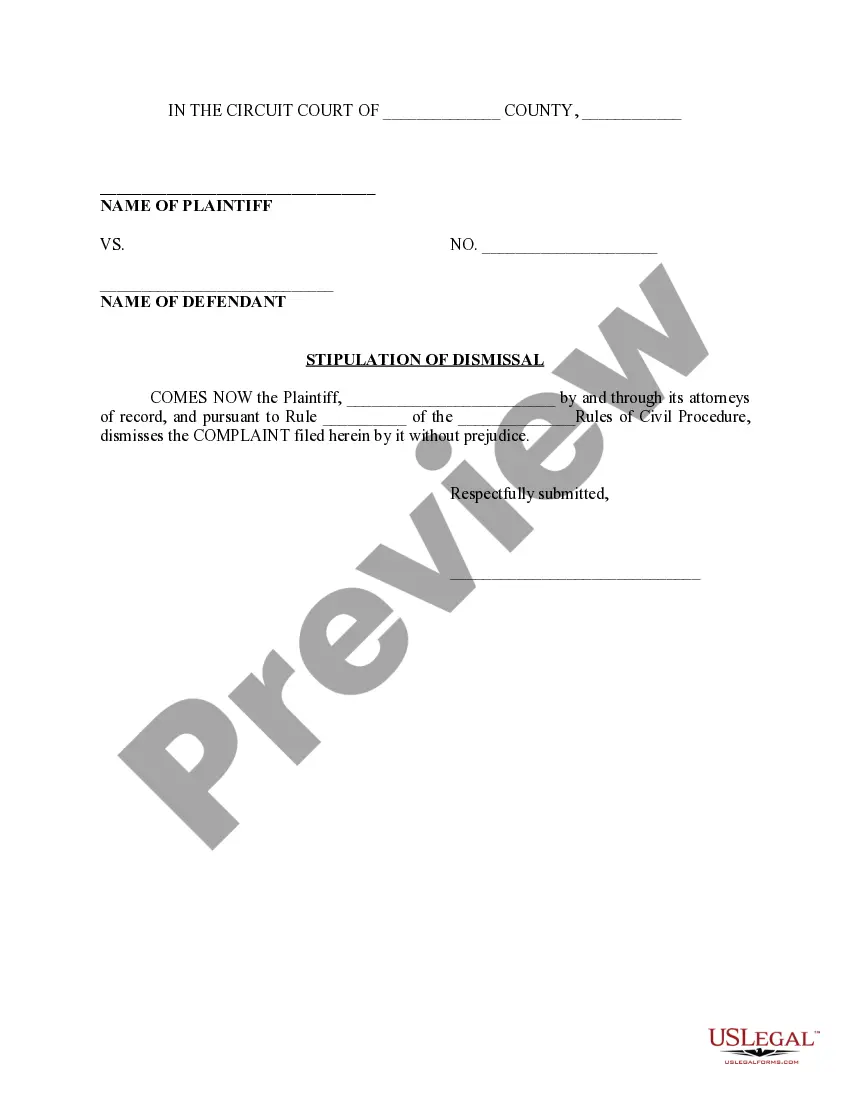
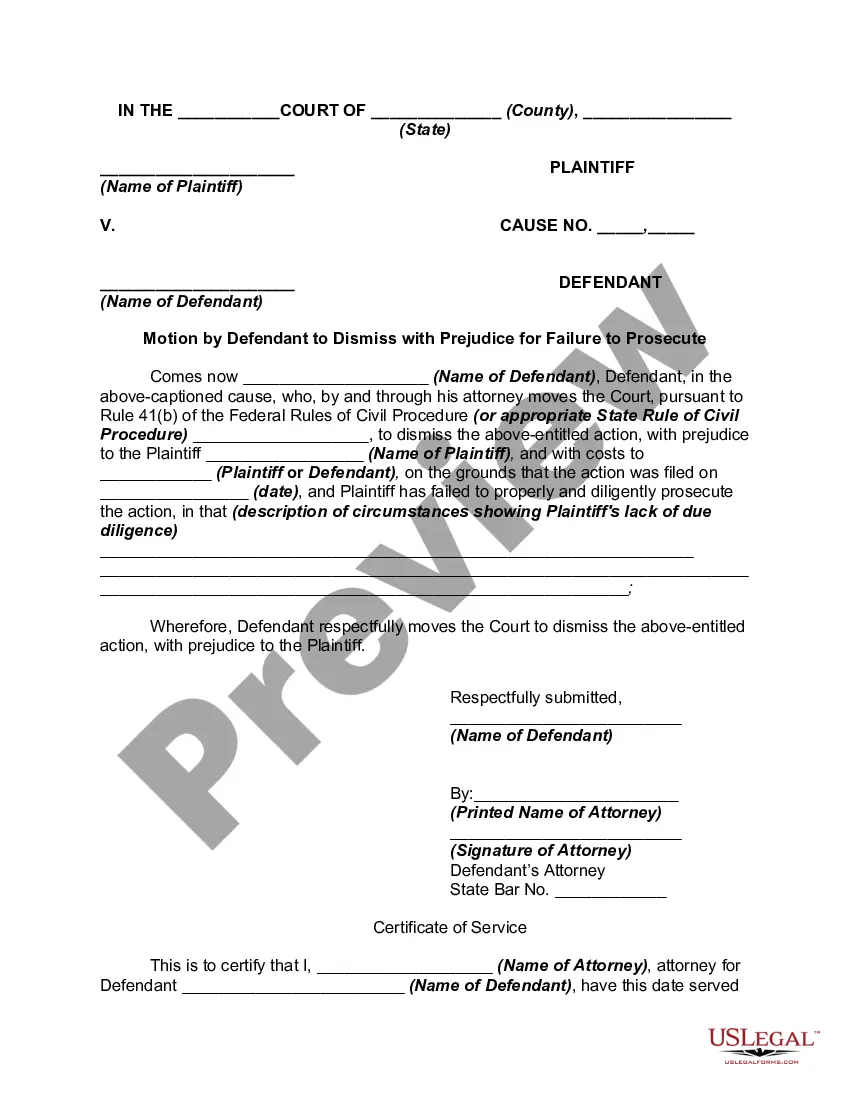
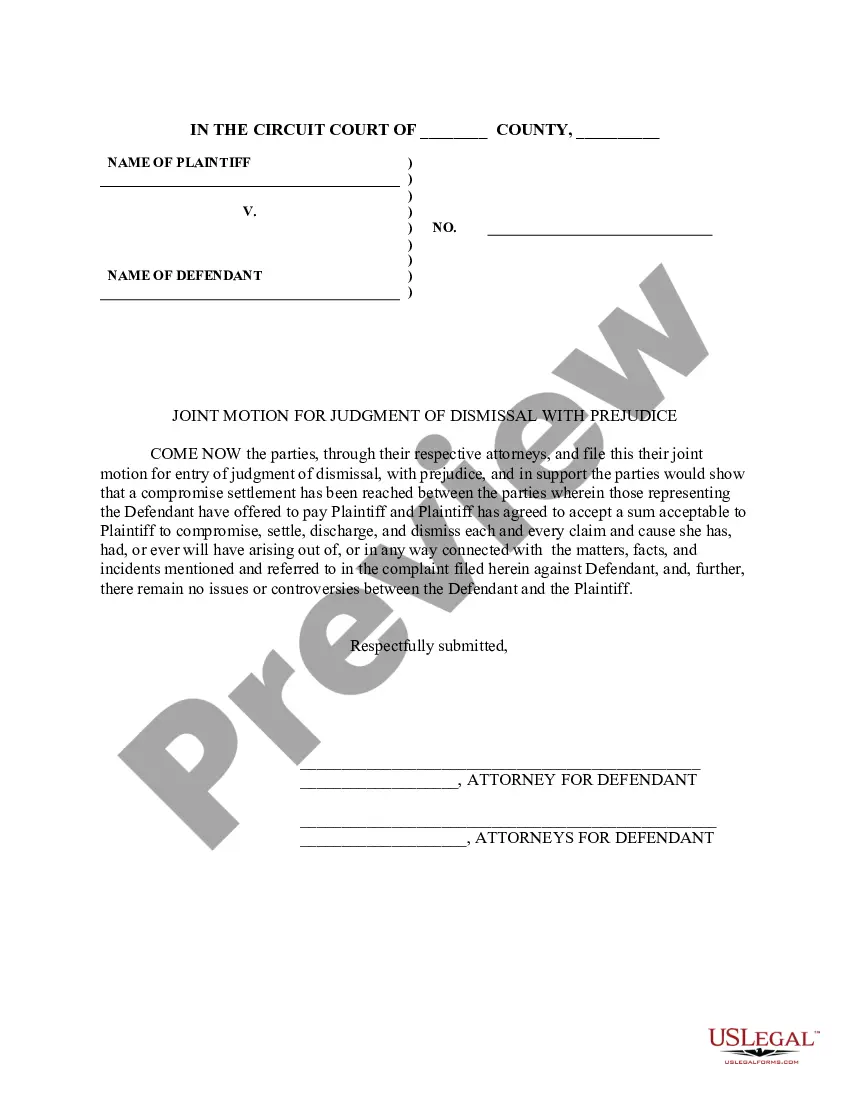
Get your form ready online
Our built-in tools help you complete, sign, share, and store your documents in one place.
Make edits, fill in missing information, and update formatting in US Legal Forms—just like you would in MS Word.
Download a copy, print it, send it by email, or mail it via USPS—whatever works best for your next step.
Sign and collect signatures with our SignNow integration. Send to multiple recipients, set reminders, and more. Go Premium to unlock E-Sign.
If this form requires notarization, complete it online through a secure video call—no need to meet a notary in person or wait for an appointment.
We protect your documents and personal data by following strict security and privacy standards.

Make edits, fill in missing information, and update formatting in US Legal Forms—just like you would in MS Word.

Download a copy, print it, send it by email, or mail it via USPS—whatever works best for your next step.

Sign and collect signatures with our SignNow integration. Send to multiple recipients, set reminders, and more. Go Premium to unlock E-Sign.

If this form requires notarization, complete it online through a secure video call—no need to meet a notary in person or wait for an appointment.

We protect your documents and personal data by following strict security and privacy standards.
Looking for another form?


How to fill out Dismissal Without Prejudice?
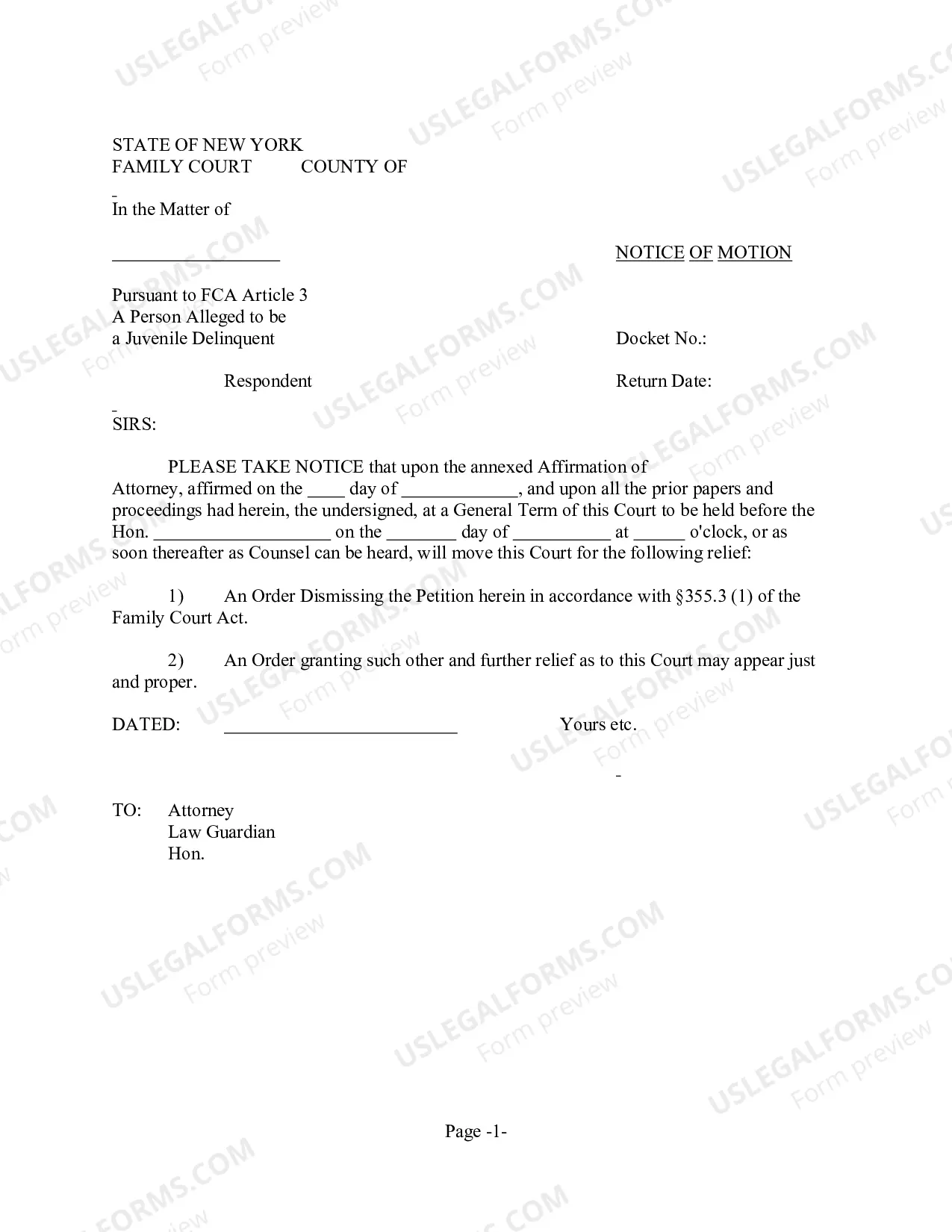
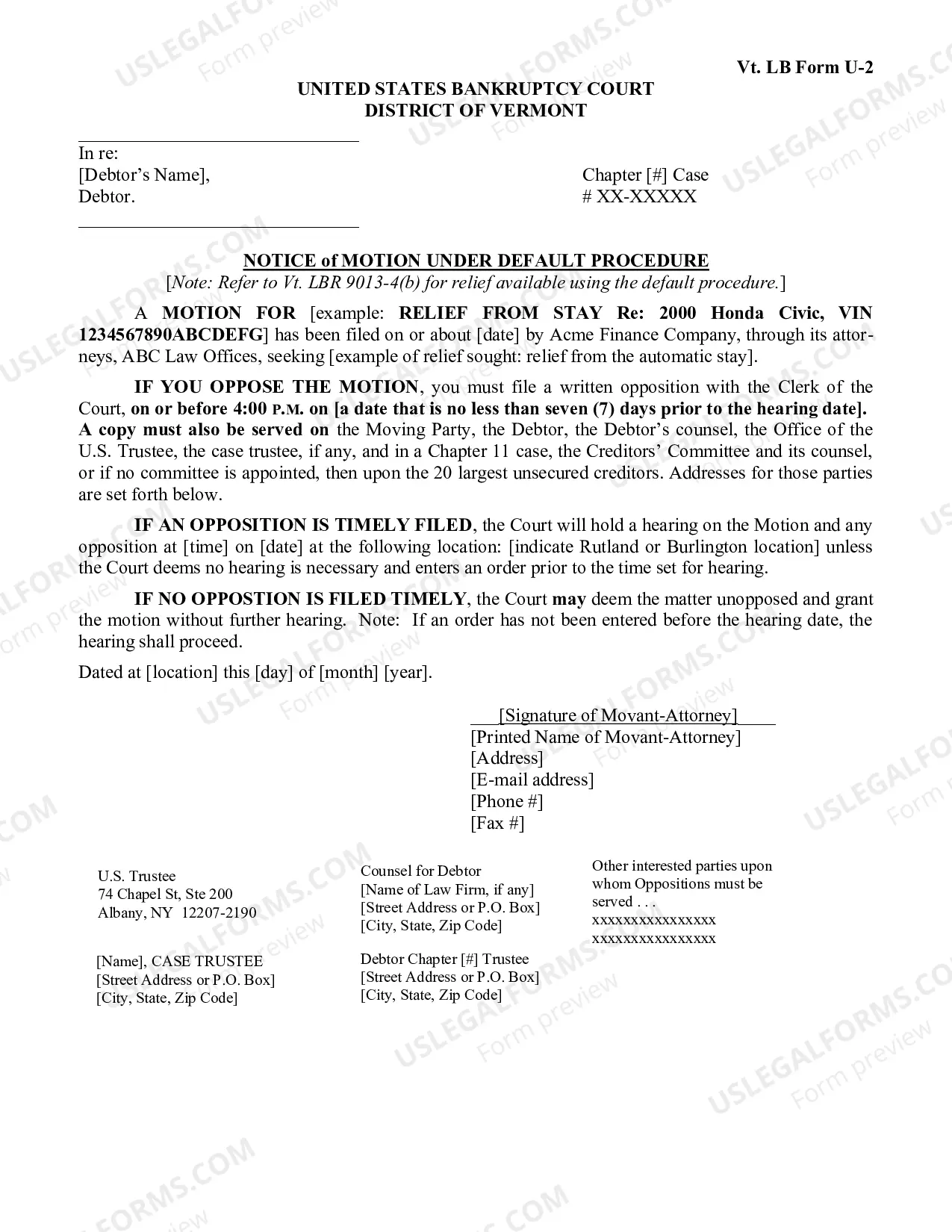
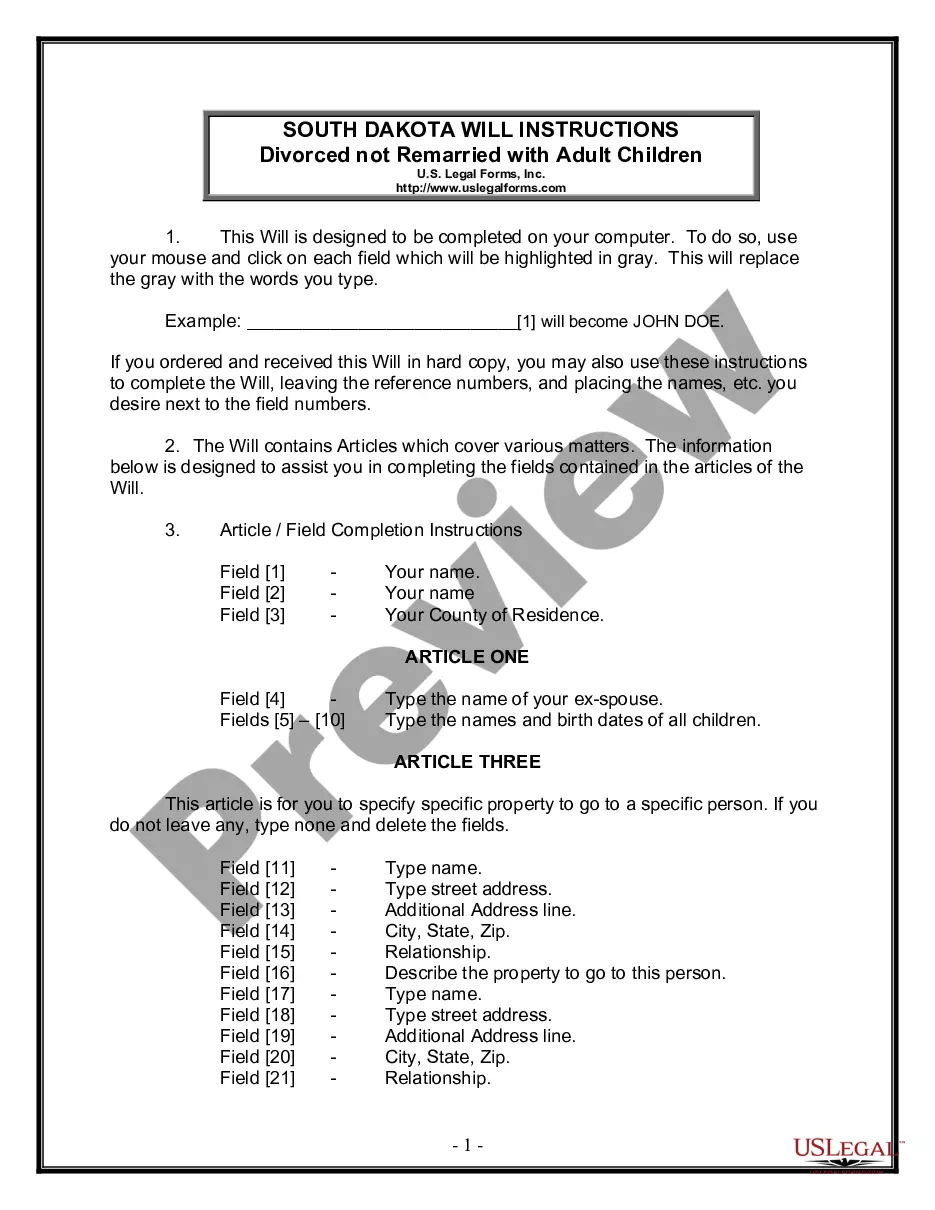
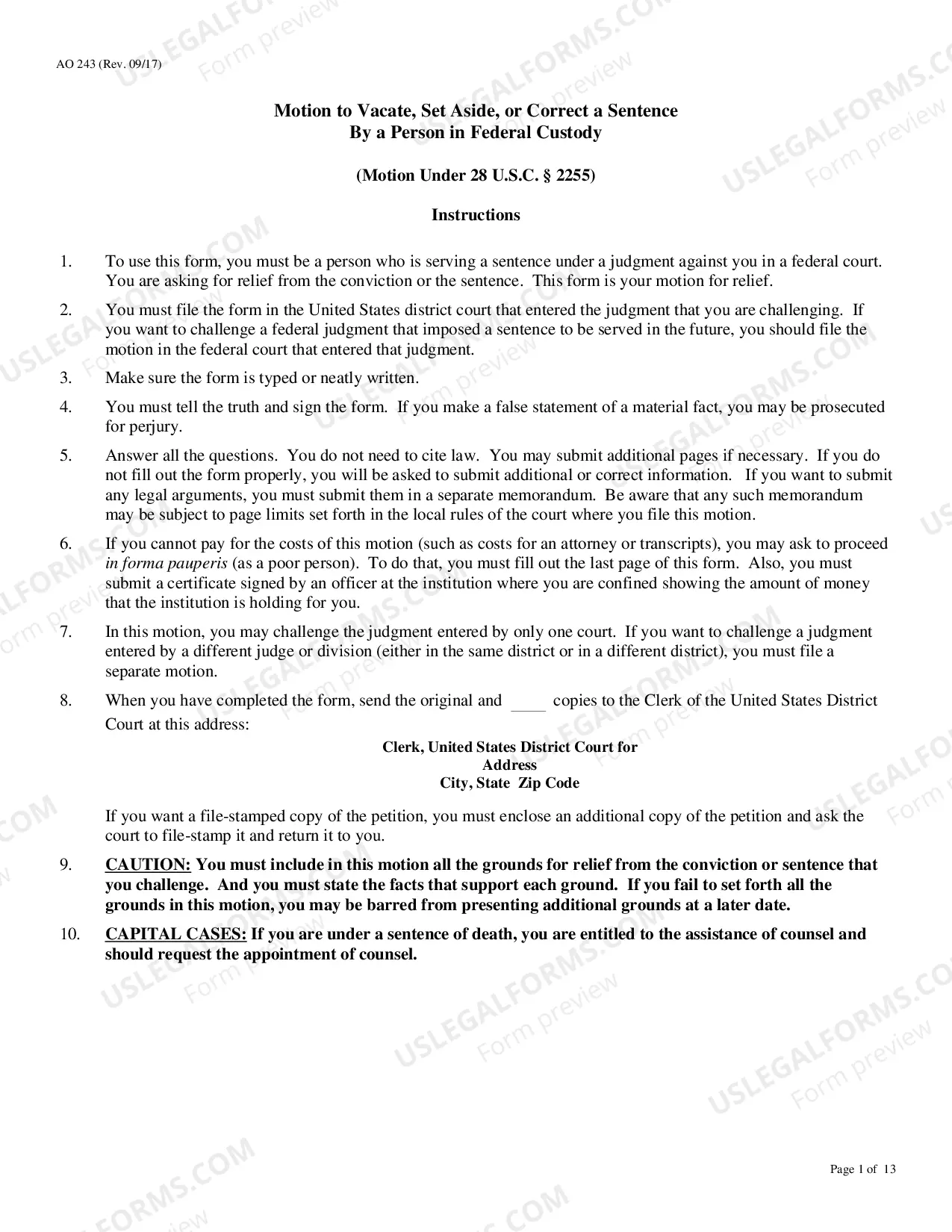
The Court Dismissal Without Prejudice Definition you observe on this page is a reusable legal framework crafted by expert attorneys in accordance with federal and state laws.
For over 25 years, US Legal Forms has supplied individuals, companies, and lawyers with more than 85,000 validated, state-specific documents for any business and personal situation. It’s the fastest, easiest, and most reliable method to acquire the paperwork you require, as the service ensures bank-level data security and anti-malware safeguards.
Choose the format you desire for your Court Dismissal Without Prejudice Definition (PDF, Word, RTF) and download the document to your device.
- Search for the document you need and examine it.
- Browse the sample you looked for and preview it or read the form description to verify it meets your requirements. If it does not, utilize the search feature to find the appropriate one. Click Buy Now once you have found the template you need.
- Subscribe and sign in.
- Select the pricing plan that works for you and set up an account. Use PayPal or a credit card to make a swift payment. If you already possess an account, Log In and verify your subscription to proceed.
- Acquire the editable template.
Form popularity
FAQ
The term 'court dismissal without prejudice' means that a case is closed, but the option to refile it remains open. In contrast, a 'not guilty' verdict indicates that the accused has been found innocent of the charges. While both outcomes are favorable, a dismissal can provide more flexibility for the future. If you are unsure about the implications of these terms, US Legal Forms offers resources to help you navigate legal terminology and understand your options.
A case might be dismissed without prejudice for various reasons, including procedural issues or lack of jurisdiction. This allows the party to correct any deficiencies and refile their claim, maintaining their right to seek a resolution. Understanding the court dismissal without prejudice meaning is crucial, as it affects your next steps. Utilizing platforms like US Legal Forms can help streamline the process of refiling your case.
No, a court dismissal does not necessarily mean you lost your case. When a case is dismissed without prejudice, it allows you the opportunity to refile in the future. This type of dismissal indicates that the court did not make a ruling on the merits of your case. Thus, you retain your rights to pursue the matter again later.
Typically, a case dismissed without prejudice may still show up on a background check, but it generally indicates that the case is not resolved. This type of dismissal does not carry the same weight as a conviction, but it is essential to understand its implications. Individuals seeking clarity on court records can benefit from using US Legal Forms to access legal documents and resources that explain these nuances. Understanding the court dismissal without prejudice meaning can help in discussions about your legal history.
Whether a dismissal is better with or without prejudice depends on the specific circumstances of the case. A dismissal without prejudice allows the plaintiff to refile, offering a second chance to pursue their claim. On the other hand, a dismissal with prejudice bars the plaintiff from refiling the case, which can be a final resolution. Knowing the court dismissal without prejudice meaning helps individuals make informed decisions about their legal strategies.
When a case is dismissed without prejudice, it means the court has terminated the case, but the plaintiff retains the right to refile the case in the future. This type of dismissal allows for the possibility of addressing any issues that may have led to the dismissal. Understanding the court dismissal without prejudice meaning is crucial for anyone considering their legal options. You can explore resources on the US Legal Forms platform to help navigate such situations.
Whereas a case that is dismissed ?with prejudice? is dismissed permanently, a case that is dismissed ?without prejudice? is only dismissed temporarily. This temporary dismissal means that the plaintiff is allowed to re-file charges, alter the claim, or bring the case to another court.
A: A judge can dismiss a case without prejudice if they detect legal errors that prevent the case from going forward. However, dismissing the case without prejudice allows the two sides to correct those errors and re-file the case.
For example, an employer might admit in a without prejudice communication that it had failed to carry out certain procedures which might otherwise render a dismissal unfair, but the employee would normally not be able to show that admission to an Employment Tribunal to try and prove their claim.
?With prejudice? means that you cannot re-file your case ever. ?Without prejudice? means that you can re-file your case at a later date (as long as you are still within the statute of limitations).