Difference Between Summary Trial And Summons Trial
Description
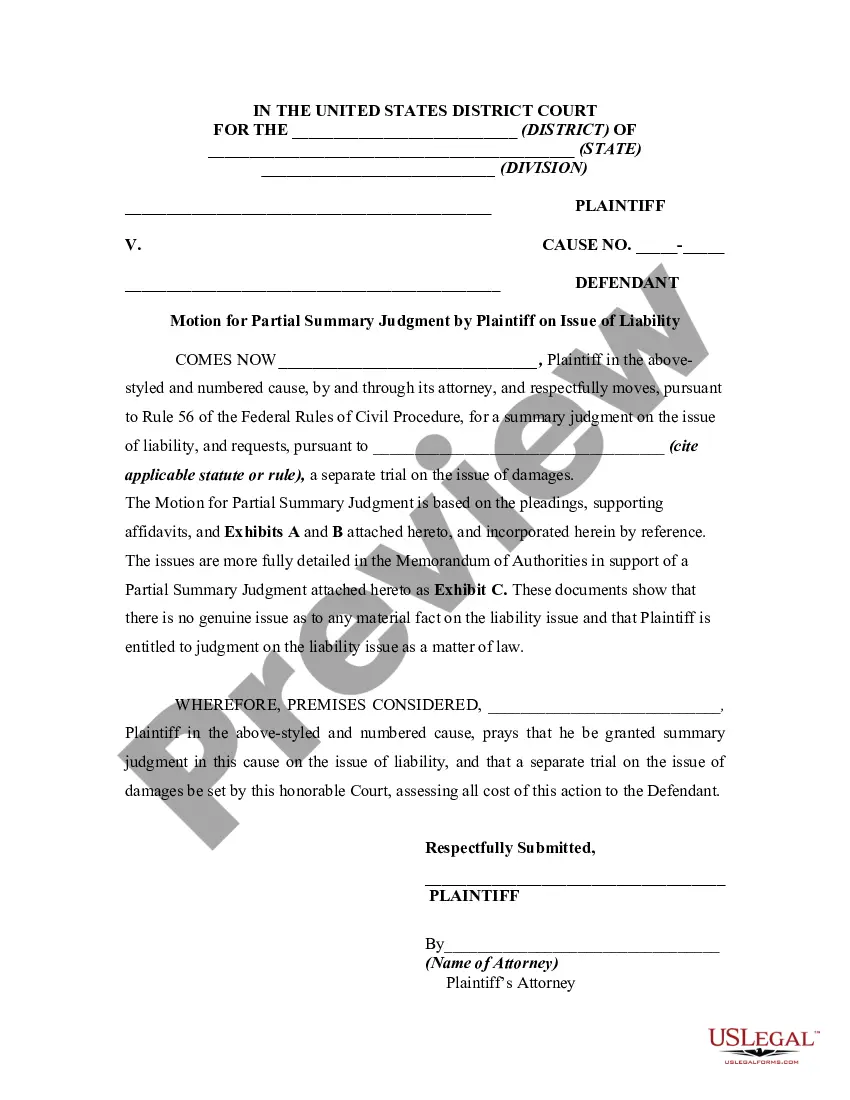
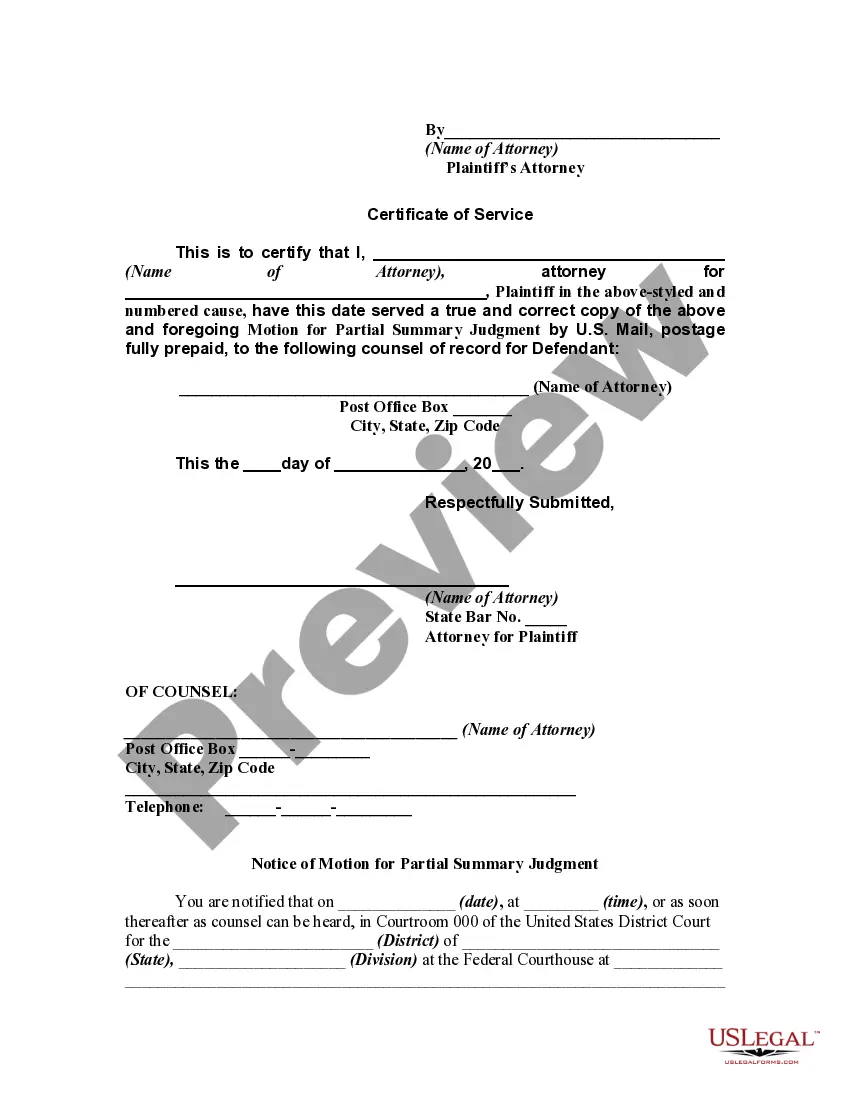
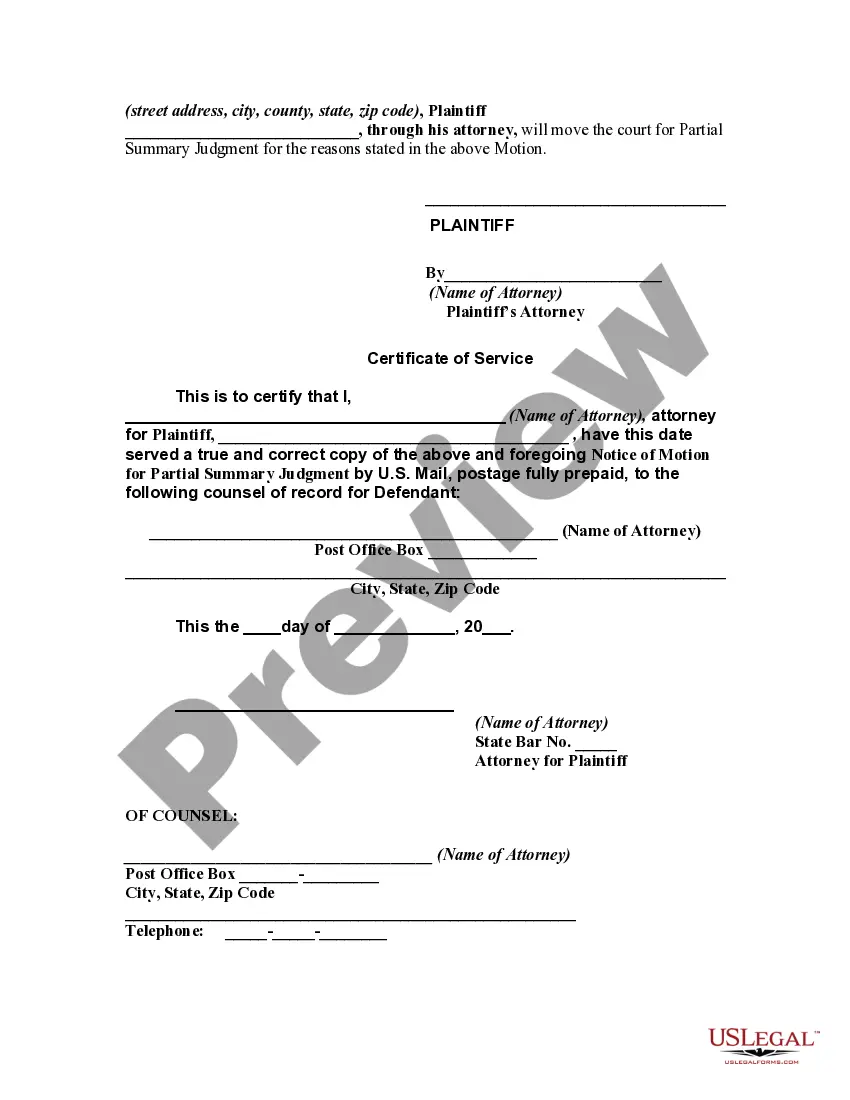
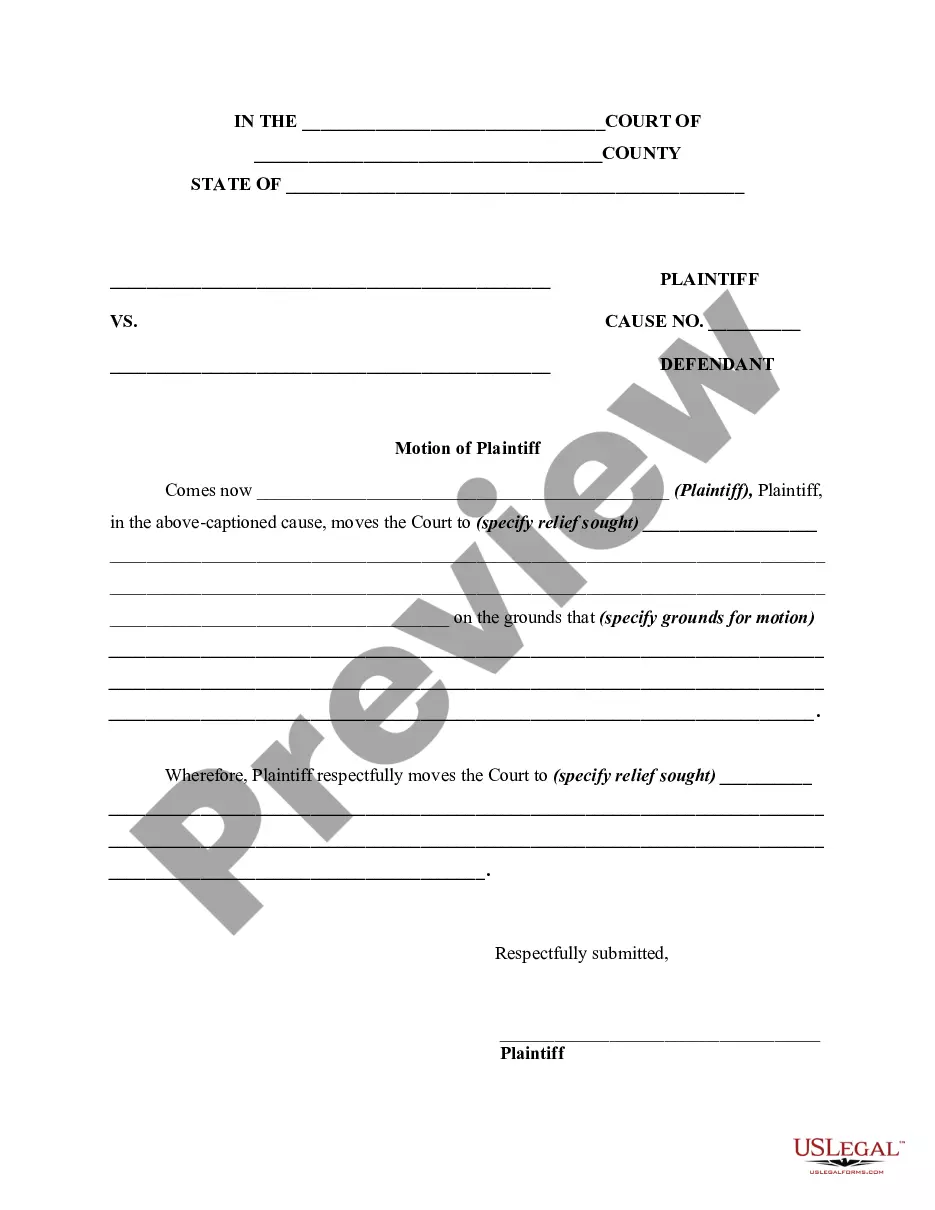
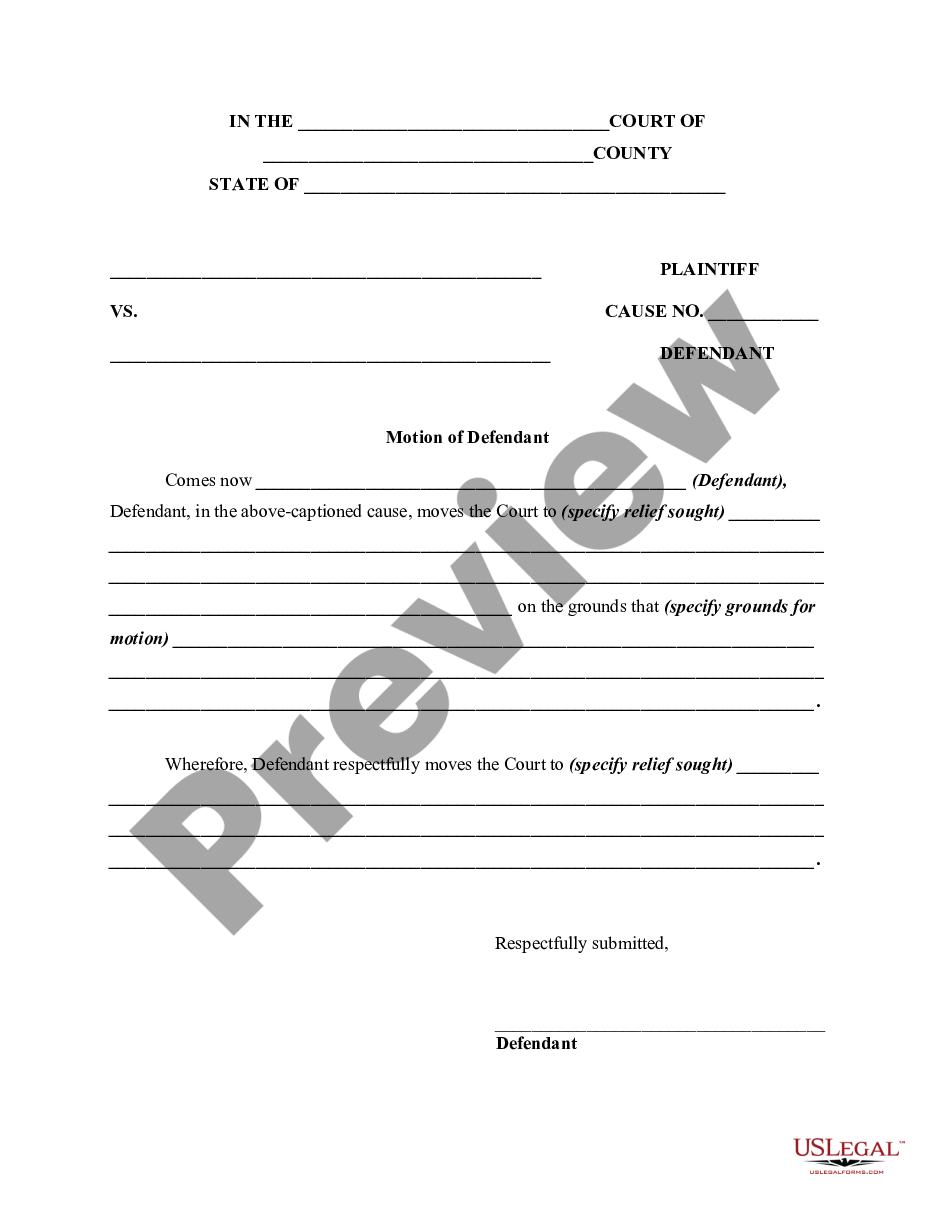
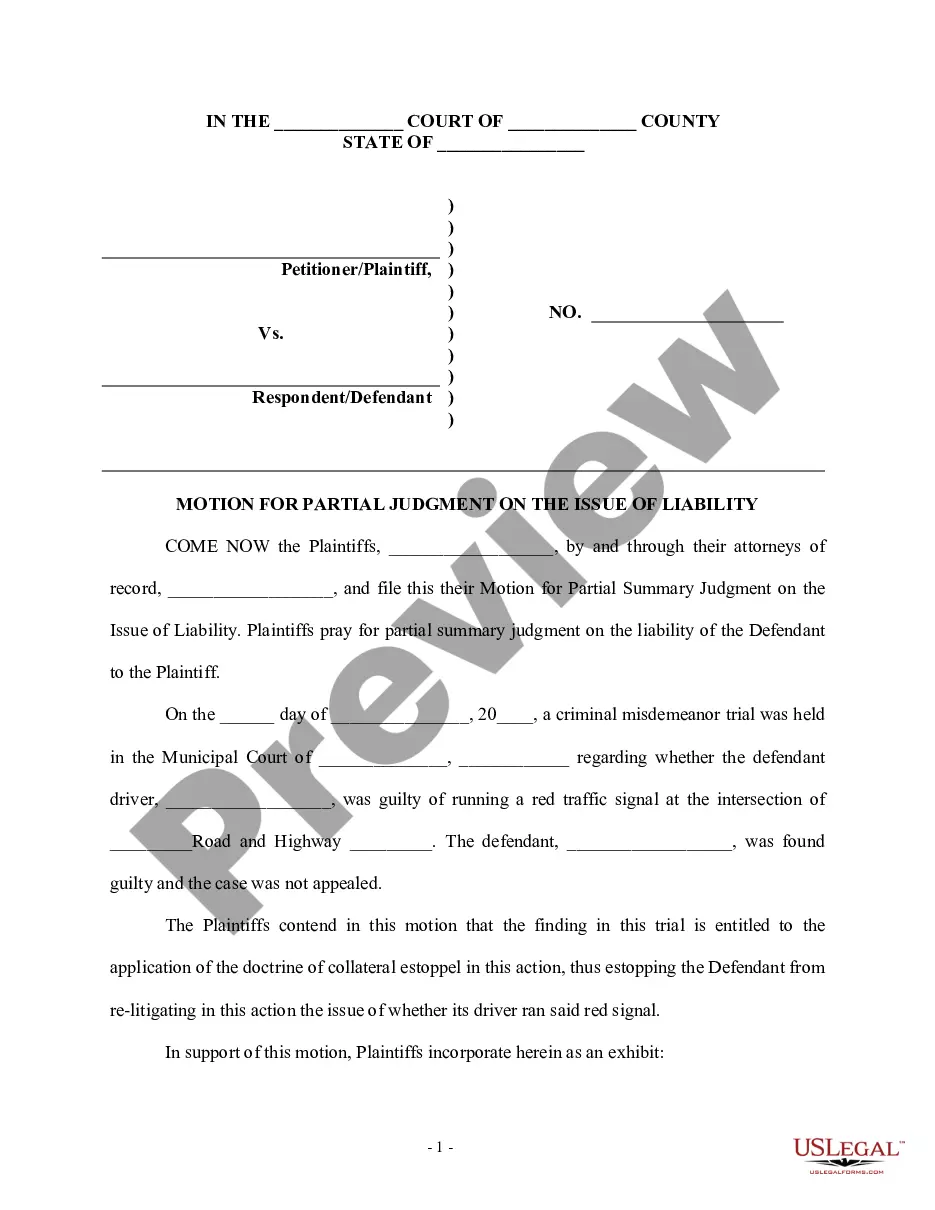
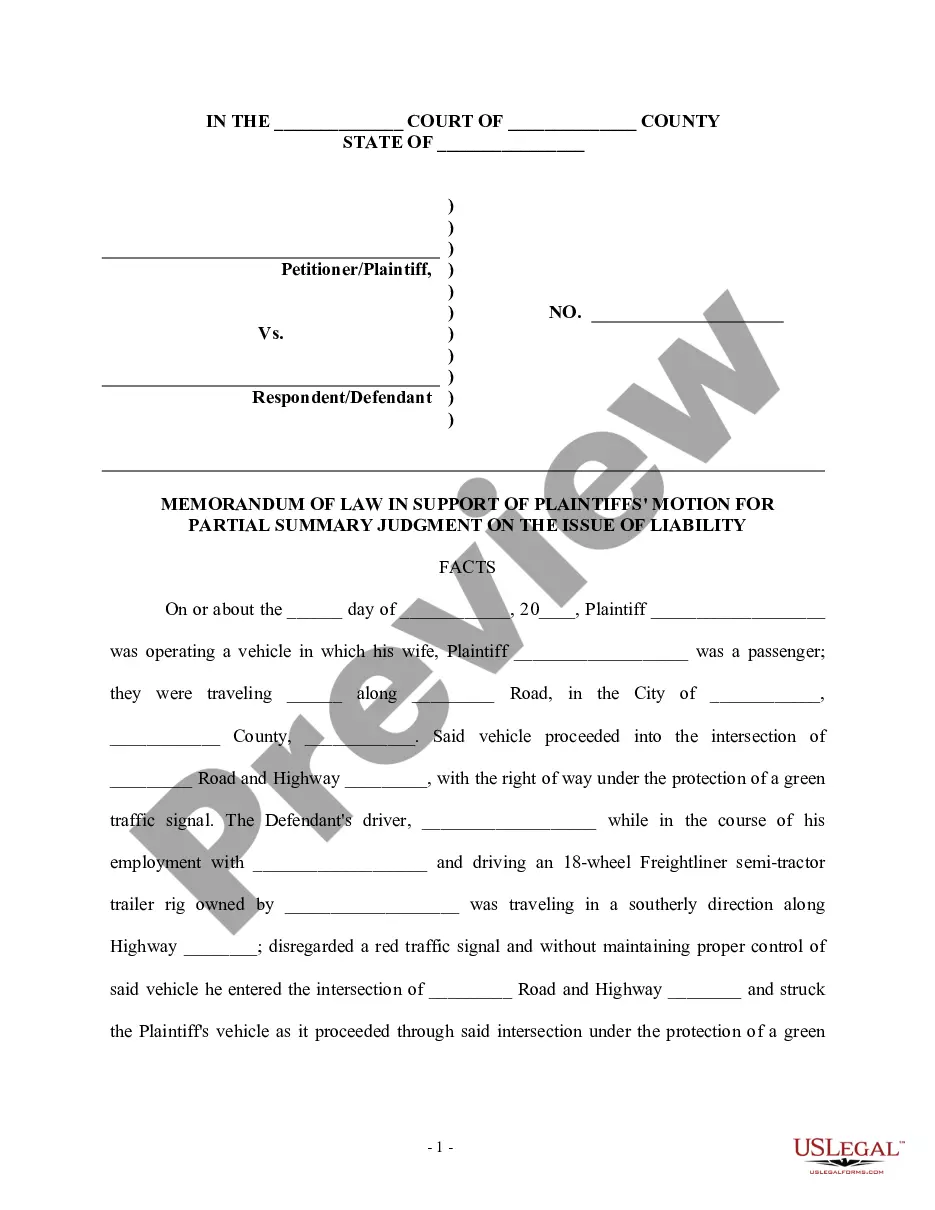
Get your form ready online
Our built-in tools help you complete, sign, share, and store your documents in one place.
Make edits, fill in missing information, and update formatting in US Legal Forms—just like you would in MS Word.
Download a copy, print it, send it by email, or mail it via USPS—whatever works best for your next step.
Sign and collect signatures with our SignNow integration. Send to multiple recipients, set reminders, and more. Go Premium to unlock E-Sign.
If this form requires notarization, complete it online through a secure video call—no need to meet a notary in person or wait for an appointment.
We protect your documents and personal data by following strict security and privacy standards.

Make edits, fill in missing information, and update formatting in US Legal Forms—just like you would in MS Word.

Download a copy, print it, send it by email, or mail it via USPS—whatever works best for your next step.

Sign and collect signatures with our SignNow integration. Send to multiple recipients, set reminders, and more. Go Premium to unlock E-Sign.

If this form requires notarization, complete it online through a secure video call—no need to meet a notary in person or wait for an appointment.

We protect your documents and personal data by following strict security and privacy standards.
Looking for another form?









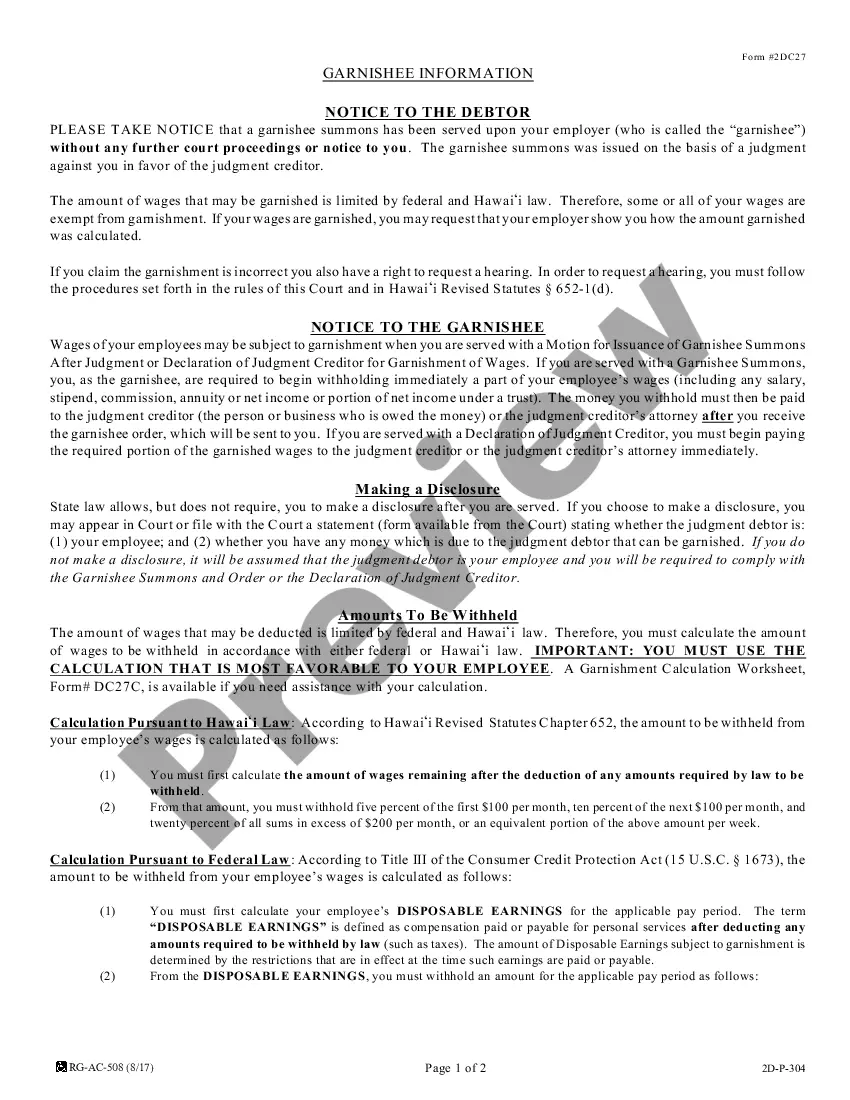
How to fill out General Form Of Partial Motion For Summary Judgment By Plaintiff On Issue Of Liability With Notice Of Motion And With Request For Separate Trial On Issue Of Damages?
Creating legal documents from the ground up can occasionally be daunting.
Particular situations may require extensive research and significant financial investment.
If you’re seeking a simpler and more cost-effective method of generating Difference Between Summary Trial And Summons Trial or any other paperwork without the hassle, US Legal Forms is always accessible to you.
Our online repository of over 85,000 current legal forms covers nearly every facet of your financial, legal, and personal affairs.
Examine the form preview and descriptions to confirm that you are looking at the document you need. Ensure that the template you choose adheres to the regulations and laws of your state and county. Select the appropriate subscription option to acquire the Difference Between Summary Trial And Summons Trial. Download the form, then complete, sign, and print it out. US Legal Forms boasts a strong reputation and over 25 years of experience. Join us today and make document execution easy and efficient!
- With just a few clicks, you can quickly access state- and county-specific templates carefully crafted by our legal experts.
- Utilize our platform whenever you require a dependable and trustworthy service that allows you to swiftly locate and download the Difference Between Summary Trial And Summons Trial.
- If you’re familiar with our services and have set up an account with us before, simply Log In to your account, find the template, and download it or re-download it anytime from the My documents section.
- Don’t have an account? No worries. It takes just a few minutes to create one and browse the catalog.
- Before proceeding to download the Difference Between Summary Trial And Summons Trial, keep these suggestions in mind.
Form popularity
FAQ
A summary trial is a type of trial in which matters are resolved quickly, the procedure is shortened, and the proceedings are recorded quickly. Small offenses are tried in summary trials alone, and complicated cases are reserved for summons or warrant trials.
After a jury is selected, a trial will generally follow this order of events: Opening Statement: ... Presentation of Evidence: ... Rulings by the Judge: ... Instructions to the Jury: ... Closing Arguments: ... Deliberation:
The Trial of the accused for the offense committed by him is divided into four types: Session Trial. Warrant Trial. Summons Trial. Summary Trial.
In summary trial under section 263 of the Code of Criminal Procedure, 1898 in cases where no appeal lies, the Magistrate or Bench of Magistrate need not record the evidence of the witnesses or frame a formal charge; while in regular trial recording of evidence of the Electronic copy available at: ...
Unlike more complex trials, summon cases involve offences where the punishment typically does not exceed two years of imprisonment. The accused is informed about the charges and given the option to plead guilty or proceed with the trial. Summon cases aim for a speedy resolution, emphasizing efficiency.