Order For Default Judgment
Description
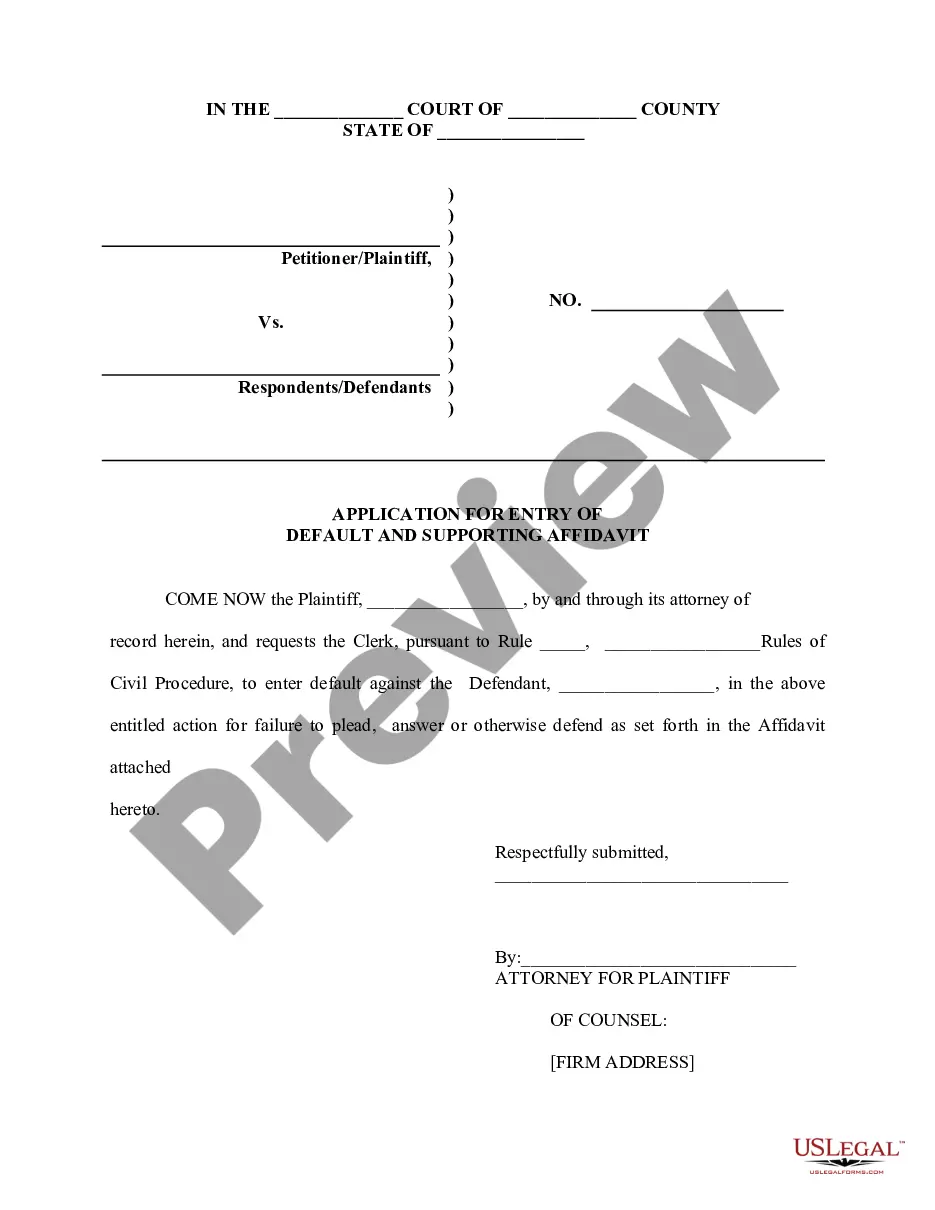
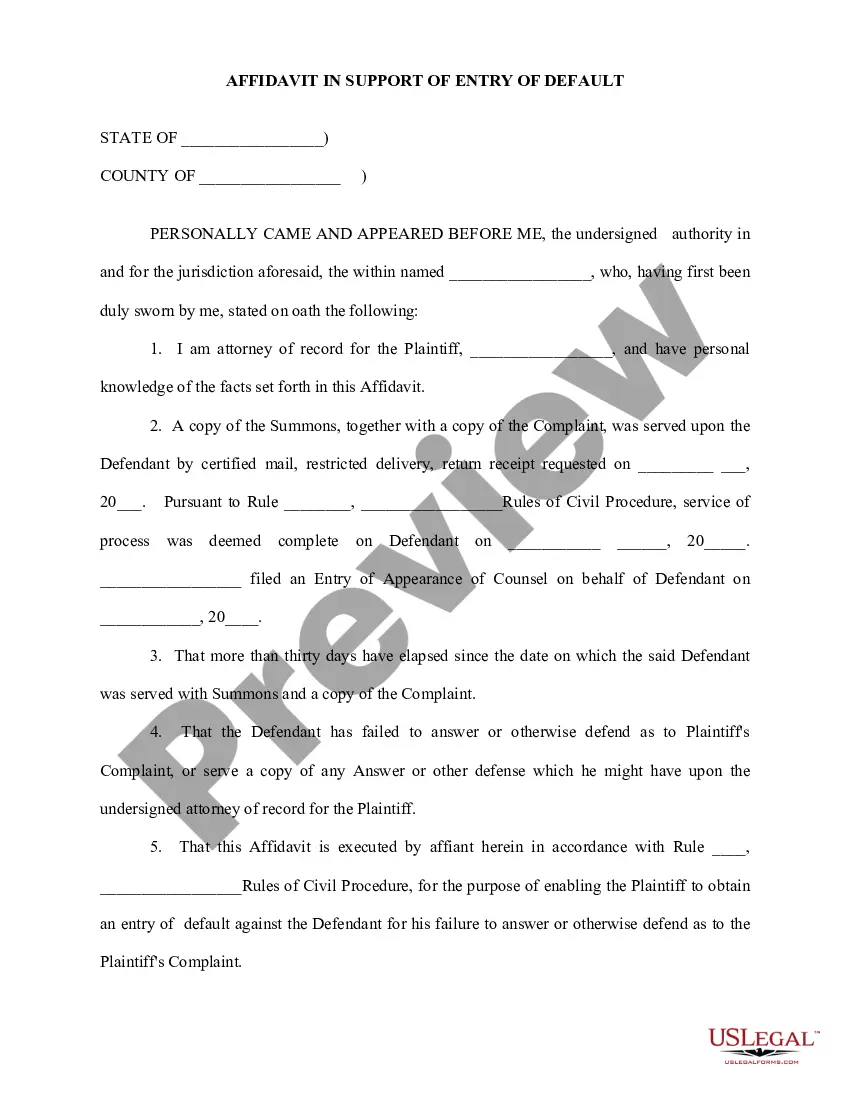
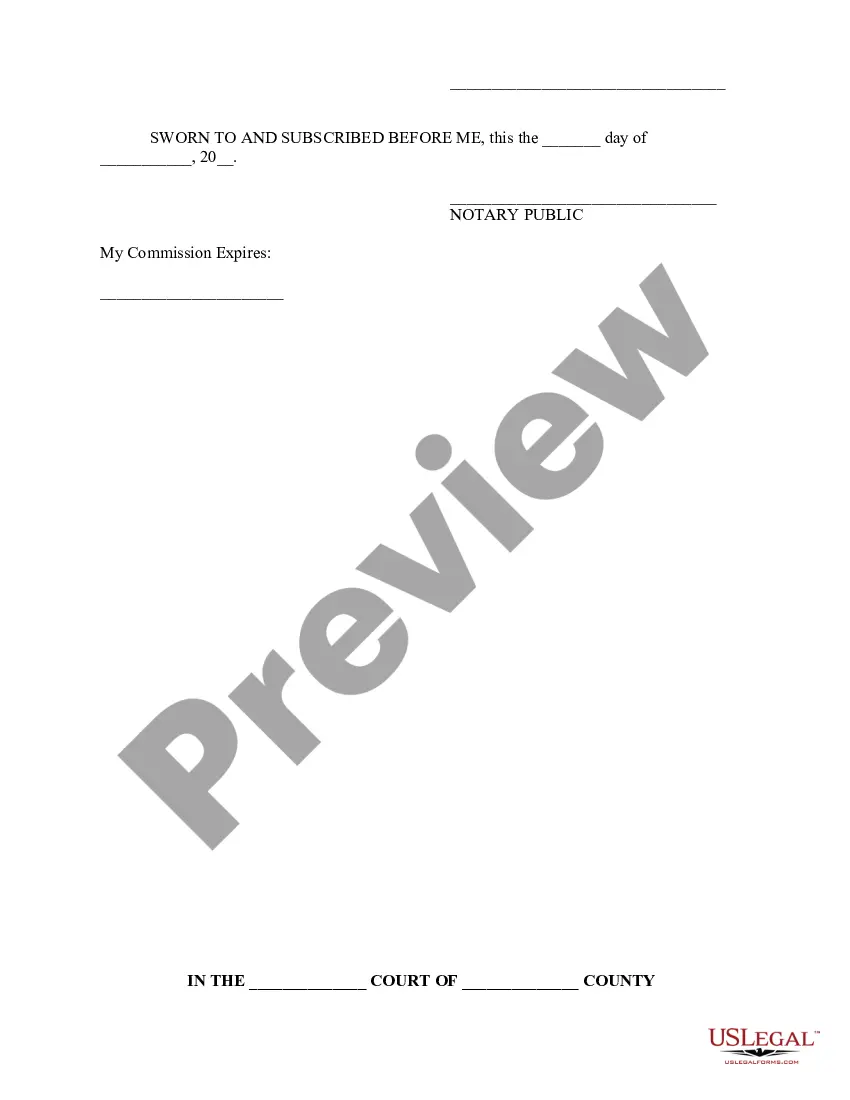
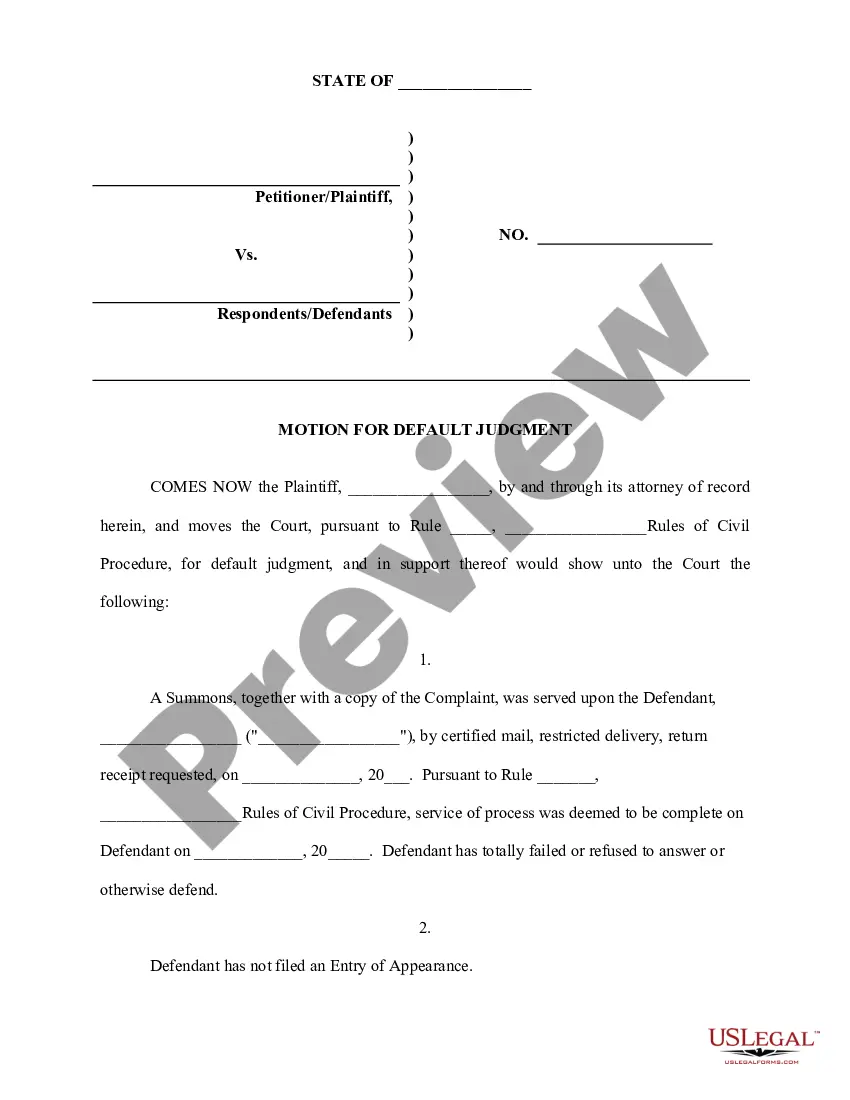
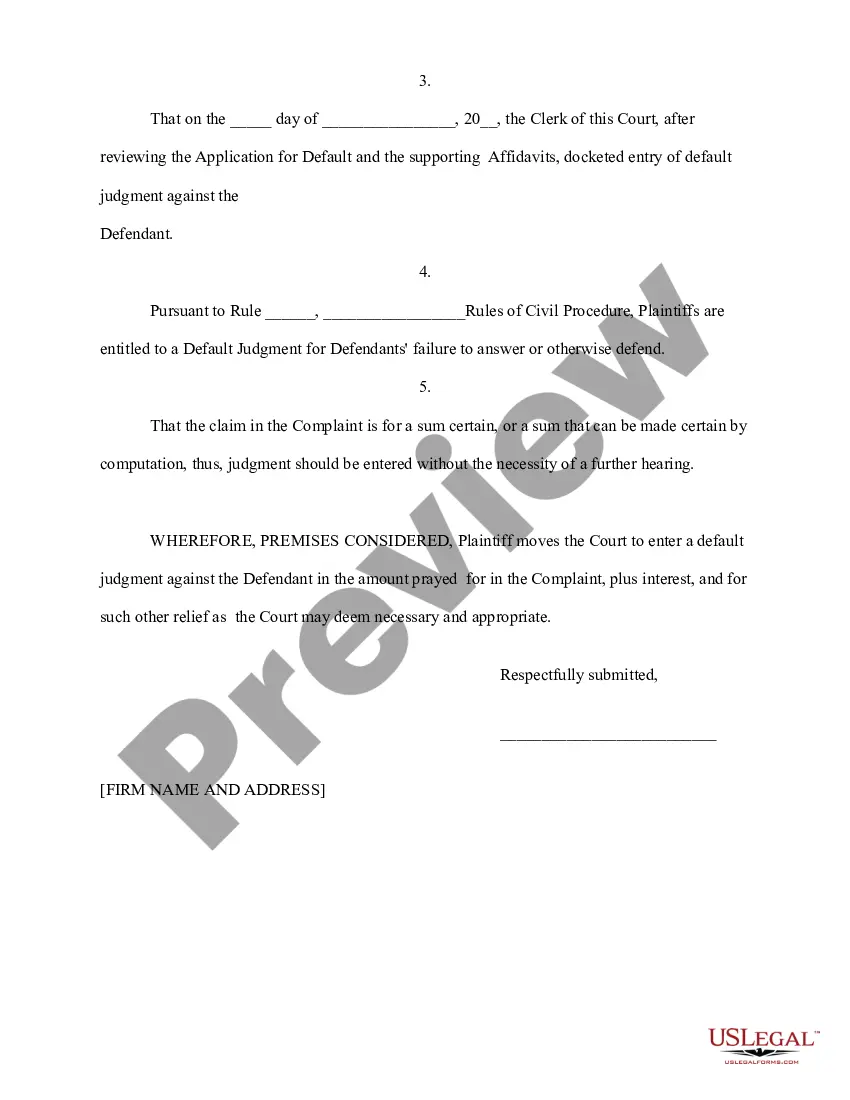
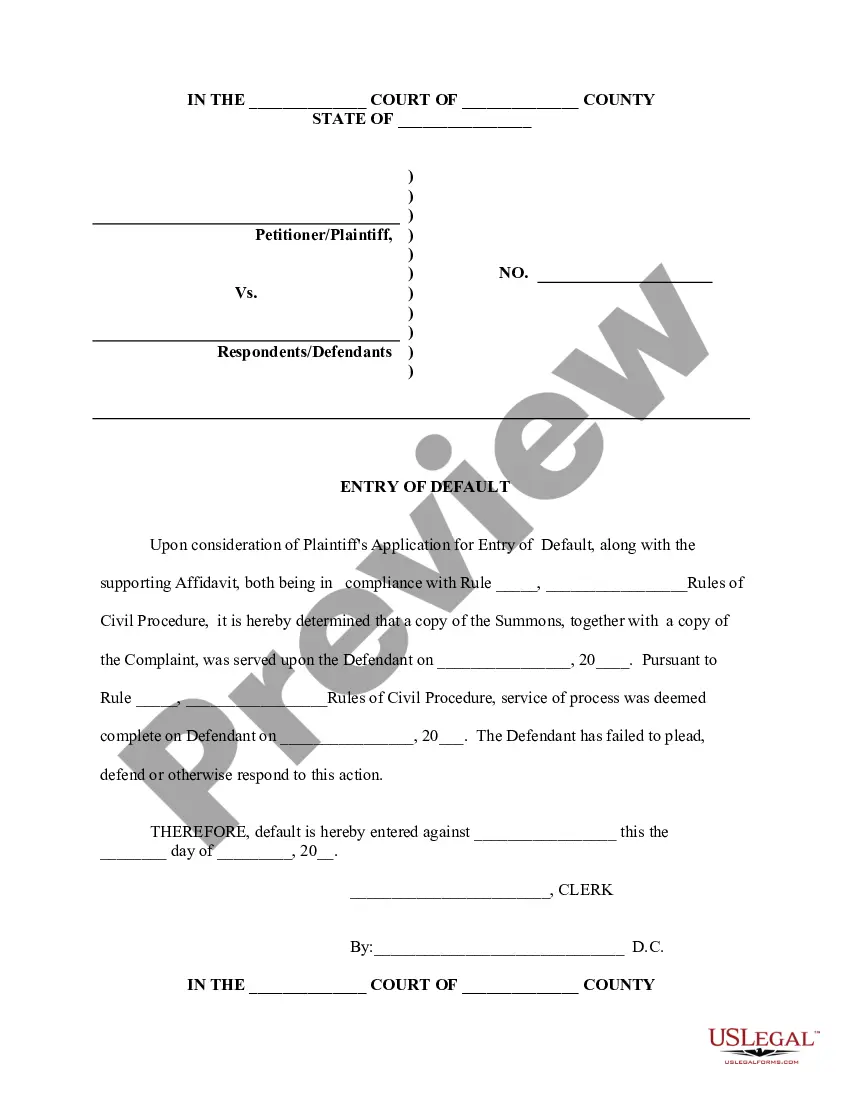
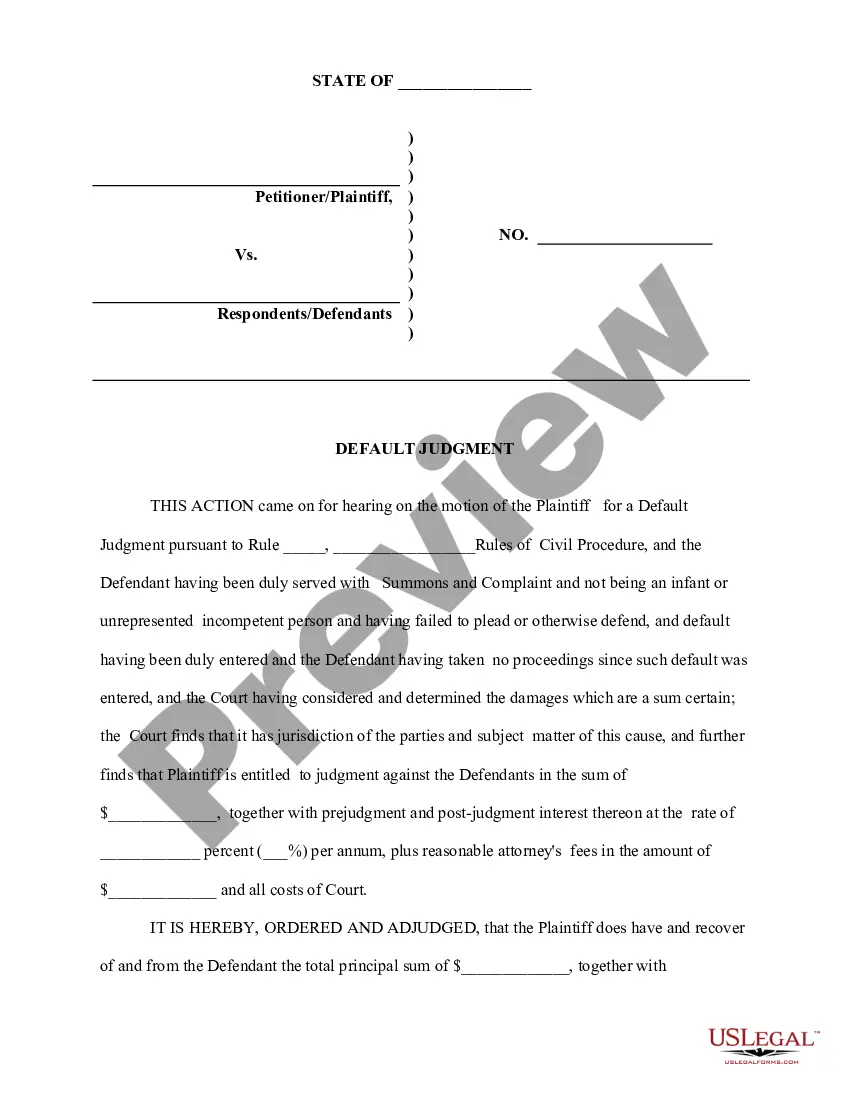
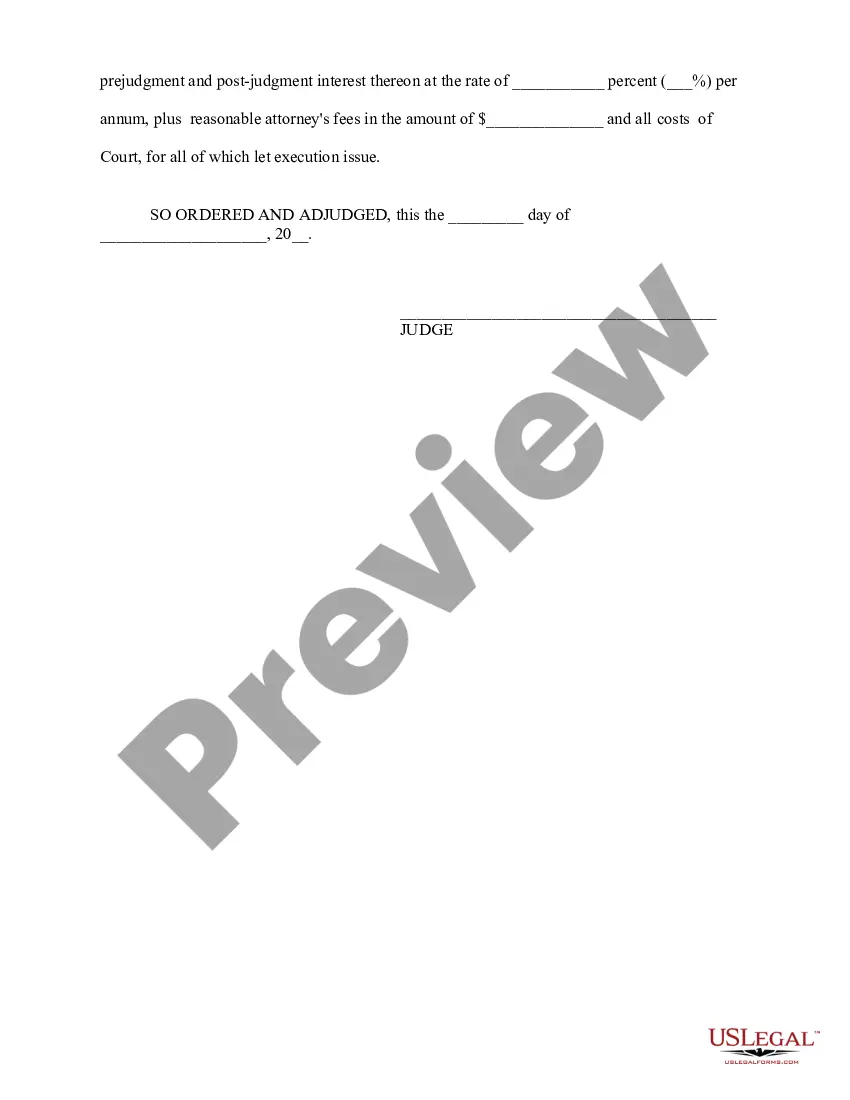
Get your form ready online
Our built-in tools help you complete, sign, share, and store your documents in one place.
Make edits, fill in missing information, and update formatting in US Legal Forms—just like you would in MS Word.
Download a copy, print it, send it by email, or mail it via USPS—whatever works best for your next step.
Sign and collect signatures with our SignNow integration. Send to multiple recipients, set reminders, and more. Go Premium to unlock E-Sign.
If this form requires notarization, complete it online through a secure video call—no need to meet a notary in person or wait for an appointment.
We protect your documents and personal data by following strict security and privacy standards.

Make edits, fill in missing information, and update formatting in US Legal Forms—just like you would in MS Word.

Download a copy, print it, send it by email, or mail it via USPS—whatever works best for your next step.

Sign and collect signatures with our SignNow integration. Send to multiple recipients, set reminders, and more. Go Premium to unlock E-Sign.

If this form requires notarization, complete it online through a secure video call—no need to meet a notary in person or wait for an appointment.

We protect your documents and personal data by following strict security and privacy standards.
Looking for another form?

How to fill out Application For Entry Of Default - Affidavit - Motion - Entry Of Default - Default Judgment?
Regardless of whether for professional reasons or personal issues, everyone must handle legal matters eventually in their lifetime.
Completing legal paperwork requires meticulous attention, starting with selecting the correct form template.
Once downloaded, you can fill in the form using editing software or print it and complete it manually. With an extensive US Legal Forms collection available, you need not waste time searching for the right template online. Utilize the library’s straightforward navigation to discover the appropriate document for any circumstance.
- Locate the template you require using the search bar or catalog browsing.
- Review the description of the form to confirm it fits your situation, state, and locality.
- Click on the form’s preview to view it.
- If it turns out to be the wrong document, return to the search option to find the Order For Default Judgment template you need.
- Obtain the file once it fulfills your requirements.
- If you already possess a US Legal Forms account, simply click Log in to access previously saved documents in My documents.
- If you do not have an account yet, you can download the form by pressing Buy now.
- Select the suitable pricing plan.
- Fill out the account creation form.
- Choose your method of payment: a credit card or PayPal account can be used.
- Select your desired file format and download the Order For Default Judgment.
Form popularity
FAQ
When you see 'default' referenced in legal orders, it indicates that one party has not complied with their legal obligations. This can mean failing to answer or appear in court, leading the judge to grant an order for default judgment. Understanding the implications of 'default' is crucial for anyone involved in a legal proceeding.
A common example of a default judgment occurs in a debt collection case. If a debtor receives a summons but does not respond by filing an answer, the creditor may obtain an order for default judgment. This judgment allows the creditor to collect the debt without further litigation because the debtor ignored the legal process.
A default judgment is a ruling in favor of one party when the opposing party has not appeared or defended against the case. This type of judgment allows the court to resolve the case quickly, offering a resolution to the party that did participate. It serves as an important legal tool to ensure fairness in situations where one side has not engaged.
A default judgment may be denied if there are insufficient grounds or if the opposing party has a valid defense. Courts are cautious about granting such judgments, as they can have significant implications. Additionally, issues with the documentation or errors in the filing process can lead to a denial. Being precise and thorough in your submission increases the likelihood of a favorable outcome.
Evidence for default judgment typically includes documentation verifying the defendant's failure to respond and supporting the plaintiff's claims. This can consist of records like contracts, invoices, or chronological communication logs. Providing compelling evidence is critical, as it lays the foundation for a court's decision to issue an order for default judgment. Ensuring your documentation is thorough enhances your chances of success.
Rule 12 primarily addresses defenses and motions regarding defaults. Specifically, it outlines the procedures for serving motions to dismiss or for default judgment. This rule provides defendants the opportunity to respond and present their case before a judgment is entered. Understanding this rule can significantly impact your approach if you face an order for default judgment.
A good reason to set aside a default judgment involves showing that you were unaware of the legal action taken against you. Other acceptable reasons include proving a lack of proper notice or presenting evidence of a substantial defense. Courts prioritize fairness and sometimes grant relief if the defendant can justify their absence. Ensuring you have a solid legal foundation can be crucial in this process.
To secure an order for default judgment, you typically need to provide proof of service. This includes documentation that confirms the defendant received the complaint. Additionally, you might require evidence that supports your claim, demonstrating the validity of the amount owed. This documentation ensures the court has a basis to issue the judgment.