Terminations
Description
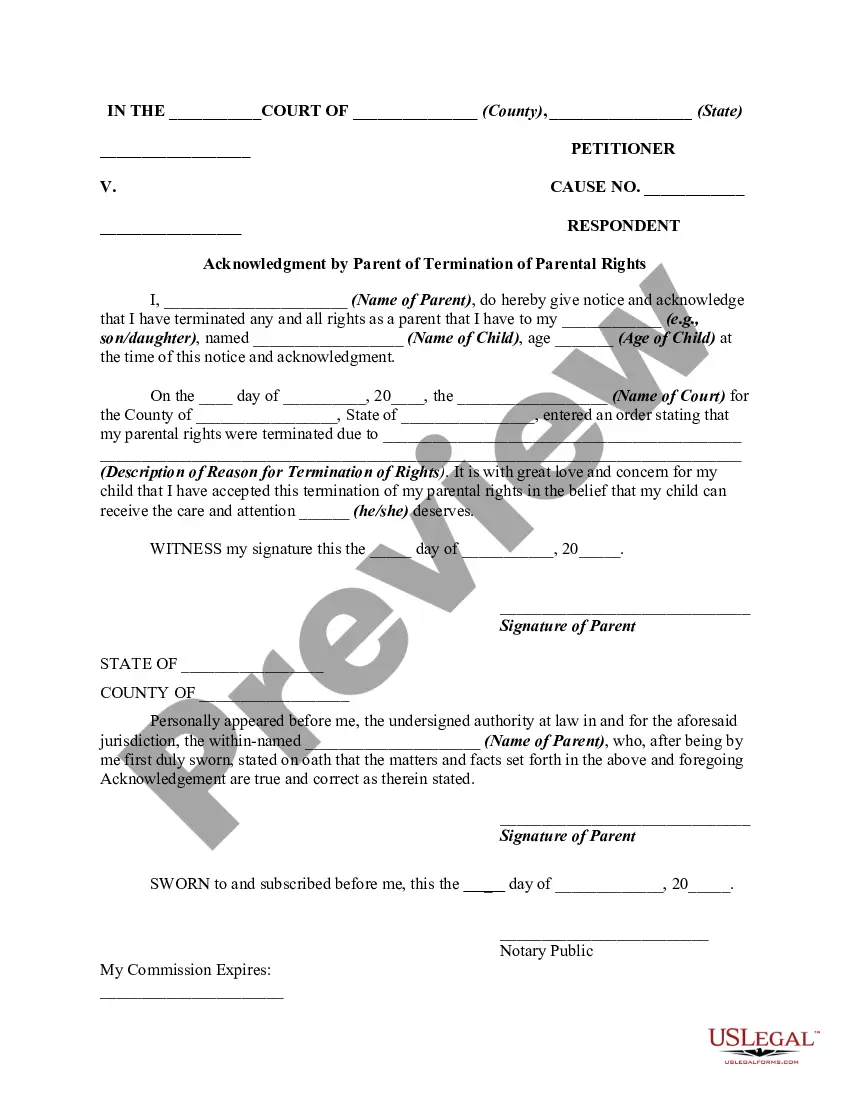
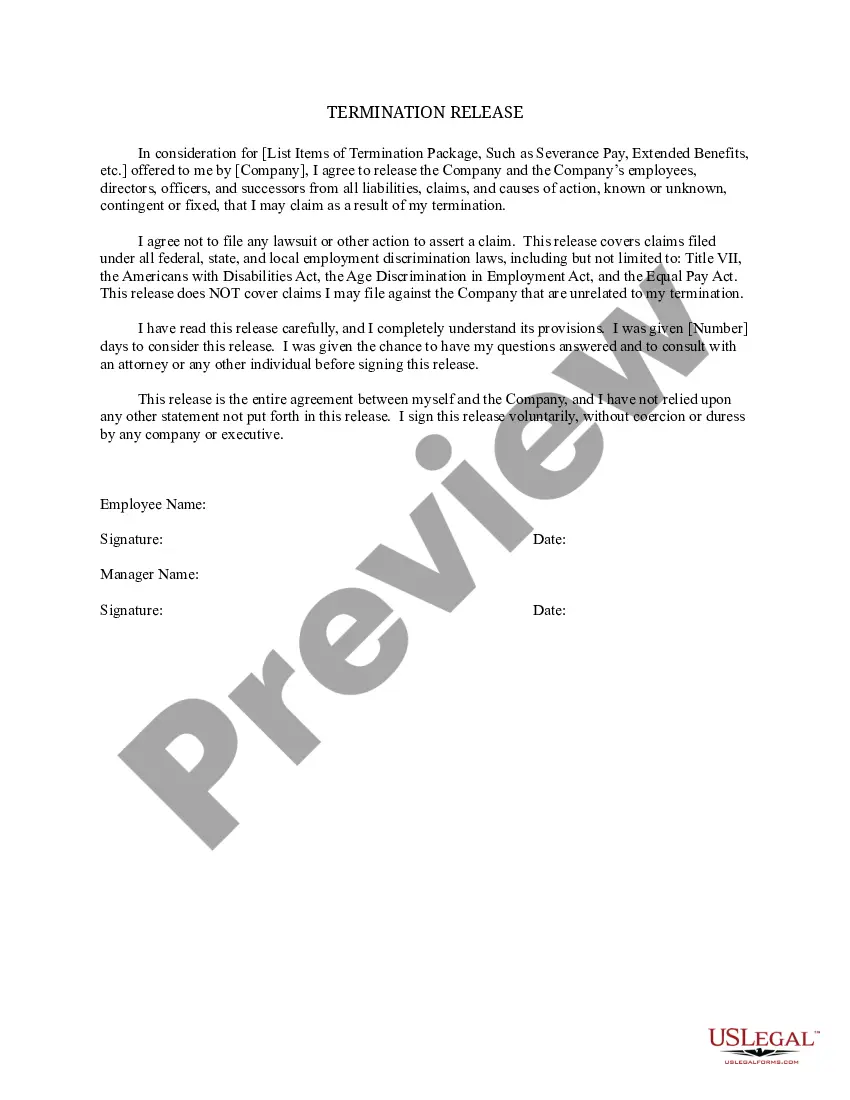
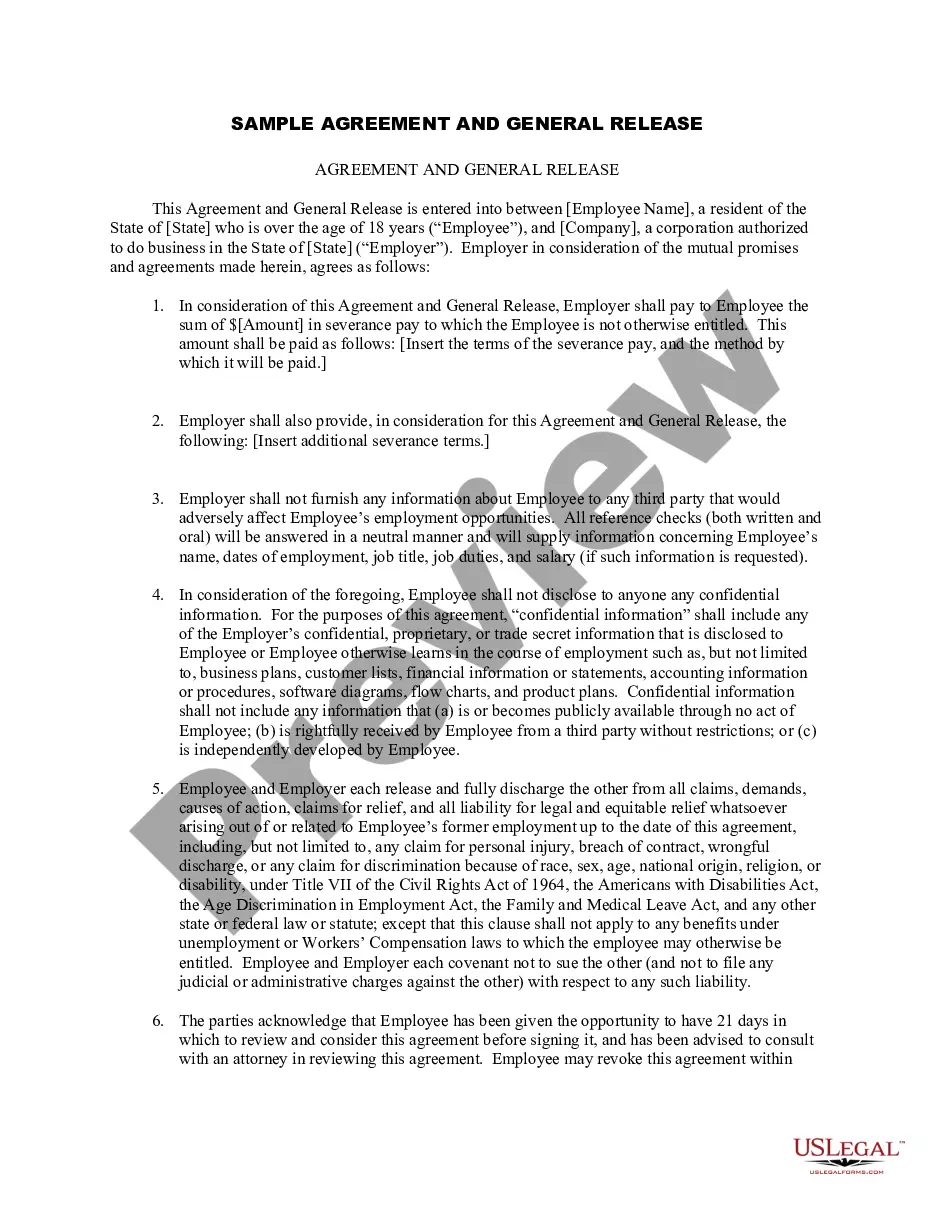
Get your form ready online
Our built-in tools help you complete, sign, share, and store your documents in one place.
Make edits, fill in missing information, and update formatting in US Legal Forms—just like you would in MS Word.
Download a copy, print it, send it by email, or mail it via USPS—whatever works best for your next step.
Sign and collect signatures with our SignNow integration. Send to multiple recipients, set reminders, and more. Go Premium to unlock E-Sign.
If this form requires notarization, complete it online through a secure video call—no need to meet a notary in person or wait for an appointment.
We protect your documents and personal data by following strict security and privacy standards.

Make edits, fill in missing information, and update formatting in US Legal Forms—just like you would in MS Word.

Download a copy, print it, send it by email, or mail it via USPS—whatever works best for your next step.

Sign and collect signatures with our SignNow integration. Send to multiple recipients, set reminders, and more. Go Premium to unlock E-Sign.

If this form requires notarization, complete it online through a secure video call—no need to meet a notary in person or wait for an appointment.

We protect your documents and personal data by following strict security and privacy standards.
Looking for another form?
How to fill out Acknowledgment And Agreement By Parent Of Termination Or Relinquish Of Parental Rights - Release Of Parental Rights?
- If you are a returning user, log into your account and ensure your subscription is active. Locate the required form template and click the Download button.
- For first-time users, start by reviewing the Preview mode and description of available termination forms. Confirm that the chosen document meets all local jurisdiction requirements.
- If you need a different form, utilize the Search tab to find the correct one. Verify that it aligns with your requirements before proceeding.
- Purchase your selected document by clicking the Buy Now button. Choose a suitable subscription plan and create an account for full access to the library.
- Complete the transaction by entering your payment details, using either a credit card or PayPal account.
- Finally, download your form and save it for your records. You can always access it later in the My Forms section of your profile.
In summary, US Legal Forms offers an extensive library of over 85,000 legal documents, making it simpler than ever to handle terminations. The platform guarantees quality and accuracy, supported by expert assistance when needed.
Take advantage of US Legal Forms today and streamline your legal documentation process!
Form popularity
FAQ
In grammar, terminations refer to the endings of words, particularly verbs, nouns, or adjectives, which can alter their function or meaning in sentences. This aspect is vital for correct sentence structure and enhances clarity in communication. Grasping the concept of terminations can significantly improve your writing and comprehension skills.
A termination means that an agreement, relationship, or contract has officially come to a close. It implies that all parties involved have acknowledged this end and have either concluded their responsibilities or are moving on. Understanding the meaning of termination can help you manage expectations and responsibilities during transitions.
The termination of a sentence refers to completing a grammatical thought with appropriate punctuation. In essence, it signals the end of an idea and allows for clarity in communication. Recognizing the importance of termination in sentences can contribute to more effective writing and stronger messaging.
When something is termed as terminated, it signifies that it has been brought to an end or concluded. This could refer to a job position, a legal agreement, or any other type of contract. Being aware of what it means to be terminated is essential, as it can impact your future decisions and obligations.
Examples of termination can include the ending of a rental agreement, the conclusion of an employment contract, or the dissolution of a business partnership. Each example illustrates how termination can affect different personal and professional relationships. Ultimately, understanding these examples can help you navigate similar situations effectively.
The three primary types of termination include voluntary, involuntary, and mutual termination. Voluntary termination occurs when an individual chooses to end a relationship or contract, while involuntary termination is initiated by one party, often due to performance or compliance issues. Mutual termination happens when both parties agree to end the arrangement, ensuring a smoother resolution.
Termination in English typically refers to the ending or conclusion of something, such as a contract or a relationship. This term signifies that an agreement or connection has been brought to a close. Recognizing the implications of termination is crucial in various situations, including business and legal contexts.
In the context of speech, termination refers to the completion or conclusion of a statement or thought. It often marks the end of a discussion or dialogue. Understanding the concept of termination can help improve communication and avoid misunderstandings in conversations.
The best treatment for terminations depends on individual circumstances, including how far along the pregnancy is and personal health considerations. Many individuals find that medical abortions provide a private and less invasive option, while others may prefer surgical procedures for their effectiveness in certain situations. Engaging with a healthcare provider ensures the chosen method aligns with health needs and personal preferences.
There are primarily two types of abortion: medical and surgical. Medical abortion consists of taking prescribed medications to terminate a pregnancy, suitable mainly within the first 10 weeks. Surgical abortions involve procedures performed in a clinical setting and can vary in technique, depending on the gestational age. Exploring all available options helps in selecting the right method of termination for each unique situation.