Termination
Description
Get your form ready online
Our built-in tools help you complete, sign, share, and store your documents in one place.
Make edits, fill in missing information, and update formatting in US Legal Forms—just like you would in MS Word.
Download a copy, print it, send it by email, or mail it via USPS—whatever works best for your next step.
Sign and collect signatures with our SignNow integration. Send to multiple recipients, set reminders, and more. Go Premium to unlock E-Sign.
If this form requires notarization, complete it online through a secure video call—no need to meet a notary in person or wait for an appointment.
We protect your documents and personal data by following strict security and privacy standards.

Make edits, fill in missing information, and update formatting in US Legal Forms—just like you would in MS Word.

Download a copy, print it, send it by email, or mail it via USPS—whatever works best for your next step.

Sign and collect signatures with our SignNow integration. Send to multiple recipients, set reminders, and more. Go Premium to unlock E-Sign.

If this form requires notarization, complete it online through a secure video call—no need to meet a notary in person or wait for an appointment.

We protect your documents and personal data by following strict security and privacy standards.
Looking for another form?



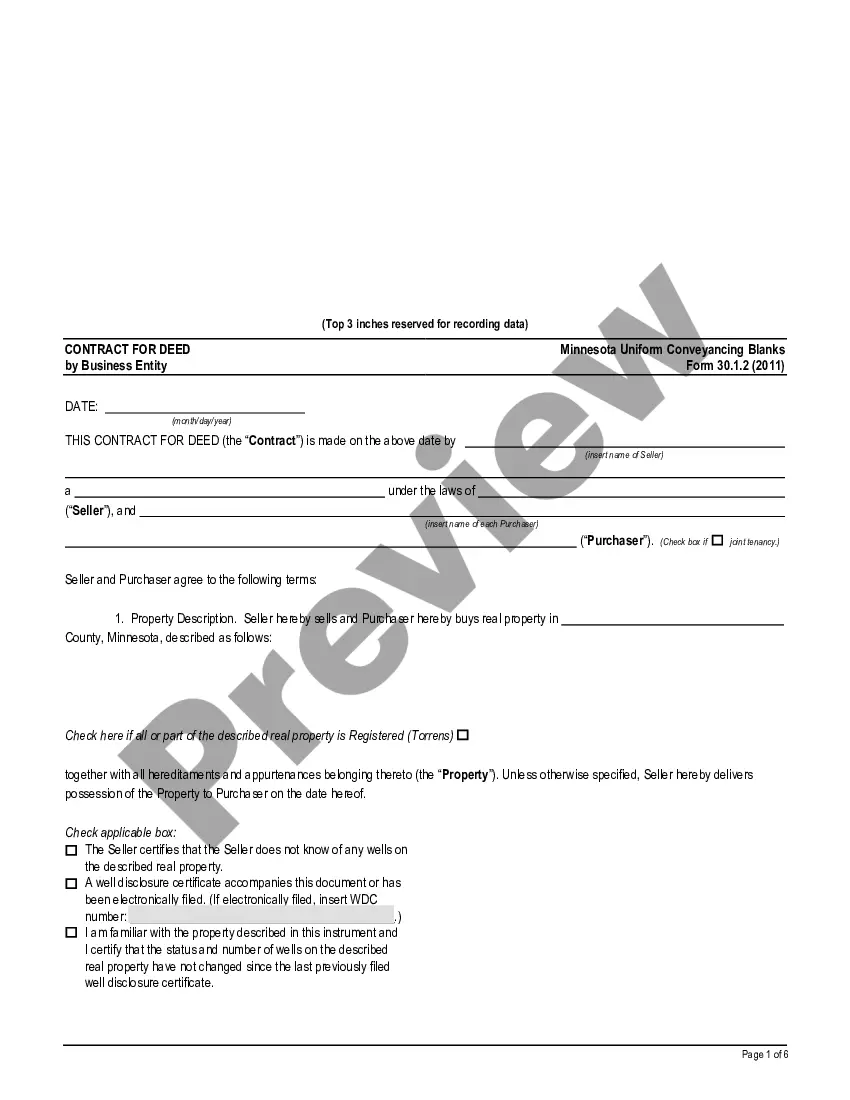

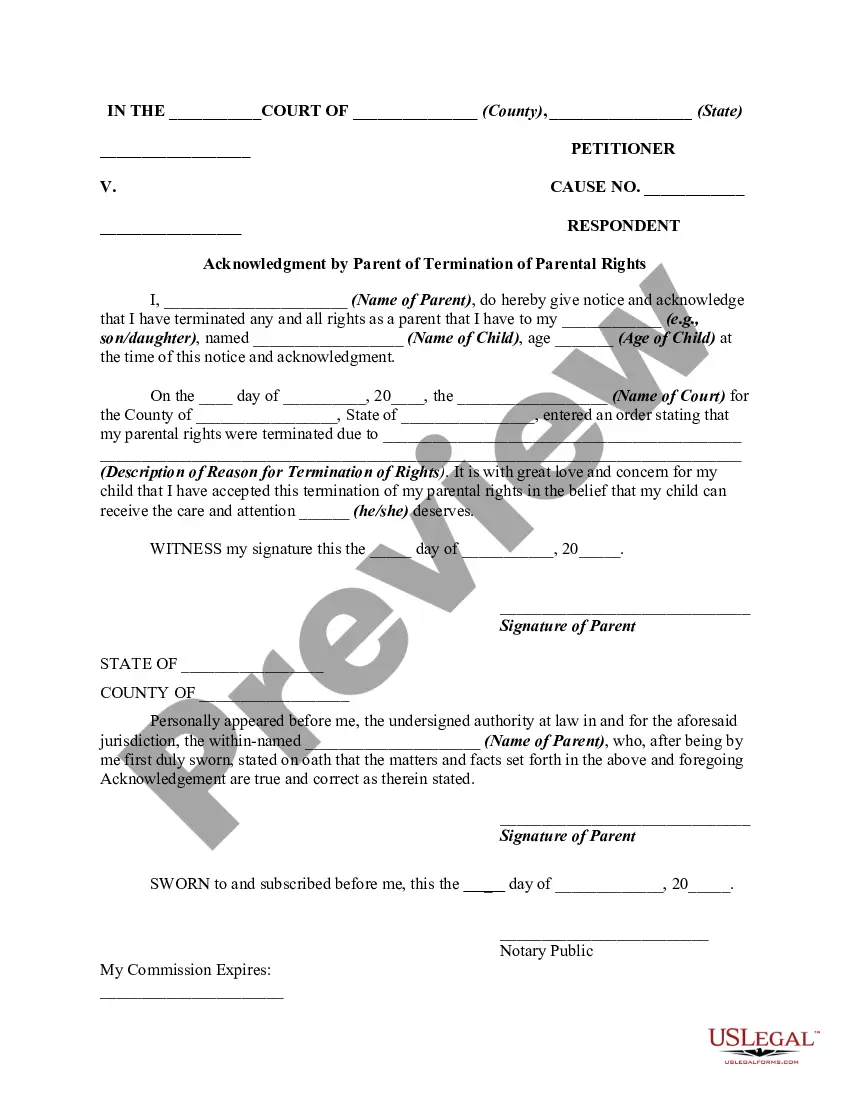
How to fill out Acknowledgment And Agreement By Parent Of Termination Or Relinquish Of Parental Rights - Release Of Parental Rights?
- For returning users, log into your account and check your subscription status. If your subscription is active, find the form needed and click the Download button.
- If you are new to US Legal Forms, begin by reviewing the form descriptions and preview mode to ensure you select the appropriate termination template for your jurisdiction.
- Should you require a different template, utilize the Search tab at the top of the page to find the form that meets your specific needs.
- Once you've identified the correct form, click on the Buy Now button and select your desired subscription plan. Create an account to access the extensive library.
- Complete the purchase by entering your credit card information or using your PayPal account for a secure transaction.
- After successful payment, download the form to your device. You can revisit it anytime through the My Forms menu within your account.
US Legal Forms not only provides a robust collection of over 85,000 fillable and editable legal documents but also connects you with expert assistance to ensure accuracy and compliance. This makes handling legal paperwork easier than ever before.
Take control of your legal needs today. Visit US Legal Forms to get started and access a convenient, efficient way to manage your important documents!
Form popularity
FAQ
You can typically terminate a pregnancy during the first trimester, and in some cases, into the second and potentially the third trimester depending on your situation and local laws. While many states allow termination up to around 20 to 24 weeks, specific exemptions may apply. Staying updated on your state's rules and consulting with experts can provide the clarity you need.
There are generally two main options for termination: medication abortion and in-clinic procedures. Medication abortion is often available during the first 10 weeks of pregnancy, while surgical options can be performed later. It’s beneficial to discuss your unique situation with a healthcare provider for an informed choice.
The criteria for termination may include gestational age, the health of the mother, fetal anomalies, and sometimes socioeconomic factors. Laws vary from state to state, which means different criteria apply based on local regulations. Understanding these criteria is critical, and platforms like US Legal Forms can assist you in navigating legal requirements for termination.
The ability to terminate a pregnancy generally extends into the second trimester in many regions, with some places allowing it well into the third trimester under particular conditions. It's essential to understand your local laws to determine how far along you can be to pursue termination. Consulting with healthcare providers will also clarify the options available to you at different stages.
You can often have an abortion up to 20-24 weeks of pregnancy, depending on your state's laws. After this period, termination may be restricted to specific medical situations or emergencies. Always seek guidance from qualified healthcare professionals who can navigate the legal landscape and provide the best options for your circumstances.
The maximum time for termination can vary significantly depending on the state laws and individual circumstances. Generally, states may allow abortion up to 20 to 24 weeks of pregnancy, but this can differ based on health risk and fetal abnormalities. It's imperative to stay informed about your state’s regulations and to reach out to healthcare providers for personalized advice.
In many states, the option for termination is available during the first trimester, which typically spans from 1 to 12 weeks of pregnancy. However, specific laws can vary by state, so it is crucial to check local regulations. Additionally, some states allow termination beyond the first trimester under certain circumstances. Therefore, it's essential to consult medical professionals and legal resources for accurate information.
An example statement of termination might read: 'This is to inform you that your employment with Company Name will be terminated effective date. The reasons for this decision include specific reasons. Please reach out to HR for details on your final paycheck and benefits.' Such clarity helps maintain professionalism.
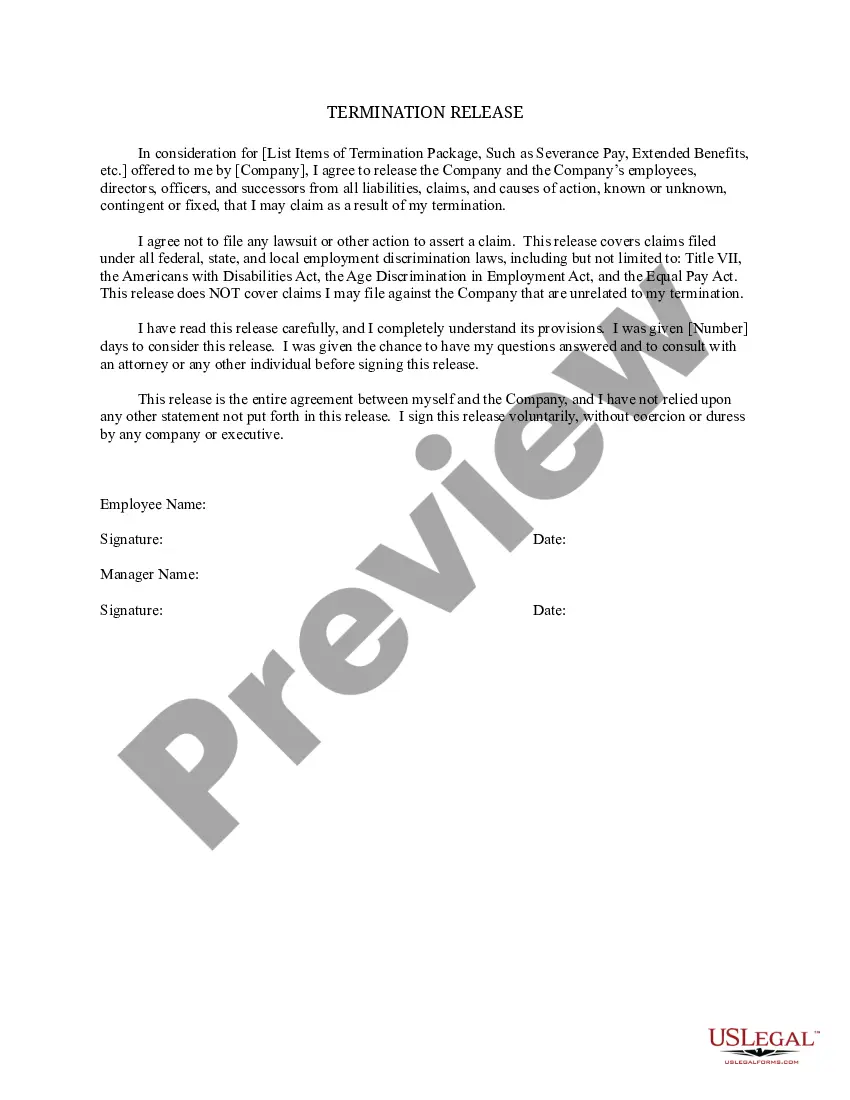
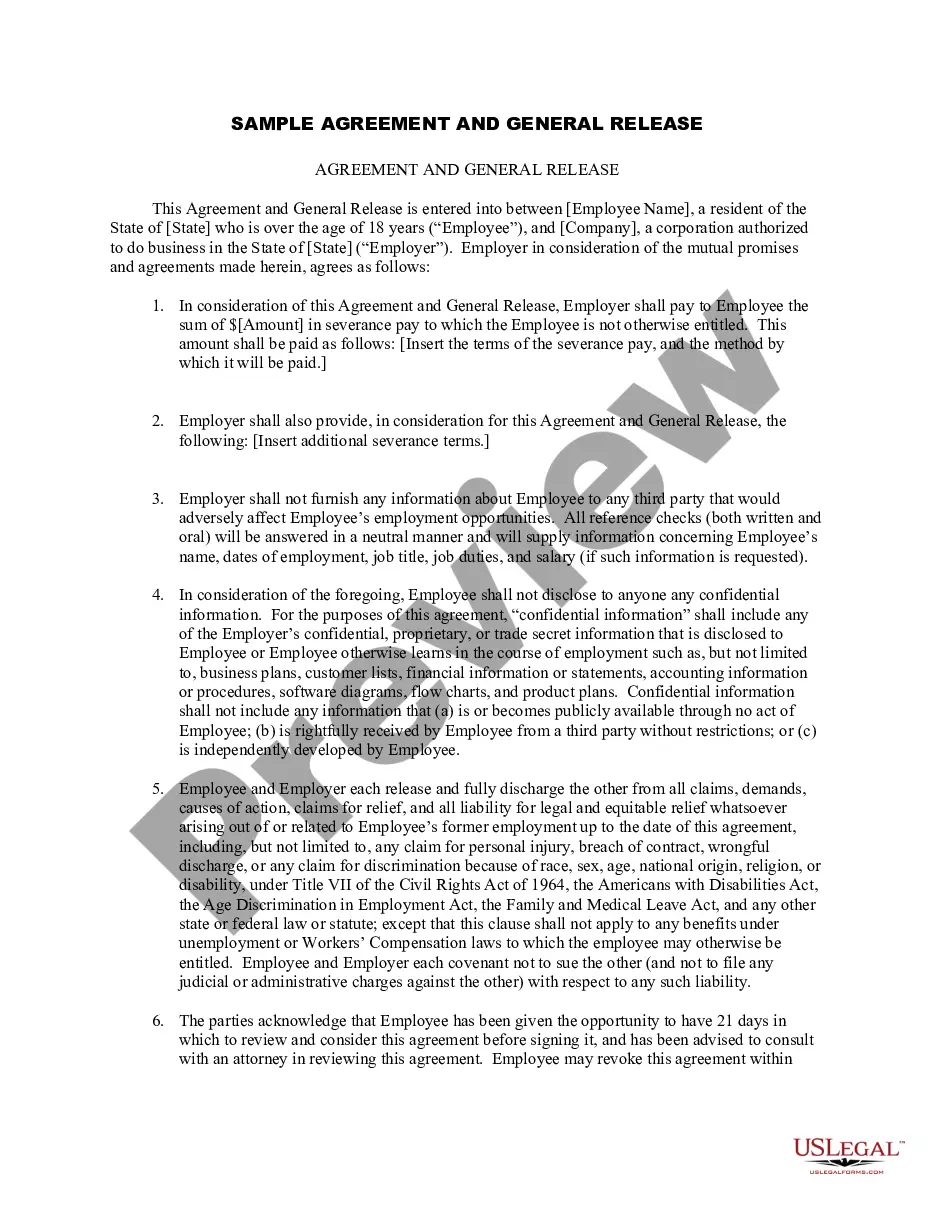
An example of a termination document is a termination letter, which formally communicates the end of employment. This document typically includes the employee's name, reasons for termination, and details about the final paycheck. Using a well-structured template can help ensure you cover all necessary aspects.
Filling out a termination form involves collecting the employee's information as well as the date of termination. Clearly state the reasons for termination and ensure that the document aligns with company policies. If you need assistance, platforms like US Legal Forms offer templates to simplify this process.