Recovery Of Possession Without Declaration
Description
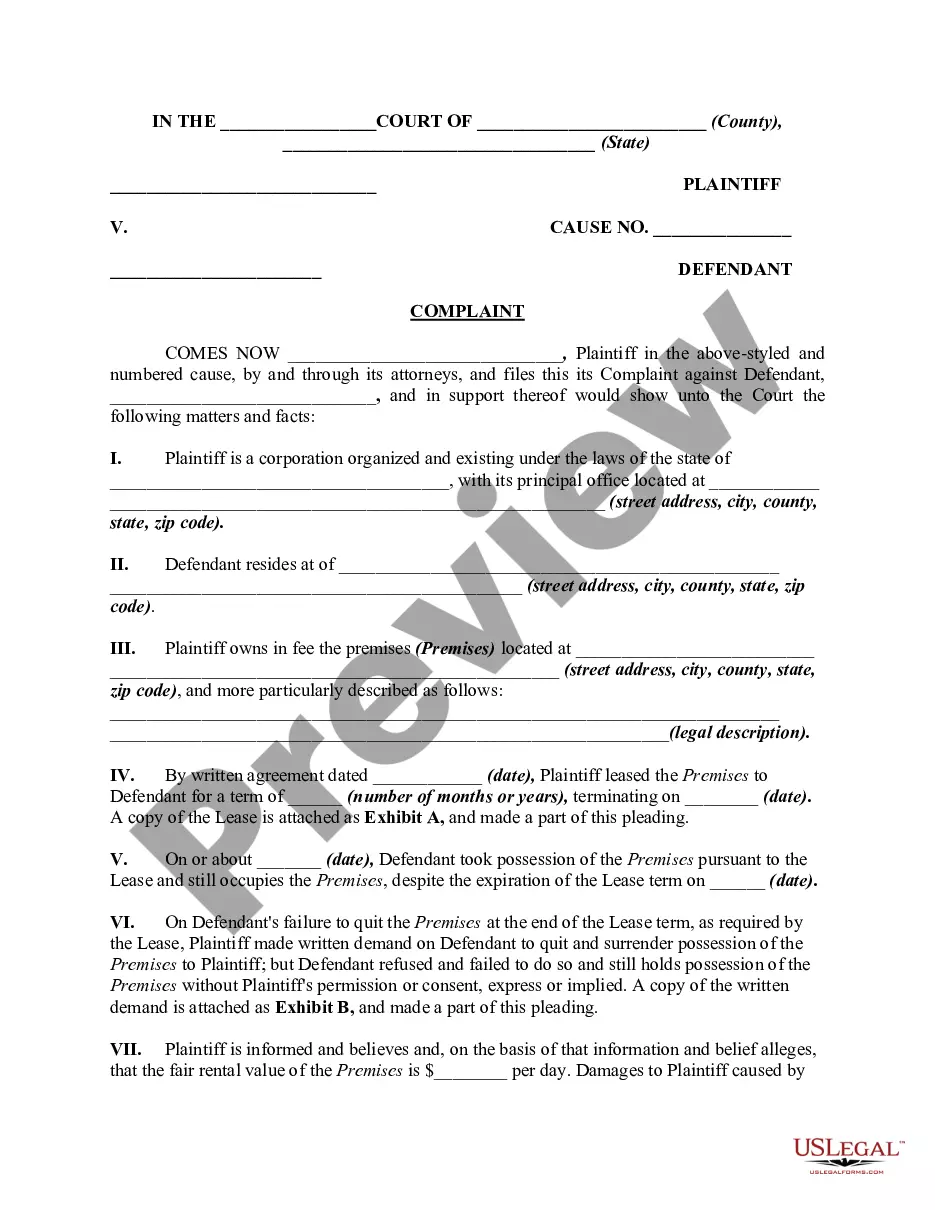
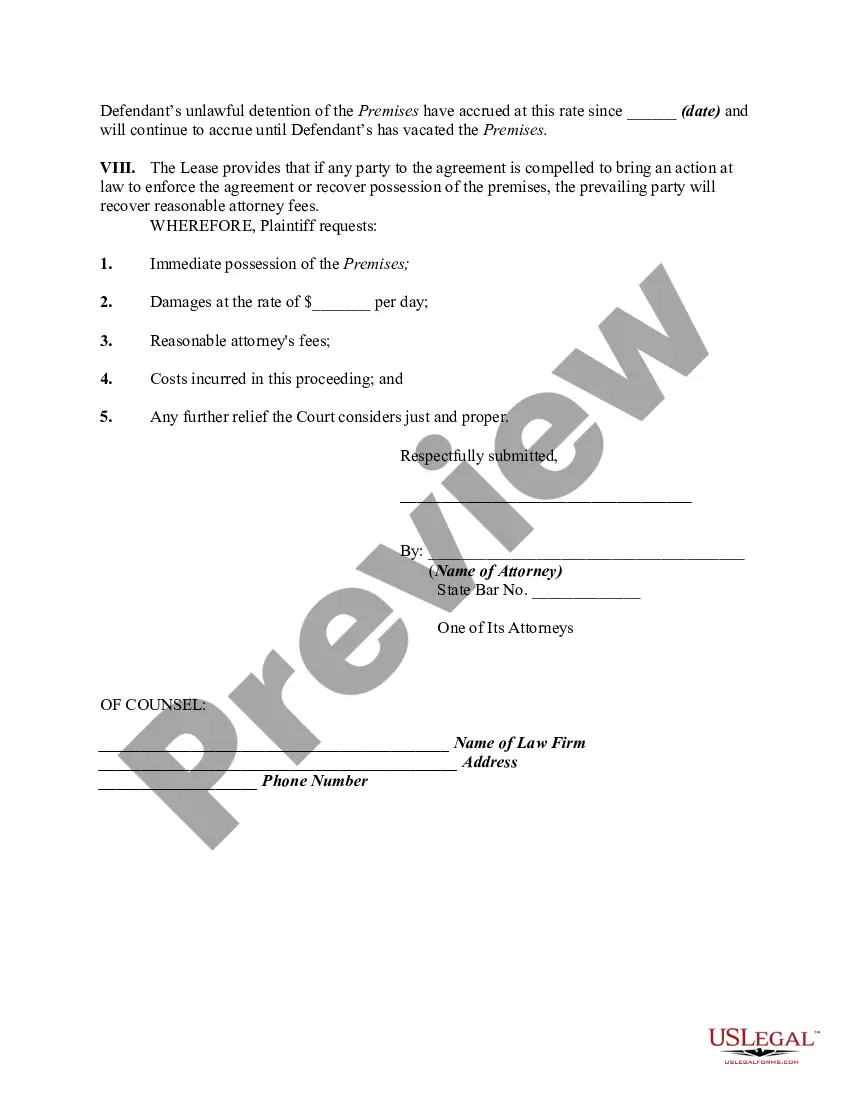
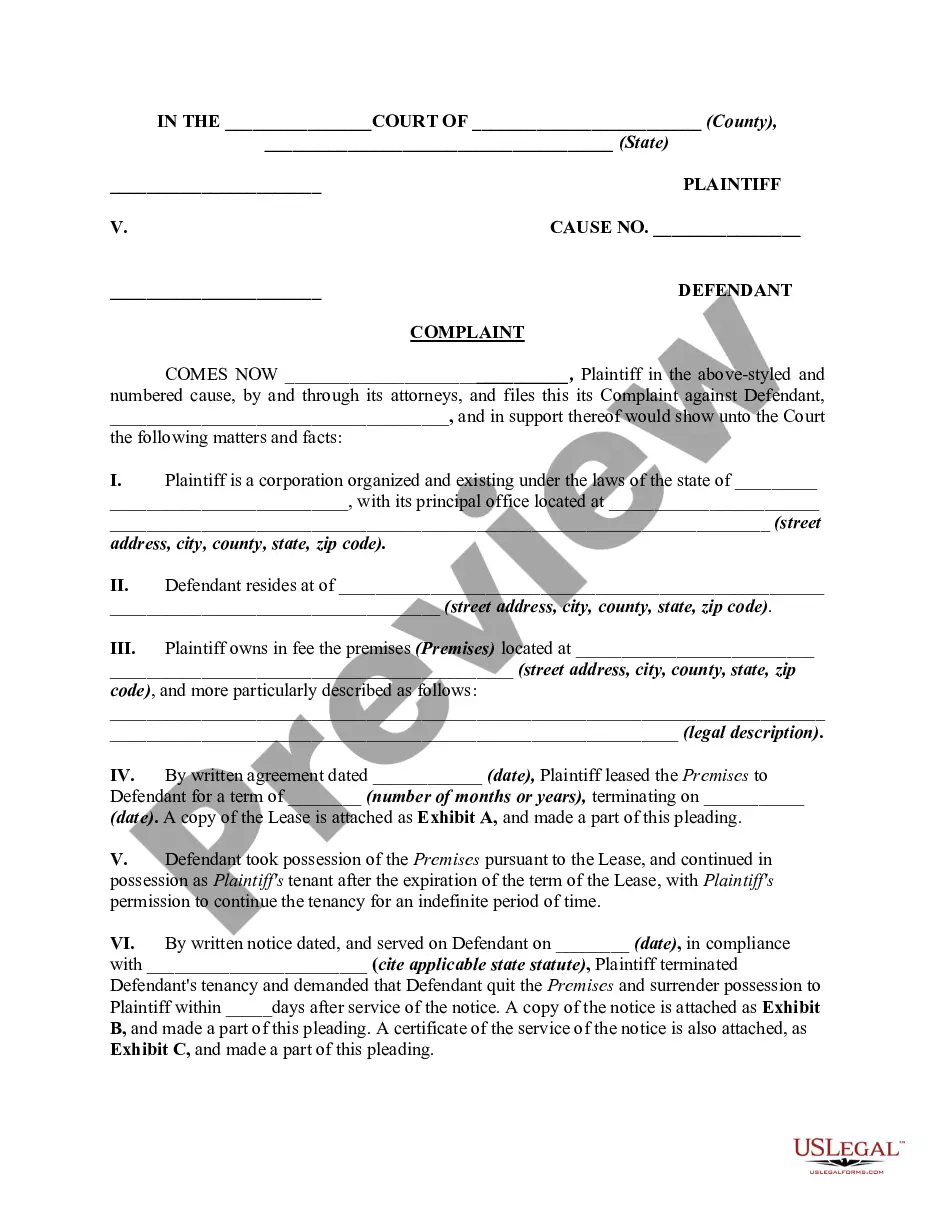
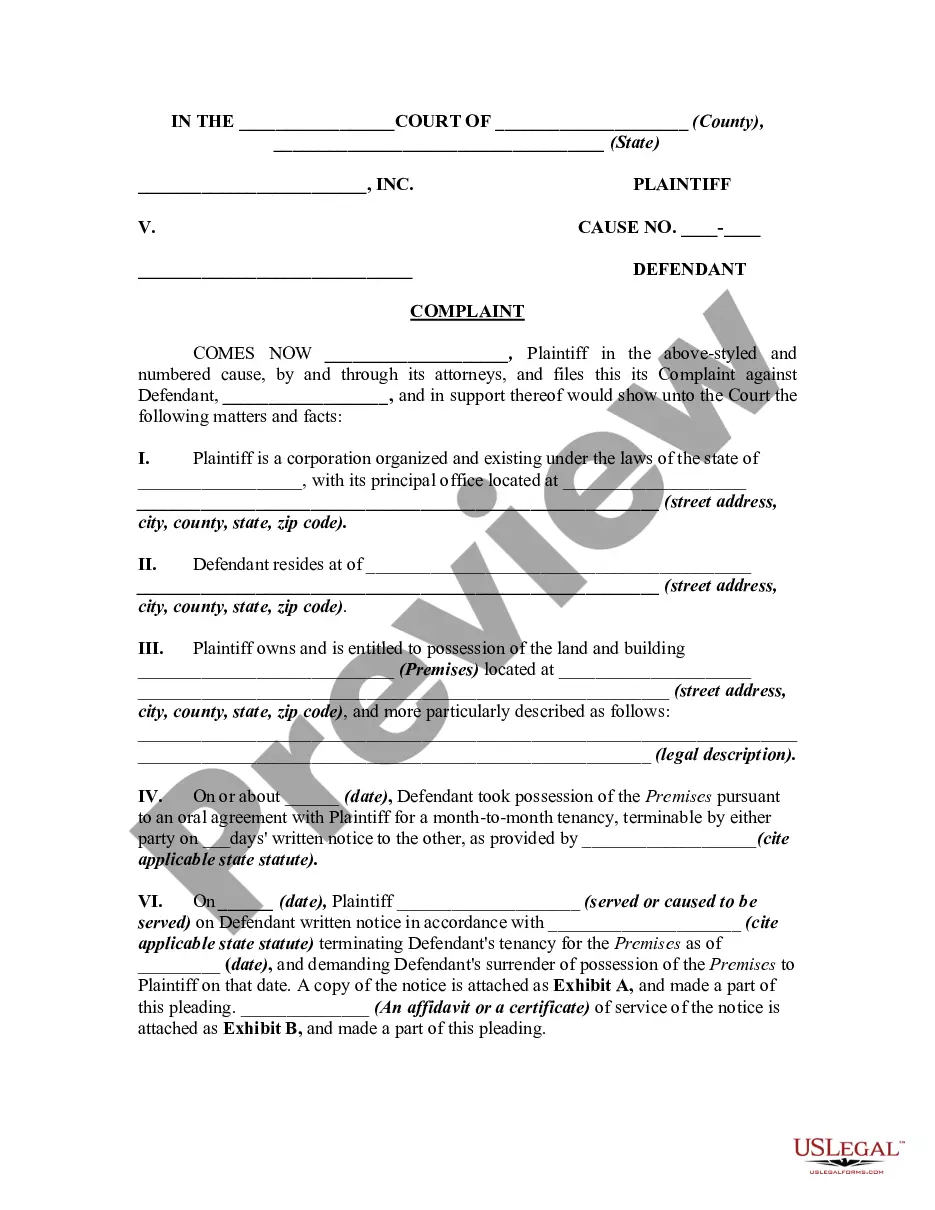
Get your form ready online
Our built-in tools help you complete, sign, share, and store your documents in one place.
Make edits, fill in missing information, and update formatting in US Legal Forms—just like you would in MS Word.
Download a copy, print it, send it by email, or mail it via USPS—whatever works best for your next step.
Sign and collect signatures with our SignNow integration. Send to multiple recipients, set reminders, and more. Go Premium to unlock E-Sign.
If this form requires notarization, complete it online through a secure video call—no need to meet a notary in person or wait for an appointment.
We protect your documents and personal data by following strict security and privacy standards.

Make edits, fill in missing information, and update formatting in US Legal Forms—just like you would in MS Word.

Download a copy, print it, send it by email, or mail it via USPS—whatever works best for your next step.

Sign and collect signatures with our SignNow integration. Send to multiple recipients, set reminders, and more. Go Premium to unlock E-Sign.

If this form requires notarization, complete it online through a secure video call—no need to meet a notary in person or wait for an appointment.

We protect your documents and personal data by following strict security and privacy standards.
Looking for another form?


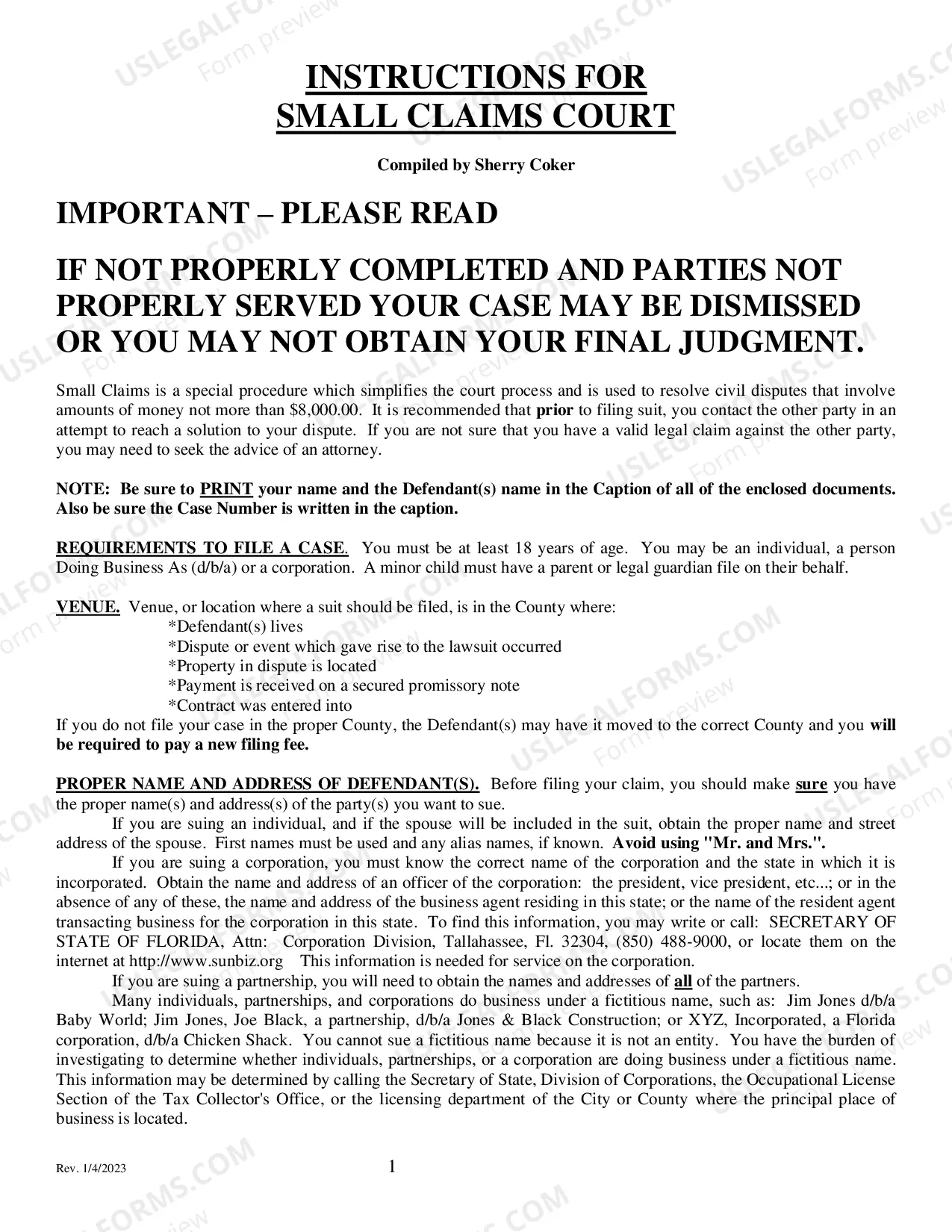
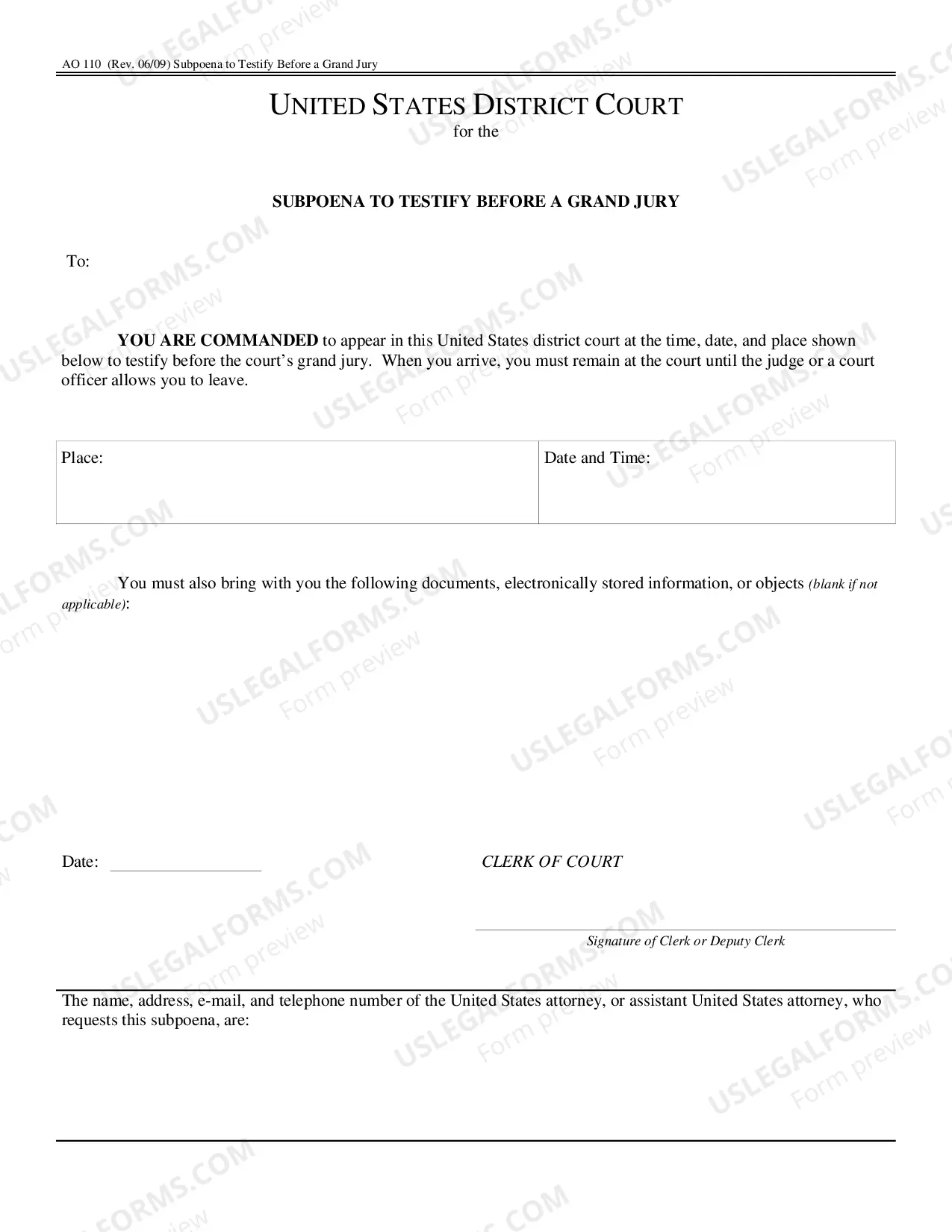
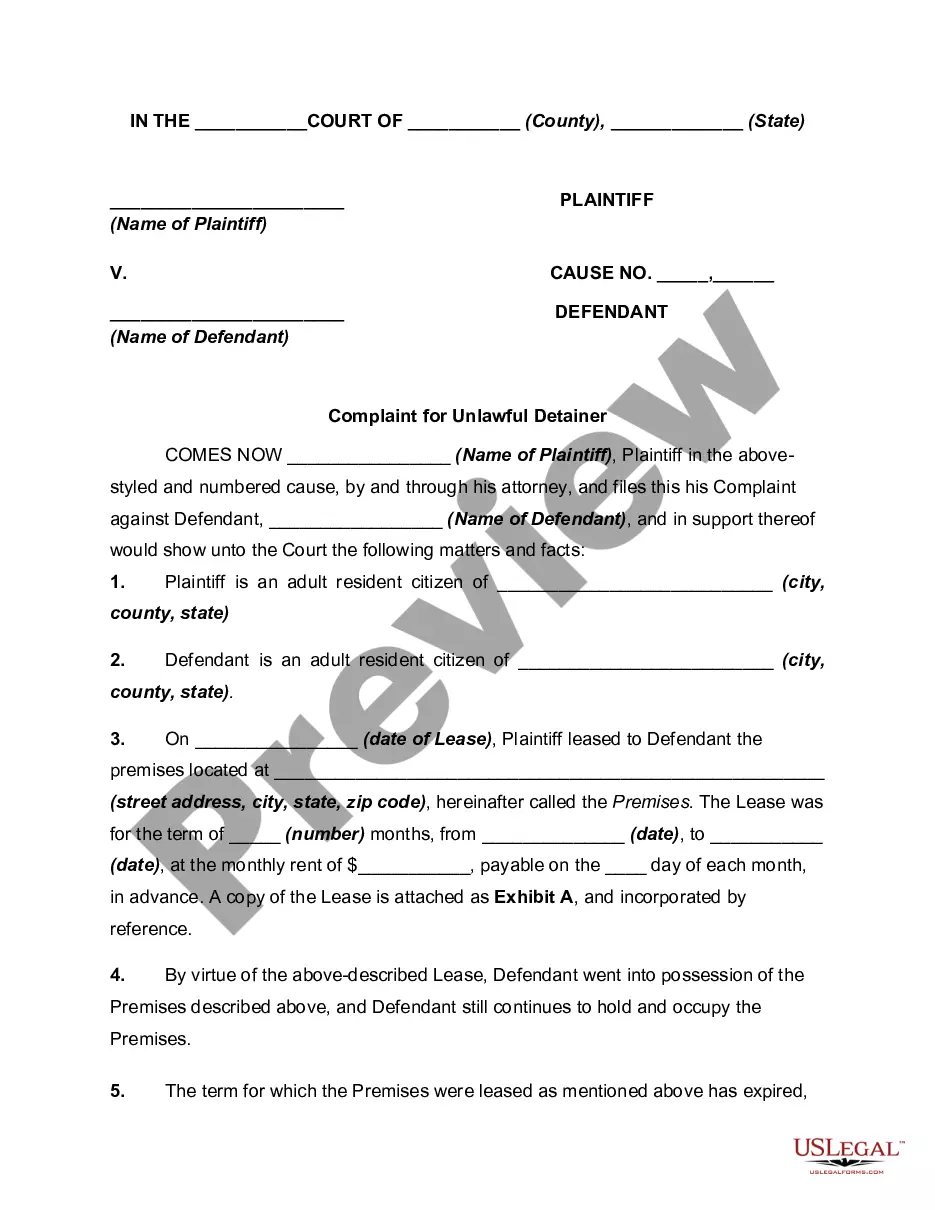
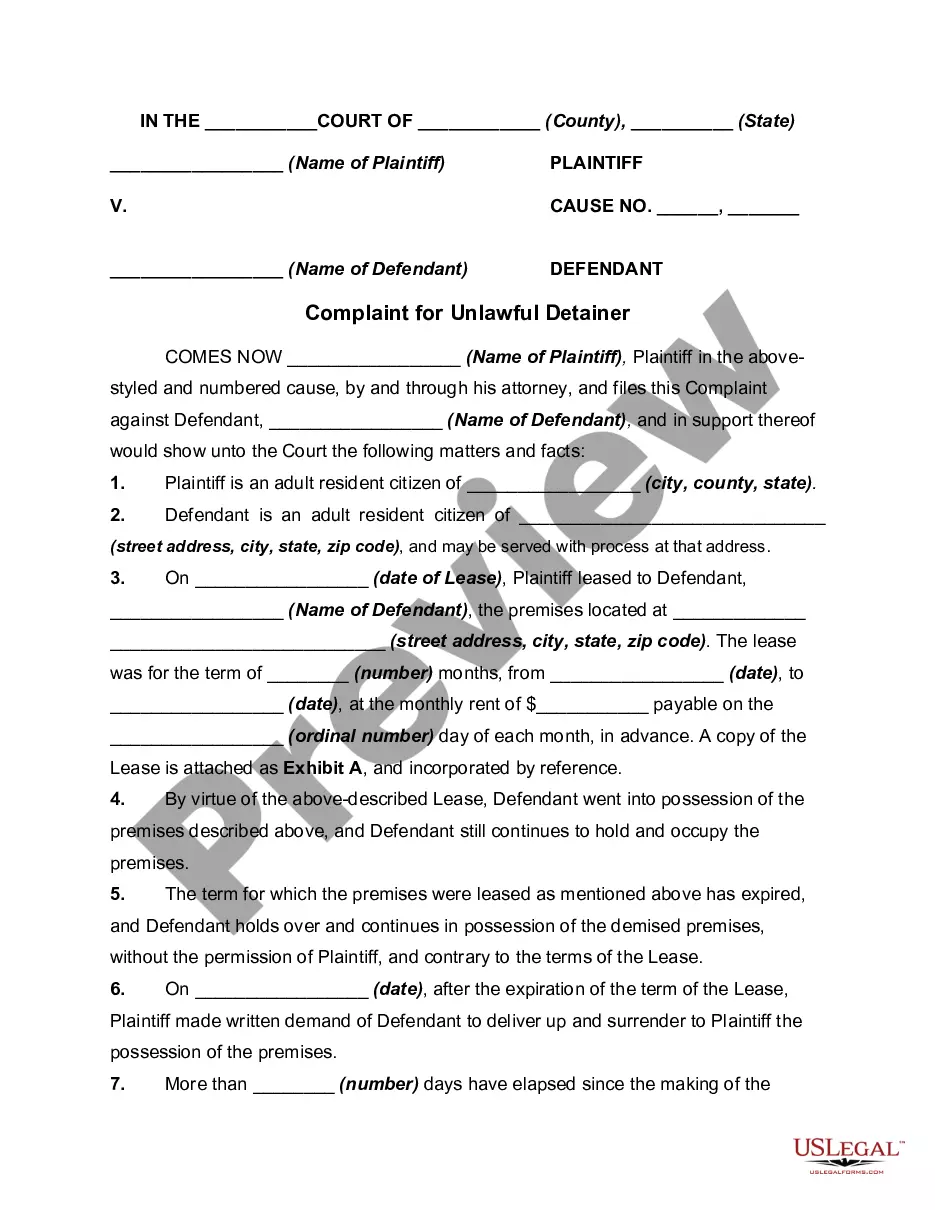
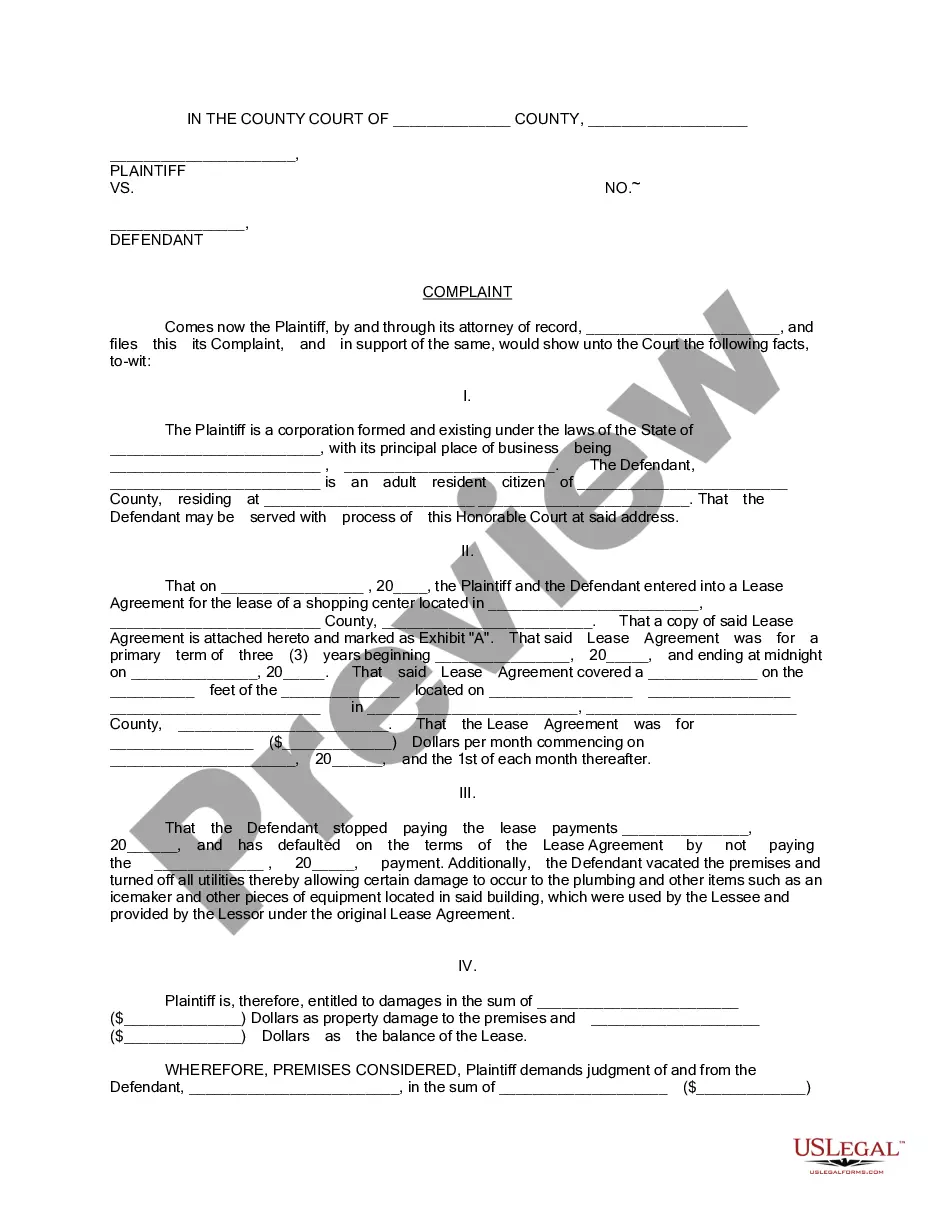
How to fill out Complaint Or Petition To Recover Possession Of Leased Premises After Expiration Of The Term Of The Lease?
The Restoration of Ownership Without Affirmation you view on this page is a reusable official template created by skilled attorneys in accordance with federal and state statutes and regulations.
For over 25 years, US Legal Forms has supplied individuals, enterprises, and lawyers with more than 85,000 validated, state-specific documents for any business and personal situation. It’s the quickest, easiest, and most reliable method to acquire the paperwork you require, as the service assures the highest standard of data protection and anti-malware security.
Redownload your documents again whenever necessary. Access the My documents tab in your account to retrieve any previously purchased forms. Subscribe to US Legal Forms to have validated legal templates for all of life’s situations readily available.
- Search for the document you need and review it.
- Browse the file you looked for and preview it or examine the form description to confirm it meets your needs. If it doesn’t, use the search feature to find the correct one. Click Buy Now once you have found the template you require.
- Register and Log In.
- Select the payment plan that fits you and create an account. Use PayPal or a credit card to complete a fast payment. If you already possess an account, Log In and verify your subscription to proceed.
- Obtain the fillable template.
- Select the format you desire for your Restoration of Ownership Without Affirmation (PDF, Word, RTF) and download the sample onto your device.
- Fill out and sign the document.
- Print the template to complete it manually. Alternatively, use an online multi-functional PDF editor to efficiently and accurately fill out and sign your form electronically.
Form popularity
FAQ
The time limit for filing a suit for declaration typically falls within a six-year period from when the right to sue arises. This time frame is critical, as delays can hinder your ability to secure a favorable outcome in cases involving recovery of possession without declaration. Acting quickly is vital, and using a reliable resource like US Legal Forms can assist you in navigating the legal process effectively. Understanding these timelines empowers you to take action when necessary.
The limitation for a suit that involves both a declaration and recovery of possession varies based on jurisdiction, but generally, it is set at a specific time frame from the date when the cause of action arises. Often, this limitation is around six years, but it is crucial to consider the local laws applicable to your case. Importantly, if you seek recovery of possession without declaration, knowing these limitations helps you act promptly to protect your rights. Always consult with a legal expert to understand your specific situation fully.
To recover possession without a declaration, you need to follow specific legal steps that often begin with understanding your rights as a property owner. Start by gathering relevant documentation that supports your claim, such as lease agreements or notice letters. You can then file the necessary legal forms through platforms like USLegalForms, which simplify the process and provide guidance on how to proceed. By staying organized and following the required procedures, you can effectively navigate the recovery of possession without declaration.
The limitation for filing a suit for declaration of title and recovery of possession generally varies by jurisdiction. Most jurisdictions impose a specific timeframe within which you must act, often ranging from three to six years from the date of the alleged trespass or wrongful possession. Being aware of these limitations is essential to ensure you can pursue recovery of possession without declaration successfully. Platforms like US Legal Forms can guide you in understanding these time constraints and help you prepare your case.
A declaration of title is a legal statement establishing a person's or entity's ownership over a specific property. It serves to resolve disputes regarding property ownership and provides legal clarity. In situations where you're seeking recovery of possession without declaration, knowing how this concept interacts with your case can help you navigate your rights and options more effectively.
Yes, it is possible to reverse a writ of possession under certain circumstances. To initiate this process, you typically need to demonstrate a valid reason, such as mistakes in the original ruling or new evidence. This can involve filing a motion in court and presenting your case effectively. Therefore, if you're considering recovery of possession without declaration, understanding the nuances of reversing a writ of possession can be crucial.
To file for recovery of possession, you typically must approach the local court that has jurisdiction over the property in question. This could be a small claims court or a civil court, depending on the nature and value of the claim. Utilizing platforms like USLegalForms can help simplify this process by providing necessary documentation and guidance tailored to your specific situation.
A suit for possession focuses on reclaiming physical control of a property, while a suit for declaration clarifies legal rights without necessarily involving physical possession. Recovery of possession without declaration centers on the immediate need to regain control, whereas declaration suits often address entitlements or title disputes. Knowing the distinctions can guide your approach based on your needs.
The limitation period for both declaration and recovery of possession varies by jurisdiction, usually ranging from three to twelve years. It’s essential to act within these time frames to ensure your right to claim is preserved. Understanding these limits helps in effectively navigating claims for recovery of possession without declaration.
A suit for declaration without possession can be maintainable, but it typically hinges on the legal basis for the declaration. Plaintiffs often seek declarations to clarify their rights regarding property ownership, but without the possession aspect, courts may question the necessity of such a suit. Therefore, pursuing recovery of possession alongside a declaration can strengthen the claim.