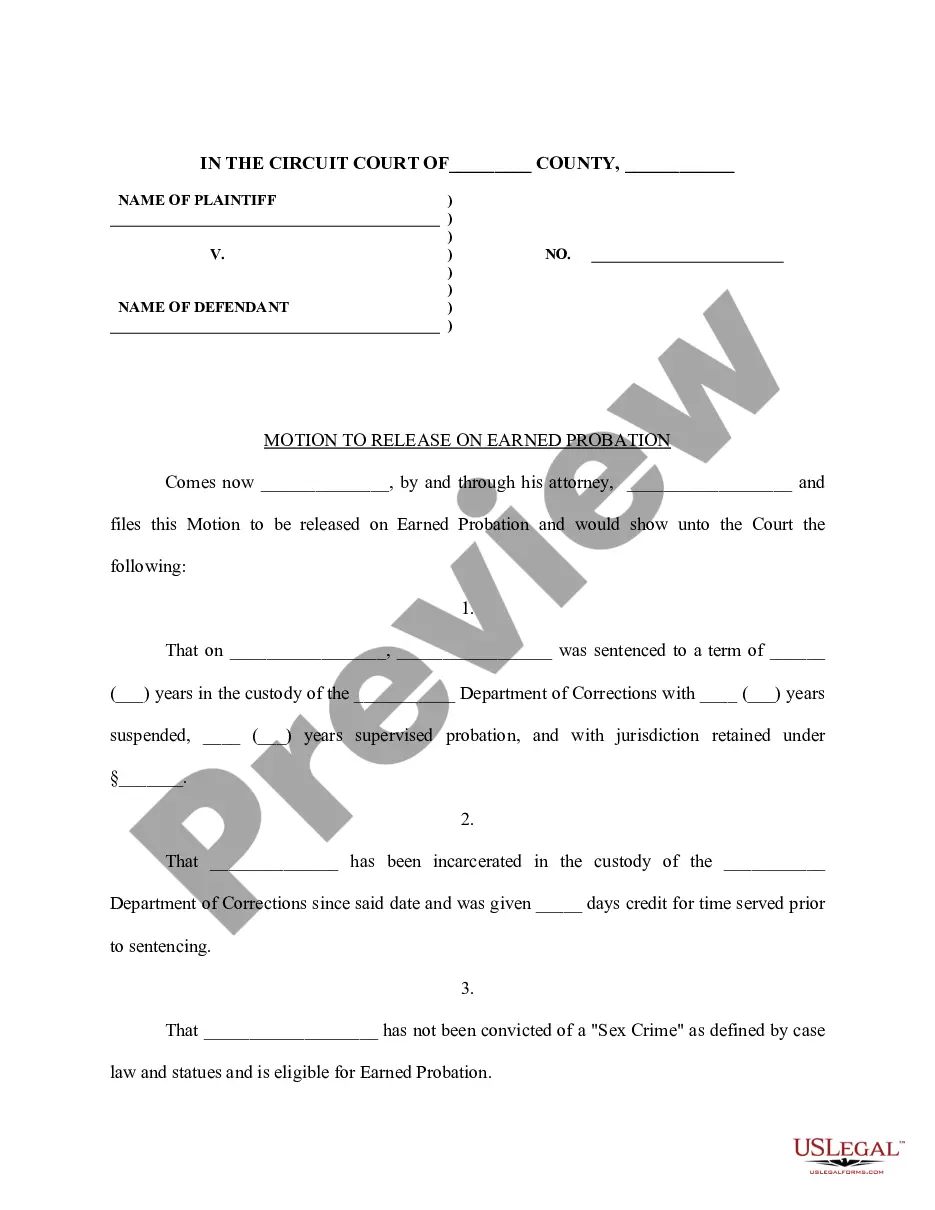
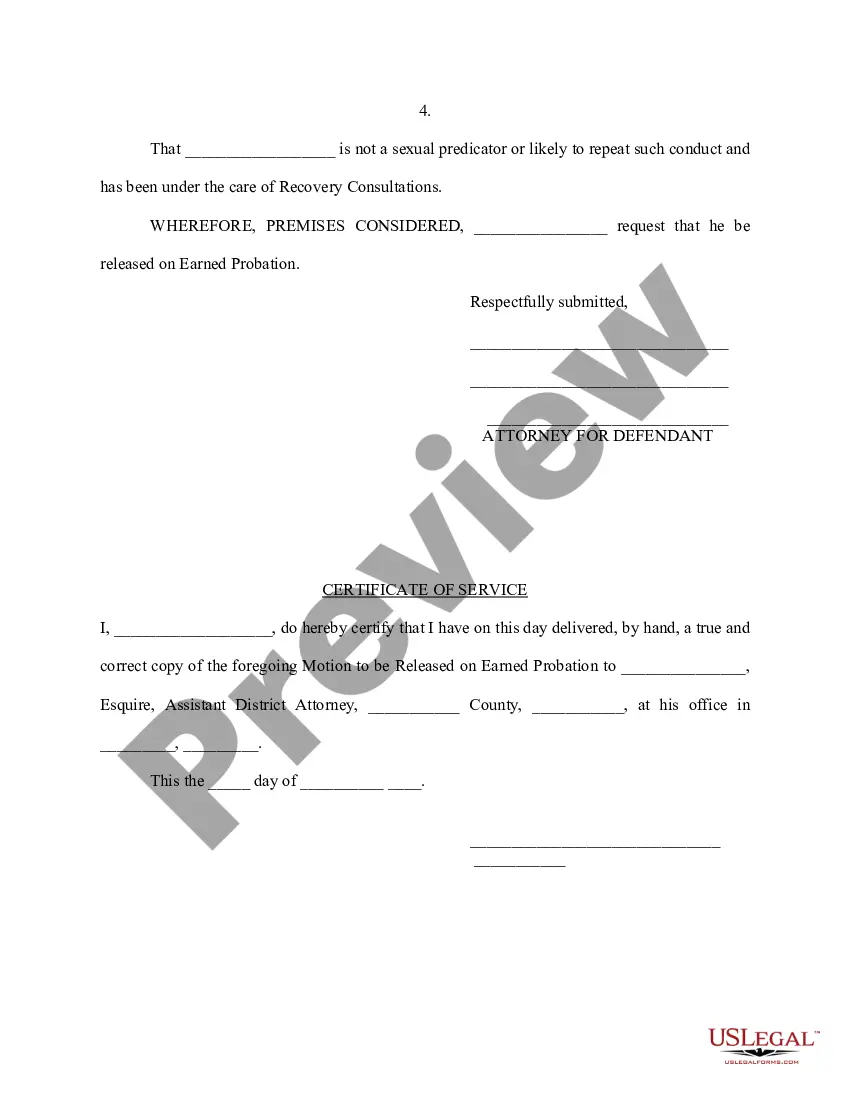
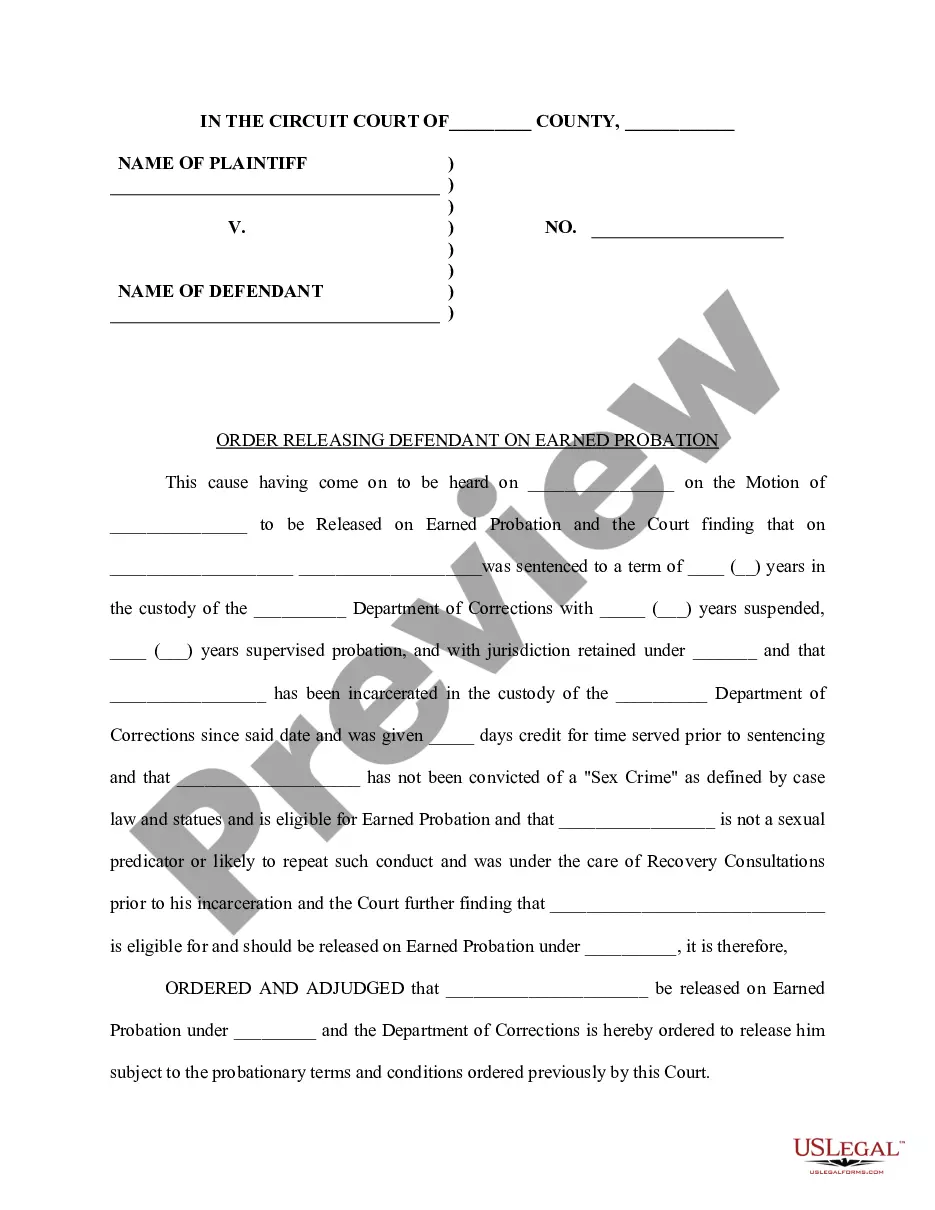
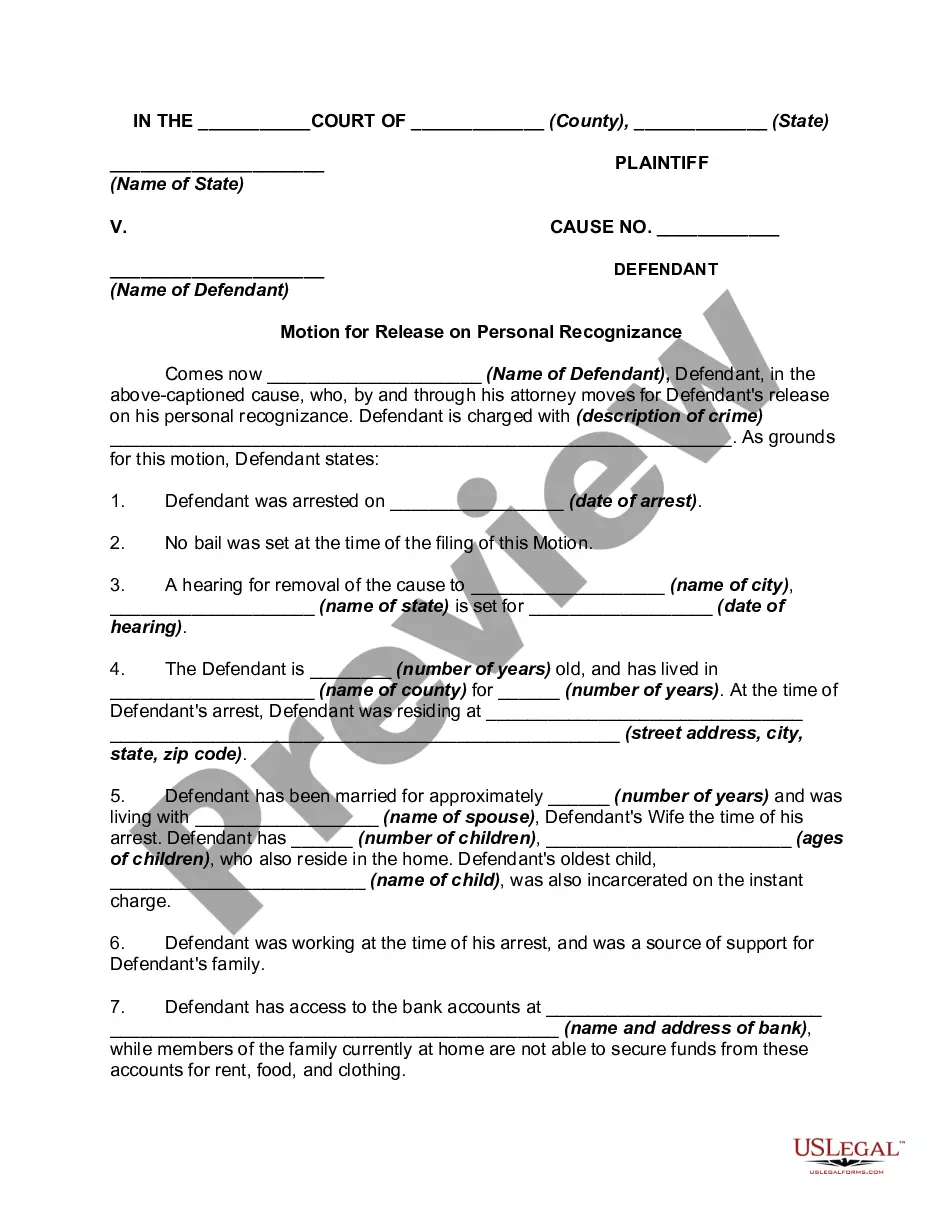
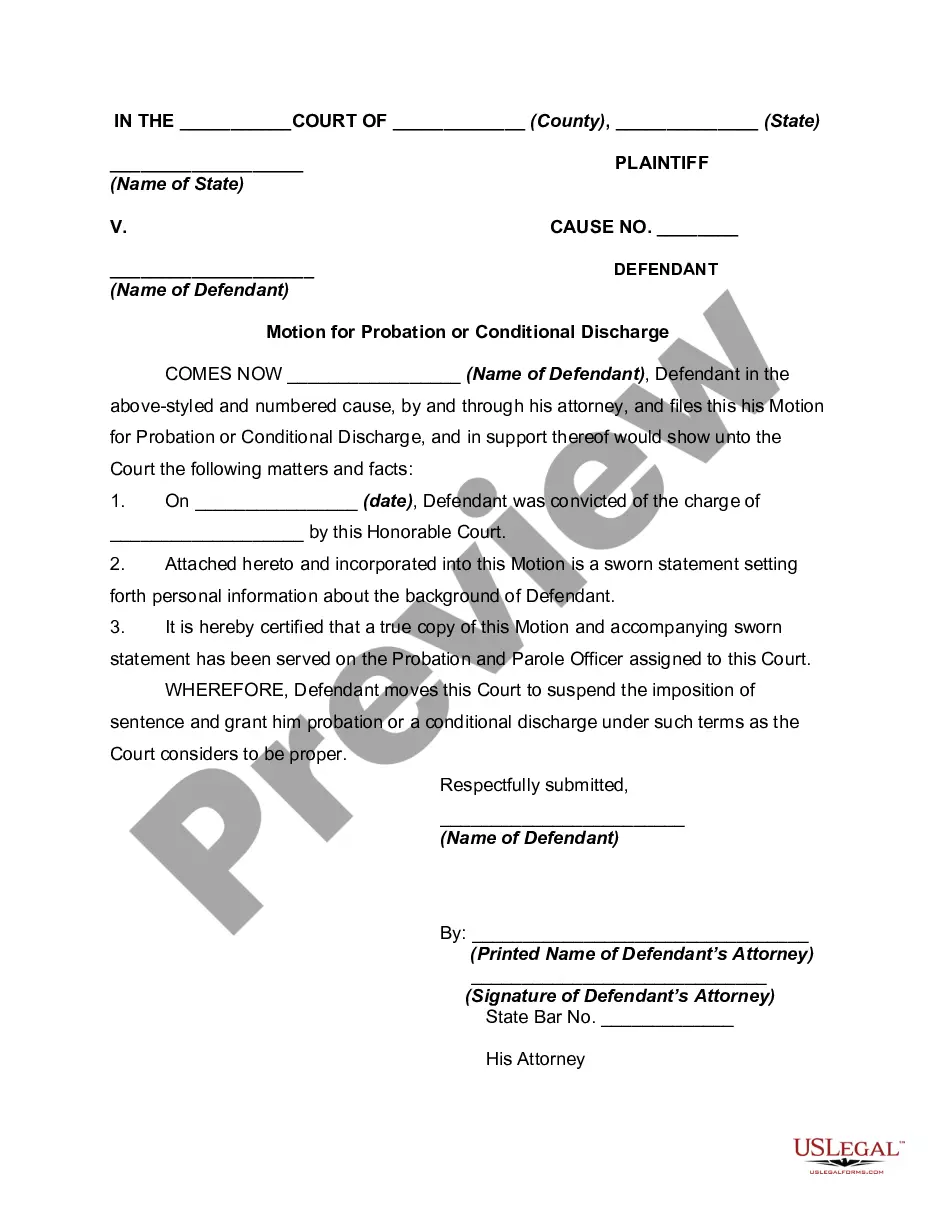
Motion Court Criminal Forfeiture
Description
Get your form ready online
Our built-in tools help you complete, sign, share, and store your documents in one place.
Make edits, fill in missing information, and update formatting in US Legal Forms—just like you would in MS Word.
Download a copy, print it, send it by email, or mail it via USPS—whatever works best for your next step.
Sign and collect signatures with our SignNow integration. Send to multiple recipients, set reminders, and more. Go Premium to unlock E-Sign.
If this form requires notarization, complete it online through a secure video call—no need to meet a notary in person or wait for an appointment.
We protect your documents and personal data by following strict security and privacy standards.

Make edits, fill in missing information, and update formatting in US Legal Forms—just like you would in MS Word.

Download a copy, print it, send it by email, or mail it via USPS—whatever works best for your next step.

Sign and collect signatures with our SignNow integration. Send to multiple recipients, set reminders, and more. Go Premium to unlock E-Sign.

If this form requires notarization, complete it online through a secure video call—no need to meet a notary in person or wait for an appointment.

We protect your documents and personal data by following strict security and privacy standards.
Looking for another form?

How to fill out Motion To Release On Earned Probation?
Legal documents administration can be daunting, even for the most adept professionals.
When you are looking for a Motion Court Criminal Forfeiture and lack the time to spend searching for the correct and updated version, the processes can be anxiety-inducing.
US Legal Forms caters to any requirements you may have, from personal to business documents, all in a single location.
Utilize advanced tools to complete and manage your Motion Court Criminal Forfeiture.
Here are the steps to follow after downloading the form you need: Validate that this is the correct form by previewing it and reviewing its details. Ensure that the template is accepted in your state or county. Click Buy Now when you are prepared. Choose a monthly subscription plan. Select the format you wish, and Download, fill out, eSign, print, and send your documents. Take advantage of the US Legal Forms online library, backed by 25 years of experience and reliability. Transform your everyday document management into a seamless and user-friendly process today.
- Access a valuable resource library of articles, guides, and materials relevant to your situation and requirements.
- Save time and effort searching for the documents you need, and use US Legal Forms’ sophisticated search and Preview tool to find Motion Court Criminal Forfeiture.
- For those with a monthly subscription, Log In to your US Legal Forms account, search for the form, and obtain it.
- Check your My documents tab to view the documents you have previously downloaded and to manage your folders as desired.
- If it is your first experience with US Legal Forms, create an account and gain unlimited access to all features of the platform.
- A comprehensive online form repository can be a game changer for anyone aiming to navigate these circumstances effectively.
- US Legal Forms is a leader in online legal documents, offering over 85,000 state-specific legal forms available to you at any time.
- With US Legal Forms, you can access state- or county-specific legal and business documents.
Form popularity
FAQ
A US government can file a civil forfeiture complaint when it has evidence that property is involved in illegal activities. This can occur even if no criminal charges are filed against an individual. The government must demonstrate a substantial connection between the property and the alleged criminal activity. If you face such circumstances, exploring resources like USLegalForms can offer clarity on your rights and options in the civil forfeiture process.
The two types of forfeiture proceedings are civil and criminal forfeiture. Civil forfeiture occurs when the government seeks to confiscate property believed to be linked to illegal activities without a criminal conviction. Criminal forfeiture, on the other hand, is tied directly to a criminal conviction, allowing the government to seize assets used in the commission of a crime. Understanding the differences can help individuals navigate their legal options more effectively.
Typically, the property owner or anyone with a legal interest in the property can file a petition under forfeiture proceedings. This includes individuals or entities who believe their property was wrongfully seized. In some cases, law enforcement or government agencies may initiate the forfeiture action as part of their duties. Knowing how to properly file can significantly impact the outcome, and using resources like USLegalForms can provide valuable guidance.
In Minnesota, forfeiture law permits the state to seize property connected to criminal activity. This process involves filing a Motion court criminal forfeiture to establish the property’s connection to the crime. The law mandates that property owners receive notice and have the opportunity to contest the forfeiture in court. Understanding these laws is crucial, and platforms like USLegalForms can assist individuals navigating the complexities of forfeiture procedures.
The three types of forfeiture cases include criminal forfeiture, civil forfeiture, and administrative forfeiture. In criminal forfeiture, the government seizes property used in or acquired through illegal activities after a conviction. Civil forfeiture allows the government to take property without a criminal conviction, often based on its connection to crime. Administrative forfeiture occurs when a government agency seizes property without going to court, typically involving less valuable items.
Criminal forfeiture refers to the legal process where the government can seize property linked to criminal activity. This process typically occurs after a conviction, where the court issues a motion for court criminal forfeiture to reclaim assets obtained through illegal means. It's important to understand that, unlike civil forfeiture, criminal forfeiture requires a criminal conviction. If you are facing such a situation, US Legal Forms provides resources and templates to help you navigate the complexities of the motion court criminal forfeiture process.
Property that the wrongdoer would not have had but for the crime can be forfeited as proceeds. For example, cash acquired through an unlawful activity such as drug dealing, or a car bought with cash from drug dealing can be forfeited under the proceeds theory.
Criminal forfeiture is an action brought as a part of the criminal prosecution of a defendant. It is an in personam (against the person) action and requires that the government indict (charge) the property used or derived from the crime along with the defendant.
Property that the wrongdoer would not have had but for the crime can be forfeited as proceeds. For example, cash acquired through an unlawful activity such as drug dealing, or a car bought with cash from drug dealing can be forfeited under the proceeds theory. Asset Forfeiture - Department of Justice justice.gov ? usao-mdpa ? divisions ? asset-f... justice.gov ? usao-mdpa ? divisions ? asset-f...
Forfeiture is a legal mechanism whereby the government can take property that is used or acquired illegally, especially property associated with illicit drug trafficking.