Discovery In Criminal Case Without Survey
Description
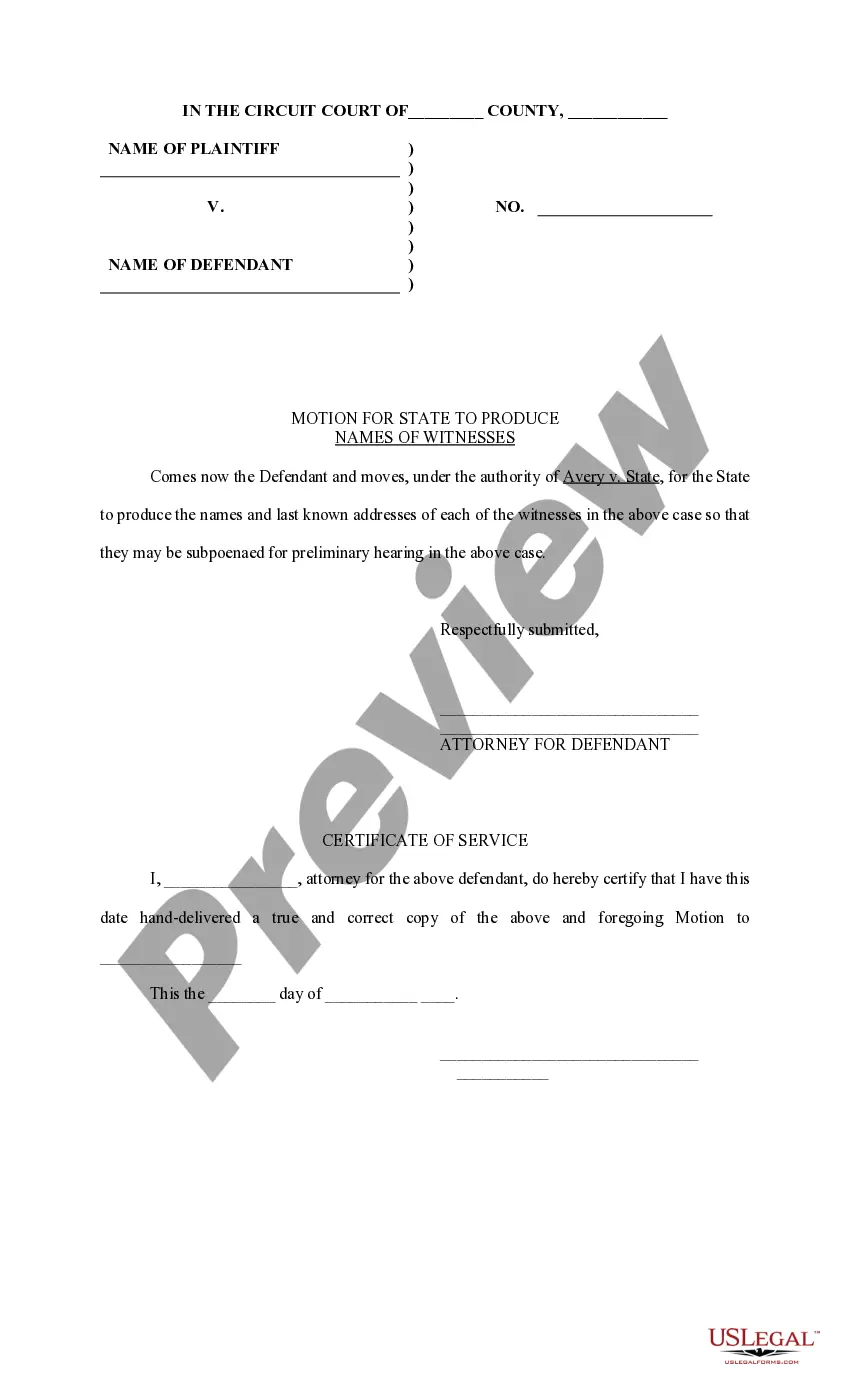
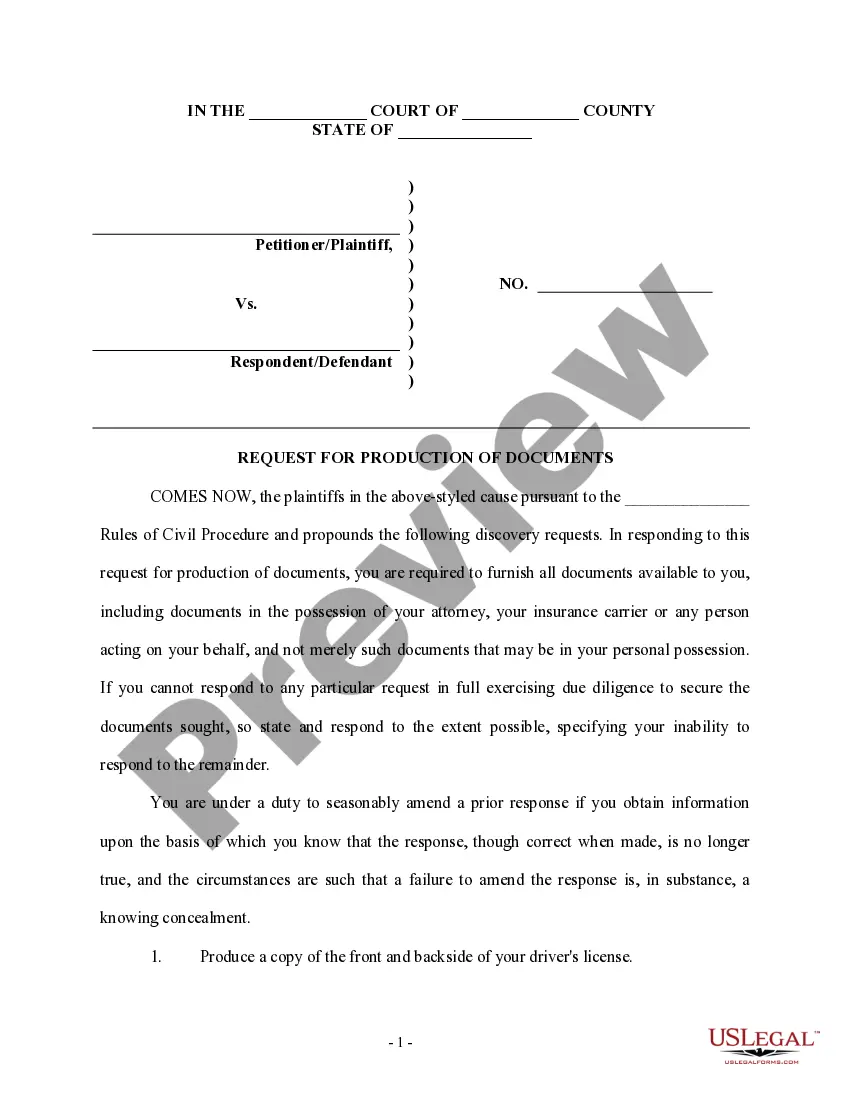
Get your form ready online
Our built-in tools help you complete, sign, share, and store your documents in one place.
Make edits, fill in missing information, and update formatting in US Legal Forms—just like you would in MS Word.
Download a copy, print it, send it by email, or mail it via USPS—whatever works best for your next step.
Sign and collect signatures with our SignNow integration. Send to multiple recipients, set reminders, and more. Go Premium to unlock E-Sign.
If this form requires notarization, complete it online through a secure video call—no need to meet a notary in person or wait for an appointment.
We protect your documents and personal data by following strict security and privacy standards.

Make edits, fill in missing information, and update formatting in US Legal Forms—just like you would in MS Word.

Download a copy, print it, send it by email, or mail it via USPS—whatever works best for your next step.

Sign and collect signatures with our SignNow integration. Send to multiple recipients, set reminders, and more. Go Premium to unlock E-Sign.

If this form requires notarization, complete it online through a secure video call—no need to meet a notary in person or wait for an appointment.

We protect your documents and personal data by following strict security and privacy standards.
Looking for another form?
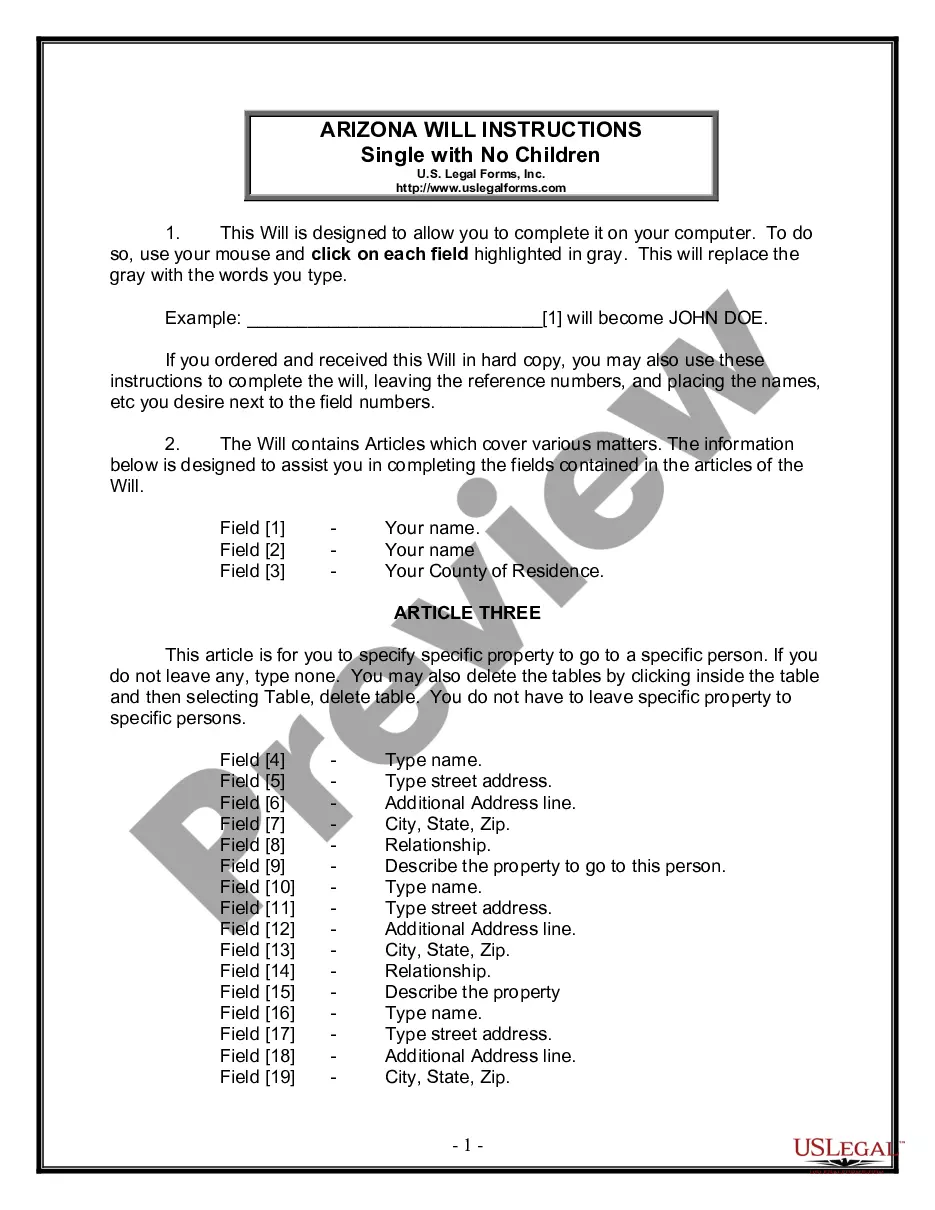





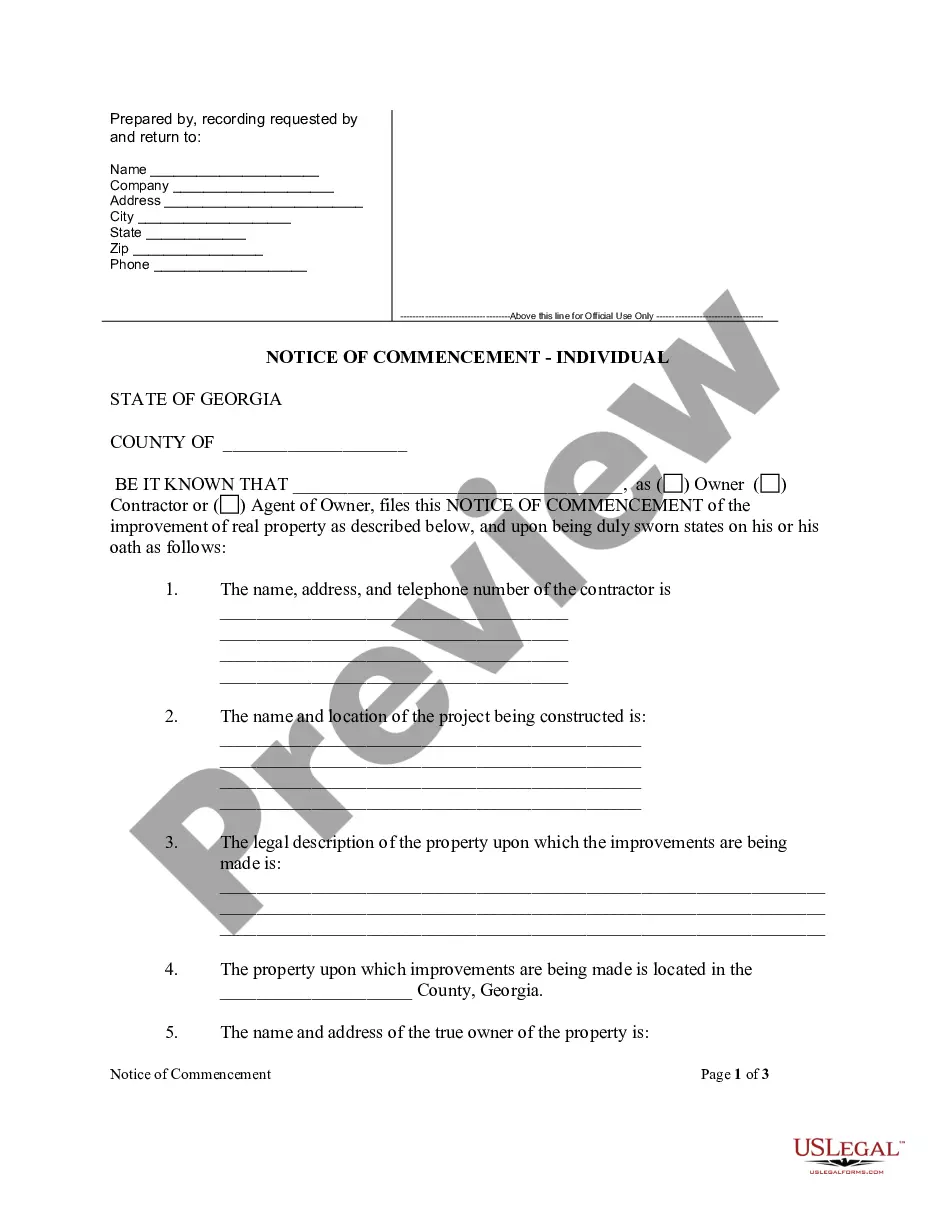


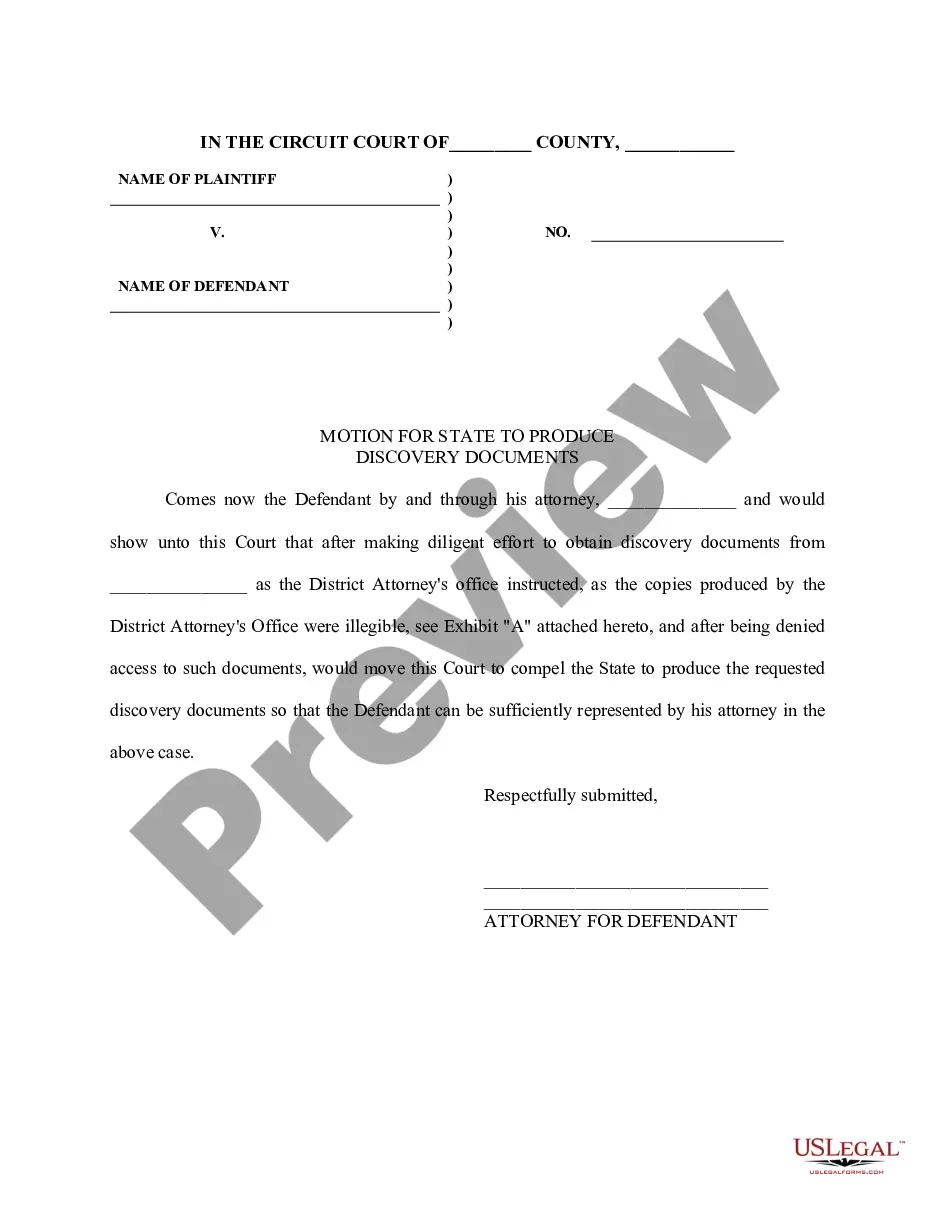
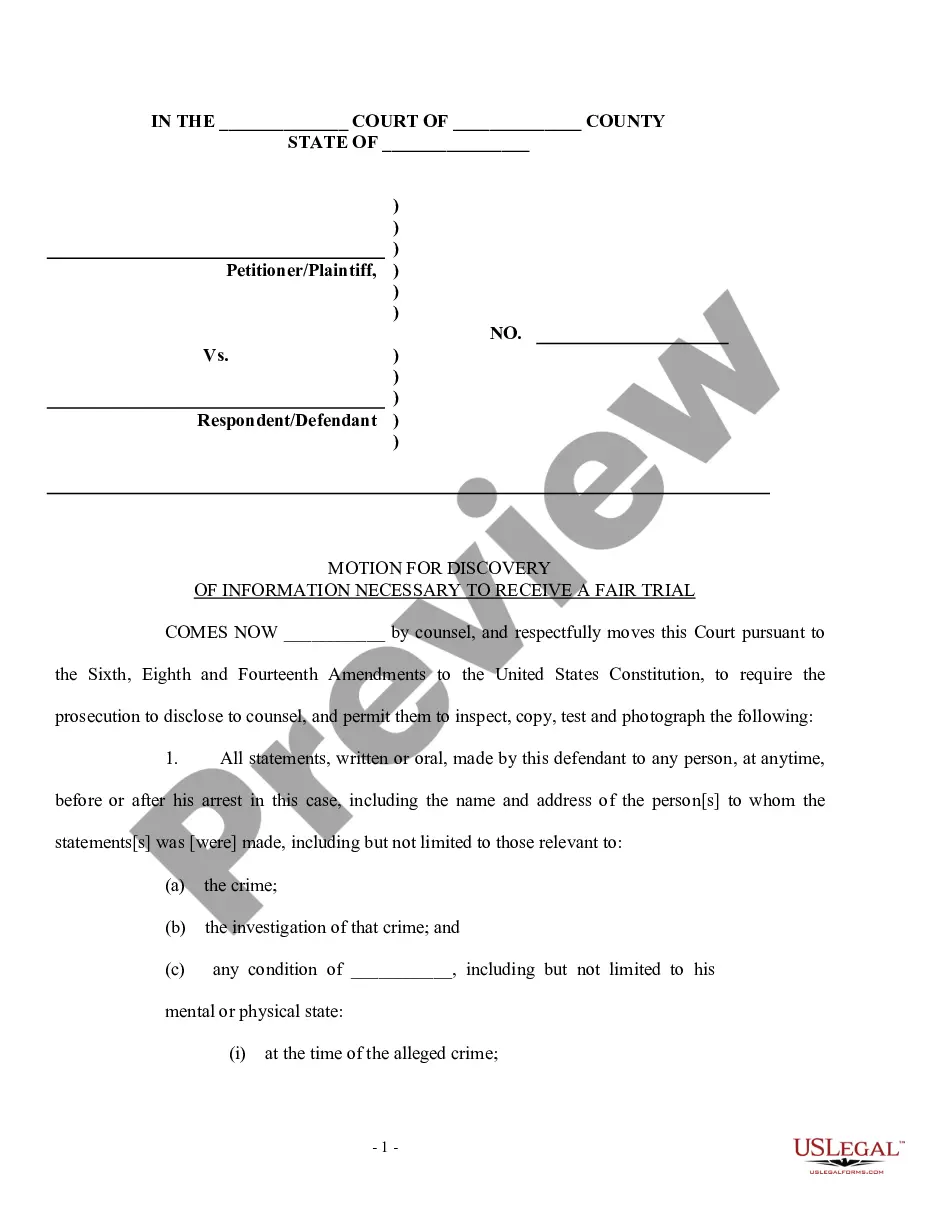
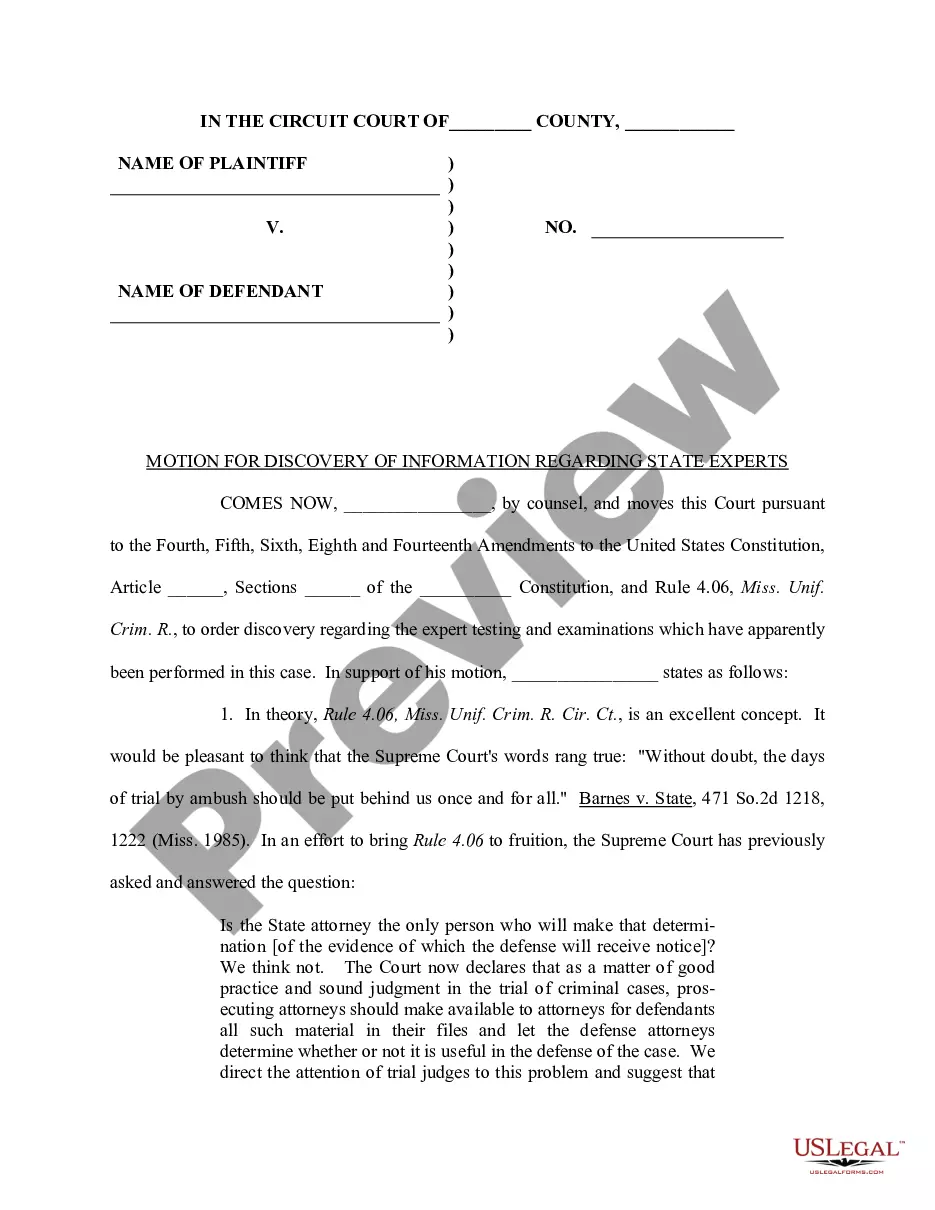
How to fill out Motion For State To Produce Discovery Document?
Whether for commercial purposes or personal matters, everyone encounters legal scenarios at some time in their life.
Filling out legal documents requires meticulous focus, starting with selecting the appropriate form template.
- For instance, if you select an incorrect version of the Discovery In Criminal Case Without Survey, it will be rejected upon submission.
- Thus, it is vital to have a reliable source of legal documents such as US Legal Forms.
- If you are looking for a Discovery In Criminal Case Without Survey template, follow these straightforward steps.
- Utilize the search bar or browse the catalog to find the sample you require.
- Review the form's details to confirm it matches your circumstances, state, and county.
- Click on the form's preview to inspect it.
- If it is not the correct form, return to the search feature to locate the Discovery In Criminal Case Without Survey template you need.
- Retrieving the template if it satisfies your needs.
- If you already possess a US Legal Forms account, simply click Log in to access previously saved templates in My documents.
- If you do not have an account yet, you may acquire the form by clicking Buy now.
- Select the appropriate pricing option.
- Complete the profile registration form.
- Choose your payment method: you can use a credit card or PayPal account.
- Select the file format you wish and download the Discovery In Criminal Case Without Survey.
- Once downloaded, you can fill out the form using editing software or print it and complete it manually.
- With an extensive US Legal Forms catalog available, you do not have to waste time searching for the suitable sample online.
- Use the library's intuitive navigation to find the correct form for any situation.
Form popularity
FAQ
The discovery rule in Indiana requires both the prosecution and defense to exchange evidence before trial. This rule ensures that both parties have access to relevant information, which is essential for a fair trial. If you are involved in a criminal case, knowing your rights regarding discovery can help you prepare your defense. Resources from uslegalforms can assist you in understanding and requesting the necessary documents.
To request discovery in a criminal case without a lawyer, start by identifying the court handling your case. You can typically find information about the specific forms needed on the court's website. Complete the necessary forms carefully, ensuring you specify the documents you seek. After submitting your request, follow up with the court to ensure it is processed, as obtaining discovery in a criminal case without survey can be complex.
The discovery process in a criminal case is a crucial stage where both the defense and prosecution exchange evidence. This step allows you to review the information and materials that may be used in court. Understanding this process is essential, as it helps you build your defense strategy effectively. By utilizing resources like USLegalForms, you can access templates and guidance that simplify navigating the discovery in a criminal case without survey.
Before a prosecutor begins a trial, there is much work to be done. The prosecutor has to become familiar with the facts of the crime, talk to the witnesses, study the evidence, anticipate problems that could arise during trial, and develop a trial strategy.
Steps Of The Discovery Process. There are four key actions in the discovery process which include interrogatories, request for documents, request for admissions, and depositions.
Further, the prosecutor is required to provide the defense with evidence that may hurt his case, called exculpatory evidence. This evidence could show the defendant's innocence. If the prosecution does not provide it to the defense, it may require a new trial.
Follow these steps to begin discovery in justice court: Step 1: Prepare and exchange your initial disclosures. Within thirty days after the defendant files his answer, the plaintiff and defendant must exchange: ... Step 2: File the early case conference report. ... Step 3: Ask the court to allow more discovery if you want it.
Discovery also includes: any video or audio evidence that might have been obtained from a law enforcement surveillance operation, such as; a phone tap, or video from an alleged drug buy, and. any crime scene pictures.