Trial Jury Herein With Hung
Description
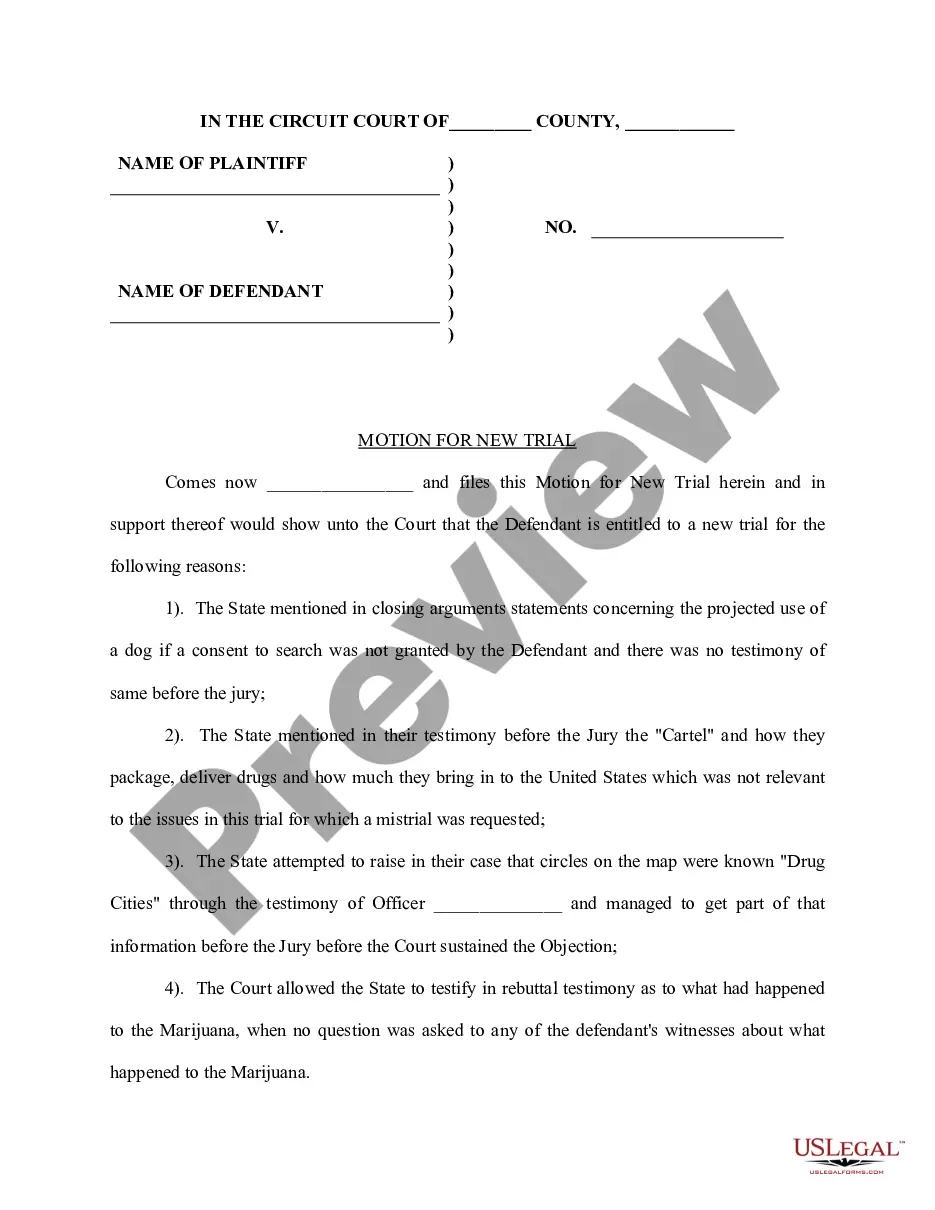
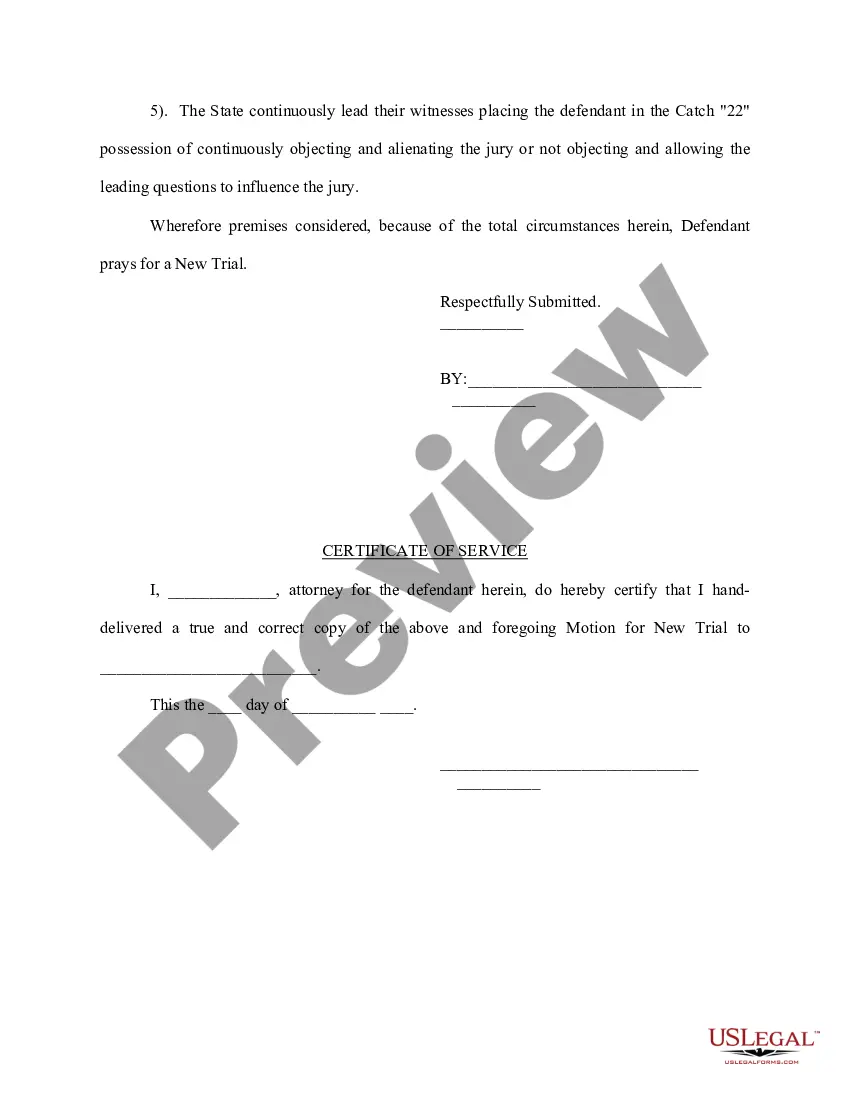
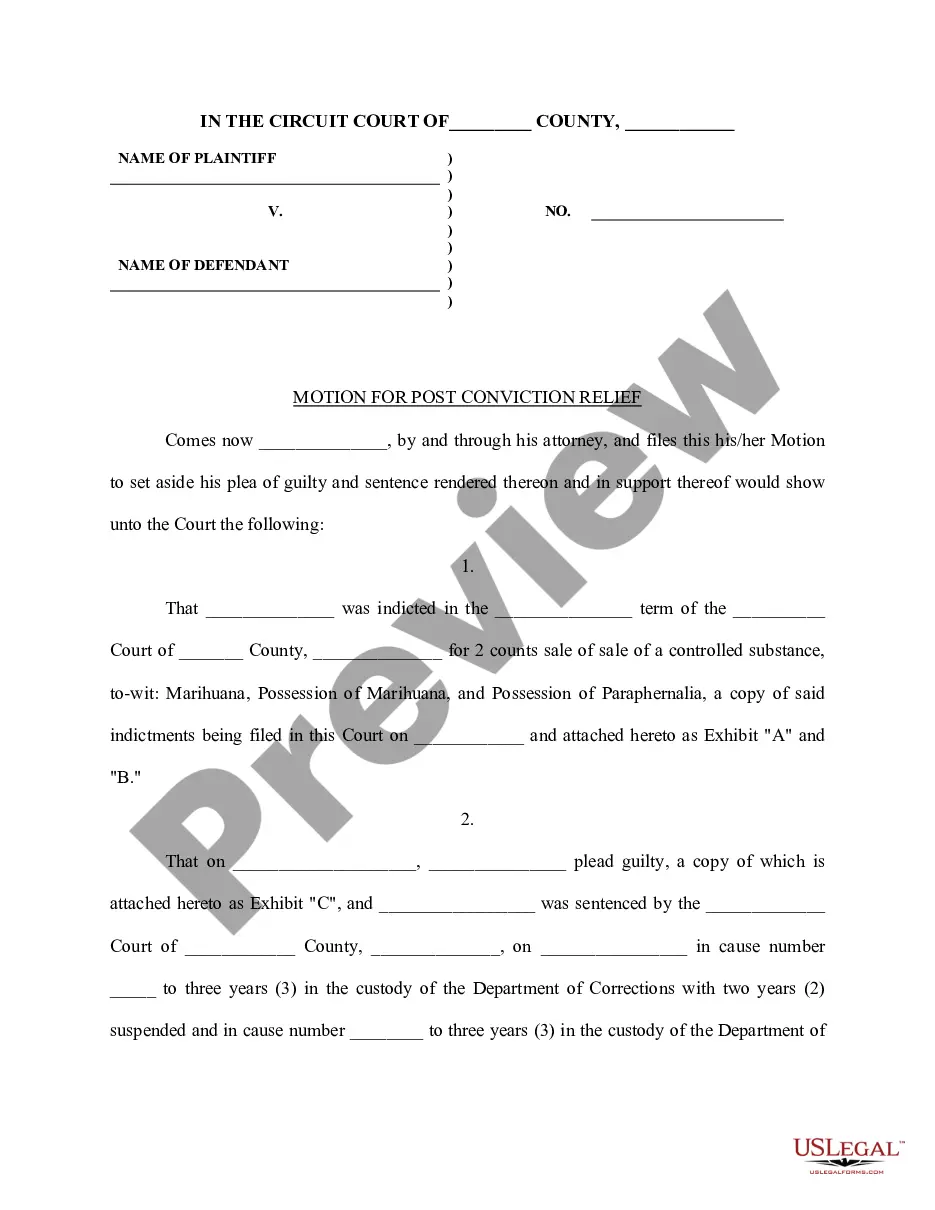
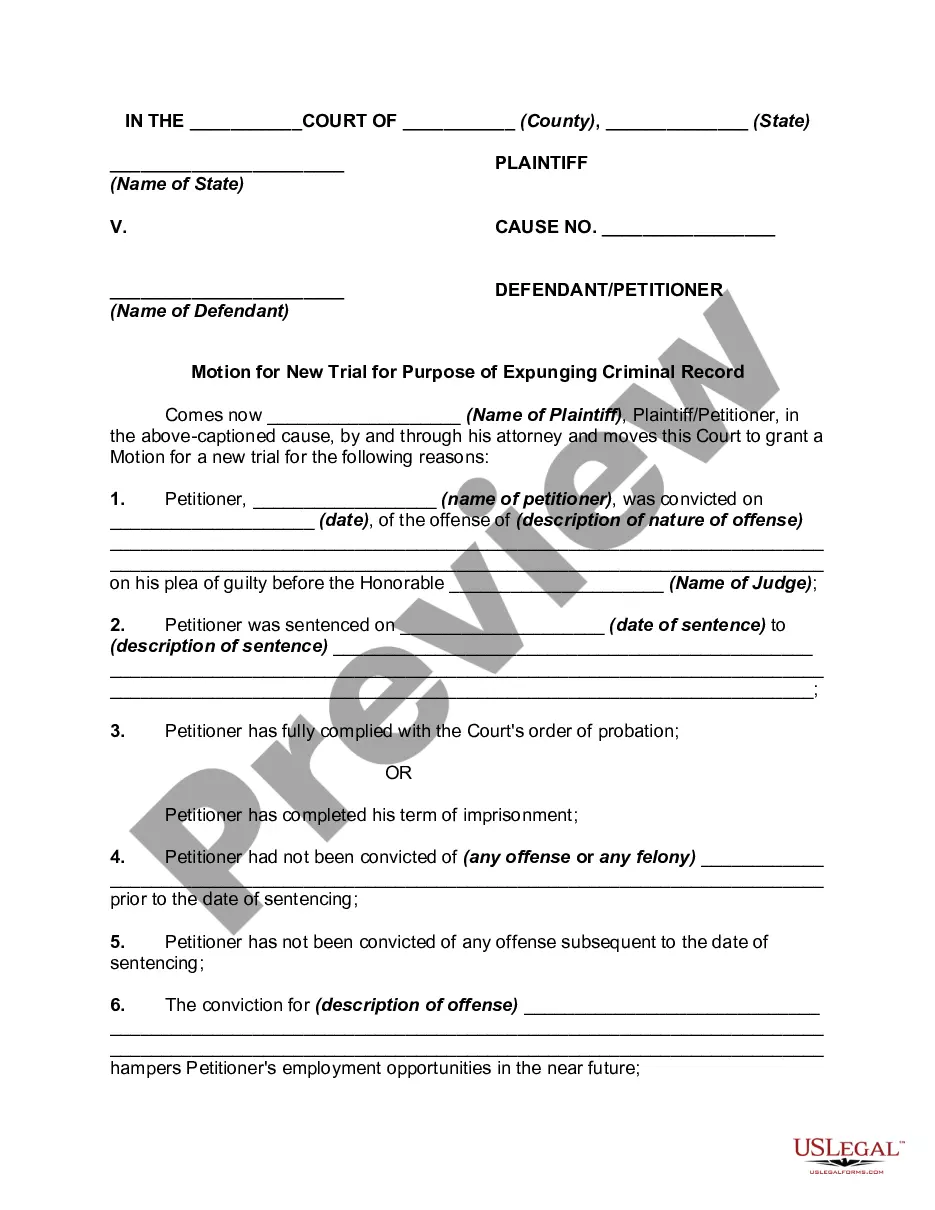
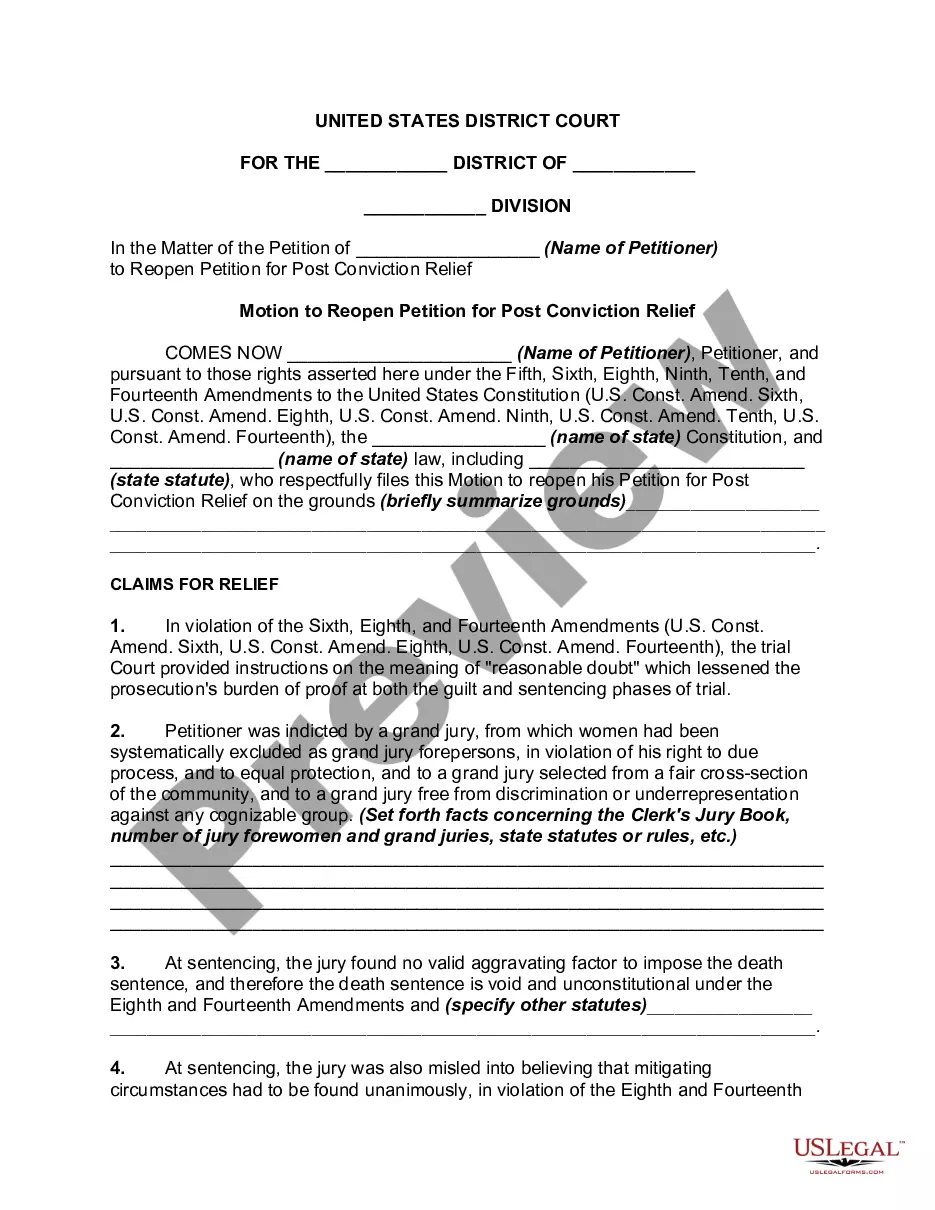
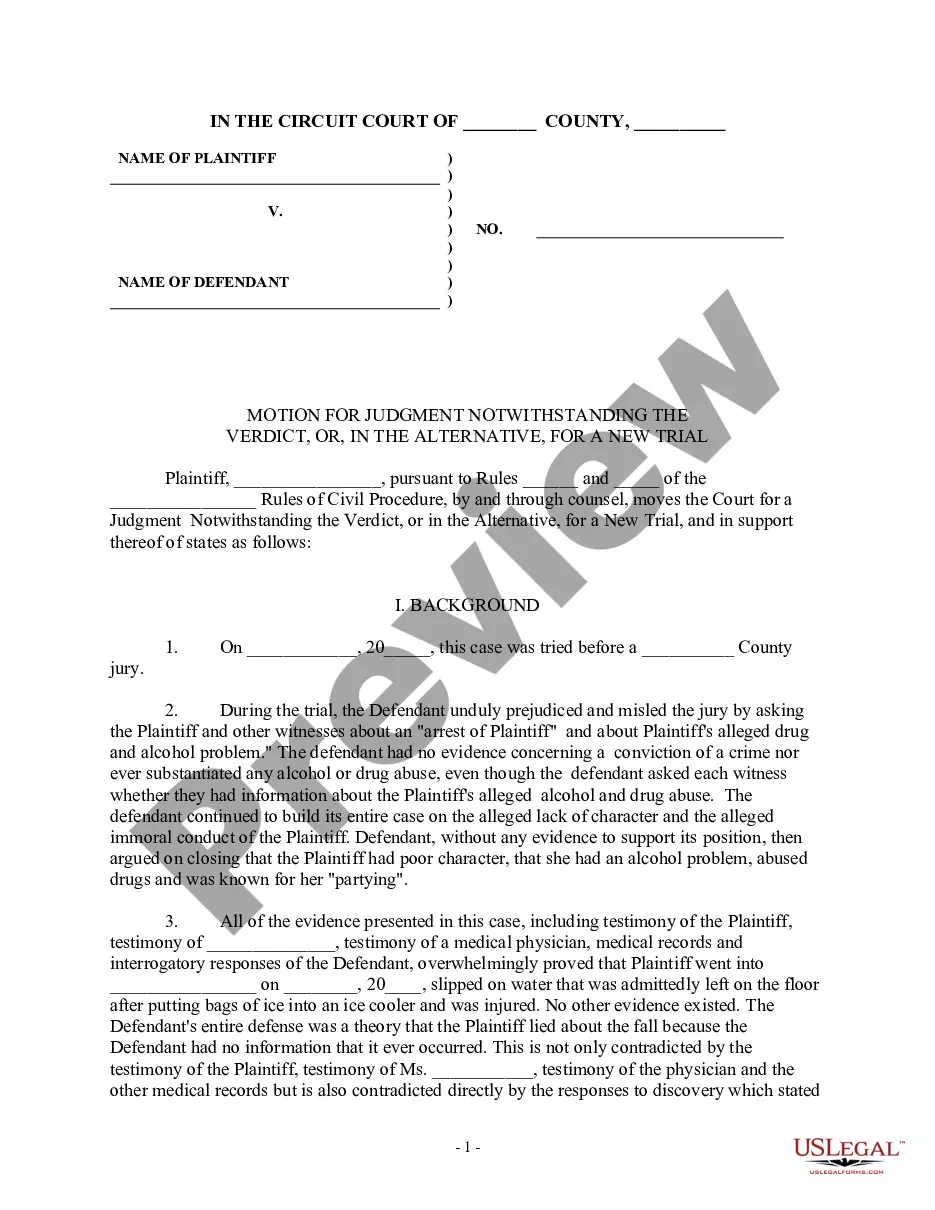
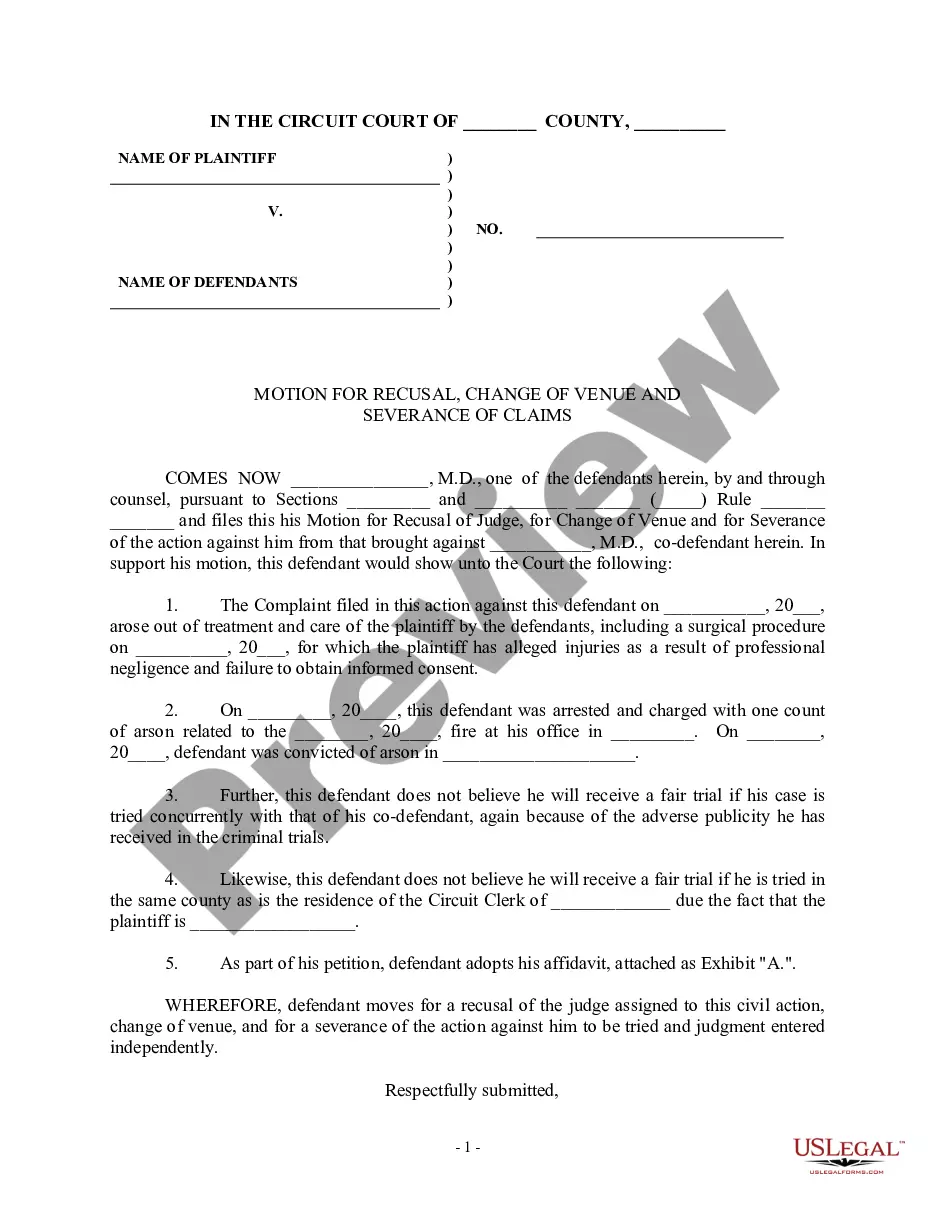
Get your form ready online
Our built-in tools help you complete, sign, share, and store your documents in one place.
Make edits, fill in missing information, and update formatting in US Legal Forms—just like you would in MS Word.
Download a copy, print it, send it by email, or mail it via USPS—whatever works best for your next step.
Sign and collect signatures with our SignNow integration. Send to multiple recipients, set reminders, and more. Go Premium to unlock E-Sign.
If this form requires notarization, complete it online through a secure video call—no need to meet a notary in person or wait for an appointment.
We protect your documents and personal data by following strict security and privacy standards.

Make edits, fill in missing information, and update formatting in US Legal Forms—just like you would in MS Word.

Download a copy, print it, send it by email, or mail it via USPS—whatever works best for your next step.

Sign and collect signatures with our SignNow integration. Send to multiple recipients, set reminders, and more. Go Premium to unlock E-Sign.

If this form requires notarization, complete it online through a secure video call—no need to meet a notary in person or wait for an appointment.

We protect your documents and personal data by following strict security and privacy standards.
Looking for another form?




How to fill out Motion For New Trial?
Regardless of whether for commercial intentions or personal issues, everyone must confront legal circumstances at some point in their existence.
Filling out legal documents necessitates meticulous attention, beginning with selecting the suitable form template. For instance, if you choose an incorrect edition of a Trial Jury Herein With Hung, it will be rejected once submitted.
Once downloaded, you can fill out the form using editing software or print it and complete it by hand. With a vast US Legal Forms collection available, you don’t need to waste time searching for the correct template online. Take advantage of the library’s user-friendly navigation to find the appropriate template for any circumstance.
- Consequently, it is essential to have a reliable source of legal documents like US Legal Forms.
- If you need to acquire a Trial Jury Herein With Hung template, follow these straightforward steps.
- Obtain the sample you require by utilizing the search bar or catalog navigation.
- Review the form’s description to confirm it aligns with your circumstances, state, and locality.
- Click on the form’s preview to examine it.
- If it is the incorrect form, revert to the search feature to locate the Trial Jury Herein With Hung template you require.
- Download the file when it satisfies your criteria.
- If you already possess a US Legal Forms account, click Log in to access previously saved documents in My documents.
- If you haven’t created an account yet, you can obtain the form by clicking Buy now.
- Select the appropriate pricing option.
- Complete the account registration form.
- Choose your payment method: you can use a credit card or PayPal account.
- Select the document format you desire and download the Trial Jury Herein With Hung.
Form popularity
FAQ
Each jury in criminal courts contains 12 jurors. In civil cases, only six people are necessary for a jury, and if there is only one dissenter (i.e. a 5?1 vote) the dissenter can be ignored with the majority opinion becoming the final verdict.
After a Hung Jury, the just will declare a mistrial and a new trial will be set. The prosecution has several options in this situation: Retrial: The prosecution may decide to retry the case. This is often the most common outcome after a hung jury.
If a jury cannot arrive at a verdict within a reasonable time and indicates to the judge that there is no possibility that they can reach a verdict, the judge, in their discretion, may dismiss the jury.
After a hung jury, both the prosecution and the defense may make adjustments to their legal strategies. They may reevaluate the strength of their case, reconsider which evidence to present, or assess the feasibility of reaching a plea agreement.
In some cases, the defense may benefit from a hung jury if it suggests that the evidence against the defendant is not strong enough to convince all 12 jurors of their guilt. On the other hand, the prosecution may benefit from a hung jury if it suggests that the case is still strong enough to pursue a retrial.