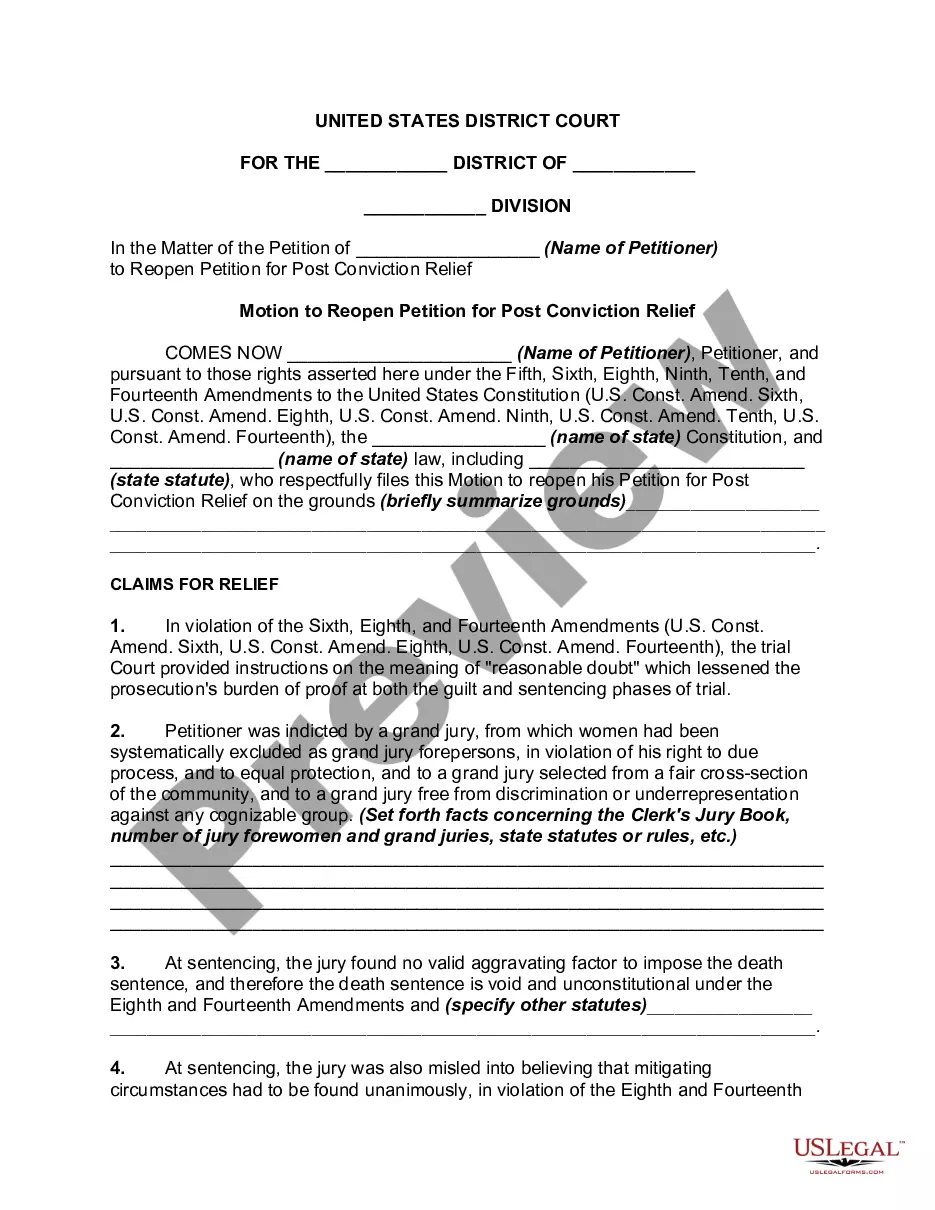
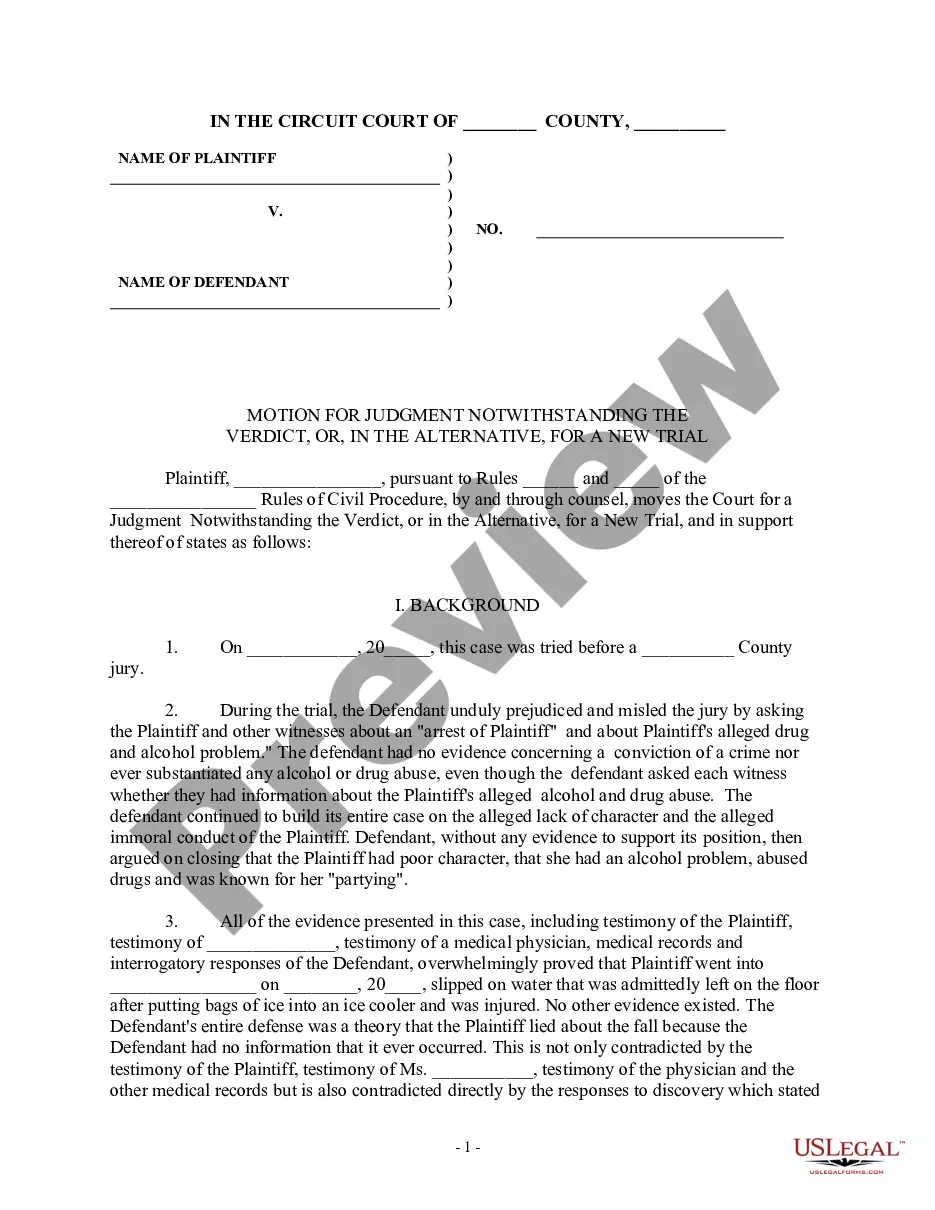
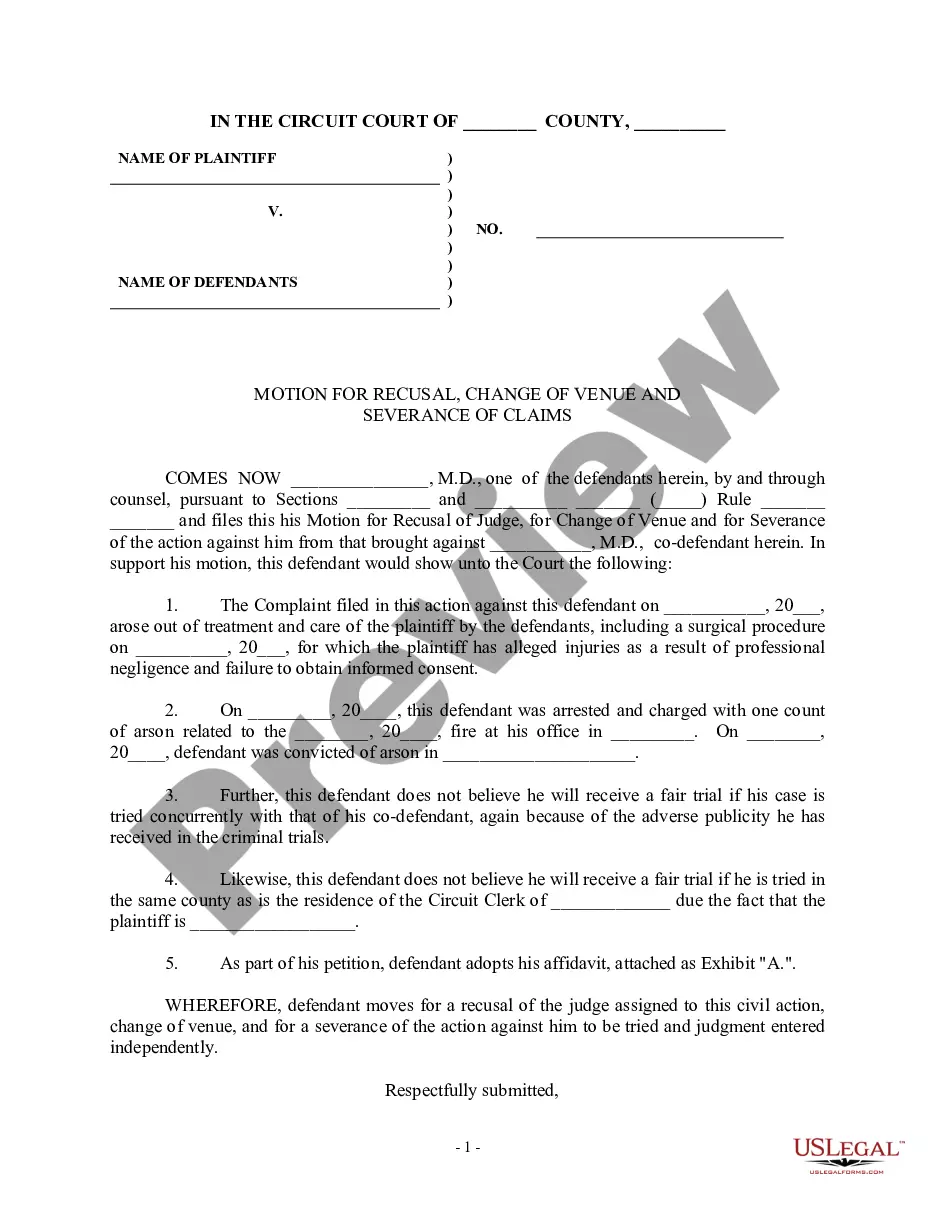
Trial In Criminal Law
Description
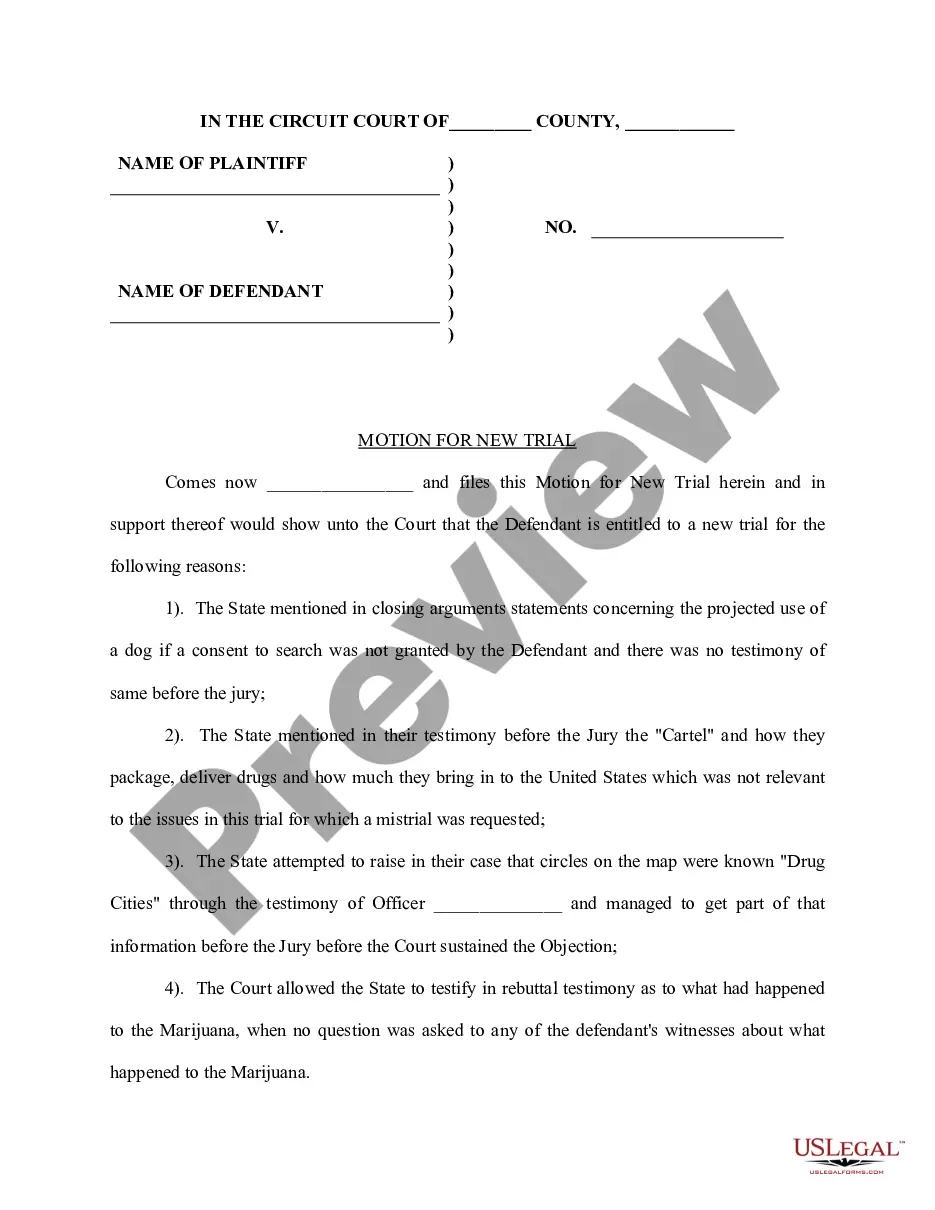
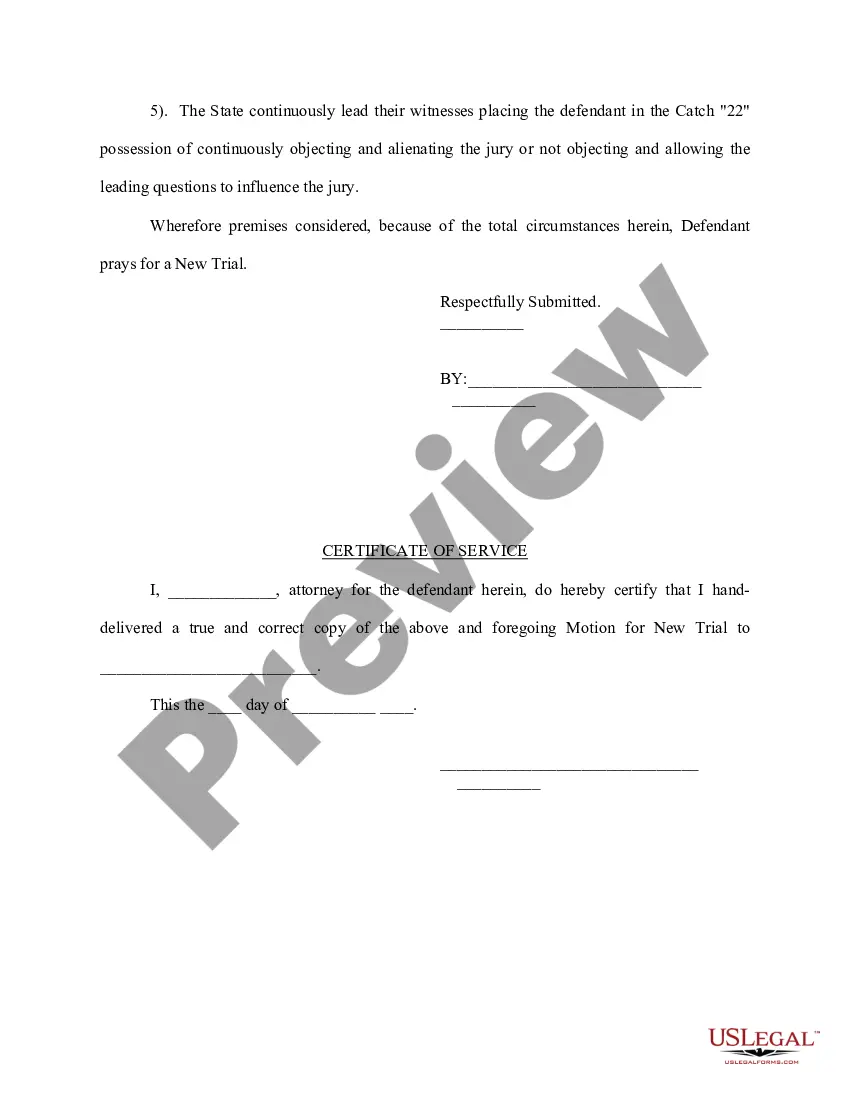
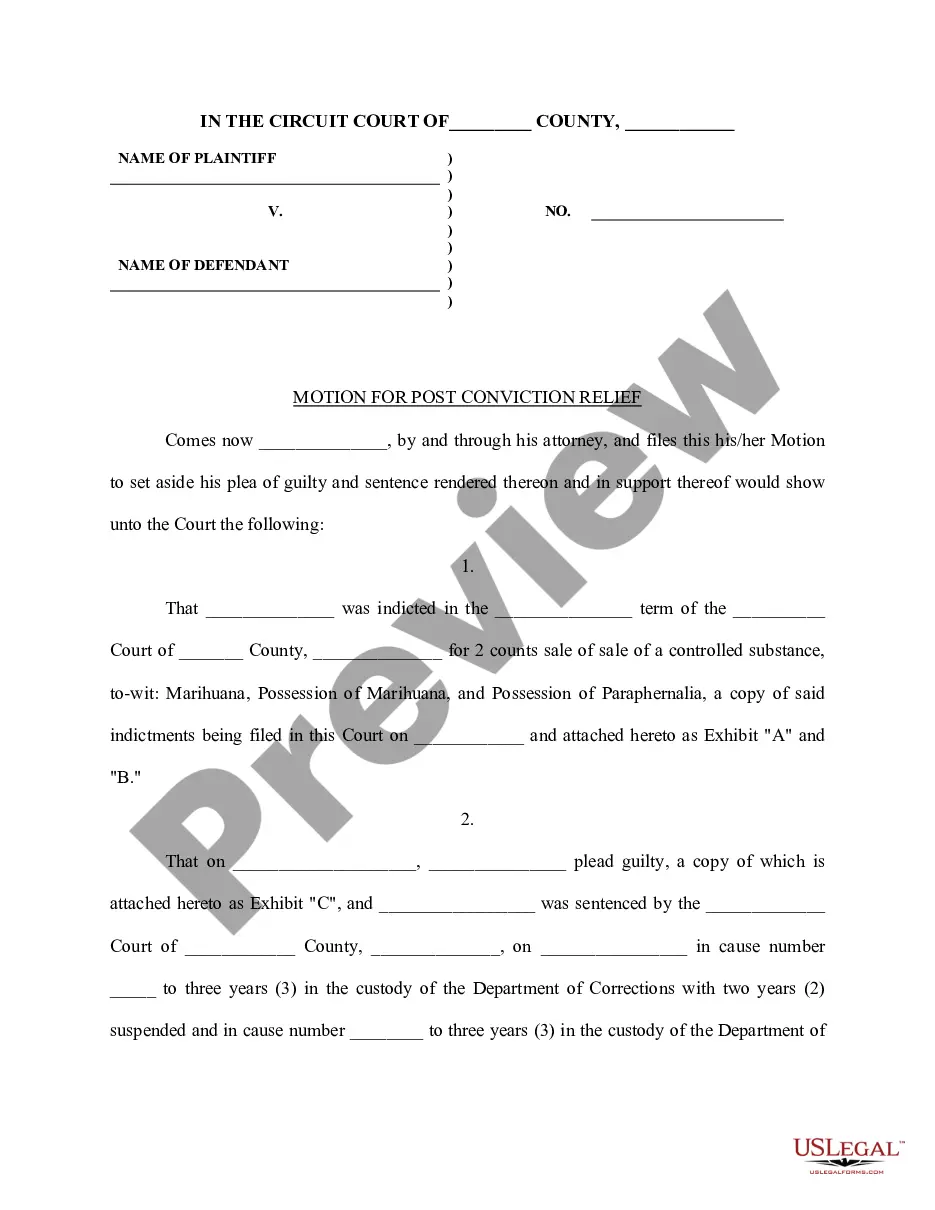
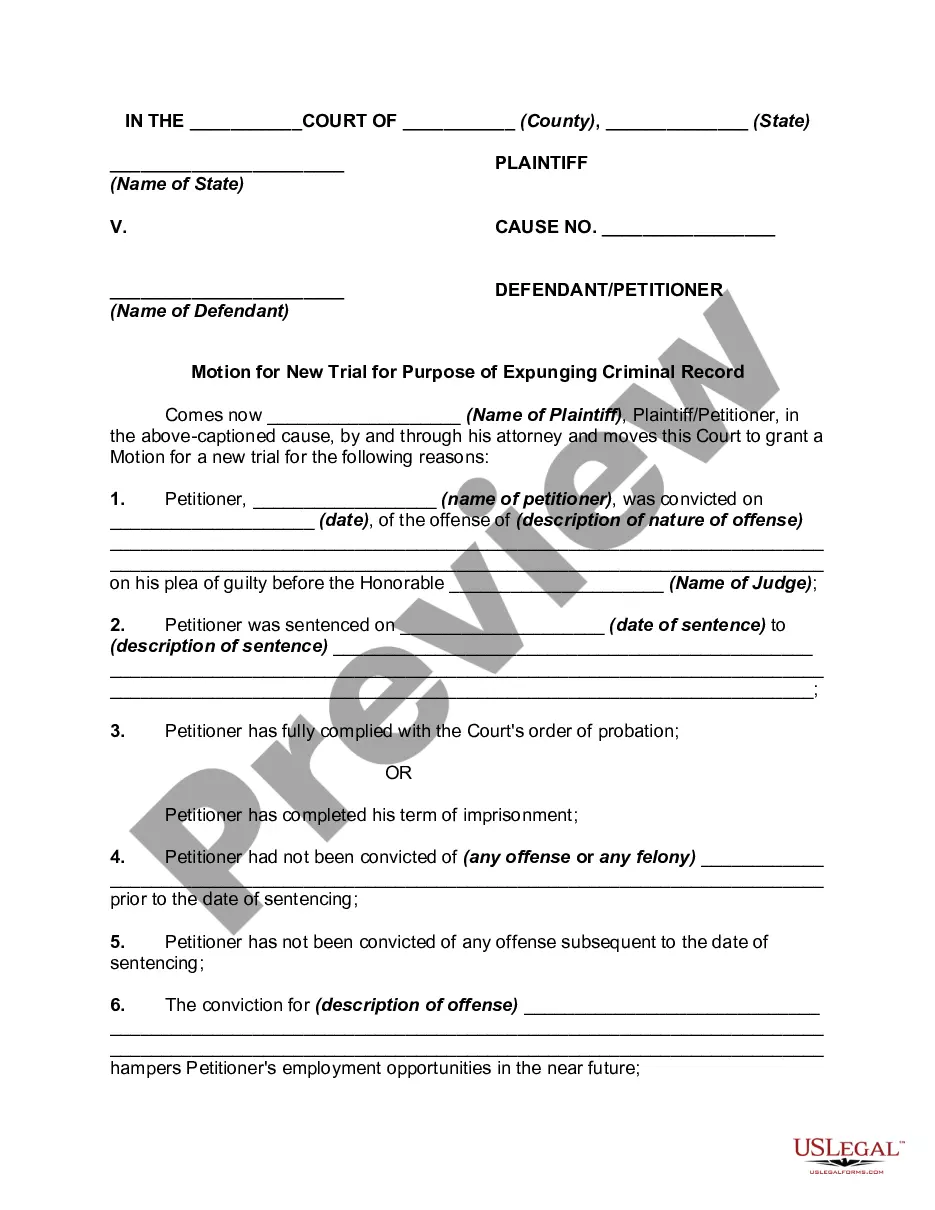
Get your form ready online
Our built-in tools help you complete, sign, share, and store your documents in one place.
Make edits, fill in missing information, and update formatting in US Legal Forms—just like you would in MS Word.
Download a copy, print it, send it by email, or mail it via USPS—whatever works best for your next step.
Sign and collect signatures with our SignNow integration. Send to multiple recipients, set reminders, and more. Go Premium to unlock E-Sign.
If this form requires notarization, complete it online through a secure video call—no need to meet a notary in person or wait for an appointment.
We protect your documents and personal data by following strict security and privacy standards.

Make edits, fill in missing information, and update formatting in US Legal Forms—just like you would in MS Word.

Download a copy, print it, send it by email, or mail it via USPS—whatever works best for your next step.

Sign and collect signatures with our SignNow integration. Send to multiple recipients, set reminders, and more. Go Premium to unlock E-Sign.

If this form requires notarization, complete it online through a secure video call—no need to meet a notary in person or wait for an appointment.

We protect your documents and personal data by following strict security and privacy standards.
Looking for another form?









How to fill out Motion For New Trial?
Managing legal documents can be daunting, even for the most experienced professionals.
When you are looking for a Trial In Criminal Law and lack the time to search for the right and up-to-date version, the process can be overwhelming.
Employ advanced tools to complete and oversee your Trial In Criminal Law.
Access a wealth of articles, guides, and resources pertinent to your needs and situation.
Make the most of the US Legal Forms online library, backed by 25 years of expertise and trustworthiness. Simplify your daily document management into a seamless and user-friendly experience today.
- Conserve time and energy by utilizing US Legal Forms’ sophisticated search and Preview tool to find and download the Trial In Criminal Law documents you require.
- If you are a member, Log In to your US Legal Forms account, locate your form, and download it.
- Check the My documents section to examine the documents you have previously acquired and manage your folders as desired.
- If this is your first experience with US Legal Forms, create an account for unlimited access to the library's benefits.
- After downloading the necessary document, verify that it is the correct version by previewing and reviewing its details.
- Confirm that the template is authorized in your state or county.
- Click Buy Now when you are prepared.
- Select a subscription option.
- Choose the required format, and Download, fill in, eSign, print, and send your documents.
- Utilize a powerful web form library that can significantly improve your ability to navigate these situations effectively.
- US Legal Forms stands out as a leader in online legal documents, offering over 85,000 region-specific legal forms available whenever you need them.
- Leverage state- or county-specific legal and business forms to meet all your document requirements, ranging from personal to corporate needs, all in one place.
Form popularity
FAQ
The first step in a trial in criminal law is typically the arraignment, where the defendant formally hears the charges and enters a plea. This crucial step sets the tone for the trial and outlines the legal path forward. After this, the process includes jury selection and the preparation for presentation of evidence. For those needing assistance with legal documents, USLegalForms offers valuable resources to ensure a smooth start to the trial.
The 12 steps in a trial in criminal law generally include jury selection, opening statements, witness testimonies, cross-examinations, evidence presentations, closing arguments, jury instructions, jury deliberation, and reaching a verdict. Each step plays a vital role in ensuring a fair trial process. Understanding these steps is essential, and resources like USLegalForms provide helpful guidance and templates for each phase.
At the start of a trial in criminal law, the judge typically welcomes everyone present and outlines the trial's process. The court will then establish the charges and confirm the jury's readiness. This introduction helps set the stage for the trial, ensuring everyone understands their roles. Preparing with templates from USLegalForms can help you navigate this opening phase effectively.
To start a trial in criminal law, you first file a complaint or an indictment, which outlines the charges against the defendant. Following this, the court schedules an arraignment where the defendant answers the charges. After the arraignment, jury selection occurs, providing a fair and impartial jury for the trial. Utilizing resources from USLegalForms can simplify the commencement of your case.
Running a trial in criminal law involves several key stages, starting with jury selection and concluding with the verdict. The judge oversees the proceedings, ensuring that each side presents their case clearly. Both the prosecution and defense have opportunities to present evidence, question witnesses, and make arguments. Using a platform like USLegalForms can help streamline the preparation of documents needed for this complex process.
Basic steps in a criminal trial involve several stages, beginning with jury selection and opening statements. The prosecution provides evidence and calls witnesses, followed by the defense's response. After both sides have presented their arguments, they make closing statements, leading to jury deliberation, and a verdict announced thereafter.
The criminal justice process includes seven essential steps, starting with investigation and arrest. Following that, the suspect is arraigned, and preliminary hearings take place, leading to trial preparation. The trial in criminal law occurs next, followed by sentencing, appeals, and finally, potential parole or probation considerations.
The trial process in criminal law includes several important phases. It starts with jury selection, followed by opening statements from both sides. The prosecution presents its case through witness testimony and evidence. Then, the defense offers its case, after which closing statements are made, leading to jury deliberation and the final verdict.
The trial in criminal law typically follows seven key steps. Firstly, jury selection occurs to choose impartial jurors. Next, opening statements are presented, followed by witness testimonies and the introduction of evidence. After that, closing arguments are made, and finally, the jury deliberates before delivering a verdict.
Jurors in a trial in criminal law should never discuss the case with anyone outside the jury room. Additionally, they should avoid conducting personal research about the case, as this could lead to biased opinions that compromise the trial's integrity.