Trial Criminal Statement Without
Description
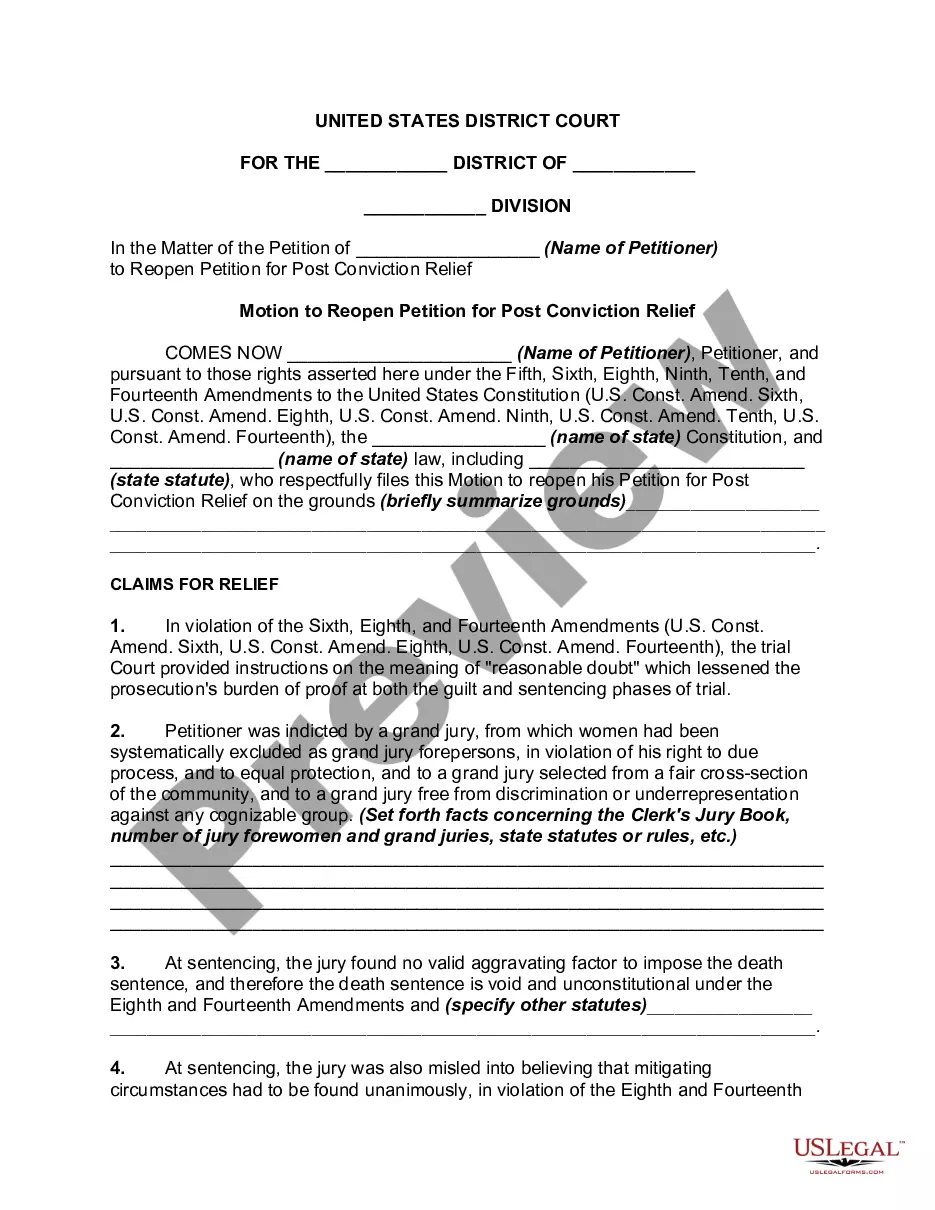
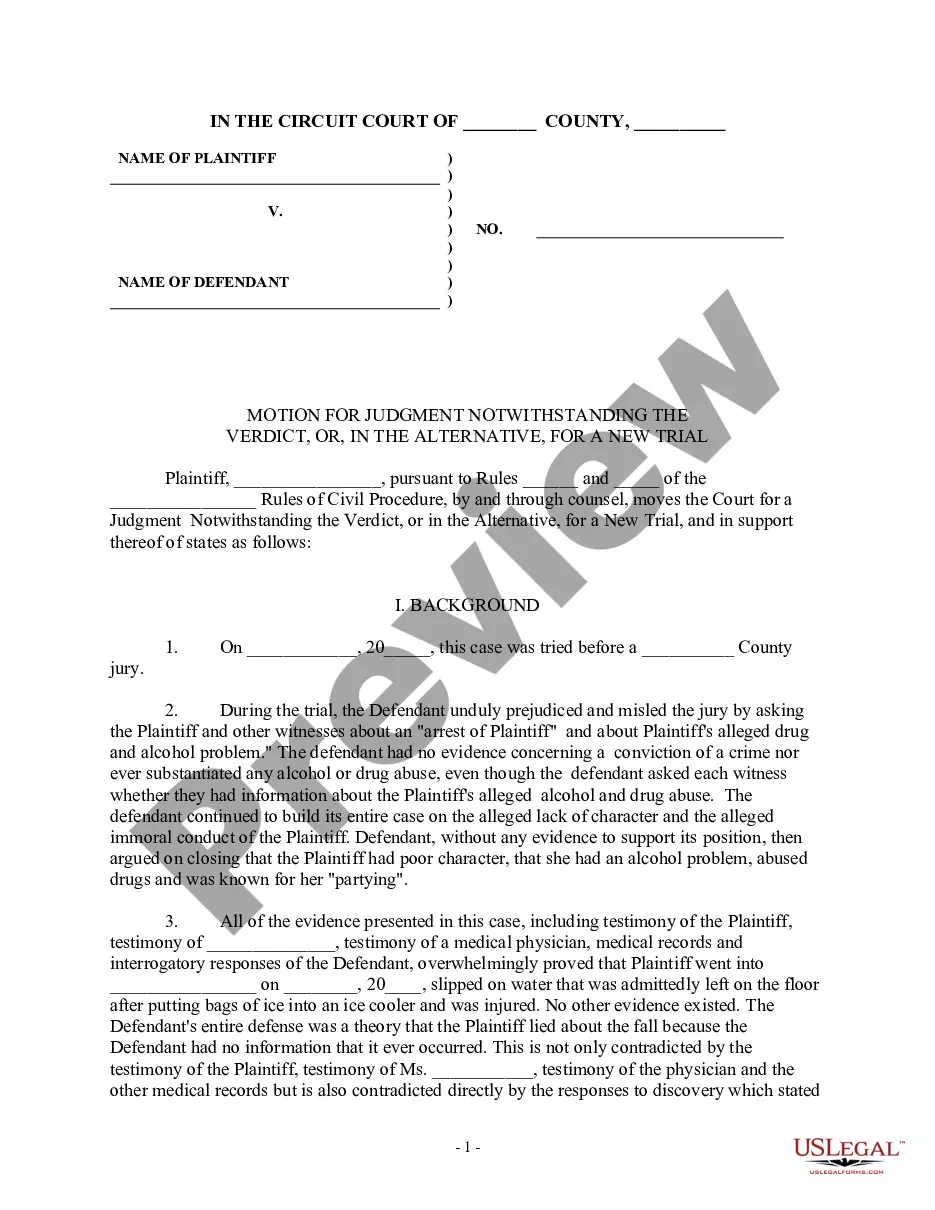
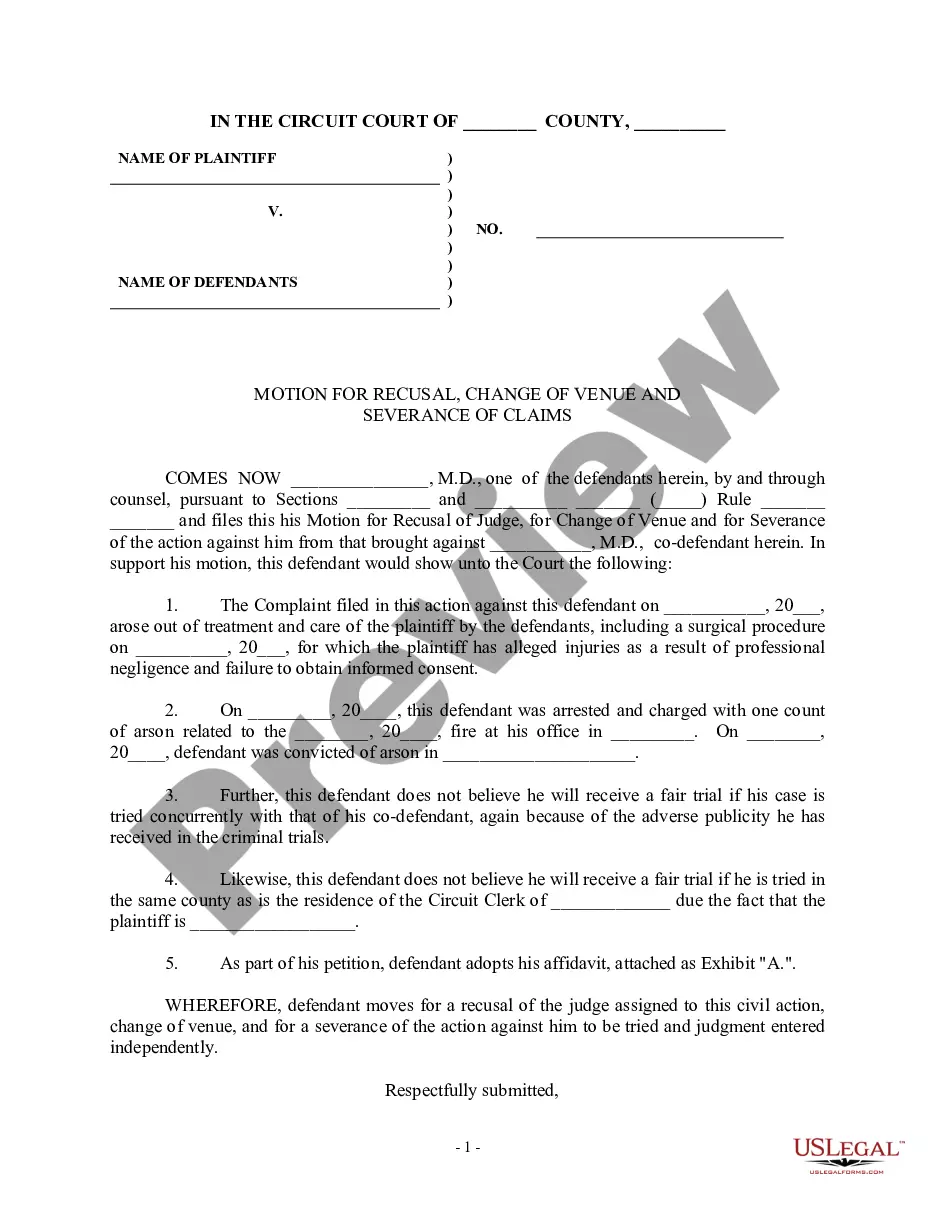
Get your form ready online
Our built-in tools help you complete, sign, share, and store your documents in one place.
Make edits, fill in missing information, and update formatting in US Legal Forms—just like you would in MS Word.
Download a copy, print it, send it by email, or mail it via USPS—whatever works best for your next step.
Sign and collect signatures with our SignNow integration. Send to multiple recipients, set reminders, and more. Go Premium to unlock E-Sign.
If this form requires notarization, complete it online through a secure video call—no need to meet a notary in person or wait for an appointment.
We protect your documents and personal data by following strict security and privacy standards.

Make edits, fill in missing information, and update formatting in US Legal Forms—just like you would in MS Word.

Download a copy, print it, send it by email, or mail it via USPS—whatever works best for your next step.

Sign and collect signatures with our SignNow integration. Send to multiple recipients, set reminders, and more. Go Premium to unlock E-Sign.

If this form requires notarization, complete it online through a secure video call—no need to meet a notary in person or wait for an appointment.

We protect your documents and personal data by following strict security and privacy standards.
Looking for another form?




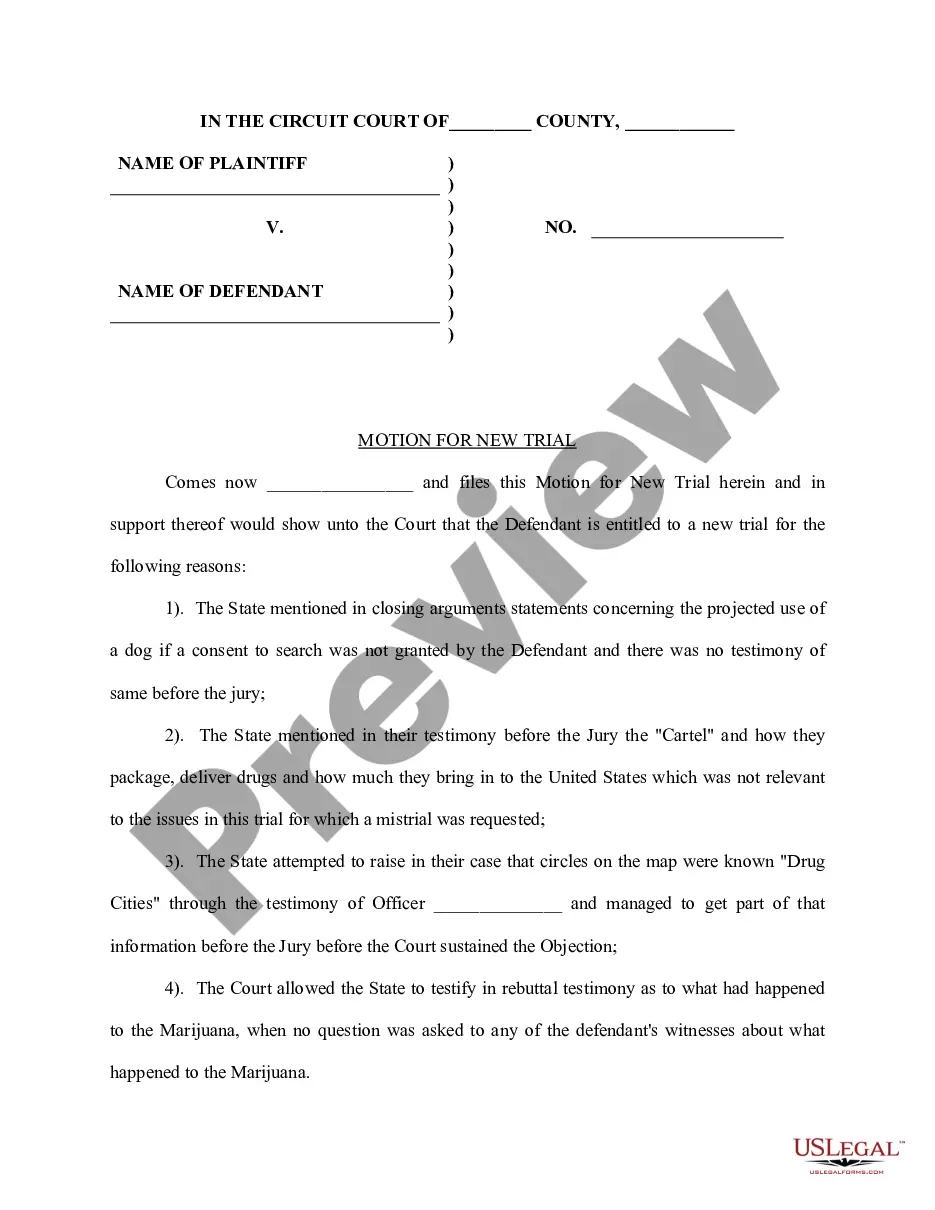
How to fill out Motion For New Trial?
Acquiring a reliable source to obtain the most current and pertinent legal templates constitutes a significant portion of the challenge in navigating bureaucracy. Securing the appropriate legal documents requires precision and meticulousness, which is why it is crucial to obtain samples of Trial Criminal Statement Without exclusively from reputable sources, such as US Legal Forms. An incorrect template can squander your time and hinder your progress.
With US Legal Forms, you have minimal concerns. You can access and review all the information related to the document’s application and significance for your situation and in your jurisdiction.
Once you have the form on your device, you can modify it using the editor or print it and complete it manually. Eliminate the complications associated with your legal documentation. Explore the extensive US Legal Forms catalog to discover legal templates, assess their relevance to your situation, and download them instantly.
- Utilize the catalog navigation or search box to find your template.
- Examine the form’s details to ensure it aligns with the regulations of your state and county.
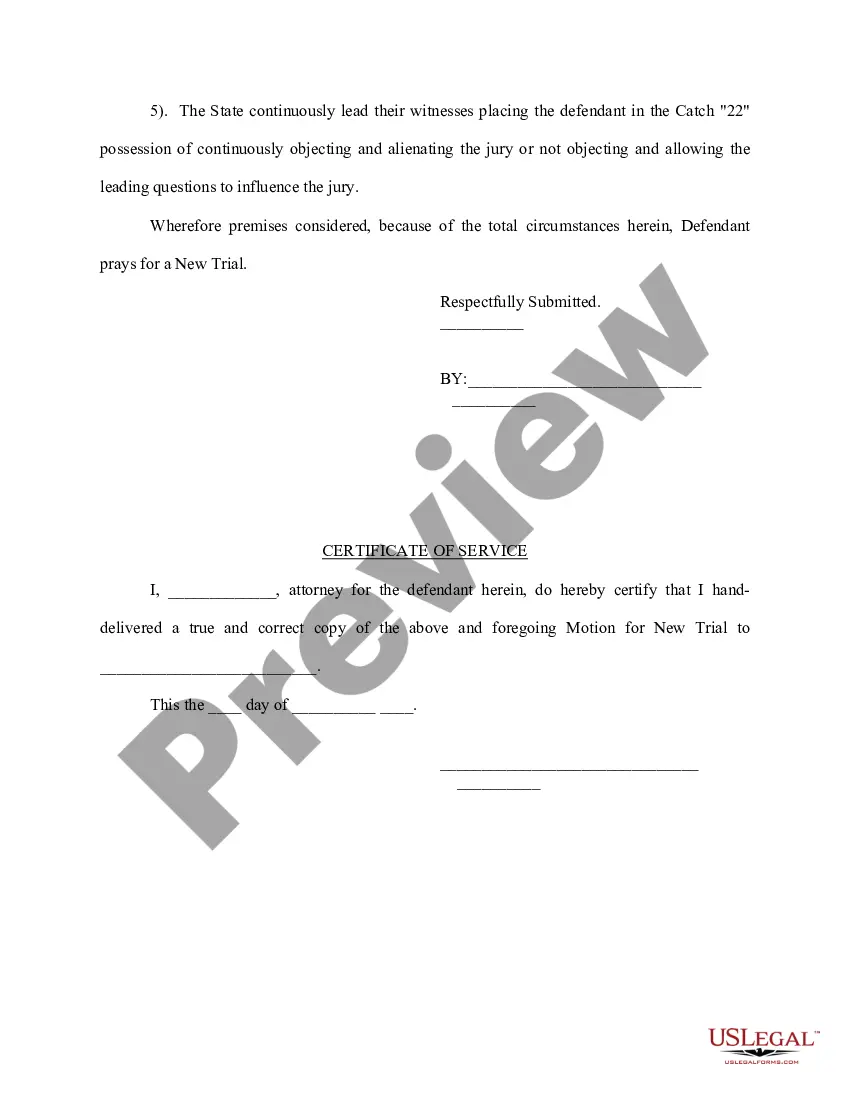
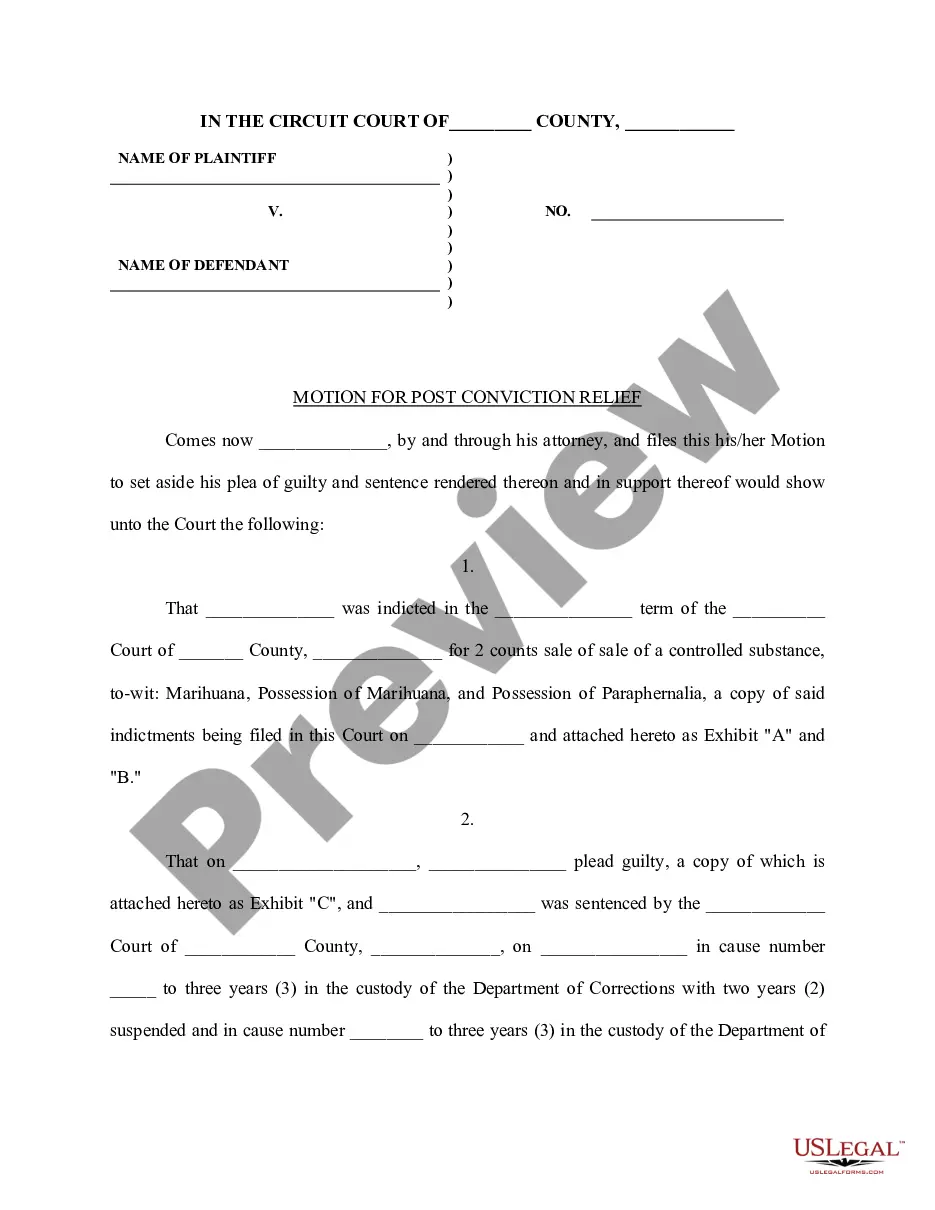
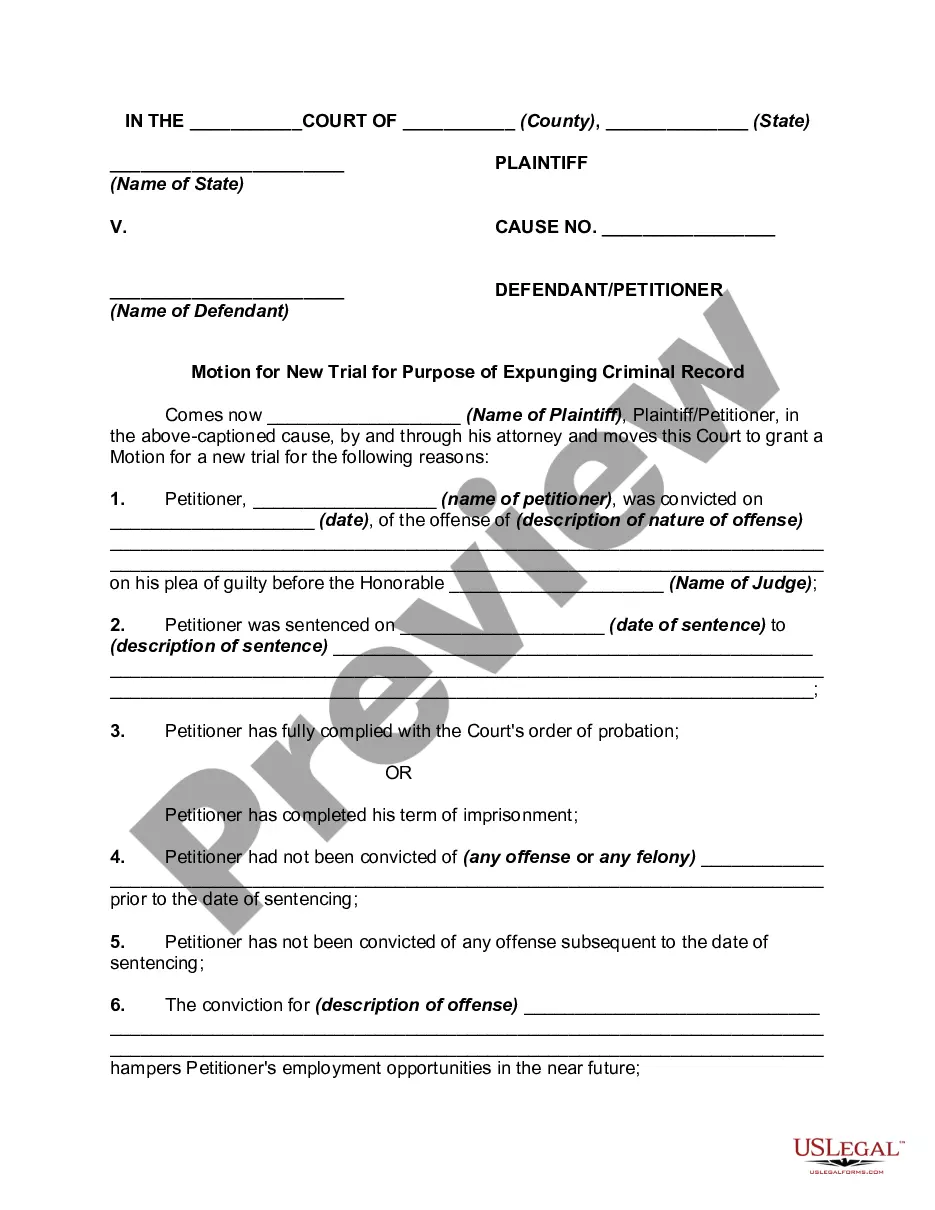
- View the form preview, if available, to confirm that the form is indeed the one you require.
- Return to the search and identify the appropriate document if the Trial Criminal Statement Without does not fulfill your needs.
- If you are confident about the form’s applicability, download it.
- If you are a registered user, click Log in to verify and access your chosen forms in My documents.
- If you do not have an account yet, click Buy now to acquire the form.
- Choose the pricing plan that suits your preferences.
- Proceed to the registration to finalize your purchase.
- Complete your purchase by selecting a payment method (credit card or PayPal).
- Choose the document format for downloading Trial Criminal Statement Without.
Form popularity
FAQ
Generally, to be admissible, the evidence must be relevant) and not outweighed by countervailing considerations (e.g., the evidence is unfairly prejudicial, confusing, a waste of time, privileged, or, among other reasons, based on hearsay).
Prosecutors and defense attorneys generally have considerable latitude in what they're allowed to say in opening statement. That said, they're not allowed to "argue" (argument is saved for closing), nor are they allow to refer to inadmissible evidence or facts they don't intend to or can't prove.
A statement is voluntary when made by a person exercising his or her free will. A statement made against a person's will in response to force, threat, or promise is not voluntary.
Opening statements include such phrases as, ?Ms. Smith will testify under oath that she saw Mr. Johnson do X,? and ?The evidence will show that Defendant did not do Y.? Although opening statements should be as persuasive as possible, they should not include arguments. They come at the end of the trial.
In a criminal case, the prosecution bears the burden of proving that the defendant is guilty beyond all reasonable doubt. This means that the prosecution must convince the jury that there is no other reasonable explanation that can come from the evidence presented at trial.