Trial Court Motion For New Trial
Description
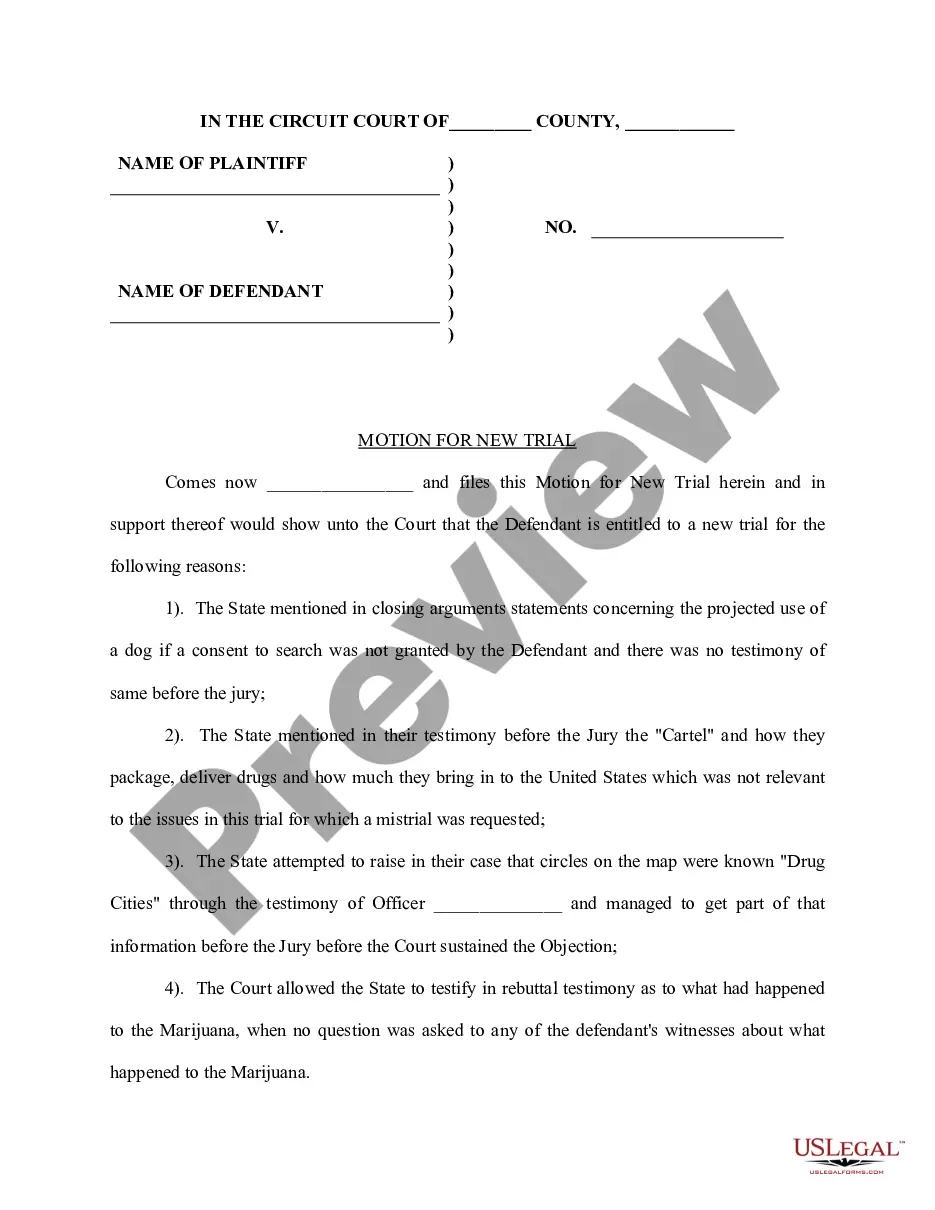
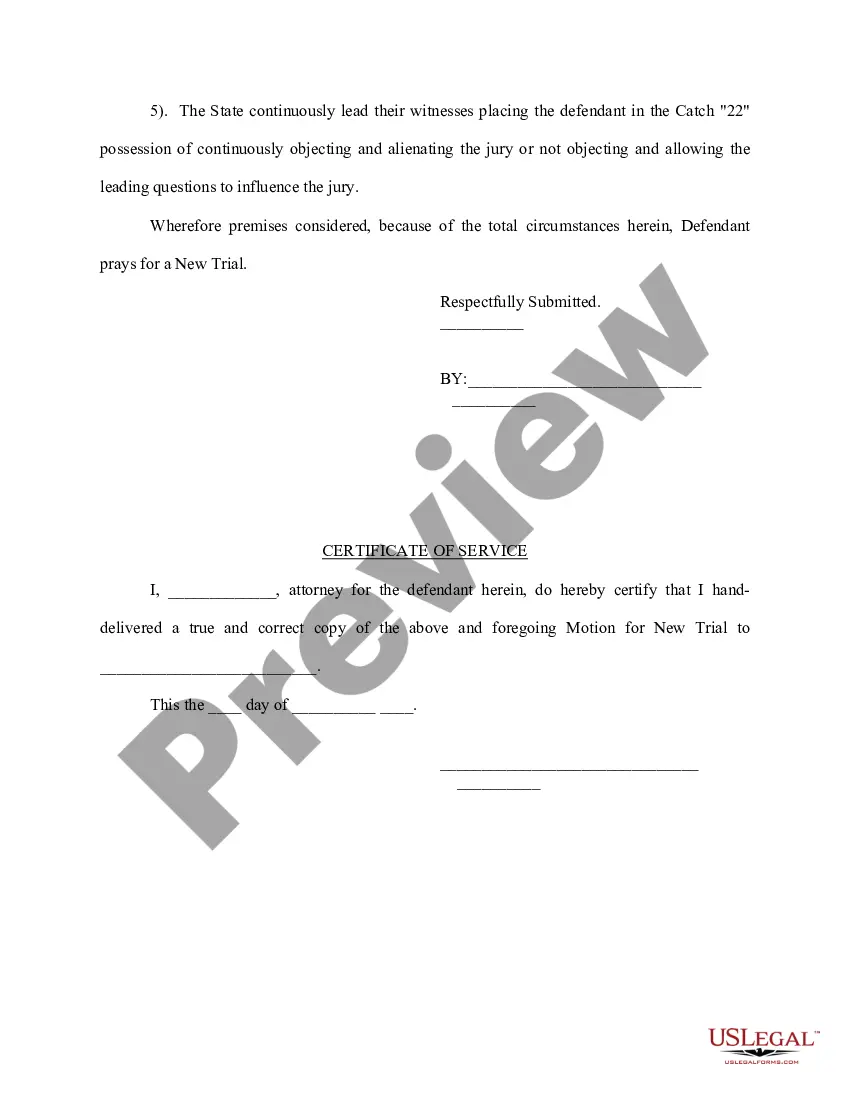
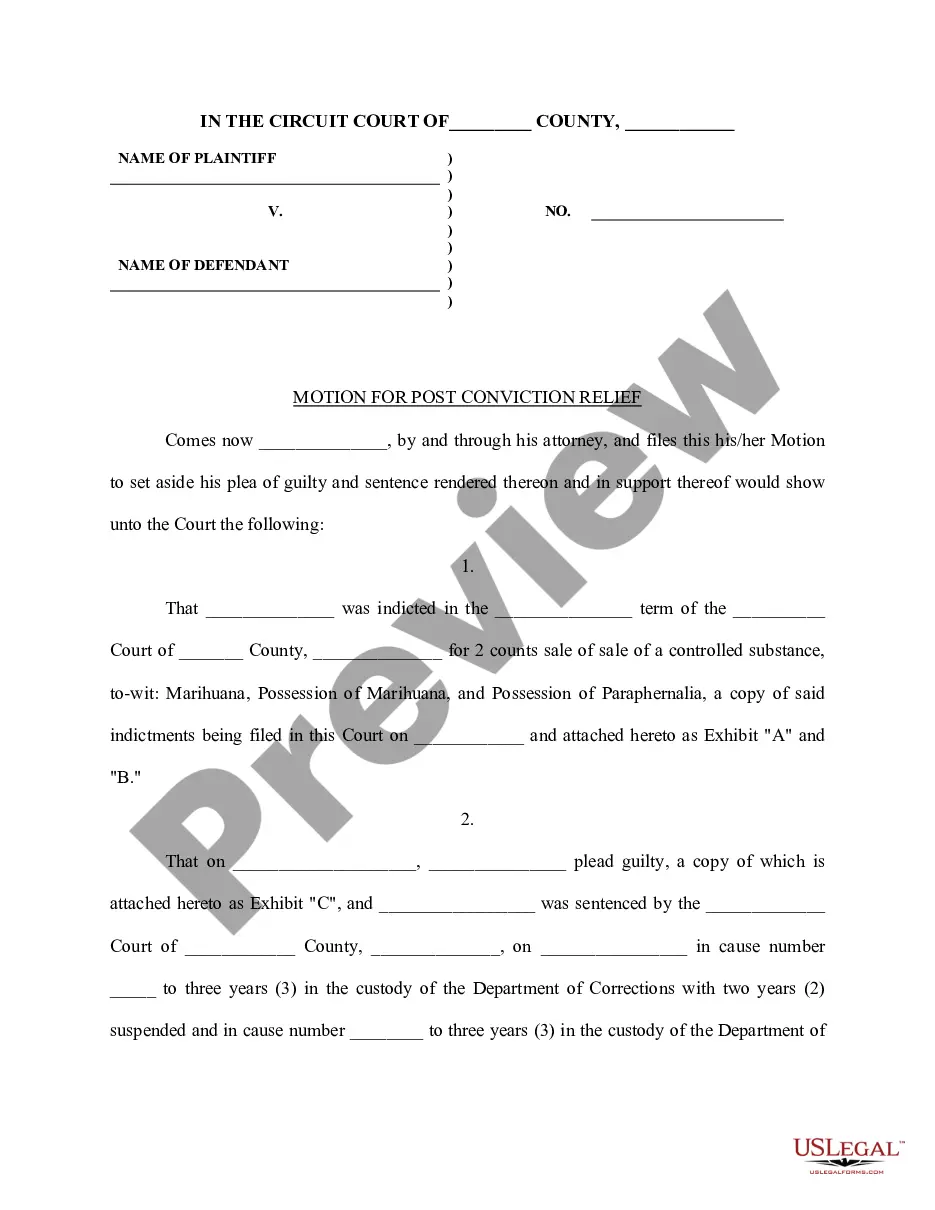
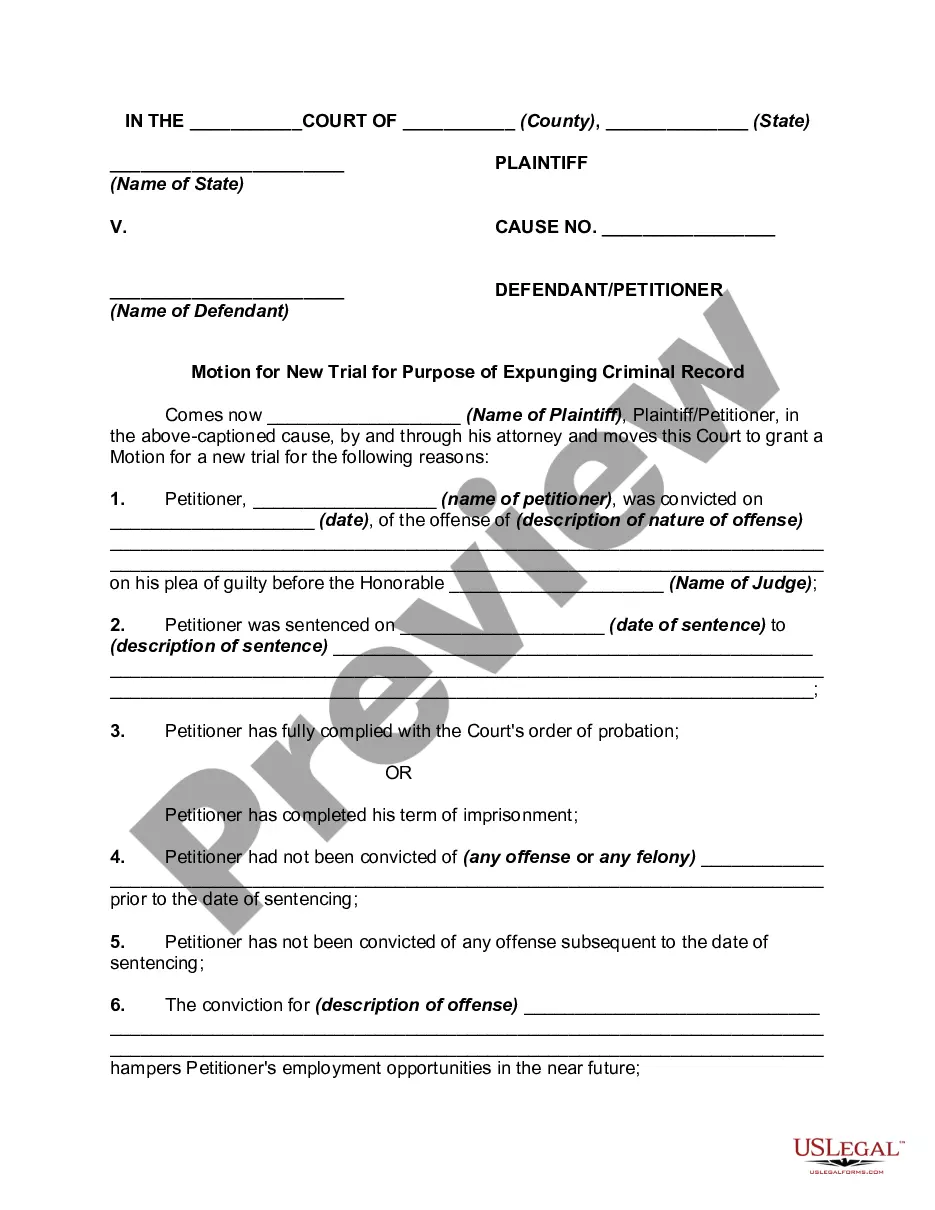
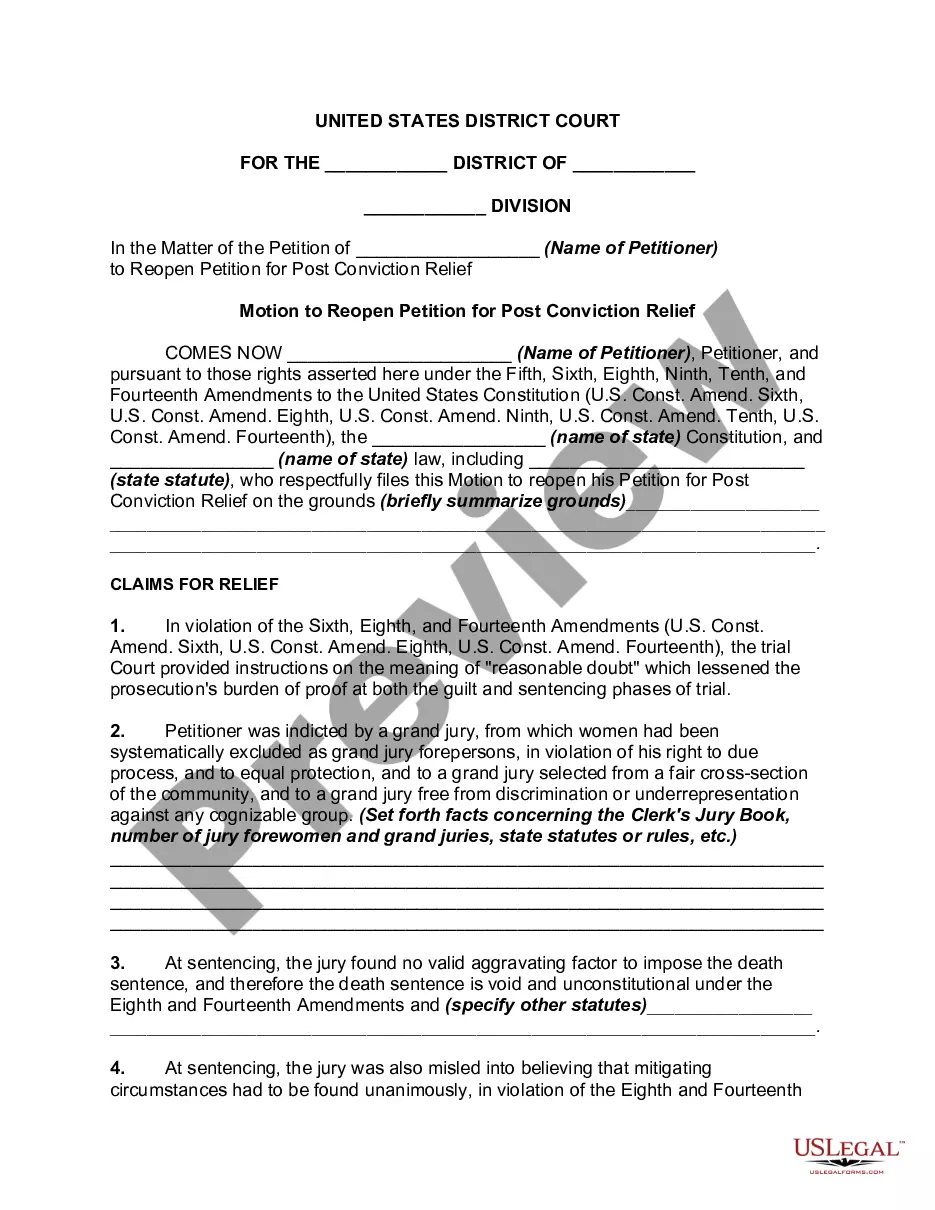
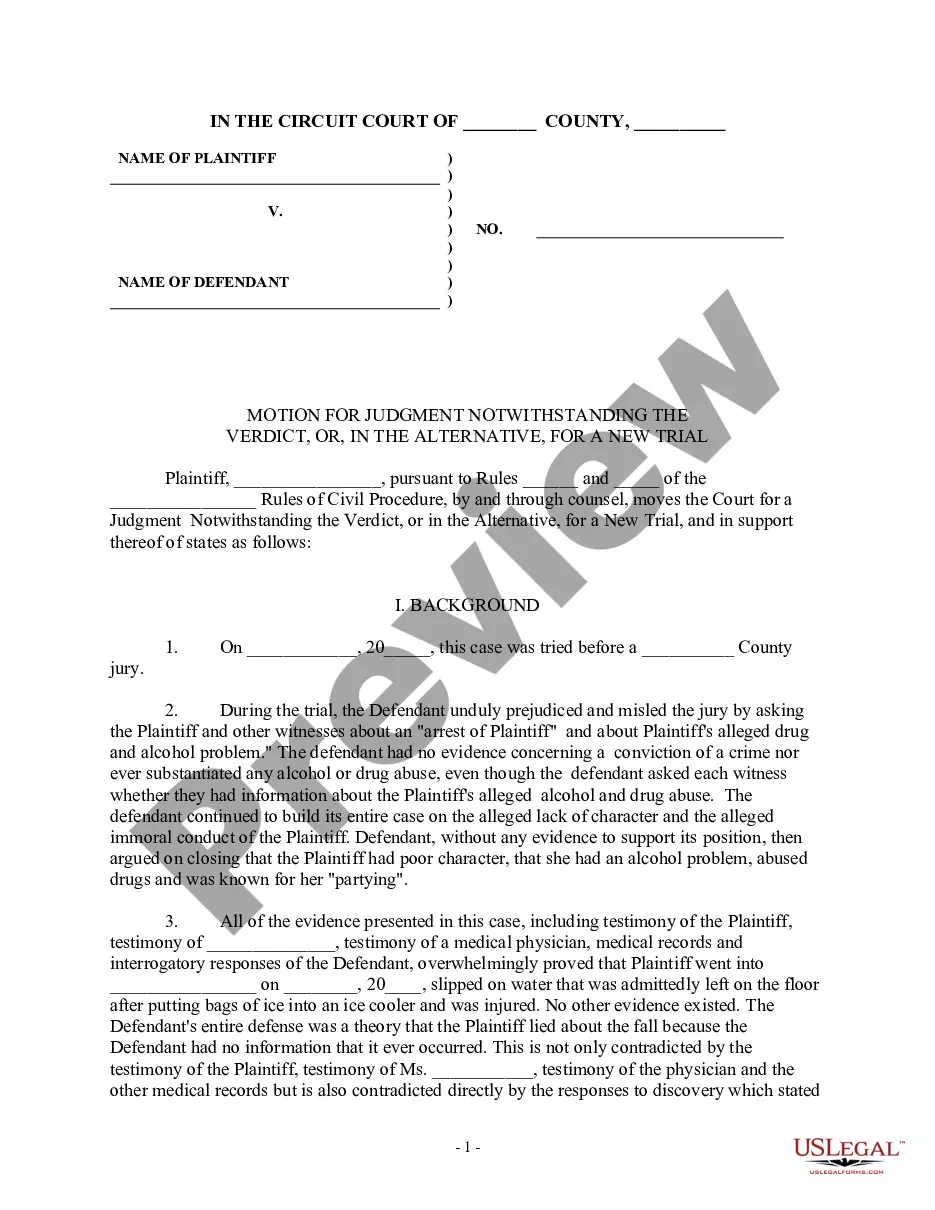
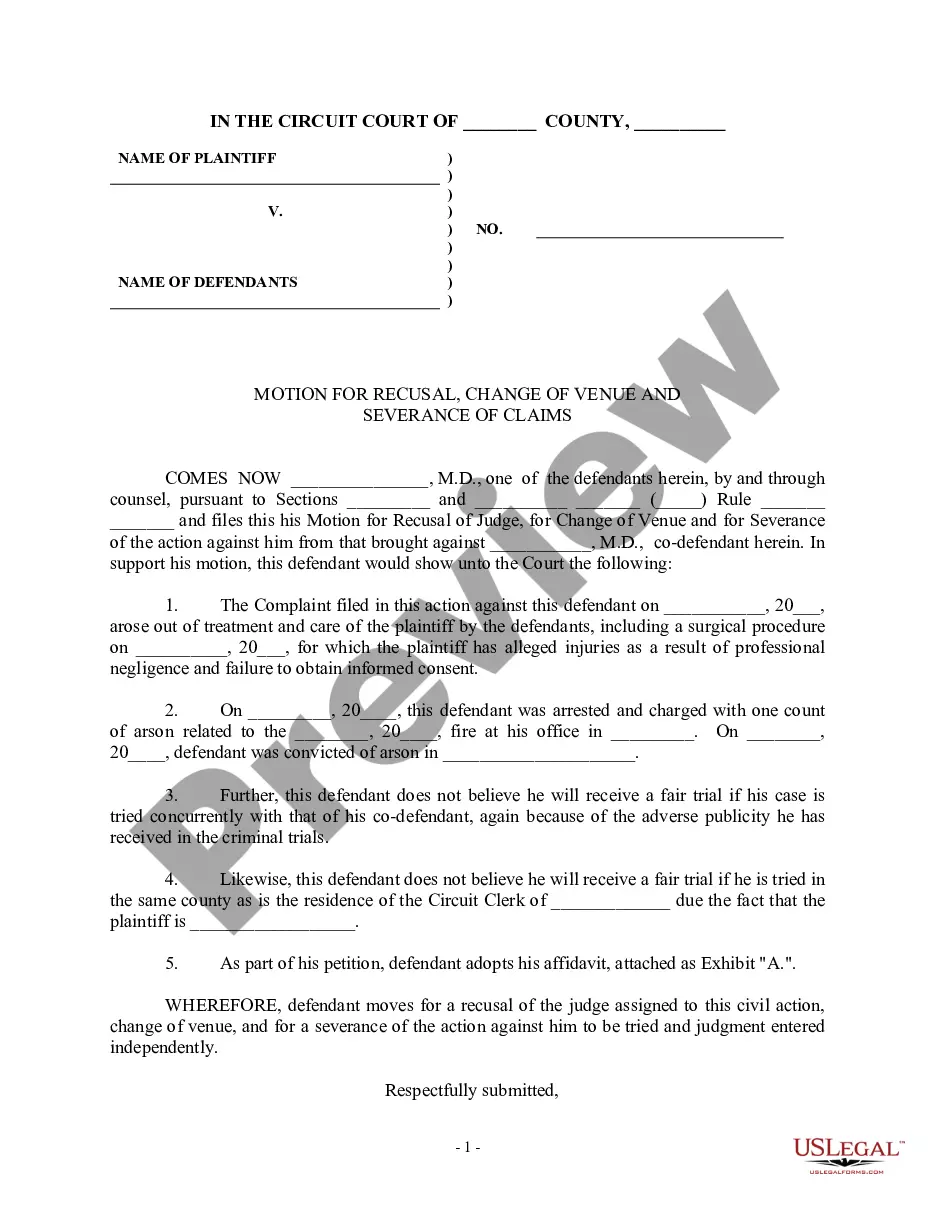
Get your form ready online
Our built-in tools help you complete, sign, share, and store your documents in one place.
Make edits, fill in missing information, and update formatting in US Legal Forms—just like you would in MS Word.
Download a copy, print it, send it by email, or mail it via USPS—whatever works best for your next step.
Sign and collect signatures with our SignNow integration. Send to multiple recipients, set reminders, and more. Go Premium to unlock E-Sign.
If this form requires notarization, complete it online through a secure video call—no need to meet a notary in person or wait for an appointment.
We protect your documents and personal data by following strict security and privacy standards.

Make edits, fill in missing information, and update formatting in US Legal Forms—just like you would in MS Word.

Download a copy, print it, send it by email, or mail it via USPS—whatever works best for your next step.

Sign and collect signatures with our SignNow integration. Send to multiple recipients, set reminders, and more. Go Premium to unlock E-Sign.

If this form requires notarization, complete it online through a secure video call—no need to meet a notary in person or wait for an appointment.

We protect your documents and personal data by following strict security and privacy standards.
Looking for another form?

How to fill out Motion For New Trial?
Employing legal document templates that comply with national and local laws is essential, and the web provides numerous selections to choose from.
However, what is the benefit of expending time hunting for the appropriately crafted Trial Court Motion For New Trial template online if the US Legal Forms digital library already consolidates such forms in one location.
US Legal Forms is the largest online legal repository with over 85,000 fillable documents prepared by lawyers for any business and personal situation. They are simple to navigate with all files categorized by state and intended use.
All templates accessible through US Legal Forms are reusable. To re-download and complete forms previously acquired, access the My documents section in your account. Take advantage of the most comprehensive and user-friendly legal documentation service!
- Our experts stay current with legislative changes, ensuring your documents are always up to date and compliant when obtaining a Trial Court Motion For New Trial from our site.
- Acquiring a Trial Court Motion For New Trial is quick and straightforward for both existing and new users.
- If you currently have an account with an active subscription, Log In and retrieve the necessary document sample in the appropriate format.
- If you are visiting our website for the first time, follow the steps below.
- Examine the template using the Preview function or via the text summary to confirm it aligns with your requirements.
Form popularity
FAQ
The grounds for granting a motion for a new trial include a significant error of law, verdict going against the weight of evidence, irregularity in the court proceeding, jury misconduct, newly discovered material evidence, and improper damages.
No later than 10 days after entry of judgment the court, on its own, may order a new trial for any reason that would justify granting one on a partys motion. After giving the parties notice and an opportunity to be heard, the court may grant a timely motion for a new trial for a reason not stated in the motion.
The party intending to move for a new trial must file with the clerk and serve upon each adverse party a notice of his intention to move for a new trial, designating the grounds upon which the motion will be made and whether the same will be made upon affidavits or the minutes of the court or both, either 1.
There are several different types of post-judgment motions, but the most common are motions for new trial, motions to vacate, and motions to set-aside. Motions for new trial, motions to vacate, and motions to set-aside are the three most common post-judgment motions.
A point in a motion for new trial is a prerequisite to the following complaints on appeal: (1) A complaint on which evidence must be heard such as one of jury misconduct or newly discovered evidence or failure to set aside a judgment by default; (2) A complaint of factual insufficiency of the evidence to support a jury ...