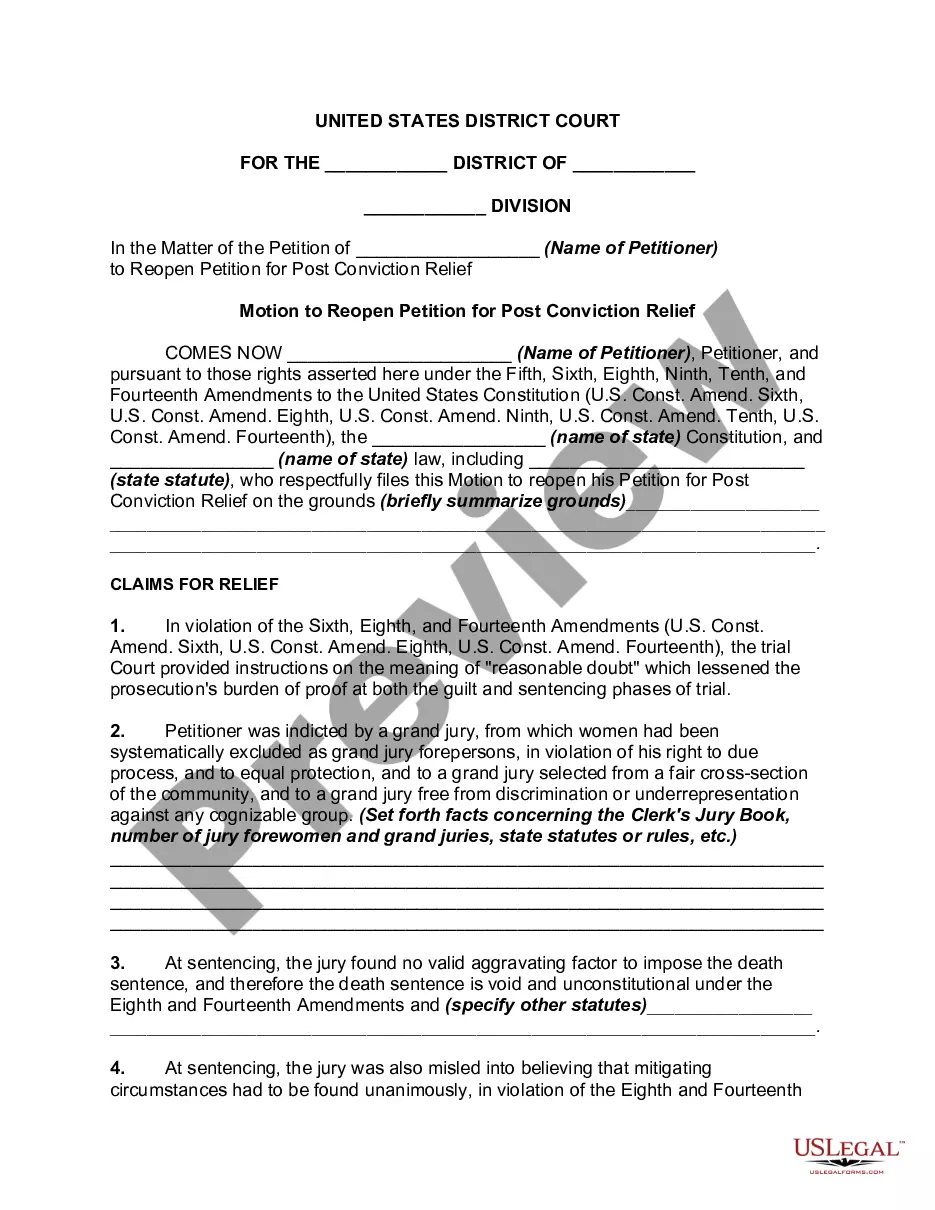
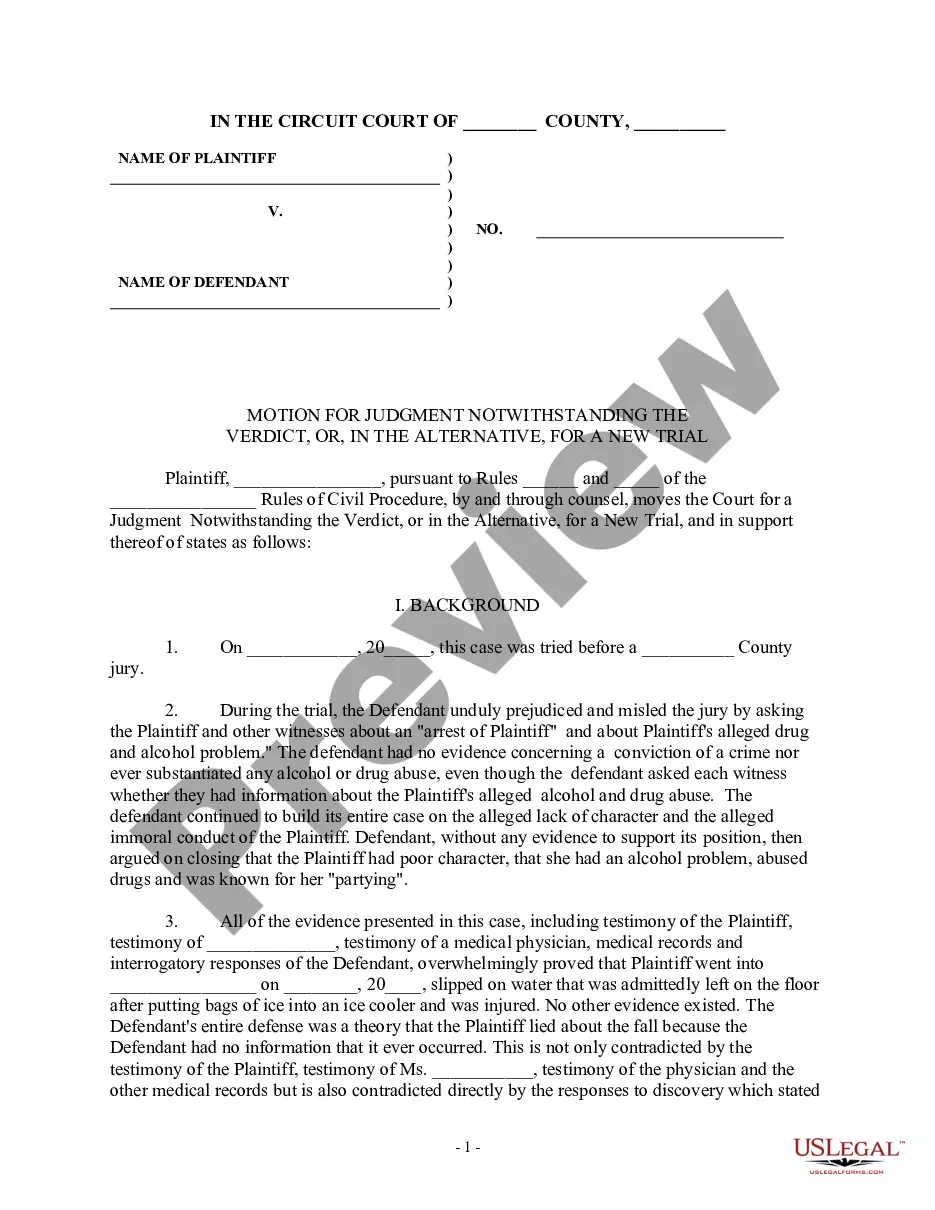
State Court Motion For Summary Judgment
Description
Get your form ready online
Our built-in tools help you complete, sign, share, and store your documents in one place.
Make edits, fill in missing information, and update formatting in US Legal Forms—just like you would in MS Word.
Download a copy, print it, send it by email, or mail it via USPS—whatever works best for your next step.
Sign and collect signatures with our SignNow integration. Send to multiple recipients, set reminders, and more. Go Premium to unlock E-Sign.
If this form requires notarization, complete it online through a secure video call—no need to meet a notary in person or wait for an appointment.
We protect your documents and personal data by following strict security and privacy standards.

Make edits, fill in missing information, and update formatting in US Legal Forms—just like you would in MS Word.

Download a copy, print it, send it by email, or mail it via USPS—whatever works best for your next step.

Sign and collect signatures with our SignNow integration. Send to multiple recipients, set reminders, and more. Go Premium to unlock E-Sign.

If this form requires notarization, complete it online through a secure video call—no need to meet a notary in person or wait for an appointment.

We protect your documents and personal data by following strict security and privacy standards.
Looking for another form?


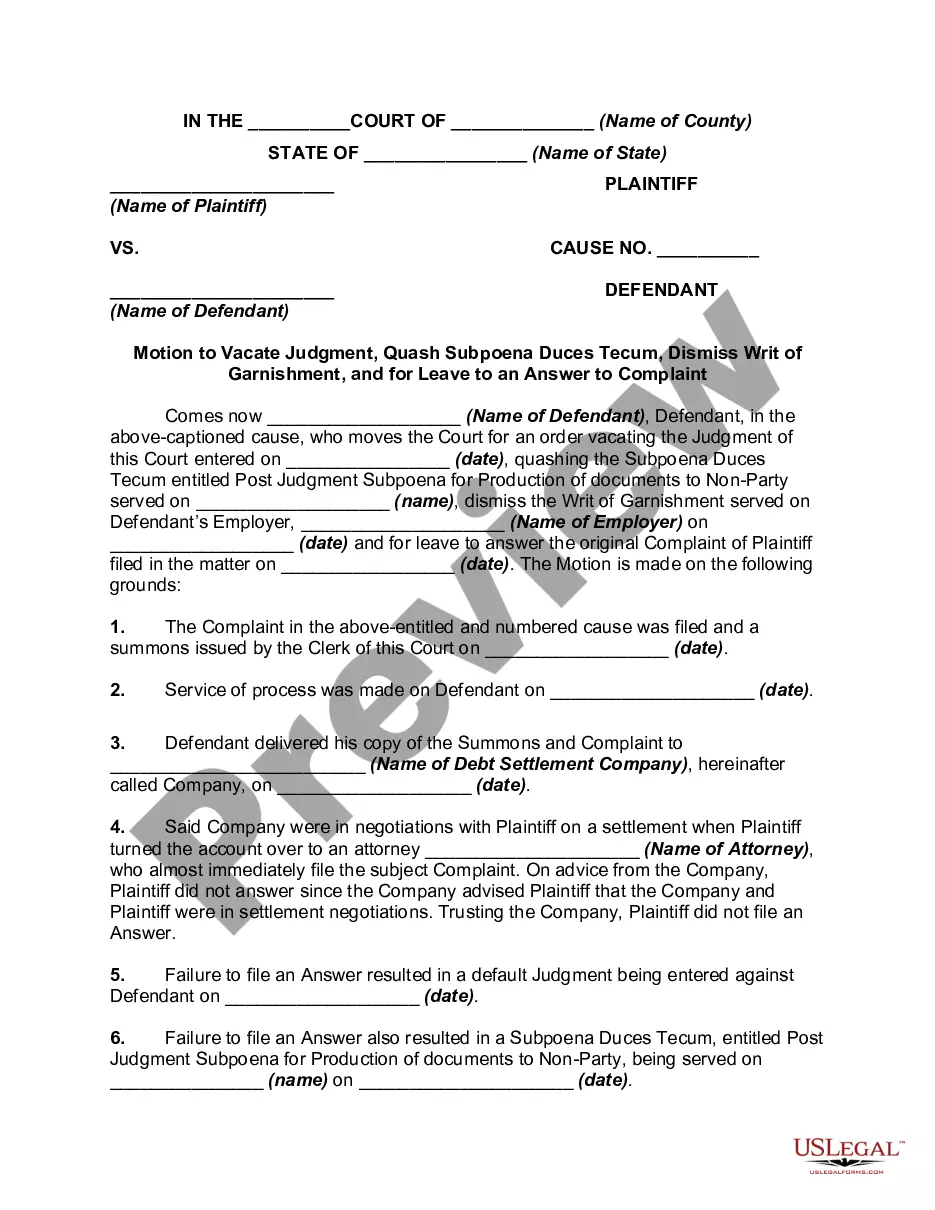



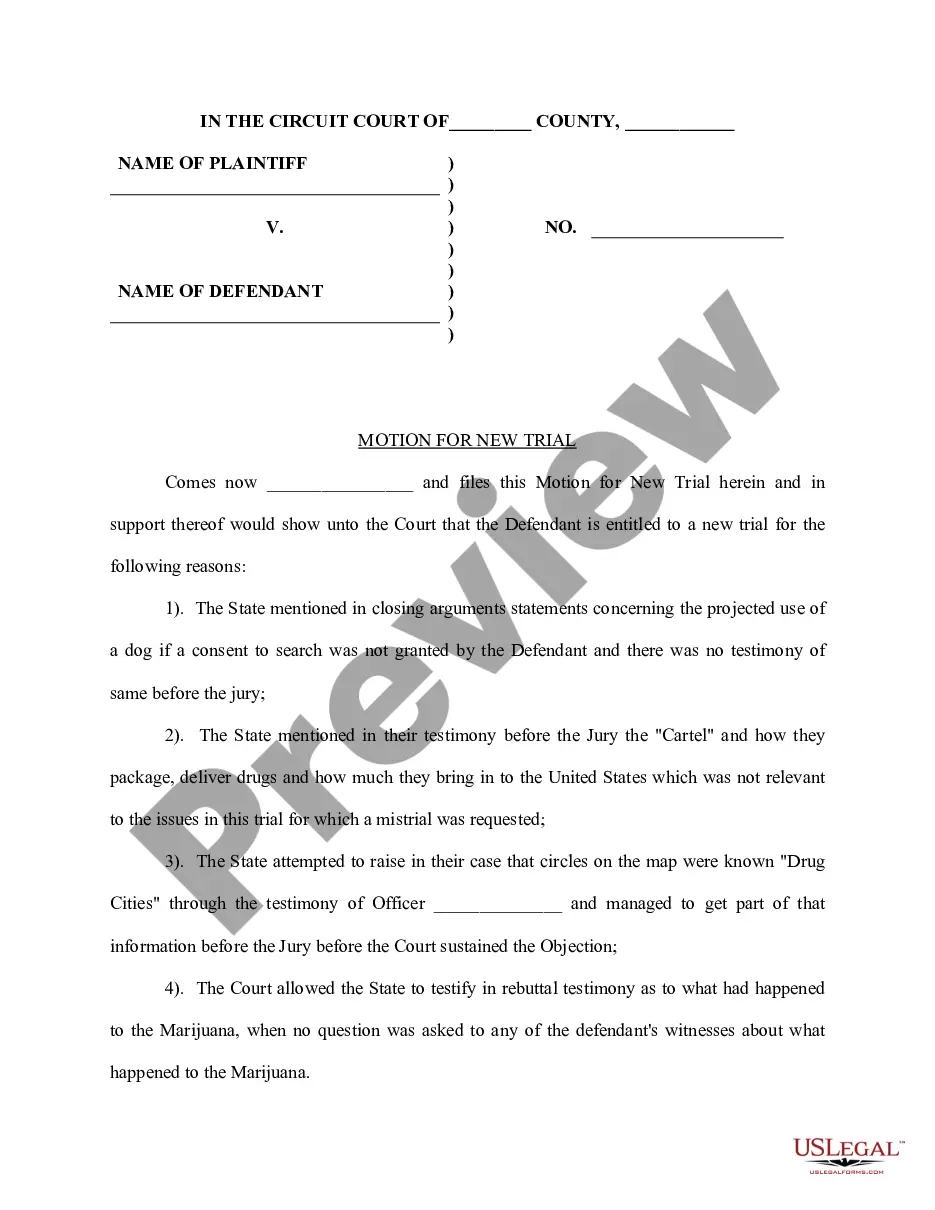
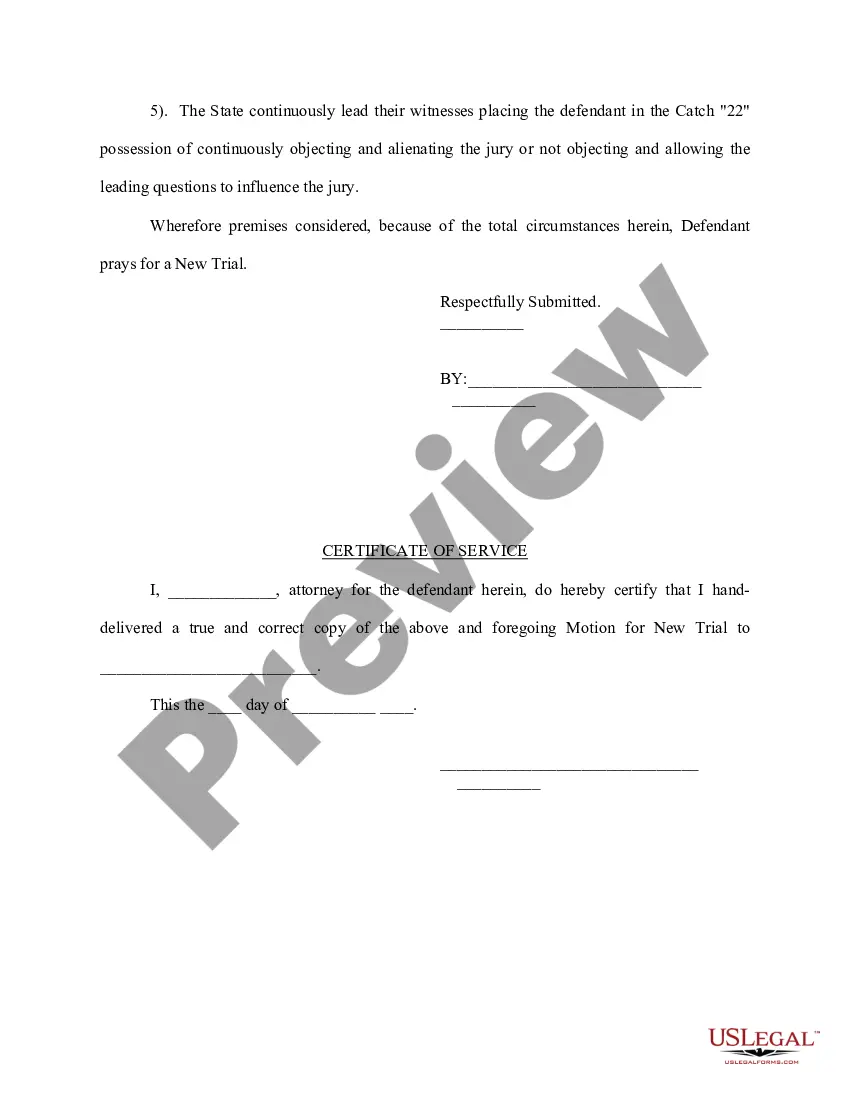
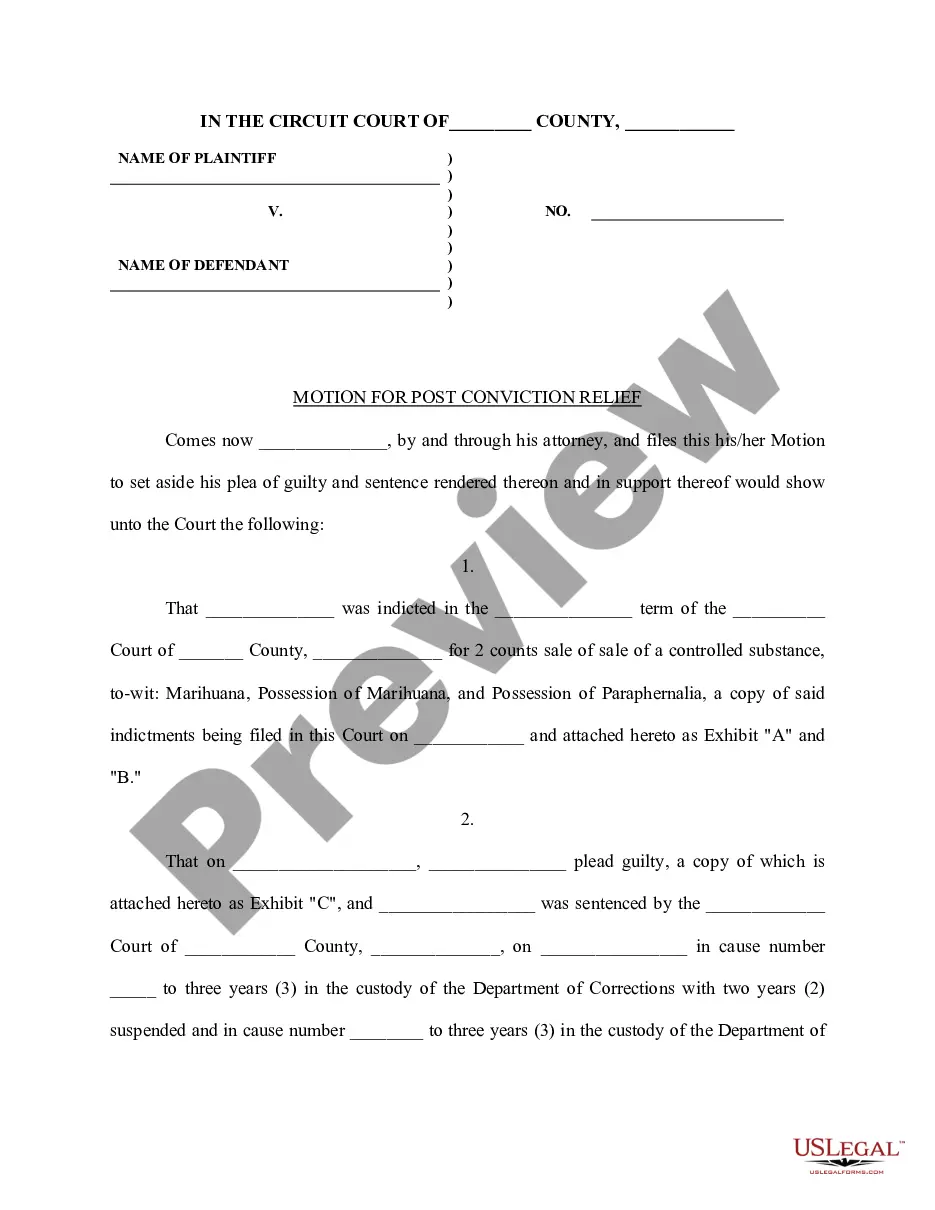
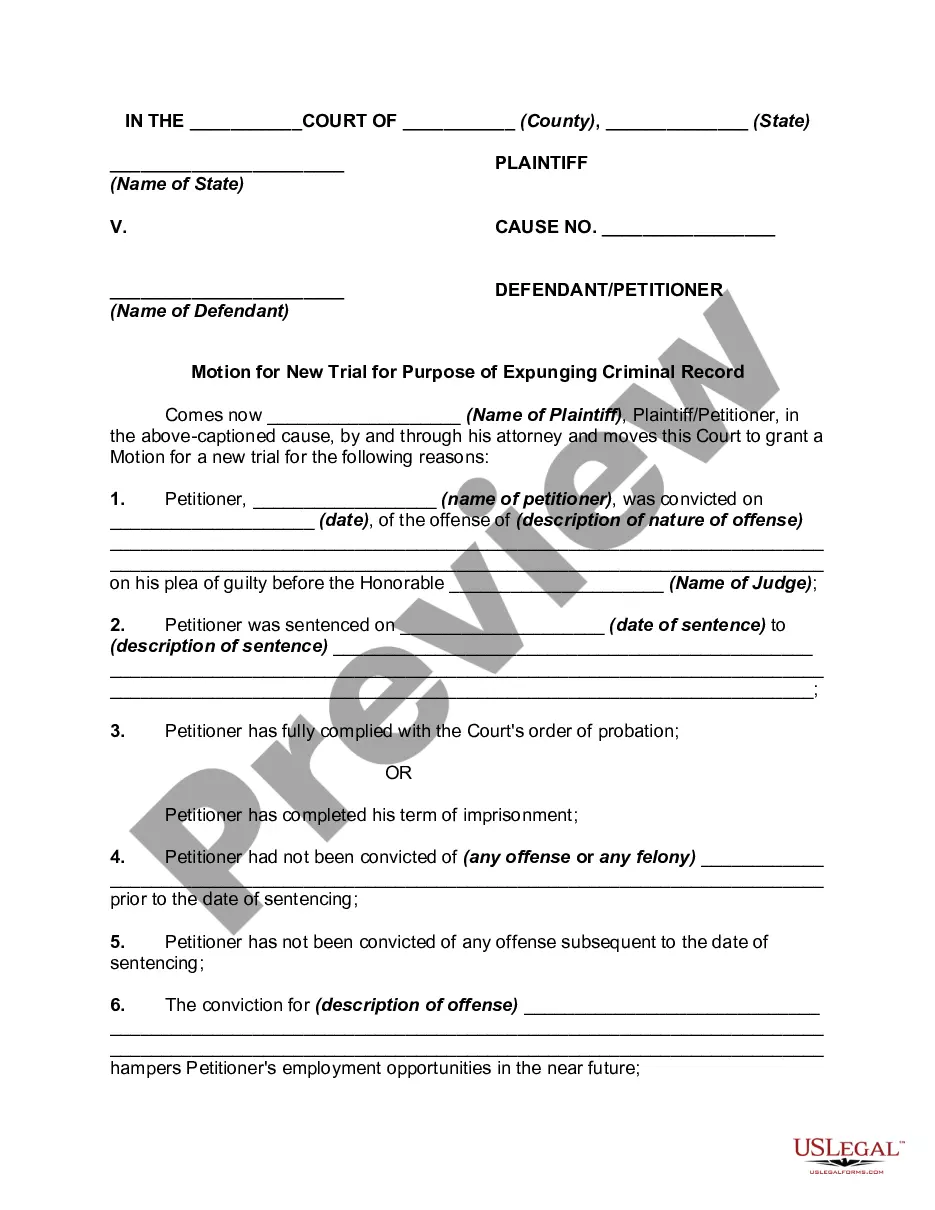
How to fill out Motion For New Trial?
It's well known that you cannot become a legal expert in a day, nor can you swiftly develop a State Court Motion For Summary Judgment without having specialized expertise.
Preparing legal papers is a labor-intensive task that necessitates distinct education and abilities. So why not entrust the drafting of the State Court Motion For Summary Judgment to the professionals.
With US Legal Forms, one of the largest collections of legal templates, you can find everything from court documents to templates for office communication.
If you need a different form, restart your search.
Create a free account and choose a subscription plan to purchase the form. Click Buy now. Once the purchase is complete, you can obtain the State Court Motion For Summary Judgment, fill it out, print it, and send or deliver it to the appropriate individuals or organizations. You can access your documents at any time from the My documents tab. If you are an existing customer, simply Log In to find and download the template from the same tab. Regardless of the purpose of your forms—whether they are financial, legal, or personal—our website has everything you need. Give US Legal Forms a try now!
- We recognize the importance of compliance with federal and local statutes and regulations.
- This is why, on our platform, all forms are tailored to specific locations and are current.
- Start by visiting our website and obtain the form you require in just a few minutes.
- Locate the document you need using the search bar at the top of the page.
- View it (if this option is available) and read the accompanying description to ascertain whether the State Court Motion For Summary Judgment meets your needs.
Form popularity
FAQ
There are several reasons to file a state court motion for summary judgment. Primarily, it allows a party to avoid the time and expense of a trial when the facts are undisputed. Additionally, it helps clarify legal issues early in the litigation process, promoting efficiency. When supported by strong evidence, this motion can lead to a swift resolution, benefiting all parties involved.
Winning a state court motion for summary judgment depends on the strength of the evidence presented. Generally, if a party can clearly demonstrate that there are no material facts in dispute, the odds improve significantly. Courts often favor summary judgment to streamline cases, especially when one side has compelling evidence. Utilizing resources like US Legal Forms can help you prepare a solid motion and increase your chances of success.
The purpose of a state court motion for summary judgment is to resolve a case without the need for a trial. This motion argues that there are no genuine disputes about the material facts, allowing the judge to decide the case based on the law. By filing this motion, parties aim to expedite the legal process and reduce litigation costs. It serves as an efficient way to achieve a favorable outcome when the evidence overwhelmingly supports one side.
Writing a sample motion for summary judgment involves outlining the key components such as the introduction, statement of facts, legal arguments, and a conclusion. Begin with a concise introduction that outlines the purpose of your motion, followed by a detailed statement of facts supported by evidence. Use clear, logical reasoning in your legal arguments to demonstrate why the court should grant your motion. For further assistance, UsLegalForms offers templates and guidelines to help you draft an effective state court motion for summary judgment.
To write a good motion for summary judgment, start by clearly stating the basis for your motion and the relevant facts that support your argument. It's essential to include citations to applicable laws and precedents to substantiate your claims. Additionally, ensure your motion addresses counterarguments and clearly outlines why a trial is unnecessary. Utilizing resources from UsLegalForms can help you craft a well-structured state court motion for summary judgment.
An example of a summary judgment occurs when a judge rules in favor of one party without the case going to trial. This often happens when there is no genuine dispute over the material facts of the case. For instance, if there is clear evidence that a contract was breached, a state court motion for summary judgment can lead to a favorable decision for the non-breaching party. This process saves time and resources for all parties involved.
The requirements for a motion for summary judgment include presenting a clear statement of undisputed facts, legal arguments, and evidence supporting the claims. This documentation must comply with the local rules of the court. Using resources like USLegalForms can help streamline the process and ensure you meet all necessary requirements for your motion.
In a state court motion for summary judgment, various forms of evidence can be utilized, including affidavits, photographs, and official documents. Testimonial evidence may also support the motion, as long as it is admissible under the law. The key is to provide clear, unambiguous evidence that supports the argument for summary judgment.
Common grounds for summary judgment include lack of evidence, failure to establish essential elements of a claim, or applicable legal defenses that eliminate the need for a trial. For instance, if the opposing party cannot produce sufficient evidence to support their claims, it strengthens the case for summary judgment. This is a strategic move in the pursuit of a favorable ruling.
The timeline for filing a state court motion for summary judgment varies by jurisdiction. Generally, it is advisable to file the motion within a specific period before the trial date. Be sure to check local rules to ensure compliance with deadlines, as missing a deadline could affect your case.