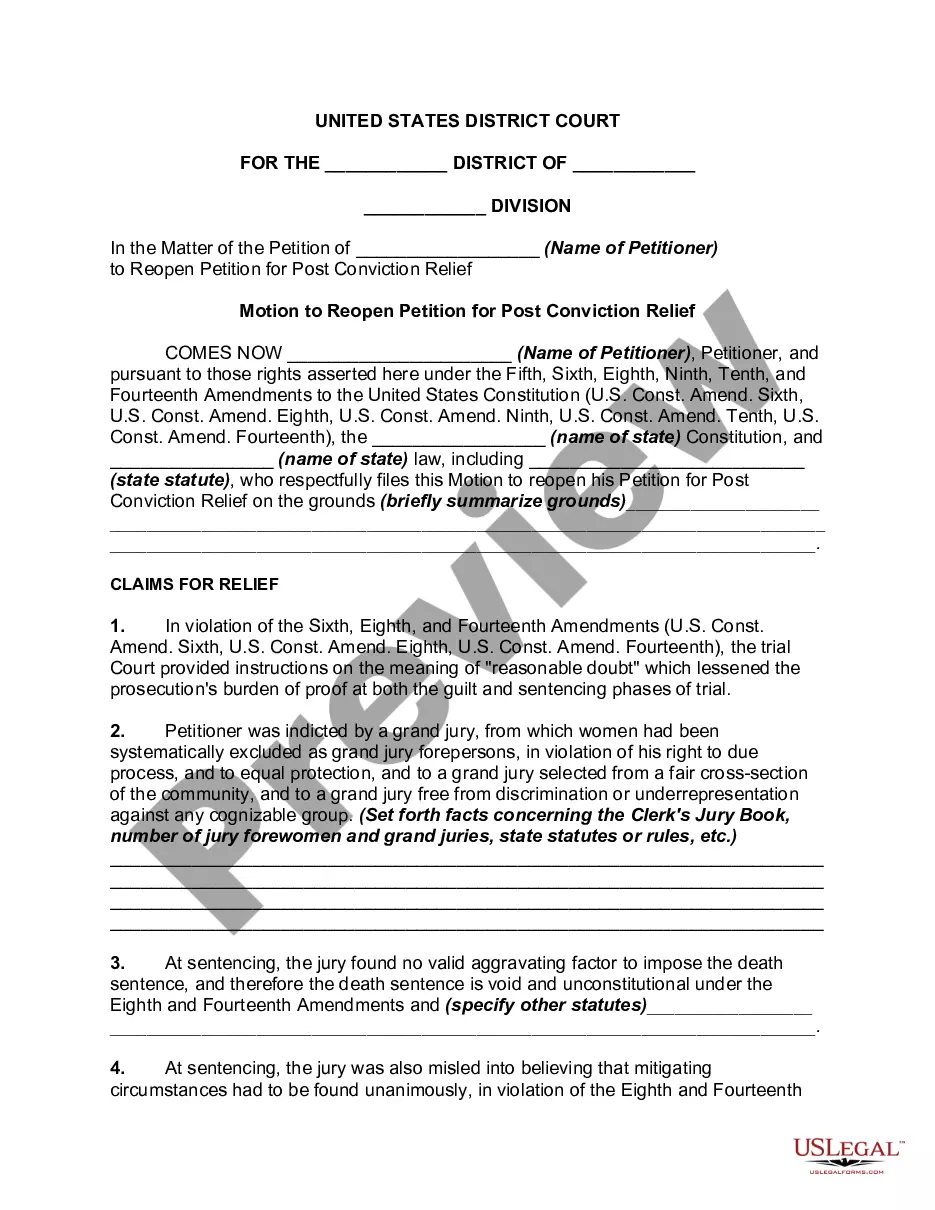
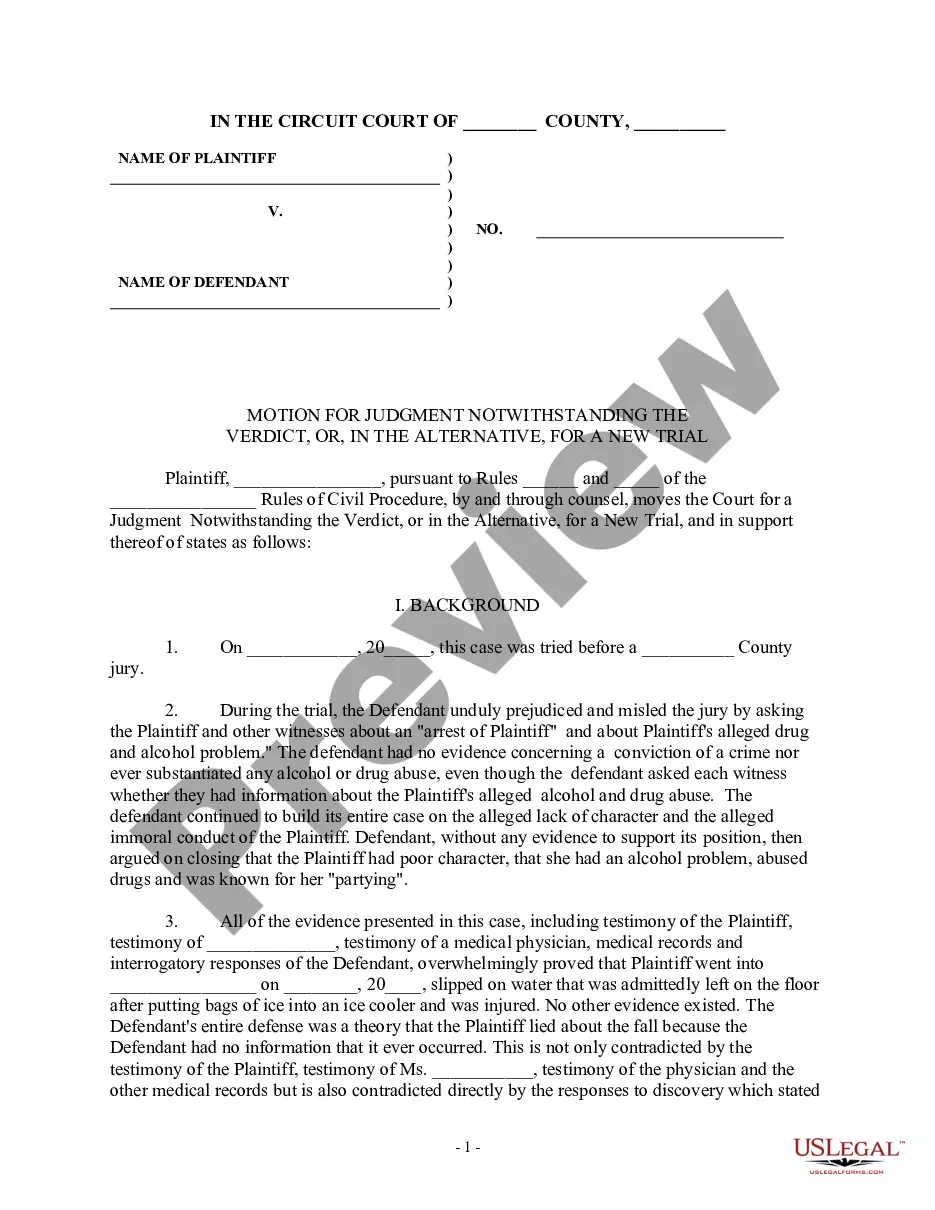
Motion For A New Trial Sample For Job
Description
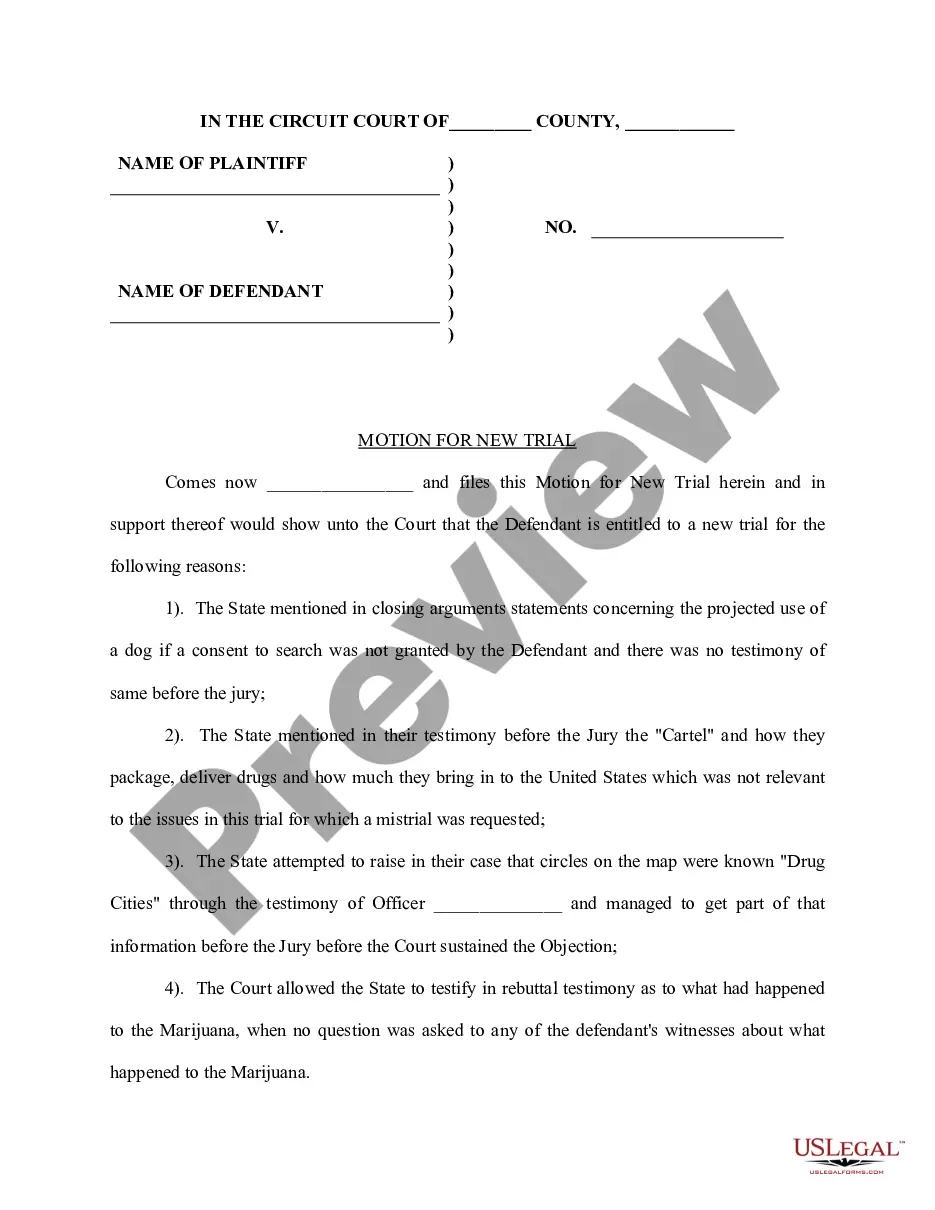
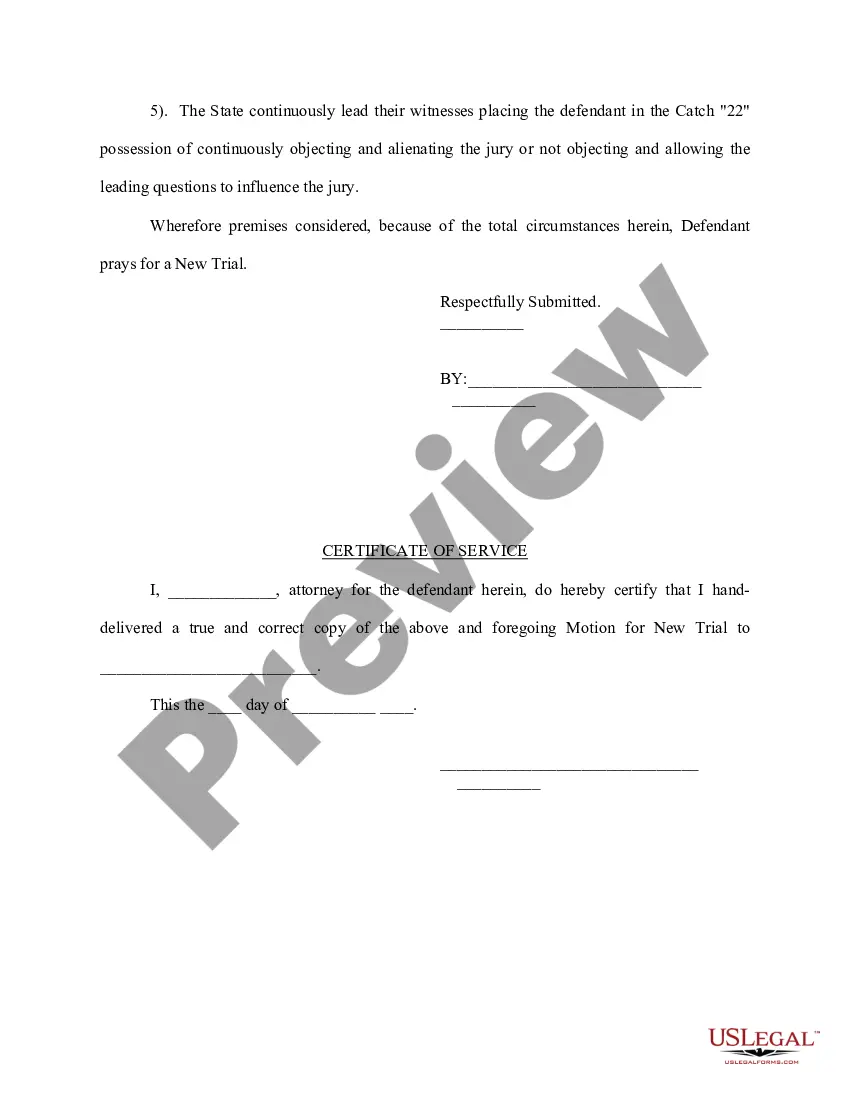
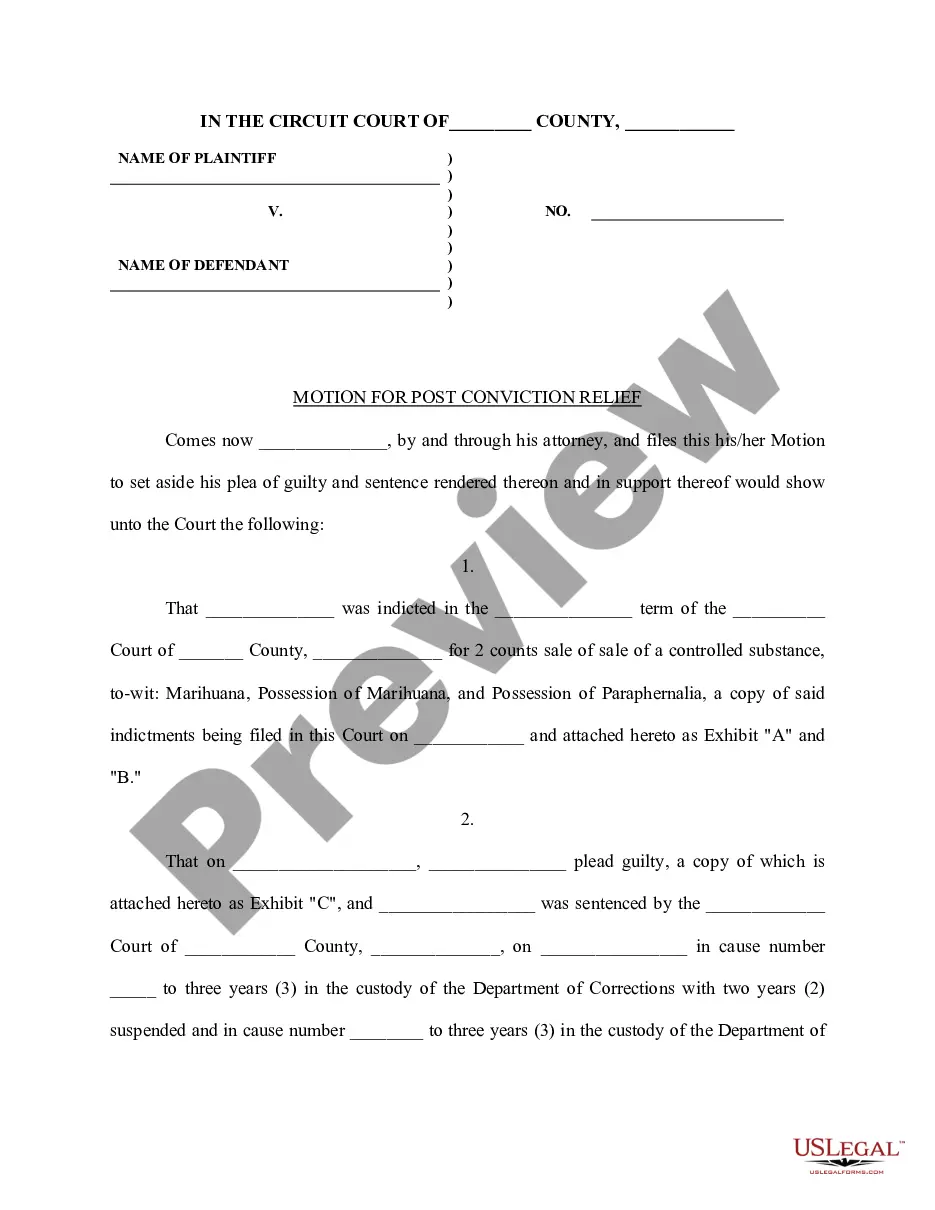
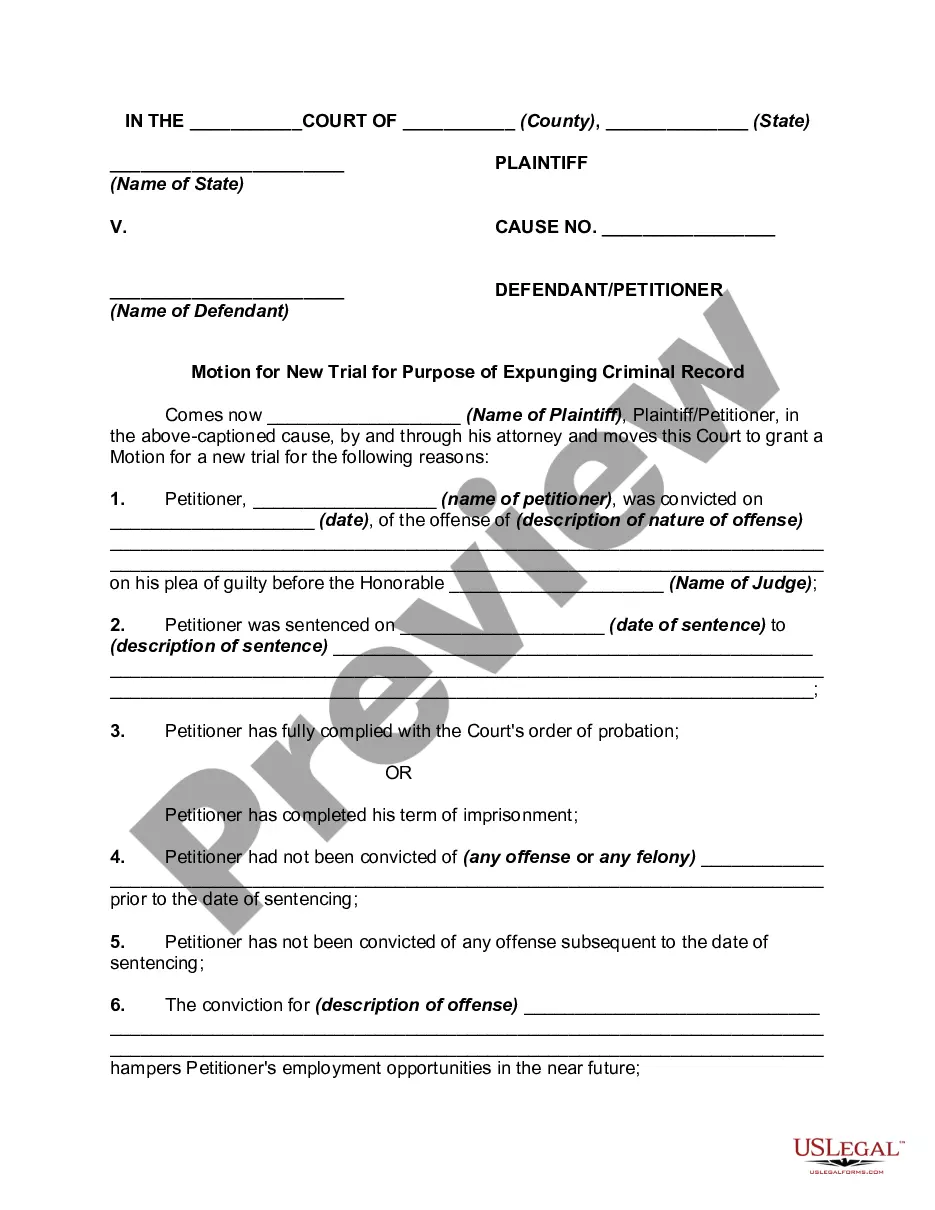
Get your form ready online
Our built-in tools help you complete, sign, share, and store your documents in one place.
Make edits, fill in missing information, and update formatting in US Legal Forms—just like you would in MS Word.
Download a copy, print it, send it by email, or mail it via USPS—whatever works best for your next step.
Sign and collect signatures with our SignNow integration. Send to multiple recipients, set reminders, and more. Go Premium to unlock E-Sign.
If this form requires notarization, complete it online through a secure video call—no need to meet a notary in person or wait for an appointment.
We protect your documents and personal data by following strict security and privacy standards.

Make edits, fill in missing information, and update formatting in US Legal Forms—just like you would in MS Word.

Download a copy, print it, send it by email, or mail it via USPS—whatever works best for your next step.

Sign and collect signatures with our SignNow integration. Send to multiple recipients, set reminders, and more. Go Premium to unlock E-Sign.

If this form requires notarization, complete it online through a secure video call—no need to meet a notary in person or wait for an appointment.

We protect your documents and personal data by following strict security and privacy standards.
Looking for another form?

How to fill out Motion For New Trial?
Whether for commercial purposes or personal matters, everyone must deal with legal circumstances at some point in their lives.
Filling out legal documents requires meticulous attention, starting with selecting the correct template.
Once it is saved, you can complete the form using editing software or print it out and fill it manually. With a comprehensive US Legal Forms catalog available, you won’t need to waste time searching for the right template online. Utilize the library’s easy navigation to find the correct template for any situation.
- For instance, if you select an incorrect version of the Motion For A New Trial Sample For Job, it will be declined when submitted.
- Thus, it is essential to have a trustworthy source of legal documents like US Legal Forms.
- If you need to acquire a Motion For A New Trial Sample For Job template, follow these straightforward steps.
- Locate the template you need using the search bar or catalog navigation.
- Review the form’s details to verify it suits your circumstances, state, and region.
- Click on the form’s preview to view it.
- If it is the incorrect document, return to the search function to find the Motion For A New Trial Sample For Job template you seek.
- Download the template once it meets your requirements.
- If you already possess a US Legal Forms account, simply click Log in to access previously saved documents in My documents.
- In case you do not have an account yet, you can acquire the form by clicking Buy now.
- Select the suitable pricing option.
- Complete the profile registration form.
- Choose your payment method: utilize a credit card or PayPal account.
- Select the document format you prefer and download the Motion For A New Trial Sample For Job.
Form popularity
FAQ
The grounds for granting a motion for a new trial include a significant error of law, verdict going against the weight of evidence, irregularity in the court proceeding, jury misconduct, newly discovered material evidence, and improper damages.
For example, a party can make a motion to ask to allow him or her not to give the other side the discovery that was asked for. If a party thinks that a subpoena asks for documents that have nothing to do with the case, or asks for too much information, the party can make a motion to quash the subpoena.
Be as persuasive as possible as you write your motion in a sequential, logical format. Express your ideas clearly, and make sure you outline what steps are necessary and how they will help your case. Use facts of the case whenever you can to avoid baseless emotional appeals.
There are several different types of post-judgment motions, but the most common are motions for new trial, motions to vacate, and motions to set-aside. Motions for new trial, motions to vacate, and motions to set-aside are the three most common post-judgment motions.
Common post-trial motions include: Motion for a New Trial ? The court can vacate the judgment and allow for a new trial. ... Motion for Judgment of Acquittal ? Court may set aside the jury's verdict and allow the defendant to go free.