Different Court Motion Without Attorney
Description
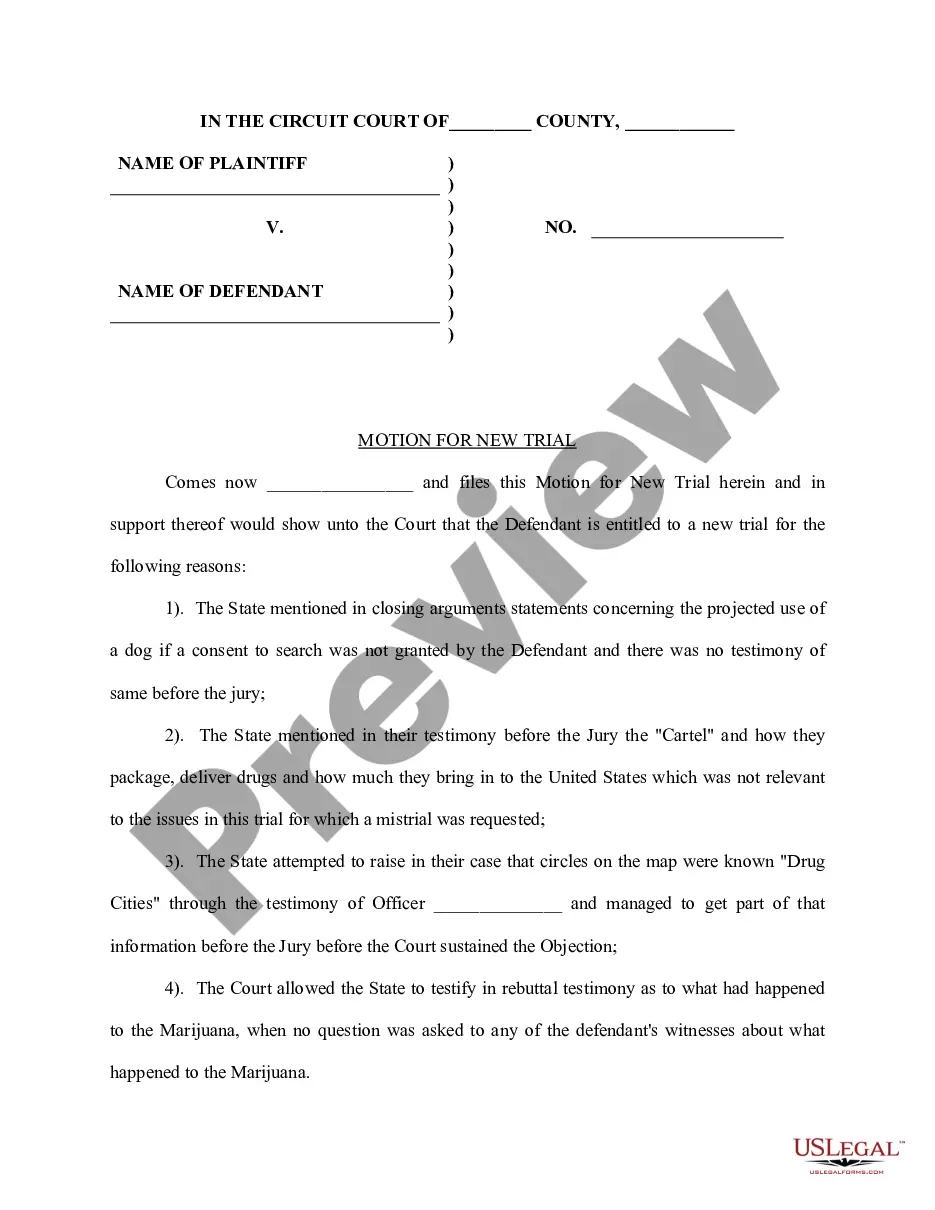
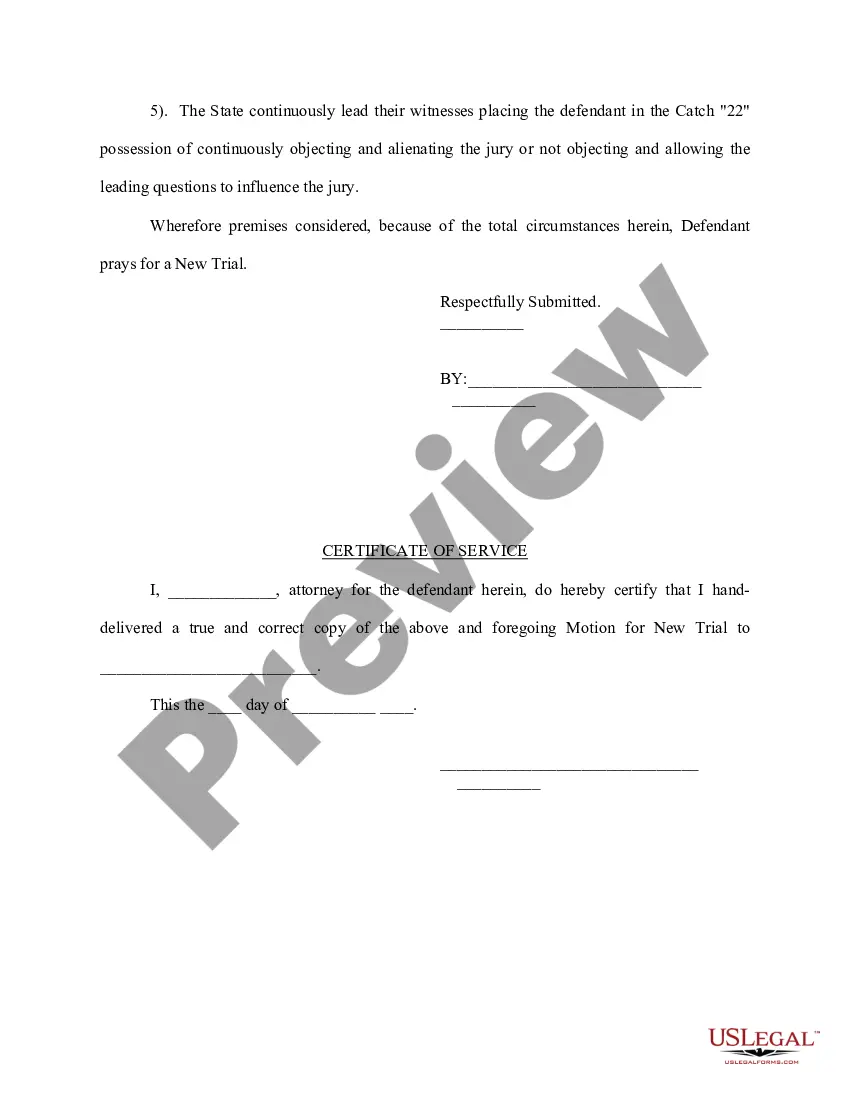
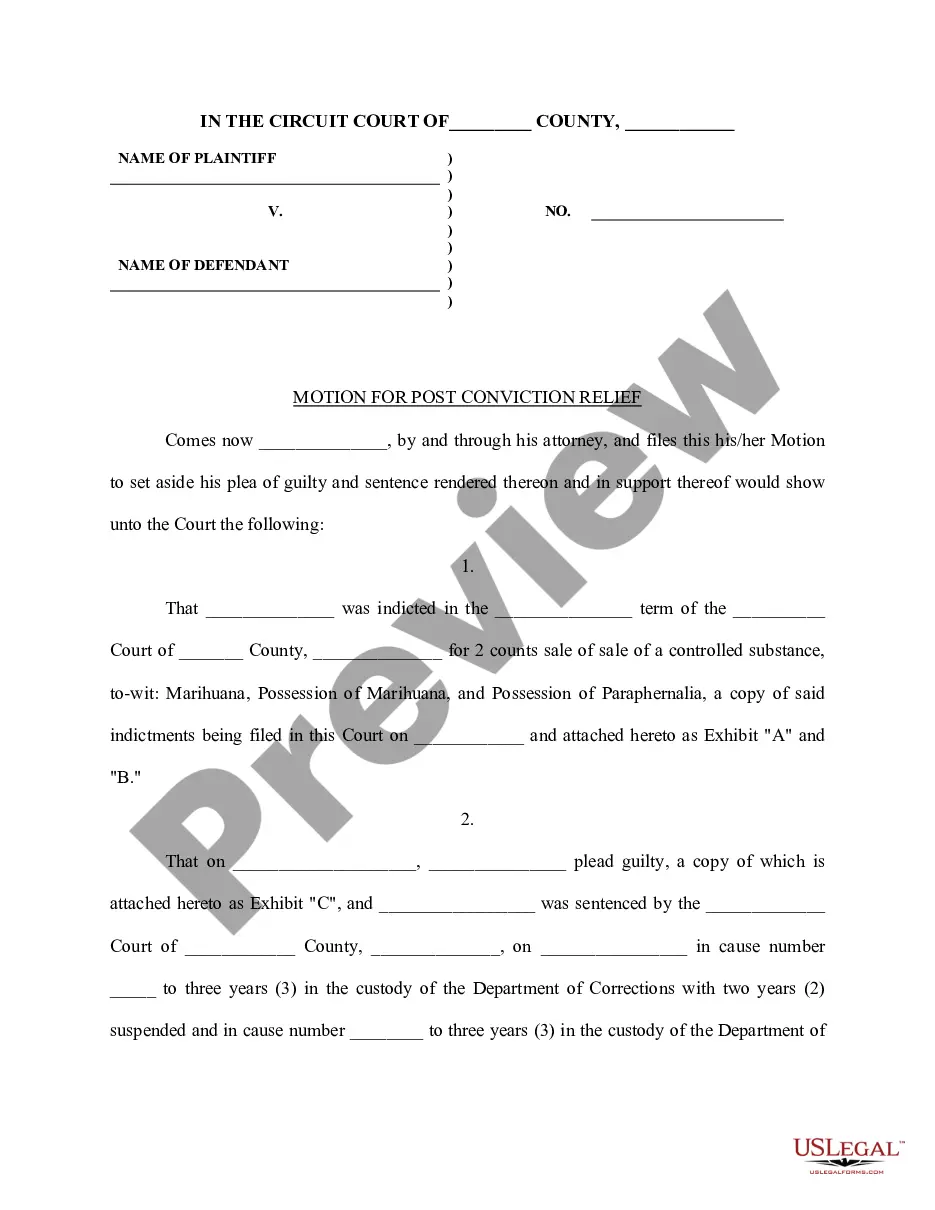
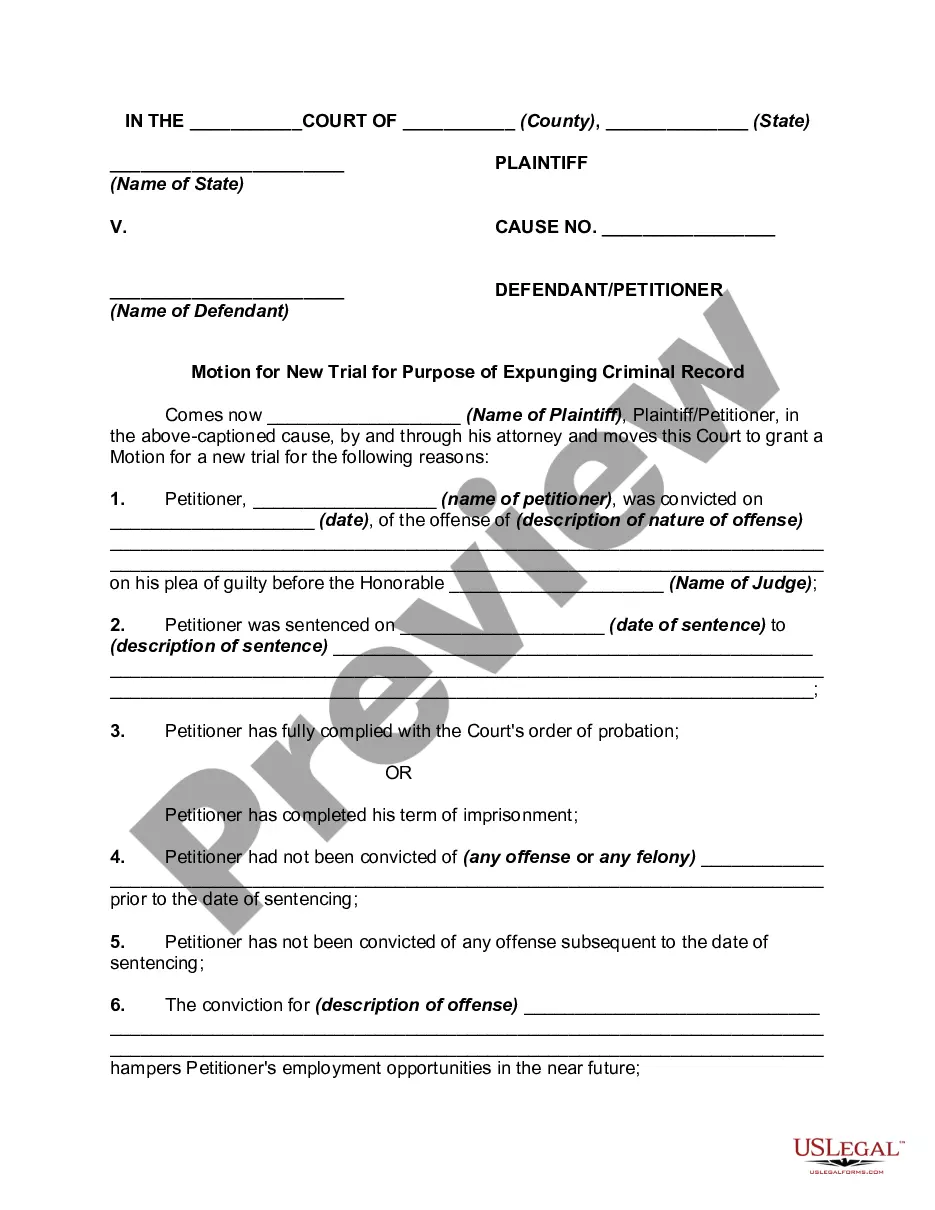
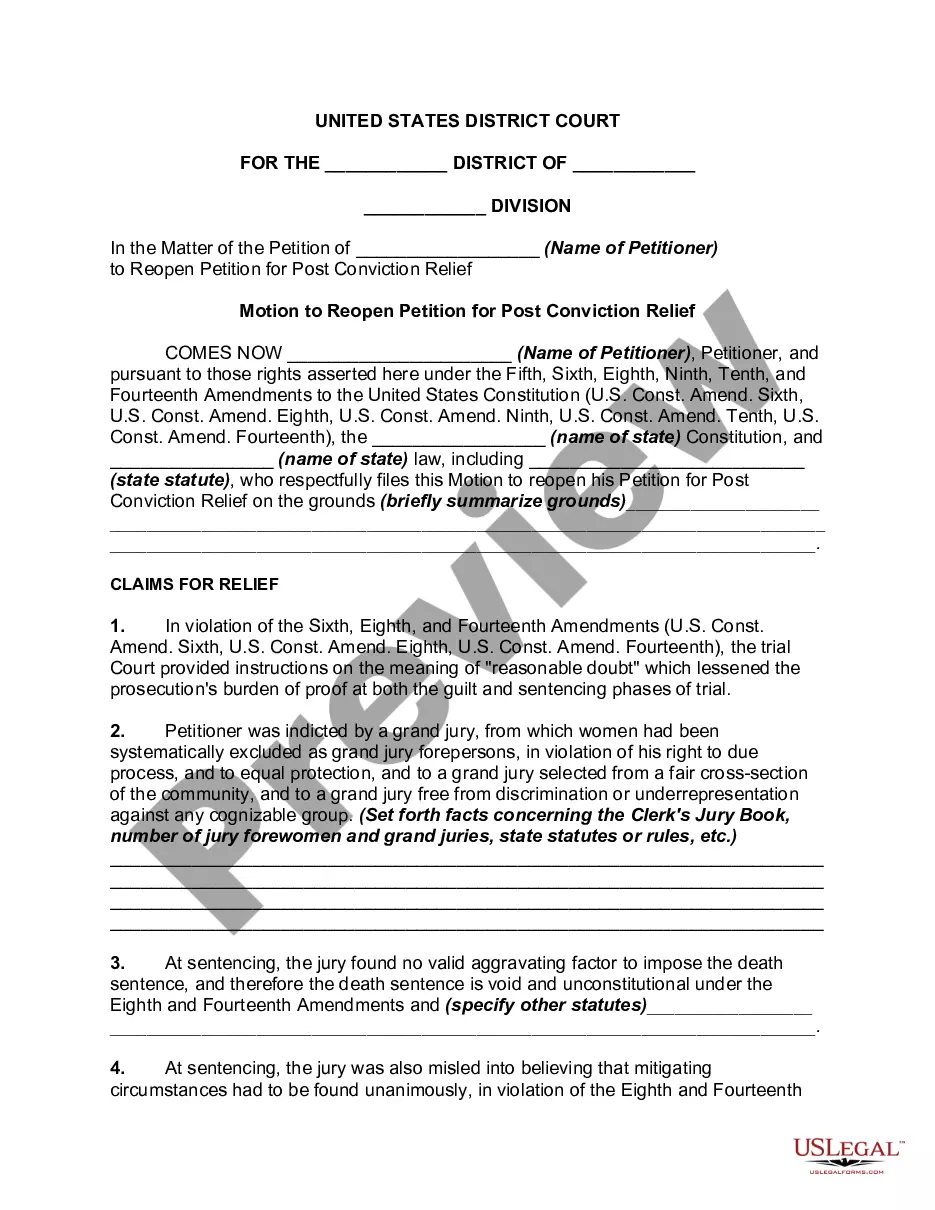
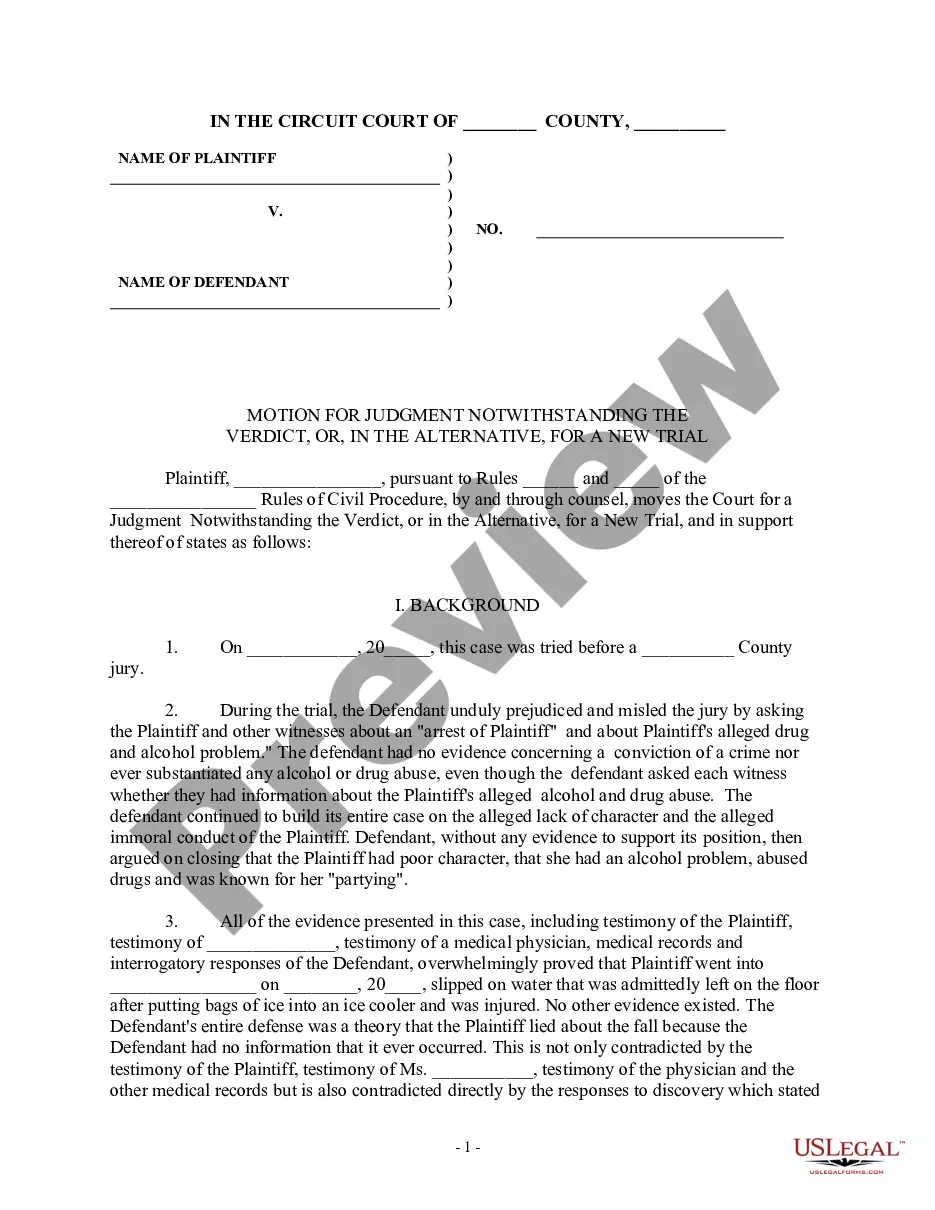
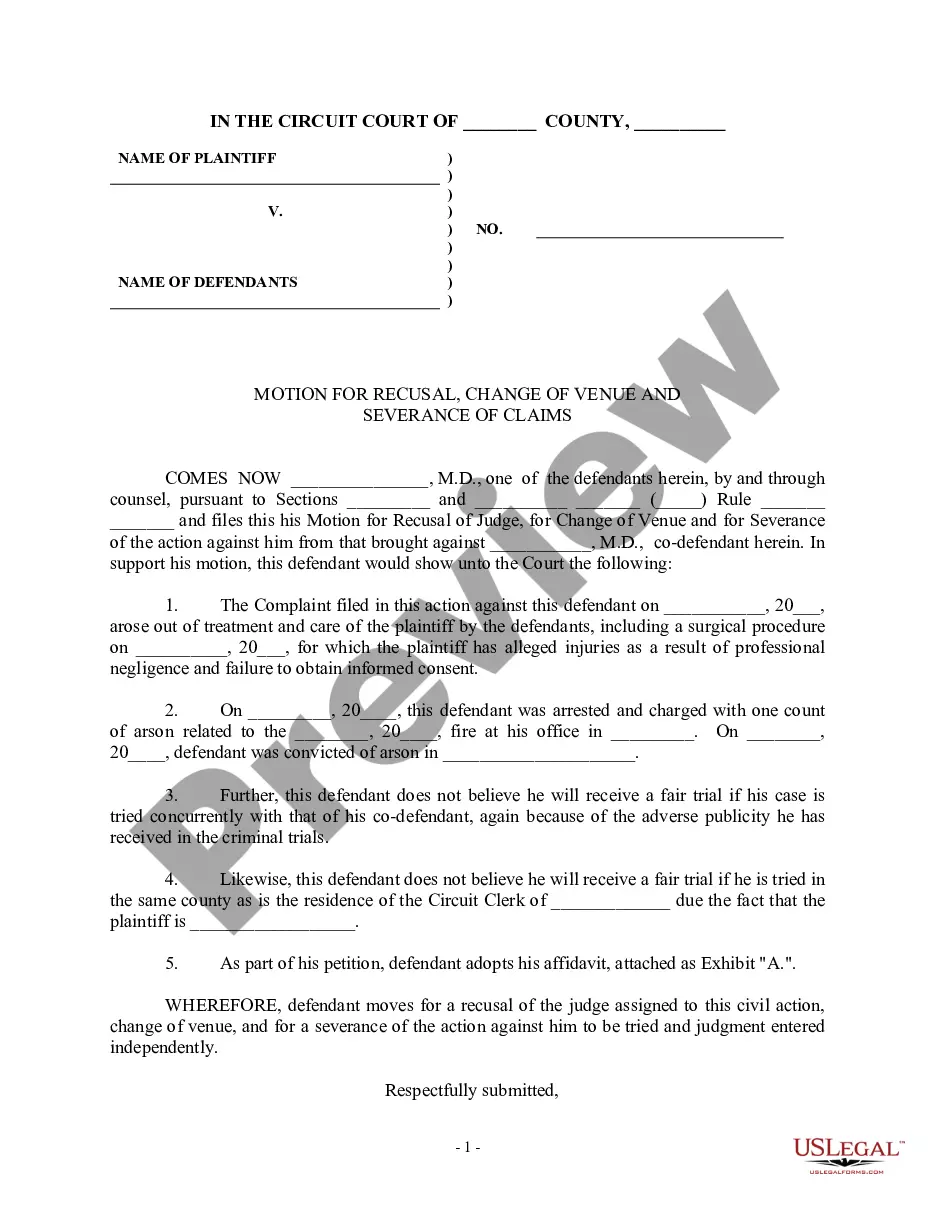
Get your form ready online
Our built-in tools help you complete, sign, share, and store your documents in one place.
Make edits, fill in missing information, and update formatting in US Legal Forms—just like you would in MS Word.
Download a copy, print it, send it by email, or mail it via USPS—whatever works best for your next step.
Sign and collect signatures with our SignNow integration. Send to multiple recipients, set reminders, and more. Go Premium to unlock E-Sign.
If this form requires notarization, complete it online through a secure video call—no need to meet a notary in person or wait for an appointment.
We protect your documents and personal data by following strict security and privacy standards.

Make edits, fill in missing information, and update formatting in US Legal Forms—just like you would in MS Word.

Download a copy, print it, send it by email, or mail it via USPS—whatever works best for your next step.

Sign and collect signatures with our SignNow integration. Send to multiple recipients, set reminders, and more. Go Premium to unlock E-Sign.

If this form requires notarization, complete it online through a secure video call—no need to meet a notary in person or wait for an appointment.

We protect your documents and personal data by following strict security and privacy standards.
Looking for another form?



How to fill out Motion For New Trial?
Whether for commercial reasons or for personal matters, everyone must manage legal situations at some stage in their life.
Completing legal documentation requires meticulous attention, starting from choosing the correct form template.
With a vast US Legal Forms catalog available, you never have to waste time searching for the right template online. Utilize the library’s easy navigation to obtain the proper form for any occasion.
- For example, if you select an incorrect version of a Different Court Motion Without Attorney, it will be rejected upon submission.
- Thus, it is crucial to find a trustworthy source of legal documents like US Legal Forms.
- If you need to acquire a Different Court Motion Without Attorney template, follow these straightforward steps.
- Locate the template you require using the search box or catalog navigation.
- Review the form’s details to ensure it corresponds to your situation, state, and area.
- Click on the form’s preview to inspect it.
- If it is the wrong document, return to the search function to find the Different Court Motion Without Attorney sample you need.
- Download the template if it fulfills your requirements.
- If you have a US Legal Forms account, click Log in to access previously saved documents in My documents.
- If you do not have an account yet, you may acquire the form by clicking Buy now.
- Select the appropriate pricing option.
- Complete the profile registration form.
- Choose your payment method: you can use a credit card or PayPal account.
- Select the file format you prefer and download the Different Court Motion Without Attorney.
- Once it is downloaded, you can fill out the form using editing software or print it and complete it manually.
Form popularity
FAQ
How to Write a Kick-Ass Motion Make an Outline. ... Keep Your Motion Simple. ... Maintain Credibility. ... Mind Your Citations. ... Focus on Facts. ... Keep Your Intro Short. ... Respect the Opposition. ... Write in English, Not Legalese.
Motion to dismiss. ... Discovery motions. ... Motion to compel. ... Motion to strike. ... Motion for summary judgment. ... Motion for a directed verdict. ... Motion for nolle prosequi. ... Motion in Limine.
There are several different types of post-judgment motions, but the most common are motions for new trial, motions to vacate, and motions to set-aside. Motions for new trial, motions to vacate, and motions to set-aside are the three most common post-judgment motions.
Latin for "of one's own ; voluntarily." Used to indicate that a court has taken notice of an issue on its own motion without prompting or suggestion from either party. As a general rule, where grounds for dismissal exist, an action is subject to dismissal on a court's own motion.