Necessary Fair Trial For Juveniles
Description


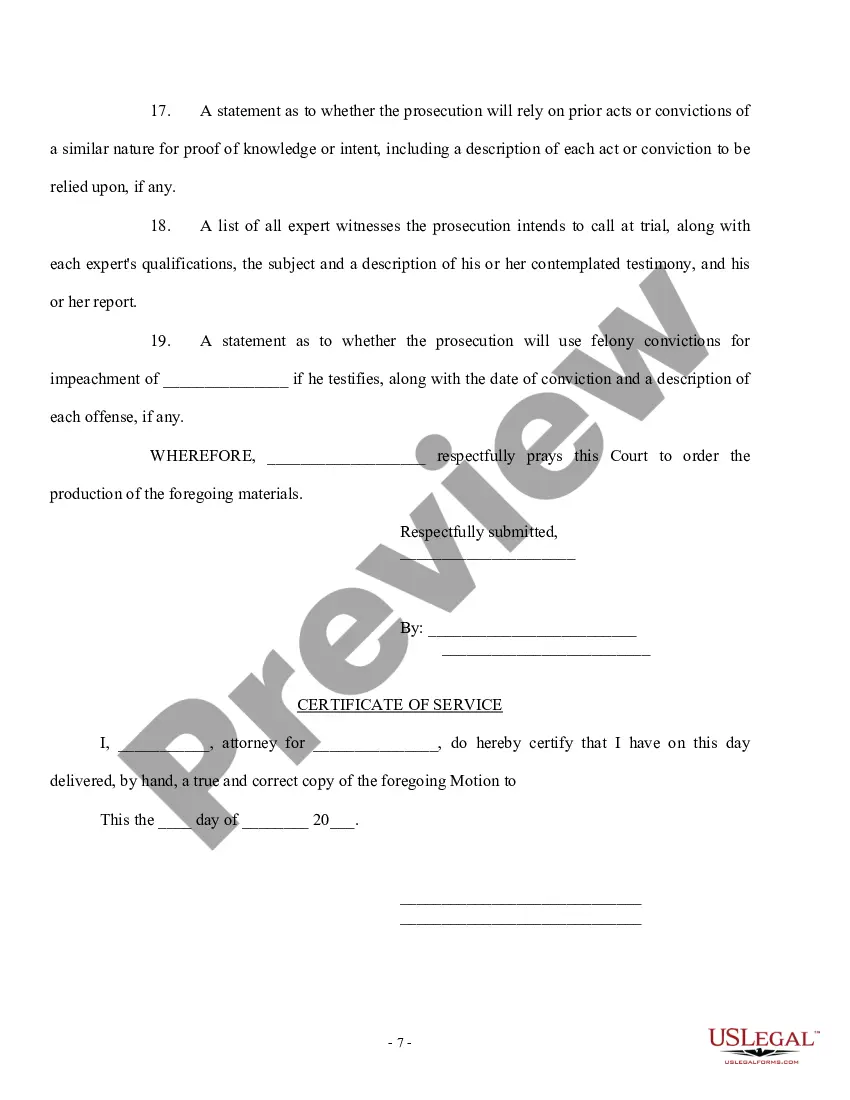
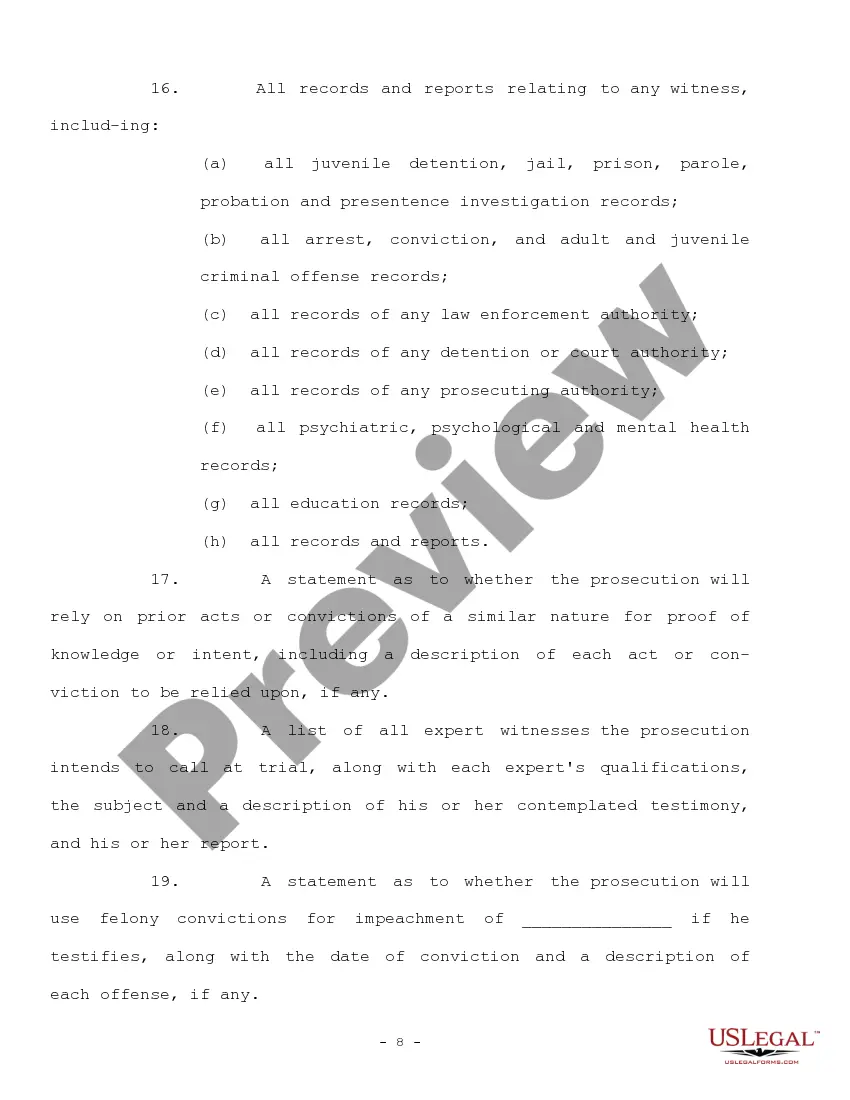

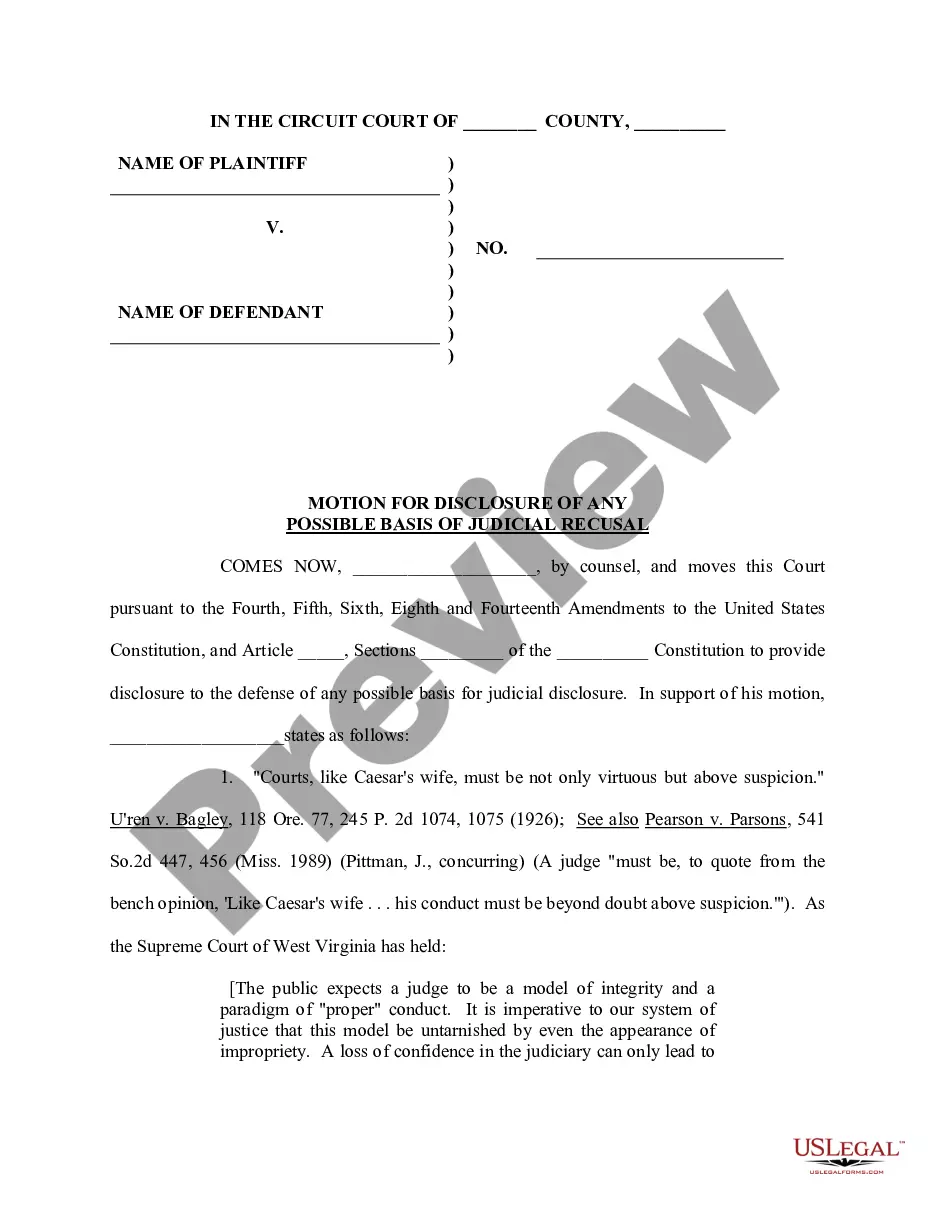
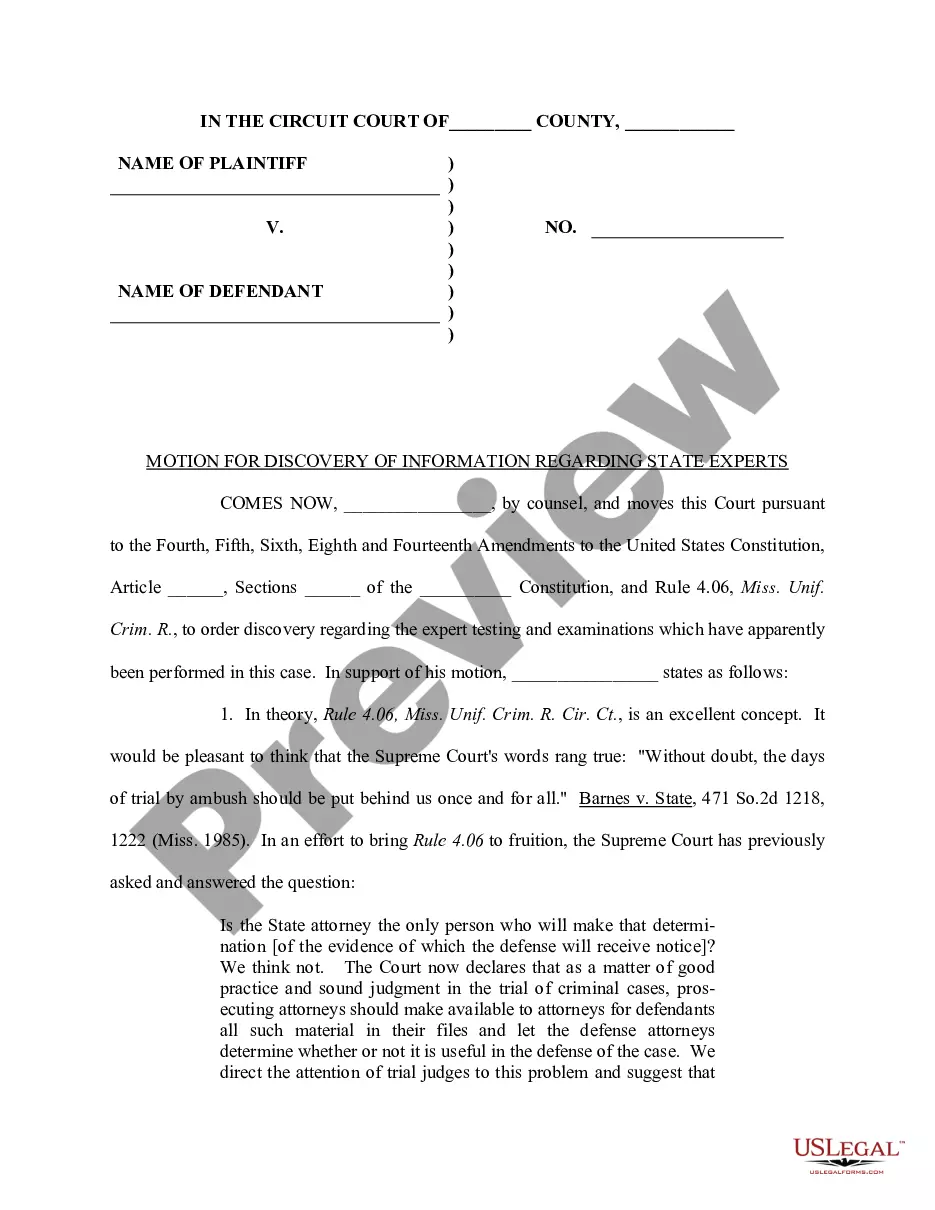
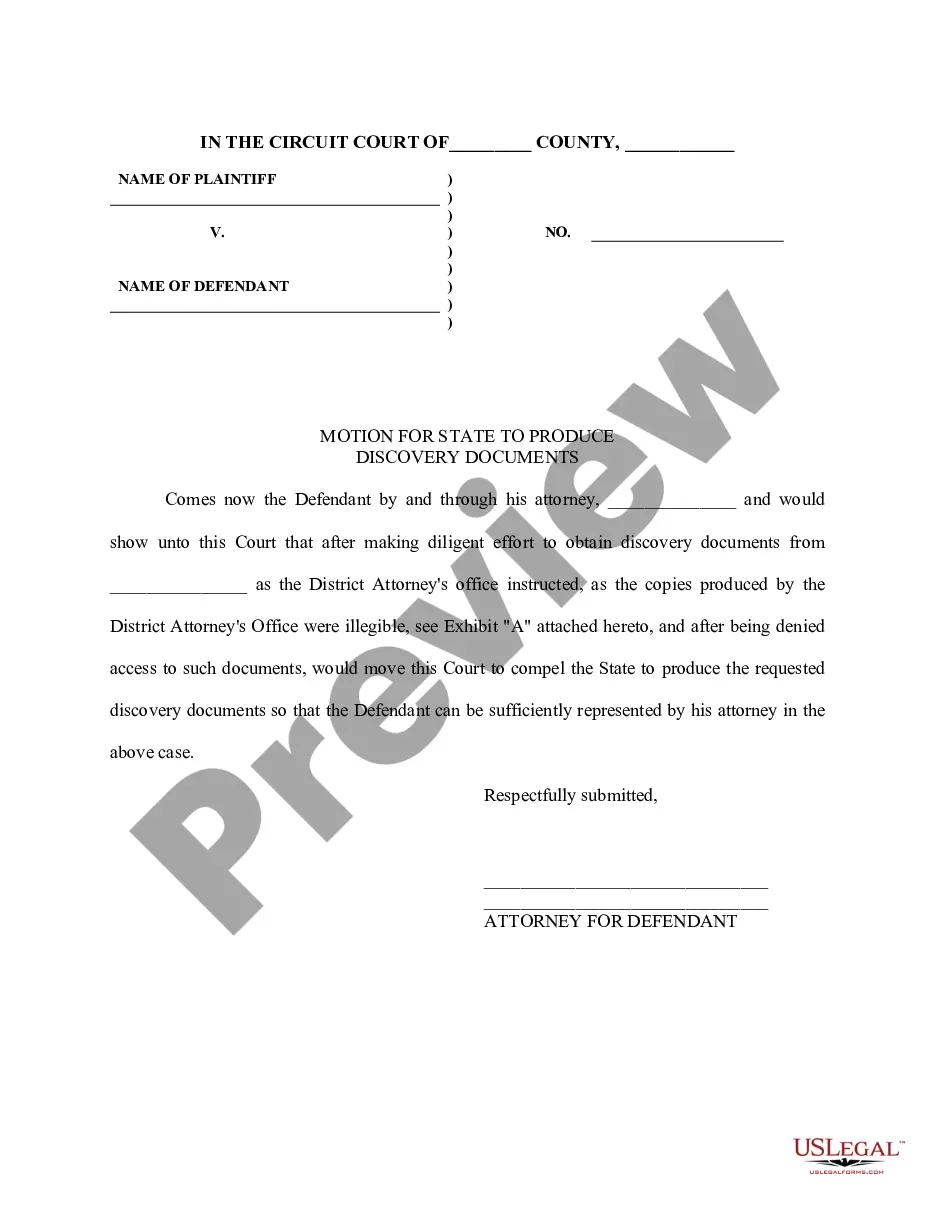
Get your form ready online
Our built-in tools help you complete, sign, share, and store your documents in one place.
Make edits, fill in missing information, and update formatting in US Legal Forms—just like you would in MS Word.
Download a copy, print it, send it by email, or mail it via USPS—whatever works best for your next step.
Sign and collect signatures with our SignNow integration. Send to multiple recipients, set reminders, and more. Go Premium to unlock E-Sign.
If this form requires notarization, complete it online through a secure video call—no need to meet a notary in person or wait for an appointment.
We protect your documents and personal data by following strict security and privacy standards.

Make edits, fill in missing information, and update formatting in US Legal Forms—just like you would in MS Word.

Download a copy, print it, send it by email, or mail it via USPS—whatever works best for your next step.

Sign and collect signatures with our SignNow integration. Send to multiple recipients, set reminders, and more. Go Premium to unlock E-Sign.

If this form requires notarization, complete it online through a secure video call—no need to meet a notary in person or wait for an appointment.

We protect your documents and personal data by following strict security and privacy standards.
Looking for another form?








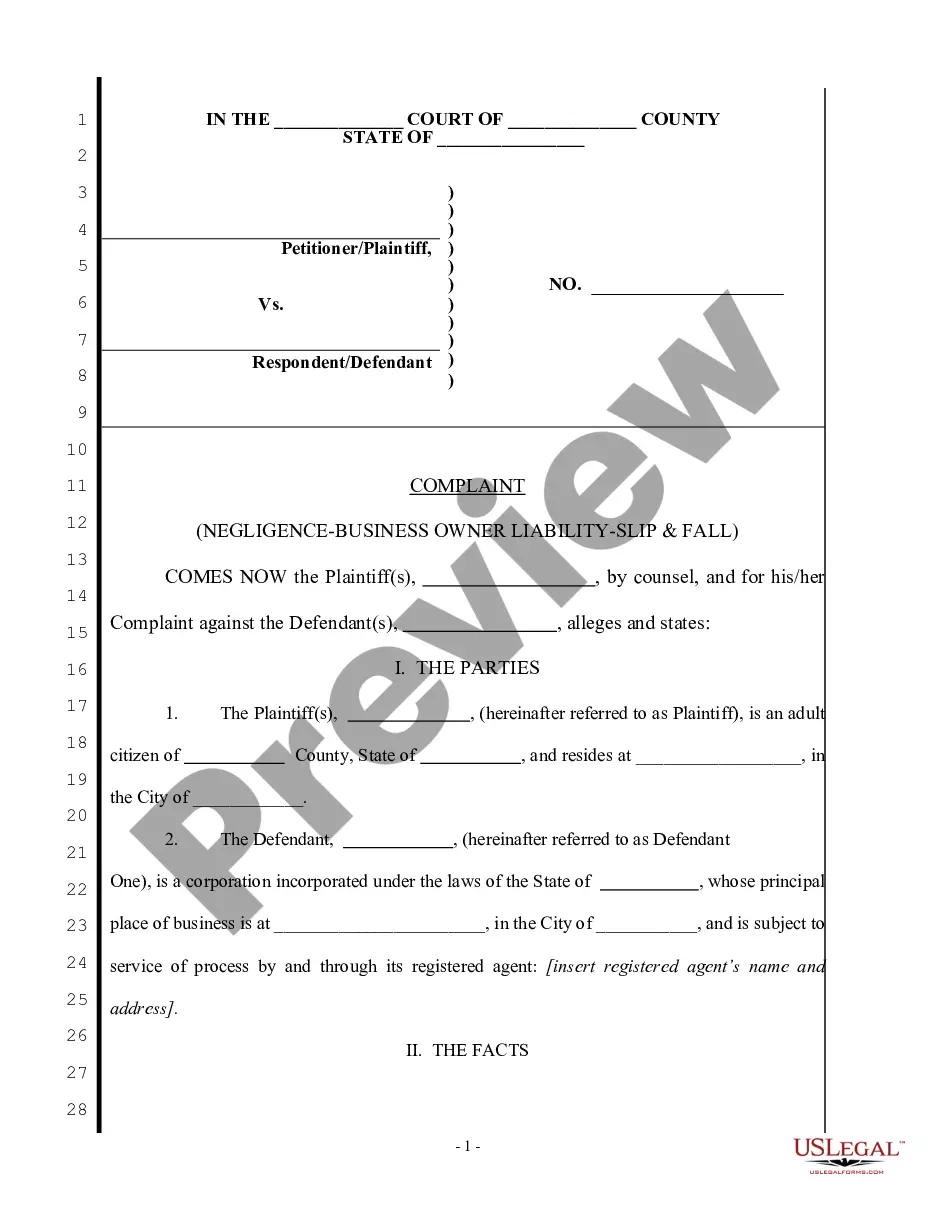

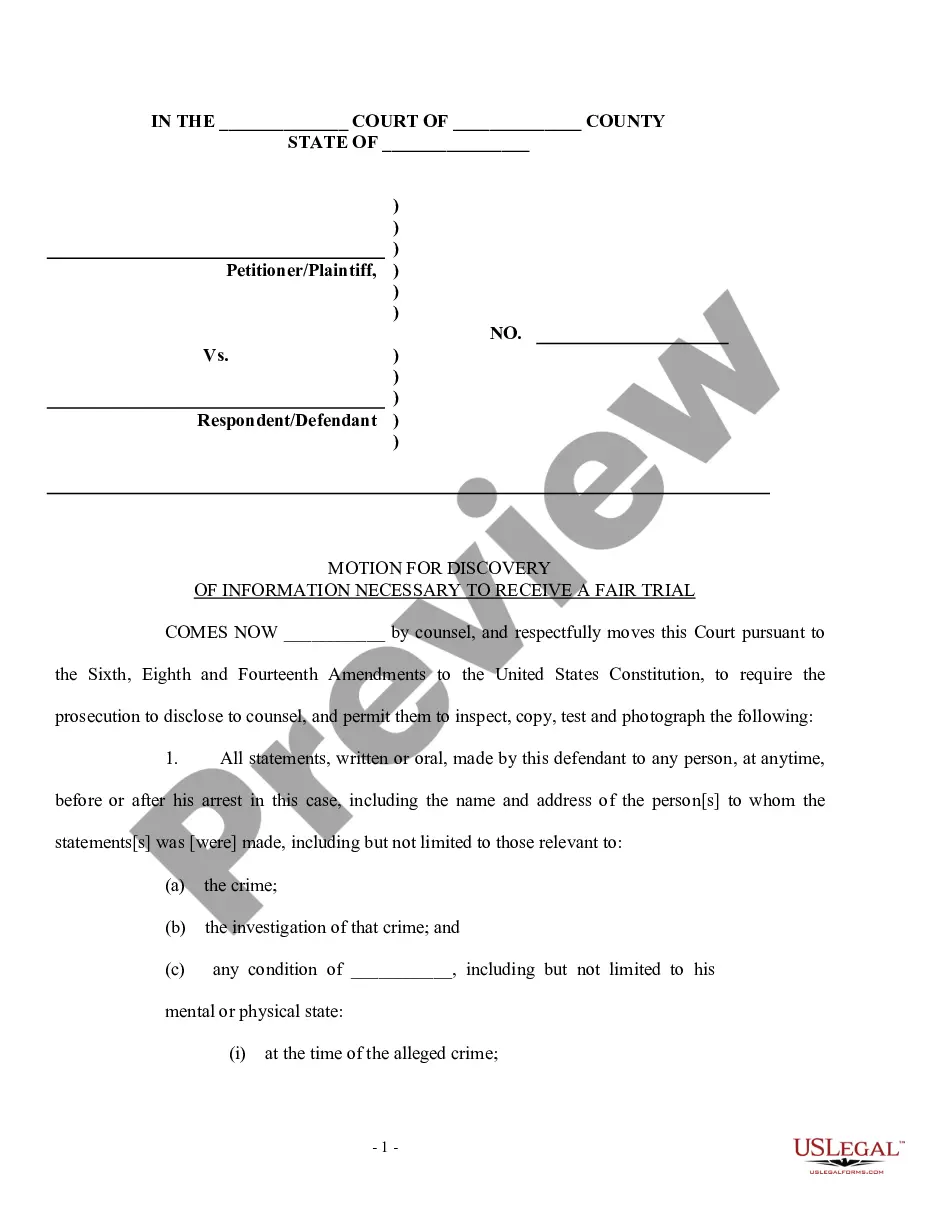
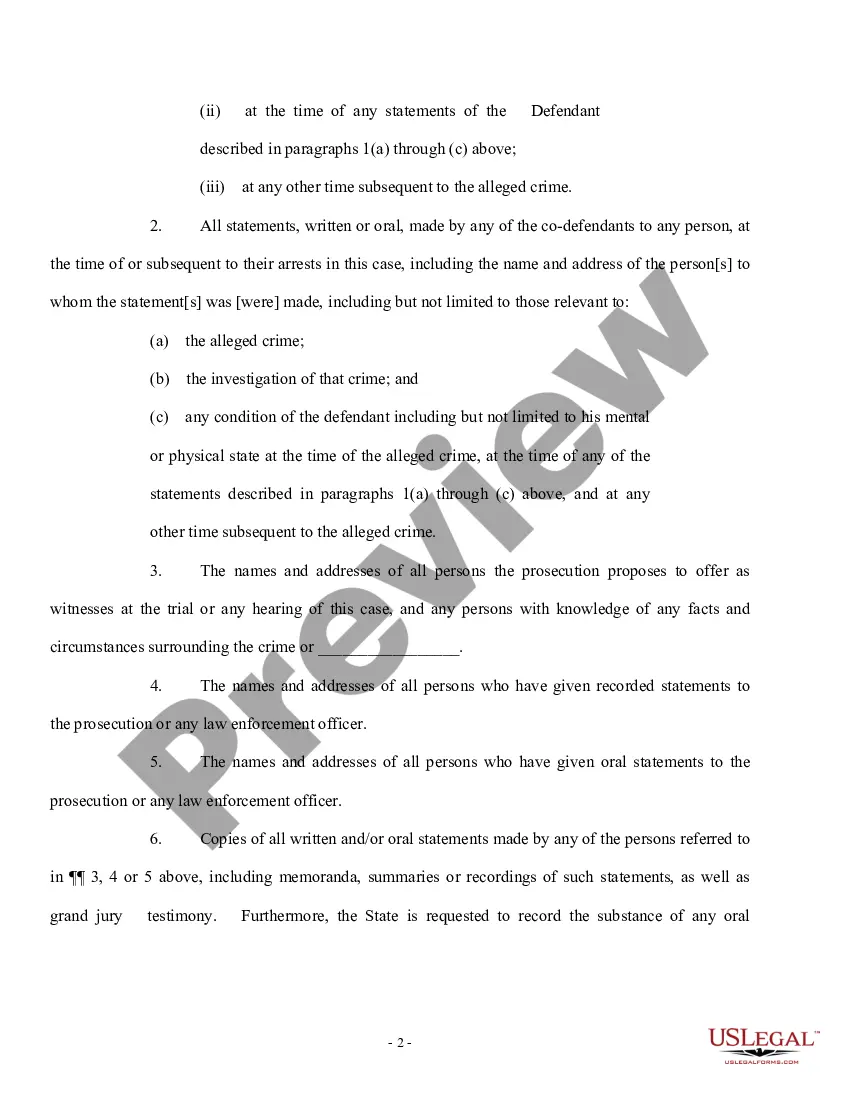
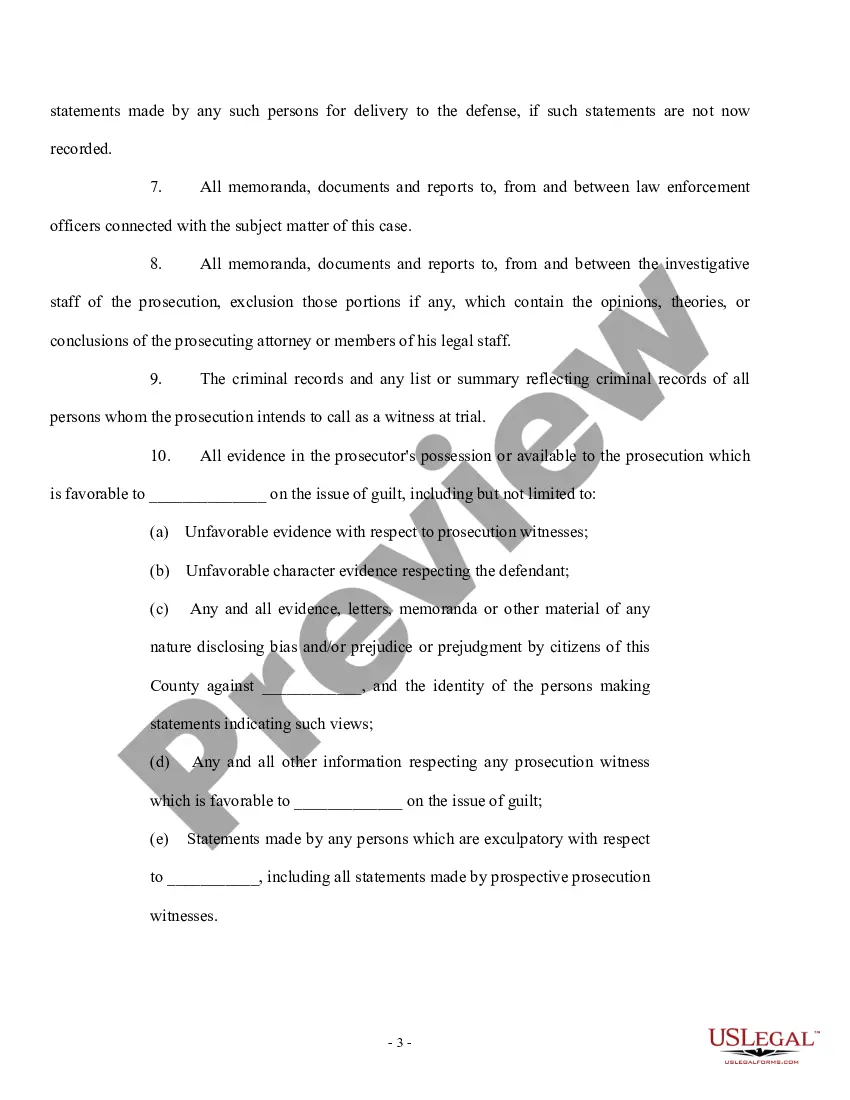
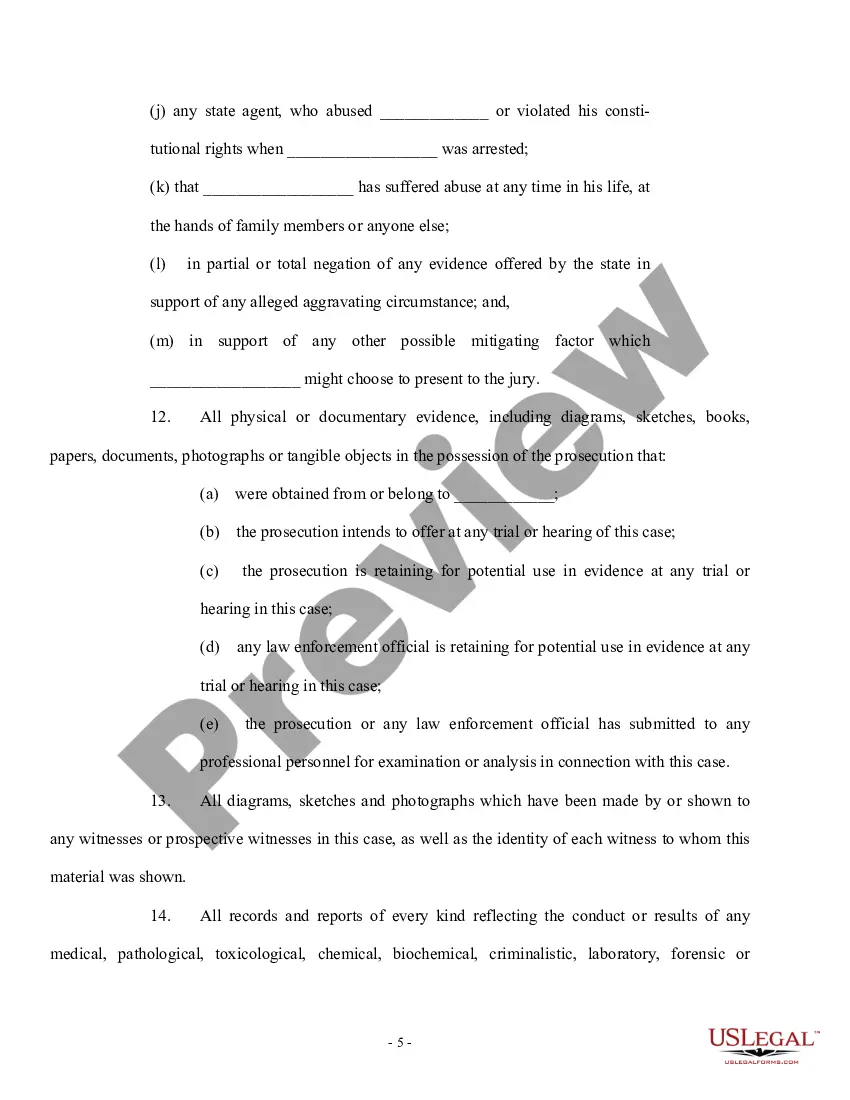
How to fill out Motion For Discovery Of Information Necessary To Receive A Fair Trial?
Managing legal paperwork and processes can be a lengthy addition to your day.
Essential Fair Trial For Young Offenders and similar documents typically necessitate you to search for them and navigate the optimal way to fill them out accurately.
As a result, if you are handling financial, legal, or personal issues, utilizing a thorough and user-friendly online directory of forms when needed will provide considerable assistance.
US Legal Forms is the leading online platform for legal templates, featuring over 85,000 state-specific forms and a variety of resources to help you complete your paperwork rapidly.
Simply Log In to your account, locate Essential Fair Trial For Young Offenders, and access it immediately in the My documents section. You can also access forms you have previously downloaded.
- Explore the library of relevant documents available to you with just one click.
- US Legal Forms offers you state- and county-specific documents available anytime for download.
- Protect your document management tasks with a quality service that enables you to fill out any form within minutes without any extra or hidden charges.
Form popularity
FAQ
The trial process usually starts with jury selection, where individuals are chosen to hear the case. Following that, both parties present their opening statements to outline their arguments. The next step involves the presentation of evidence and witness testimony, which provides context for the case. Afterward, closing arguments summarize the findings and perspectives. Finally, the jury deliberates and delivers a verdict, ensuring access to a necessary fair trial for juveniles is upheld throughout the process. Consider USLegalForms for resources that can help navigate these steps effectively.
To ensure a necessary fair trial for juveniles, you would want the judge to promise impartiality and respect for the defendant's rights. Additionally, accountability in maintaining confidentiality and a supportive environment is crucial. The judge should also commit to considering age, mental capacity, and the potential for rehabilitation in their decisions. These promises help create a safe and fair atmosphere for young individuals in the courtroom.
The juvenile justice system typically begins with an intake process, where the authorities assess the situation. Following this, the youth may undergo a detention hearing to determine if they should remain in custody. Next, there is often a plea negotiation stage, allowing for potential settlements without a trial. If the case proceeds, it leads to an adjudication hearing, where evidence is presented. Finally, a disposition hearing takes place, deciding on the appropriate consequences, thereby ensuring a necessary fair trial for juveniles.
The juvenile justice process involves four essential steps to ensure a necessary fair trial for juveniles. First, there is the intake process where officials assess allegations and decide whether to proceed. Next, the adjudication step takes place, involving a hearing where evidence is presented. After that, a disposition occurs, determining the appropriate consequences or rehabilitation for the juvenile. Finally, the review stage allows for examining the process and outcomes, ensuring that the juvenile received a fair trial throughout.
A fair trial is fundamentally composed of three key elements: the presumption of innocence, the right to a competent attorney, and the right to an unbiased judge. Each component serves to uphold the integrity of the judicial process. In the context of a necessary fair trial for juveniles, these elements are crucial to fostering a just outcome for young defendants.
The standards of a fair trial revolve around a few core principles: due process, impartiality, ample time for preparation, and cultural competency in understanding the juvenile’s background. These standards ensure that trials respect the rights and needs of defendants, especially for juveniles. Meeting these standards is vital for securing a necessary fair trial for all youths involved.
A trial is considered fair when it provides all parties with equal opportunity to present their arguments and evidence. Key components include impartiality, transparency, and adherence to legal procedures. For juveniles, ensuring a necessary fair trial requires understanding their unique situation and the specific protections afforded to them under the law.
To achieve a necessary fair trial for juveniles, several requirements must be met: unbiased judges and juries, access to legal counsel, adequate notice of the charges, and the opportunity to confront witnesses. These elements are essential in creating an environment where justice can flourish. Ultimately, fulfilling these requirements nurtures a fair legal experience for all involved.
A fundamental requirement for a fair trial in a criminal case is the presumption of innocence until proven guilty. In addition to this, individuals must have access to legal advice and the chance to challenge the evidence against them. For juveniles, achieving a necessary fair trial hinges on these critical protections throughout the judicial process.
The juvenile trial process generally includes five essential steps: the initial appearance, detention hearing, adjudication hearing, disposition hearing, and any potential appeal. Each step is designed to protect the rights of the young person involved. Understanding these stages is crucial to ensure a necessary fair trial for juveniles, allowing them to navigate the legal system effectively.