Necessary Fair Trial For Hebert
Description
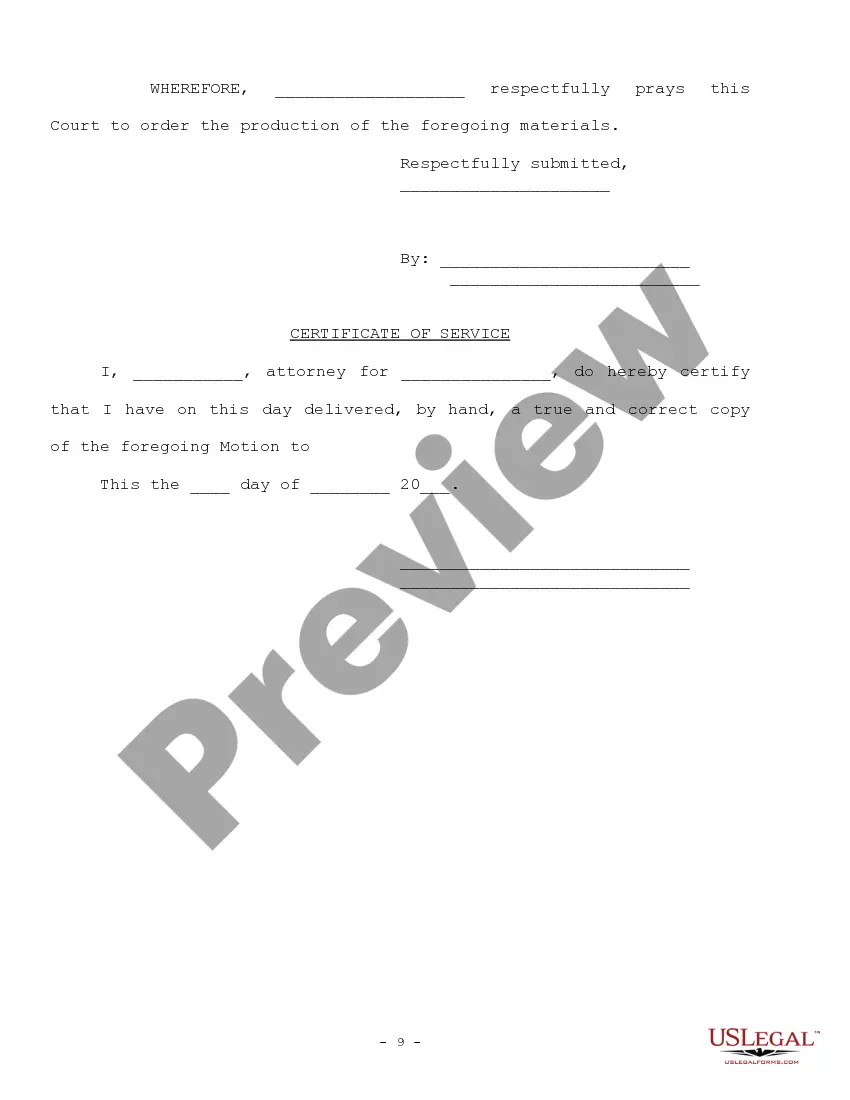
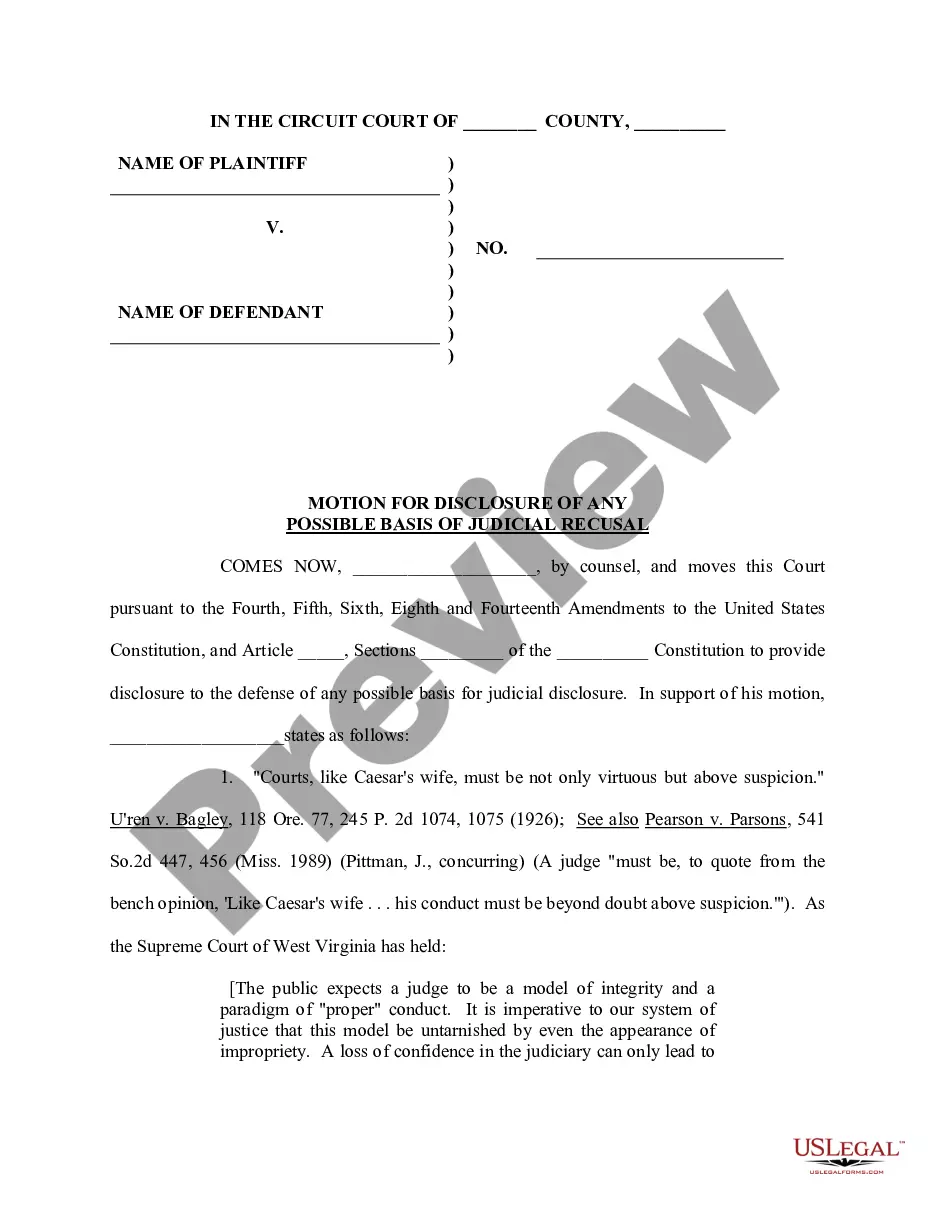
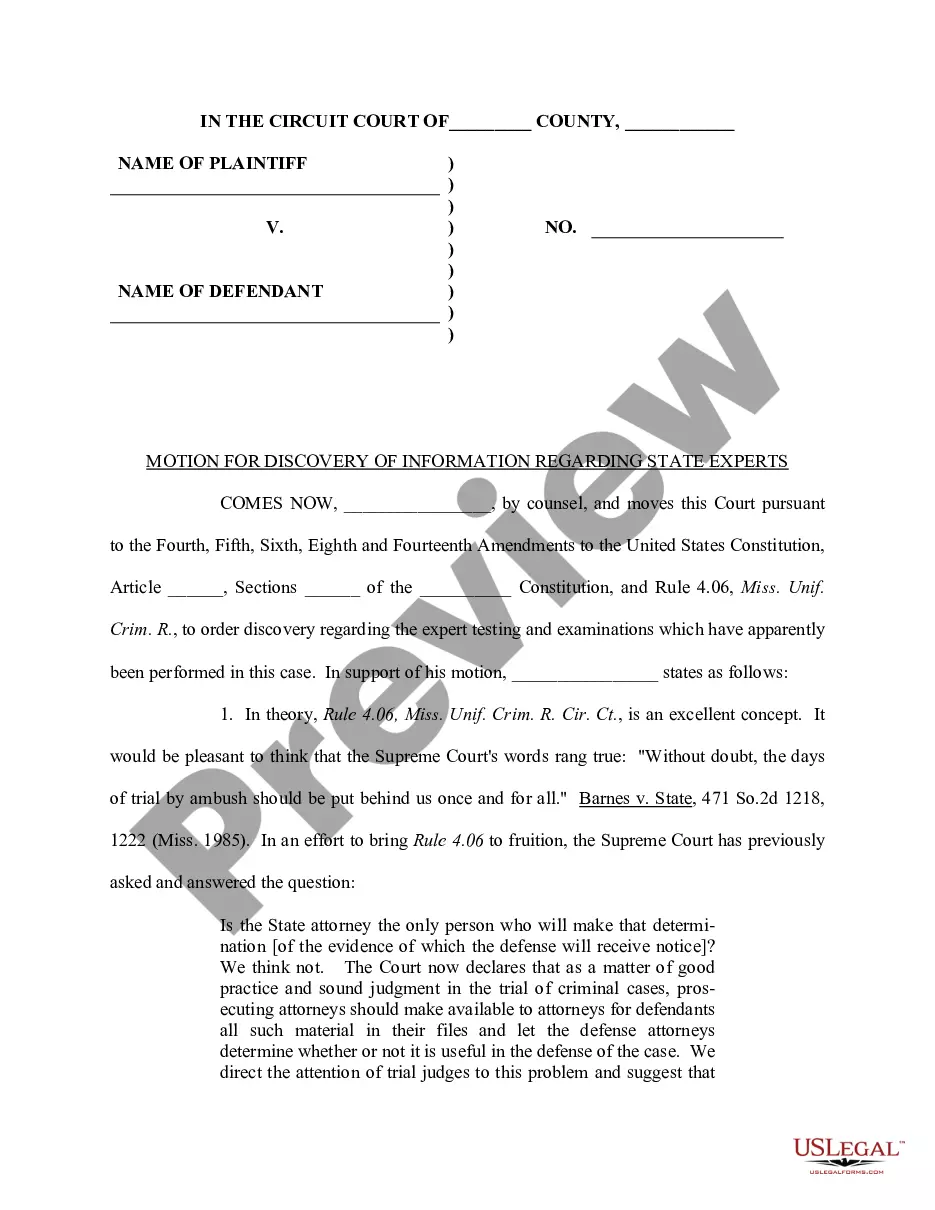
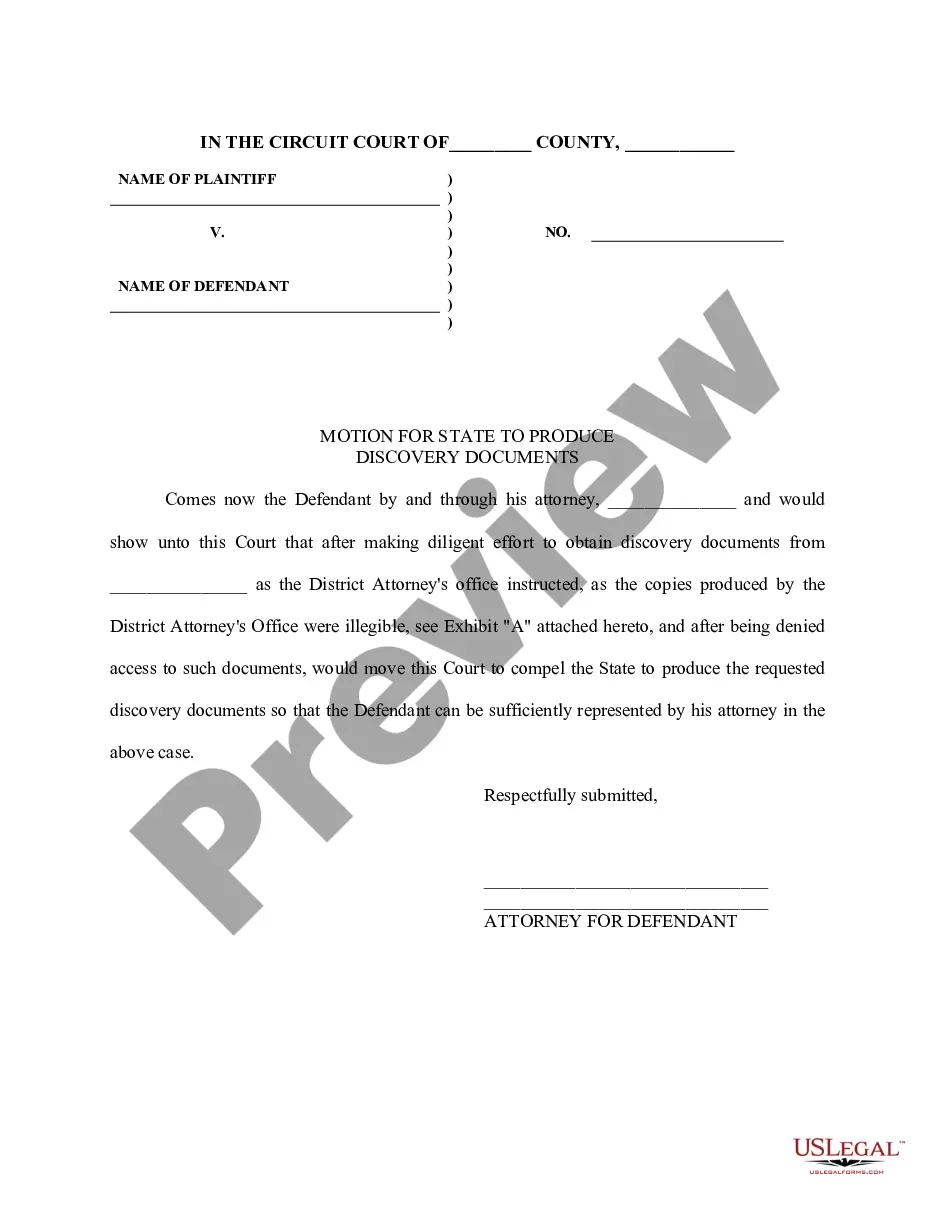
Get your form ready online
Our built-in tools help you complete, sign, share, and store your documents in one place.
Make edits, fill in missing information, and update formatting in US Legal Forms—just like you would in MS Word.
Download a copy, print it, send it by email, or mail it via USPS—whatever works best for your next step.
Sign and collect signatures with our SignNow integration. Send to multiple recipients, set reminders, and more. Go Premium to unlock E-Sign.
If this form requires notarization, complete it online through a secure video call—no need to meet a notary in person or wait for an appointment.
We protect your documents and personal data by following strict security and privacy standards.

Make edits, fill in missing information, and update formatting in US Legal Forms—just like you would in MS Word.

Download a copy, print it, send it by email, or mail it via USPS—whatever works best for your next step.

Sign and collect signatures with our SignNow integration. Send to multiple recipients, set reminders, and more. Go Premium to unlock E-Sign.

If this form requires notarization, complete it online through a secure video call—no need to meet a notary in person or wait for an appointment.

We protect your documents and personal data by following strict security and privacy standards.
Looking for another form?




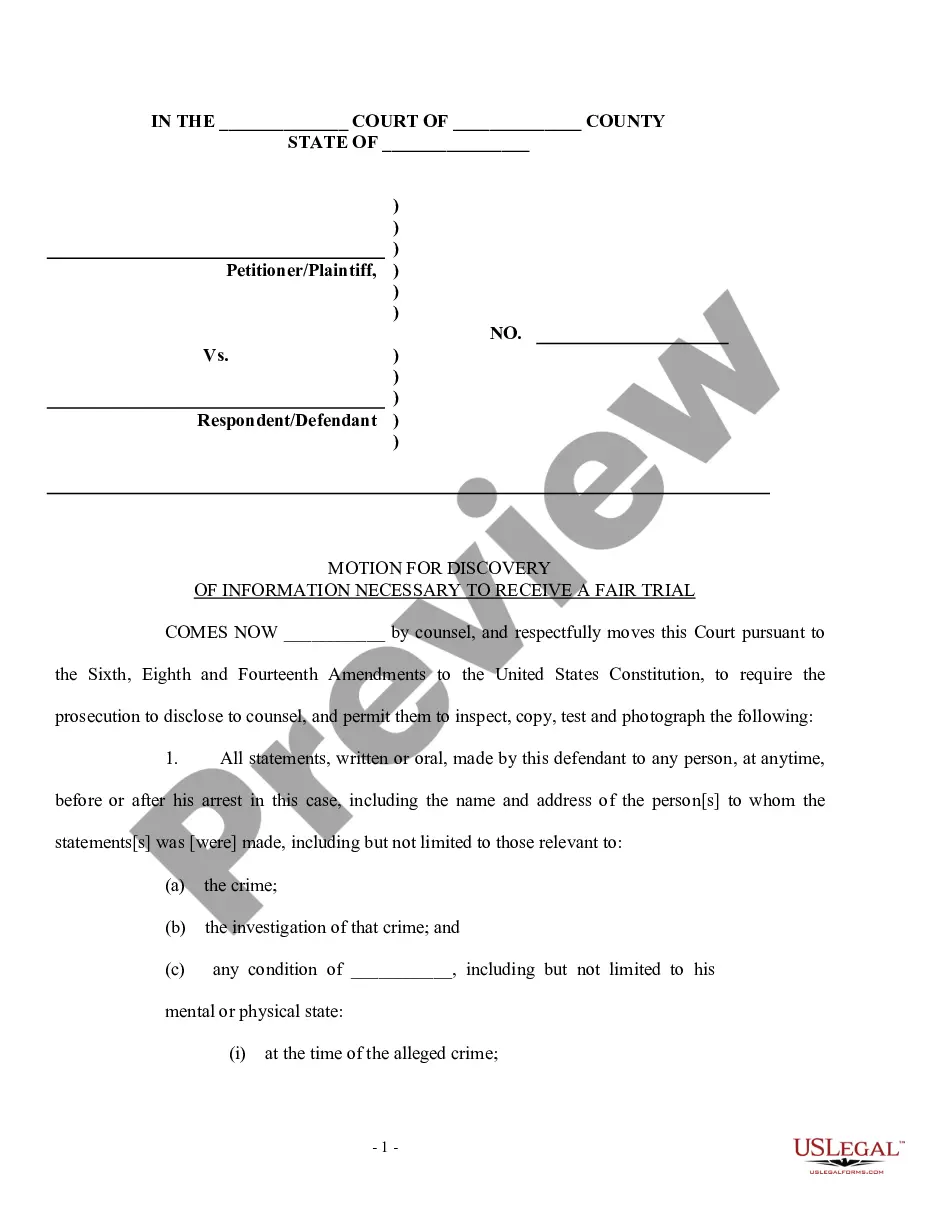
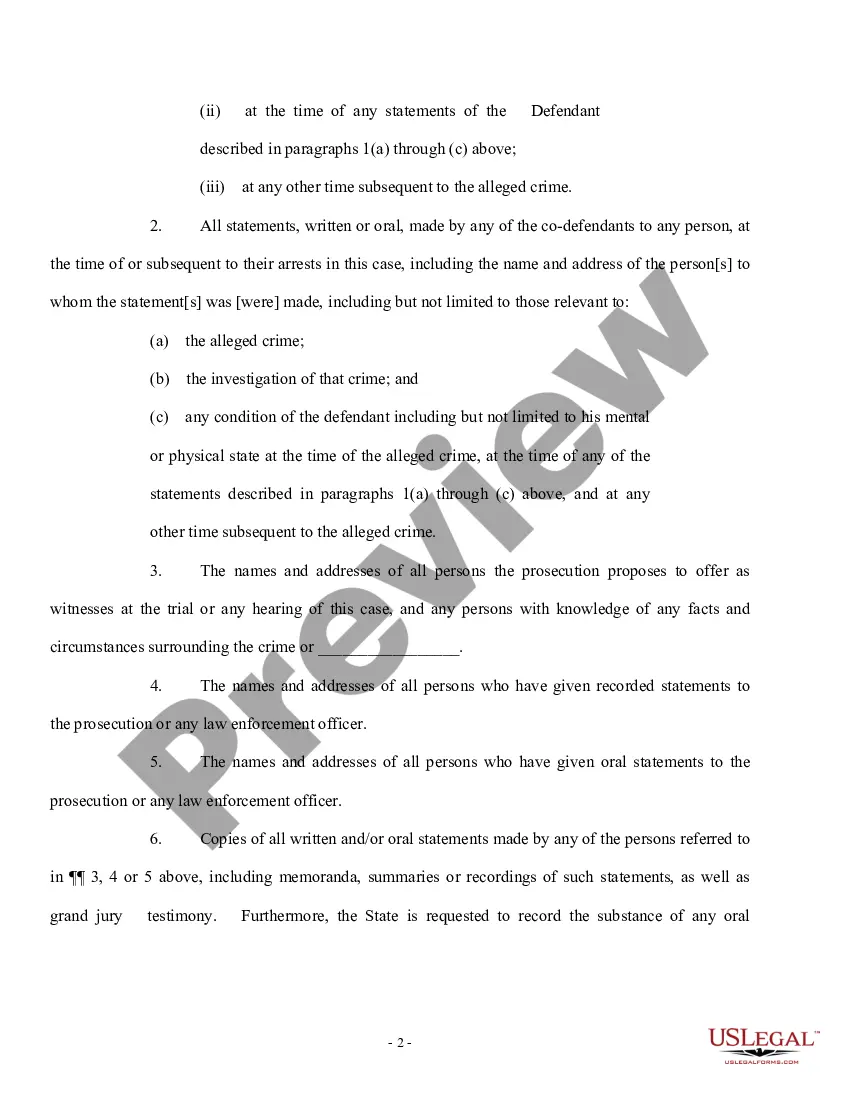
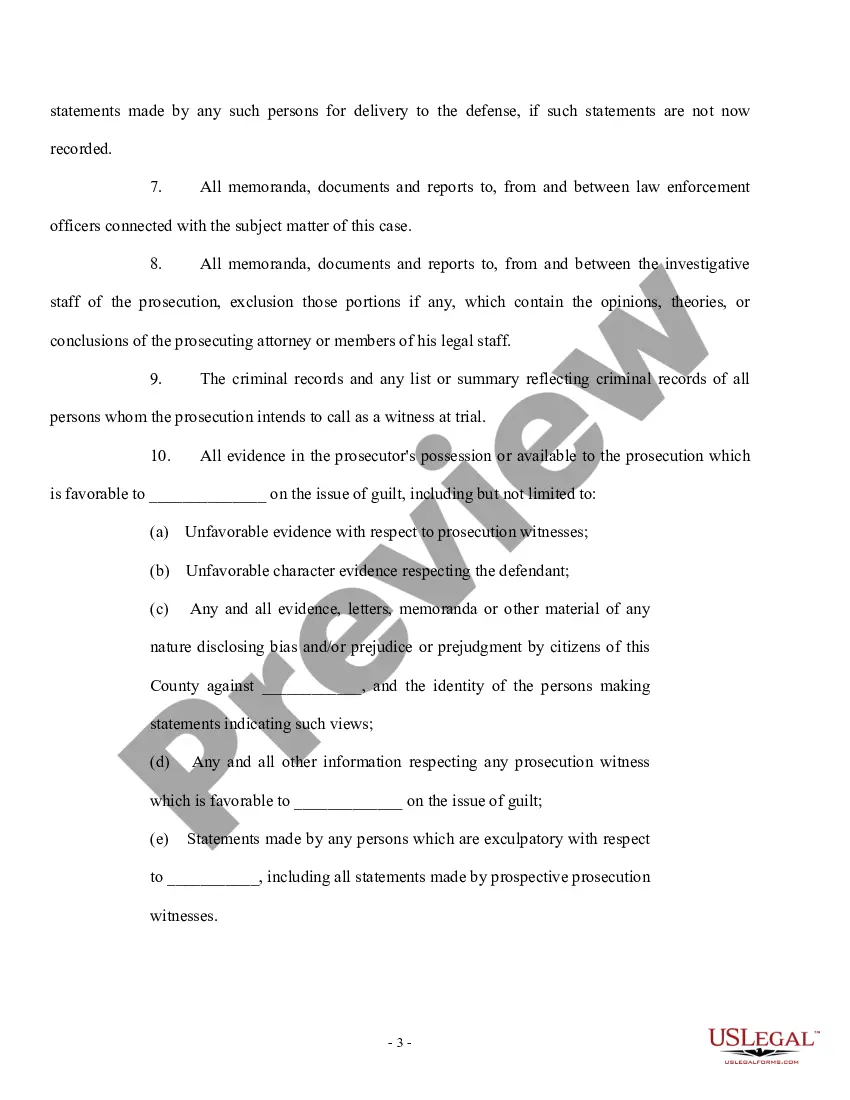
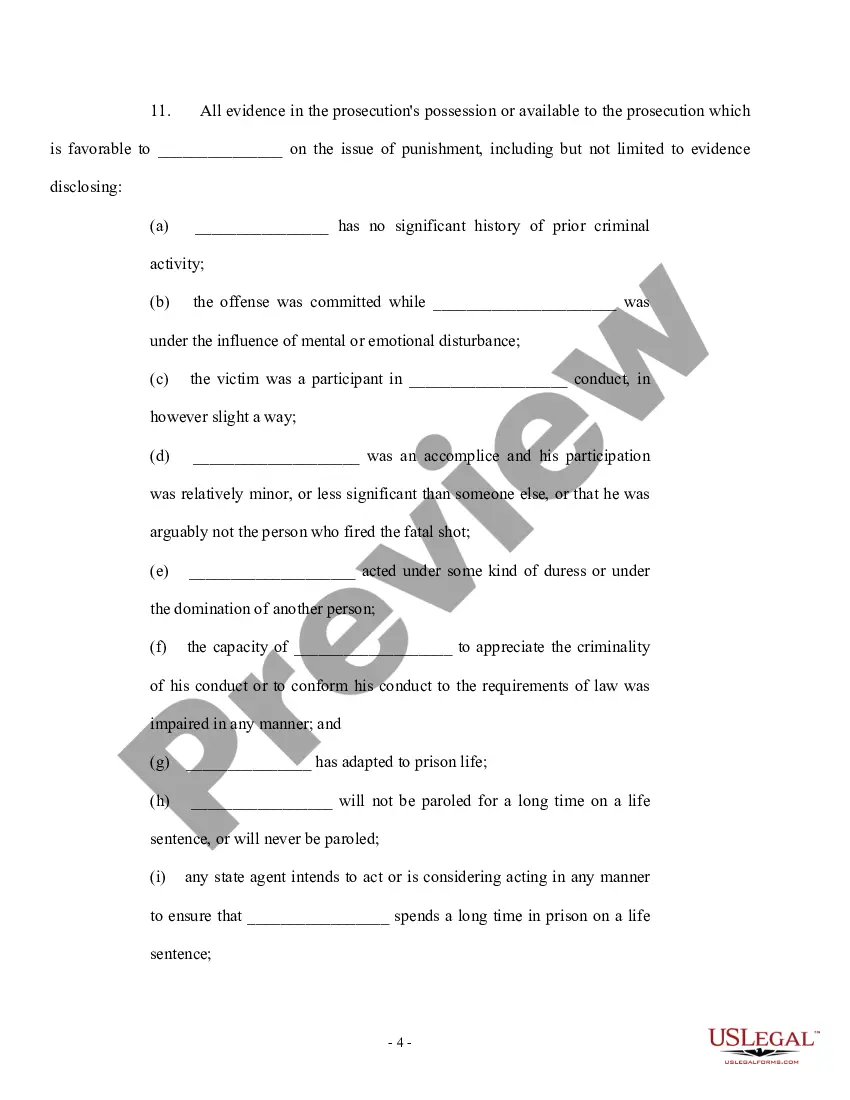
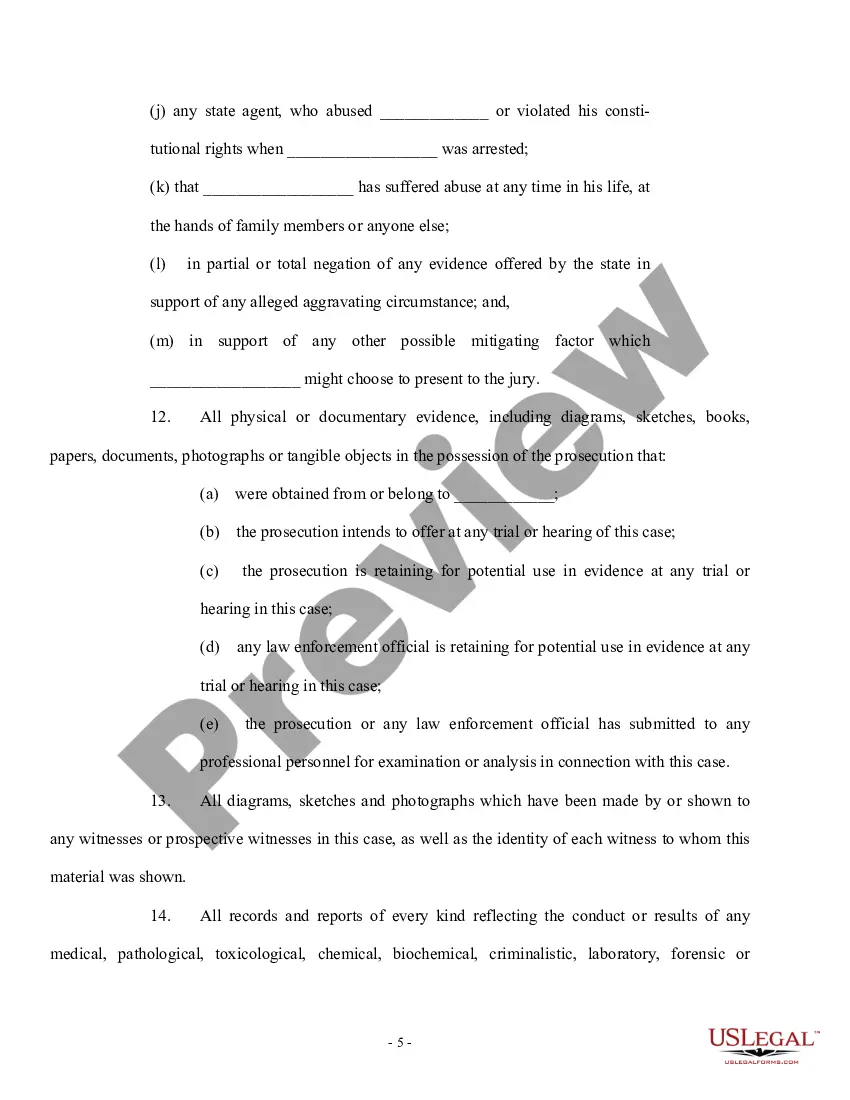
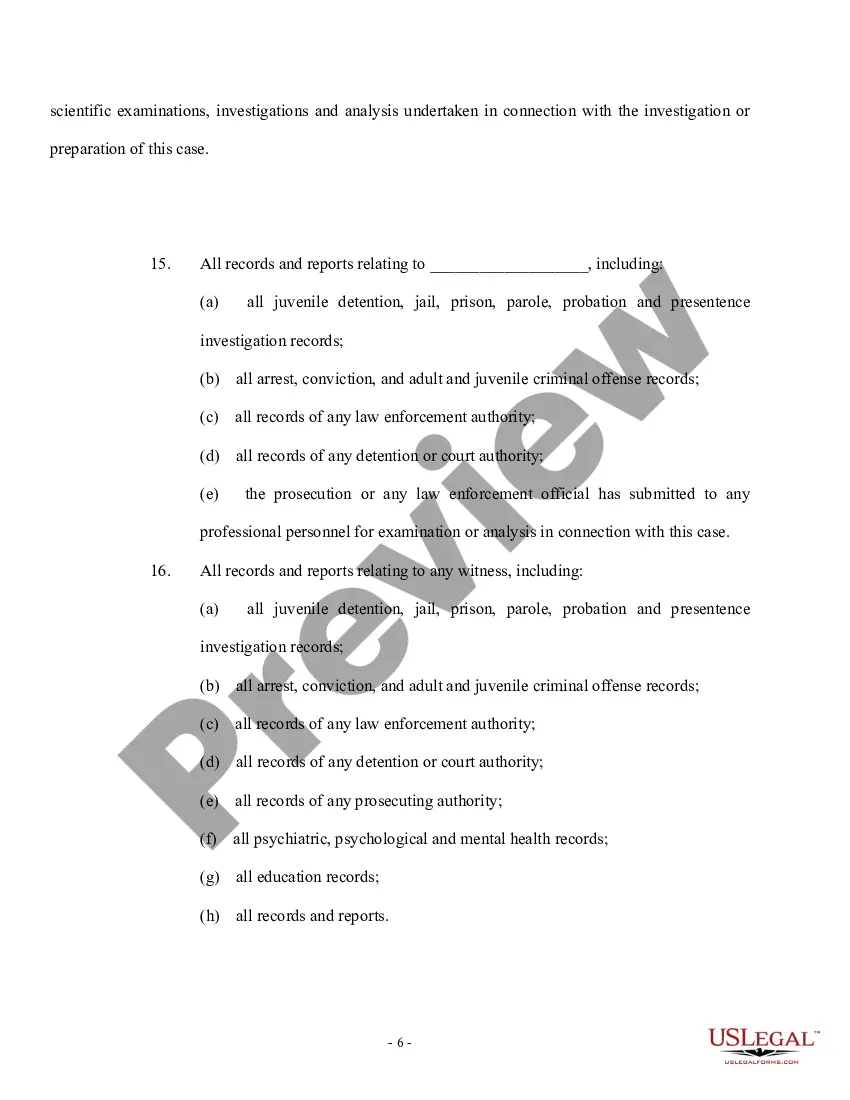
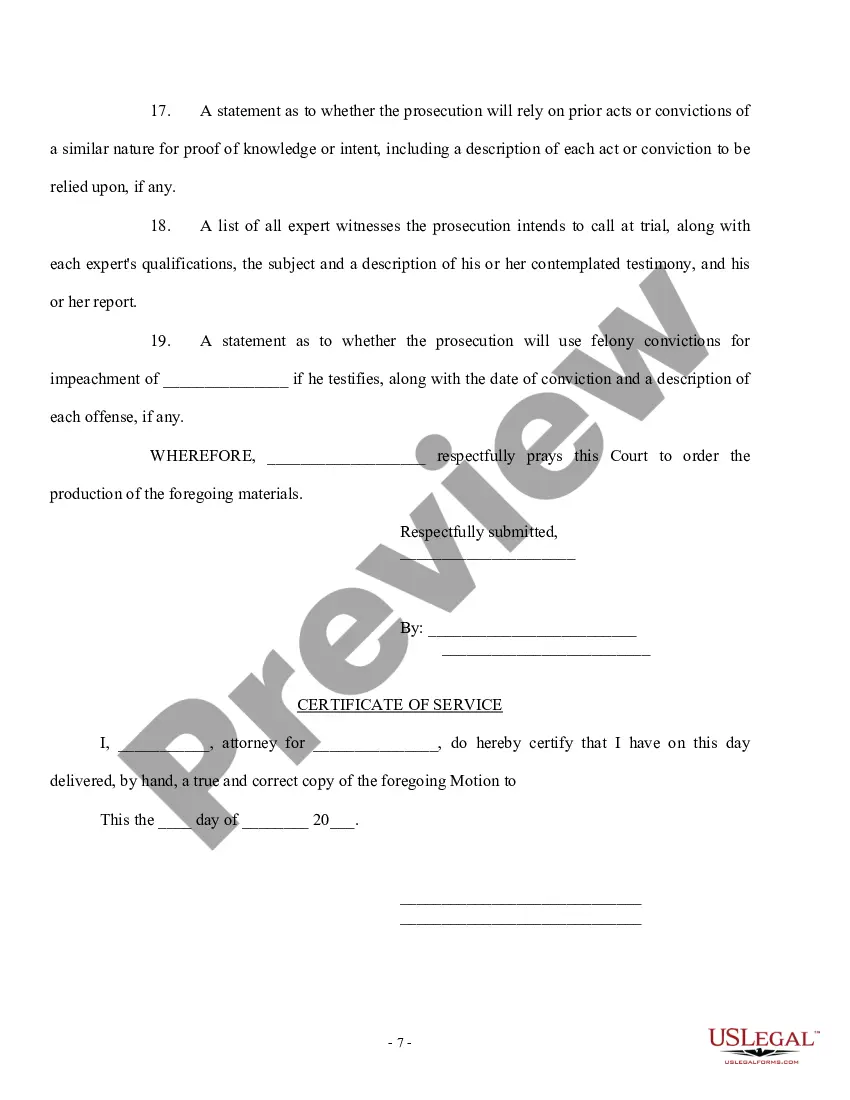
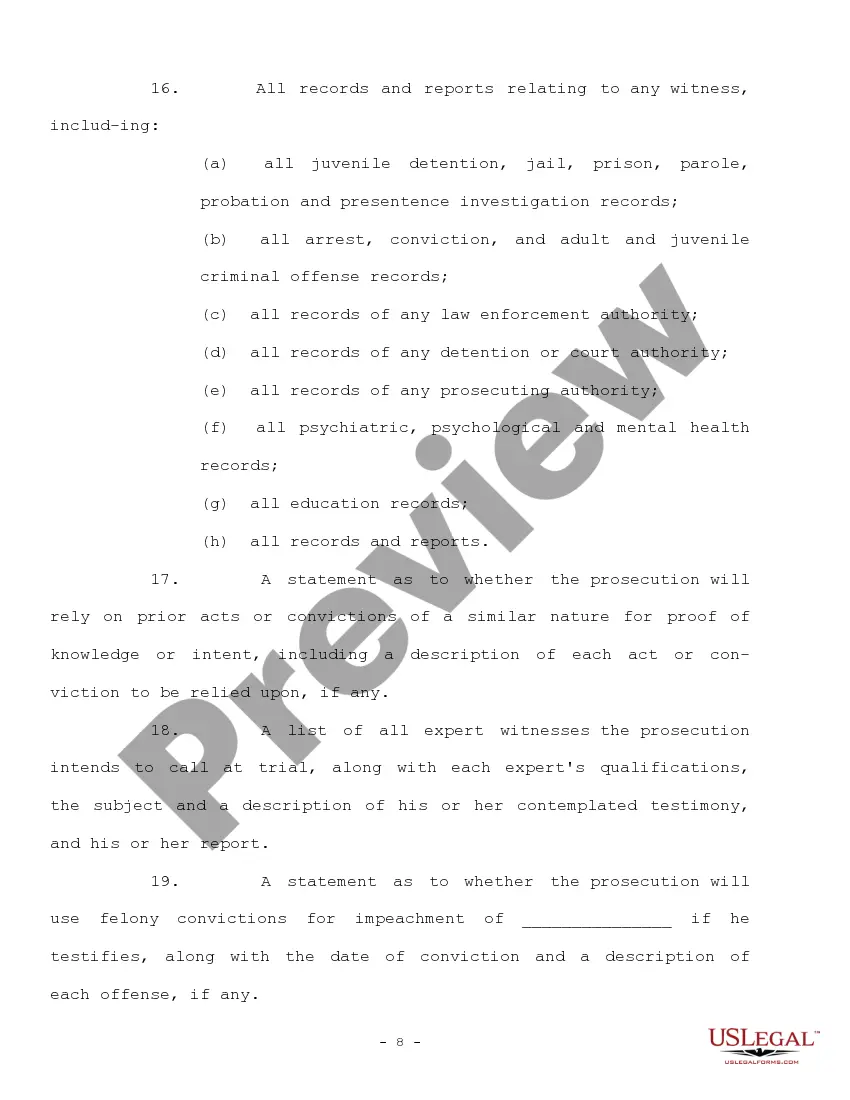
How to fill out Motion For Discovery Of Information Necessary To Receive A Fair Trial?
The Essential Just Trial For Hebert you observe on this page is a reusable legal framework crafted by expert lawyers in accordance with federal and local statutes.
For over 25 years, US Legal Forms has offered individuals, businesses, and legal professionals more than 85,000 confirmed, state-specific documents for any corporate and personal situation. It’s the quickest, simplest, and most dependable way to acquire the documentation you require, as the service guarantees bank-level data safety and anti-malware safeguards.
Choose the format you prefer for your Essential Just Trial For Hebert (PDF, DOCX, RTF) and download the sample onto your device.
- Search for the document you require and examine it.
- Browse through the sample you located and preview it or verify the form description to confirm it meets your requirements. If it does not, utilize the search feature to find the correct one. Click Buy Now when you have found the template you desire.
- Sign up and Log In.
- Select the payment plan that best fits you and create an account. Use PayPal or a credit card to make an immediate payment. If you already possess an account, Log In and check your subscription to continue.
- Obtain the fillable template.
Form popularity
FAQ
The phrase 'right to a fair trial' may not be explicitly stated in the Constitution, but it is inherently established through the 6th and 14th Amendments. These amendments collectively outline the essential protections that guarantee individuals a fair legal process. This is vital for ensuring a necessary fair trial for Hebert, as these principles uphold justice and equity. Familiarity with these amendments helps individuals recognize their legal protections.
The right to a fair trial is primarily explained in the 6th Amendment of the U.S. Constitution. This amendment outlines crucial rights related to legal proceedings, serving as the backbone for ensuring justice. The necessity of a fair trial for Hebert reflects the values enshrined in this foundational document. By understanding these constitutional provisions, individuals can better navigate their legal rights.
The 14th Amendment articulates the necessity of due process and equal protection under the law. It emphasizes that no state shall deprive any person of life, liberty, or property without due process of law. This provision underlines the importance of a necessary fair trial for Hebert and protects against arbitrary legal actions. Citizens can rely on this amendment to ensure their rights in judicial matters.
The 6th Amendment ensures a necessary fair trial for Hebert by providing essential rights to defendants. It guarantees the right to a speedy trial, an impartial jury, and the ability to confront witnesses. These rights help protect individuals against unfair treatment in legal proceedings. Understanding these protections empowers citizens to advocate for their rights in the justice system.
?The constitutional prohibition against 'double jeopardy' was designed to protect an individual from being subjected to the hazards of trial and possible conviction more than once for an alleged offense. . . .
Harmless errors include: Technical errors that have no bearing on the outcome of the trial, and. An error that was corrected, such as mistakenly allowing testimony to be heard, but then ordering it stricken and admonishing the jury to ignore it.
Non-final judgments For example, a second trial held after a mistrial does not violate the double jeopardy clause because a mistrial ends a trial prematurely without a judgment of guilty or not, as was decided by the Supreme Court in United States v. Perez.
There are two exceptions to bans on retrying defendants. If a defendant bribed a judge into acquitting him or her, the defendant was not in jeopardy and can be retried. A member of the armed forces can be retried by court-martial in a military court, even if he or she has been previously acquitted by a civilian court.
The double jeopardy guarantee protects only against double prosecution or double punishment by the same "sovereign," or government. Even if the exact same conduct is at issue, a state prosecuting someone doesn't prevent the federal government from doing the same, and vice versa.