Discovery Information Statement Formula
Description
Get your form ready online
Our built-in tools help you complete, sign, share, and store your documents in one place.
Make edits, fill in missing information, and update formatting in US Legal Forms—just like you would in MS Word.
Download a copy, print it, send it by email, or mail it via USPS—whatever works best for your next step.
Sign and collect signatures with our SignNow integration. Send to multiple recipients, set reminders, and more. Go Premium to unlock E-Sign.
If this form requires notarization, complete it online through a secure video call—no need to meet a notary in person or wait for an appointment.
We protect your documents and personal data by following strict security and privacy standards.

Make edits, fill in missing information, and update formatting in US Legal Forms—just like you would in MS Word.

Download a copy, print it, send it by email, or mail it via USPS—whatever works best for your next step.

Sign and collect signatures with our SignNow integration. Send to multiple recipients, set reminders, and more. Go Premium to unlock E-Sign.

If this form requires notarization, complete it online through a secure video call—no need to meet a notary in person or wait for an appointment.

We protect your documents and personal data by following strict security and privacy standards.
Looking for another form?
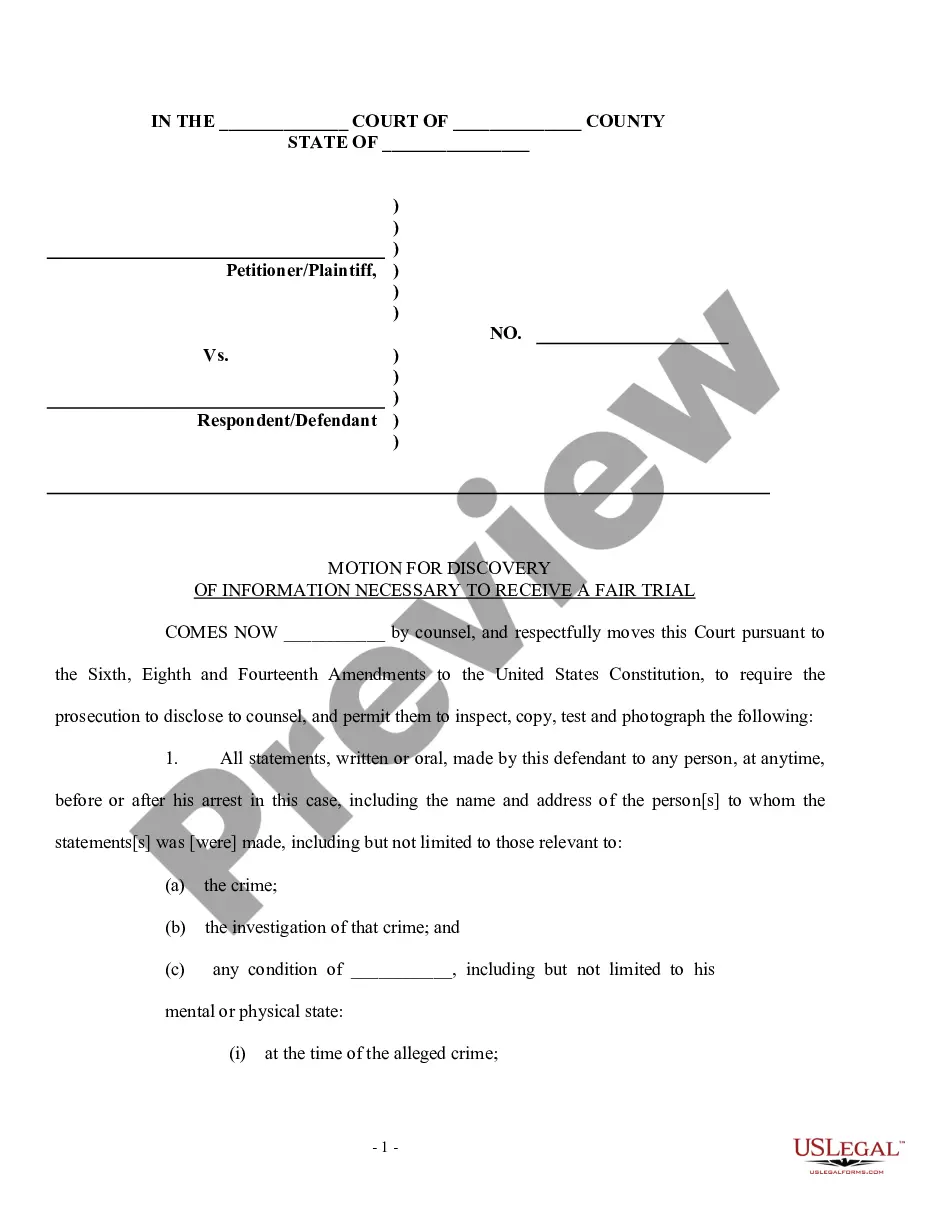
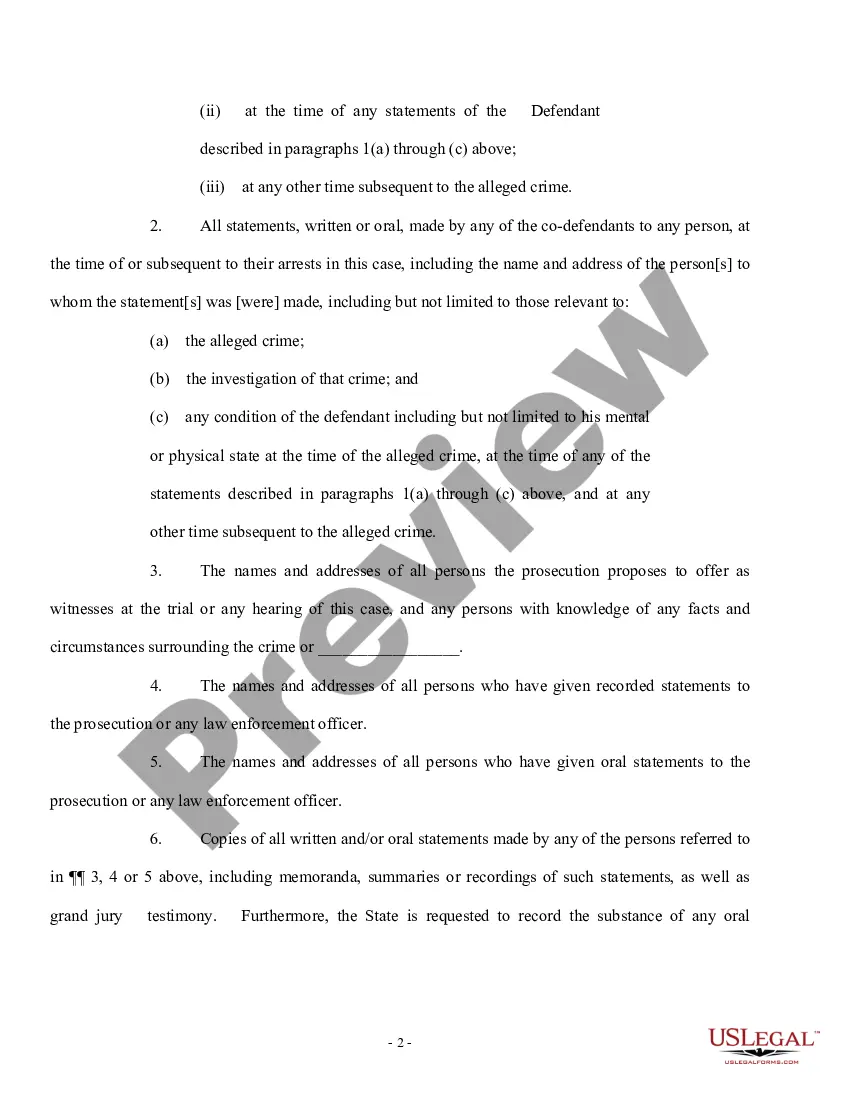
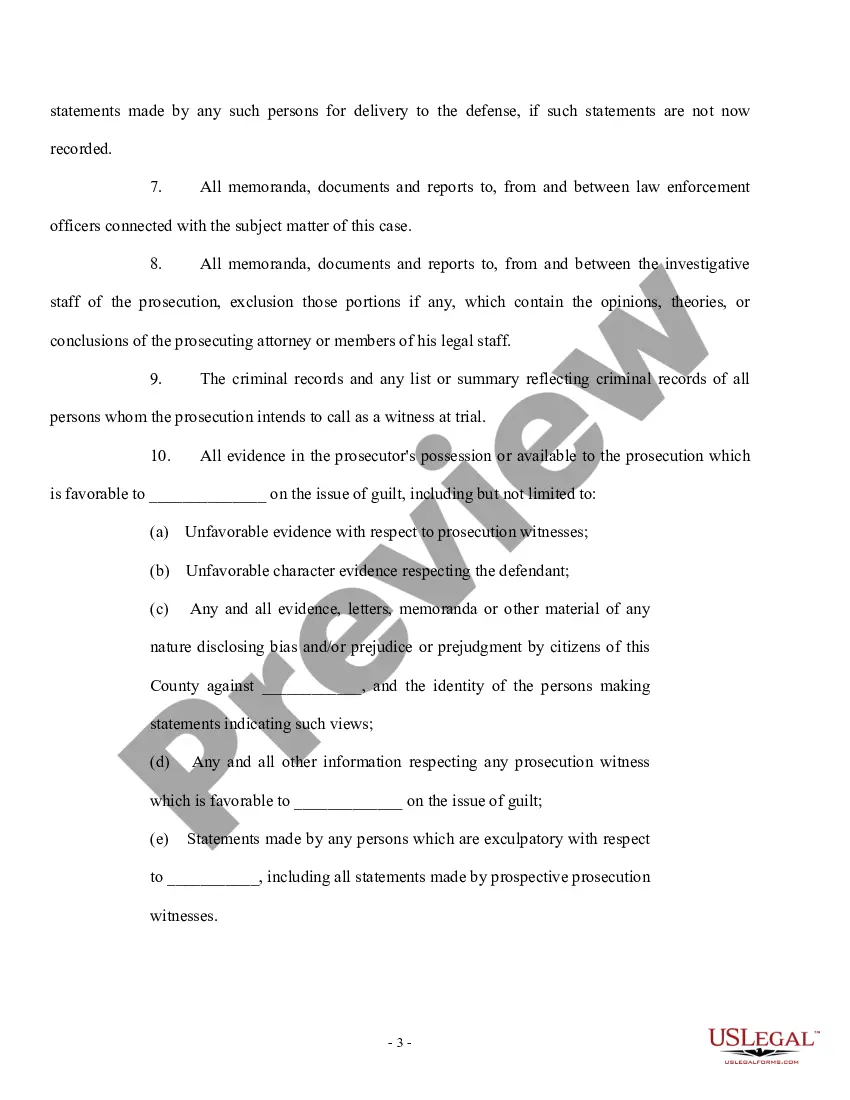
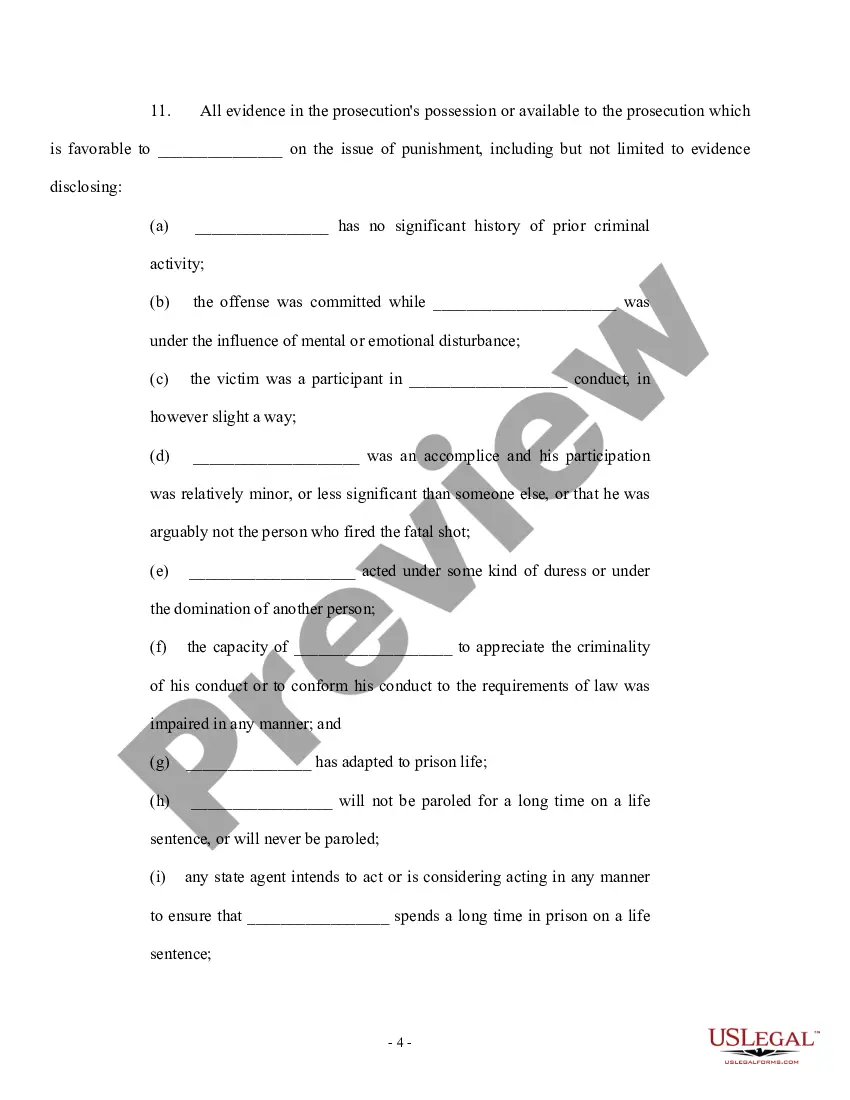
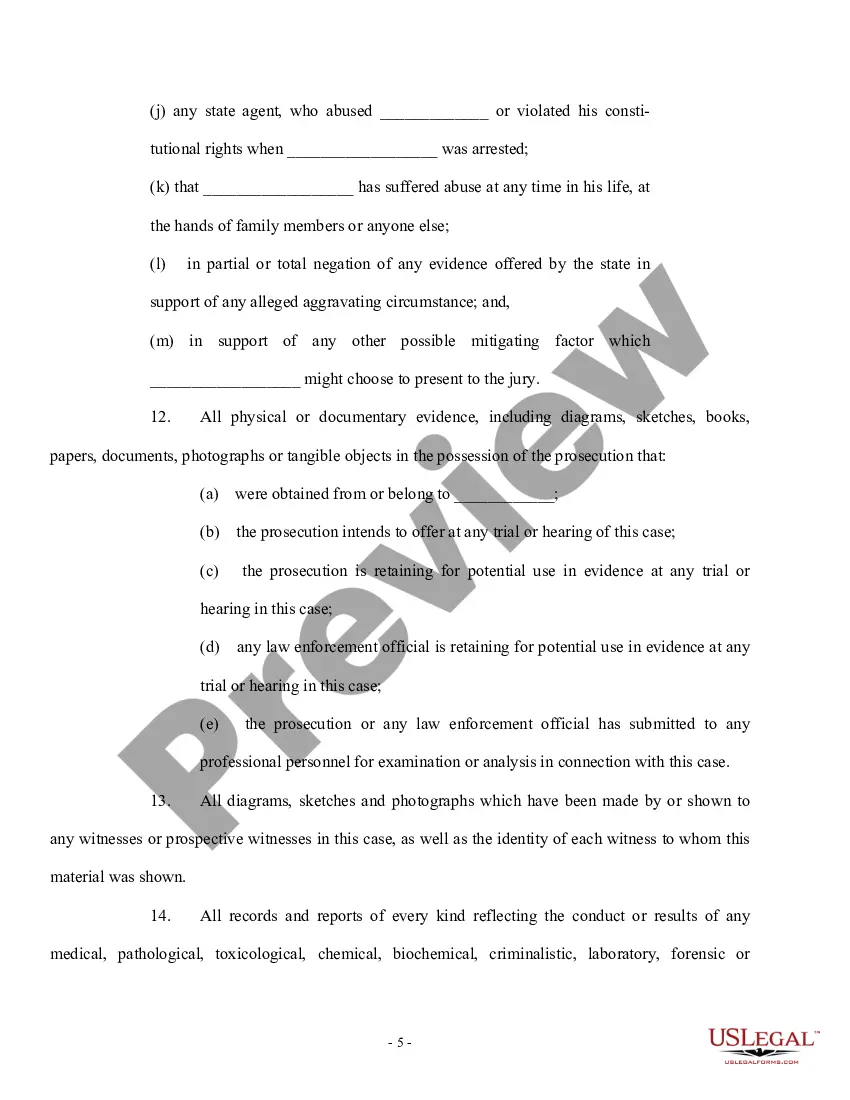
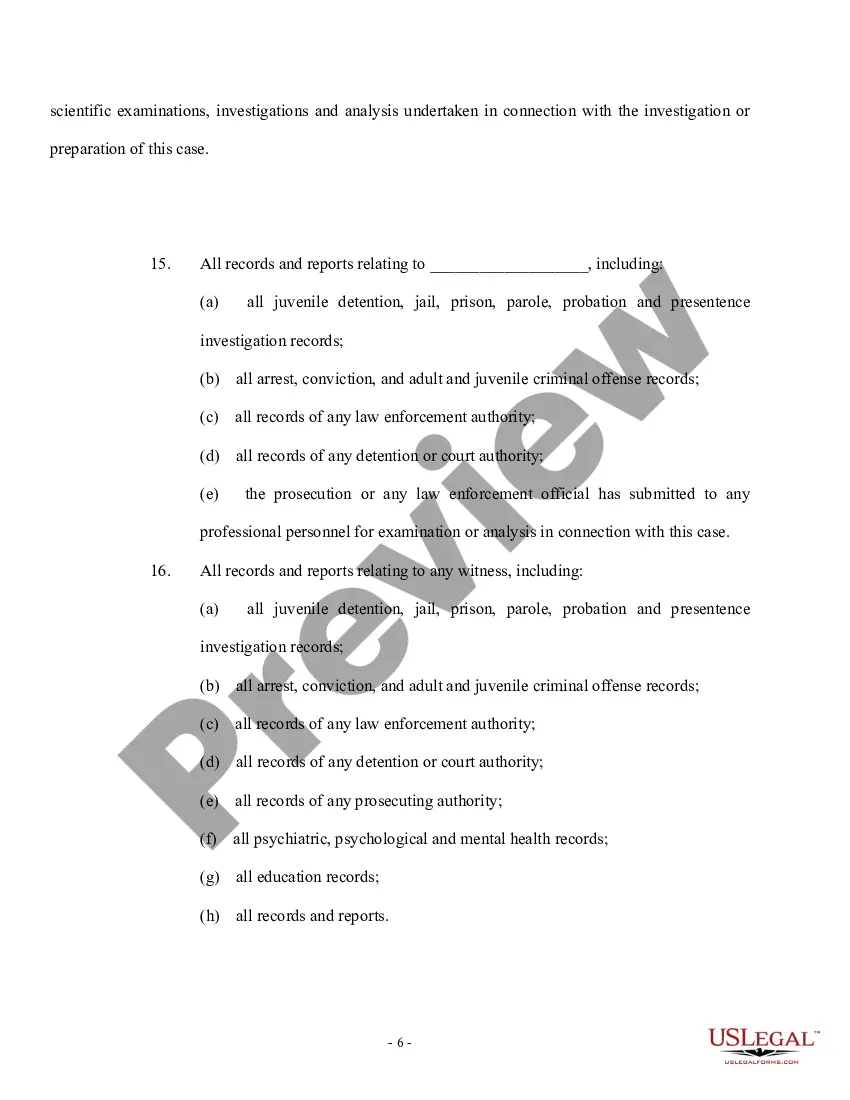
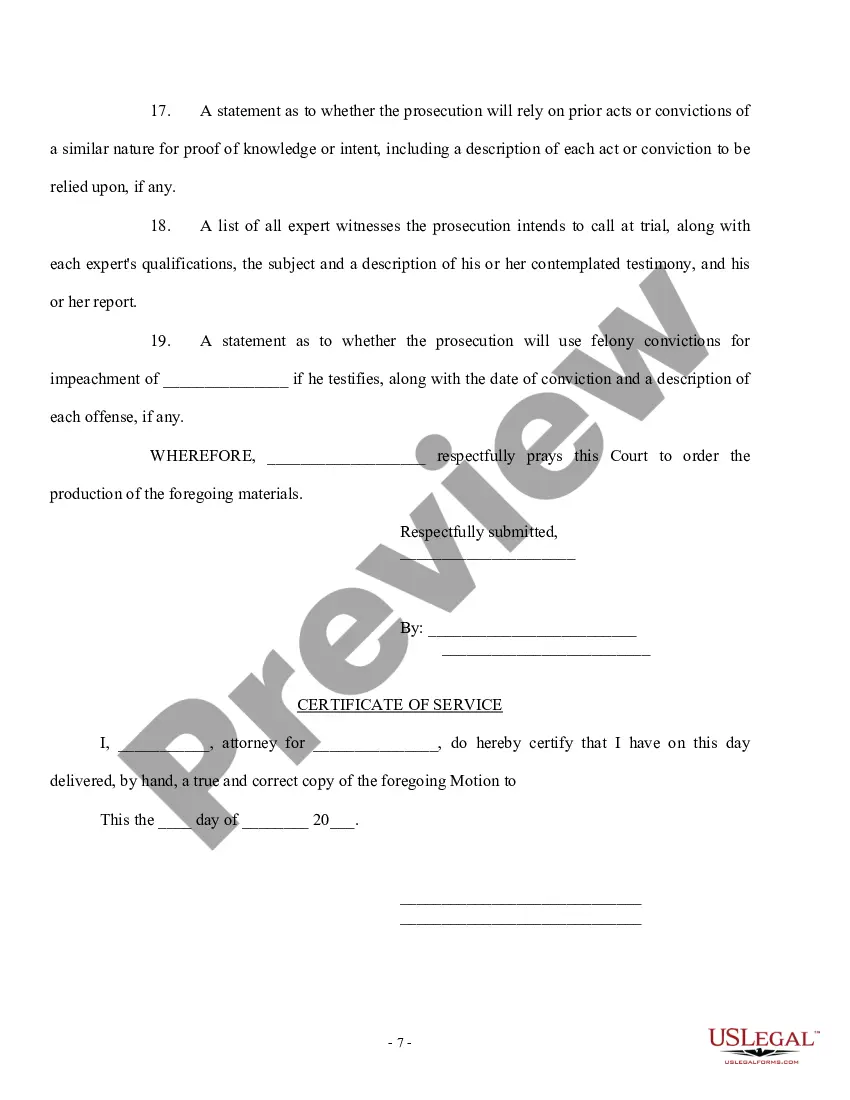
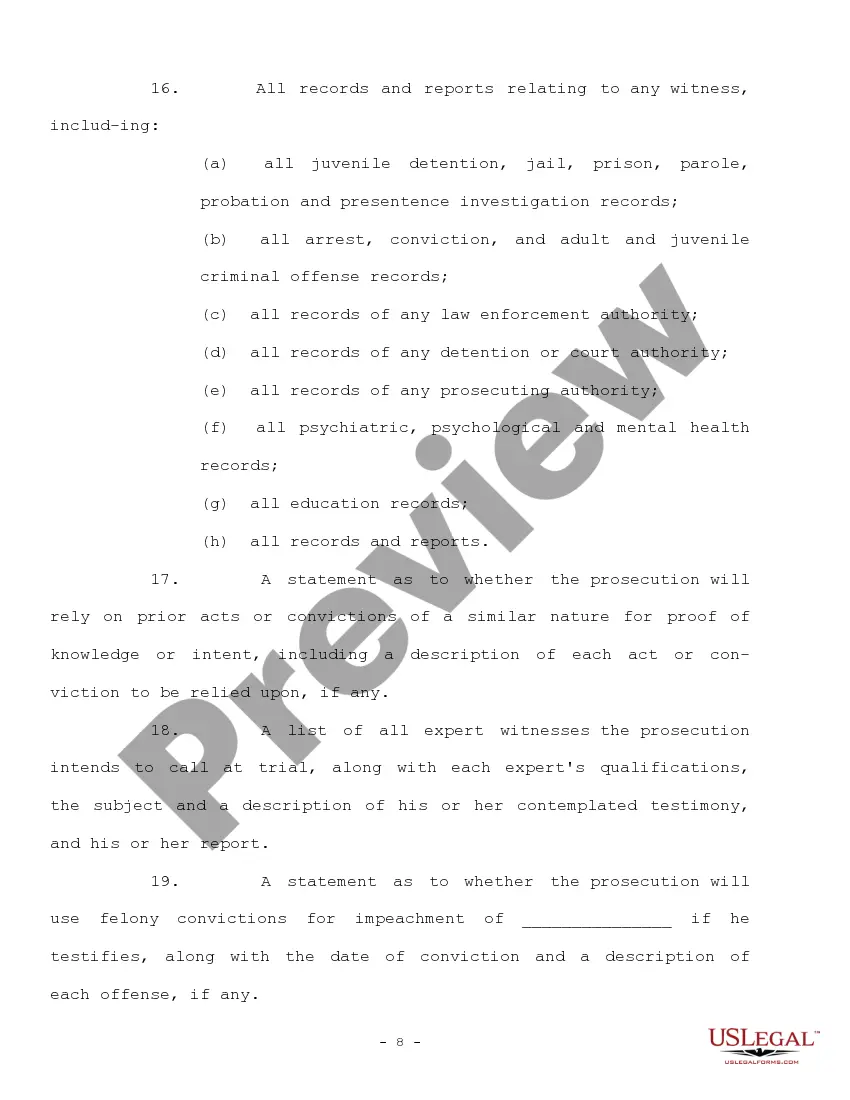
How to fill out Motion For Discovery Of Information Necessary To Receive A Fair Trial?
Securing a reliable source for obtaining the most up-to-date and suitable legal templates is a significant part of navigating bureaucracy. Identifying the correct legal documents requires precision and carefulness, which is why it is essential to source samples of the Discovery Information Statement Formula exclusively from trustworthy providers, such as US Legal Forms. An incorrect template can waste your time and prolong your situation. With US Legal Forms, you have minimal concerns. You can access and review all details regarding the document’s application and significance for your situation and in your state or locality.
Consider the outlined steps to complete your Discovery Information Statement Formula.
Eliminate the hassle associated with your legal documentation. Browse the extensive US Legal Forms collection where you can discover legal templates, assess their applicability to your situation, and download them instantly.
- Use the catalog navigation or search feature to locate your sample.
- Review the form’s details to confirm it fulfills your state and local requirements.
- View the form preview, if available, to ensure the template is the one you seek.
- Return to the search to find the correct document if the Discovery Information Statement Formula does not meet your needs.
- If you are certain about the form’s relevance, download it.
- If you are an authorized user, click Log in to verify and access your selected templates in My documents.
- If you do not have an account yet, click Buy now to acquire the template.
- Choose the pricing option that suits your needs.
- Proceed to the registration to complete your purchase.
- Conclude your purchase by selecting a payment method (credit card or PayPal).
- Select the document format for downloading the Discovery Information Statement Formula.
- Once you have the form on your device, you can edit it with the editor or print it and complete it manually.
Form popularity
FAQ
Write out each fact you wish the other party to admit is true. When writing these facts, be as clear and concise as possible. Each request must be for a single fact; do not include multiple facts, compound questions, or subparts.
Read and answer the questions Read the question very carefully. Answer only the question that is asked, and avoid the temptation to over-explain your answer. If the question contains several parts, you may break your answer into parts as well. It is also possible that you might object to the question.
Follow these steps to begin discovery in justice court: Step 1: Prepare and exchange your initial disclosures. Within thirty days after the defendant files his answer, the plaintiff and defendant must exchange: ... Step 2: File the early case conference report. ... Step 3: Ask the court to allow more discovery if you want it.
Steps Of The Discovery Process. There are four key actions in the discovery process which include interrogatories, request for documents, request for admissions, and depositions.