Discovery In Trial Meaning
Description
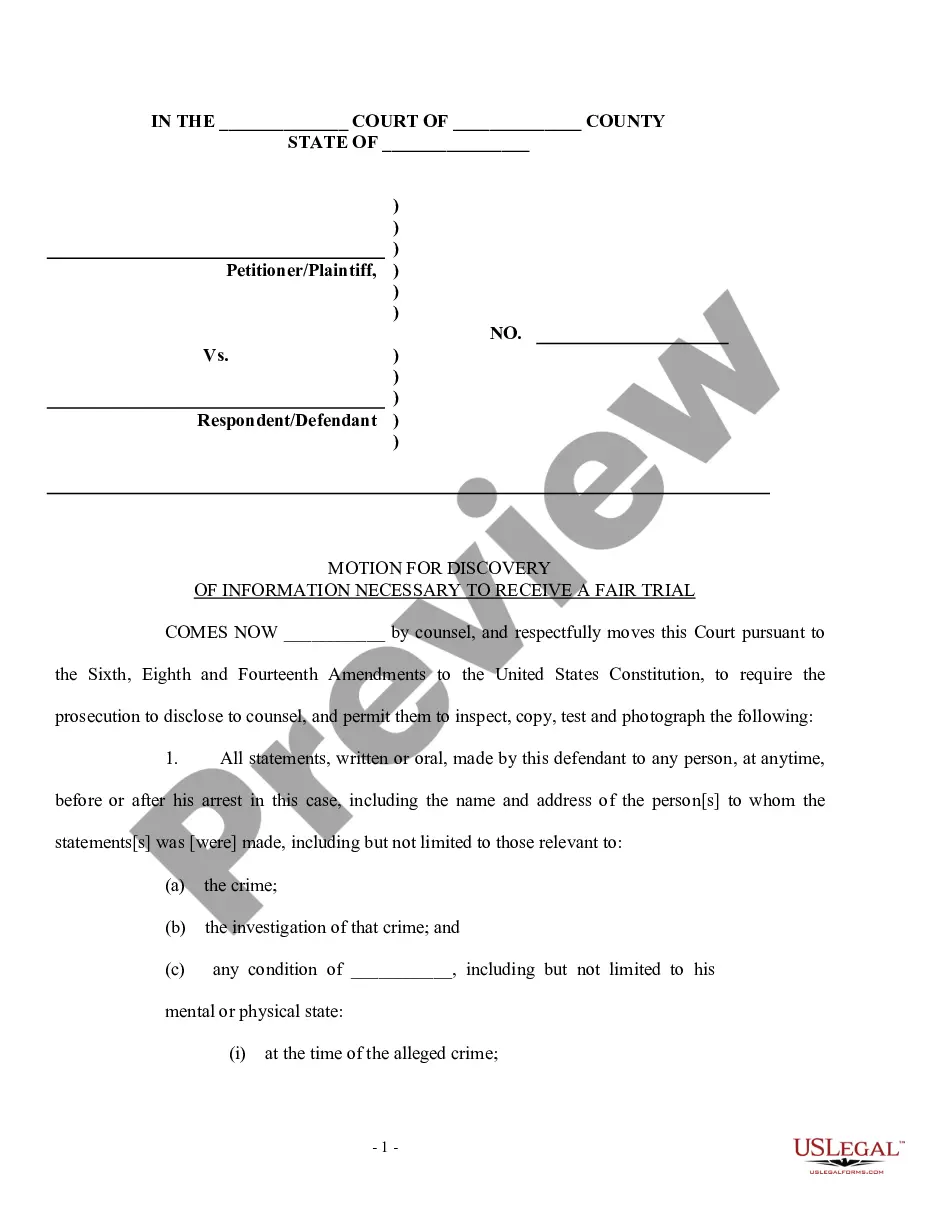
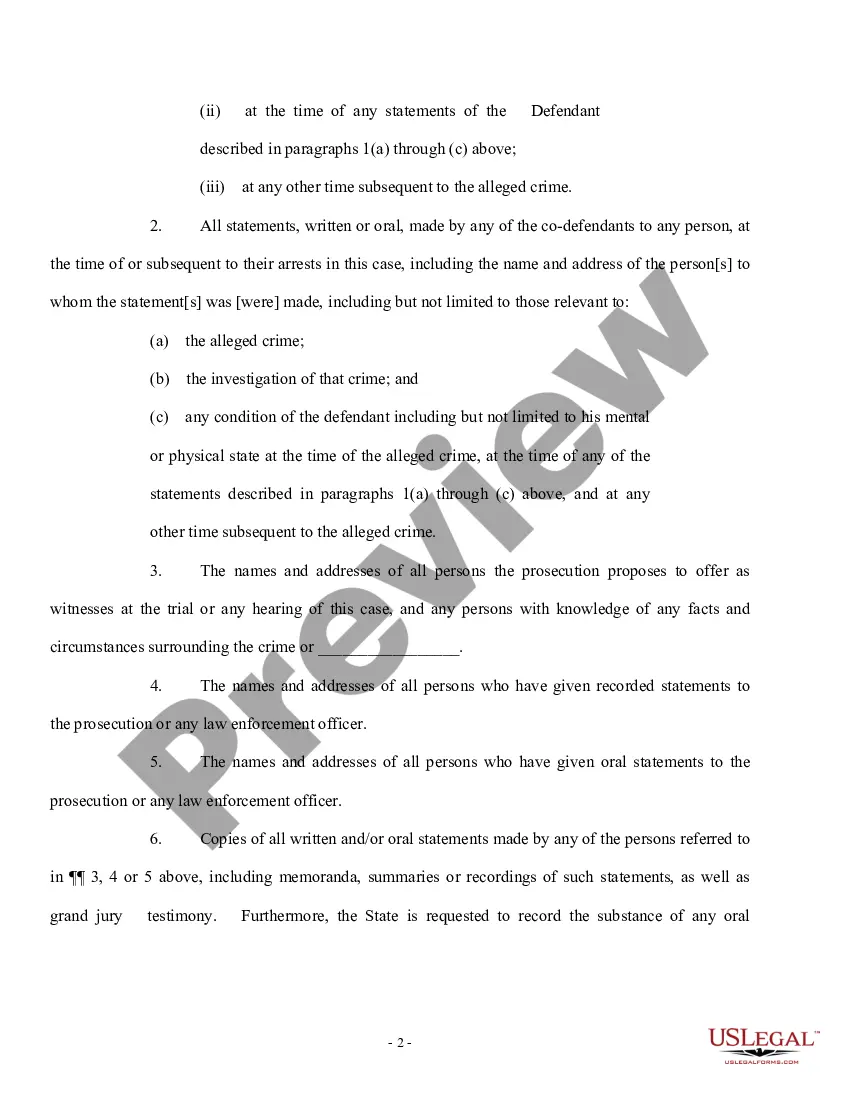
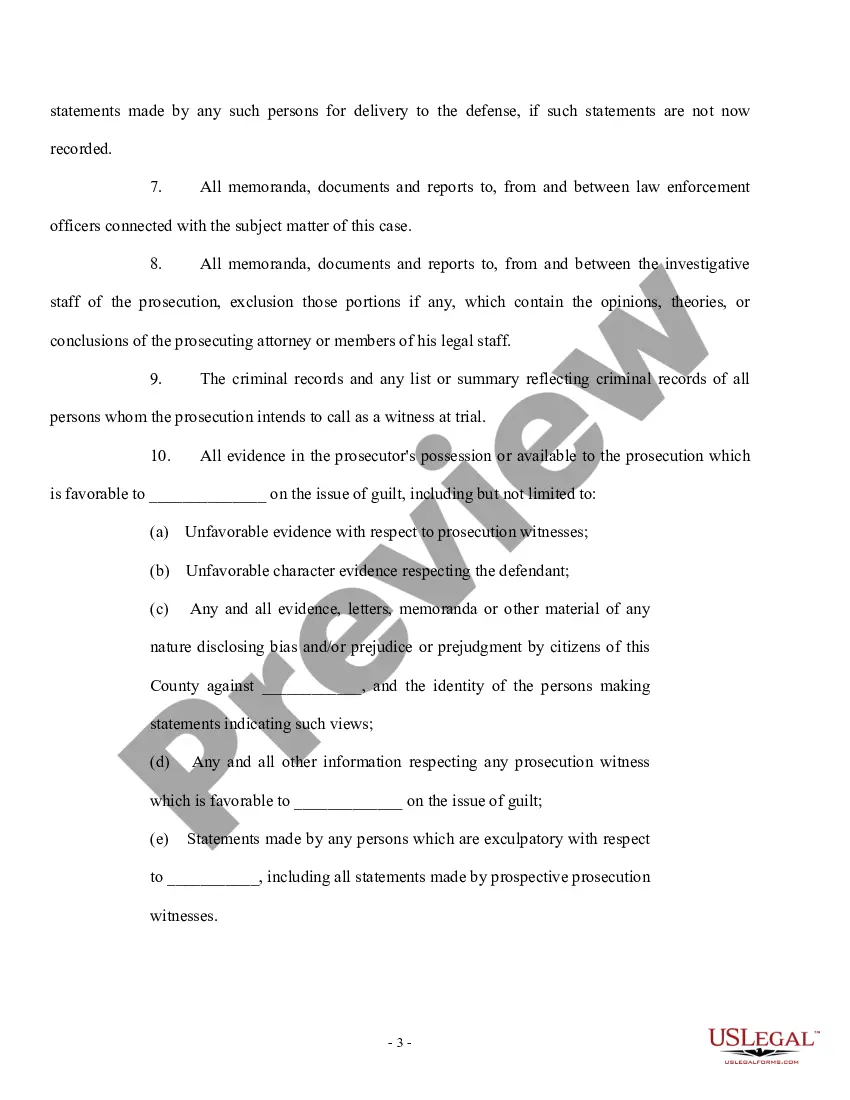
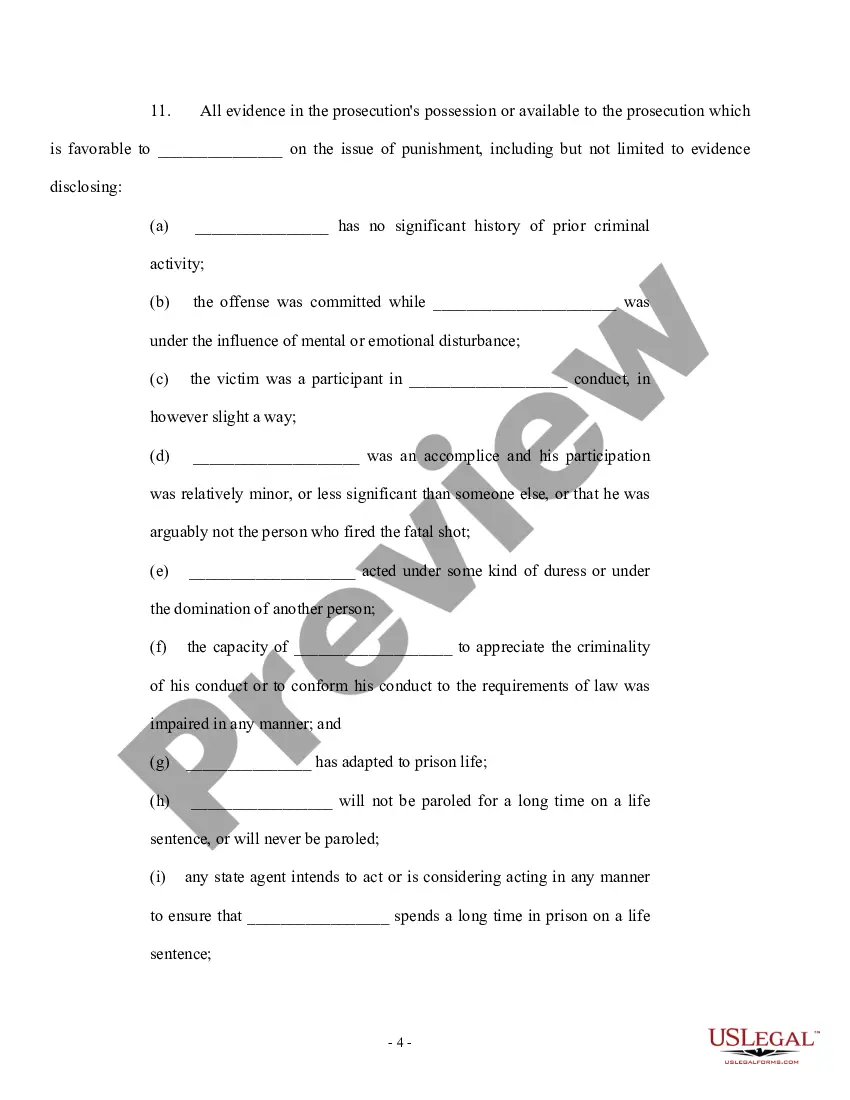
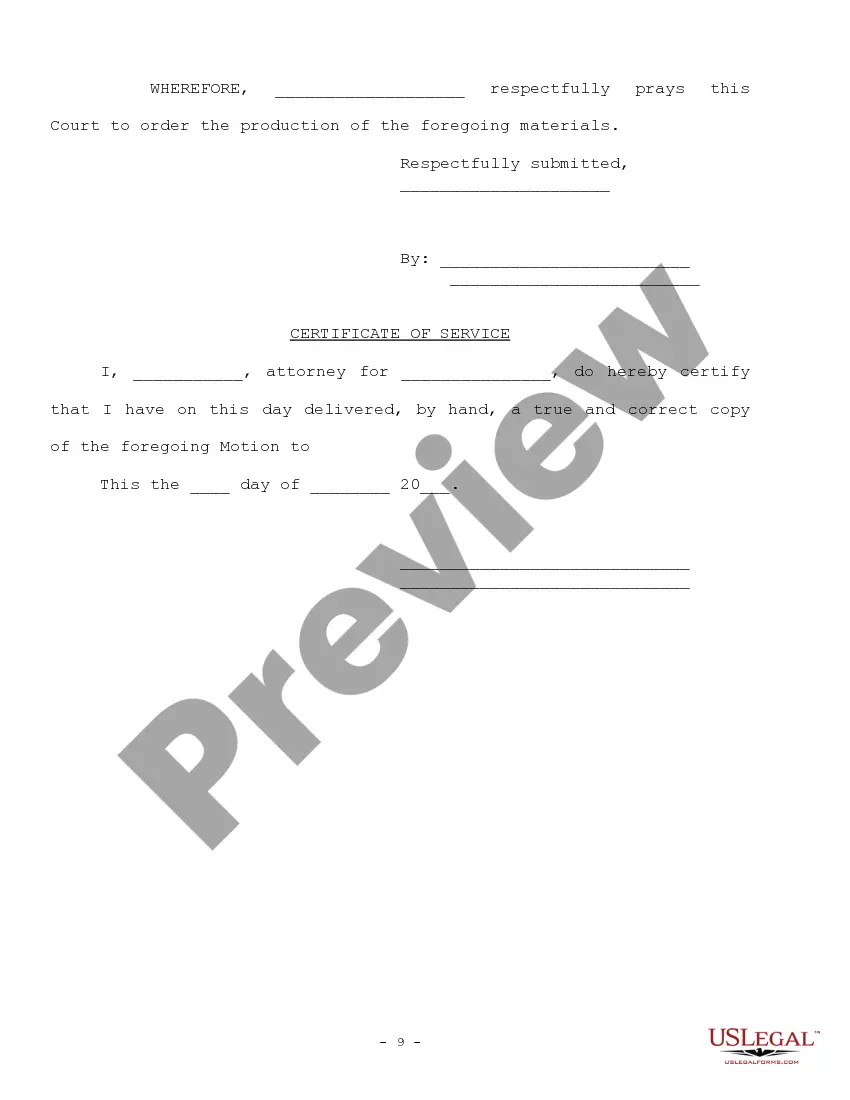
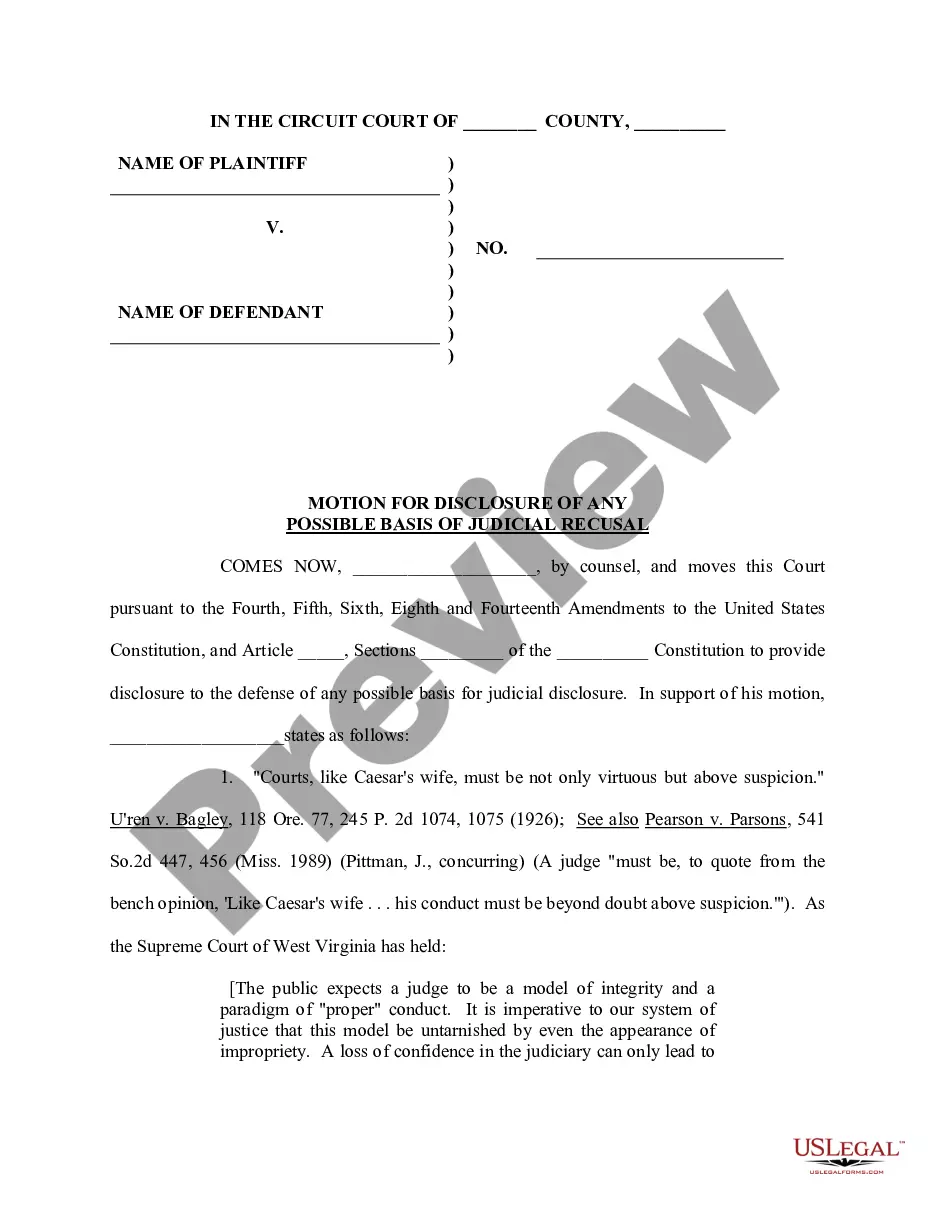
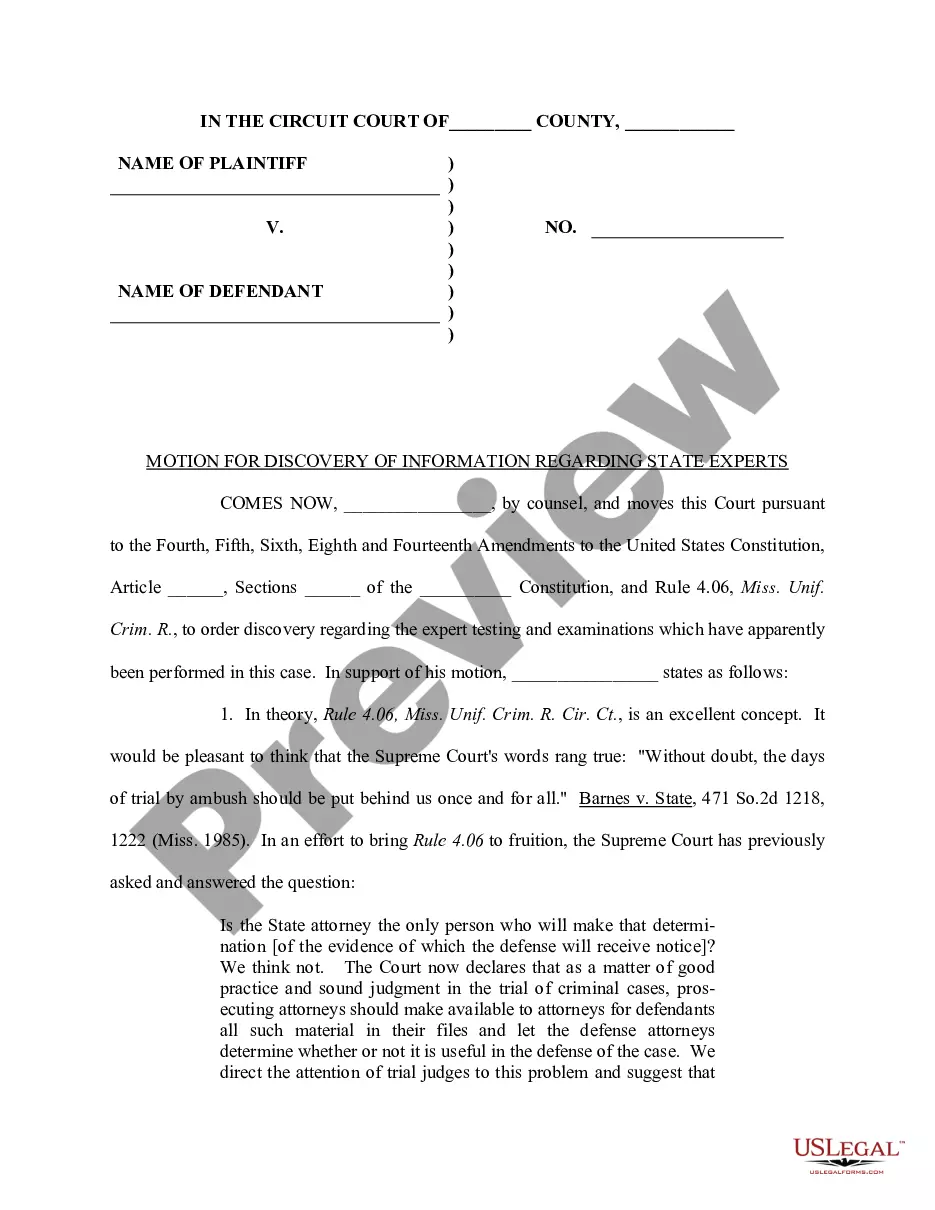
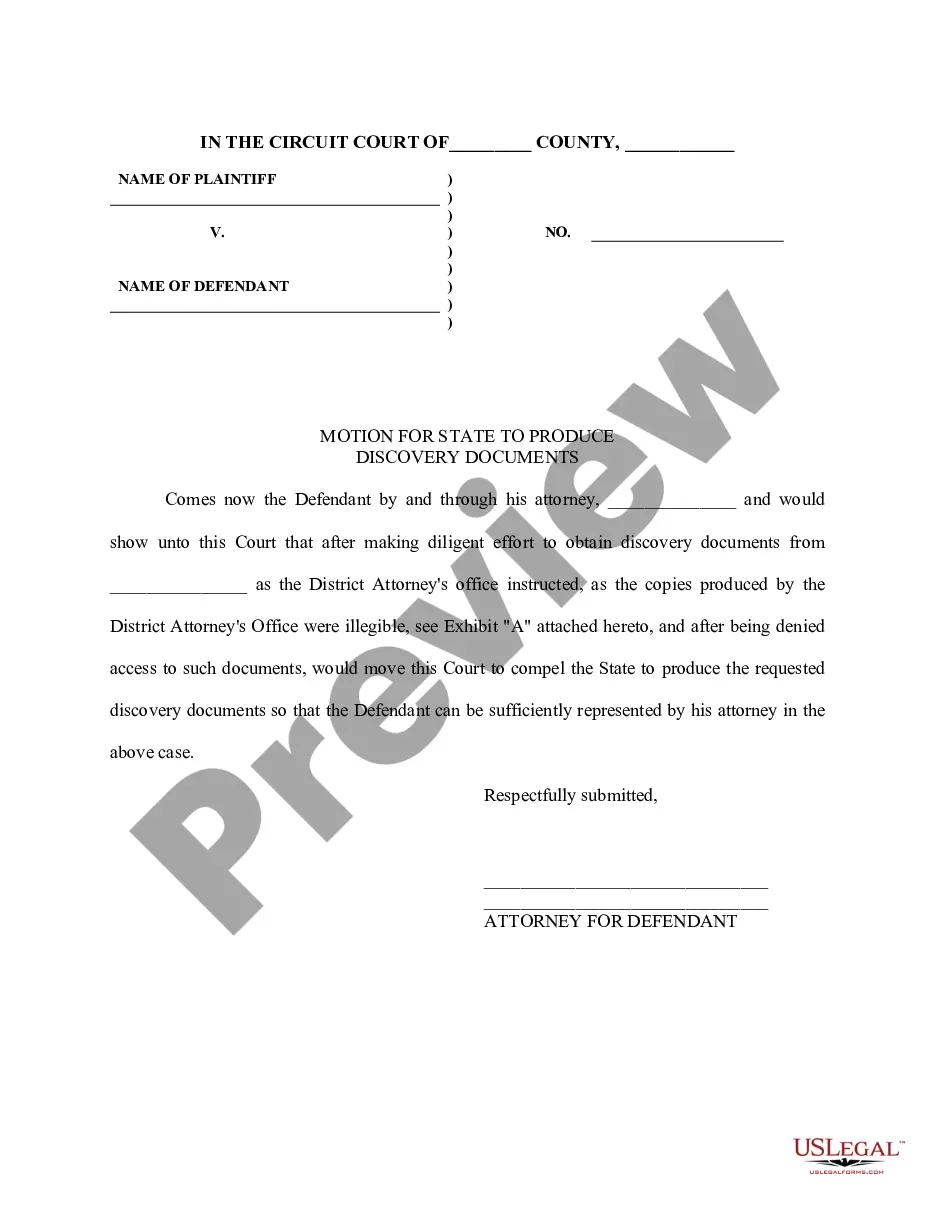
Get your form ready online
Our built-in tools help you complete, sign, share, and store your documents in one place.
Make edits, fill in missing information, and update formatting in US Legal Forms—just like you would in MS Word.
Download a copy, print it, send it by email, or mail it via USPS—whatever works best for your next step.
Sign and collect signatures with our SignNow integration. Send to multiple recipients, set reminders, and more. Go Premium to unlock E-Sign.
If this form requires notarization, complete it online through a secure video call—no need to meet a notary in person or wait for an appointment.
We protect your documents and personal data by following strict security and privacy standards.

Make edits, fill in missing information, and update formatting in US Legal Forms—just like you would in MS Word.

Download a copy, print it, send it by email, or mail it via USPS—whatever works best for your next step.

Sign and collect signatures with our SignNow integration. Send to multiple recipients, set reminders, and more. Go Premium to unlock E-Sign.

If this form requires notarization, complete it online through a secure video call—no need to meet a notary in person or wait for an appointment.

We protect your documents and personal data by following strict security and privacy standards.
Looking for another form?




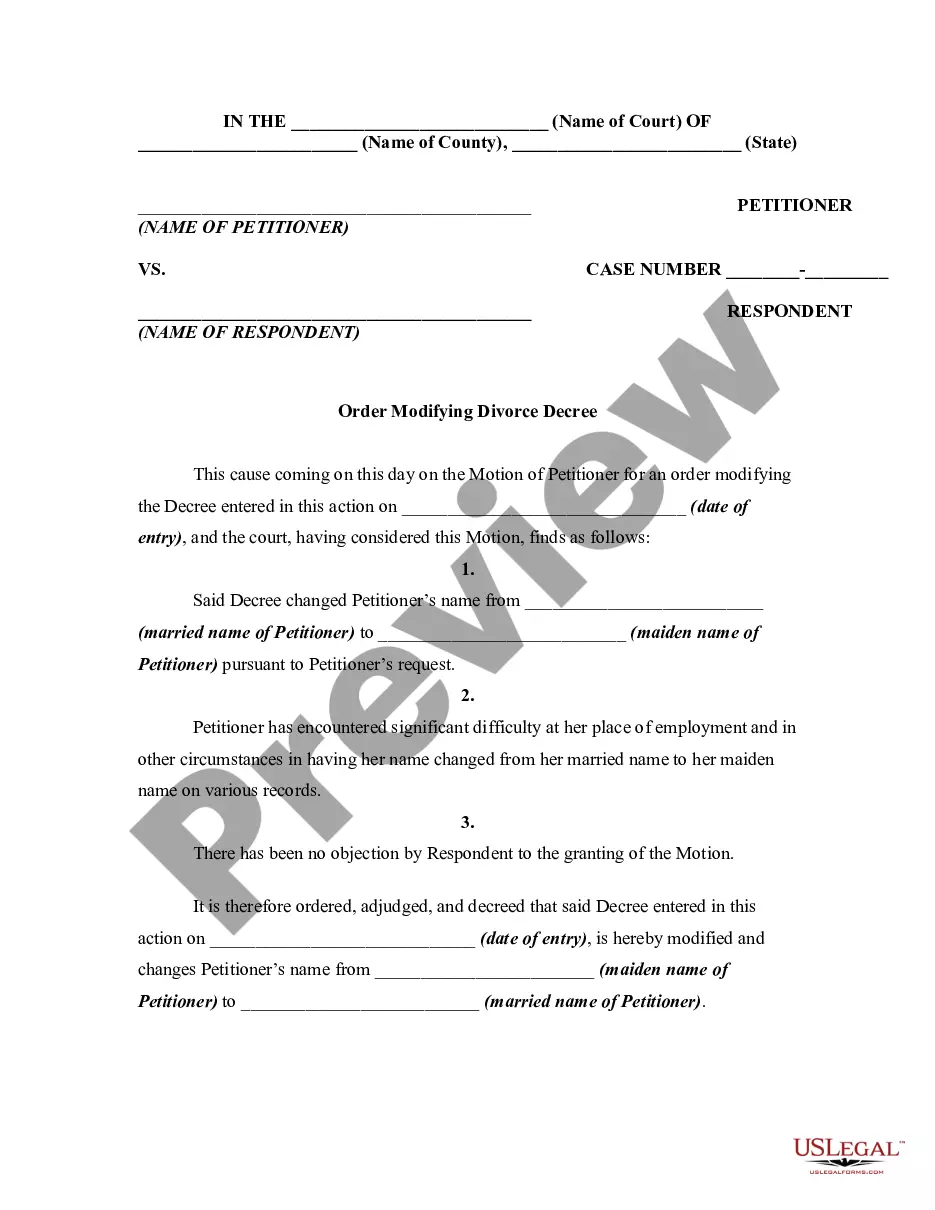

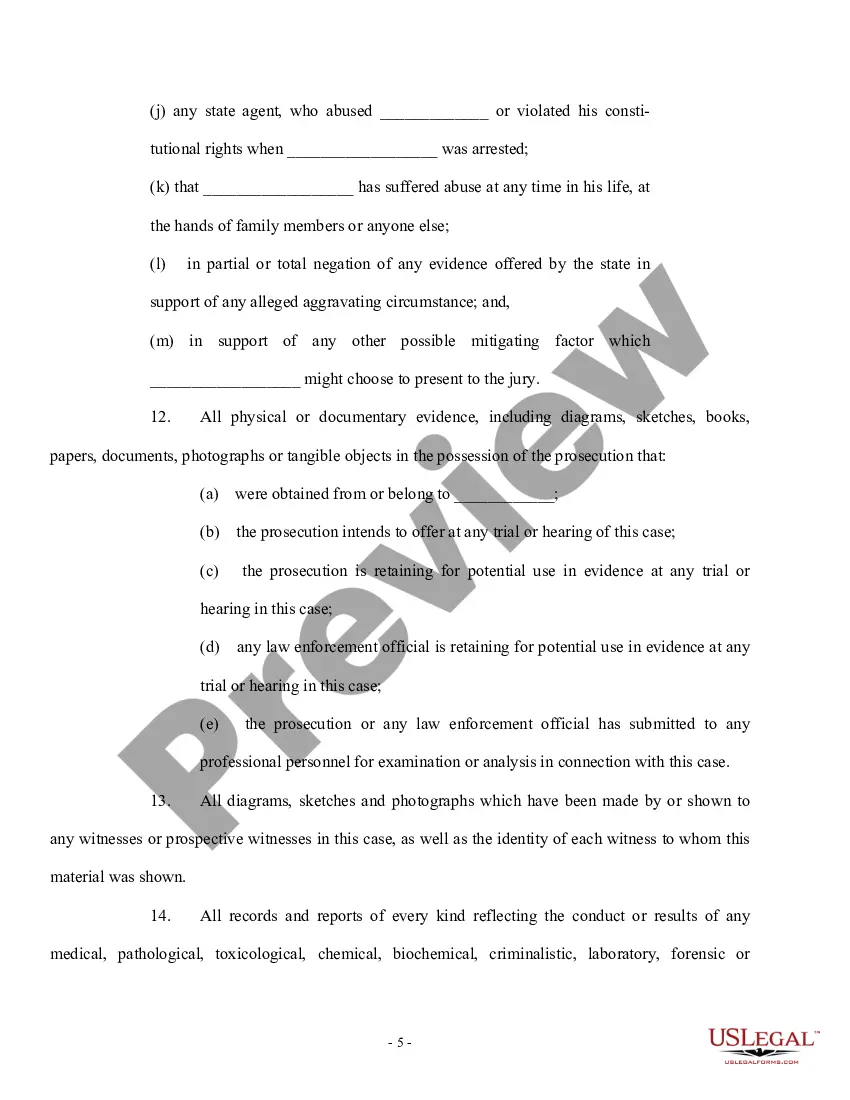
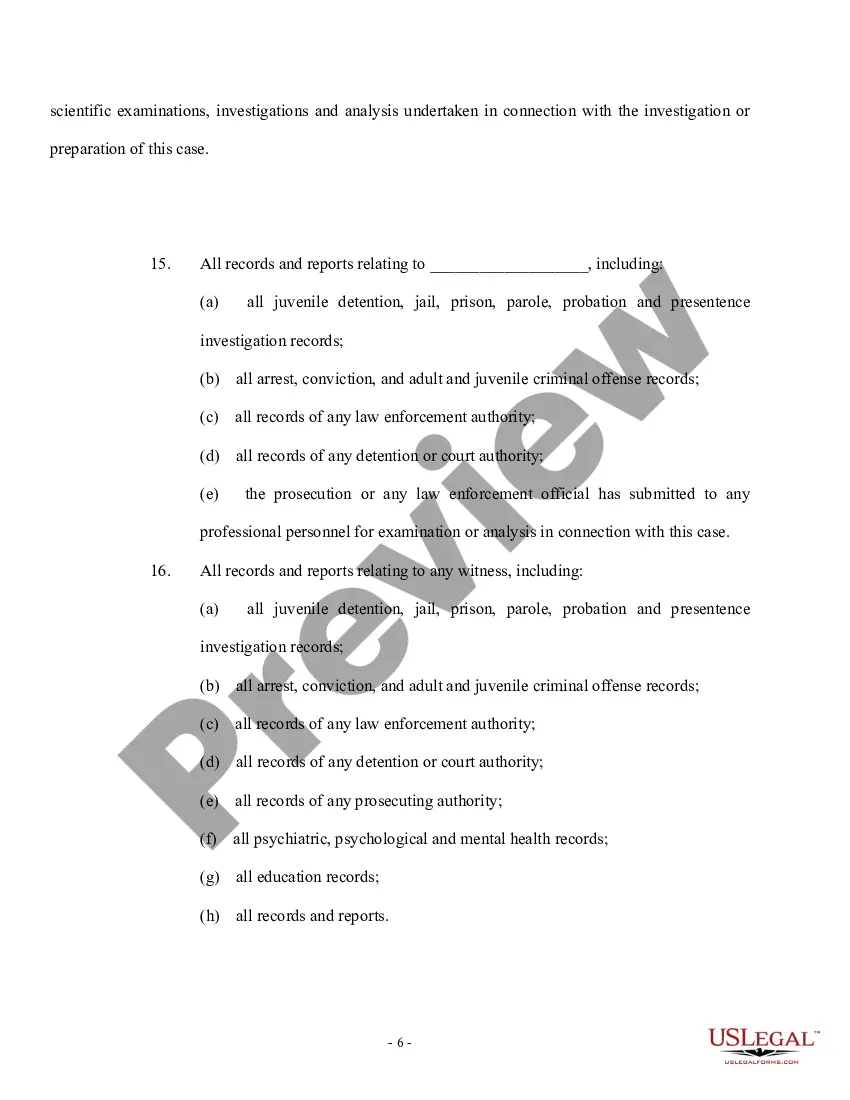
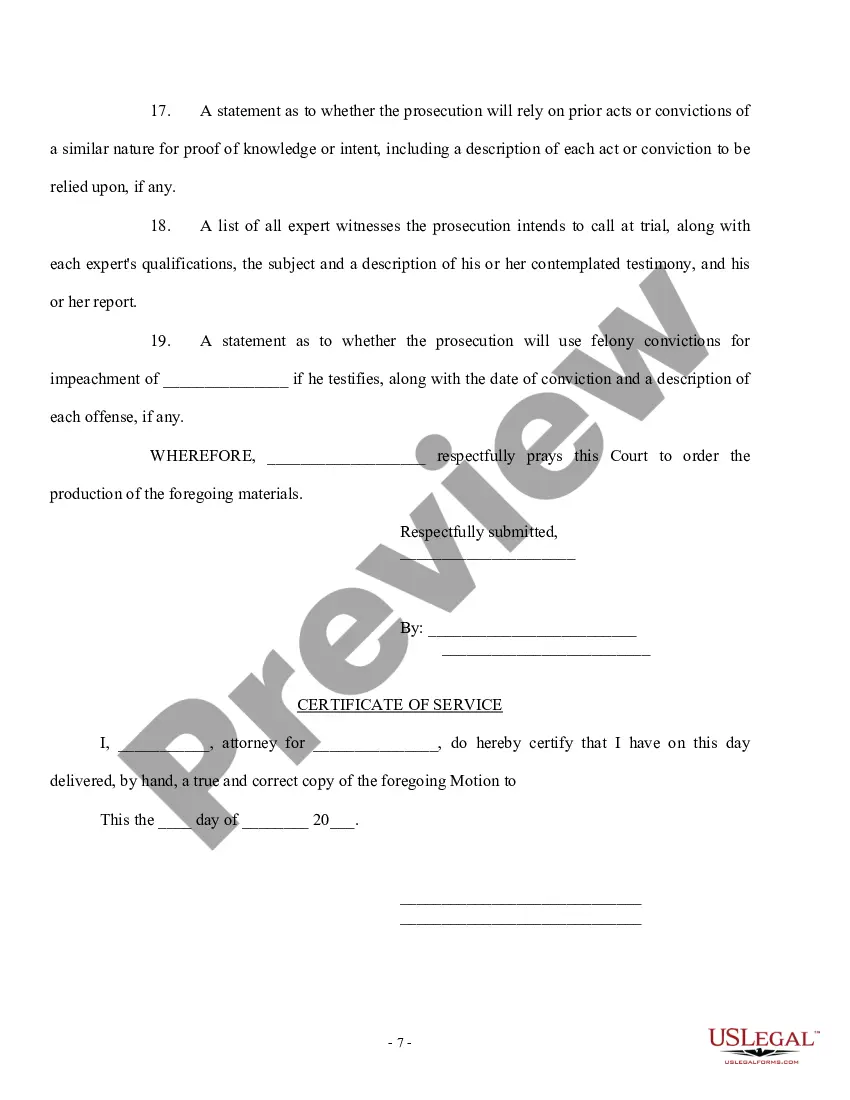
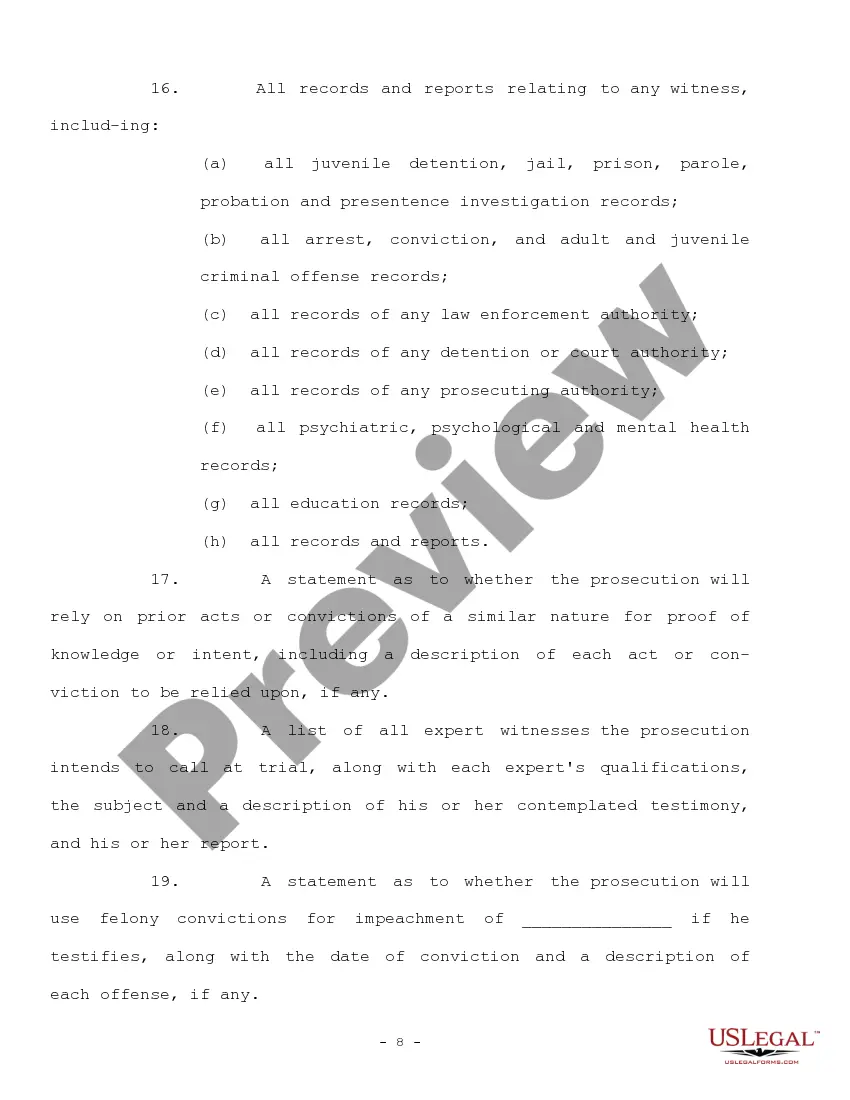
How to fill out Motion For Discovery Of Information Necessary To Receive A Fair Trial?
Whether for commercial reasons or for personal issues, everyone must handle legal matters at some stage in their life.
Completing legal documents demands meticulous attention, starting with selecting the correct form template.
With a comprehensive US Legal Forms catalog available, you no longer have to waste time searching for the correct template across the internet. Utilize the library’s straightforward navigation to find the suitable template for any situation.
- Locate the template you require by using the search bar or browsing the catalog.
- Review the form’s details to make sure it corresponds with your situation, state, and county.
- Click on the form’s preview to examine it.
- If it is the incorrect document, return to the search feature to find the Discovery In Trial Meaning template you need.
- Obtain the file if it satisfies your requirements.
- If you already possess a US Legal Forms account, simply click Log in to access files you’ve previously saved in My documents.
- If you do not have an account yet, you can acquire the form by clicking Buy now.
- Choose the appropriate pricing option.
- Fill out the account registration form.
- Select your payment method: use a credit card or PayPal account.
- Choose the document format you desire and download the Discovery In Trial Meaning.
- Once saved, you can fill out the form using editing software or print it and complete it by hand.
Form popularity
FAQ
Discovery works in a trial by allowing each party to investigate the facts of the case. This usually includes sharing relevant documents, conducting interviews, and obtaining witness statements. The process aims to eliminate surprises during the trial and promote fair litigation. By understanding the discovery in trial meaning, you can enhance your strategy and utilize platforms like US Legal Forms for organized document management.
The discovery process in a trial involves exchanging information between both parties before the trial begins. This includes gathering documents, taking depositions, and submitting interrogatories. The goal is to ensure that both sides are aware of the evidence and can prepare their arguments effectively. Knowing the discovery in trial meaning is crucial for navigating this phase successfully.
To obtain your discovery for court, start by filing a request with the opposing party. This request should outline the specific documents or evidence you need. If the opposing party does not comply, you may need to file a motion with the court. Understanding the discovery in trial meaning helps ensure you gather all necessary materials for your case.
Many cases do settle after the discovery phase concludes. This is often due to the insights gained during discovery, which help both parties evaluate their positions more clearly. When both sides understand the strengths and weaknesses of their cases, they may be more willing to negotiate a settlement, avoiding the uncertainty of a trial.
The purpose of discovery in a trial is to ensure transparency and fairness in the legal process. It allows both parties to gather necessary information, clarify issues, and prepare for trial. This phase can significantly reduce surprises during trial and promote settlements by allowing each party to assess the case realistically.
Both plaintiffs and defendants benefit from discovery, but the party with less information often gains the most. This process allows them to uncover critical evidence that may support their claims or defenses. In many cases, having a clear understanding of the other side's position can lead to more favorable outcomes.
Discovery impacts the defendant by providing them access to evidence that may be used against them in court. This knowledge allows the defendant and their legal team to prepare a more effective defense. Understanding the strengths and weaknesses of the evidence can help the defendant make informed decisions about their case.
Discovery in trial meaning refers to the pre-trial process where parties exchange information and evidence relevant to the case. This phase allows both sides to understand the facts, gather documents, and review witness statements. By sharing this information, discovery helps to promote a fair trial and can lead to better-informed legal strategies.