Discovery Form Sample For Social Media
Description
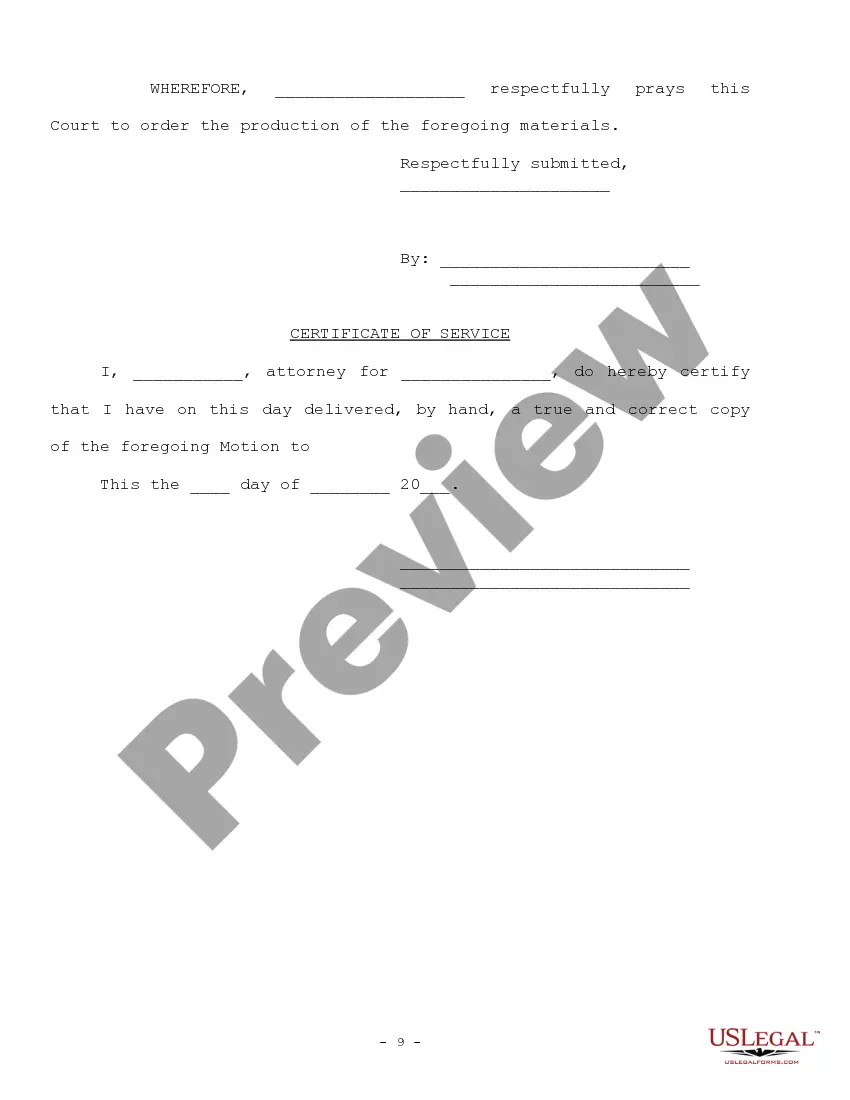
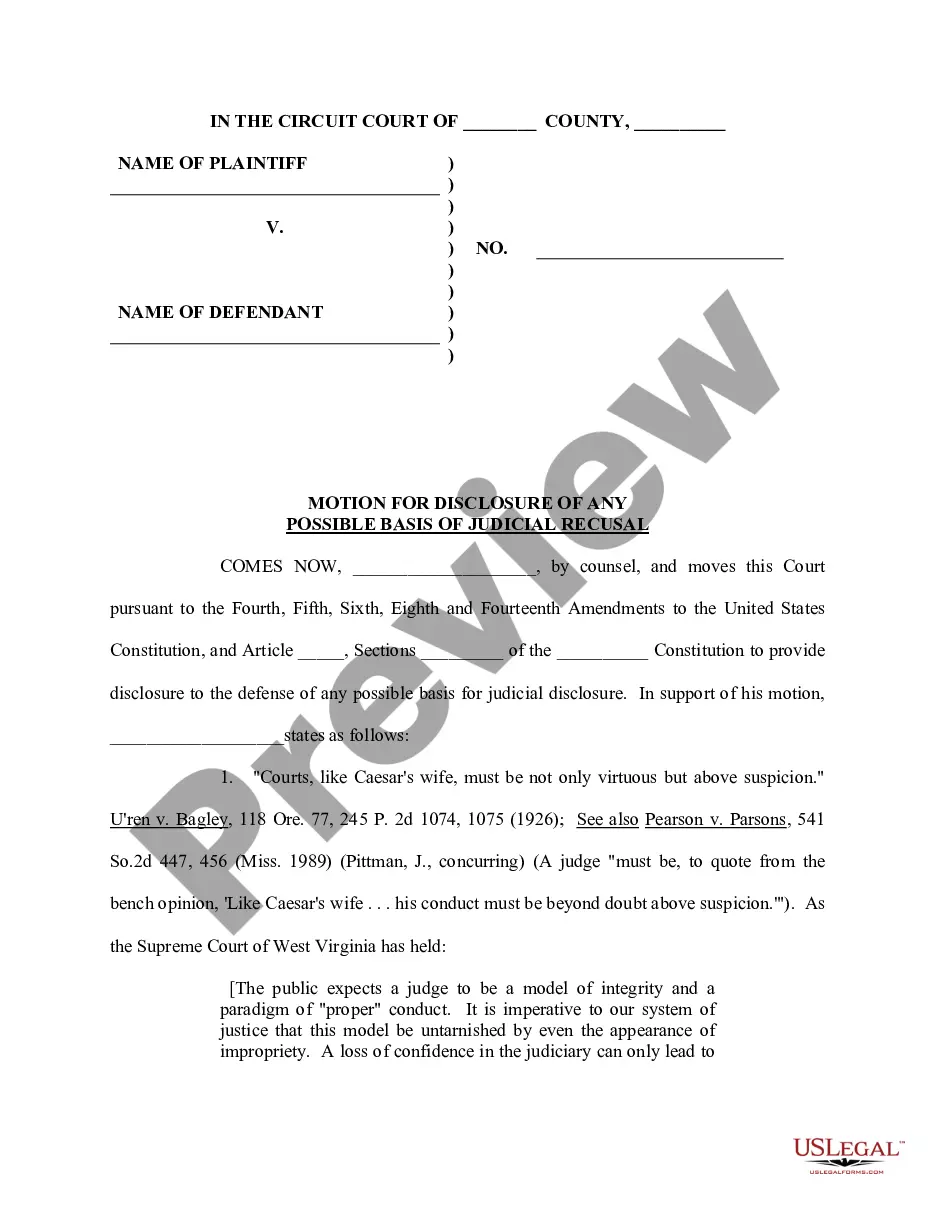
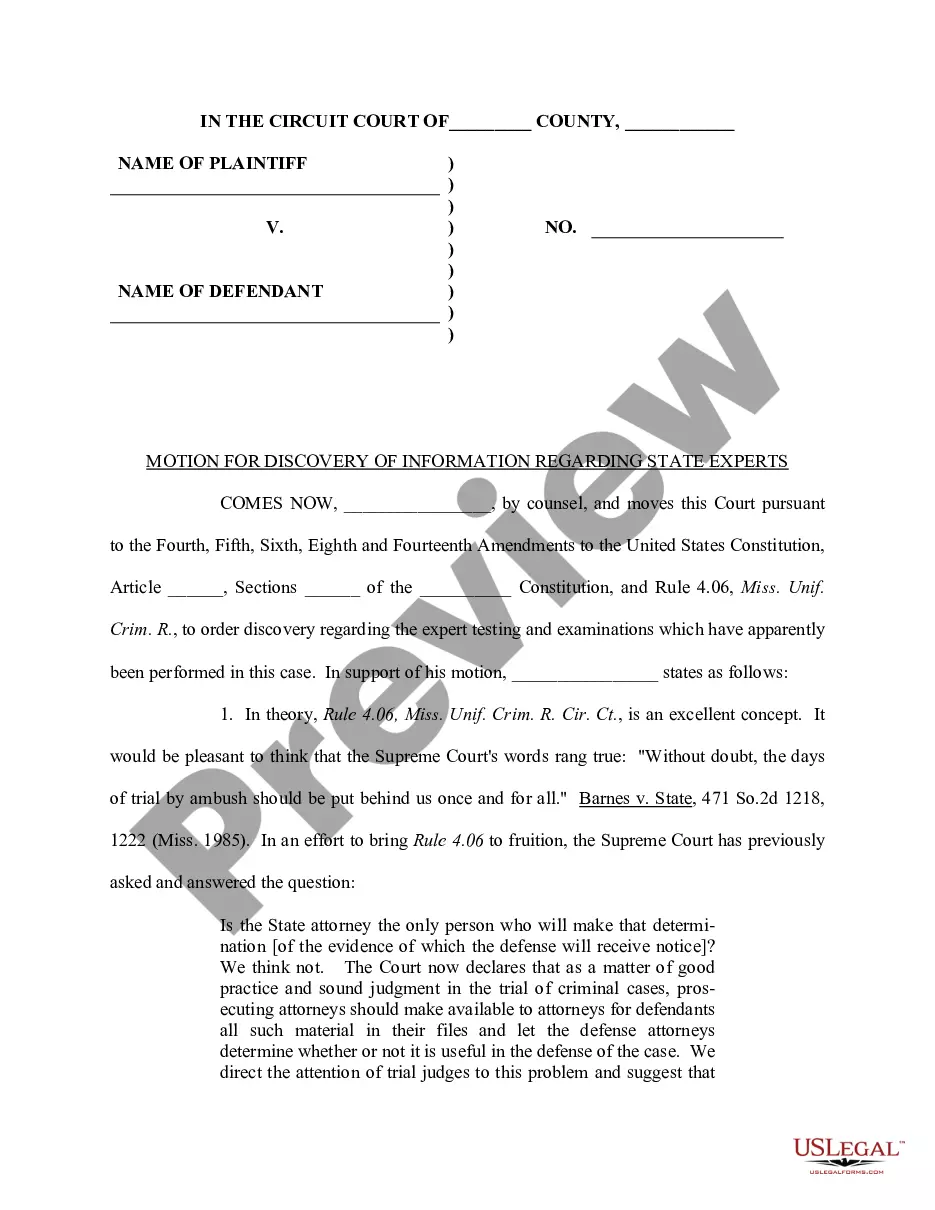
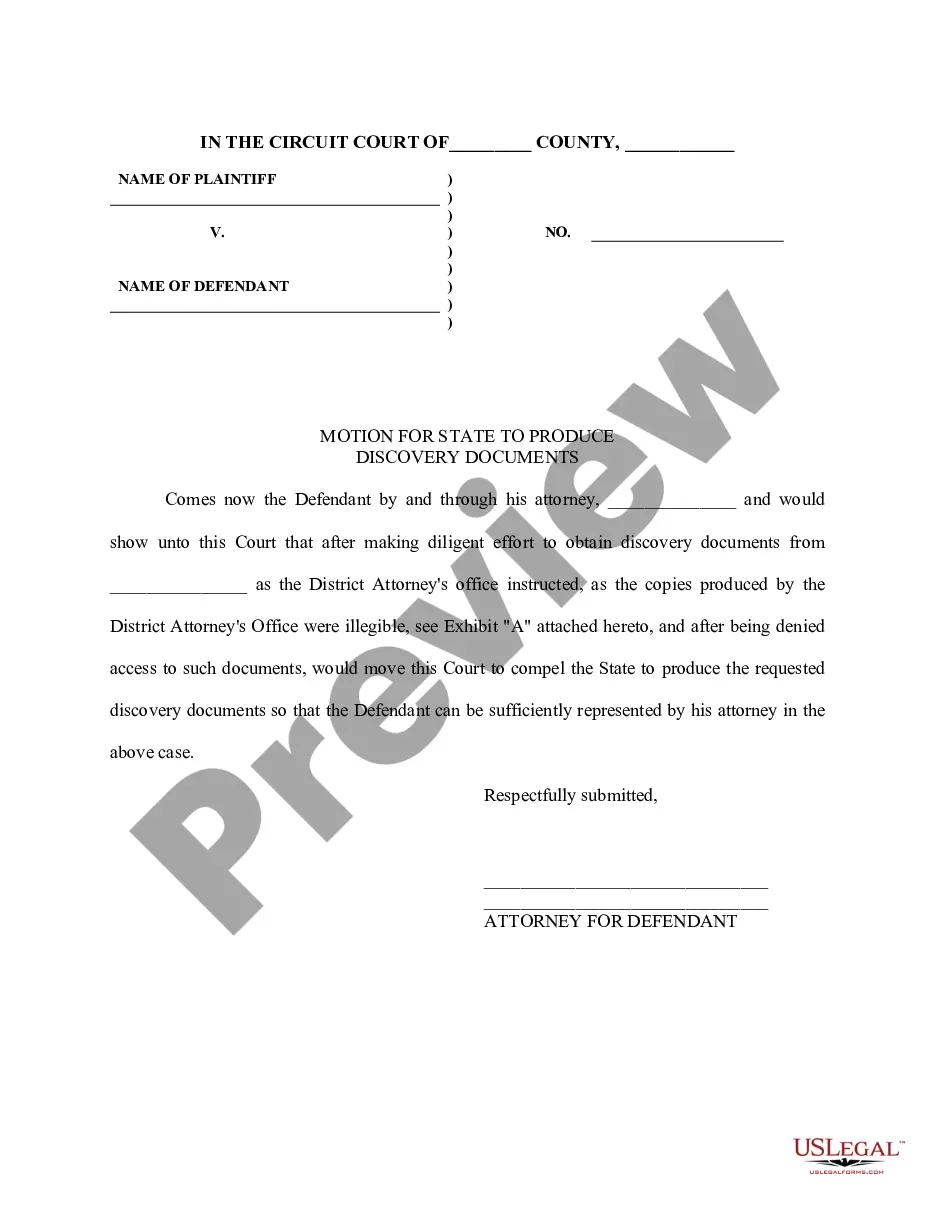
Get your form ready online
Our built-in tools help you complete, sign, share, and store your documents in one place.
Make edits, fill in missing information, and update formatting in US Legal Forms—just like you would in MS Word.
Download a copy, print it, send it by email, or mail it via USPS—whatever works best for your next step.
Sign and collect signatures with our SignNow integration. Send to multiple recipients, set reminders, and more. Go Premium to unlock E-Sign.
If this form requires notarization, complete it online through a secure video call—no need to meet a notary in person or wait for an appointment.
We protect your documents and personal data by following strict security and privacy standards.

Make edits, fill in missing information, and update formatting in US Legal Forms—just like you would in MS Word.

Download a copy, print it, send it by email, or mail it via USPS—whatever works best for your next step.

Sign and collect signatures with our SignNow integration. Send to multiple recipients, set reminders, and more. Go Premium to unlock E-Sign.

If this form requires notarization, complete it online through a secure video call—no need to meet a notary in person or wait for an appointment.

We protect your documents and personal data by following strict security and privacy standards.
Looking for another form?








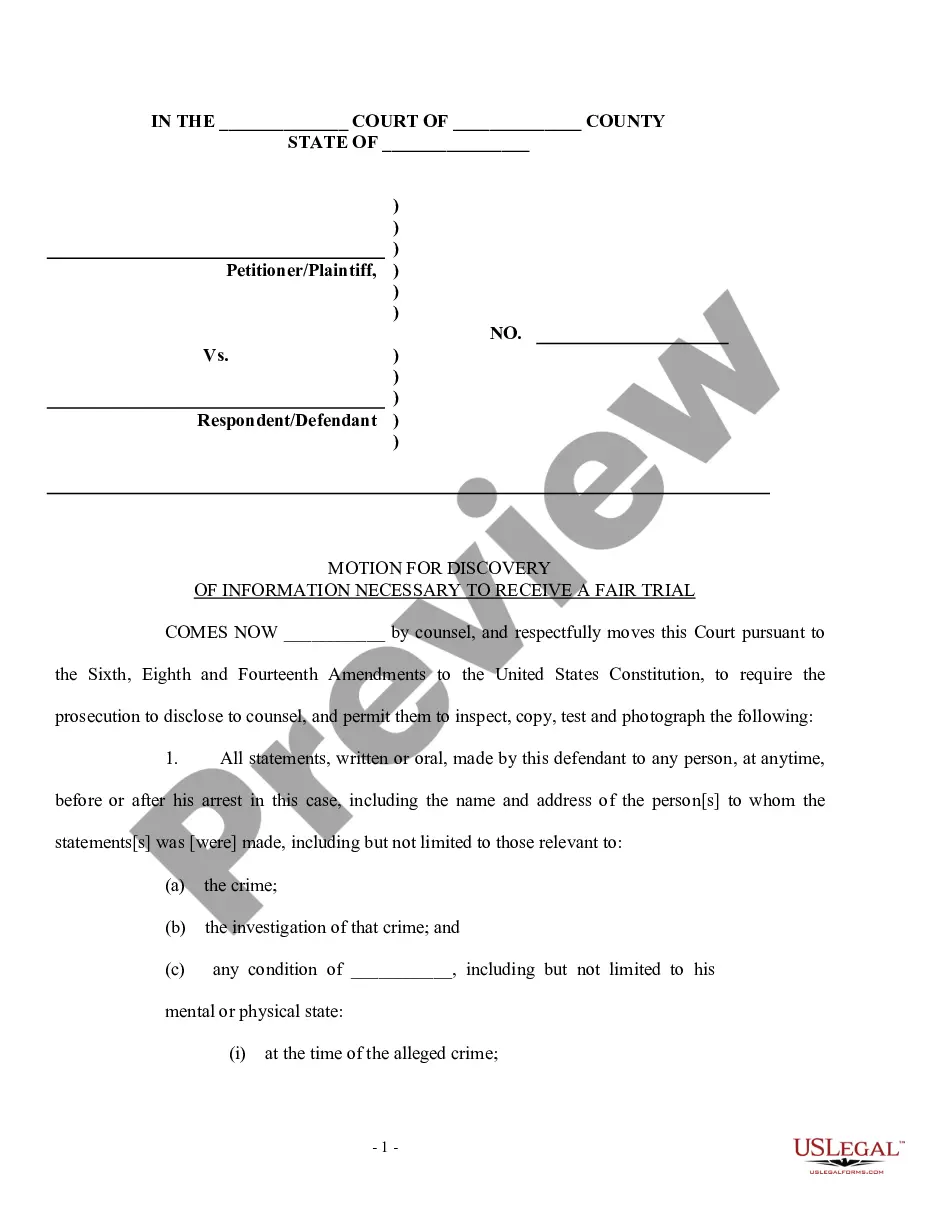
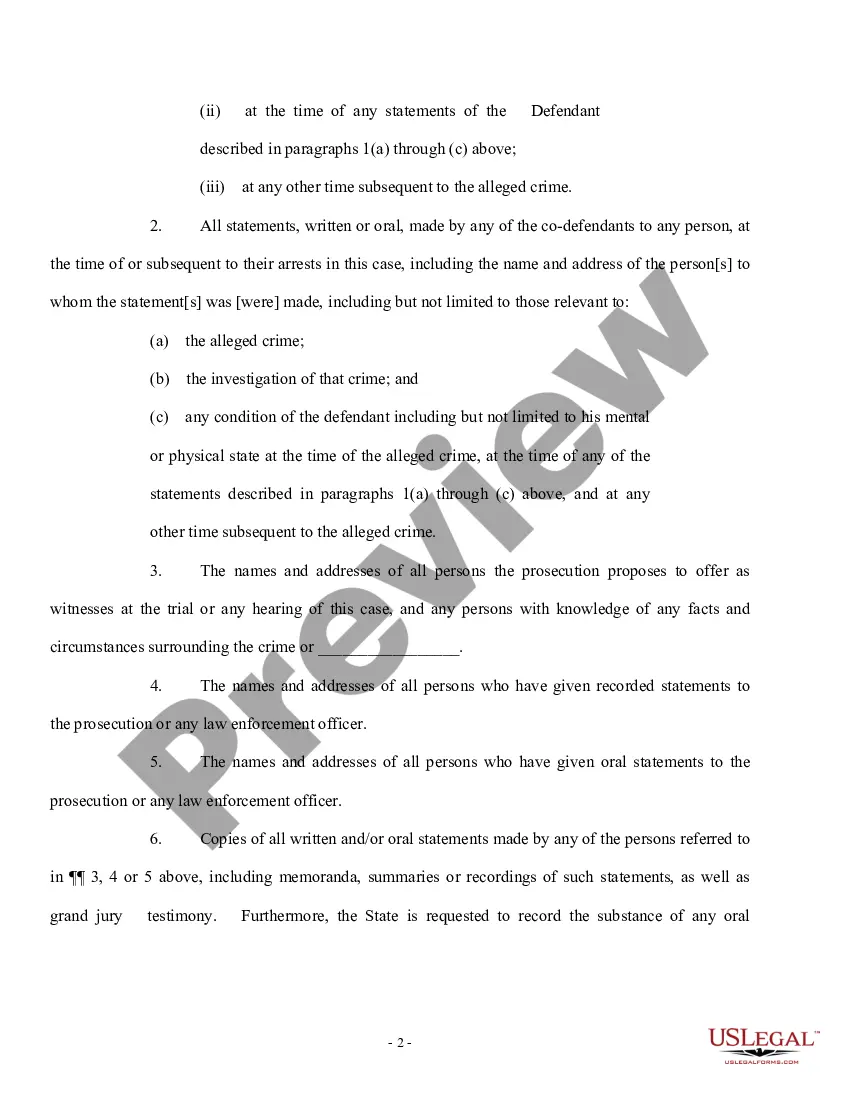
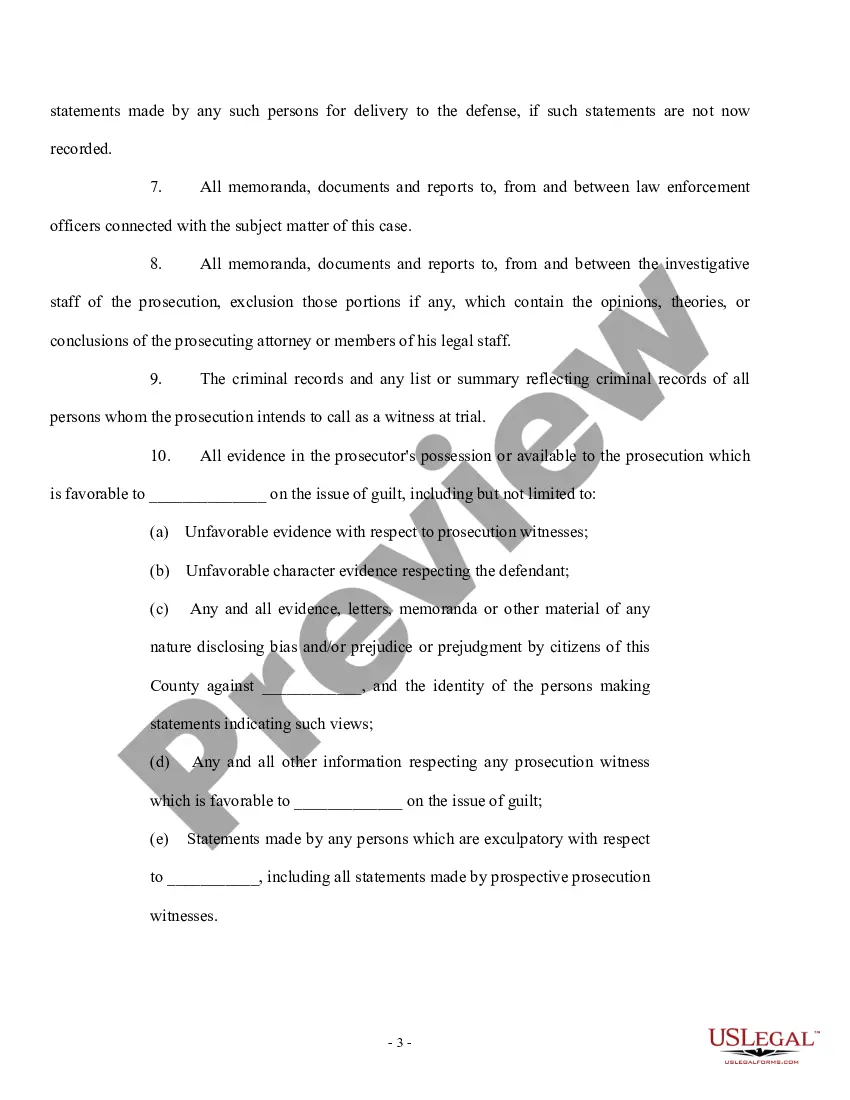
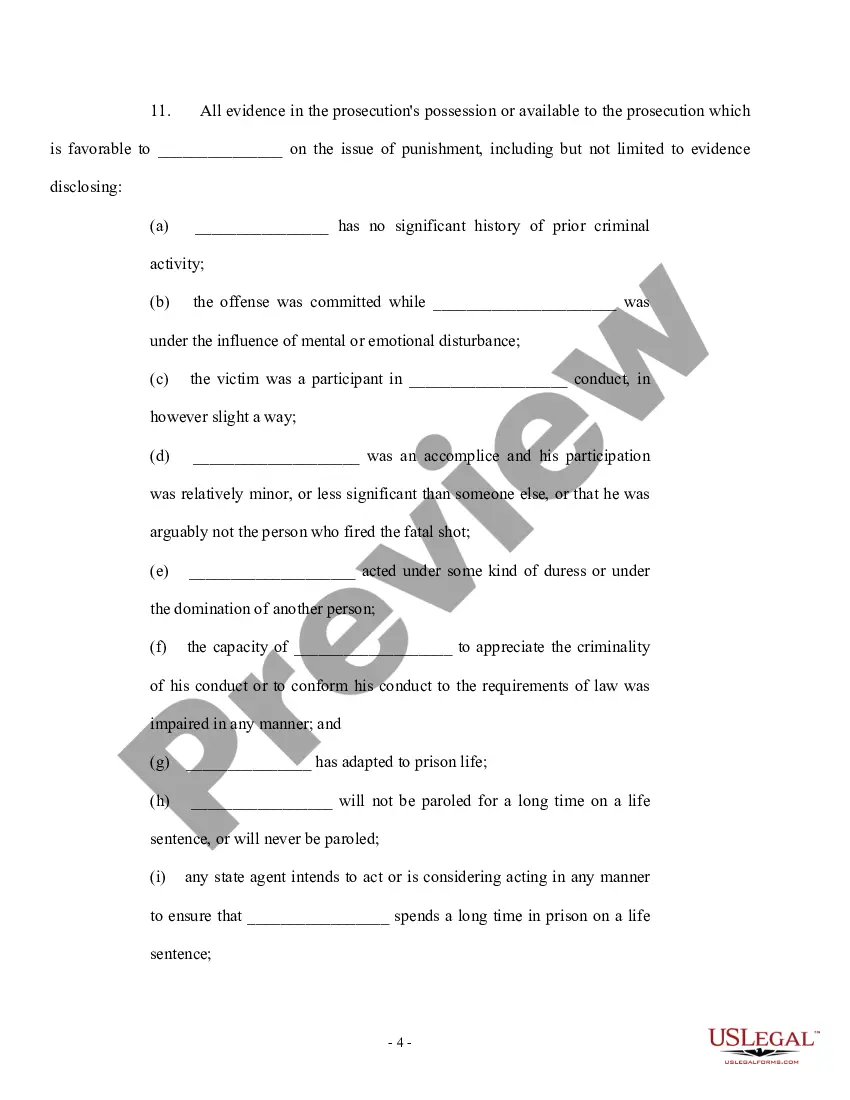
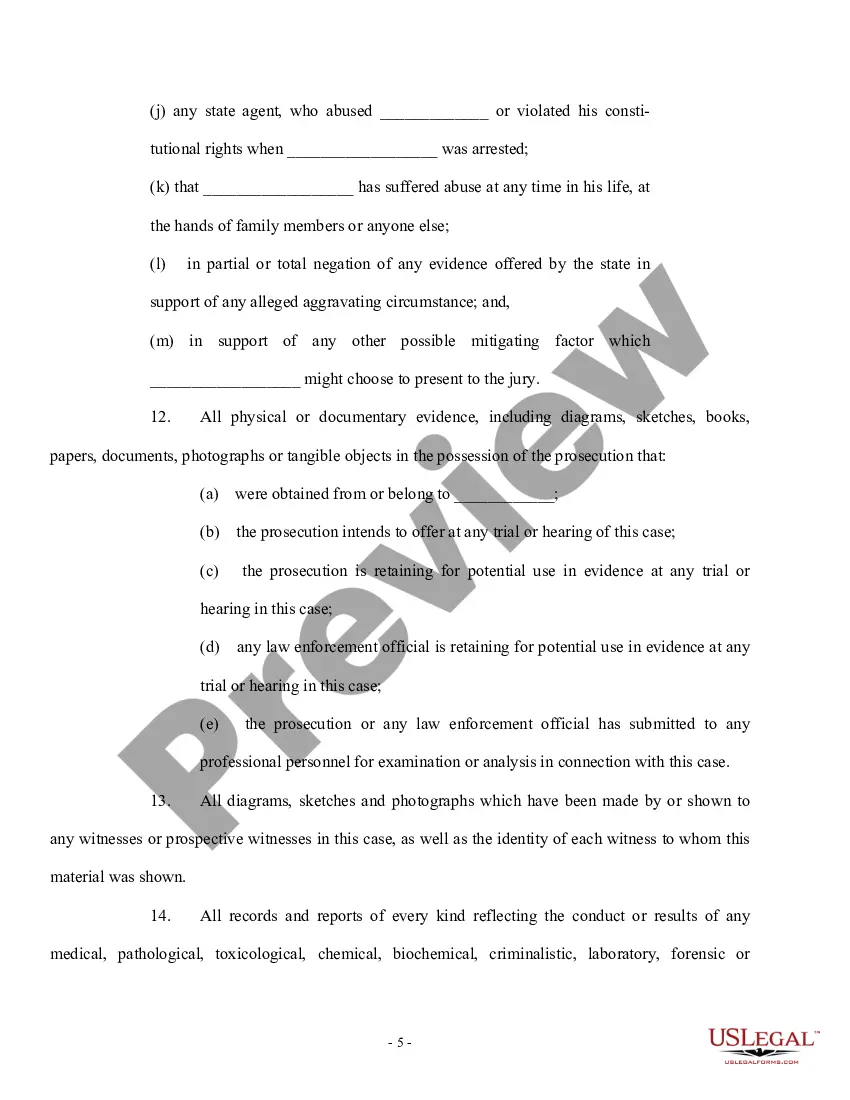
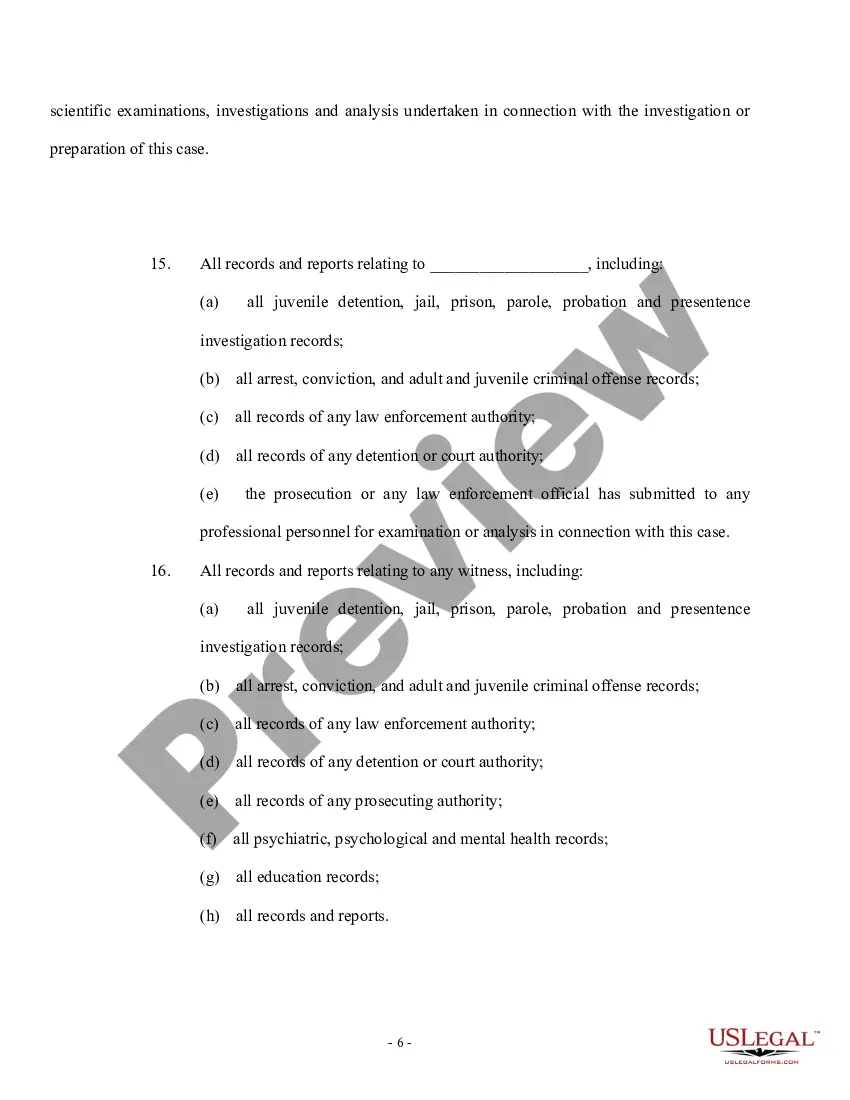
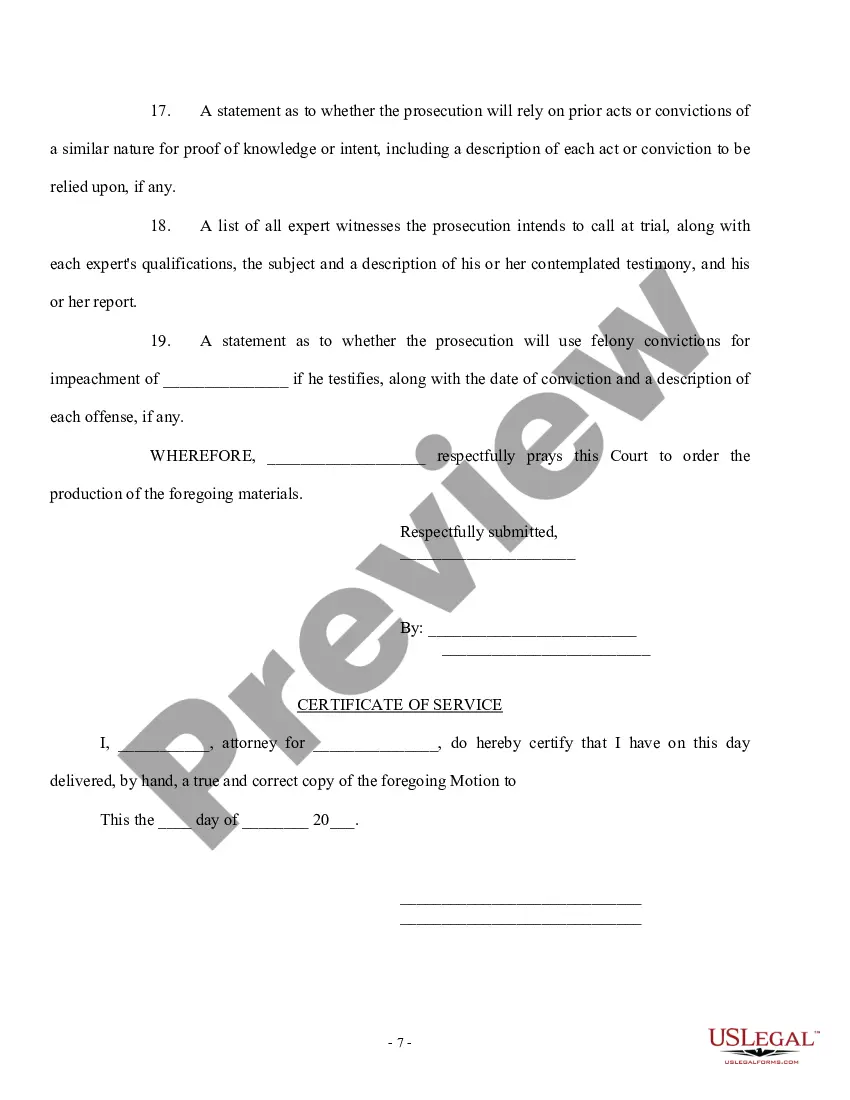
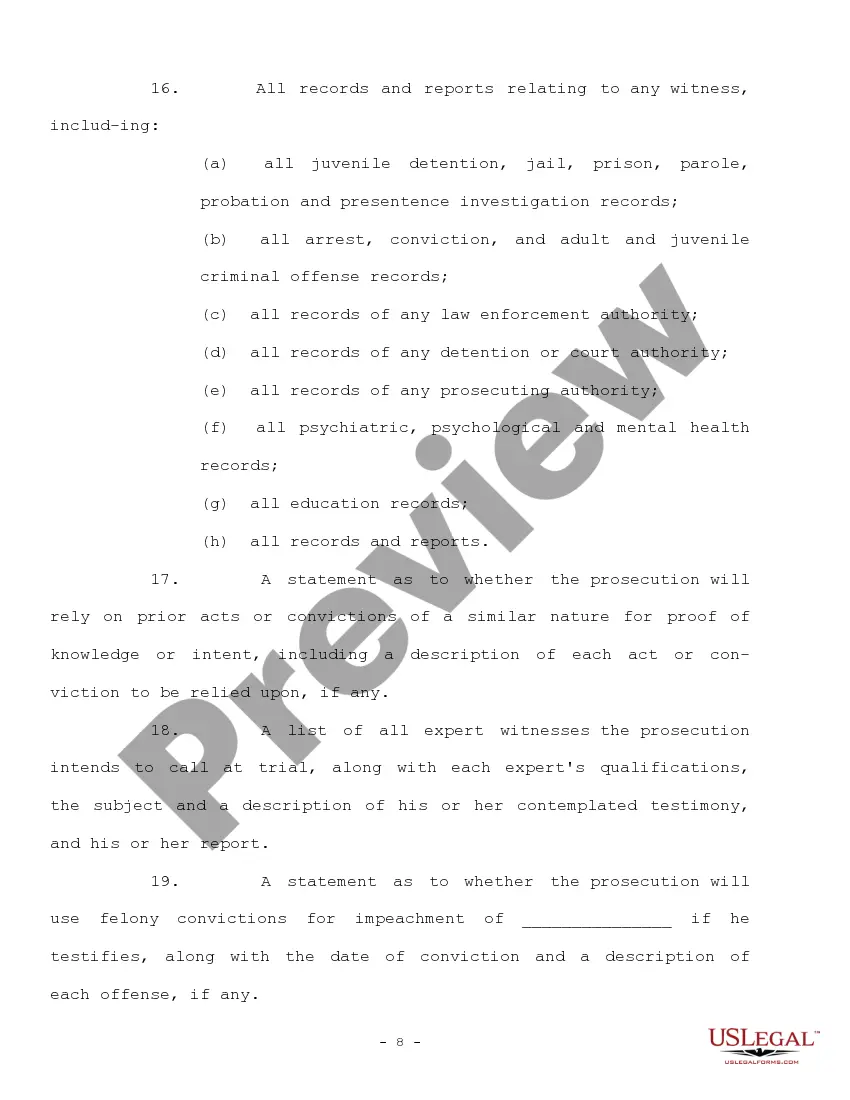
How to fill out Motion For Discovery Of Information Necessary To Receive A Fair Trial?
Regardless of whether it's for corporate reasons or personal affairs, everyone must confront legal circumstances at some stage in their existence.
Completing legal documents requires meticulous care, starting with choosing the correct form template.
Complete the account registration form. Choose your payment option: you can use a credit card or PayPal account. Select the file format you desire and download the Discovery Form Template For Social Media. Once saved, you can fill out the form using editing software or print it and fill it out by hand. With an extensive US Legal Forms catalog available, you never need to waste time searching for the right template on the web. Utilize the library’s intuitive navigation to find the right template for any scenario.
- For instance, if you select an incorrect version of the Discovery Form Template For Social Media, it will be denied upon submission.
- Thus, it is vital to obtain a dependable source of legal documents like US Legal Forms.
- If you need a Discovery Form Template For Social Media template, follow these straightforward steps.
- Obtain the template you seek by utilizing the search feature or catalog directory.
- Review the form’s details to confirm it suits your circumstances, jurisdiction, and region.
- Click on the form’s preview to examine it.
- If it is not the correct form, return to the search option to locate the Discovery Form Template For Social Media template you need.
- Download the file if it aligns with your specifications.
- If you possess a US Legal Forms account, simply click Log in to access previously saved papers in My documents.
- If you have yet to create an account, you can download the form by clicking Buy now.
- Select the suitable pricing plan.
Form popularity
FAQ
A discovery example includes a deposition, where a witness provides sworn testimony before a trial. This process helps parties gather detailed information and clarify facts related to the case. Depositions can also involve inquiries about social media activities that may impact the litigation. Using a discovery form sample for social media can enhance your approach and ensure you ask the right questions.
The most common form of discovery is the request for production of documents. This method allows parties to obtain relevant documents, which can include emails, contracts, and social media posts. These documents often play a crucial role in building a case. To streamline your process, a discovery form sample for social media can help you create effective requests that yield valuable evidence.
An example of a discovery is a request for production of documents, where one party seeks access to specific files or records. This may include social media posts that are relevant to the case. By requesting this information, you can gather evidence that supports your position. A discovery form sample for social media can assist you in crafting effective requests tailored to your needs.
To file a discovery request, you must draft a formal document that specifies the information or documents you seek. Ensure that your request aligns with the rules of the court where your case is filed. It's wise to include a clear rationale for your request. Consider using a discovery form sample for social media to ensure you cover all necessary aspects and maintain clarity.
The four main types of discovery include interrogatories, depositions, requests for production of documents, and requests for admissions. Each type serves a specific purpose in gathering information and evidence from the opposing party. Understanding these types can help you choose the right approach for your case. For your social media needs, a discovery form sample for social media can simplify this process.
A formal discovery process includes various methods to gather evidence, such as interrogatories, requests for documents, and depositions. For instance, a request for documents may include a demand for social media records related to a case. This formal approach allows parties to uncover important facts. A discovery form sample for social media can guide you in crafting requests that are comprehensive and clear.
Yes, social media posts are often subject to discovery in litigation. Courts typically allow access to relevant social media content that may affect a case. Therefore, it’s essential to understand how these posts can be used as evidence. Utilizing a discovery form sample for social media can help you organize and present this information effectively.
While you can technically post on social media during a lawsuit, it is essential to proceed with caution. Anything you share may be scrutinized and could impact your case, especially if it relates to the lawsuit's subject matter. It is wise to review your social media activity and consider using a discovery form sample for social media to understand what information may be discoverable. Consulting with your attorney before posting can help you avoid potential pitfalls.
To draft effective discovery requests, start by clearly identifying the information you seek. Use a structured format, such as a discovery form sample for social media, to ensure clarity and completeness. Be specific in your language, and consider including relevant dates or events to guide the recipient. A well-organized request not only improves your chances of getting the information you need but also enhances your credibility in the legal process.