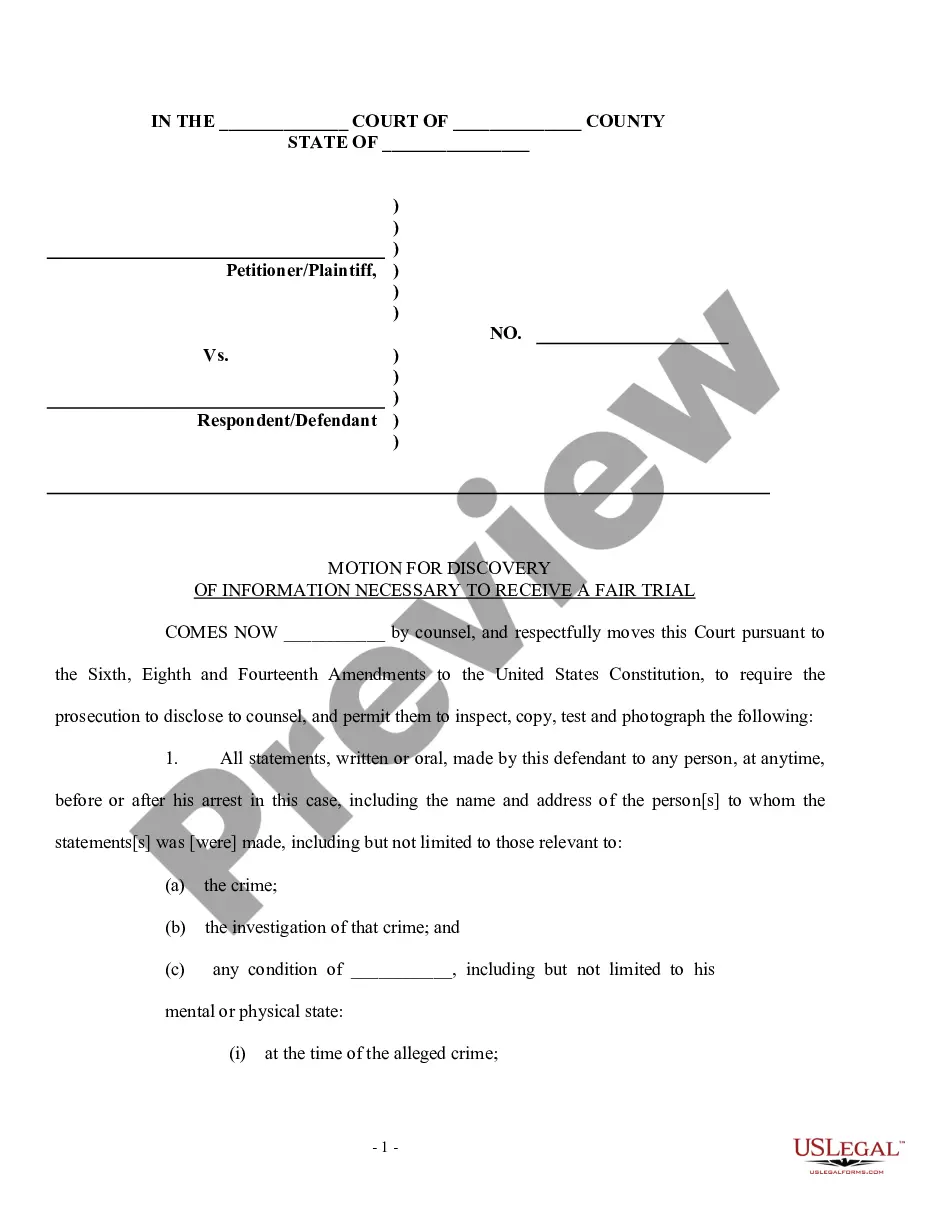
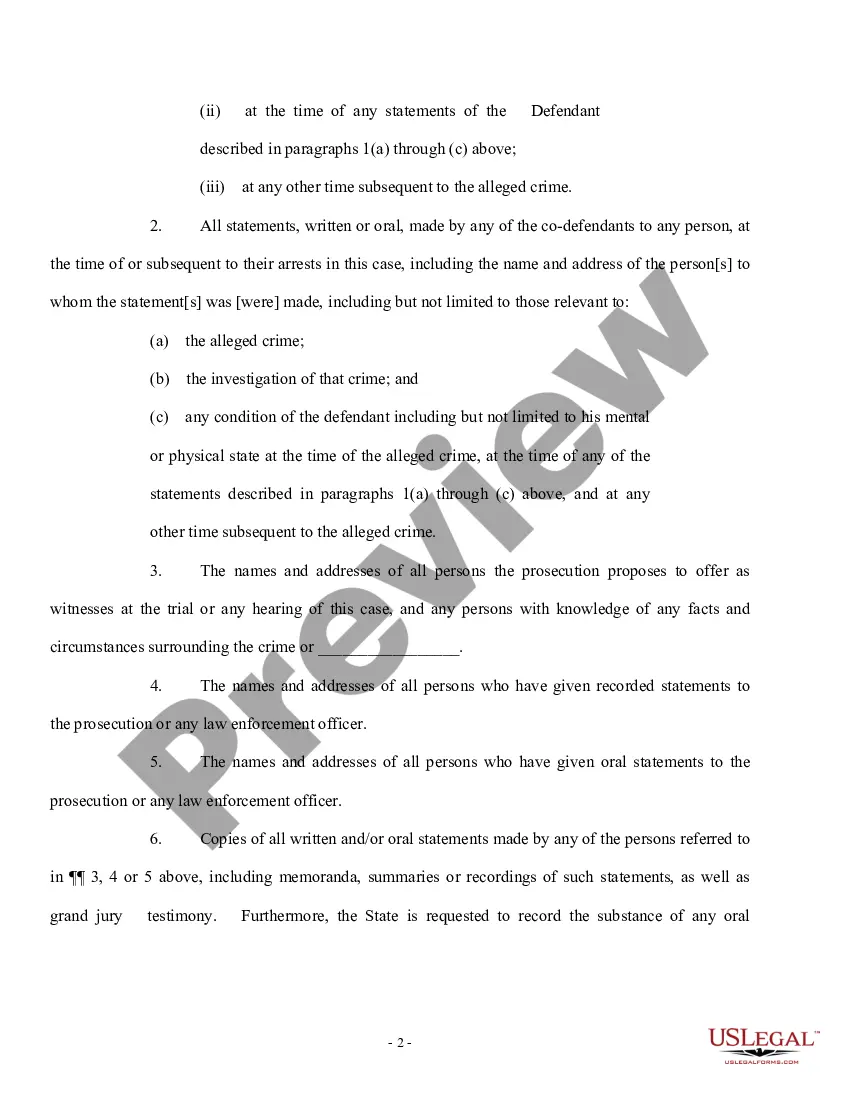
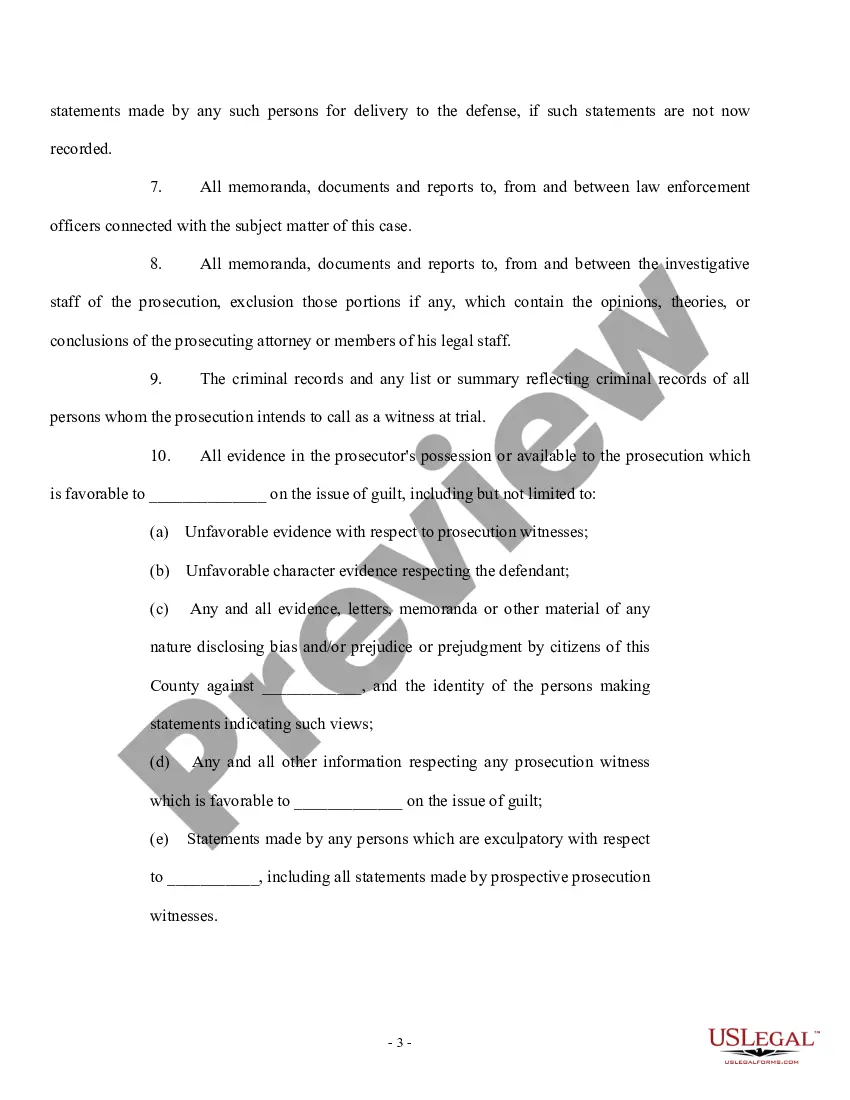
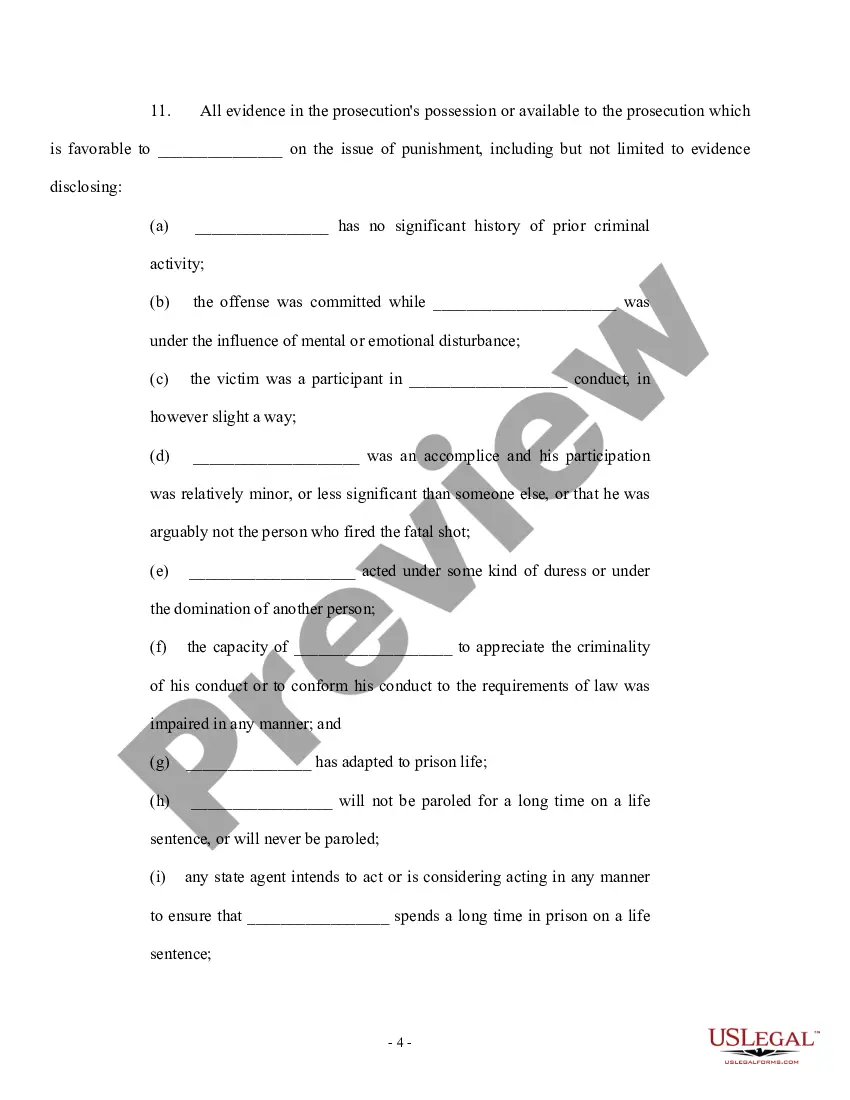
Discovery For Information
Description
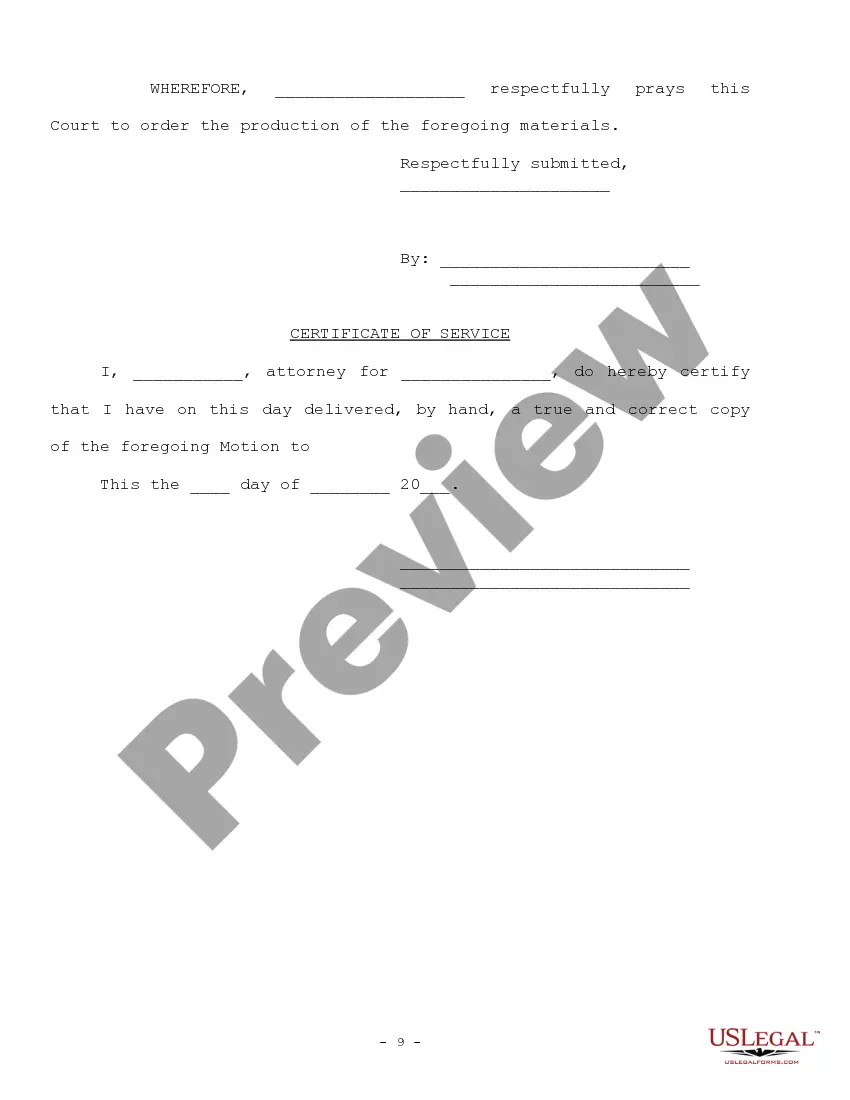
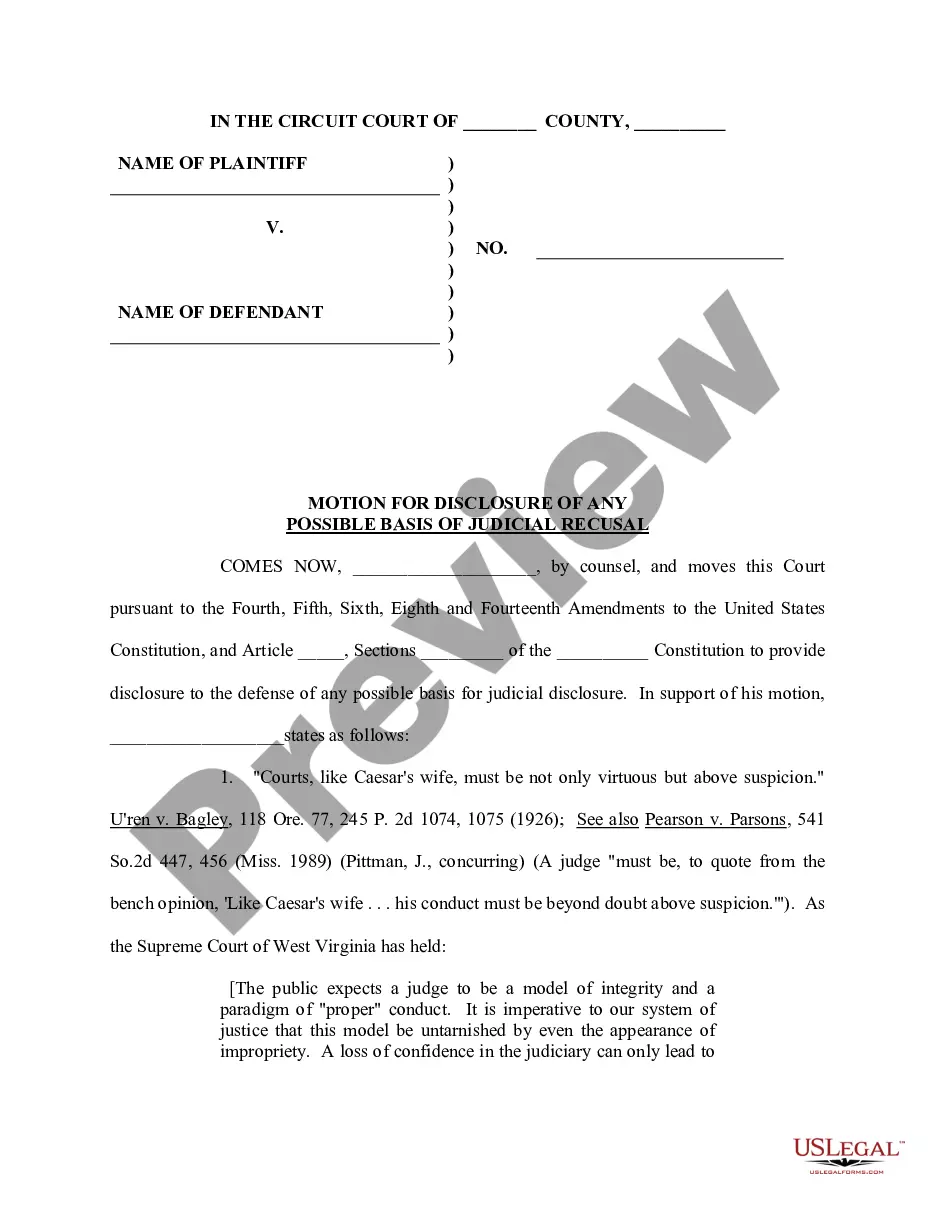
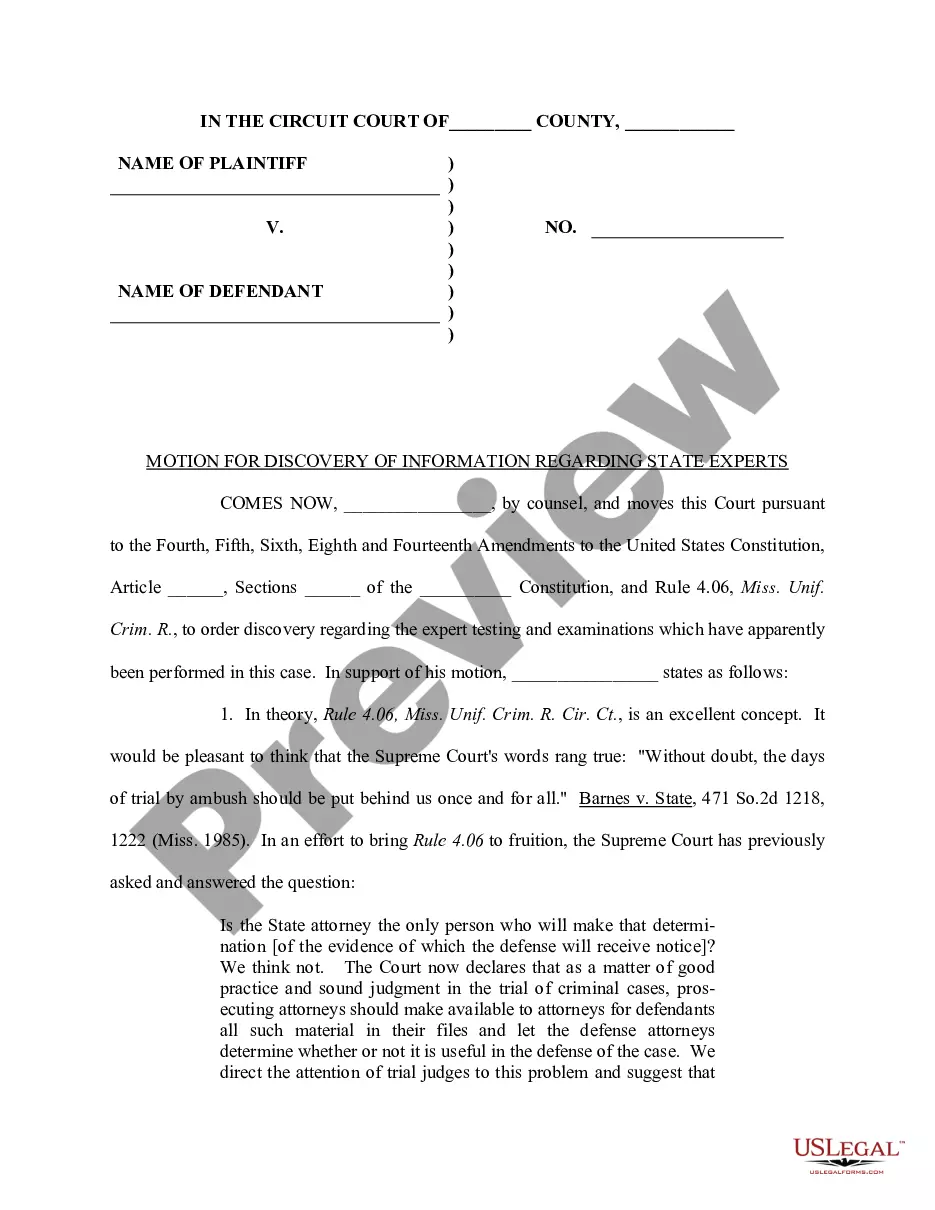
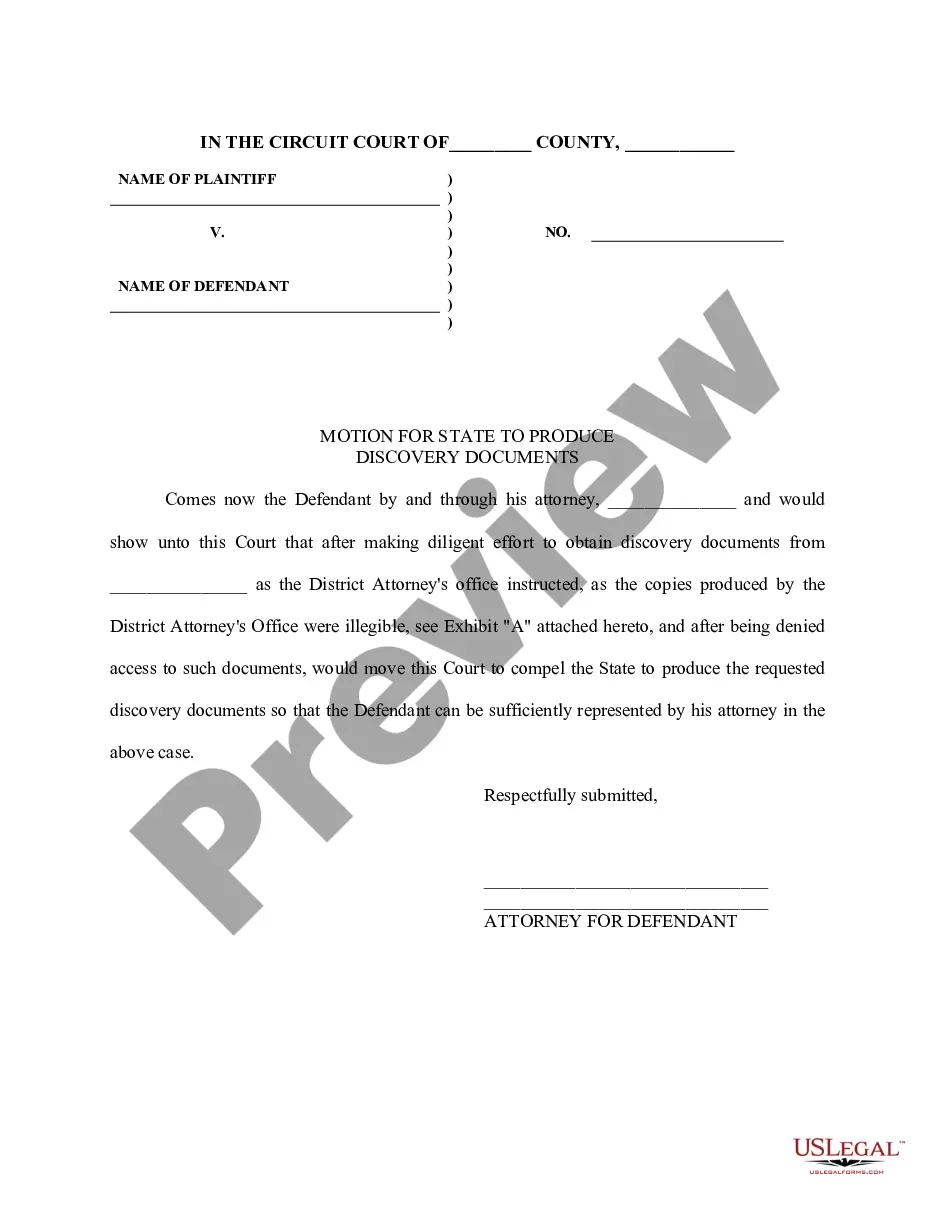
Get your form ready online
Our built-in tools help you complete, sign, share, and store your documents in one place.
Make edits, fill in missing information, and update formatting in US Legal Forms—just like you would in MS Word.
Download a copy, print it, send it by email, or mail it via USPS—whatever works best for your next step.
Sign and collect signatures with our SignNow integration. Send to multiple recipients, set reminders, and more. Go Premium to unlock E-Sign.
If this form requires notarization, complete it online through a secure video call—no need to meet a notary in person or wait for an appointment.
We protect your documents and personal data by following strict security and privacy standards.

Make edits, fill in missing information, and update formatting in US Legal Forms—just like you would in MS Word.

Download a copy, print it, send it by email, or mail it via USPS—whatever works best for your next step.

Sign and collect signatures with our SignNow integration. Send to multiple recipients, set reminders, and more. Go Premium to unlock E-Sign.

If this form requires notarization, complete it online through a secure video call—no need to meet a notary in person or wait for an appointment.

We protect your documents and personal data by following strict security and privacy standards.
Looking for another form?
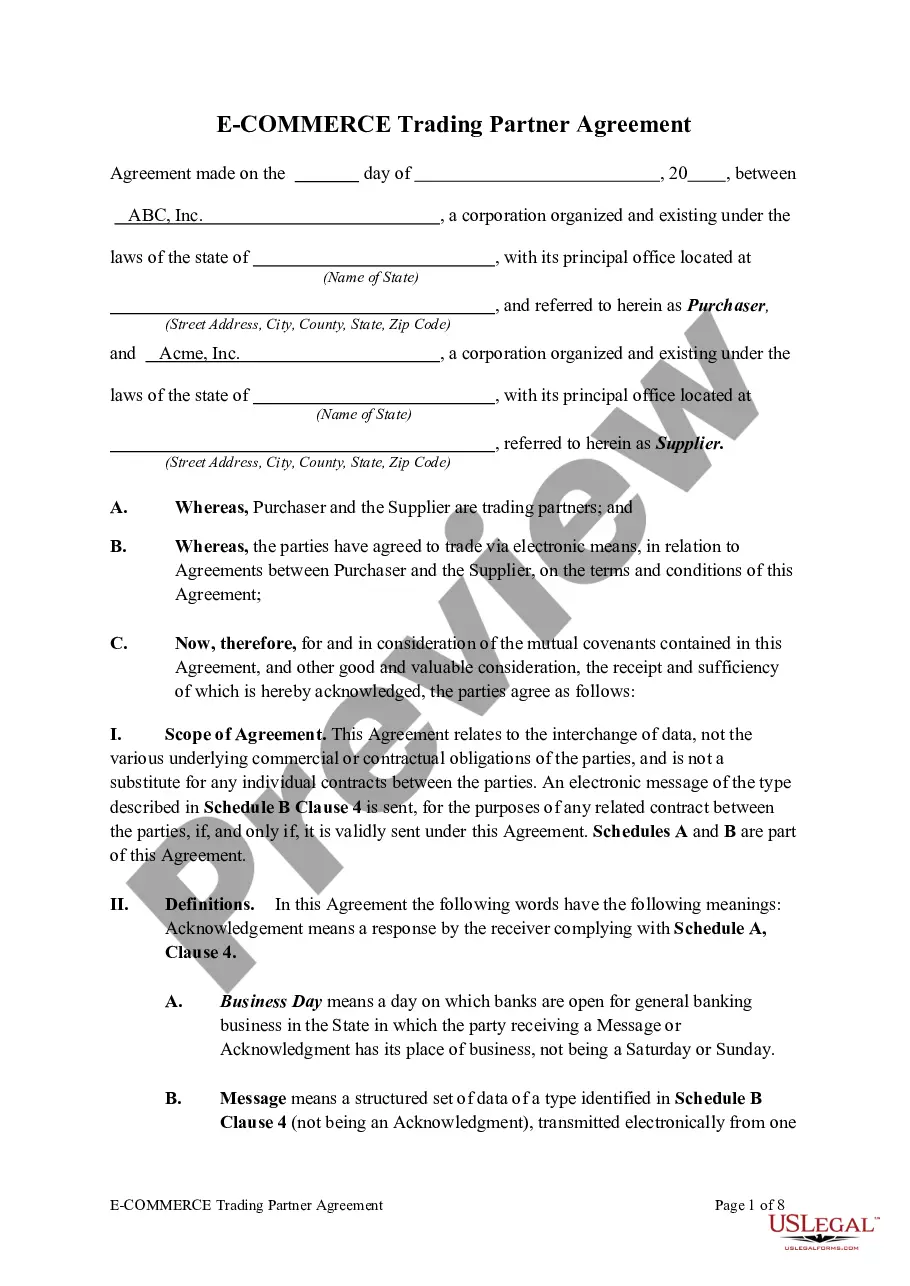

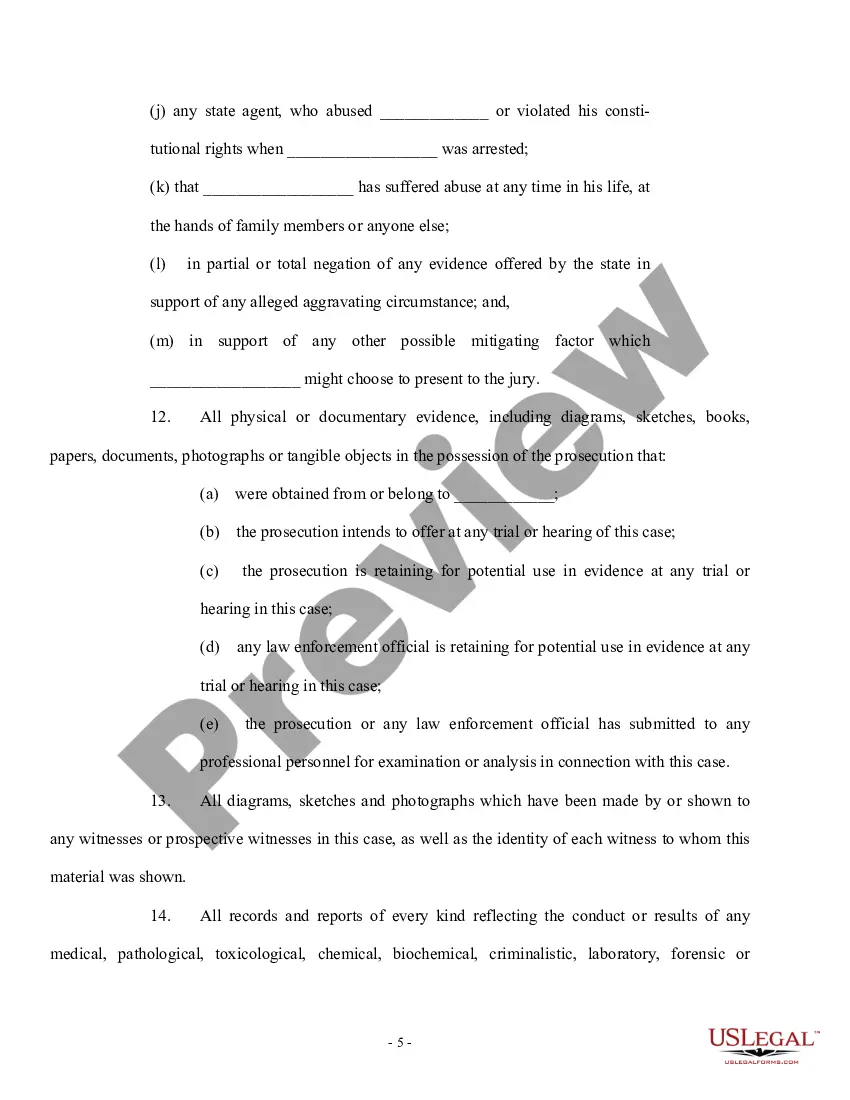
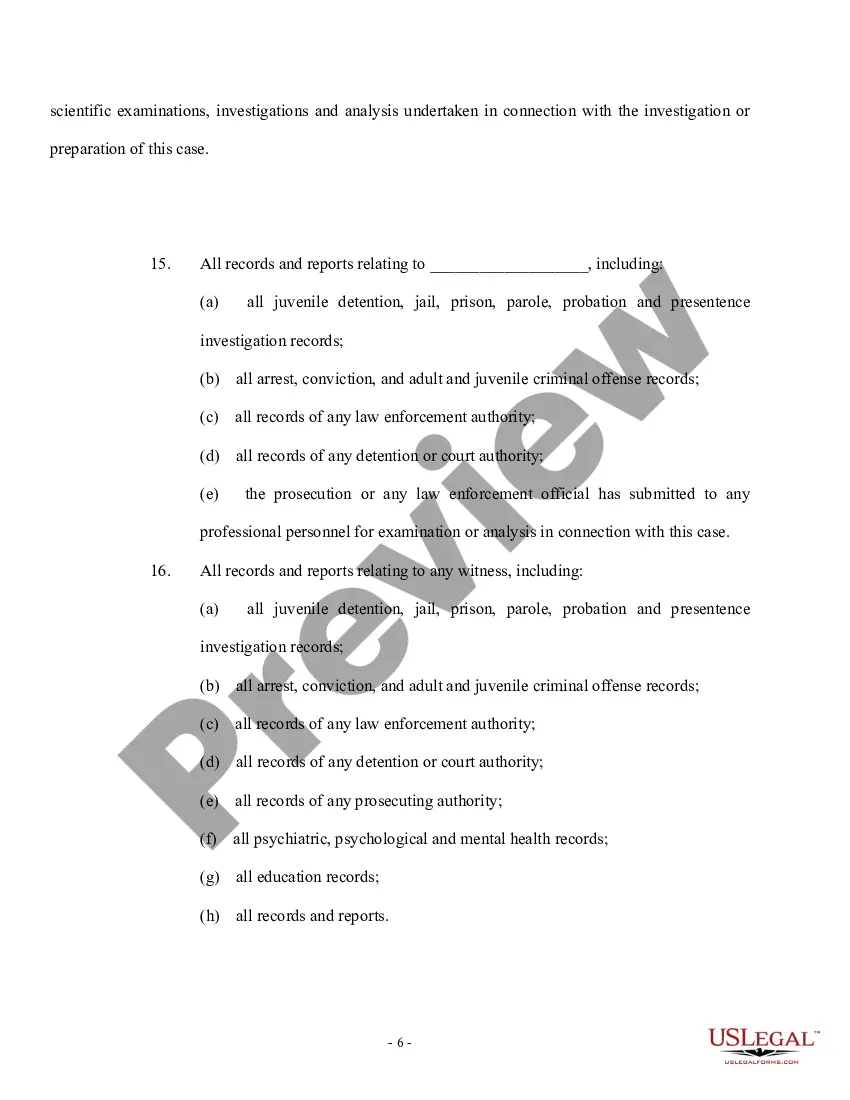
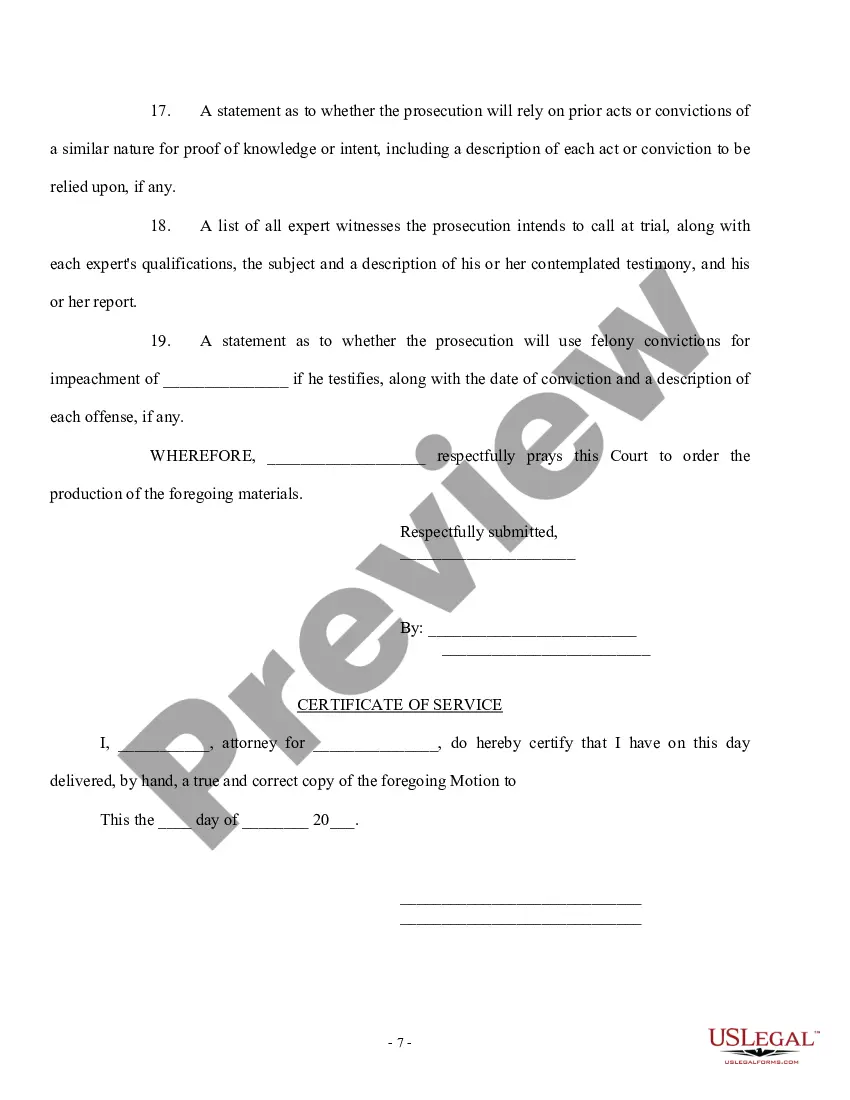
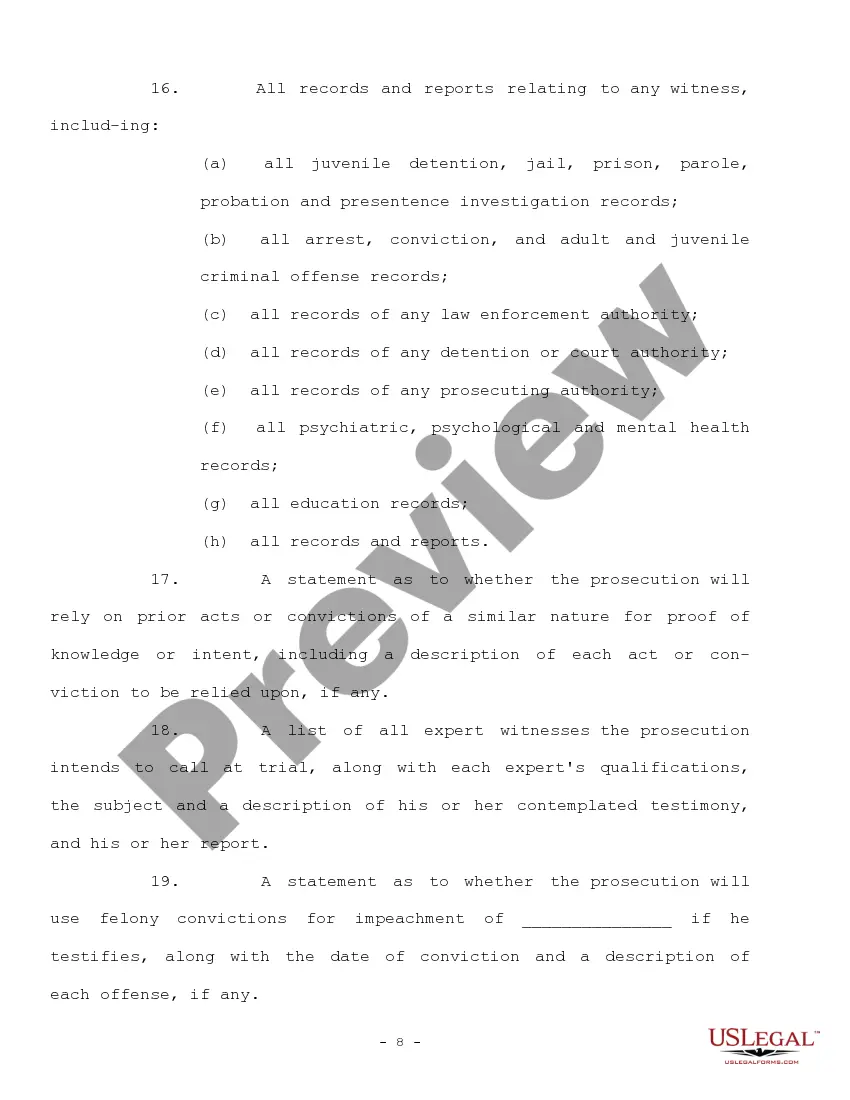
How to fill out Motion For Discovery Of Information Necessary To Receive A Fair Trial?
Whether for professional reasons or personal matters, everyone must address legal circumstances at some point in their lives.
Filling out legal documents requires meticulous attention, starting with selecting the appropriate form template.
With an extensive catalog from US Legal Forms available, you do not have to waste time searching for the right sample across the web. Take advantage of the library’s straightforward navigation to find the proper template for any situation.
- Locate the sample you need using the search bar or browsing the catalog.
- Review the form’s description to confirm it fits your situation, state, and county.
- Click on the form’s preview to view it.
- If it is the incorrect form, return to the search feature to find the Discovery For Information template you need.
- Download the file if it meets your specifications.
- If you have a US Legal Forms account, click Log in to access your previously saved documents in My documents.
- If you do not have an account yet, you can acquire the form by clicking Buy now.
- Select the appropriate pricing option.
- Complete the profile registration form.
- Choose your payment method: you can utilize a credit card or PayPal account.
- Select the file format you desire and download the Discovery For Information.
- Once it is downloaded, you can fill out the form using editing software or print it and fill it out manually.
Form popularity
FAQ
The five major methods of discovery include interrogatories, depositions, requests for production of documents, requests for admission, and physical or mental examinations. Each method serves as a vital tool for gathering information and building your case. Familiarizing yourself with these methods enhances your effectiveness in any legal situation. To simplify this process, explore the user-friendly features of US Legal Forms to manage your discovery for information efficiently.
The discovery rule in Maryland allows a potential plaintiff to file a lawsuit within a specified period after discovering the facts supporting their claim. This rule aims to ensure that parties are not unfairly penalized by the statute of limitations until they are aware of their right to sue. Understanding this rule is essential for effective legal strategy. For more clarity on these matters, US Legal Forms can assist in providing relevant documentation for your discovery for information needs.
Types of discoveries in legal settings typically refer to various methods used to obtain evidence. Common types include interrogatories, depositions, and inspections. Each method offers distinct benefits depending on your objectives. Leveraging US Legal Forms can provide you with templates to streamline your discovery for information process.
Discovery evidence generally remains confidential and is not public record unless the court orders otherwise. This confidentiality encourages open communication between parties. However, some documents may become public as part of the trial process. For guidance in navigating these complexities, US Legal Forms offers valuable tools for your discovery for information journey.
The four parts of discovery encompass the initial disclosures, written discovery, depositions, and expert witness disclosures. Together, these components facilitate the thorough exchange of relevant data between parties. Approaching each part systematically ensures you do not miss critical information. For assistance in organizing your discovery for information, consider leveraging resources from US Legal Forms.
The four types of discovery include interrogatories, requests for production, depositions, and requests for admissions. Each type serves a unique purpose in the legal process, allowing parties to gather the necessary information for their case. Understanding these can significantly enhance your strategy. Utilizing a platform like US Legal Forms can streamline your discovery for information needs.
Writing good discovery requests involves being clear, specific, and direct in your questions. Focus on what you need and avoid overly broad requests that may lead to objections. Templates available on platforms like uslegalforms can assist you in crafting well-structured requests that increase the likelihood of compliance.
The discovery process typically starts with the initial disclosure of information, followed by formal requests for documents, interrogatories, and depositions. Each step helps to gather evidence and discover relevant information that could impact the case. Using tools from uslegalforms can facilitate this process, ensuring you systematically document everything you uncover.
Preparing for a discovery meeting involves reviewing all relevant documents and formulating clear questions. Create an agenda that outlines the topics to discuss and the information you seek from the other party. Thorough preparation increases the effectiveness of the meeting and helps ensure that you gather essential discovery for information.
An example of discovery of evidence is retrieving emails that pertain to a contract dispute. These emails can provide insights into the intentions of the parties involved and demonstrate communications that may affect the case outcome. Identifying such evidence early on helps you build a stronger case.