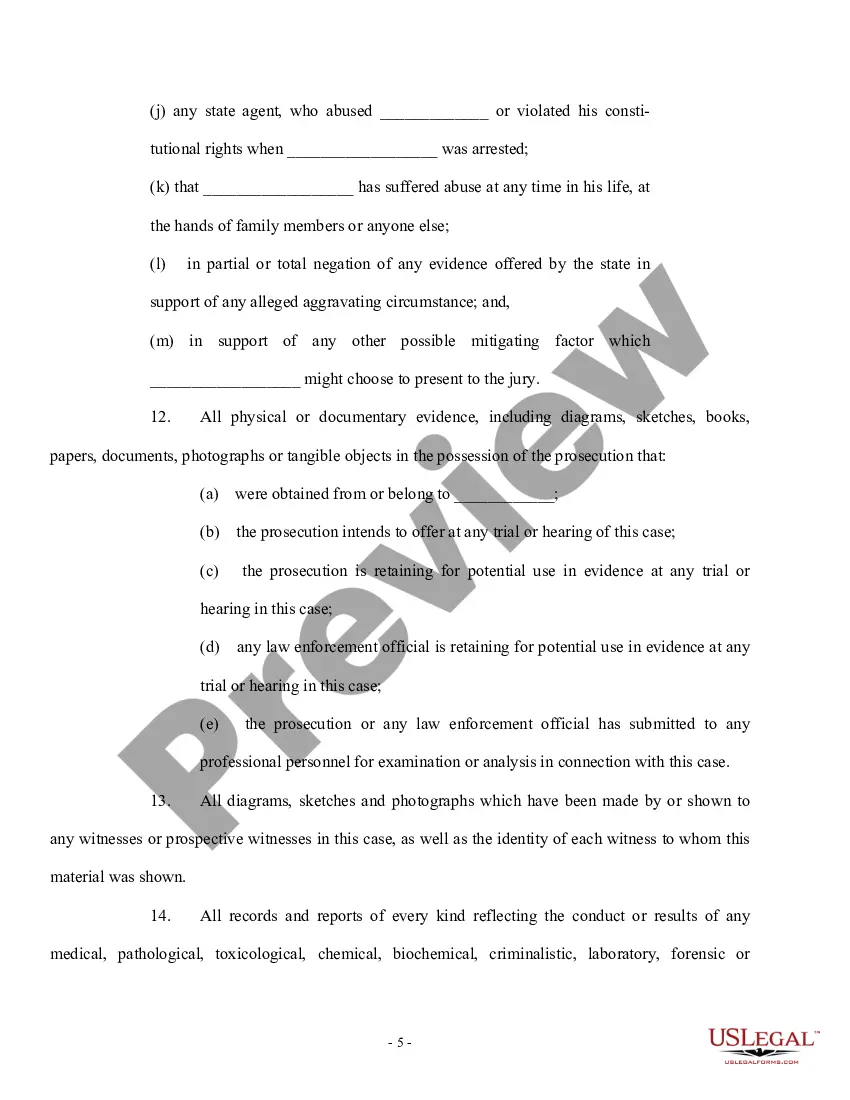
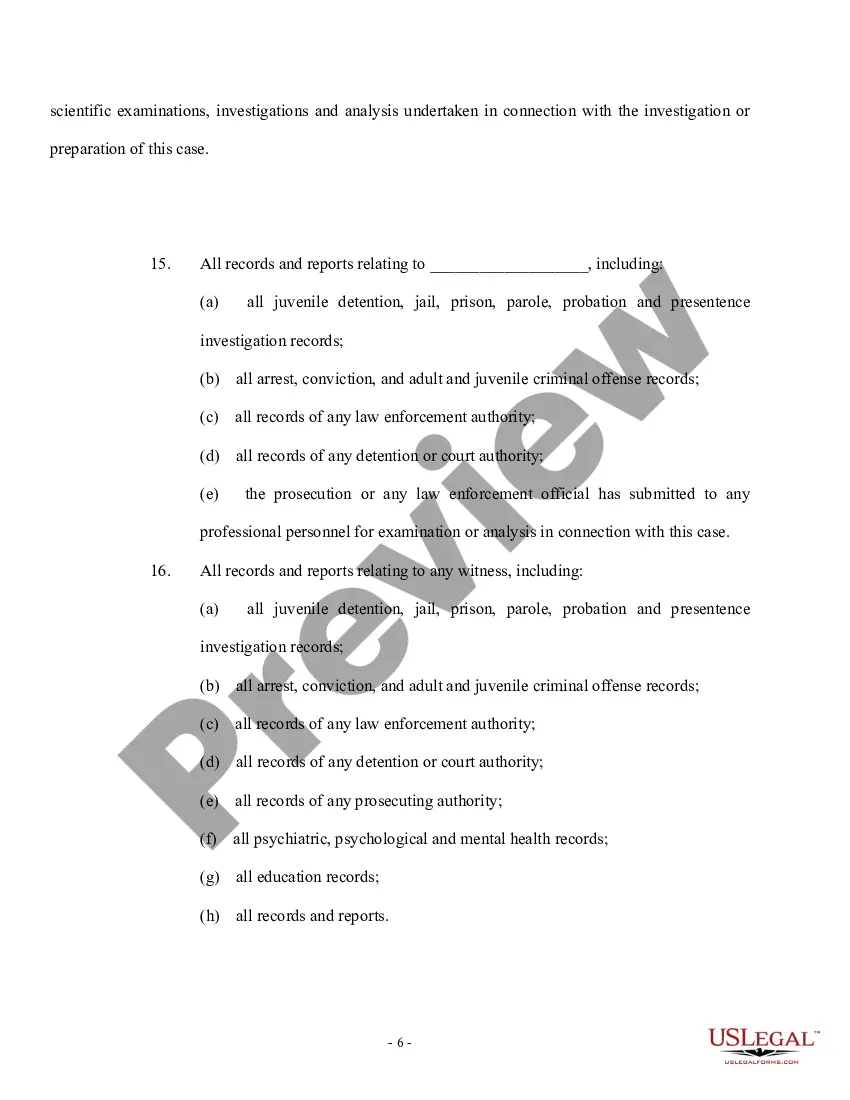
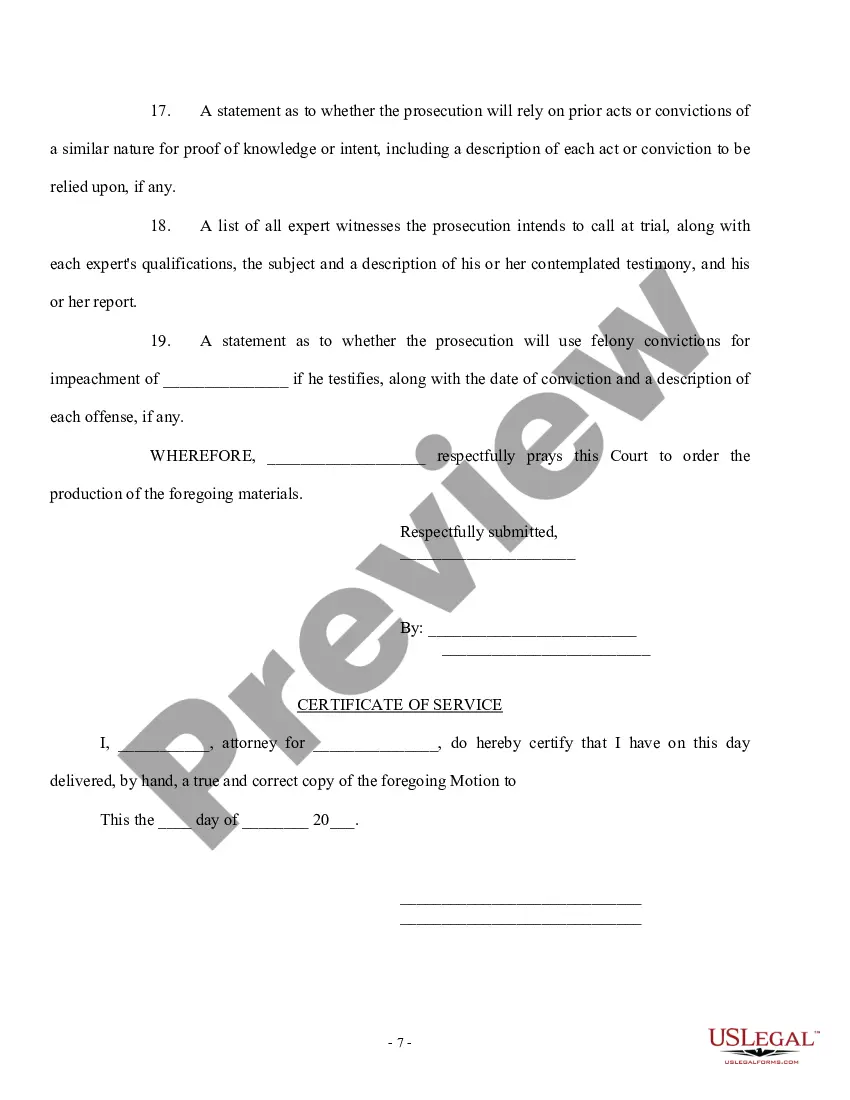
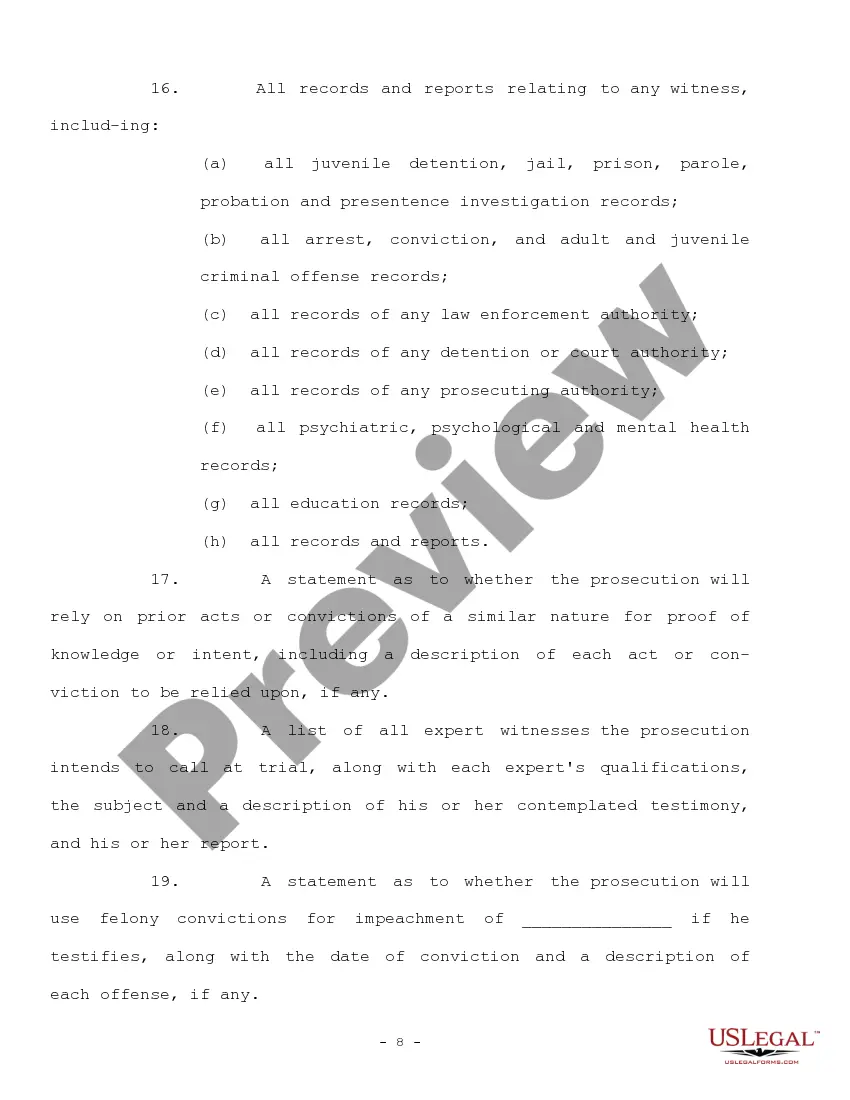
Demand For Discovery Template For Court
Description
Get your form ready online
Our built-in tools help you complete, sign, share, and store your documents in one place.
Make edits, fill in missing information, and update formatting in US Legal Forms—just like you would in MS Word.
Download a copy, print it, send it by email, or mail it via USPS—whatever works best for your next step.
Sign and collect signatures with our SignNow integration. Send to multiple recipients, set reminders, and more. Go Premium to unlock E-Sign.
If this form requires notarization, complete it online through a secure video call—no need to meet a notary in person or wait for an appointment.
We protect your documents and personal data by following strict security and privacy standards.

Make edits, fill in missing information, and update formatting in US Legal Forms—just like you would in MS Word.

Download a copy, print it, send it by email, or mail it via USPS—whatever works best for your next step.

Sign and collect signatures with our SignNow integration. Send to multiple recipients, set reminders, and more. Go Premium to unlock E-Sign.

If this form requires notarization, complete it online through a secure video call—no need to meet a notary in person or wait for an appointment.

We protect your documents and personal data by following strict security and privacy standards.
Looking for another form?



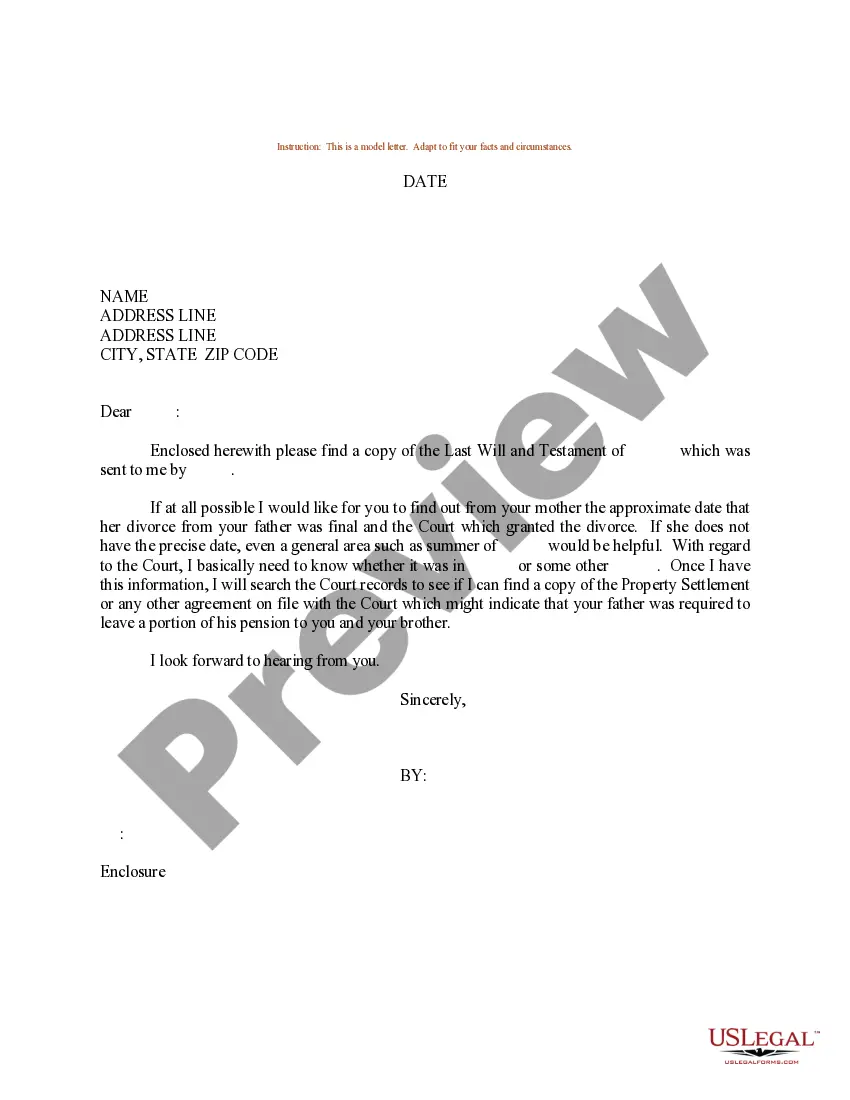

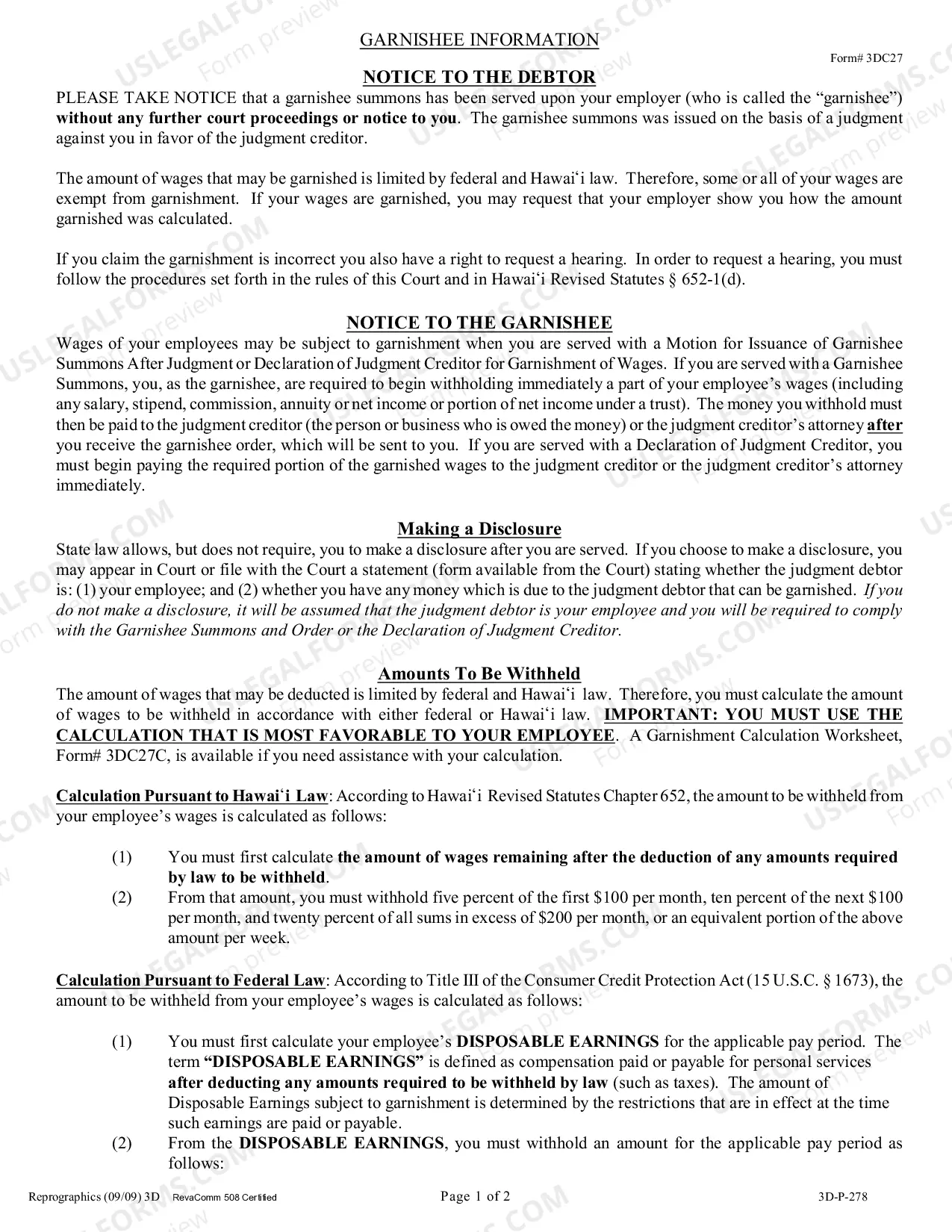


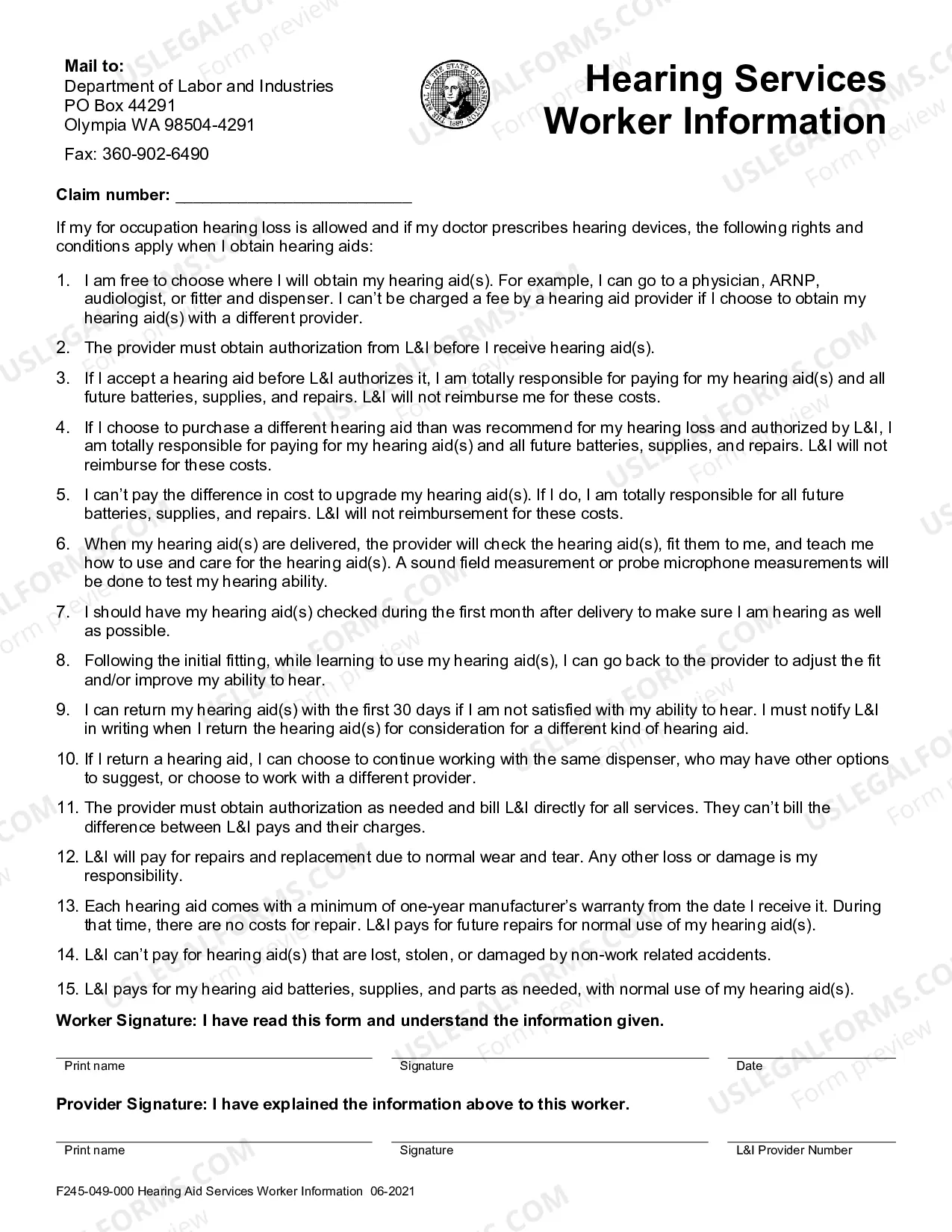
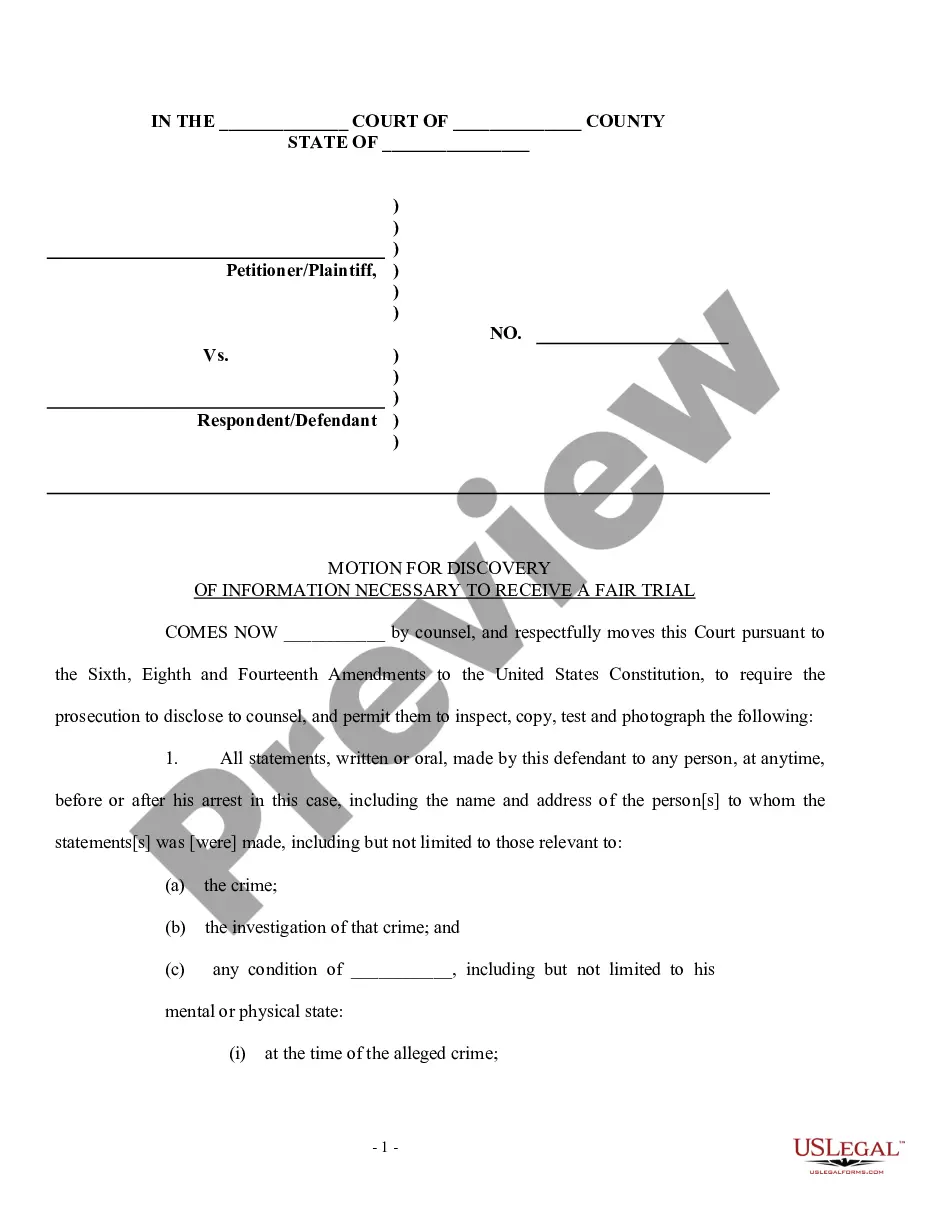
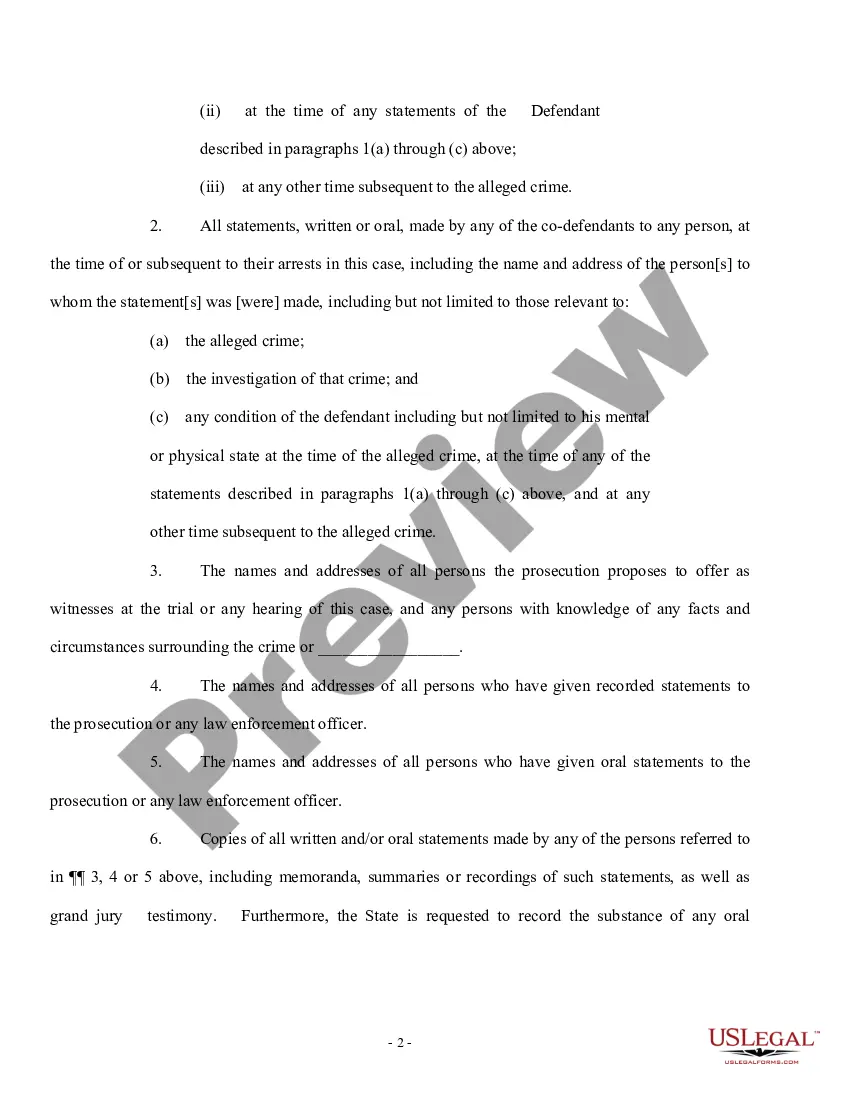
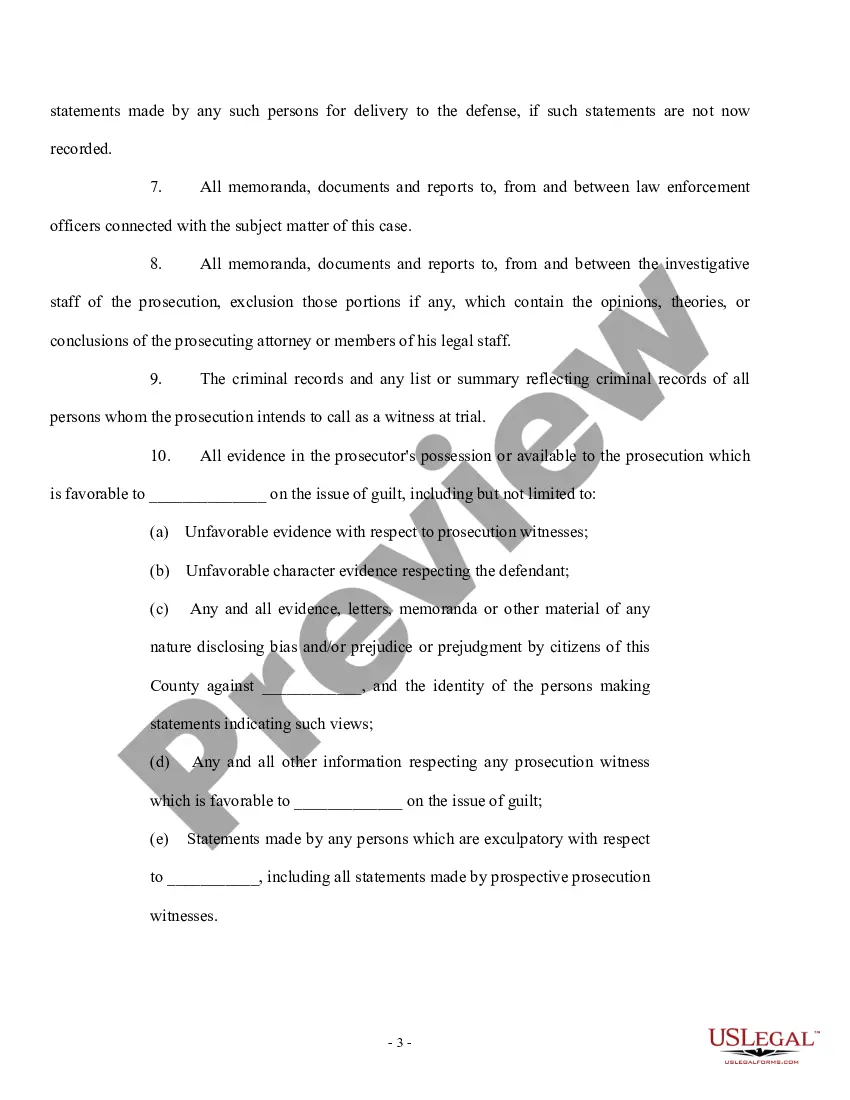
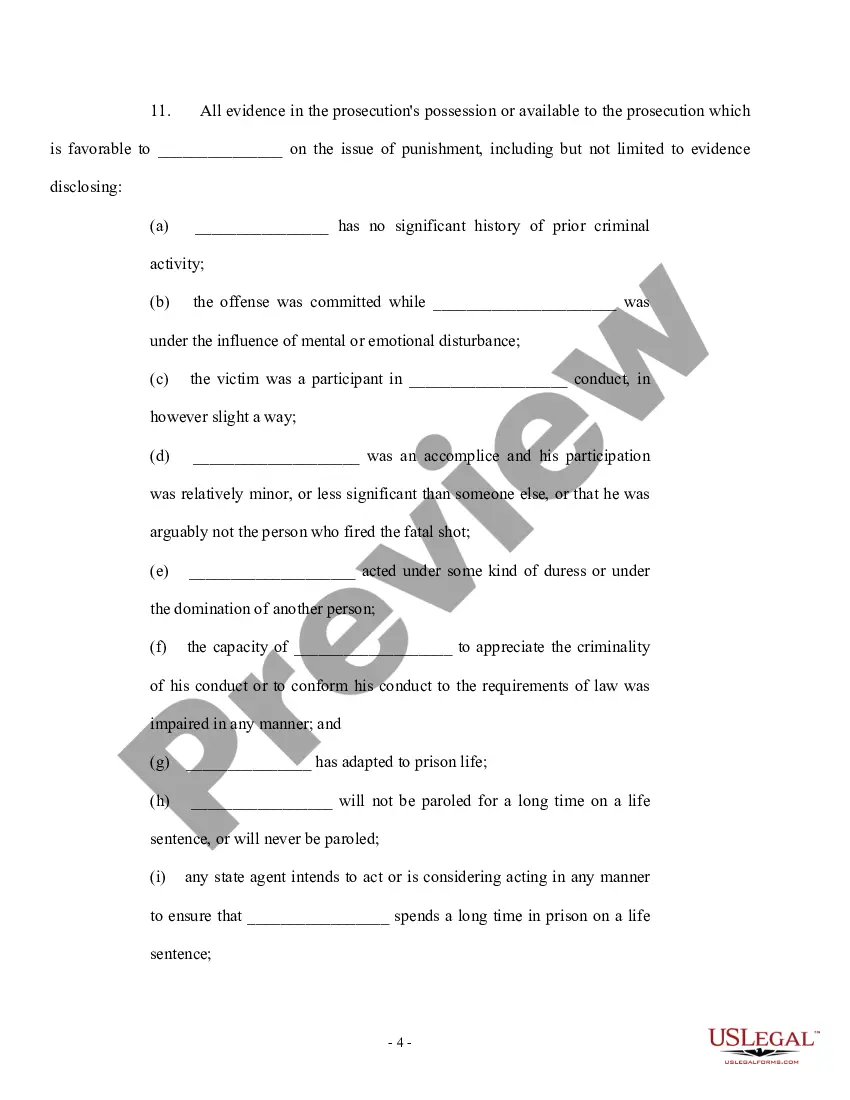
How to fill out Motion For Discovery Of Information Necessary To Receive A Fair Trial?
The Request For Discovery Template For Court presented on this page is a reusable legal document crafted by experienced attorneys in compliance with federal and local regulations. For over 25 years, US Legal Forms has supplied individuals, businesses, and legal experts with more than 85,000 validated, state-specific forms for any professional and personal situation. It’s the quickest, easiest, and most reliable method to obtain the documentation you require, as the service ensures the utmost level of data protection and anti-malware security.
Obtaining this Request For Discovery Template For Court will only require a few straightforward steps.
Select the format you prefer for your Request For Discovery Template For Court (PDF, Word, RTF) and save the document on your device.
- Search for the document you need and examine it.
- Browse the file you searched and preview it or check the form description to ensure it meets your requirements. If it doesn’t, use the search bar to find the correct one. Click Buy Now when you’ve found the template you need.
- Register and Log In.
- Select the pricing option that fits you and create an account. Use PayPal or a credit card to make a quick payment. If you already have an account, Log In and check your subscription to proceed.
- Obtain the fillable template.
Form popularity
FAQ
Read and answer the questions Read the question very carefully. Answer only the question that is asked, and avoid the temptation to over-explain your answer. If the question contains several parts, you may break your answer into parts as well. It is also possible that you might object to the question.
After you complete your response to any request for written discovery, you must provide your response to the other side by serving the other side. You can serve the other side by mail. This means another adult, not you, mails your response to the other side.
Many types of discovery exist, including: Interrogatories. Requests for Admission. Production of Documents. Property Inspection. Physical and Mental Exams. Depositions.
Topics Covered: hide 1.1 # Don't ask what you already know. 1.2 # Don't Talk (too much) 1.3 # Don't pop the question, yet! 1.4 # Don't jump in without an agenda: 1.5 # Don't miss the pain points : 1.6 # Don't just call: 1.7 # Don't assume :
Discovery requests typically follow a common format that you can mirror. First, list instructions detailing the request for production. Be sure to mention Rule 34 and Rule 26(b), which outline the scope of the discovery request. It's also necessary to include a section with definitions.