Ground Real Rent For Existing Leaseholders
Description
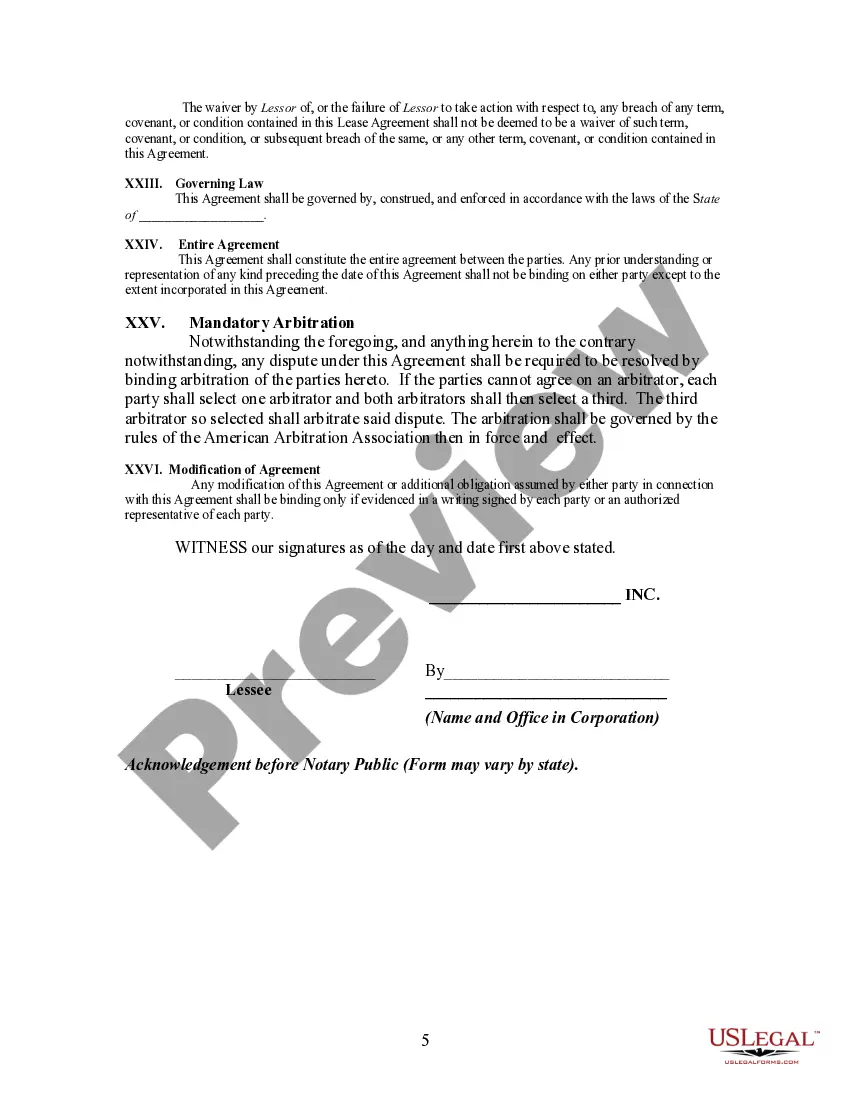
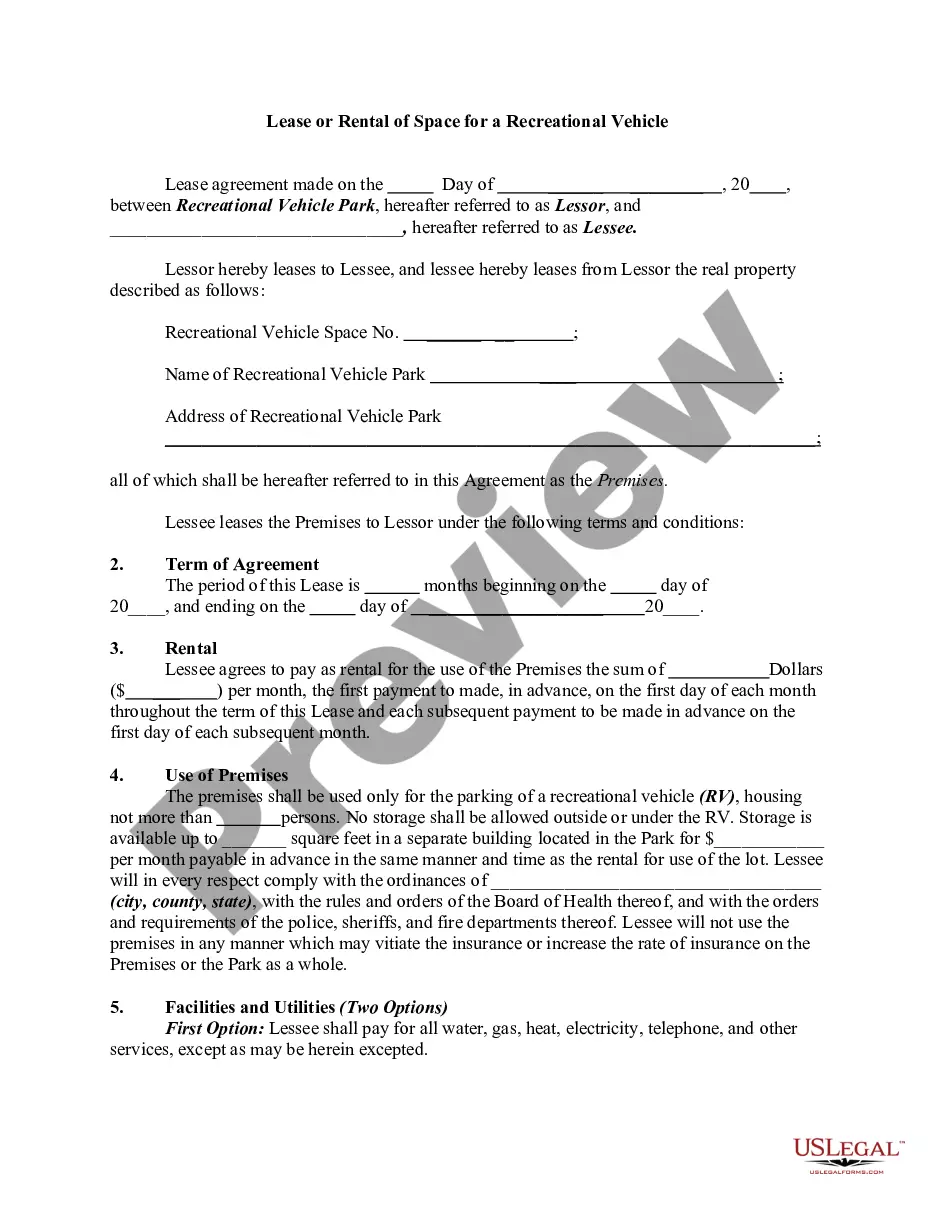
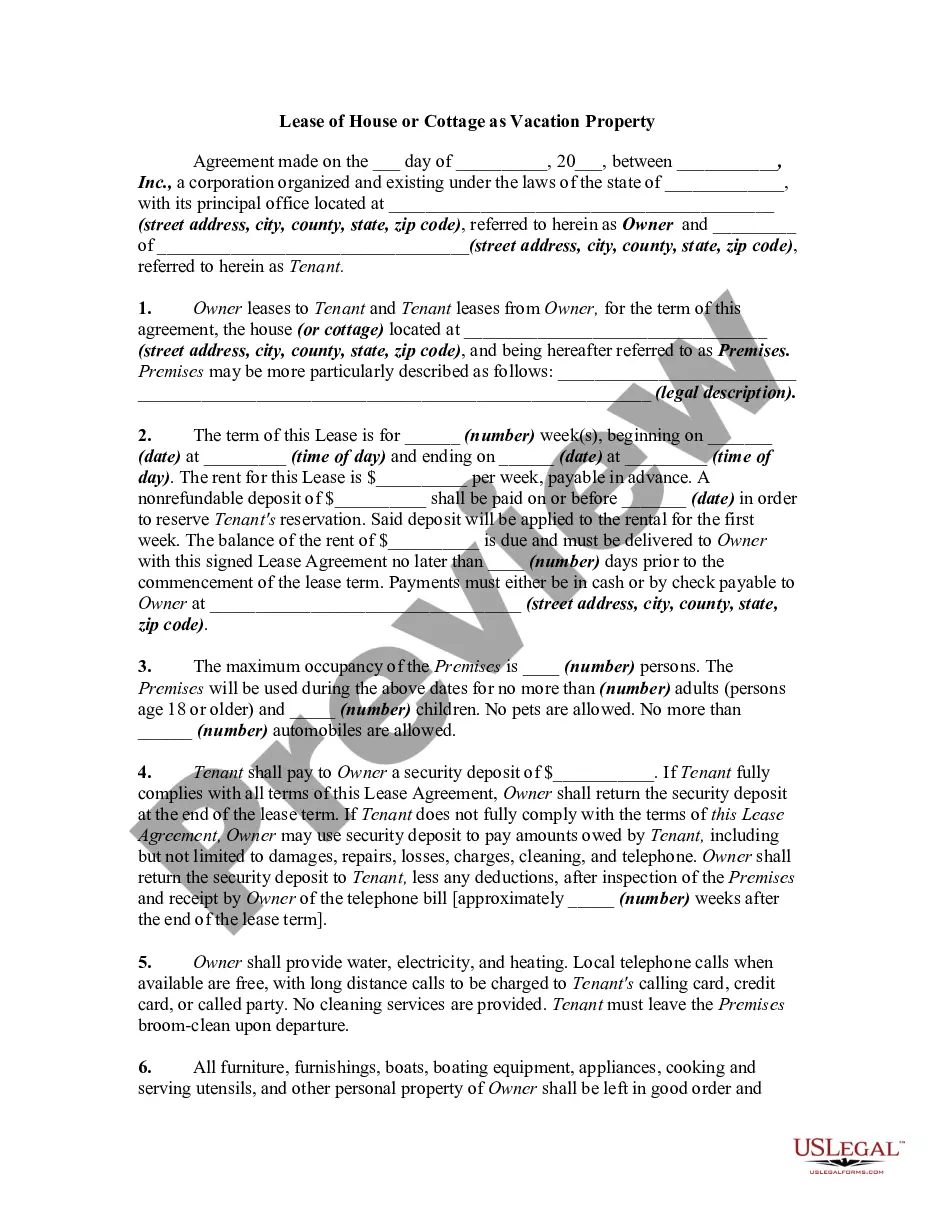
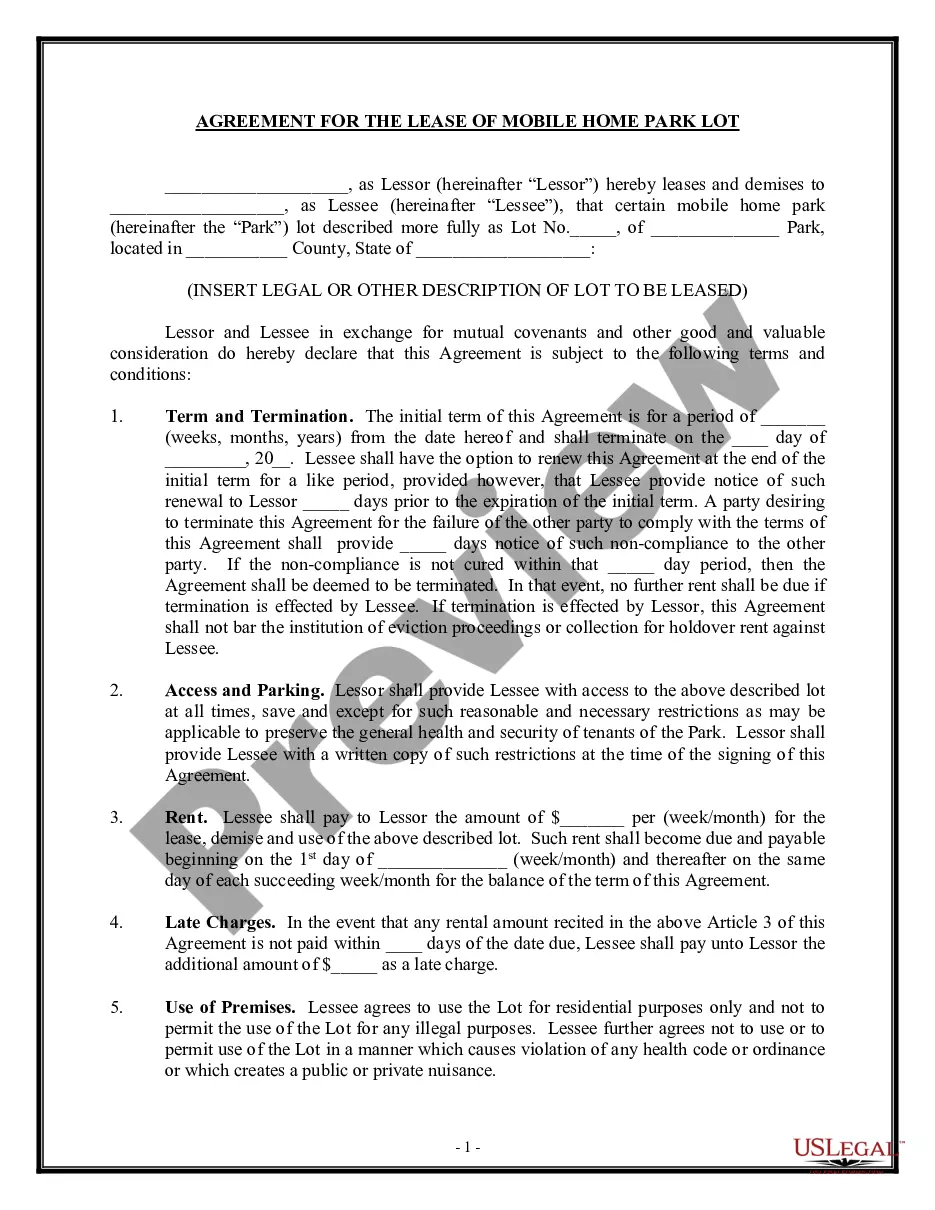
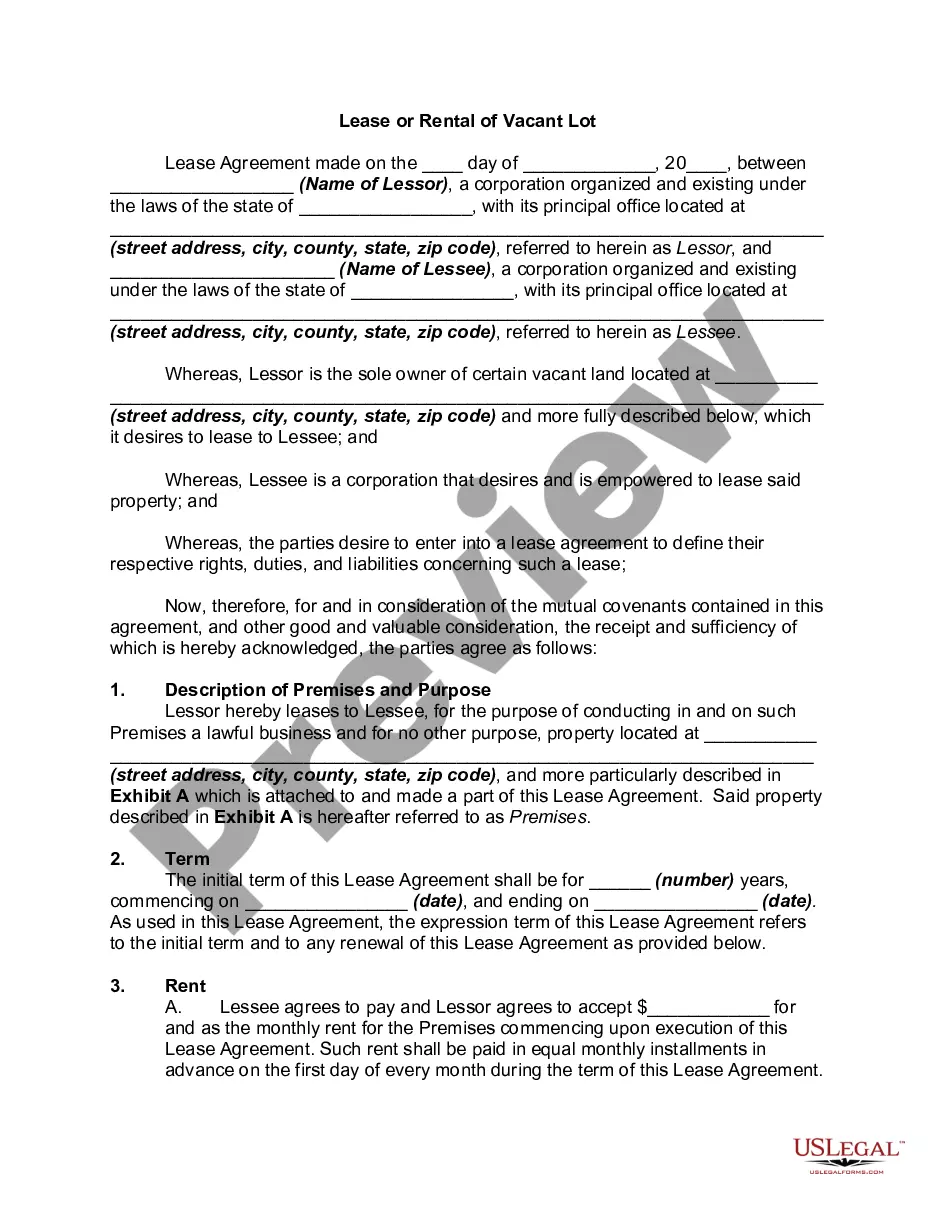
Get your form ready online
Our built-in tools help you complete, sign, share, and store your documents in one place.
Make edits, fill in missing information, and update formatting in US Legal Forms—just like you would in MS Word.
Download a copy, print it, send it by email, or mail it via USPS—whatever works best for your next step.
Sign and collect signatures with our SignNow integration. Send to multiple recipients, set reminders, and more. Go Premium to unlock E-Sign.
If this form requires notarization, complete it online through a secure video call—no need to meet a notary in person or wait for an appointment.
We protect your documents and personal data by following strict security and privacy standards.
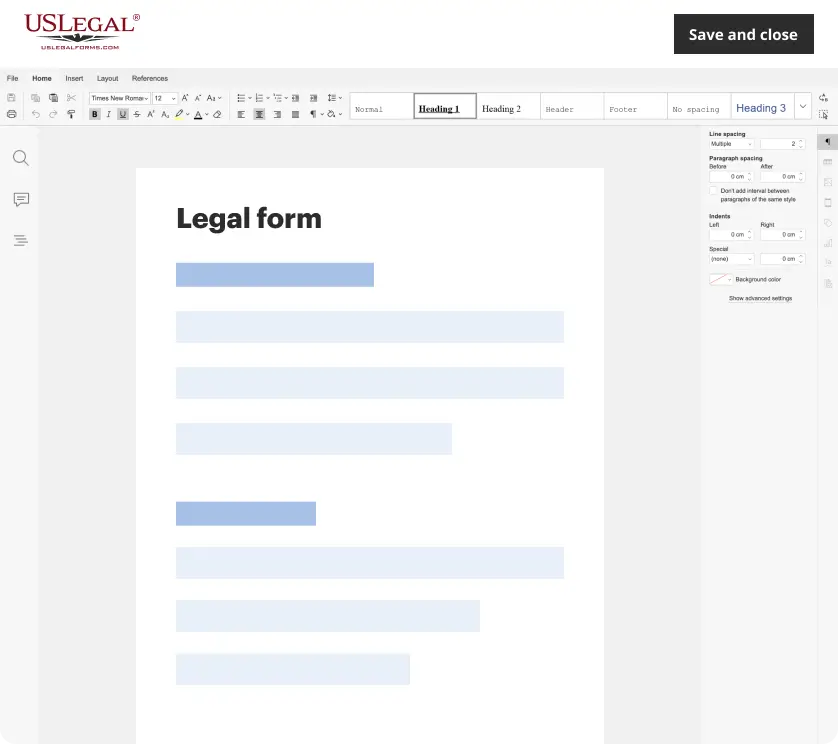
Make edits, fill in missing information, and update formatting in US Legal Forms—just like you would in MS Word.
Download a copy, print it, send it by email, or mail it via USPS—whatever works best for your next step.
Sign and collect signatures with our SignNow integration. Send to multiple recipients, set reminders, and more. Go Premium to unlock E-Sign.

If this form requires notarization, complete it online through a secure video call—no need to meet a notary in person or wait for an appointment.
We protect your documents and personal data by following strict security and privacy standards.
Looking for another form?



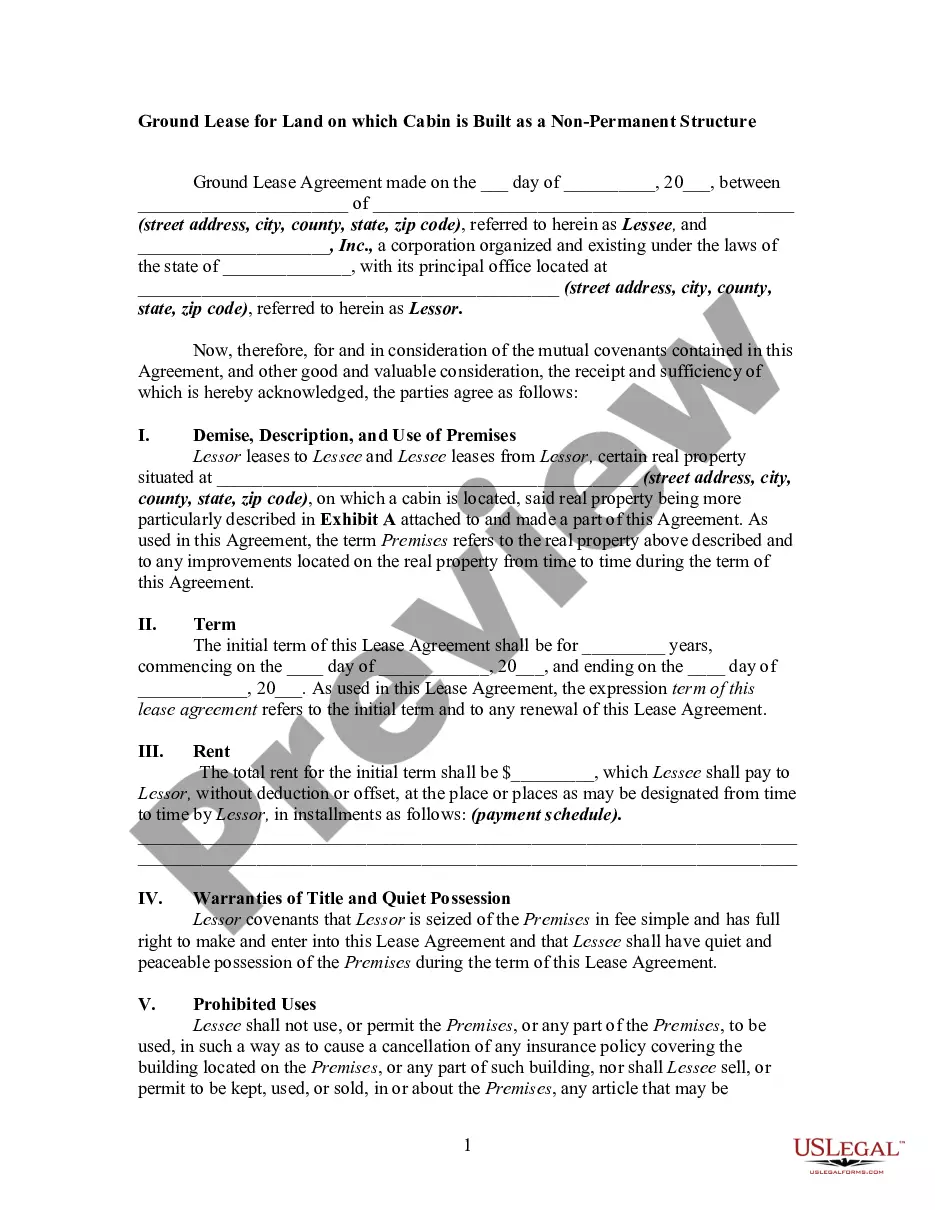
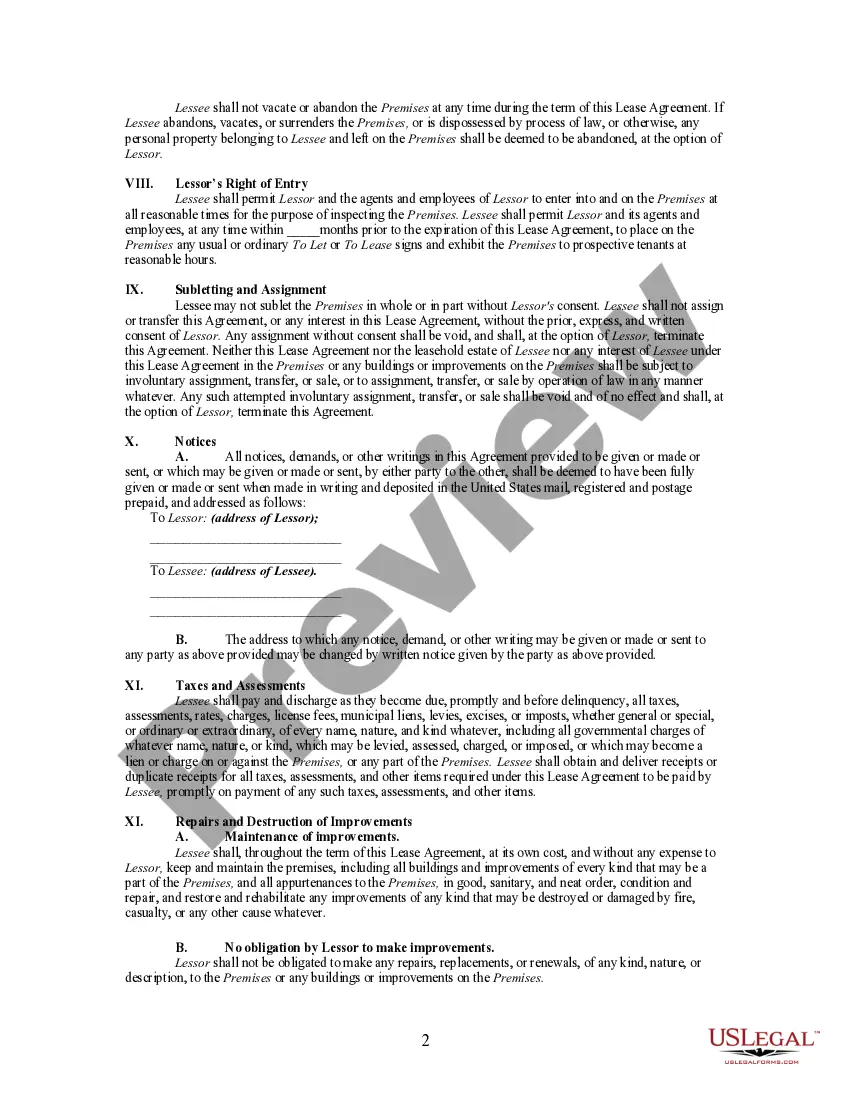
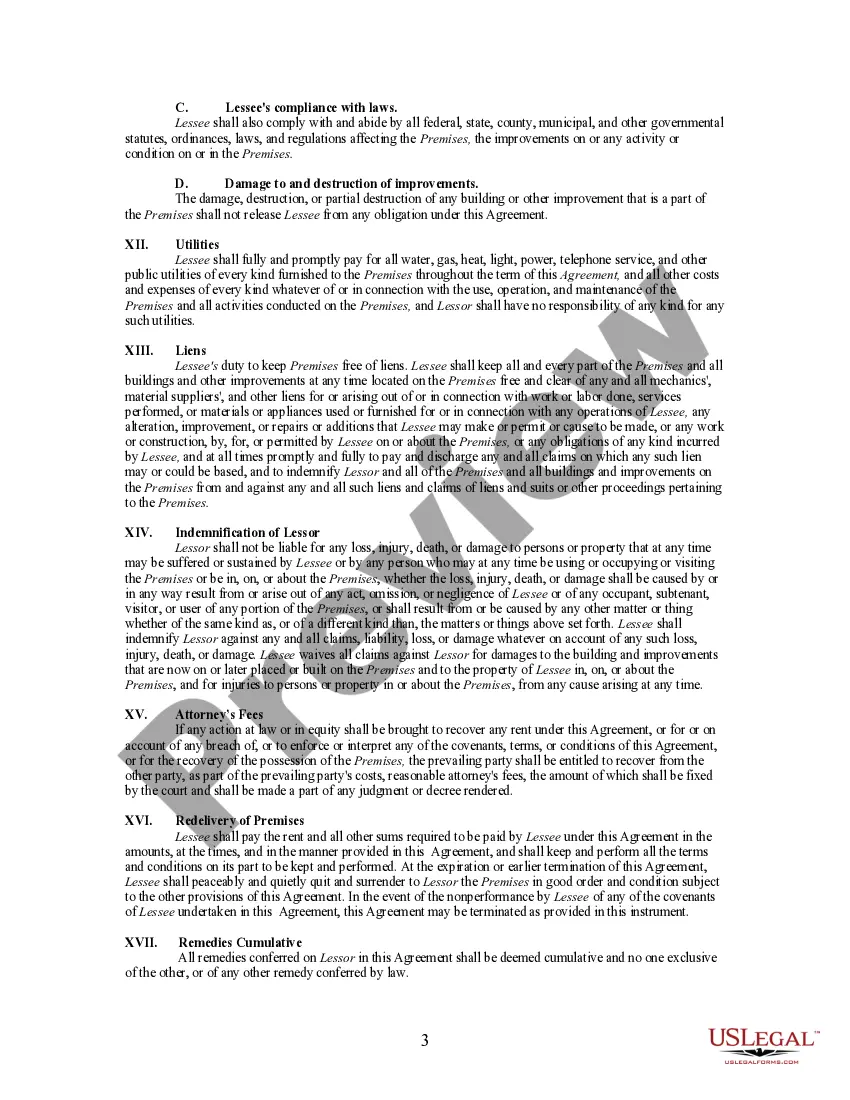
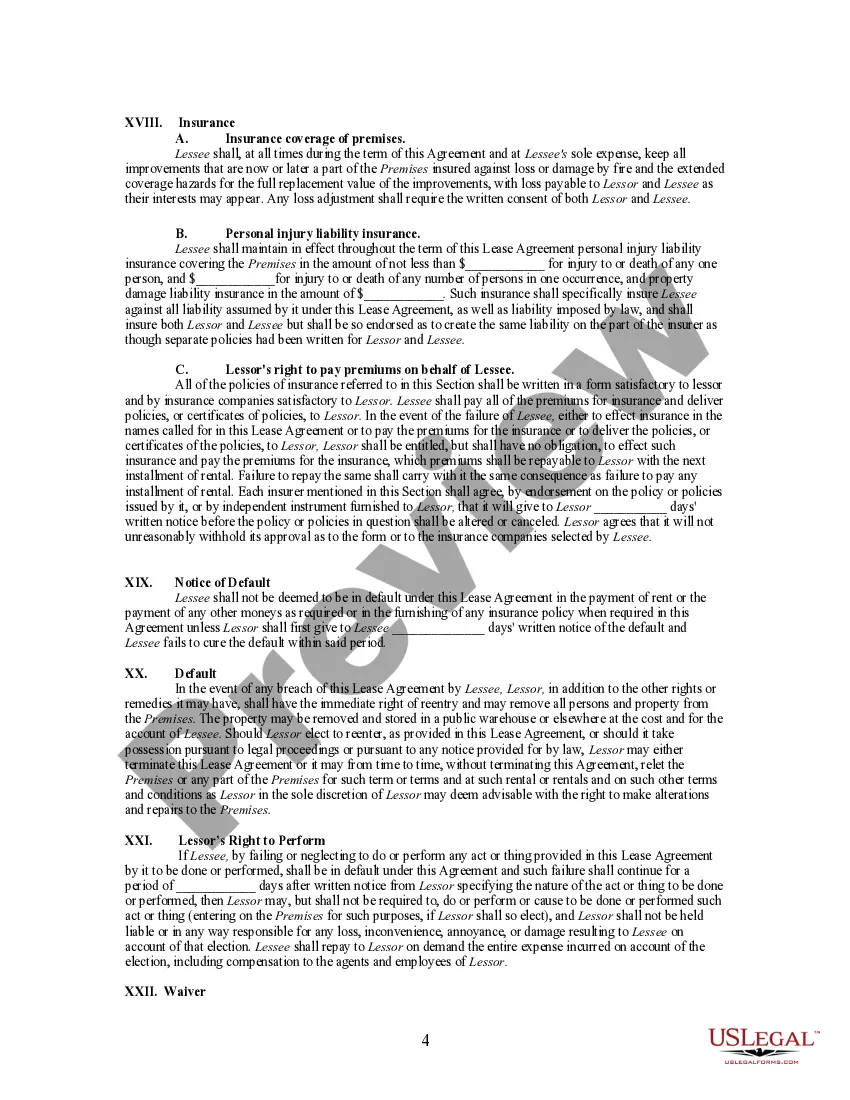
How to fill out Ground Lease For Land On Which Cabin Is Built As A Non-Permanent Structure - Real Estate Rental?
Locating a reliable source for the latest and suitable legal documents is a significant part of managing bureaucracy. Identifying the correct legal forms requires precision and careful consideration, which is why it is essential to obtain samples of Ground Real Rent For Existing Leaseholders exclusively from trustworthy providers, such as US Legal Forms. An incorrect document can squander your time and prolong the situation you find yourself in. With US Legal Forms, you have minimal concerns. You can access and review all the information regarding the document's applicability and significance for your circumstances and in your jurisdiction.
Follow these steps to complete your Ground Real Rent For Existing Leaseholders.
Eliminate the hassle associated with your legal documentation. Explore the extensive US Legal Forms library where you can find legal templates, assess their relevance to your case, and download them instantly.
- Utilize the catalog browsing or search option to locate your template.
- Examine the form’s description to verify if it meets the criteria of your jurisdiction.
- Preview the form, if possible, to confirm it is indeed the document you seek.
- Continue searching for the appropriate template if the Ground Real Rent For Existing Leaseholders does not meet your requirements.
- Once you are certain about the form’s applicability, download it.
- If you are a registered user, click Log in to verify and access your chosen forms in My documents.
- If you do not have an account yet, click Buy now to acquire the template.
- Select the pricing option that suits your needs.
- Proceed to the registration to complete your order.
- Finalize your purchase by choosing a payment method (credit card or PayPal).
- Select the file format for downloading Ground Real Rent For Existing Leaseholders.
- After you have the form on your device, you can modify it with the editor or print it and complete it manually.
Form popularity
FAQ
Ground rent capitalization is calculated as the annual income stream divided by the land capitalization rate, which represents a combination of an investor's required return and the capitalization rate for sales of similar properties in the same market.
As mentioned earlier, ground rent is paid by the long leaseholder to the freeholder for the use and development of the land. It is usually calculated as a percentage (5-10%) of the income from the land and any buildings.
Most freehold ground rent investments return yields of 5% ? 10%, some freeholders also earn income by arranging insurance and management of the properties that occupy their land. In some cases the freeholder may also be able to develop land that isn't used or leased by the lessees.
The capitalization rate is calculated by dividing a property's net operating income by the current market value. This ratio, expressed as a percentage, is an estimation of an investor's potential return on a real estate investment.
For example, let's say that you sign a ground lease on a parcel of land, and then borrow $500,000 to build a restaurant on it. If you default on the loan while under a subordinated ground lease, your lender can go after the property (including the land) as collateral.