Employer Liability For Sexual Harassment
Description
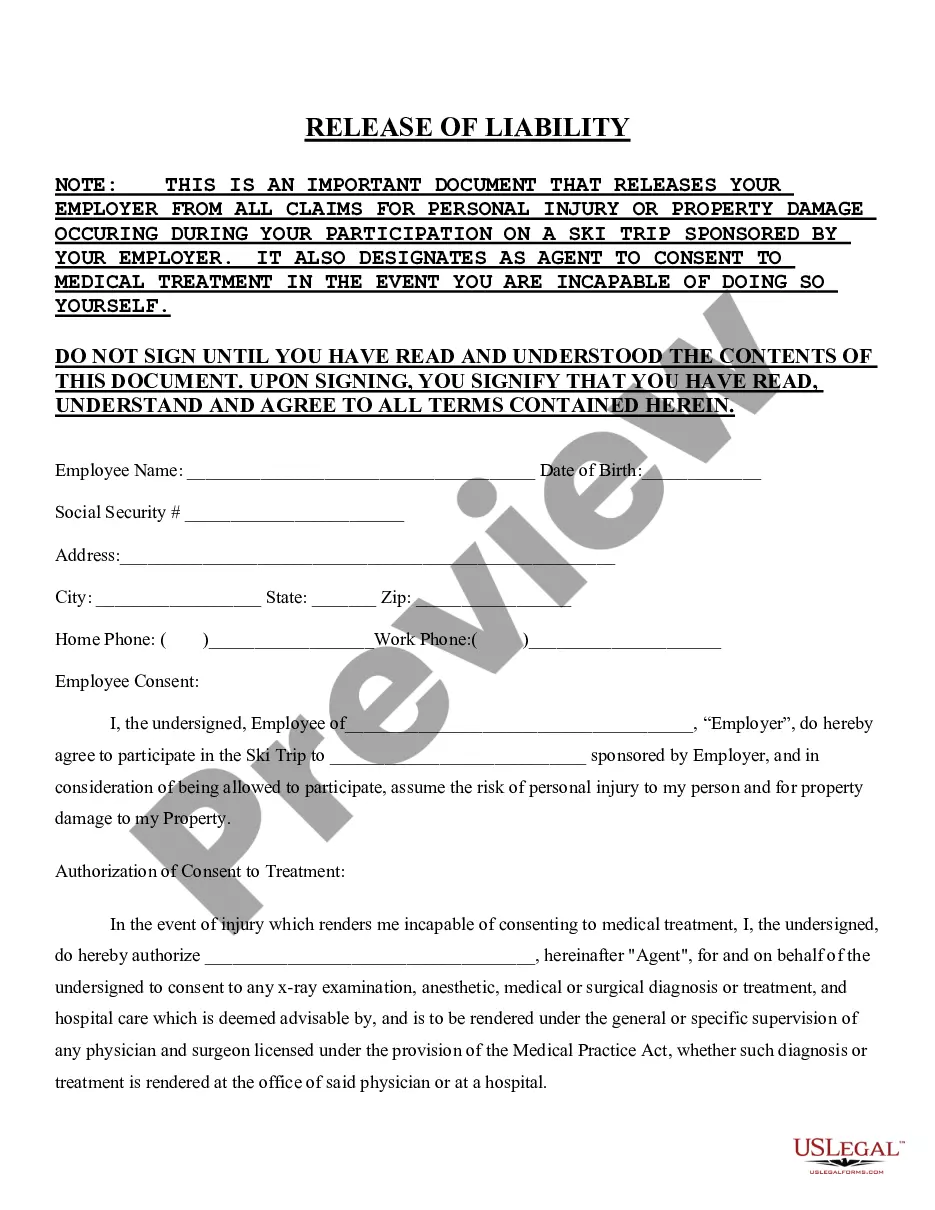
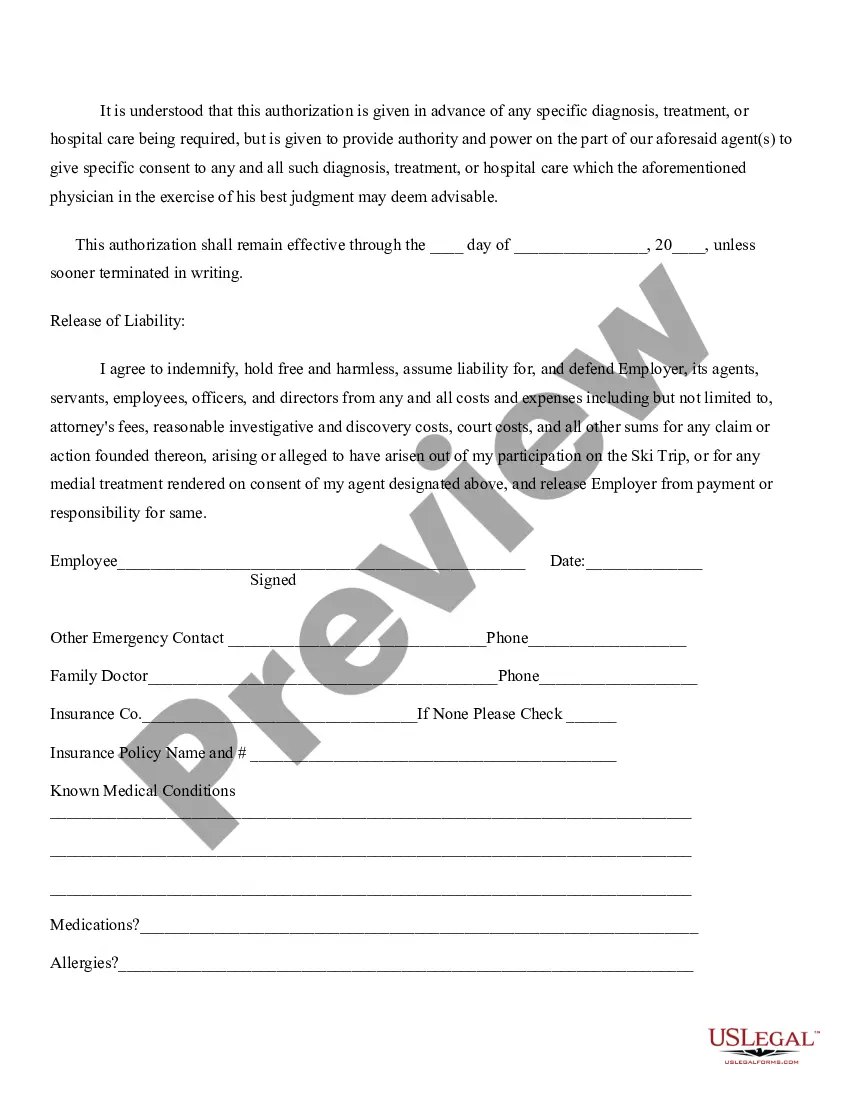

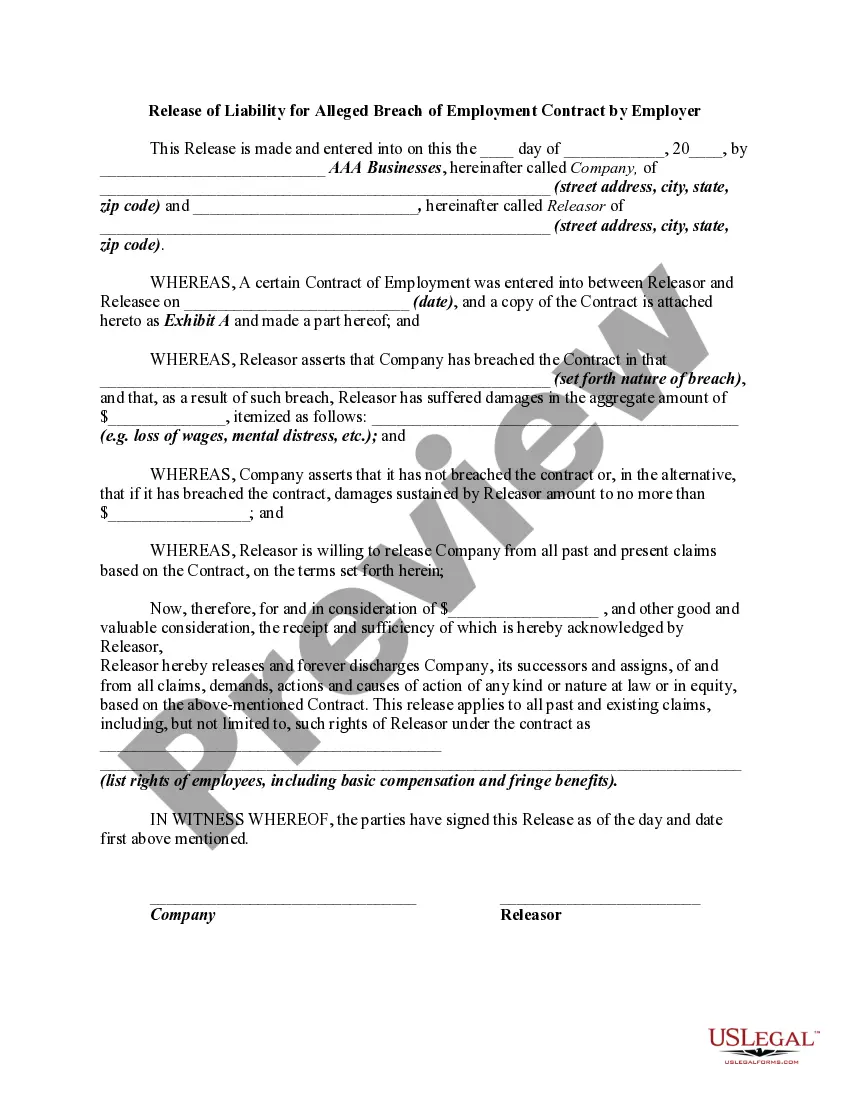
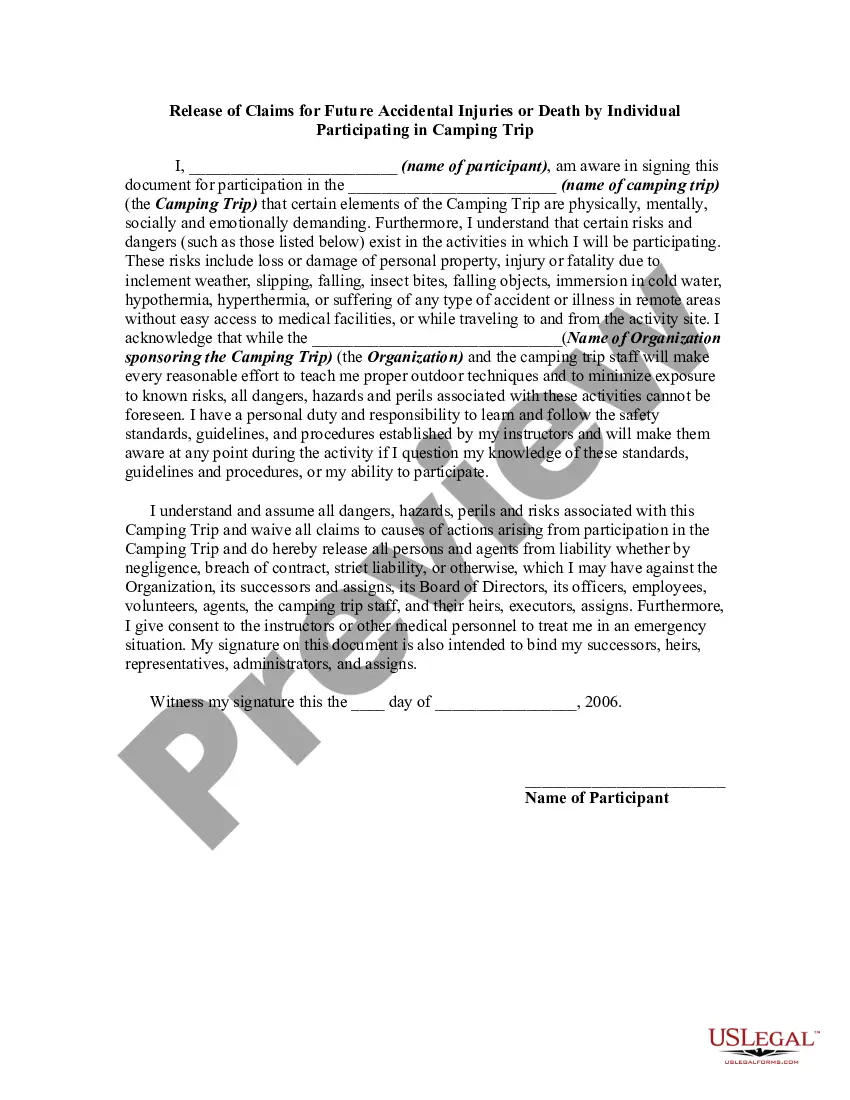
Get your form ready online
Our built-in tools help you complete, sign, share, and store your documents in one place.
Make edits, fill in missing information, and update formatting in US Legal Forms—just like you would in MS Word.
Download a copy, print it, send it by email, or mail it via USPS—whatever works best for your next step.
Sign and collect signatures with our SignNow integration. Send to multiple recipients, set reminders, and more. Go Premium to unlock E-Sign.
If this form requires notarization, complete it online through a secure video call—no need to meet a notary in person or wait for an appointment.
We protect your documents and personal data by following strict security and privacy standards.

Make edits, fill in missing information, and update formatting in US Legal Forms—just like you would in MS Word.

Download a copy, print it, send it by email, or mail it via USPS—whatever works best for your next step.

Sign and collect signatures with our SignNow integration. Send to multiple recipients, set reminders, and more. Go Premium to unlock E-Sign.

If this form requires notarization, complete it online through a secure video call—no need to meet a notary in person or wait for an appointment.

We protect your documents and personal data by following strict security and privacy standards.
Looking for another form?
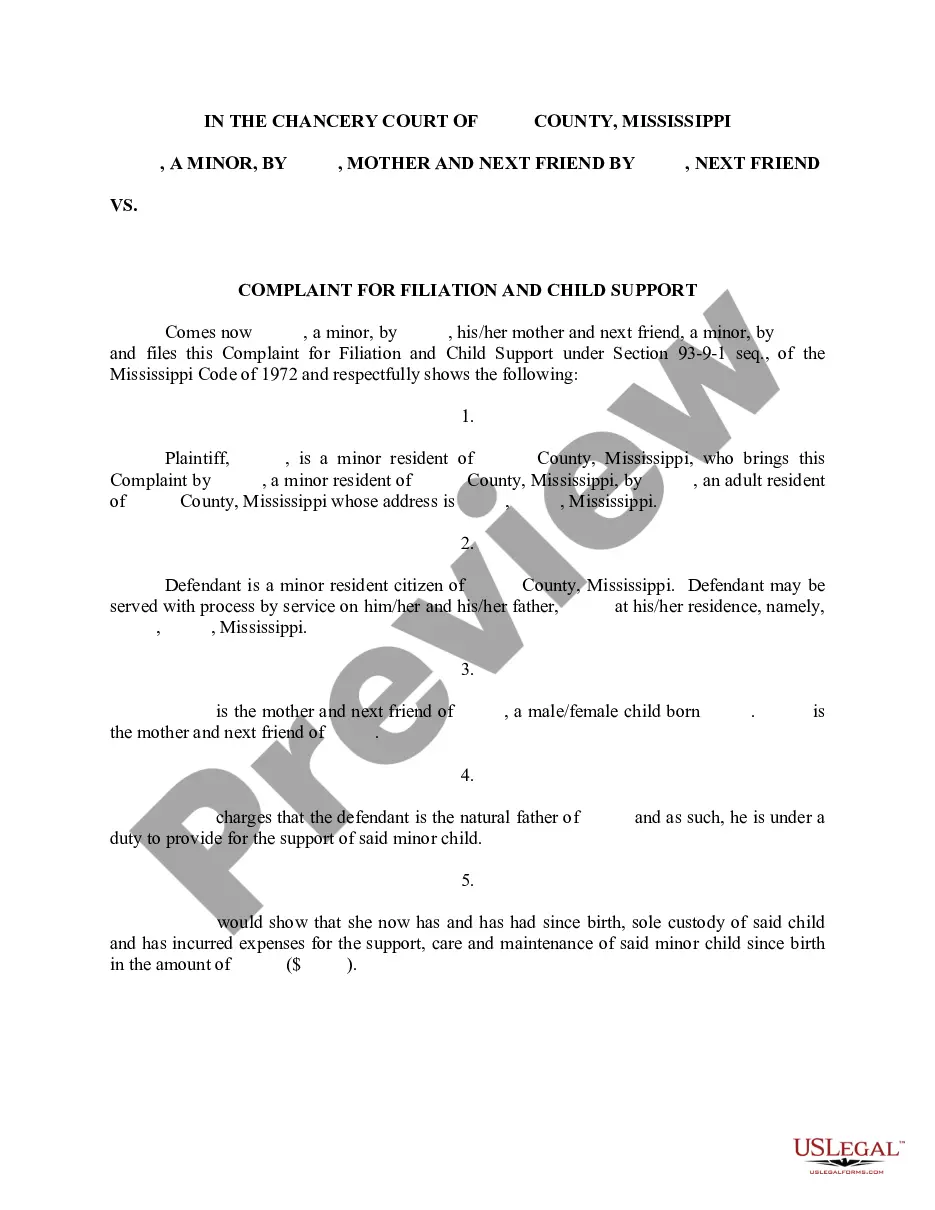


How to fill out Release Of Liability Of Employer - Ski Trip?
- Log in to your US Legal Forms account if you're a returning user. Ensure your subscription is active; renew if needed.
- In Preview mode, review the form descriptions to find the one that meets your local laws and requirements.
- If necessary, utilize the Search tab to locate additional templates that better suit your needs.
- Select the correct form and click the 'Buy Now' button. Choose a subscription plan that fits your usage.
- Complete your purchase by entering your payment details or using PayPal.
- Download the necessary form to your device and access it anytime through the 'My Forms' section in your profile.
Using US Legal Forms not only gives you access to an extensive collection of over 85,000 legal forms but also provides expert assistance for completing these documents accurately. This ensures your forms are both compliant and effective in protecting your interests.
To effectively manage employer liability for sexual harassment, take advantage of US Legal Forms' robust resources. Empower yourself today for smart legal compliance!
Form popularity
FAQ
Yes, you can sue for a toxic work environment if it involves sexual harassment or creates an oppressive atmosphere that negatively impacts your employment. Documenting instances of harassment, discrimination, or any ongoing hostile behavior is essential to support your case. Additionally, pursuing a claim for employer liability for sexual harassment can be part of addressing a toxic environment at work. Consulting with expert legal resources can guide you through the claims process effectively.
To claim compensation for sexual harassment, start by documenting your experiences, noting dates, times, and details of each incident. Then, file a complaint with HR or a relevant governing body within your organization. If internal resolutions fail, you can pursue legal action, typically through the EEOC. Unpacking employer liability for sexual harassment not only aids in building your case but also helps ensure that victims receive the compensation they deserve.
Suing an employer for sexual harassment begins with documenting incidents and gathering evidence, such as emails or witness statements. Next, you should file a complaint with the Equal Employment Opportunity Commission (EEOC), which is often a necessary step before pursuing legal action. Following the EEOC's investigation, you can file a lawsuit if you're not satisfied with their findings. Knowing the process of employer liability for sexual harassment can empower you to seek justice effectively.
An employer may not be found liable for sexual harassment if they can demonstrate that they took reasonable steps to prevent and address the behavior. For instance, if they promptly investigated any allegations and implemented appropriate disciplinary measures, liability may be reduced. Additionally, if the harasser's actions were not related to the workplace or were not reported to management, the employer might not be held accountable. Understanding the nuances of employer liability for sexual harassment is crucial in navigating these situations.
Yes, an employer can be held liable for harassment conducted by a supervisor, especially if they were aware of the behavior but did not take appropriate action. This liability applies if the harassment affects job conditions or results in tangible employment actions. Employers should implement strong policies and training to mitigate risks associated with employer liability for sexual harassment. Being proactive can protect both employees and the organization.
If you are facing harassment by a supervisor, it's important to document the incidents and report them to HR or a trusted manager. Do not hesitate to seek support from colleagues or professionals who can offer guidance. Understanding your rights and the legal implications surrounding employer liability for sexual harassment will empower you to take action. You can also explore resources like US Legal Forms to find the necessary documentation and support.
An employer is not automatically liable for all harassment by a supervisor. Liability typically arises when the employer fails to prevent or address the harassment. However, if the harassment results in a tangible employment action, the employer may face a stronger case. It's essential for employers to understand their responsibilities to mitigate potential employer liability for sexual harassment.
To prove supervisor harassment, you need to gather evidence that supports your claim. This can include emails, text messages, or witnesses who observed the behavior. Keeping a detailed record of the incidents can also strengthen your case. Understanding the nuances of employer liability for sexual harassment can help you navigate the situation effectively.
When you report harassment, HR is responsible for investigating the claim thoroughly and confidentially. They will typically interview both the complainant and the accused, as well as any witnesses. HR should also document the process and the outcome, ensuring that appropriate actions are taken based on the evidence. Being aware of your rights regarding employer liability for sexual harassment is crucial during this process.
In many cases, an employer may be held liable for harassment by a supervisor if it leads to a tangible employment action, such as termination or demotion. However, employers have an opportunity to defend themselves if they can prove that they took reasonable steps to prevent and address harassment. This means that they should have clear policies and training in place. Understanding employer liability for sexual harassment is essential for both employees and employers.