Trust Documentation Sample With Pictures
Description
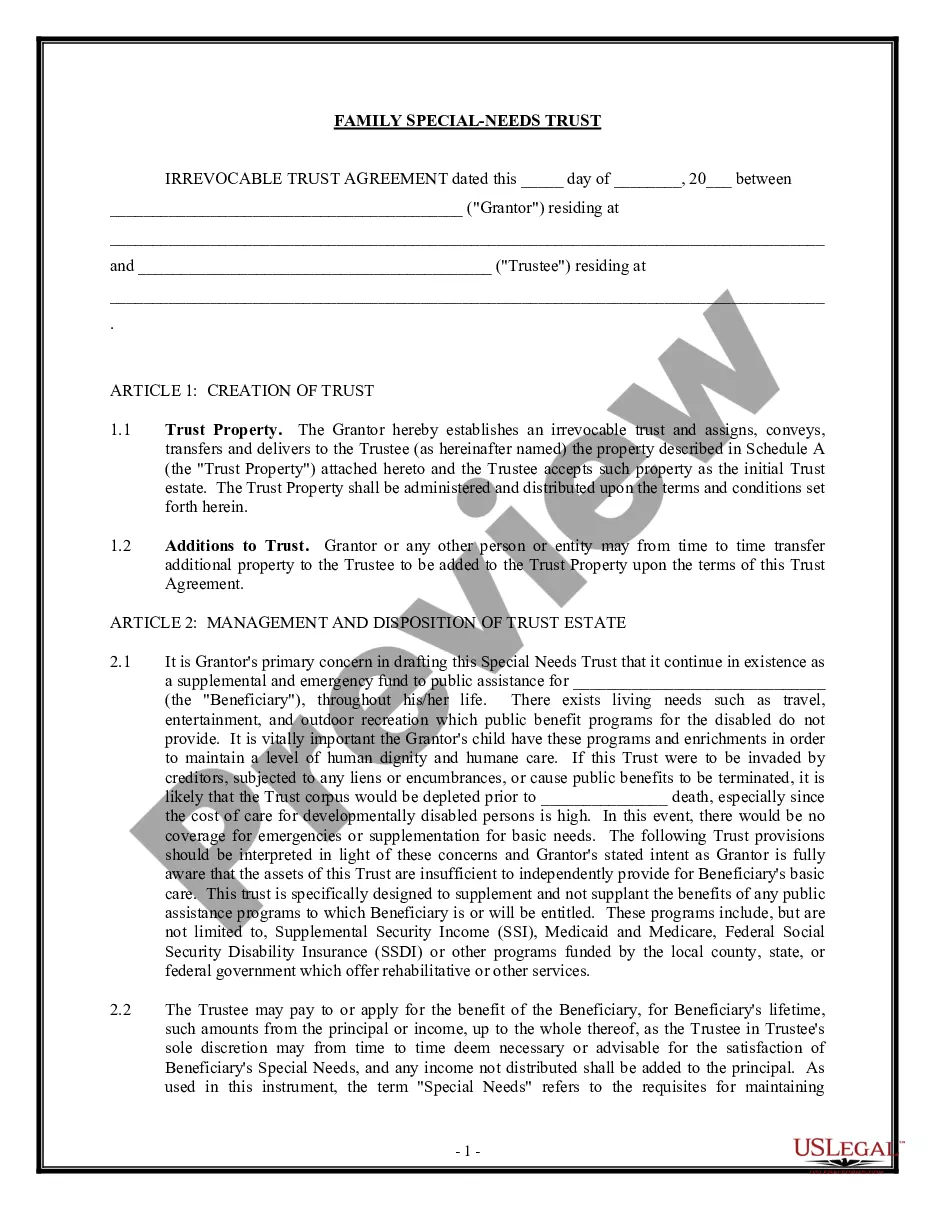
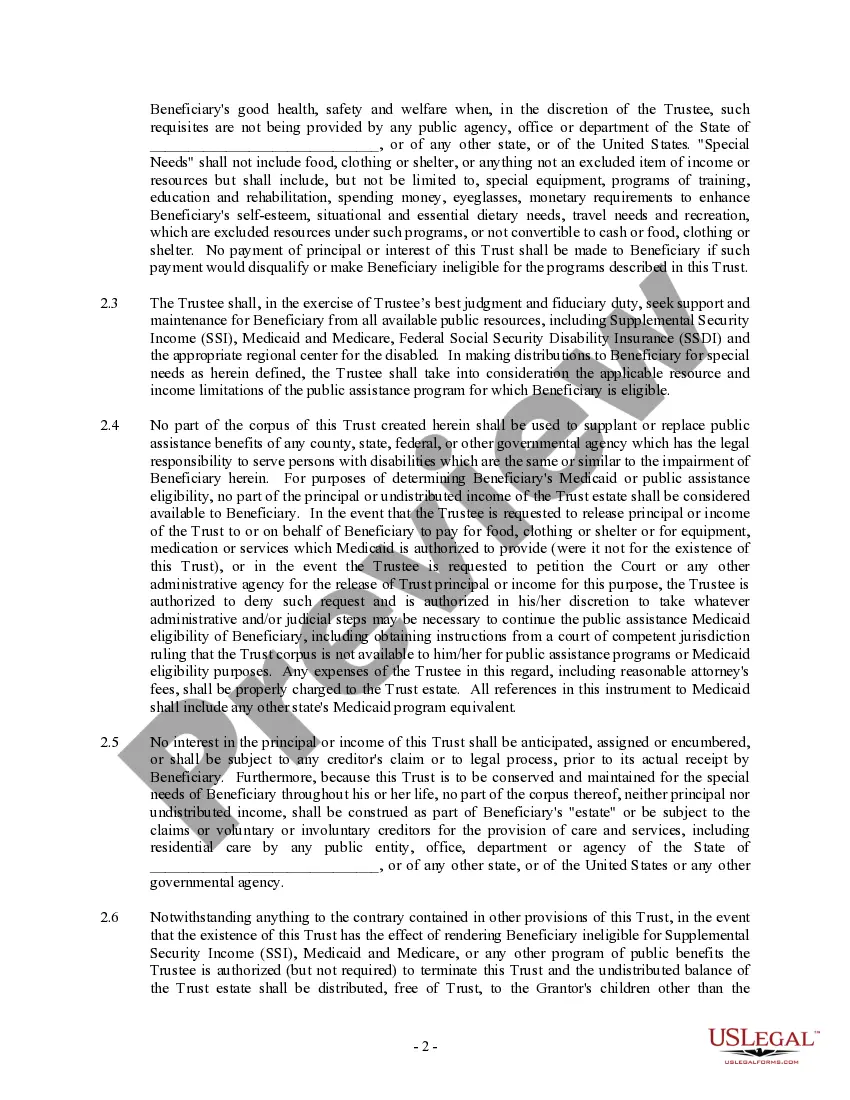
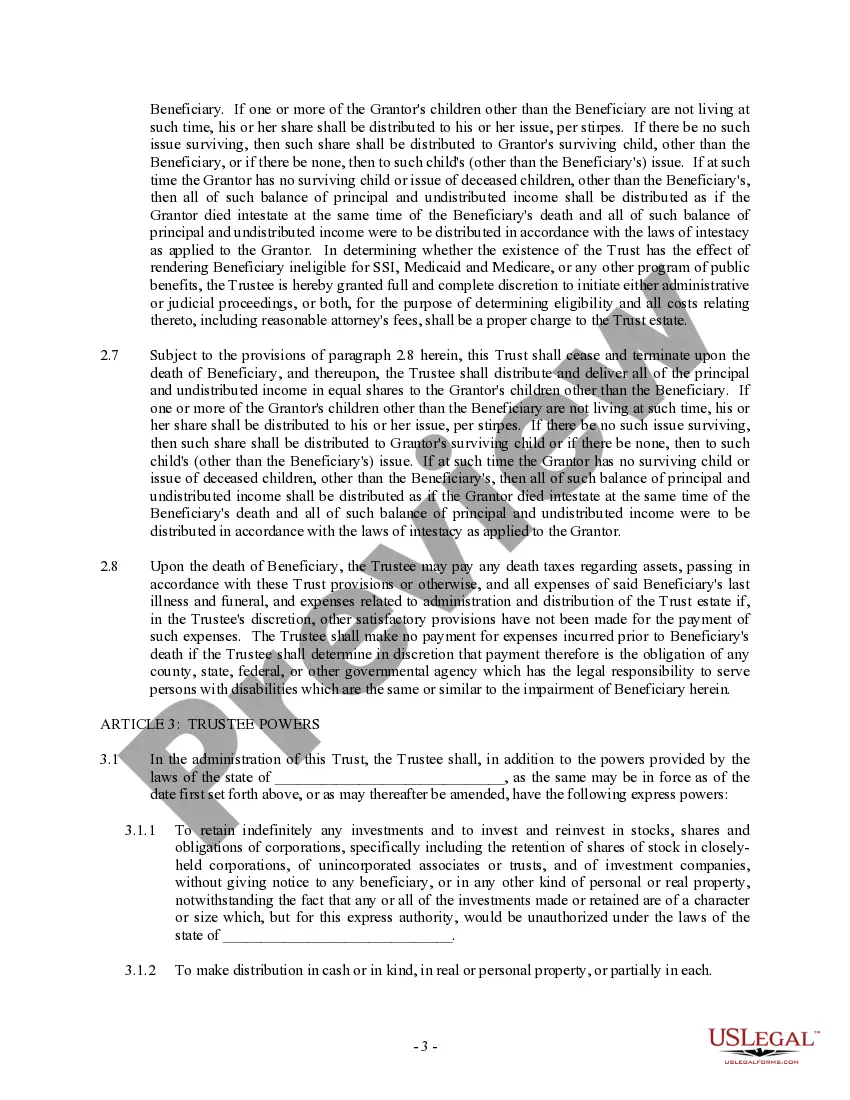
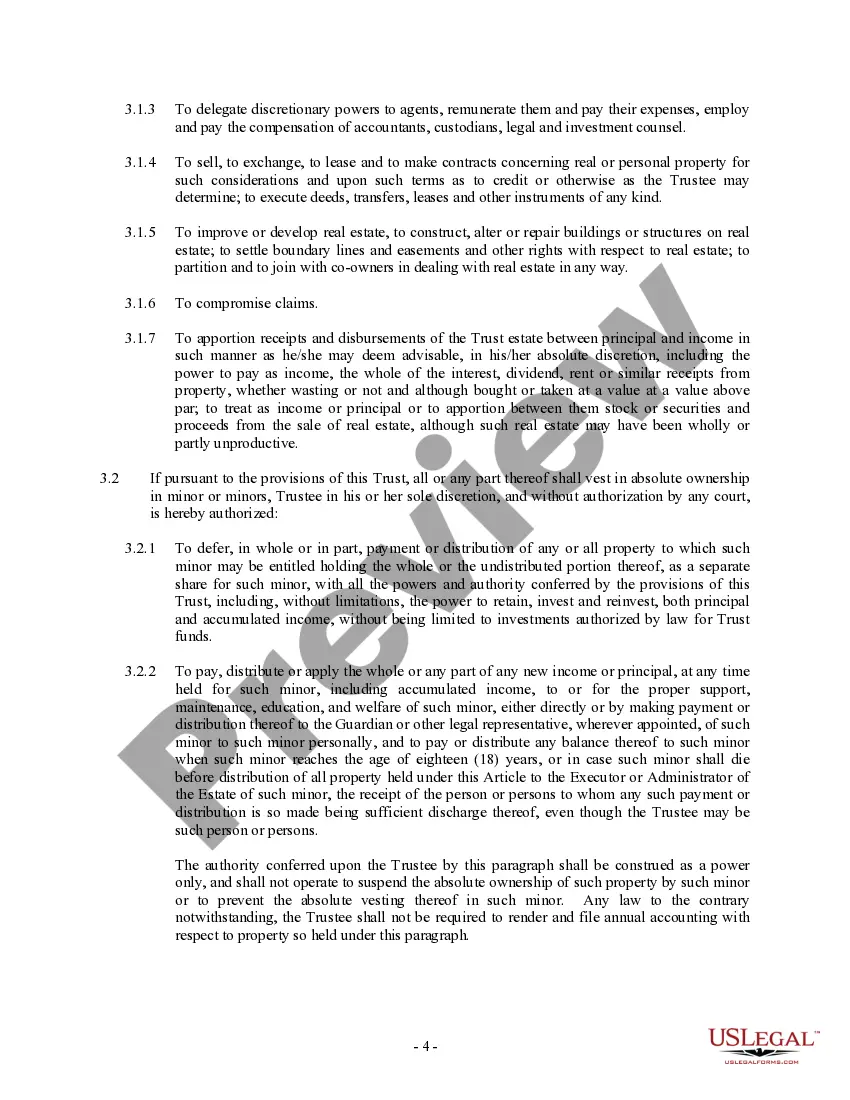
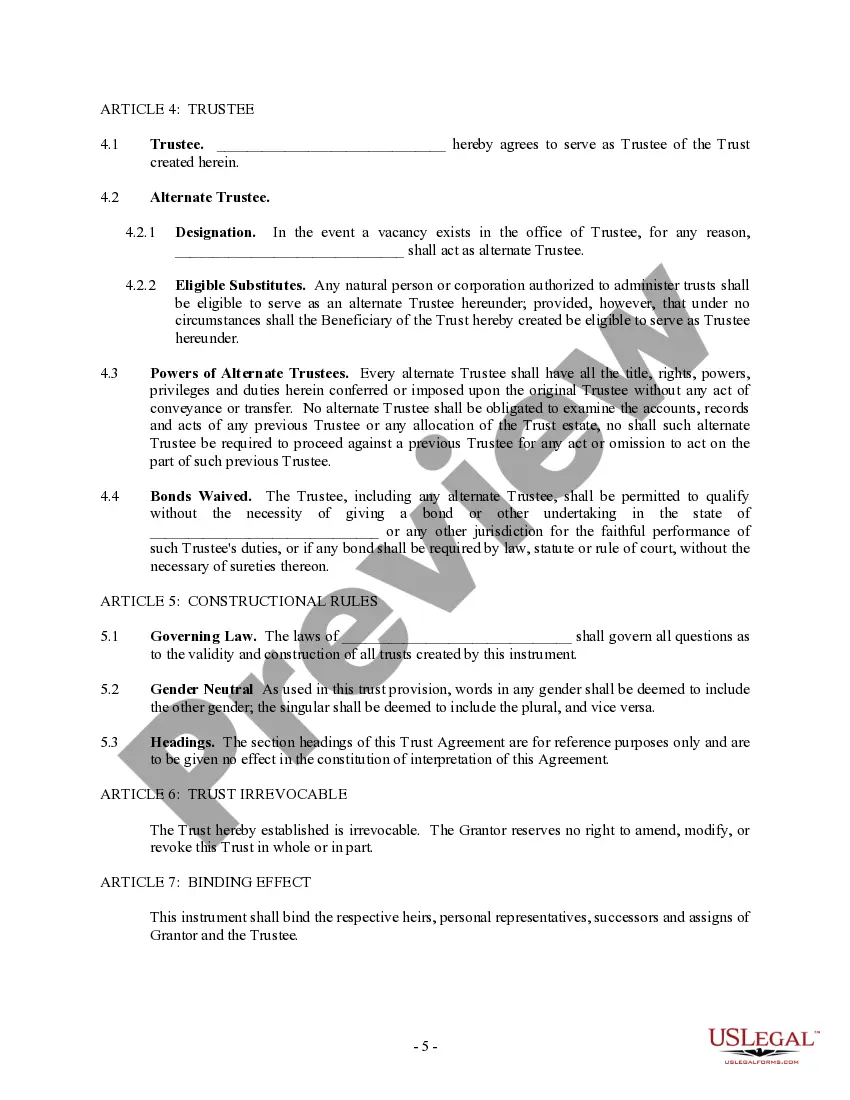
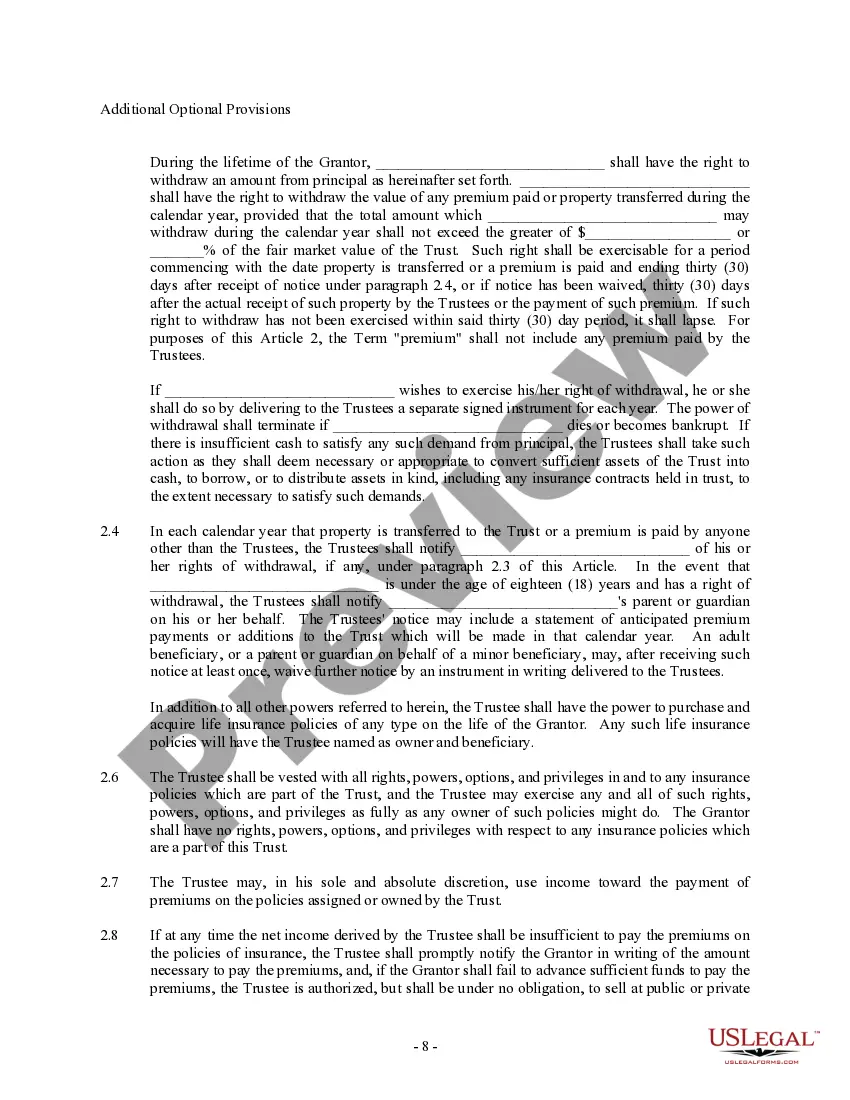
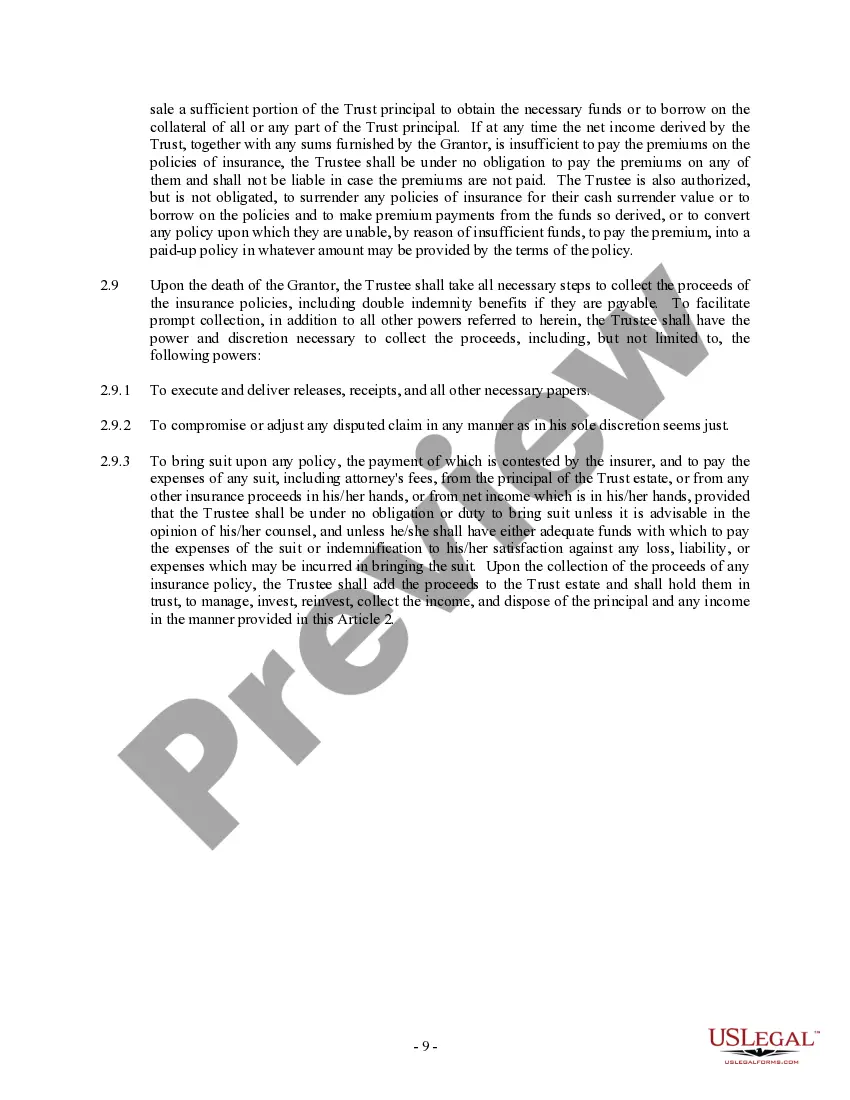
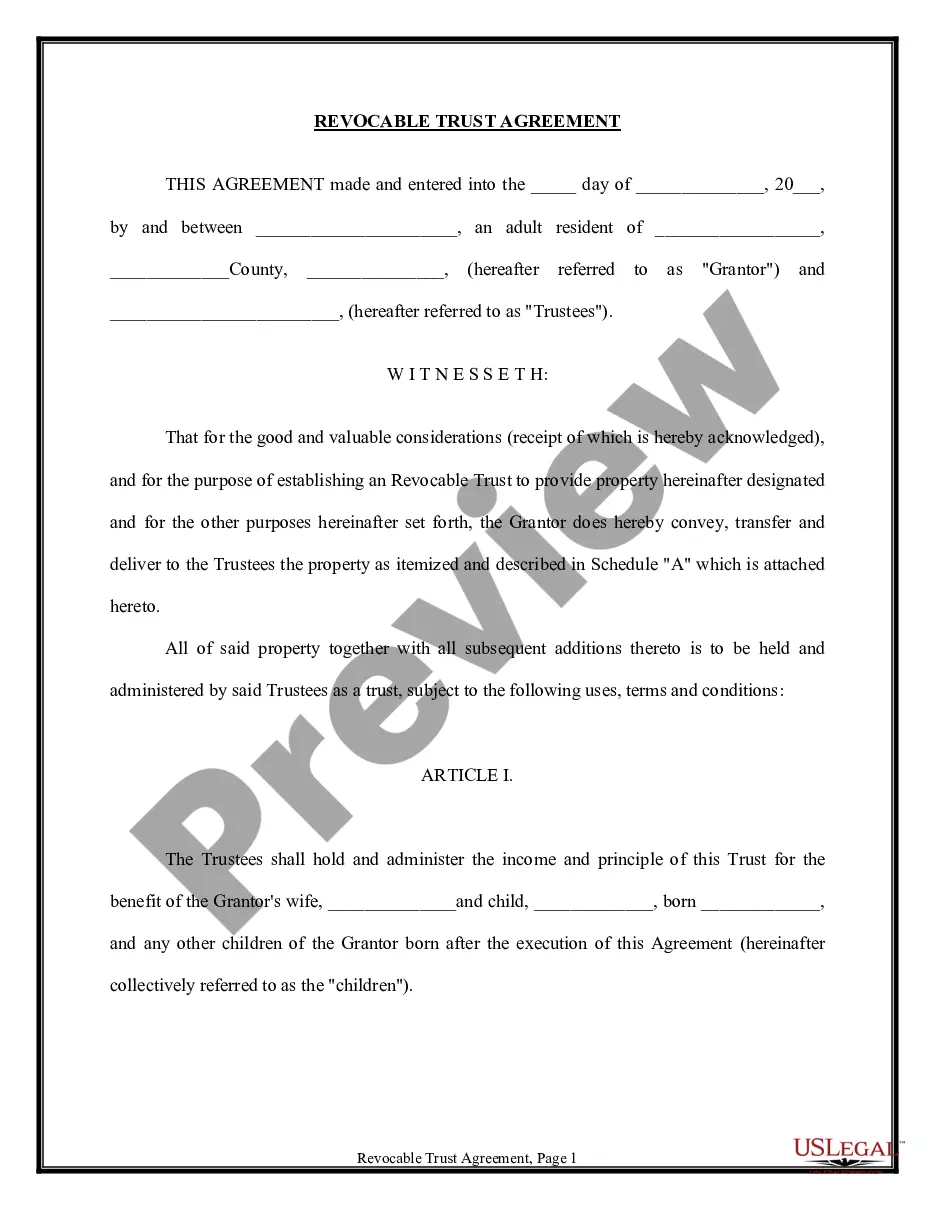
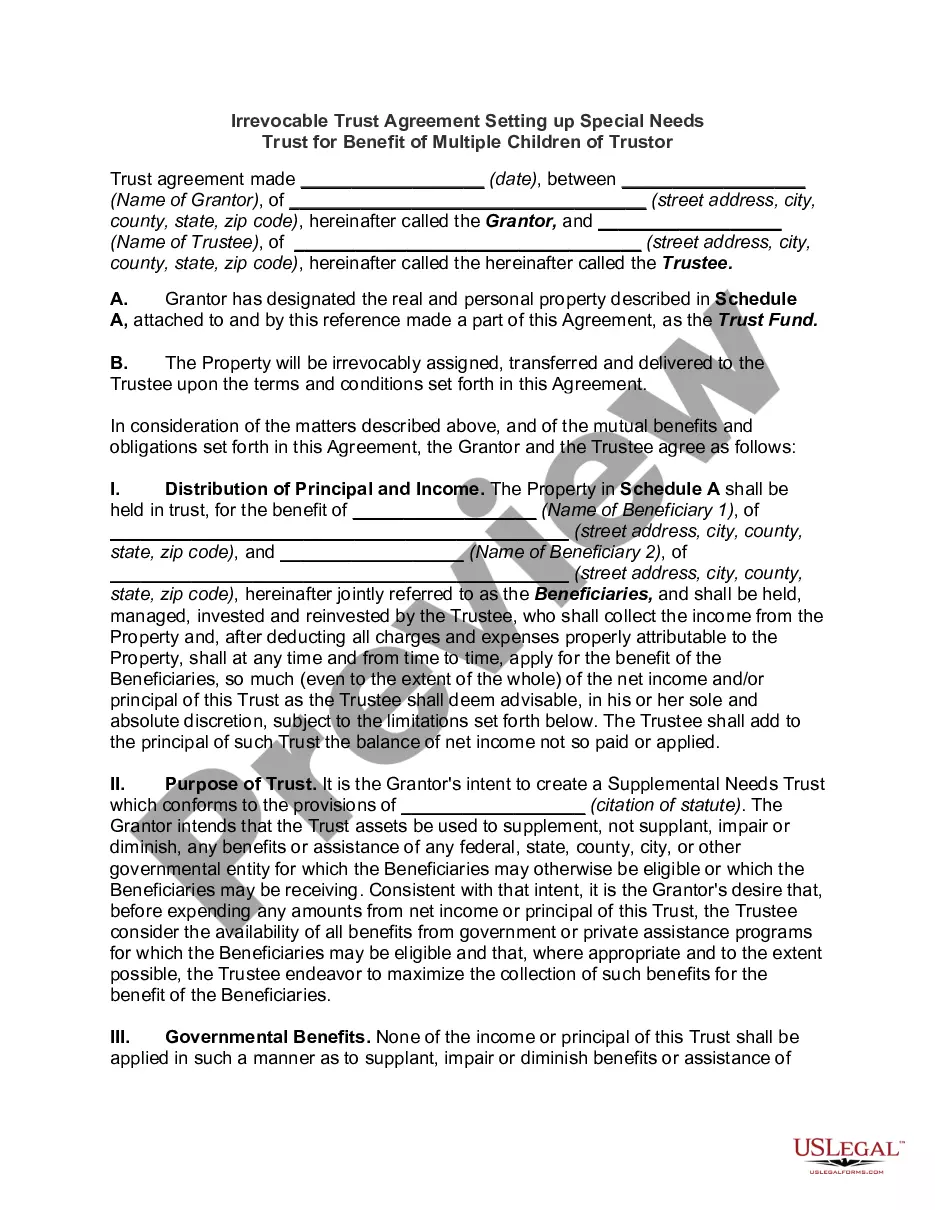
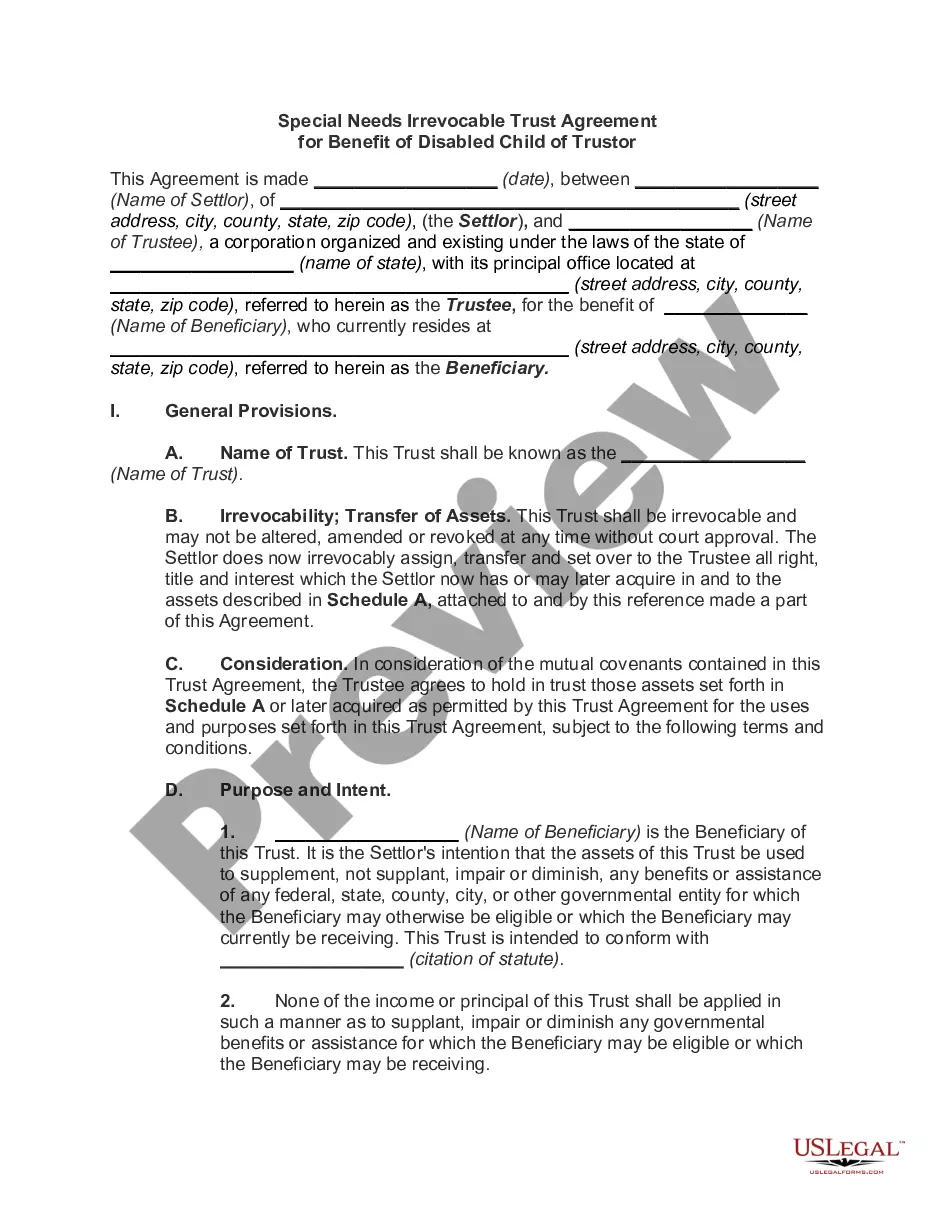
Get your form ready online
Our built-in tools help you complete, sign, share, and store your documents in one place.
Make edits, fill in missing information, and update formatting in US Legal Forms—just like you would in MS Word.
Download a copy, print it, send it by email, or mail it via USPS—whatever works best for your next step.
Sign and collect signatures with our SignNow integration. Send to multiple recipients, set reminders, and more. Go Premium to unlock E-Sign.
If this form requires notarization, complete it online through a secure video call—no need to meet a notary in person or wait for an appointment.
We protect your documents and personal data by following strict security and privacy standards.

Make edits, fill in missing information, and update formatting in US Legal Forms—just like you would in MS Word.

Download a copy, print it, send it by email, or mail it via USPS—whatever works best for your next step.

Sign and collect signatures with our SignNow integration. Send to multiple recipients, set reminders, and more. Go Premium to unlock E-Sign.

If this form requires notarization, complete it online through a secure video call—no need to meet a notary in person or wait for an appointment.

We protect your documents and personal data by following strict security and privacy standards.
Looking for another form?

How to fill out Trust Agreement - Family Special Needs?
Legal management can be daunting, even for the most seasoned professionals.
When you are interested in a Trust Documentation Sample With Pictures and lack the time to invest in finding the correct and current version, the process could be overwhelming.
With US Legal Forms, you have the ability to.
Access legal and organizational forms tailored to your state or county needs.
Check your My documents tab to see the documents you have saved previously and to organize your folders according to your preference.
- US Legal Forms accommodates any requirements you might have, from personal to commercial documents, all in one place.
- Utilize advanced tools to complete and manage your Trust Documentation Sample With Pictures.
- Access a valuable resource collection of articles, guides, and resources pertinent to your circumstances and necessities.
- Save time and effort in locating the documents you require, and use US Legal Forms’ sophisticated search and Preview feature to find and download Trust Documentation Sample With Pictures.
- If you possess a subscription, Log In to your US Legal Forms account, look for the form, and download it.
- A robust online form library could be a transformative tool for anyone wishing to manage these scenarios effectively.
- US Legal Forms stands as a frontrunner in web legal forms, offering over 85,000 state-specific legal documents accessible at any time.
Form popularity
FAQ
There are two basic types of Deeds of Trust, the Long Form and the Short Form. The Long Form, which could be 20-30 pages long, is the one generally used by institutional lenders. The Short Form is the one that is most widely used by private party lenders.
A simple example would be the situation in which one member of a family advances money to another and asks the second member to hold the money or to invest it for him. A more complicated example of an implied trust would be the situation in which one party provides money to another for the purchase of property.
Examples of basic trust include the following scenarios: A baby smiles at you, and you respond with a smile; this simple gesture indicates to the child that the world is a warm and welcoming place.
The most common example of when a declaration of trust is used is the situation where an adult son or daughter borrows money for a deposit on a first house from his or her parents. The parents may have a mortgage already, and the terms of that mortgage prevent them from borrowing under another.
The instrument may also be known as an agreement, indenture, declaration, or deed. In the case of a testamentary trust, for example, the trust instrument is the decedent's will.