Sale Purchase Price Formula
Description
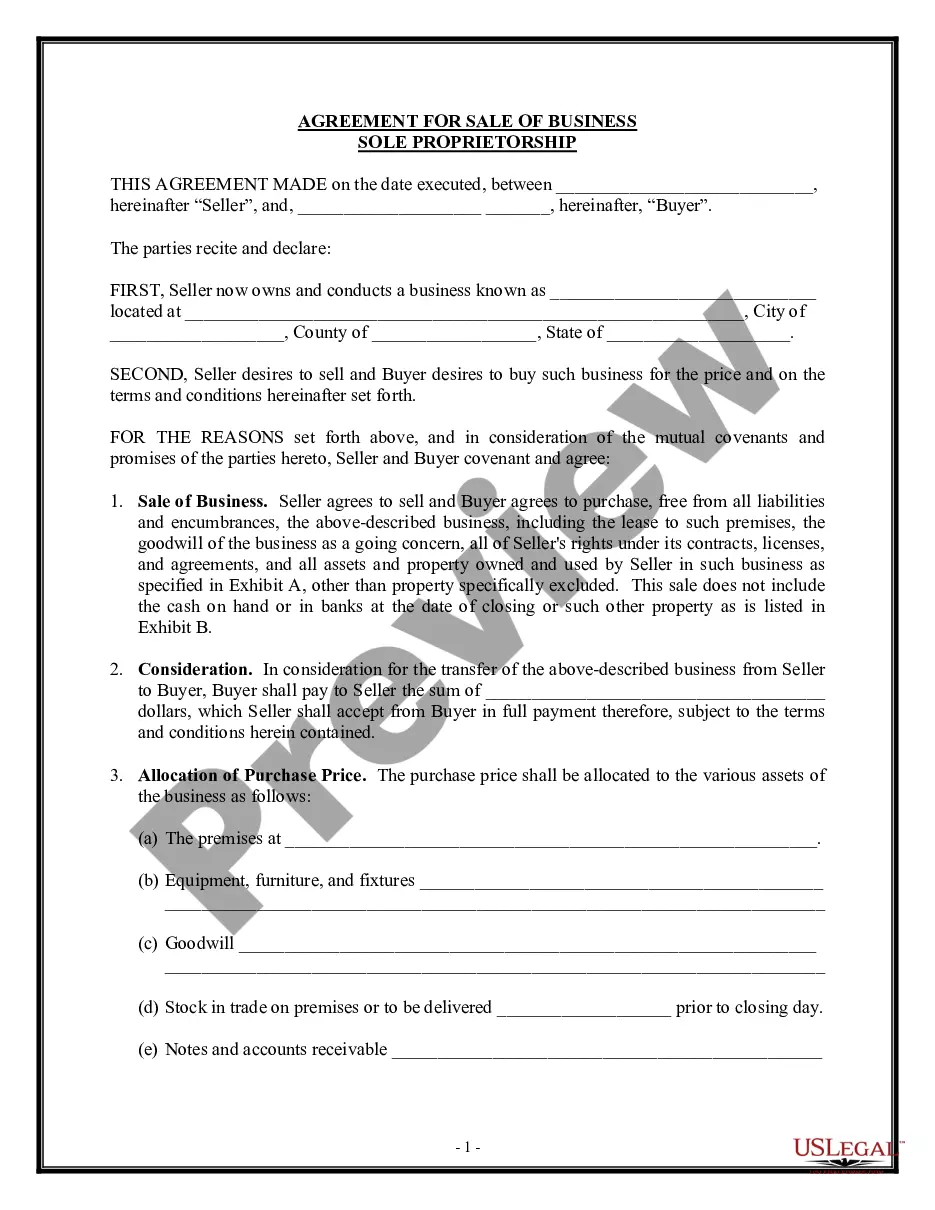
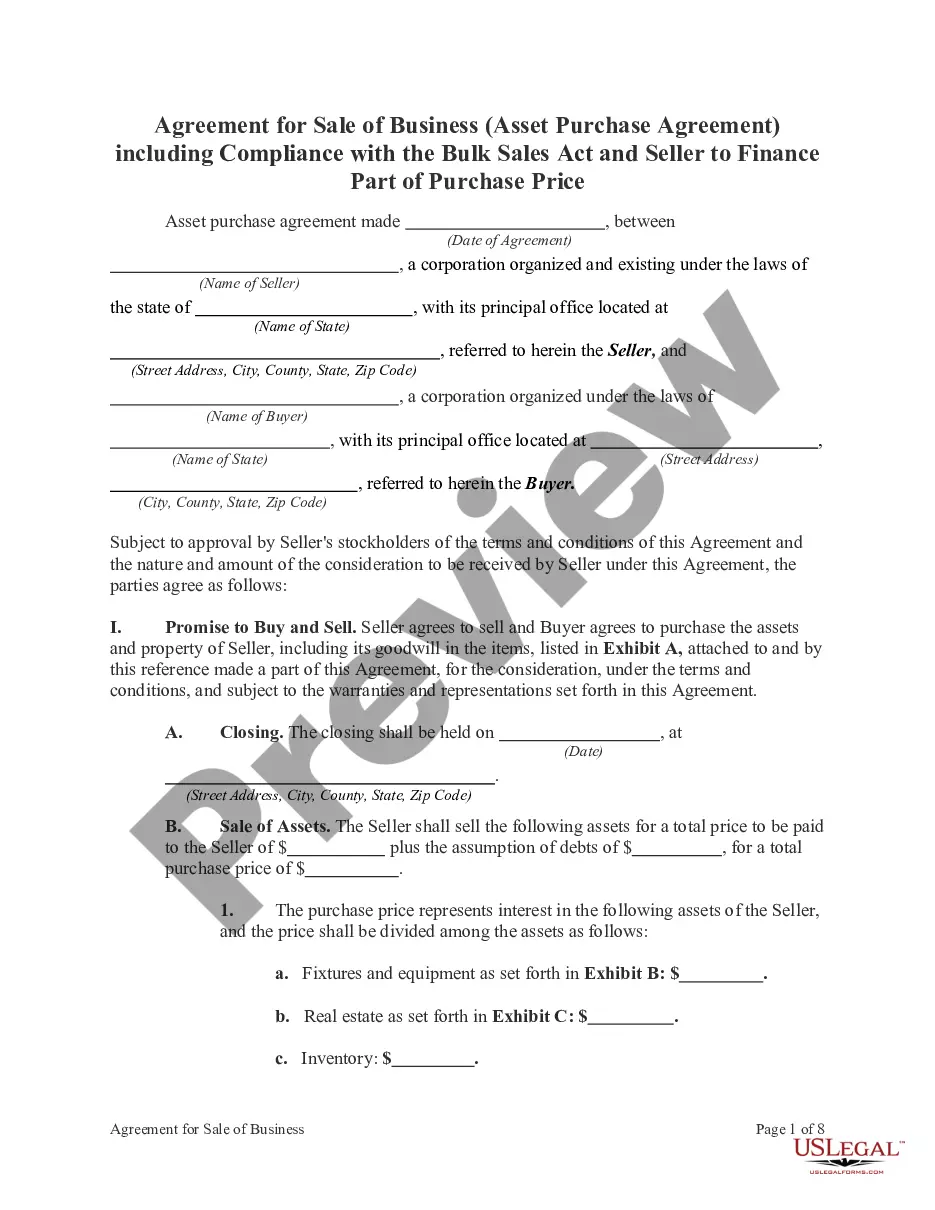
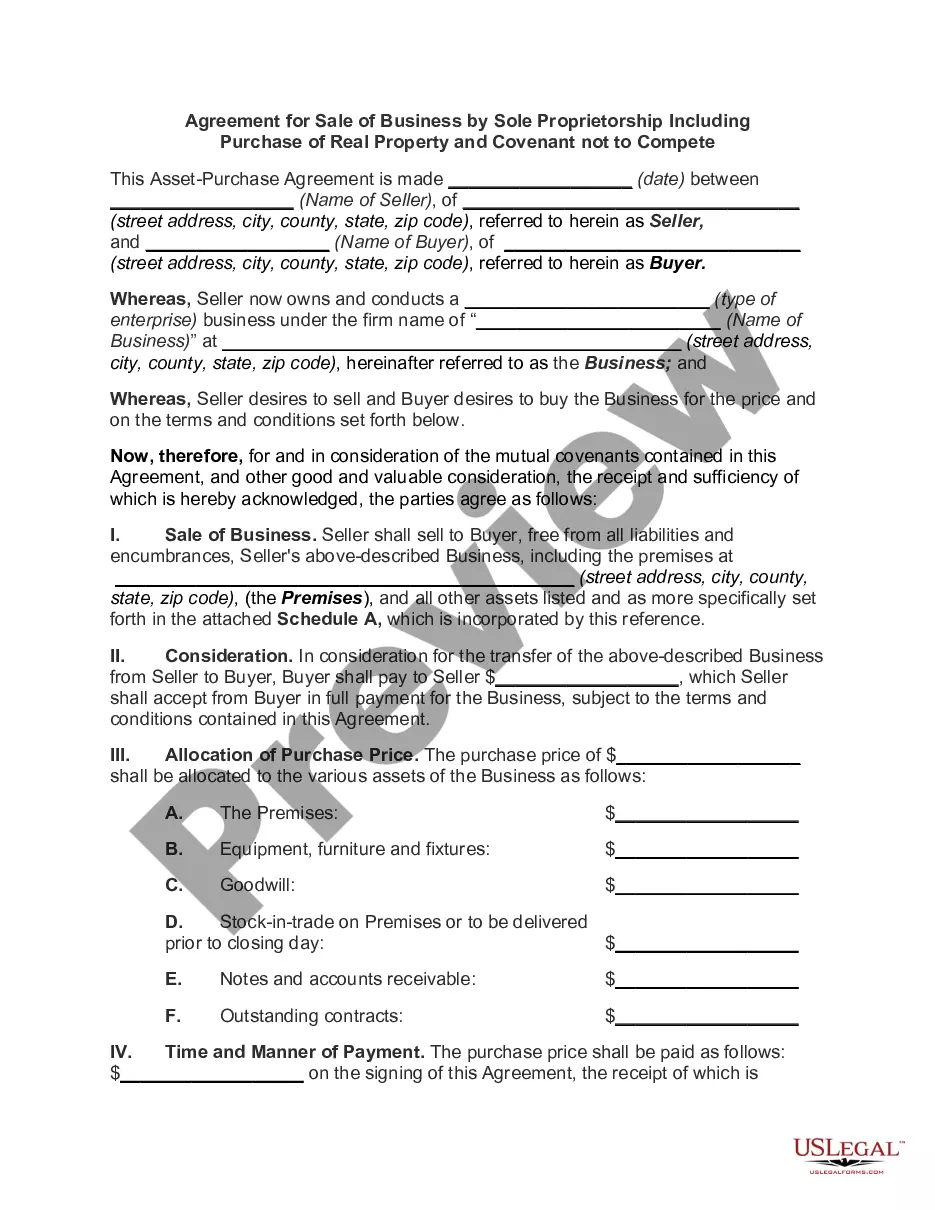
Get your form ready online
Our built-in tools help you complete, sign, share, and store your documents in one place.
Make edits, fill in missing information, and update formatting in US Legal Forms—just like you would in MS Word.
Download a copy, print it, send it by email, or mail it via USPS—whatever works best for your next step.
Sign and collect signatures with our SignNow integration. Send to multiple recipients, set reminders, and more. Go Premium to unlock E-Sign.
If this form requires notarization, complete it online through a secure video call—no need to meet a notary in person or wait for an appointment.
We protect your documents and personal data by following strict security and privacy standards.

Make edits, fill in missing information, and update formatting in US Legal Forms—just like you would in MS Word.

Download a copy, print it, send it by email, or mail it via USPS—whatever works best for your next step.

Sign and collect signatures with our SignNow integration. Send to multiple recipients, set reminders, and more. Go Premium to unlock E-Sign.

If this form requires notarization, complete it online through a secure video call—no need to meet a notary in person or wait for an appointment.

We protect your documents and personal data by following strict security and privacy standards.
Looking for another form?


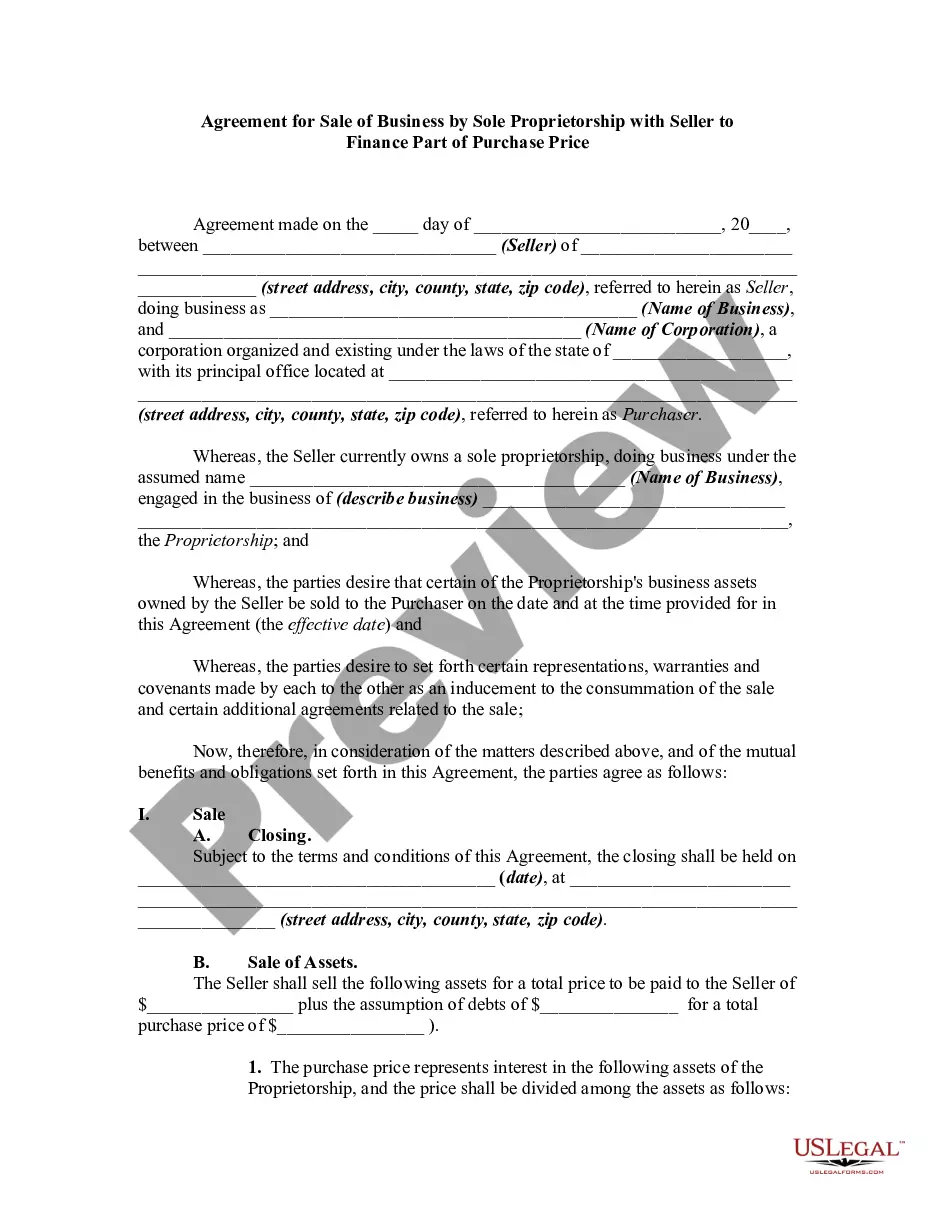
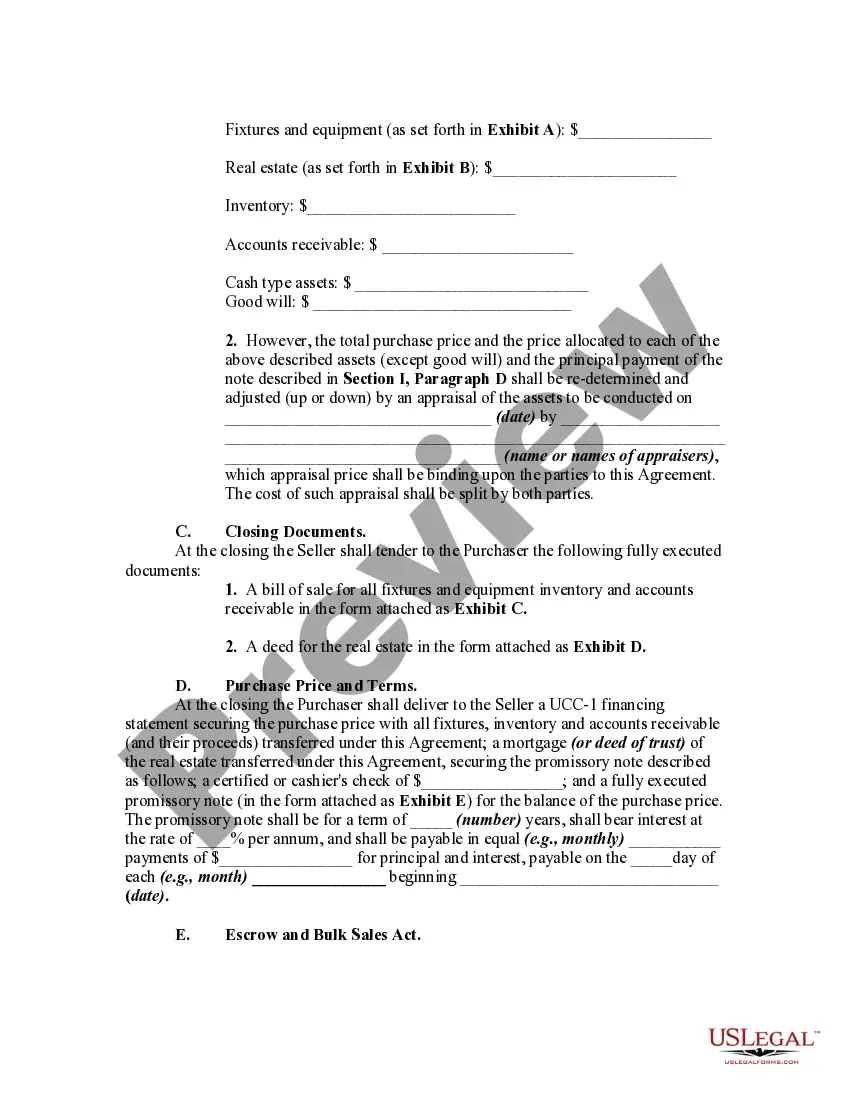
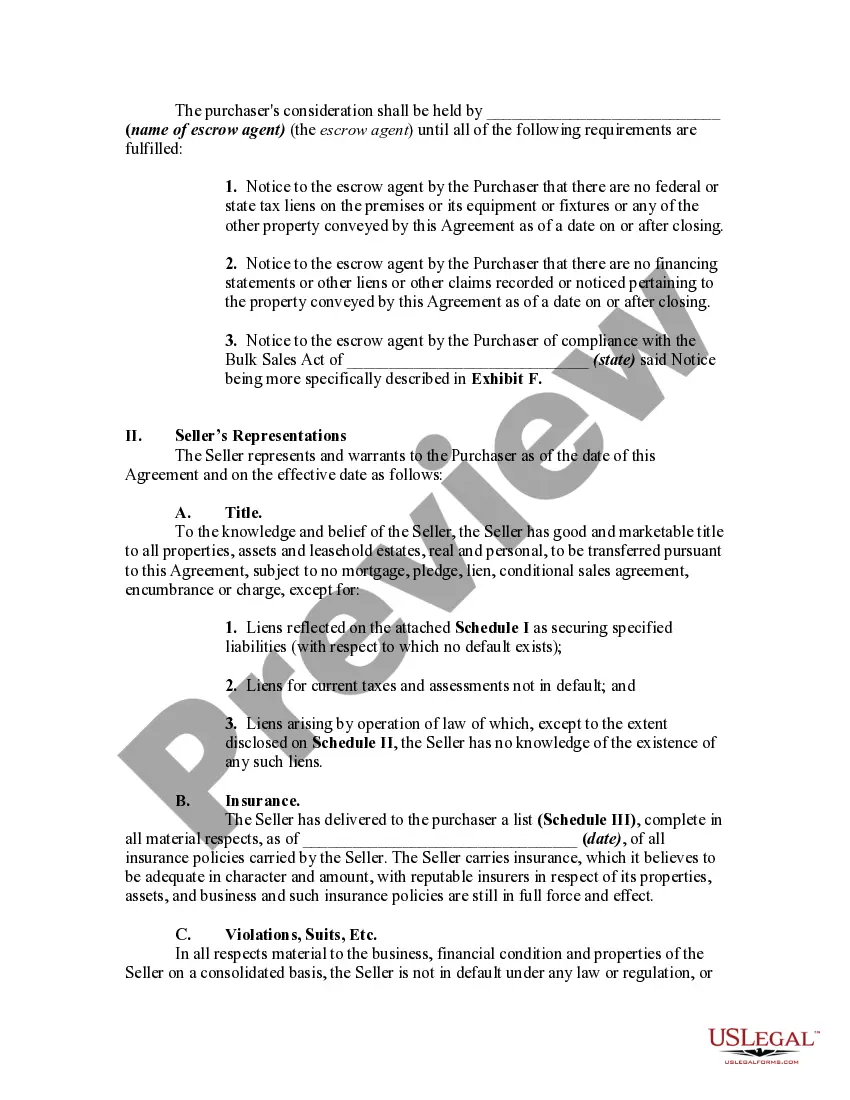
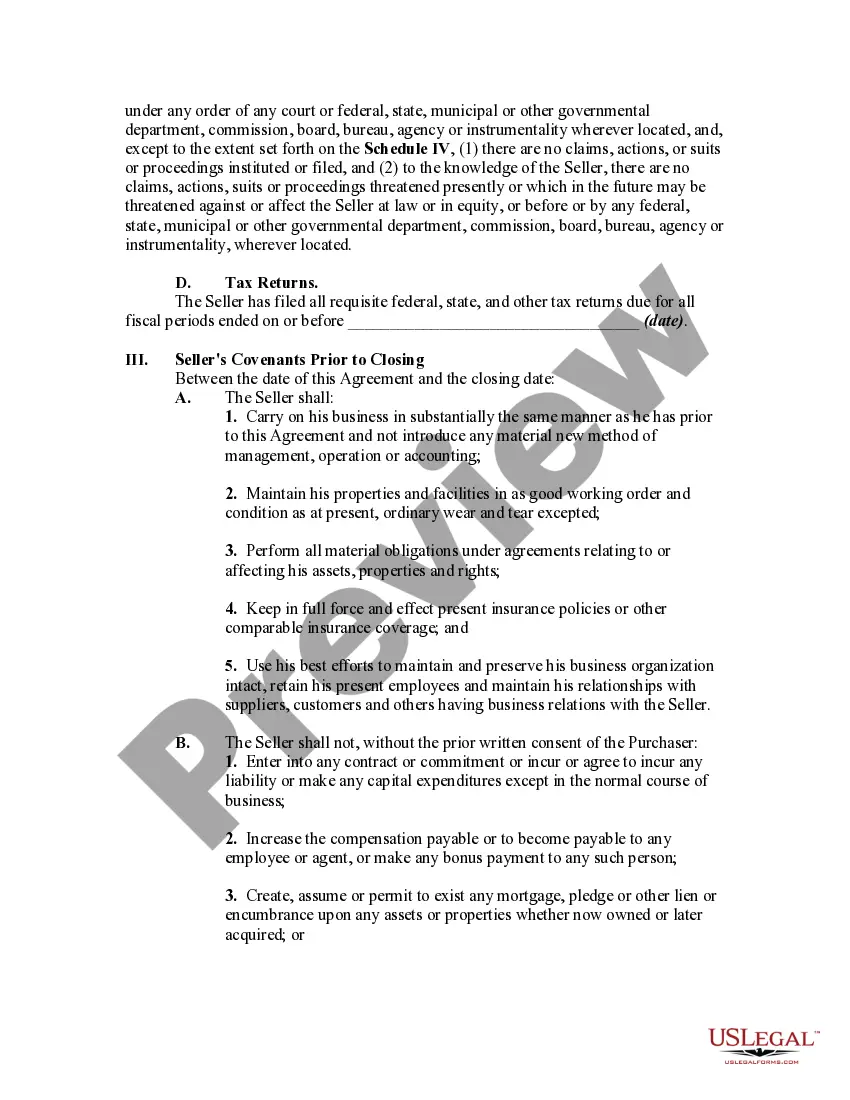
How to fill out Agreement For Sale Of Business By Sole Proprietorship With Seller To Finance Part Of Purchase Price?
Legal paperwork administration can be daunting, even for the most seasoned professionals.
When searching for a Sale Purchase Price Formula and lacking the time to find the correct and current version, the tasks can be overwhelming.
Utilize sophisticated tools to fill out and oversee your Sale Purchase Price Formula.
Gain access to a repository of articles, tutorials, manuals, and resources pertinent to your circumstances and requirements.
Confirm that this is the correct document by previewing it and reviewing its details.
- Conserve time and effort in locating the documents you require, and leverage US Legal Forms' advanced search and Preview feature to obtain the Sale Purchase Price Formula.
- If you're a subscriber, Log In to your US Legal Forms account, search for the form, and retrieve it.
- Check your My documents section to view the documents you've previously saved and manage your folders as necessary.
- If this is your initial experience with US Legal Forms, create an account and gain unlimited access to all the platform's benefits.
- Here are the steps to follow after locating the necessary form.
- A robust online form repository could be a transformative solution for anyone seeking to manage these situations effectively.
- US Legal Forms stands out as a premier provider of online legal documents, featuring over 85,000 state-specific legal forms accessible to you at any time.
- With US Legal Forms, you can.
Form popularity
FAQ
The sale price formula is essential for any transaction. To find the sale price, subtract any applicable discounts from the original price. For example, if you are selling an item for $150 and offer a discount of $30, the sale price would be $120. Using this formula effectively can enhance your sales strategies and attract more customers.
Calculating a purchase price involves using the sale purchase price formula to analyze all relevant costs. Begin with the base price of the item, then add any additional costs such as taxes, shipping, and handling fees. By incorporating all these elements into your calculation, you can arrive at a comprehensive purchase price that reflects the total expenditure. Tools available on the US Legal Forms platform can help streamline this process.
To calculate 7% off a price, first convert 7% into decimal form, which is 0.07. Next, multiply the original price by 0.07 to find the discount amount. Lastly, subtract this discount from the original price to determine the reduced sale price. By incorporating the sale purchase price formula, you can efficiently manage various discount calculations.
Calculating the sale price involves determining the original price and applying any discounts or reductions. First, convert the percentage discount into a decimal and multiply it by the original price. Then, subtract that amount from the original price to reach the final sale price. Familiarizing yourself with the sale purchase price formula makes this process both straightforward and effective.
M.P. = [(100 + Gain%)/(100 ? Discount%)] × C.P. Thus we have = [(100 + 20)/(100 ? 10)]×450 = Rs. 600 and hence the correct answer is C) Rs 600.
The sales revenue number indicates the number of sales or income generated by a business and is one of the major factors of how much cash a business has available. Sales revenue is generated by multiplying the number of a product sold by the sales amount using the formula: Sales Revenue = Units Sold x Sales Price.
If in a certain purchase, there is a profit/gain while selling a product, then the formula for C. P. is Cost Price = Selling Price ? Profit.
List Profit and Loss All Formulas. QuantityFormulaLoss PercentageLoss/CP × 100CP (when profit% and SP are given)(100/(100 + P%)) × SPCP (when loss% and SP are given)(100/(100 ? L%)) × SPSP (when profit% and CP are given)((100 + P%)/100) × LP4 more rows
In summary, the Purchase Price will be calculated as follows: the Base Purchase Price; plus Cash; minus Indebtedness; plus the amount, if any, by which Net Working Capital is greater than the Net Working Capital Target; minus the amount, if any, by which Net Working Capital is less than the Net Working Capital Target;