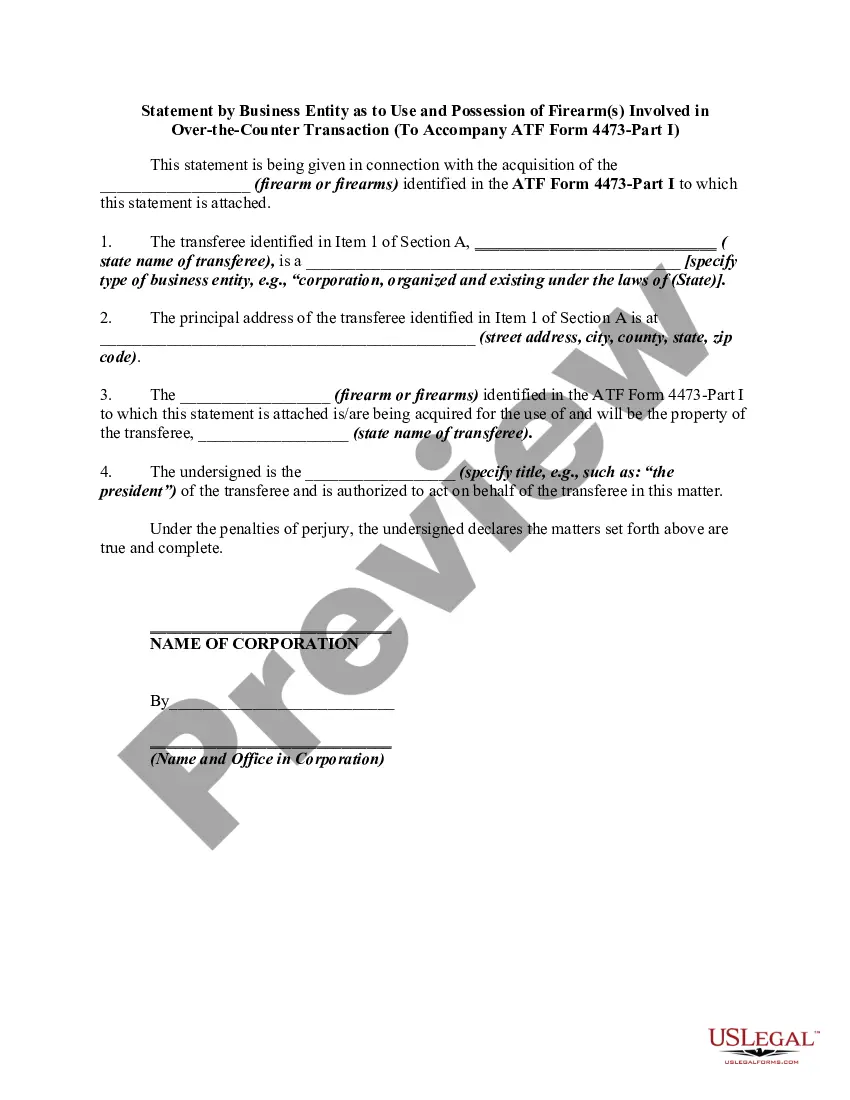
4473 Form Question 21b
Description
Get your form ready online
Our built-in tools help you complete, sign, share, and store your documents in one place.
Make edits, fill in missing information, and update formatting in US Legal Forms—just like you would in MS Word.
Download a copy, print it, send it by email, or mail it via USPS—whatever works best for your next step.
Sign and collect signatures with our SignNow integration. Send to multiple recipients, set reminders, and more. Go Premium to unlock E-Sign.
If this form requires notarization, complete it online through a secure video call—no need to meet a notary in person or wait for an appointment.
We protect your documents and personal data by following strict security and privacy standards.

Make edits, fill in missing information, and update formatting in US Legal Forms—just like you would in MS Word.

Download a copy, print it, send it by email, or mail it via USPS—whatever works best for your next step.

Sign and collect signatures with our SignNow integration. Send to multiple recipients, set reminders, and more. Go Premium to unlock E-Sign.

If this form requires notarization, complete it online through a secure video call—no need to meet a notary in person or wait for an appointment.

We protect your documents and personal data by following strict security and privacy standards.
Looking for another form?
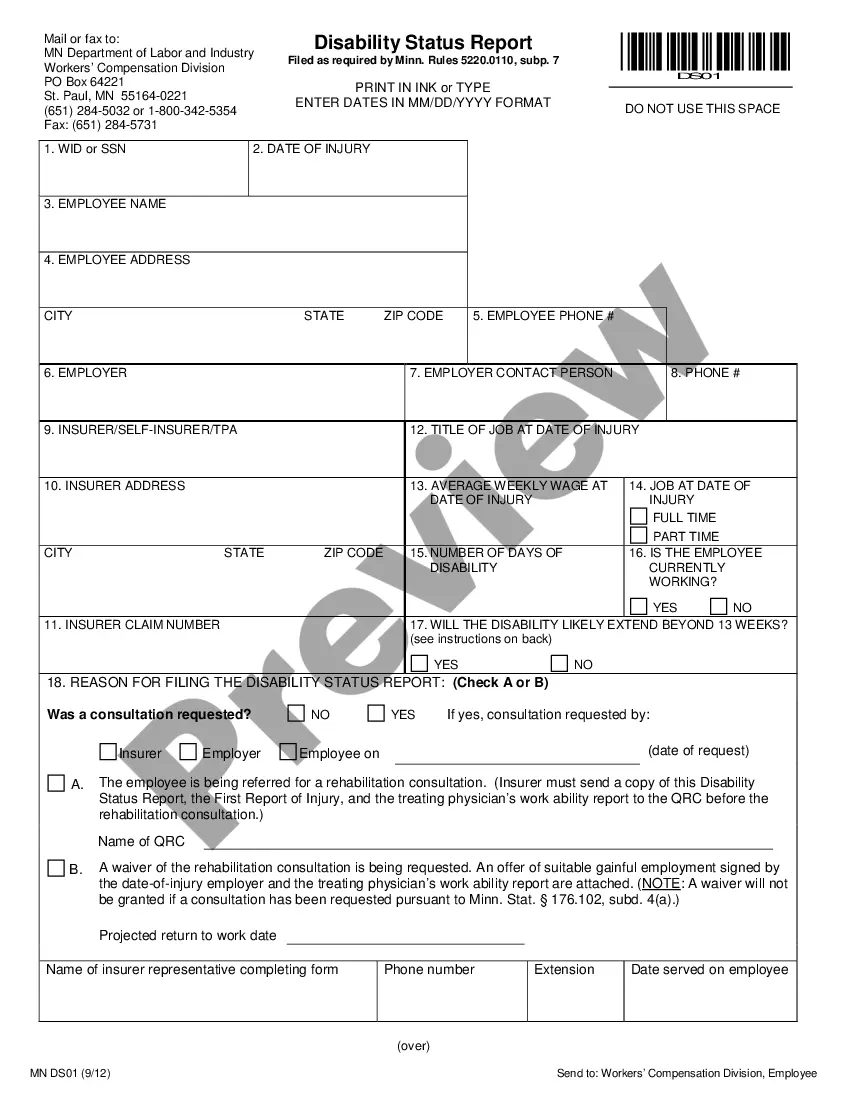

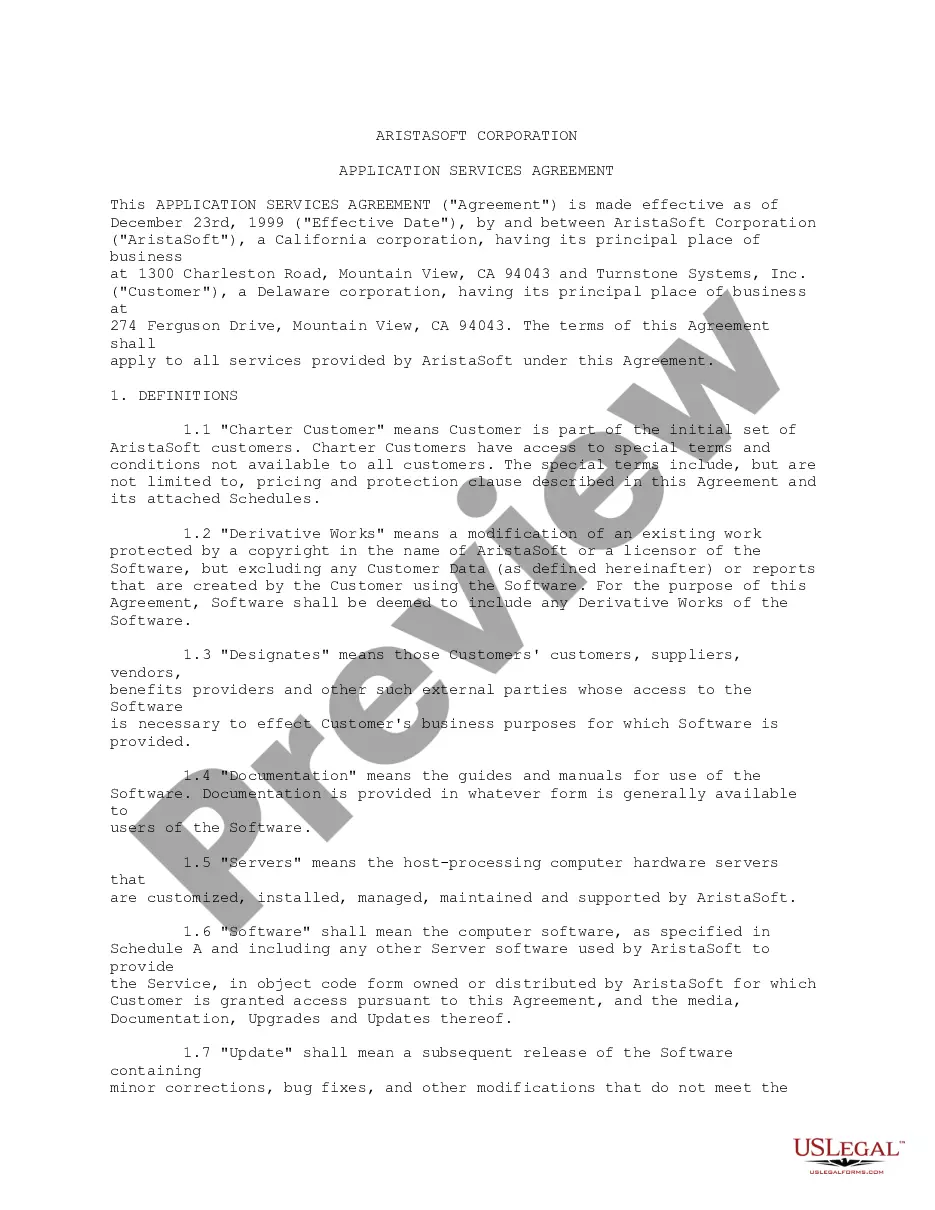
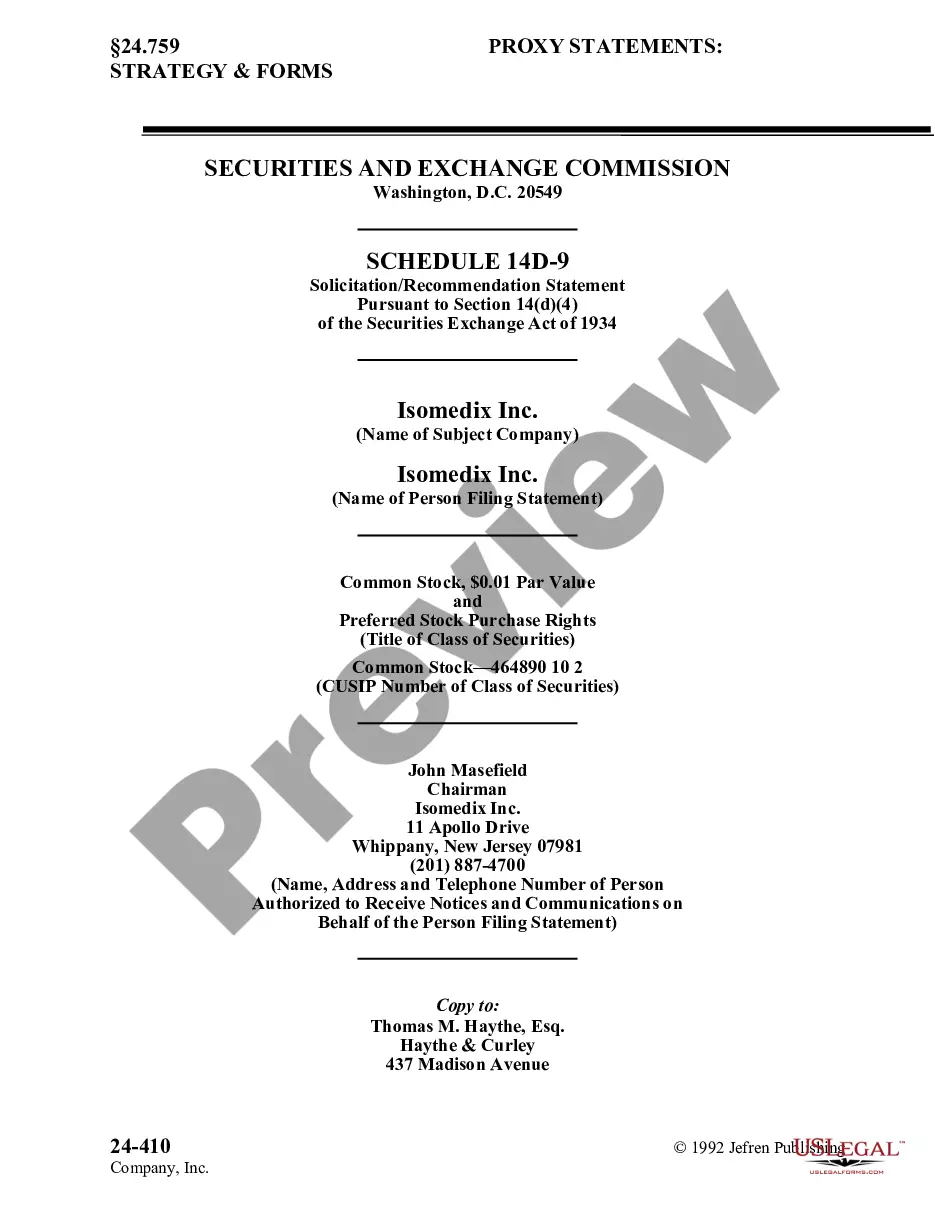
How to fill out Statement By Business Entity As To Use And Possession Of Firearms Involved In Over-the-Counter Transaction - To Accompany ATF Form 4473-Part I?
Managing legal paperwork can be daunting, even for experienced professionals.
If you are looking for a 4473 Form Question 21b but lack the time to search for the appropriate and current version, the process may be overwhelming.
With US Legal Forms, you can.
Access legal and business forms tailored to your state or county. US Legal Forms accommodates any needs you may have, spanning personal to business documents, all in one convenient location.
If it's your first experience with US Legal Forms, create an account and gain unlimited access to all the library's benefits. Here are the steps to follow after obtaining the necessary form.
- Utilize advanced tools to fill out and manage your 4473 Form Question 21b.
- Access a reservoir of articles, guides, and references relevant to your circumstances and requirements.
- Save time and energy searching for the documents you need, and take advantage of US Legal Forms’ sophisticated search and Review feature to obtain the 4473 Form Question 21b and download it.
- If you hold a monthly subscription, Log In to your US Legal Forms account, locate the form, and download it.
- Check the My documents section to view previously downloaded documents and manage your folders as needed.
- A robust online form repository can be a transformative tool for those seeking to navigate these matters effectively.
- US Legal Forms stands as a frontrunner in internet legal forms, offering more than 85,000 state-specific legal documents accessible at any moment.
Form popularity
FAQ
The purpose of a living will is to give exact instructions on what type of medicine or medical care you wish to accept or decline, while an advance directive offers much more information and is capable of being more comprehensive.
Signature: The will must be signed by the testator. Witnesses: At least two witnesses must sign a Connecticut last will and testament in the presence of the testator in order for it to be valid. The witnesses must sign after witnessing the testator sign the will. Writing: A will must be in writing to be valid.
Connecticut's Living Will Laws Use this form if you wish to only appoint a health care representative to make health care decisions on your behalf when you are unable to do so. Living Will - Advance Directives Combined Form (PDF-122KB)
The form must be executed in the presence of two (2) witnesses. These witnesses must also execute the document. It does not need to be notarized.
The most common types of advance directives are the living will and the durable power of attorney for health care (sometimes known as the medical power of attorney). There are many advance directive formats.
Federal law requires hospitals to give you information about Advance Directives. In Connecticut, there are two types of Advance Directives forms: Living Wills or Healthcare Instructions. Appointment of Healthcare Representative.
As long as you follow the steps correctly, the will would be valid, even if it was written by hand. However, if it is not witnessed, it would be a holographic will, and these wills are not recognized in the state of Connecticut.
Most Powers of Attorney signed in other states will be recognized in Connecticut. In general, a Power of Attorney used to convey title to real estate, must be signed, dated, witnessed by two people, and "acknowledged" or notarized by a notary public or court official.