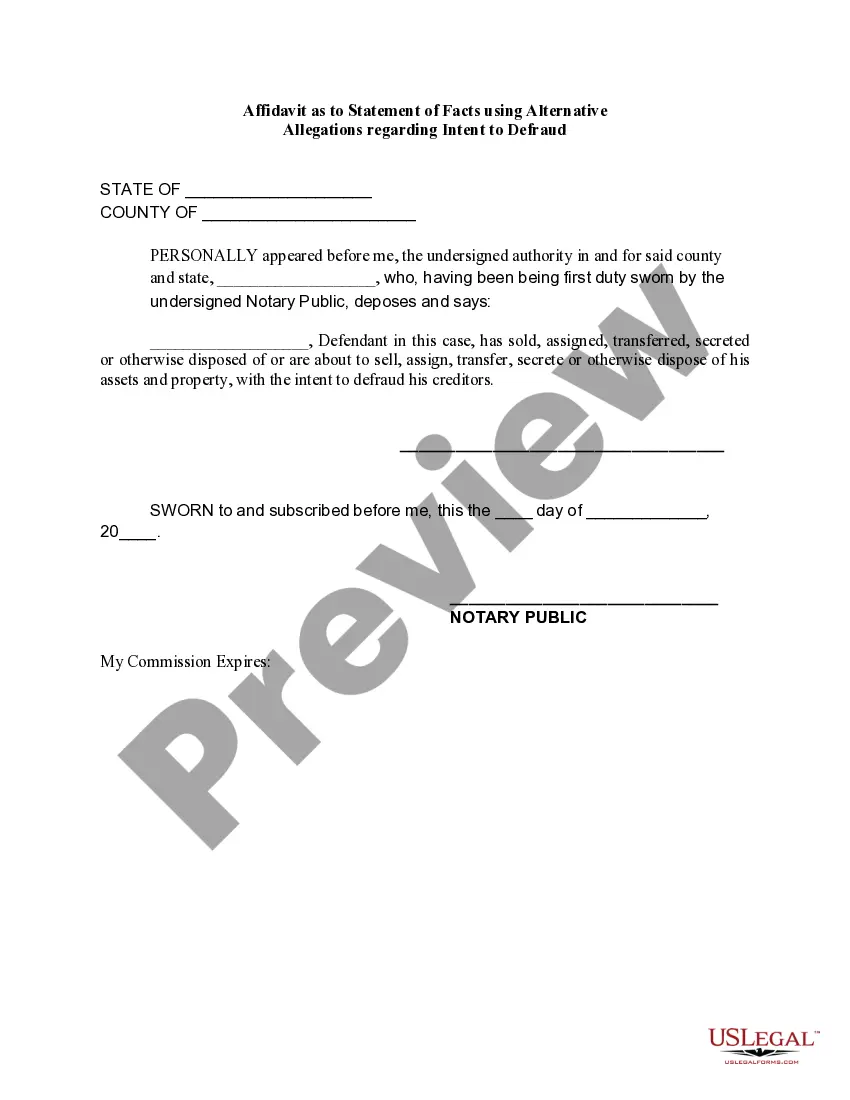
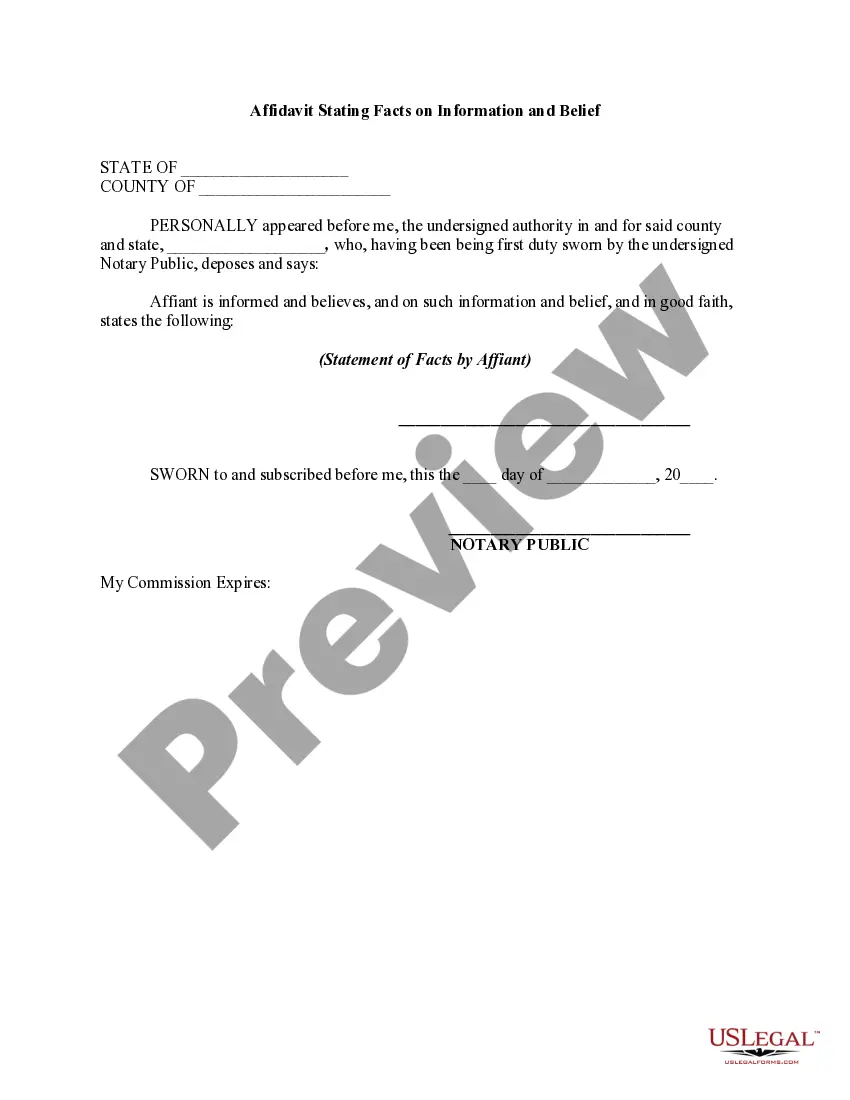
Statement Of Fact Sample
Description
Get your form ready online
Our built-in tools help you complete, sign, share, and store your documents in one place.
Make edits, fill in missing information, and update formatting in US Legal Forms—just like you would in MS Word.
Download a copy, print it, send it by email, or mail it via USPS—whatever works best for your next step.
Sign and collect signatures with our SignNow integration. Send to multiple recipients, set reminders, and more. Go Premium to unlock E-Sign.
If this form requires notarization, complete it online through a secure video call—no need to meet a notary in person or wait for an appointment.
We protect your documents and personal data by following strict security and privacy standards.

Make edits, fill in missing information, and update formatting in US Legal Forms—just like you would in MS Word.

Download a copy, print it, send it by email, or mail it via USPS—whatever works best for your next step.

Sign and collect signatures with our SignNow integration. Send to multiple recipients, set reminders, and more. Go Premium to unlock E-Sign.

If this form requires notarization, complete it online through a secure video call—no need to meet a notary in person or wait for an appointment.

We protect your documents and personal data by following strict security and privacy standards.
Looking for another form?

How to fill out Affidavit As To Statement Of Facts Using Alternative?
Whether for commercial objectives or for individual matters, everyone must face legal issues at some point in their life.
Completing legal documents requires meticulous attention, beginning with selecting the correct template. For instance, if you choose an incorrect edition of the Statement Of Fact Sample, it will be rejected upon submission.
With an extensive US Legal Forms collection available, you never have to waste time searching for the correct template online. Utilize the library’s user-friendly navigation to find the suitable form for any circumstance.
- Locate the template you require by using the search bar or directory navigation.
- Review the form’s details to verify it suits your circumstances, state, and county.
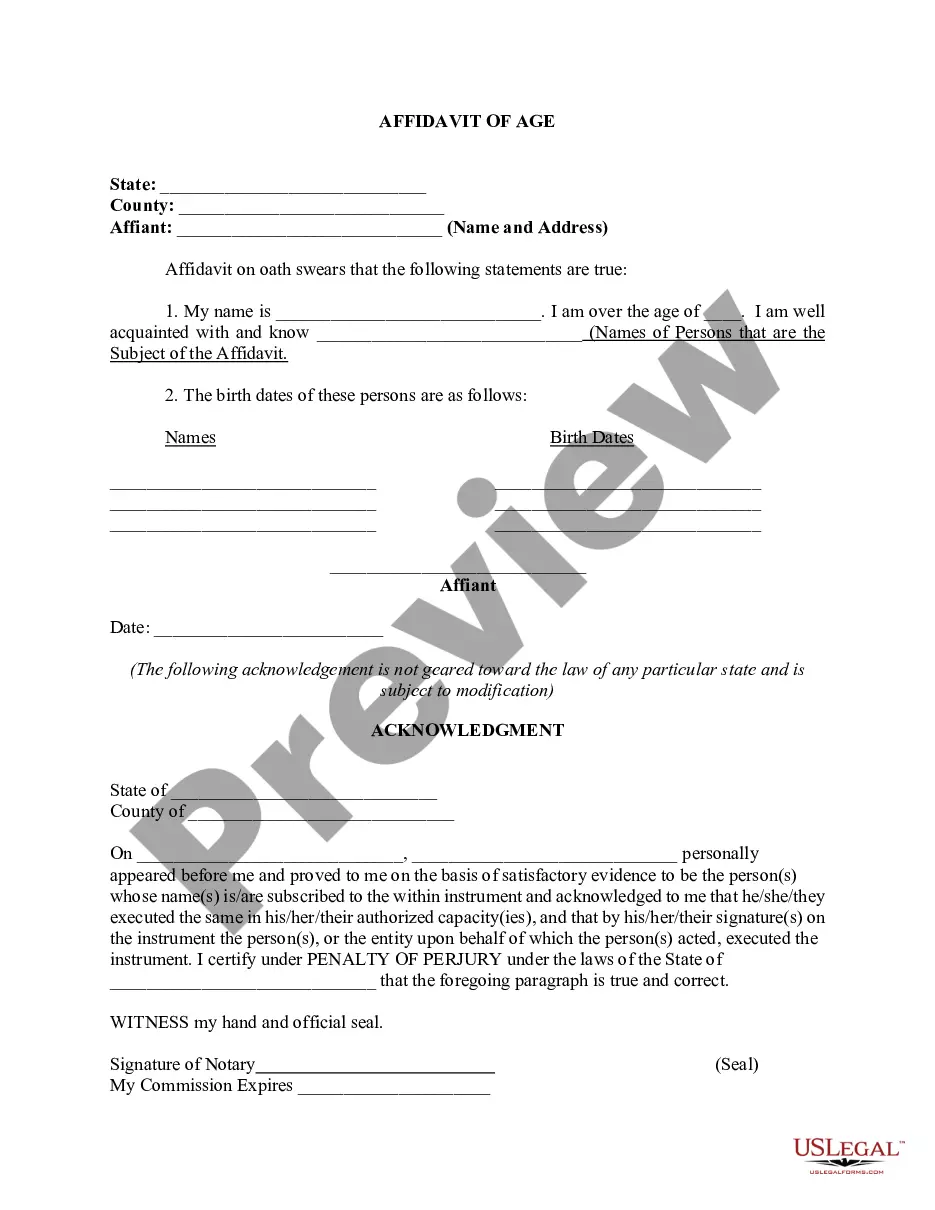
- Click on the form’s preview to inspect it.
- If it is the incorrect document, return to the search feature to find the Statement Of Fact Sample template you need.
- Obtain the template when it fulfills your requirements.
- If you possess a US Legal Forms account, click Log in to access previously stored templates in My documents.
- If you lack an account, you can acquire the form by clicking Buy now.
- Choose the suitable pricing option.
- Complete the profile registration form.
- Select your payment method: use a credit card or PayPal account.
- Choose the file format you desire and download the Statement Of Fact Sample.
- Once it has been downloaded, you can fill out the form using editing software or print it and complete it by hand.
Form popularity
FAQ
Your Statement of Facts should tell a complete story; explicitly lay out the problem so the reader has a clear understanding of the purpose of the following legal analysis. Don't just say, ?A woman went to the grocery store. She had a conversation with a friend there about a sensitive topic.
12 Tips for Writing Better Fact Sections in Legal Memos and... Start with a movie trailer paragraph. Uncover your familiar plot and highlight it. Deftly weave emotional facts into your story. Cut details that don't matter. Tell a complete and cohesive story. Share specific details that make a point.
The statement of facts is a document that contains a summary of the conduct of an offender as well as relevant facts in relation to the offence a person has been charged with.
Writing a Statement of Facts Tell a story. ... Don't be argumentative. ... You can ? and should ? still advocate. ... Acknowledge unfavorable facts. ... Eliminate irrelevant facts. ... Describe the record accurately. ... You can include law in the facts if it's appropriate. ... It's not just what you say, but how you say it.
Drafting the Statement of Facts Gather relevant facts from the parties involved. Analyze the facts and classify them ing to the issues raised. Draft a statement of facts that includes the relevant facts and avoids any argument or opinion. Include any legal terms or definitions that are necessary to explain the facts.