Internet Policy Online Without Registration
Description
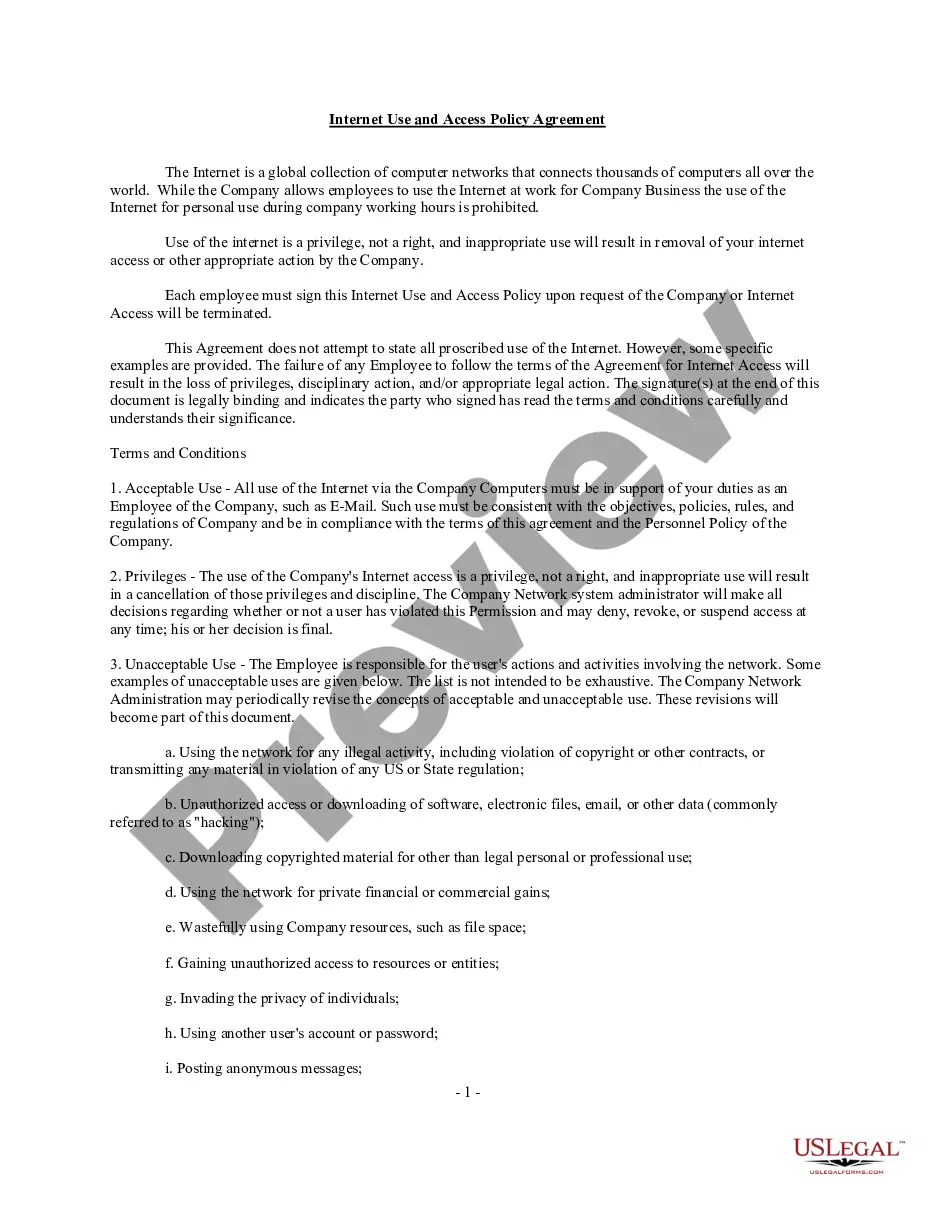
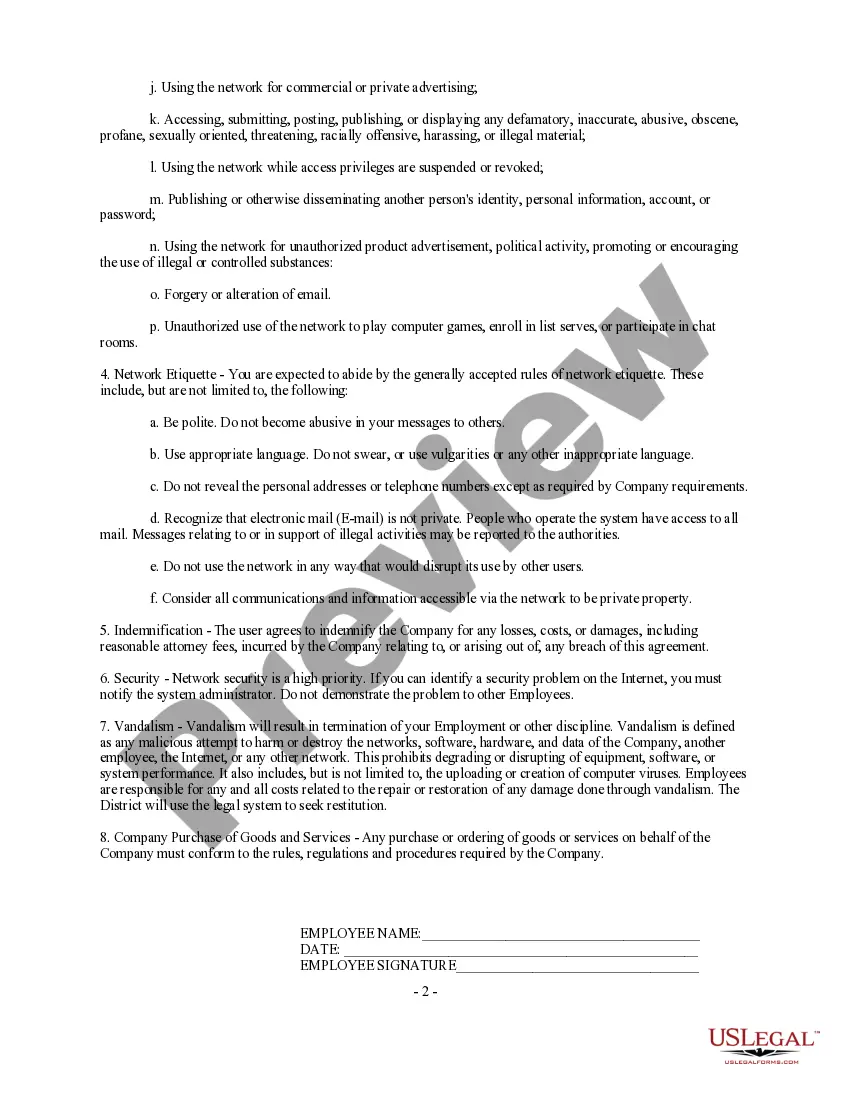
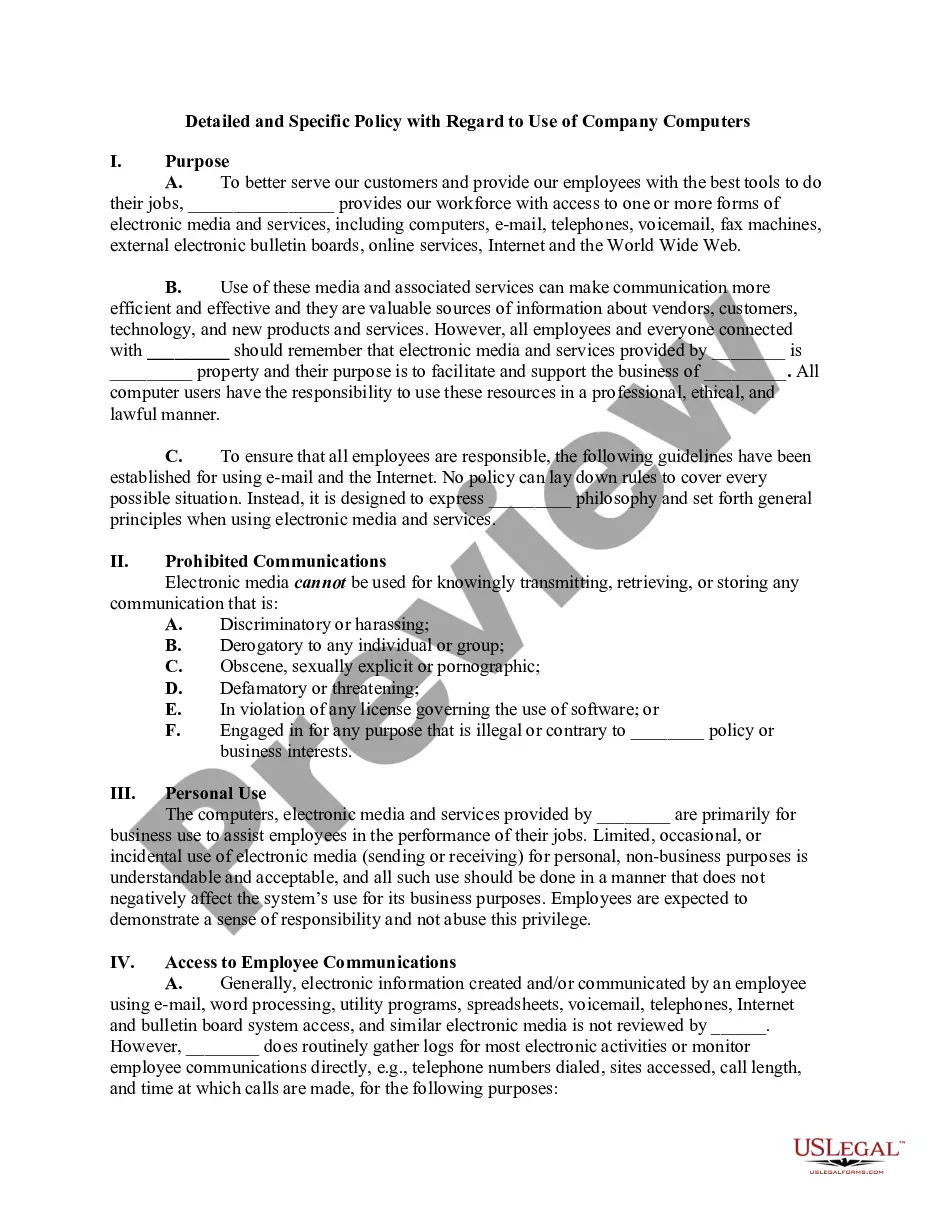



How to fill out Internet Use Policy?
It’s widely known that you cannot transform into a legal expert instantly, nor can you swiftly compose Internet Policy Online Without Registration without possessing a specialized background. Assembling legal documents is a labor-intensive process that demands specific training and expertise. So why not entrust the formulation of the Internet Policy Online Without Registration to the professionals.
With US Legal Forms, one of the most extensive legal document repositories, you can locate everything from court filings to templates for internal corporate communication. We recognize how vital compliance and adherence to federal and state laws and regulations are. That’s why, on our platform, all templates are location-specific and current.
Here’s how to begin with our platform and acquire the document you require in just a few minutes.
You can regain access to your documents from the My documents tab at any moment. If you are an existing client, you can simply Log In, and locate and download the template from the same tab.
Regardless of the purpose of your documents—whether they are financial and legal, or personal—our platform has you covered. Try US Legal Forms today!
- Find the document you need by utilizing the search bar at the top of the page.
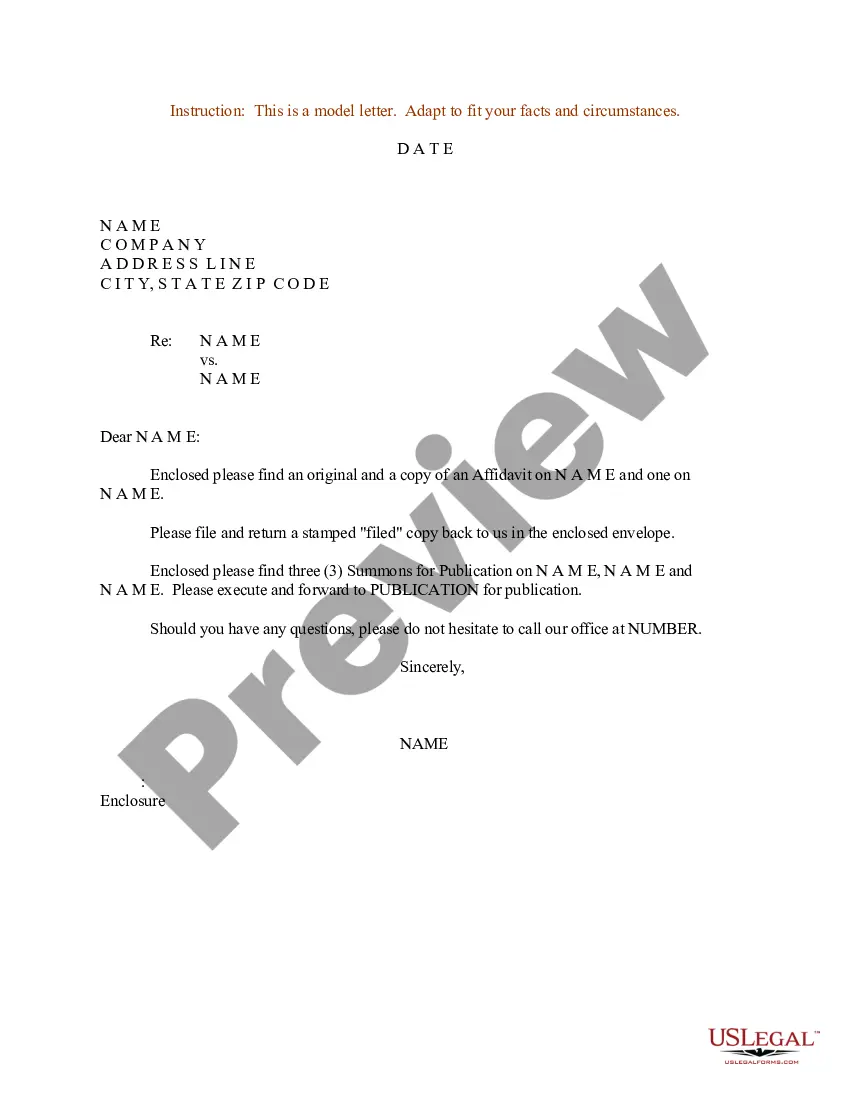
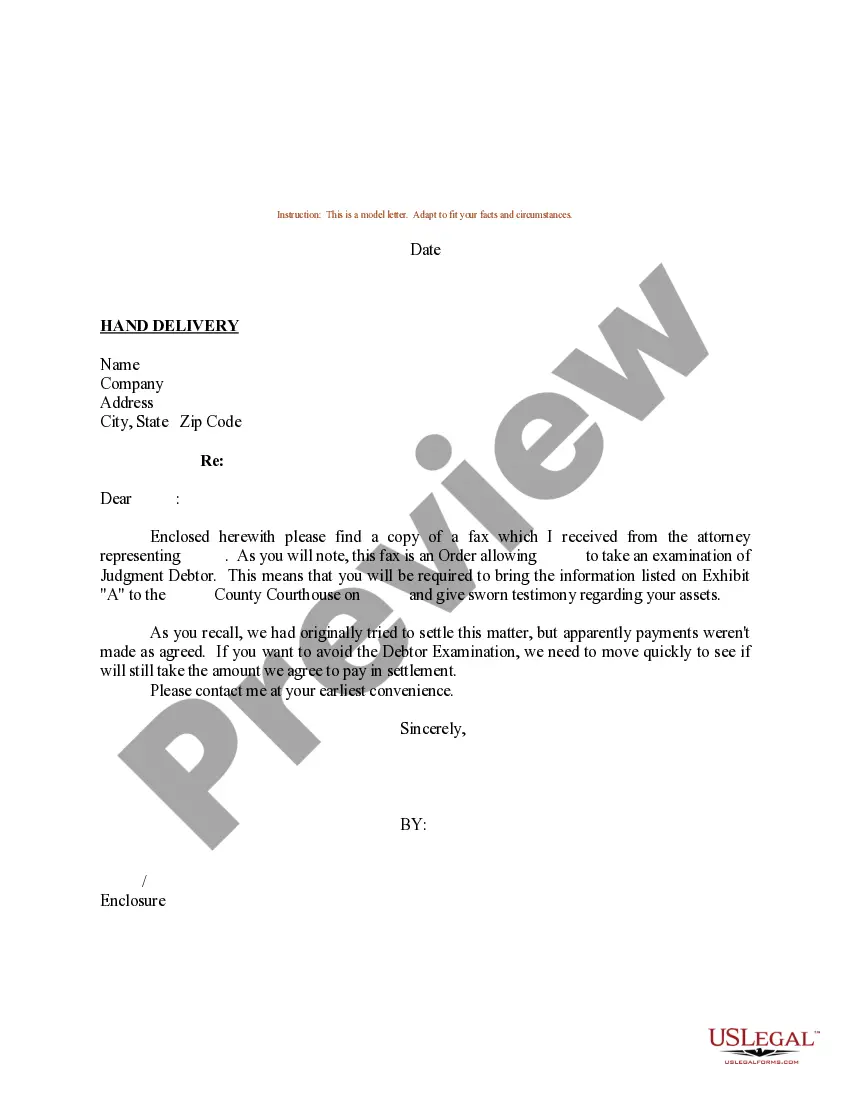
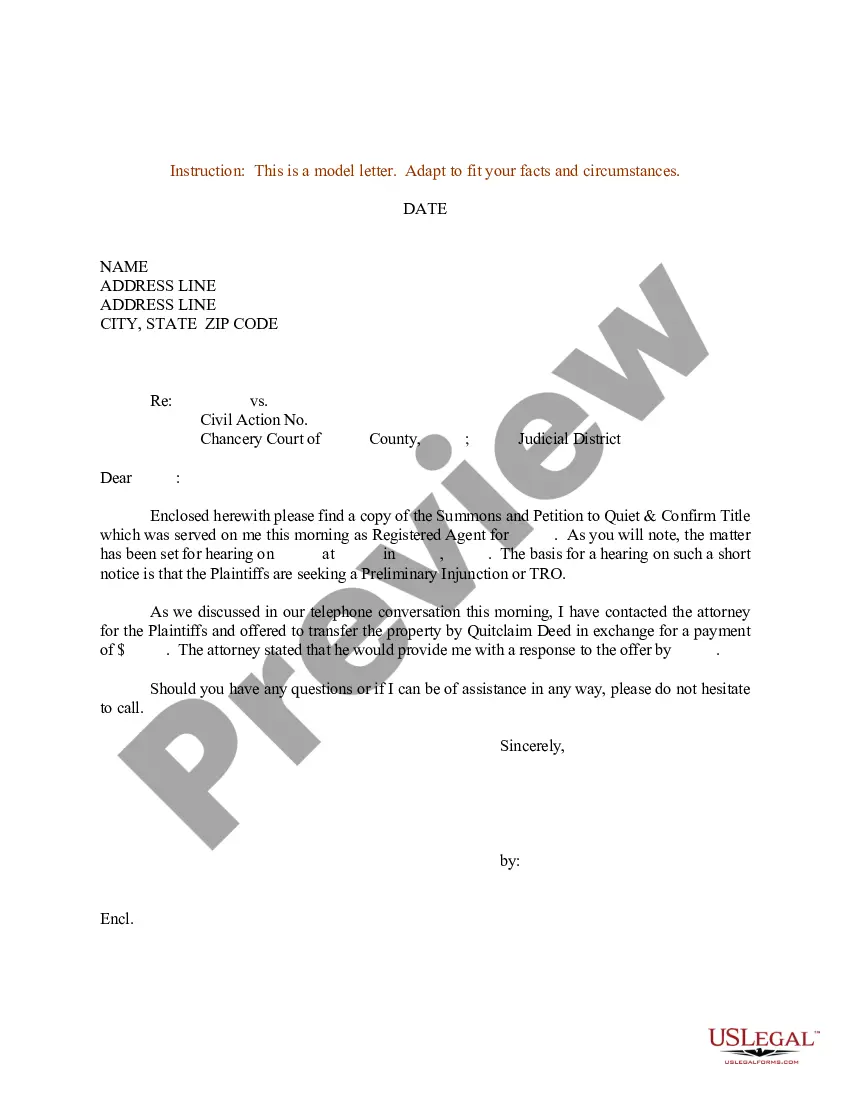
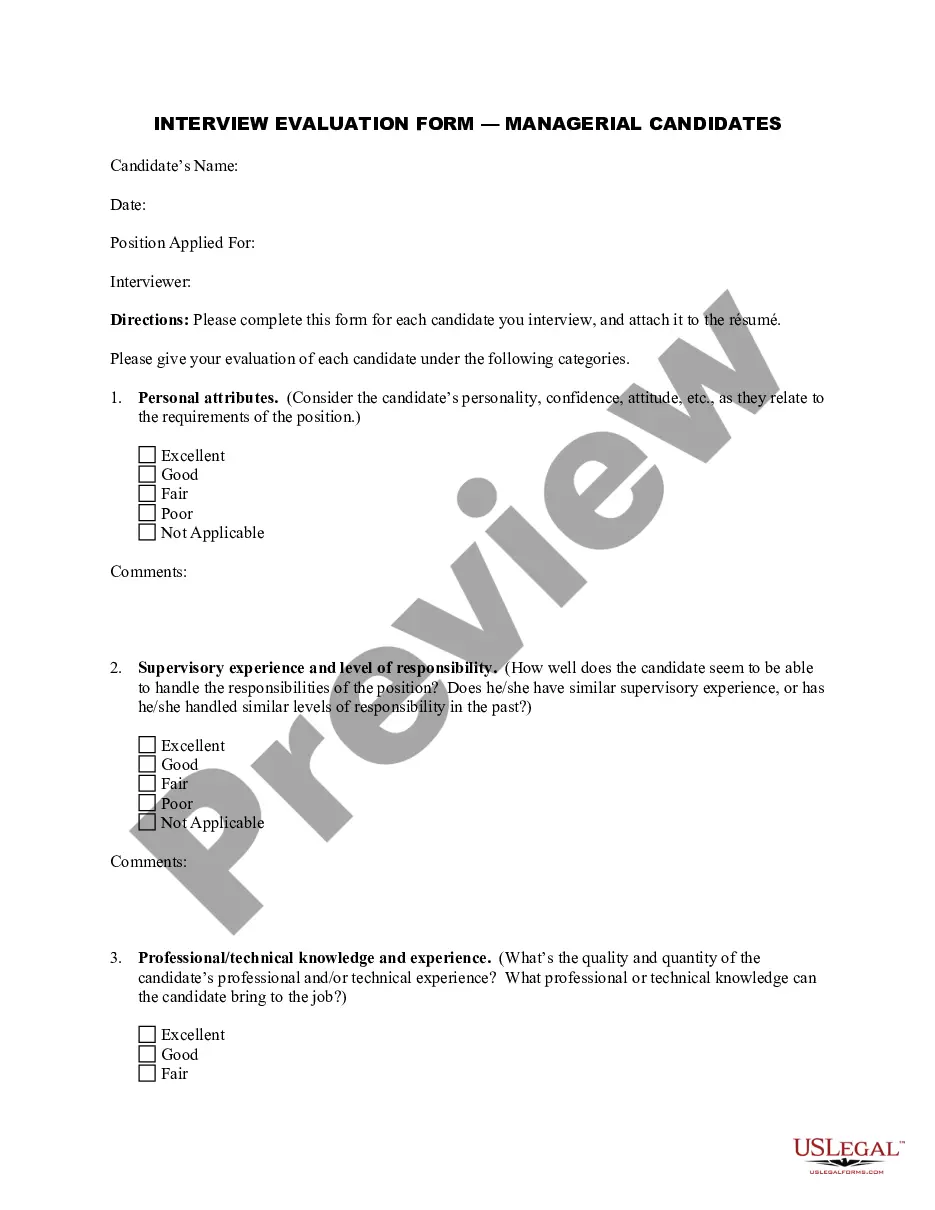
- Preview it (if this option is available) and review the accompanying description to ascertain whether Internet Policy Online Without Registration is what you seek.
- Restart your search if you require a different template.
- Create a free account and select a subscription option to purchase the form.
- Click Buy now. Once the payment is processed, you can obtain the Internet Policy Online Without Registration, fill it out, print it, and send or mail it to the required individuals or organizations.
Form popularity
FAQ
How To Remove Personal Information From the Internet for Free Opt out of data brokers and people-search sites. ... Remove personal data from AI training models. ... Close obsolete or unused online accounts. ... Tighten privacy on social media accounts. ... Remove personal information from Google.
How to write a privacy policy? Include your business name and contact information. Mention what type of information you collect. Explain how and why you collect data. Describe how users can opt-out. Mention if user data is shared with third-parties. Specify how long you will retain user data.
A privacy policy on a website is a statement explaining how you collect and use your web visitors' data. It should lay out what type of information you collect from users or visitors, your reasons for doing so, and what use you put it to. Your privacy policy should also explain the methods you use to collect data.
Having a website or not isn't relevant. You may not be subject to some of the laws mentioned above because you don't operate internationally. However, it's still a best practice to have a straightforward Privacy Policy in place for your business with or without a website.
Breach of Copyright It could be considered a copyright infringement to copy someone else's Privacy Policy and use it, word-for-word, on your own website. When someone creates a piece of work, including a written document like a Privacy Policy, it is automatically protected by copyright law.