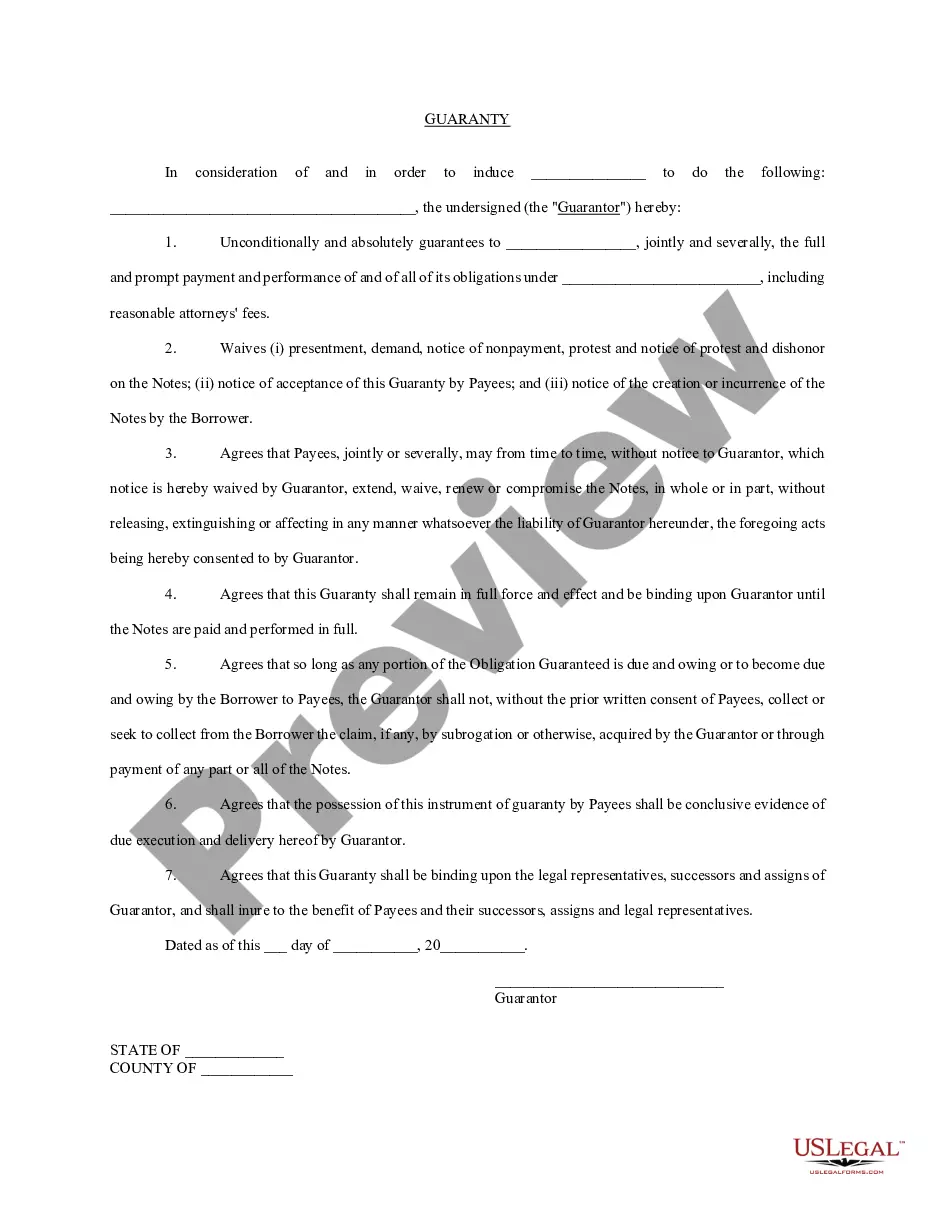
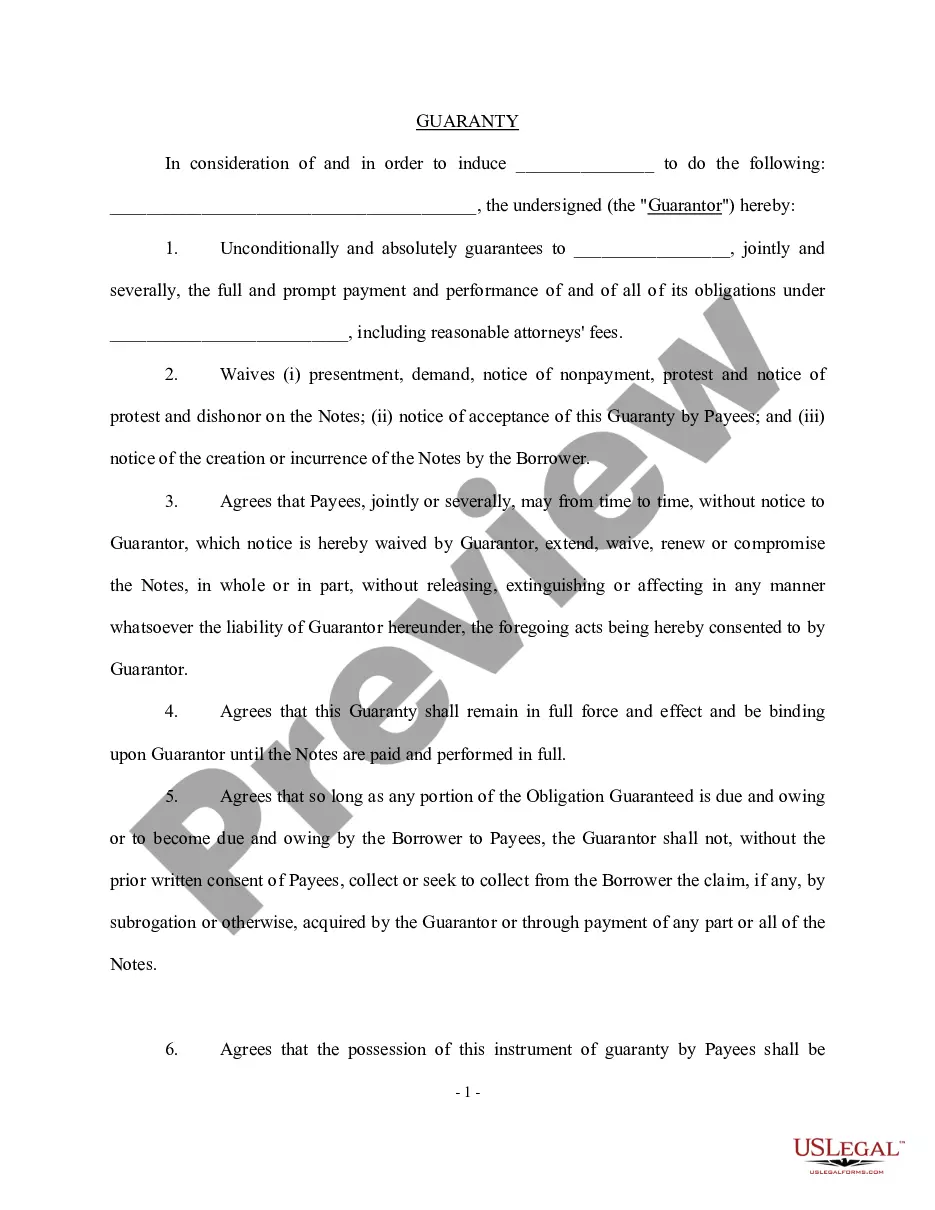
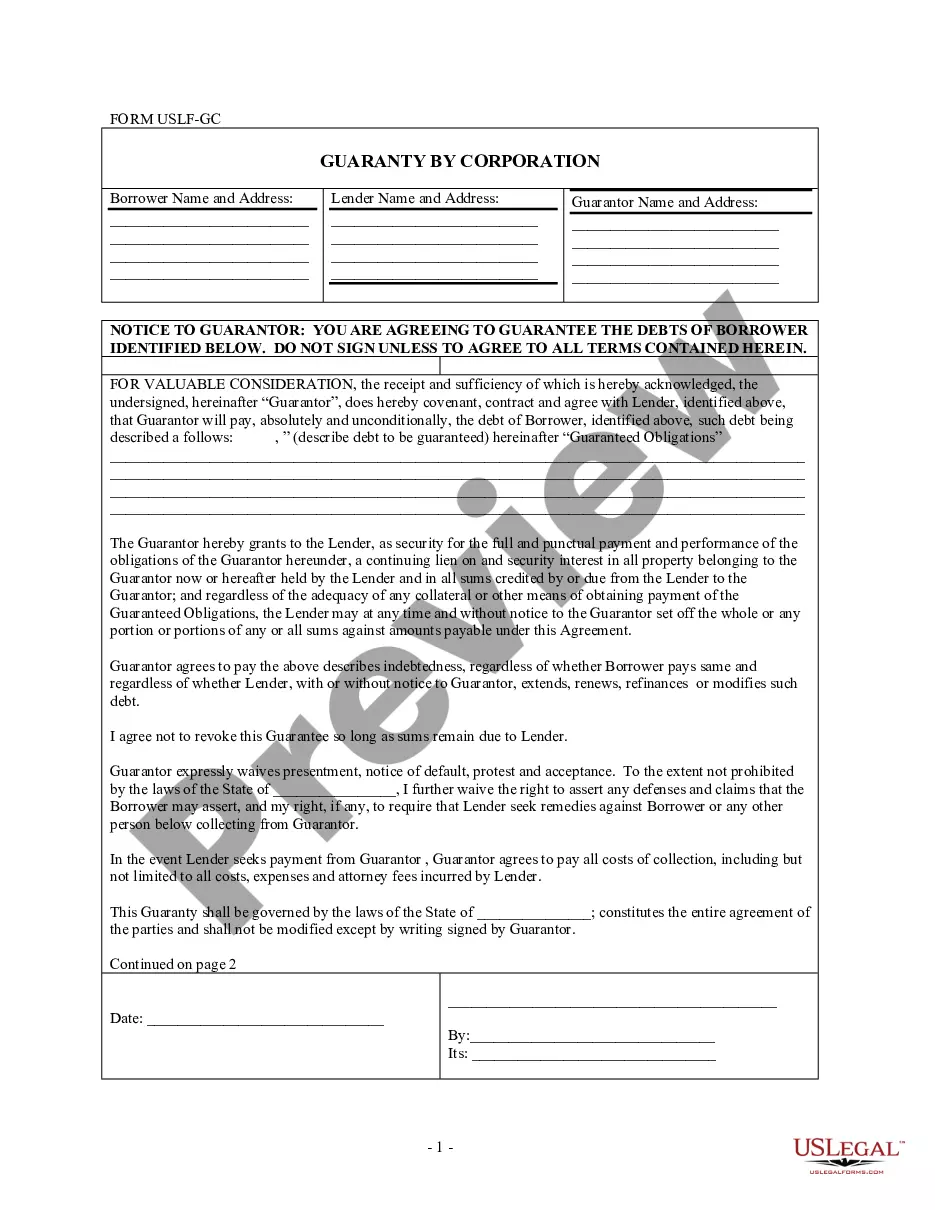
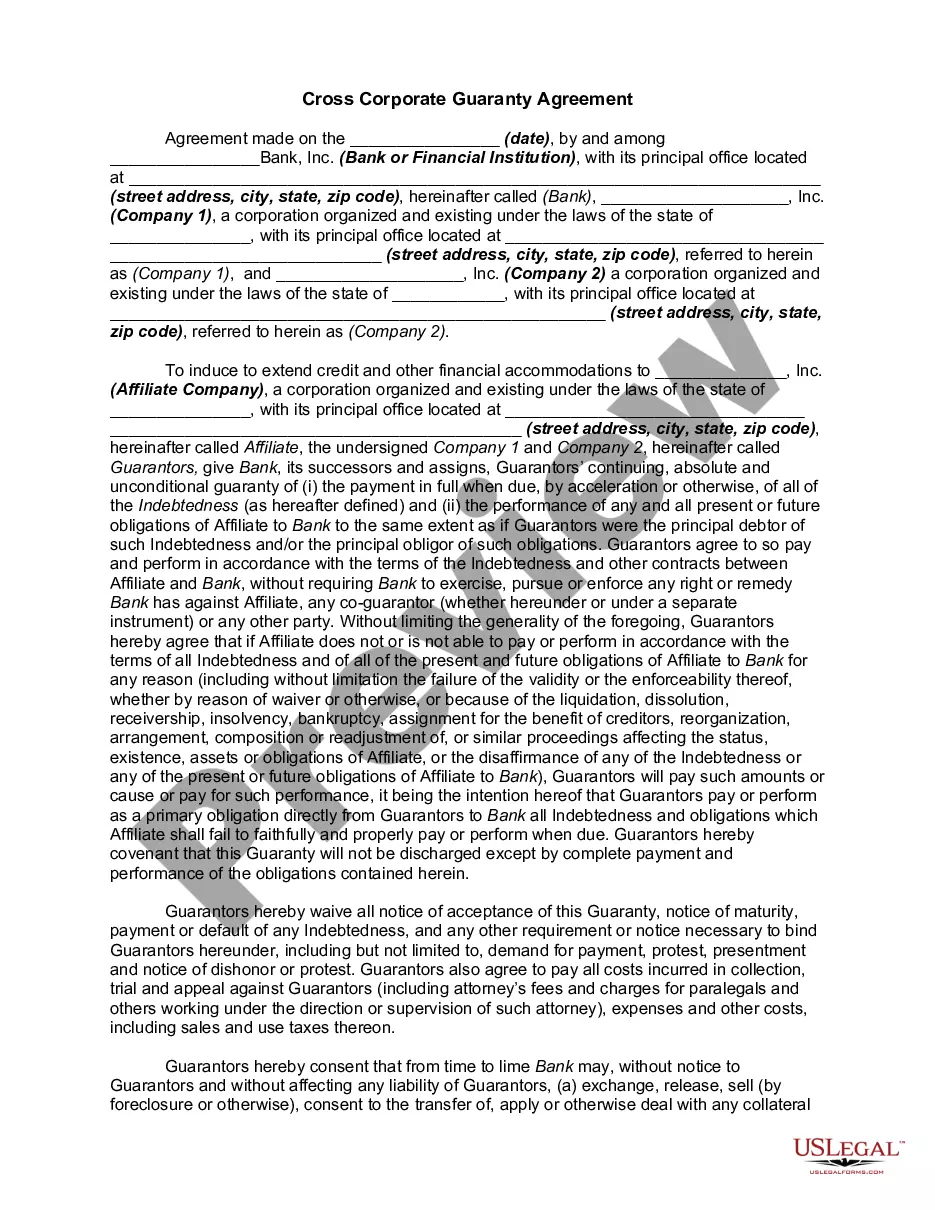
Simple Corporate Guarantee For The Customer
Description
Get your form ready online
Our built-in tools help you complete, sign, share, and store your documents in one place.
Make edits, fill in missing information, and update formatting in US Legal Forms—just like you would in MS Word.
Download a copy, print it, send it by email, or mail it via USPS—whatever works best for your next step.
Sign and collect signatures with our SignNow integration. Send to multiple recipients, set reminders, and more. Go Premium to unlock E-Sign.
If this form requires notarization, complete it online through a secure video call—no need to meet a notary in person or wait for an appointment.
We protect your documents and personal data by following strict security and privacy standards.

Make edits, fill in missing information, and update formatting in US Legal Forms—just like you would in MS Word.

Download a copy, print it, send it by email, or mail it via USPS—whatever works best for your next step.

Sign and collect signatures with our SignNow integration. Send to multiple recipients, set reminders, and more. Go Premium to unlock E-Sign.

If this form requires notarization, complete it online through a secure video call—no need to meet a notary in person or wait for an appointment.

We protect your documents and personal data by following strict security and privacy standards.
Looking for another form?



How to fill out Corporate Guaranty - General?
- Log in to your existing US Legal Forms account to access your forms library. Ensure that your subscription is active; if not, renew it as per your payment plan.
- For new users, start by checking the Preview mode and form descriptions to find a corporate guarantee that meets your legal requirements and jurisdiction.
- If discrepancies arise, utilize the search function to explore alternative templates that better suit your needs.
- Once you've identified the correct document, click the 'Buy Now' button and select your preferred subscription plan. Make sure to create an account for full access.
- Complete your purchase by entering your payment information or using PayPal. Then, save the document to your device.
- Finally, download your form and find it later in the 'My Forms' section of your profile for easy access.
Following these steps lets you efficiently secure a corporate guarantee tailored to your needs. US Legal Forms not only provides a vast selection of forms but also premium expert assistance for precise completion, ensuring legal accuracy.
Don't hesitate! Start your journey to obtaining essential legal documentation today with US Legal Forms.
Form popularity
FAQ
To write a guarantee statement, start with a clear declaration of the intent to guarantee a financial obligation. Include the parties involved, the amount guaranteed, and the conditions under which the guarantee applies. This process leads you to a simple corporate guarantee for the customer. You can utilize resources from USLegalForms to guide you through crafting this important document.
A guarantee contract is an agreement where one party agrees to be responsible for the debt or obligations of another. For instance, a parent might sign a guarantee contract for their child's lease on an apartment. This arrangement provides peace of mind, serving as a simple corporate guarantee for the customer. USLegalForms can help you create a tailored guarantee contract for various scenarios.
A guarantee, in simple terms, is a promise to take responsibility if someone does not fulfill their obligations. It reassures the other party that they will receive what they are owed. A simple corporate guarantee for the customer strengthens business relationships by building trust and reliability.
A corporate guarantee obligates a company to fulfill the duties of another party if they default, while an indemnity protects against specific losses or damages. In essence, a corporate guarantee provides assurance of responsibility, while indemnity offers compensation for loss. Understanding this difference is vital for effective risk management.
An example of a company by guarantee is a nonprofit organization that operates without share capital. These companies typically use a simple corporate guarantee for the customer to support their financial activities. They rely on member contributions rather than equity to fund their operations.
Creating a guarantee begins with drafting a clear and concise agreement that specifies the scope of the guarantee. Include relevant details such as obligations, parties involved, and conditions under which the guarantee would be invoked. Tools like uslegalforms provide templates that can help you formulate a strong guarantee.
The requirements for a guarantee typically include a clear commitment from the guarantor, identification of the underlying obligation, and the consent of all parties involved. The document must be signed and may require notarization for some legal contexts. A simple corporate guarantee for the customer ensures clarity and protection.
Setting up a guarantee involves drafting a detailed document that outlines the responsibilities of the guarantor. It is essential to include all necessary details, such as the obligations and terms. Utilizing uslegalforms can streamline creating this important agreement.
The three types of guarantees include corporate guarantees, personal guarantees, and bank guarantees. Corporate guarantees come from businesses, while personal guarantees arise from individuals. Bank guarantees involve a financial institution ensuring payment, providing additional security in transactions.
A simple guarantee is a straightforward commitment to cover another party's obligations if they fail. It is often used to reassure lenders or suppliers about repayment or performance. This type of guarantee serves as a vital tool in business agreements, especially when reliability matters.