S Corporation With Llc Subsidiary In Virginia
Description

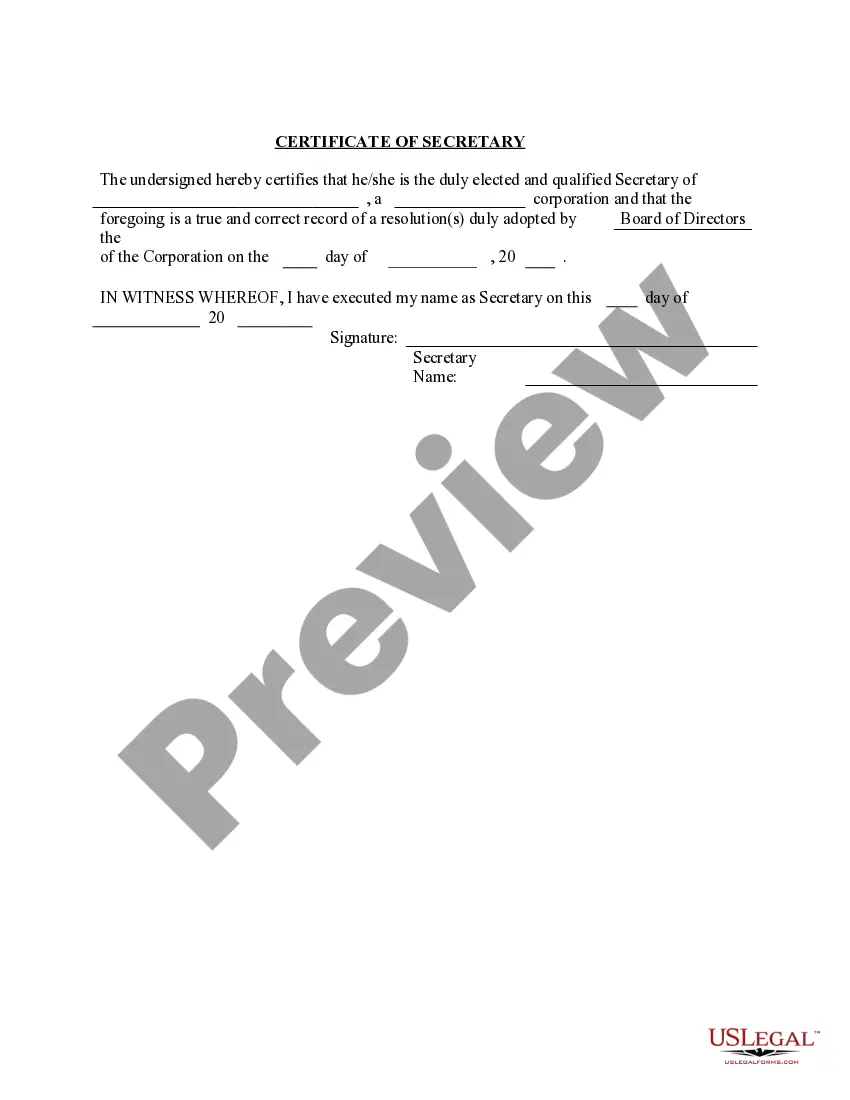

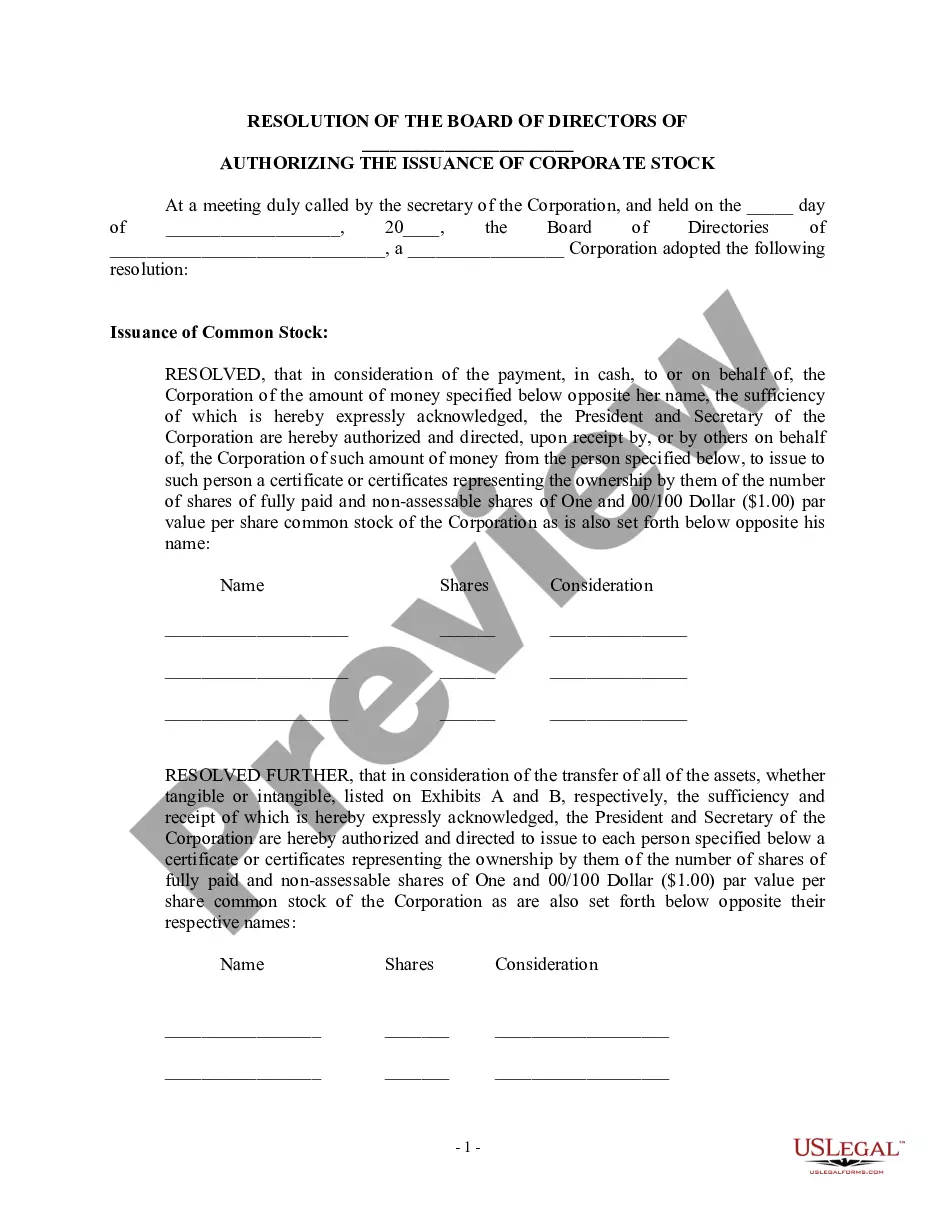
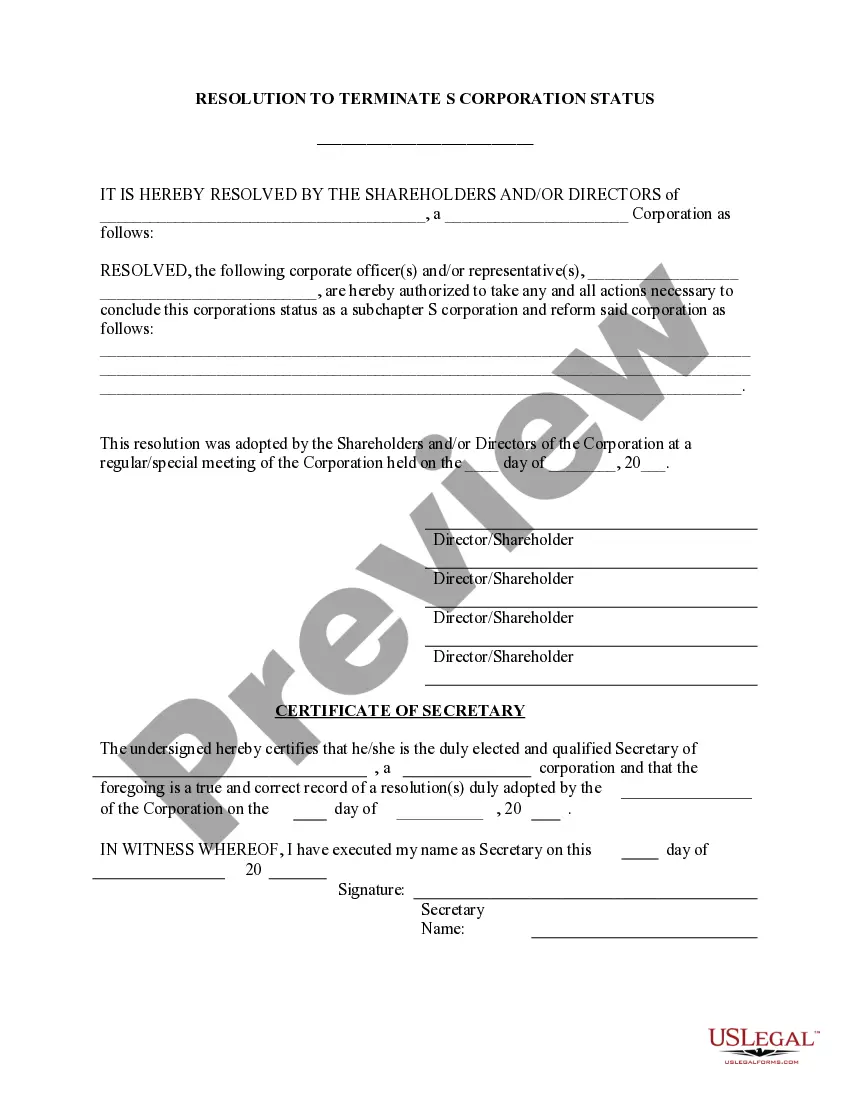
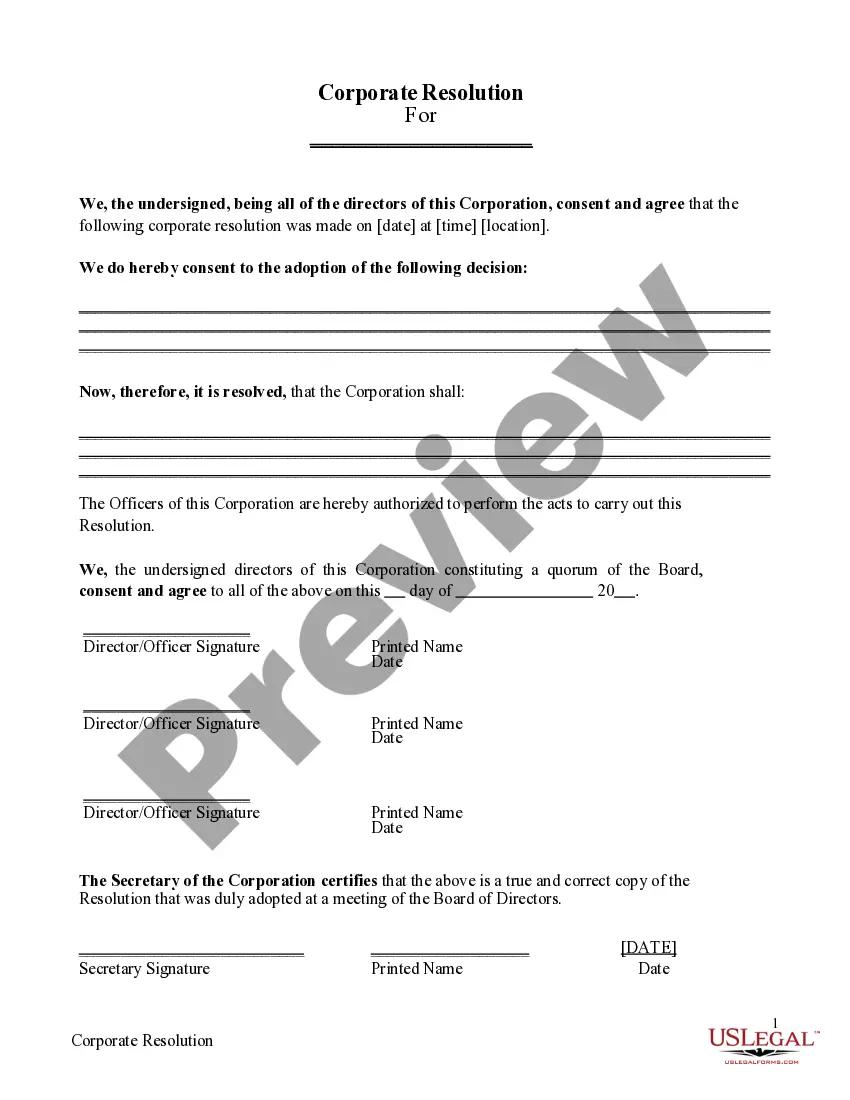
Get your form ready online
Our built-in tools help you complete, sign, share, and store your documents in one place.
Make edits, fill in missing information, and update formatting in US Legal Forms—just like you would in MS Word.
Download a copy, print it, send it by email, or mail it via USPS—whatever works best for your next step.
Sign and collect signatures with our SignNow integration. Send to multiple recipients, set reminders, and more. Go Premium to unlock E-Sign.
If this form requires notarization, complete it online through a secure video call—no need to meet a notary in person or wait for an appointment.
We protect your documents and personal data by following strict security and privacy standards.

Make edits, fill in missing information, and update formatting in US Legal Forms—just like you would in MS Word.

Download a copy, print it, send it by email, or mail it via USPS—whatever works best for your next step.

Sign and collect signatures with our SignNow integration. Send to multiple recipients, set reminders, and more. Go Premium to unlock E-Sign.

If this form requires notarization, complete it online through a secure video call—no need to meet a notary in person or wait for an appointment.

We protect your documents and personal data by following strict security and privacy standards.
Looking for another form?

Form popularity
FAQ
Thus, an LLC with multiple owners can either accept its default classification as a partnership, or file Form 8832 to elect to be classified as an association taxable as a corporation. The Form 8832 is also filed to change the LLC's entity classification.
LLC taxed as an S corporation First, an LLC would need to elect to be taxed as a corporation by filing Form 8832, Entity Classification Election. After that, an LLC can then file a Form 2553, Election by a Small Business Corporation, to elect tax treatment as an S corporation.
An S corp can own an LLC. However, an LLC would generally not be able to own an S corp. An exception to this rule is if the LLC 1) is a single-member LLC that is treated as a disregarded entity for federal income tax purposes and 2) meets the eligibility requirements to be an S corporation shareholder.
Virginia recognizes the federal S corporation election and does not require a state-level S corporation election.
The Virginia Department of Taxation refers to entities filing as S-Corp as “Pass-Through Entities,” or PTEs. When it comes time to file your income taxes for the year, you will need to file Form 502 or Form 502PTET.
Virginia S Corp Filing Requirements Specifically, to qualify for S corporation status, an entity must: Be a domestic LLC or corporation. Only have one class of stock. Not be an ineligible corporation, such as certain financial institutions, insurance companies, and domestic international sales corporations.
File form 2553 to apply for S corp tax designation When your LLC or C corporation formation is accepted by the state, you need to file Form 2553, Election by a Small Business Corporation, with the IRS to get S corp status.
Because of the one-class-of-stock restriction, an S corporation cannot allocate losses or income to specific shareholders. Allocation of income and loss is governed by stock ownership, unlike partnerships or LLCs taxed as partnerships where the allocation can be set in the partnership agreement or operating agreement.
Virginia recognizes the federal S corporation election and does not require a state-level S corporation election.
Some jurisdictions—the District of Columbia, Louisiana, New Hampshire, New York City, Tennessee, and Texas—do not recognize the federal S corporation election and, for the most part, tax S corporations like other business corporations.
