S Corp Status For Llc In Bronx
Description

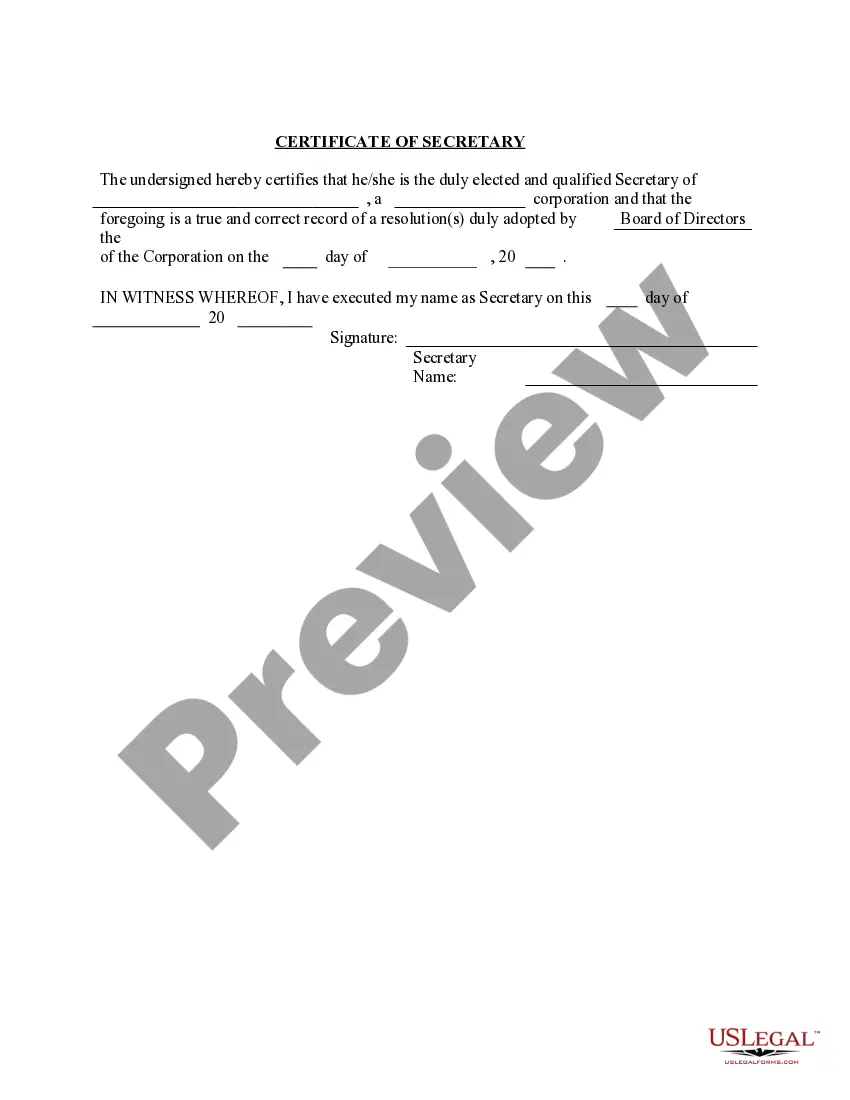

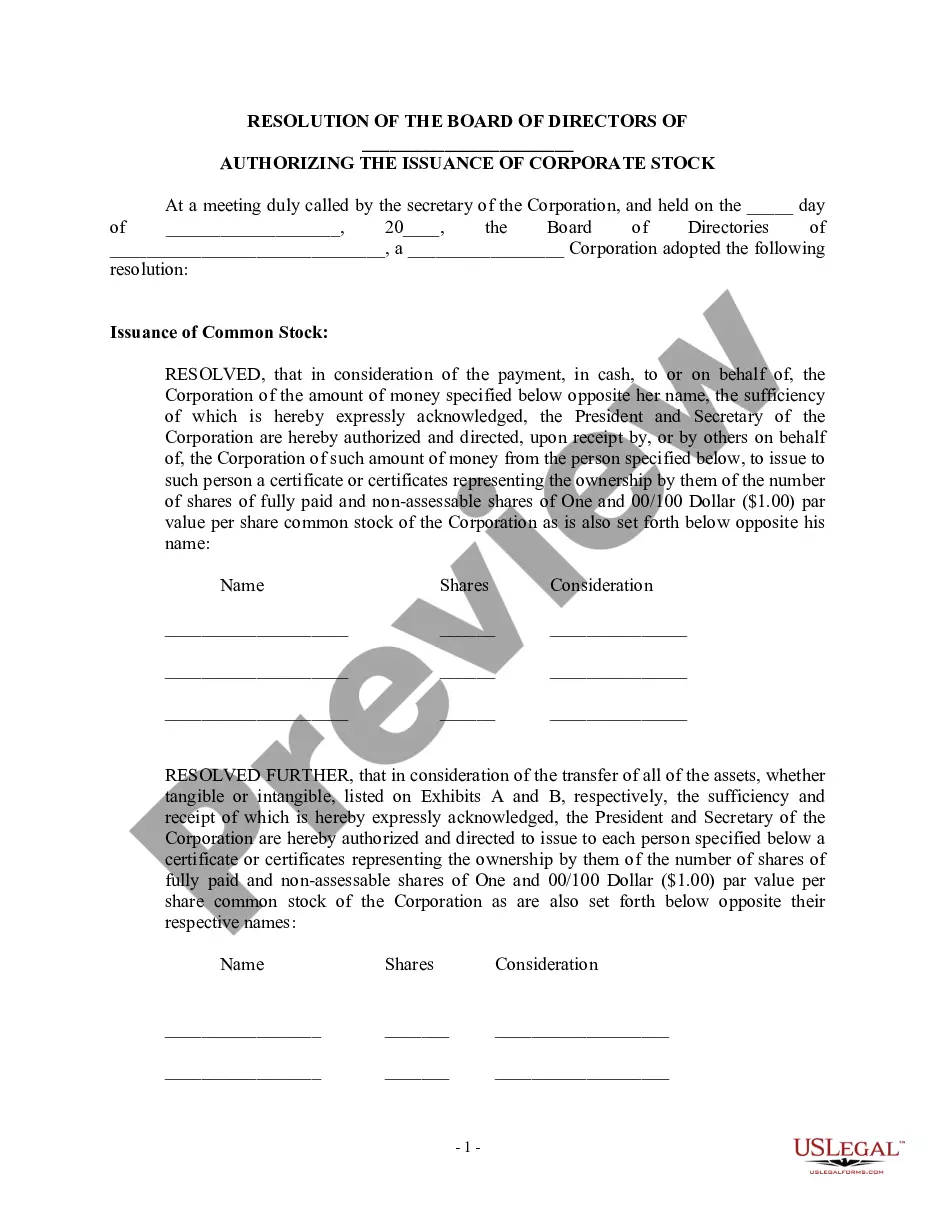
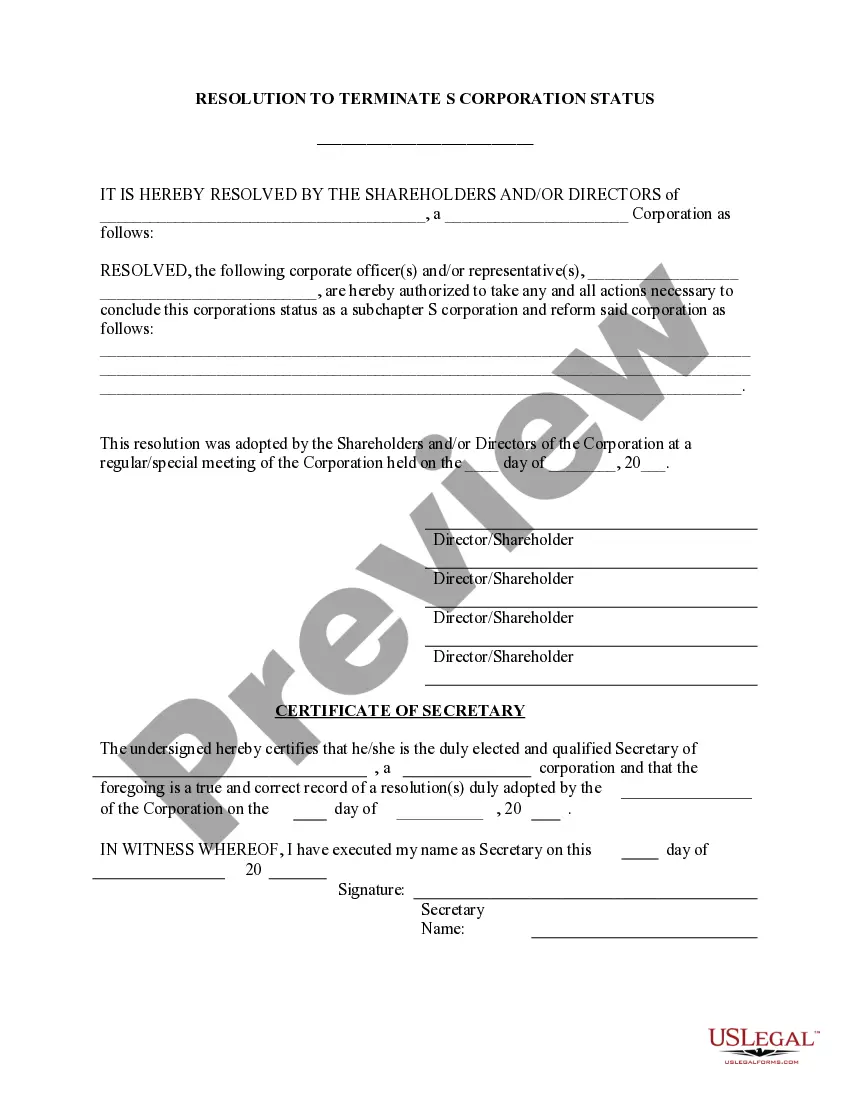
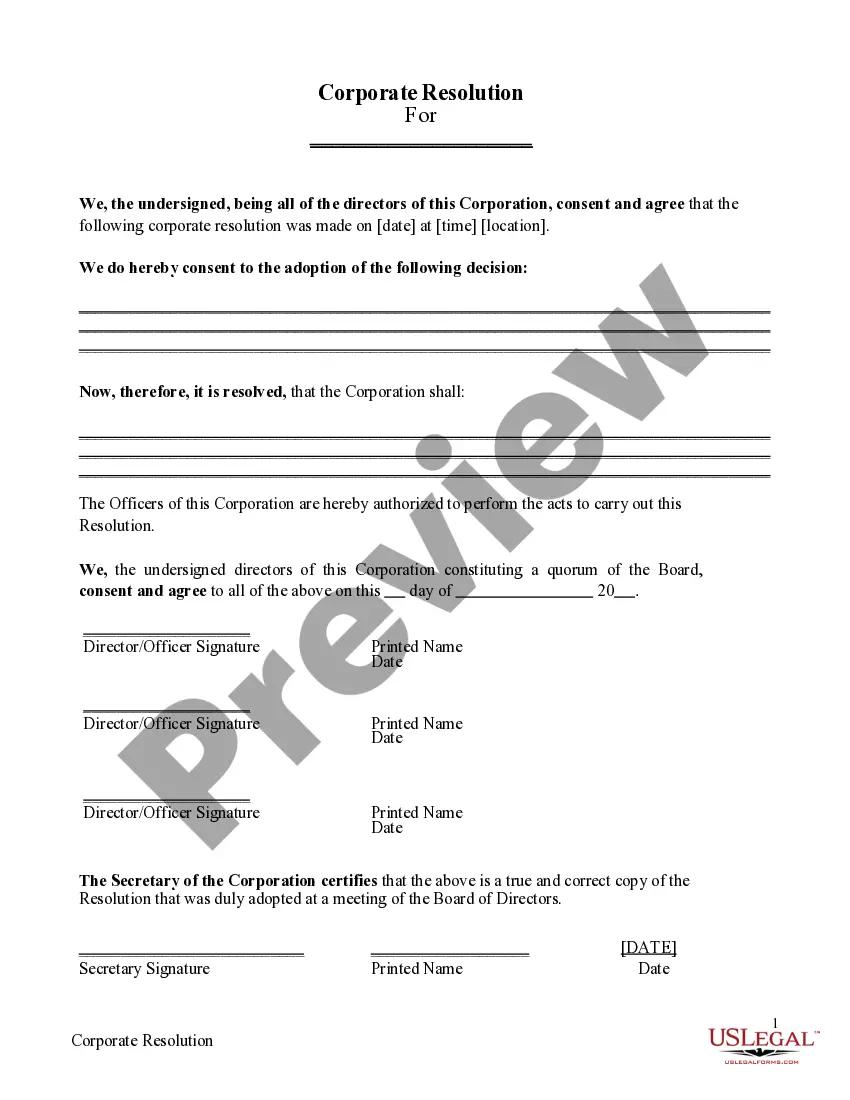
Get your form ready online
Our built-in tools help you complete, sign, share, and store your documents in one place.
Make edits, fill in missing information, and update formatting in US Legal Forms—just like you would in MS Word.
Download a copy, print it, send it by email, or mail it via USPS—whatever works best for your next step.
Sign and collect signatures with our SignNow integration. Send to multiple recipients, set reminders, and more. Go Premium to unlock E-Sign.
If this form requires notarization, complete it online through a secure video call—no need to meet a notary in person or wait for an appointment.
We protect your documents and personal data by following strict security and privacy standards.

Make edits, fill in missing information, and update formatting in US Legal Forms—just like you would in MS Word.

Download a copy, print it, send it by email, or mail it via USPS—whatever works best for your next step.

Sign and collect signatures with our SignNow integration. Send to multiple recipients, set reminders, and more. Go Premium to unlock E-Sign.

If this form requires notarization, complete it online through a secure video call—no need to meet a notary in person or wait for an appointment.

We protect your documents and personal data by following strict security and privacy standards.
Looking for another form?


Form popularity
FAQ
There are ten steps you'll complete to start an S Corp in New York. Step 1: Choose a Business Name. Step 2: Obtain EIN. Step 3: Certificate of Incorporation. Step 4: Registered Agent. Step 5: Corporate Bylaws. Step 6: Directors and Meeting Requirements. Step 7: Stock Requirements. Step 8: Biennial Statement.
Please note New York City does not have an S corporation election and does not recognize a New York State S corporation election. In general, federal subchapter S corporations and qualified subchapter S subsidiaries are subject to the GCT.
Because of the one-class-of-stock restriction, an S corporation cannot allocate losses or income to specific shareholders. Allocation of income and loss is governed by stock ownership, unlike partnerships or LLCs taxed as partnerships where the allocation can be set in the partnership agreement or operating agreement.
LLCs can have an unlimited number of members; S corps can have no more than 100 shareholders (owners). Non-U.S. citizens/residents can be members of LLCs; S corps may not have non-U.S. citizens/residents as shareholders. S corporations cannot be owned by corporations, LLCs, partnerships or many trusts.
To be taxed as an S corporation, you must convert your LLC into a traditional corporation (C corporation) with the state, and file IRS Form 2553 "Election as a Small Business Corporation" with the IRS. For your business to qualify as an S corporation, make sure it meets the IRS's specific guidelines.
Every corporation, domestic or foreign, must have a Registered Agent with a registered office within the State of New York at all times.
