Release Of Information In In Georgia
Description
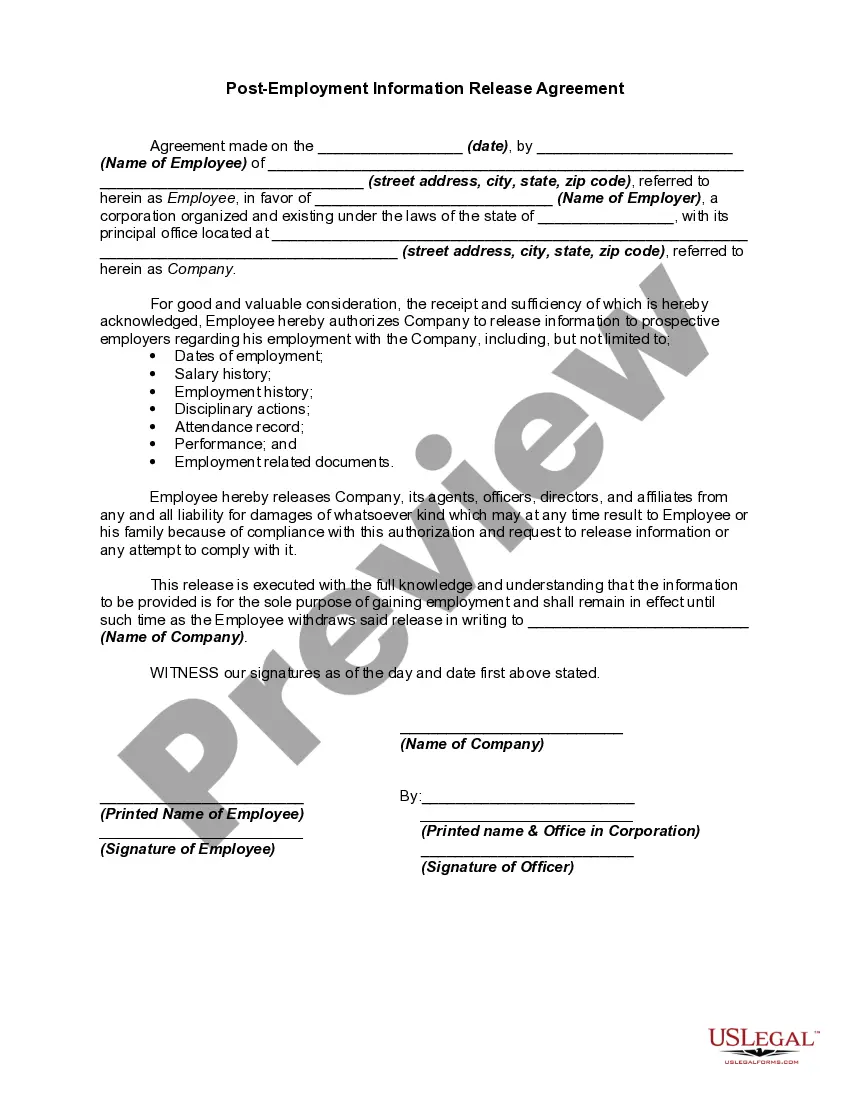
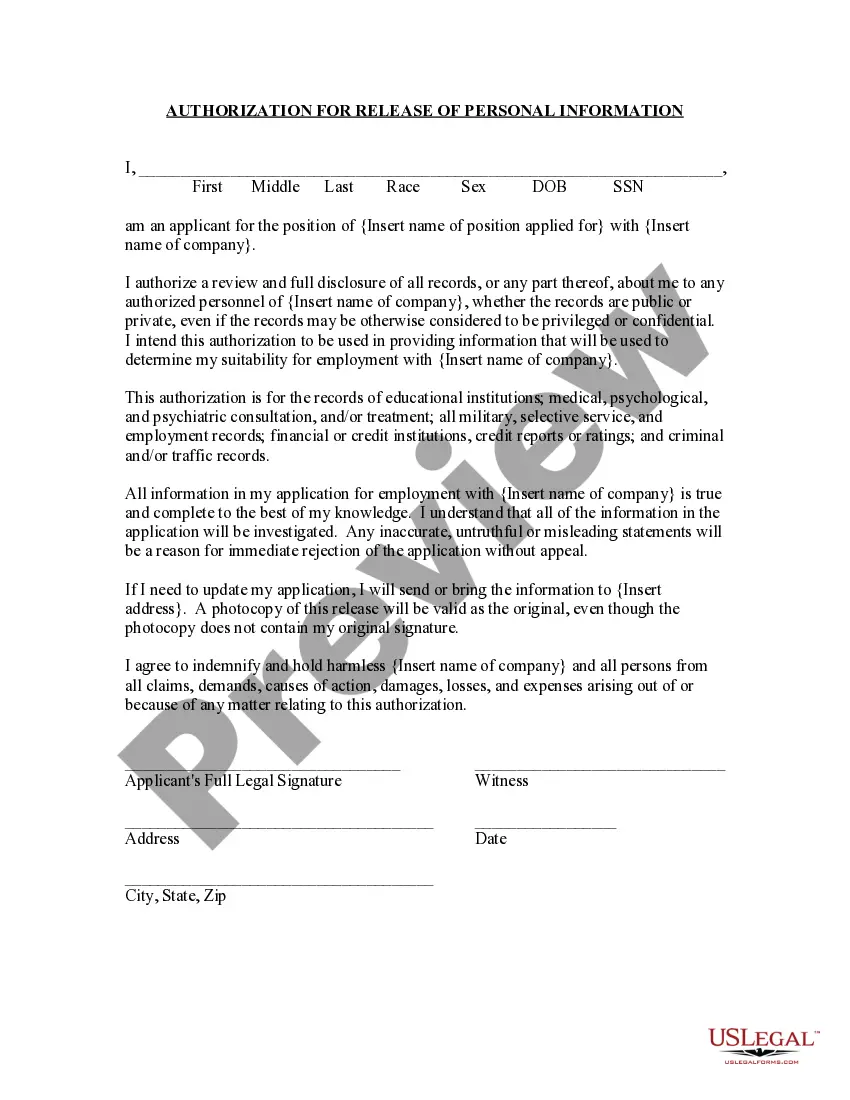
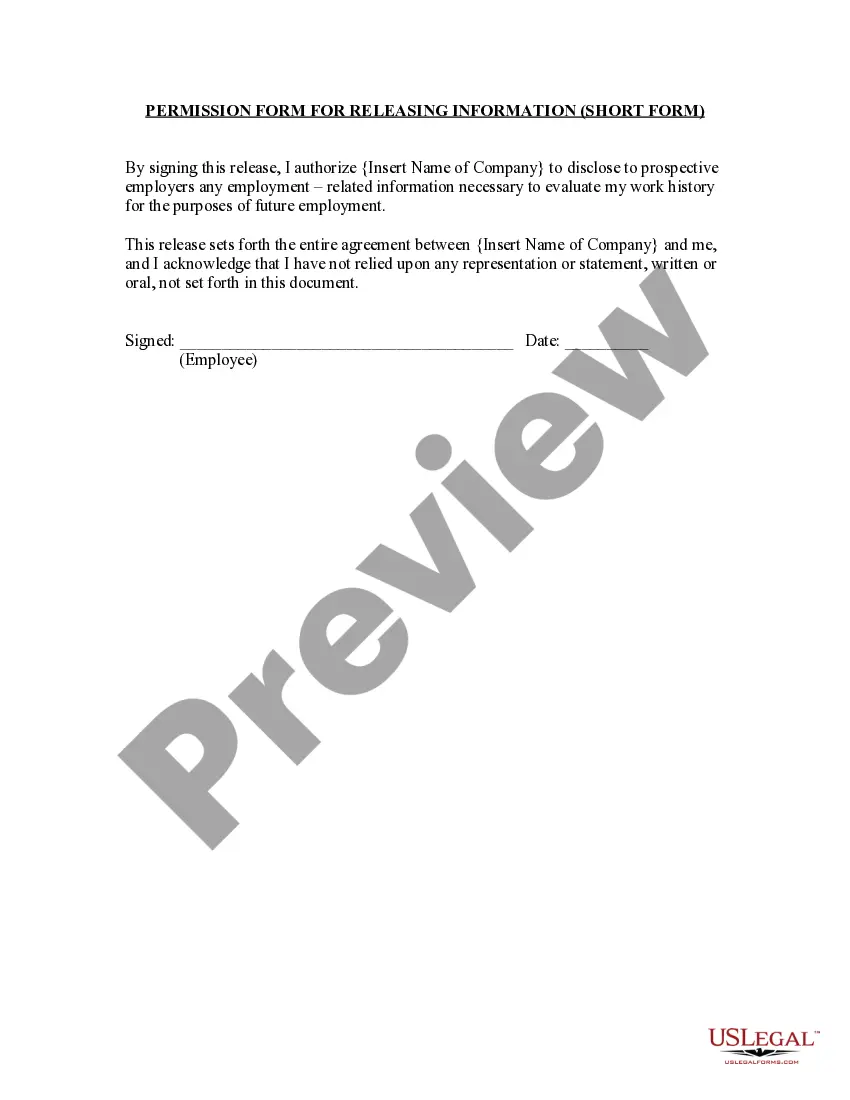
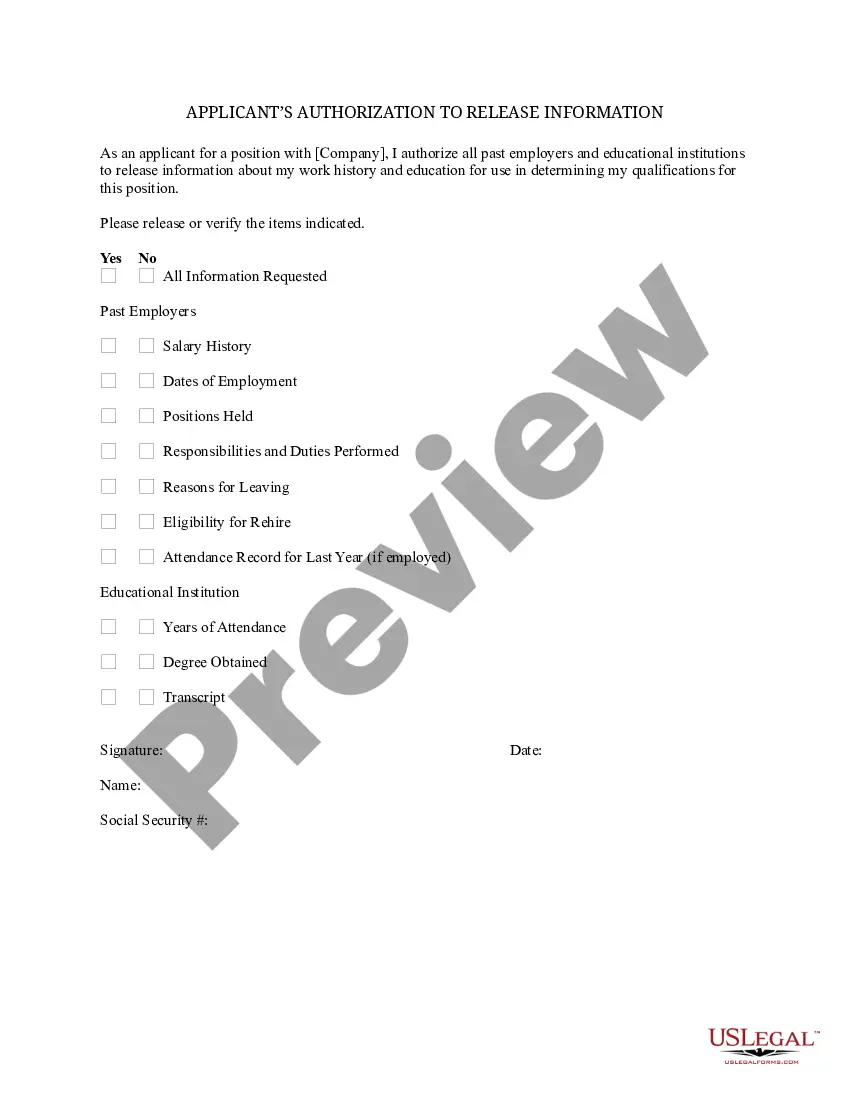
Get your form ready online
Our built-in tools help you complete, sign, share, and store your documents in one place.
Make edits, fill in missing information, and update formatting in US Legal Forms—just like you would in MS Word.
Download a copy, print it, send it by email, or mail it via USPS—whatever works best for your next step.
Sign and collect signatures with our SignNow integration. Send to multiple recipients, set reminders, and more. Go Premium to unlock E-Sign.
If this form requires notarization, complete it online through a secure video call—no need to meet a notary in person or wait for an appointment.
We protect your documents and personal data by following strict security and privacy standards.

Make edits, fill in missing information, and update formatting in US Legal Forms—just like you would in MS Word.

Download a copy, print it, send it by email, or mail it via USPS—whatever works best for your next step.

Sign and collect signatures with our SignNow integration. Send to multiple recipients, set reminders, and more. Go Premium to unlock E-Sign.

If this form requires notarization, complete it online through a secure video call—no need to meet a notary in person or wait for an appointment.

We protect your documents and personal data by following strict security and privacy standards.
Looking for another form?



Form popularity
FAQ
Georgia medical records laws require a patient's consent and confidentiality waiver in order for any medical records to be released, except by subpoena or other court order.
The Health Insurance Portability and Accountability Act of 1996 (HIPAA) requires the Georgia Department of Public Health (DPH) to maintain the privacy of your health information, inform you of its legal duties and privacy practices with respect to your health information through this Notice of Privacy Practices, notify ...
No, a patient does not "own" his or her personal medical records(s). The "records" are owned by and the property of the health care provider. However, Georgia law, (O.C.G.A. § 31-33-2(a)(2)), requires a physician to provide a current copy of the record to the patient under most circumstances.
Any citizen of the state can request public records and requesters do not have to state a purpose. Once they have been obtained, there is no restriction on how records can be used, and agencies have three days to supply a response. Open Records Act O.C.G.A. §50-18-70 et seq.
It is important to to recognize that, in an emergency, the law allows physicians to treat anyone who is incapable of giving informed consent. In non-emergency situations, the next of kin may consent if the patient is unable to do so.
Yes, incarceration records and criminal history records are public information in Georgia. Interested persons must contact the specific local and state agencies to obtain a copy of the documents. Records that are considered public may be accessible from some third-party websites.
(3) Health Care Providers shall retain Patient Records for a period of at least ten years following the date of death or discharge. For pediatric patients, the records shall be retained for five years after the Patient reaches the age of majority.
Georgia is a one-party consent state. Georgia Code Section 16-11-62 generally prohibits intentionally overhearing or recording the private conversation of someone else if it originates in a private place. A violation of this law is a felony that carries 1-5 years of imprisonment.
The Georgia Open Records Act, § 50-18-70, et seq, outlines the process for how members of the public can request and inspect governmental records.

