Release Of Patient Information Without Consent In Chicago
Description
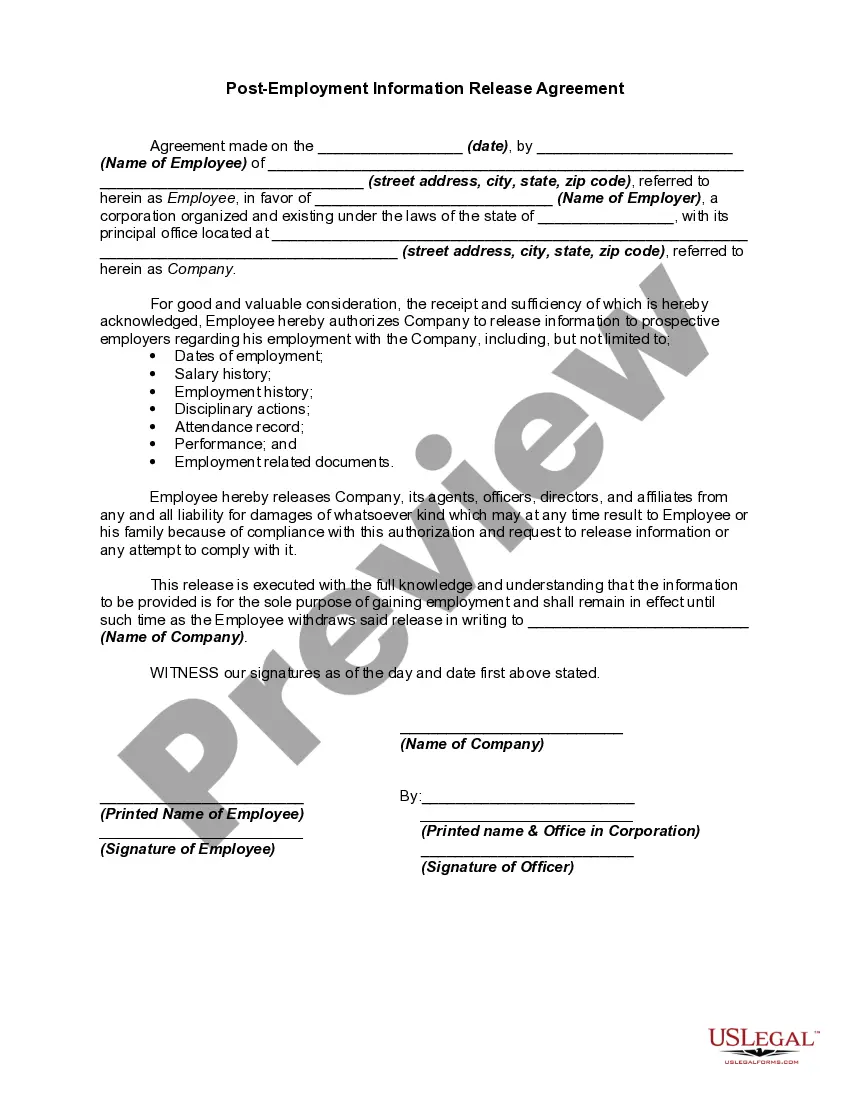
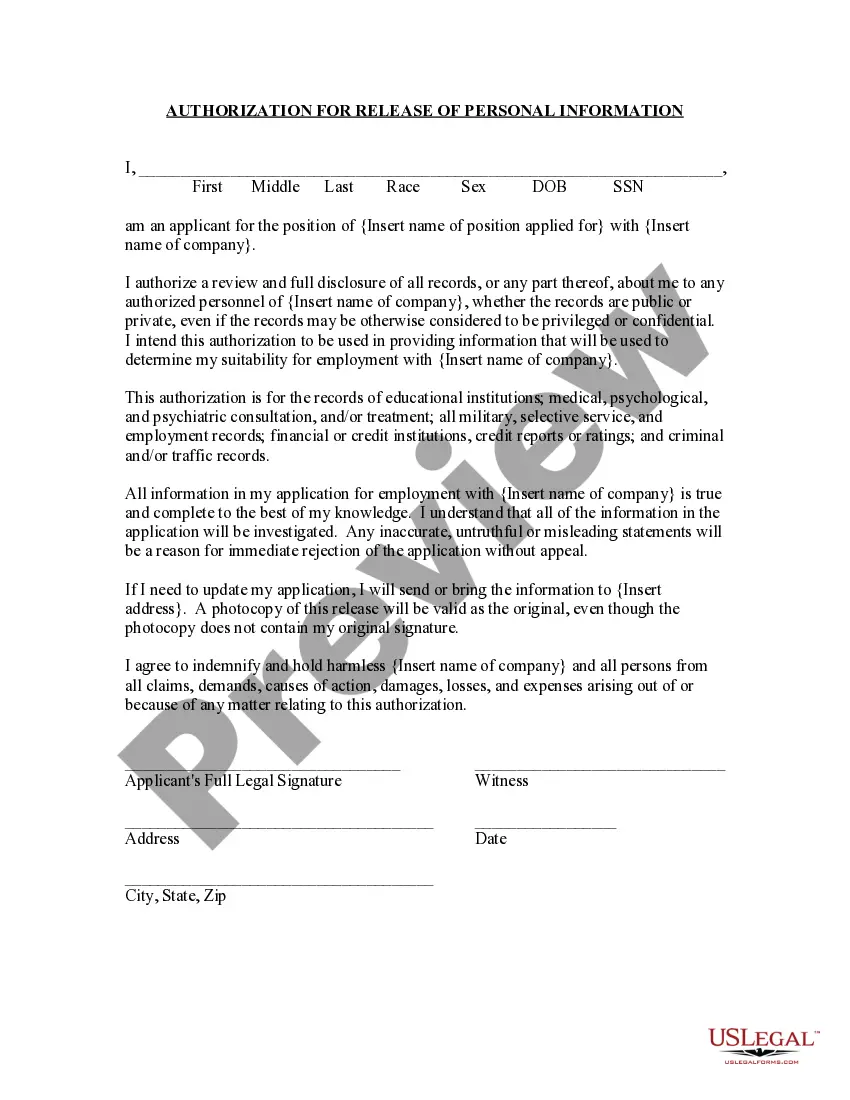
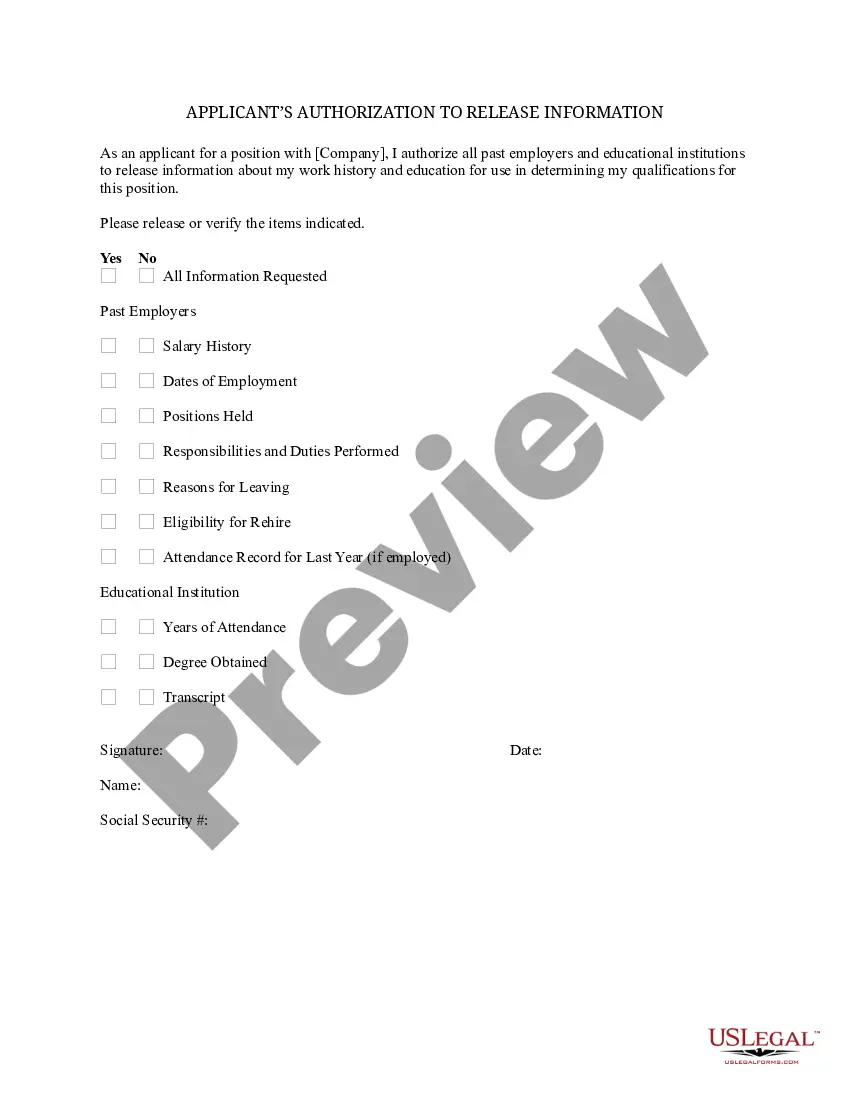
Get your form ready online
Our built-in tools help you complete, sign, share, and store your documents in one place.
Make edits, fill in missing information, and update formatting in US Legal Forms—just like you would in MS Word.
Download a copy, print it, send it by email, or mail it via USPS—whatever works best for your next step.
Sign and collect signatures with our SignNow integration. Send to multiple recipients, set reminders, and more. Go Premium to unlock E-Sign.
If this form requires notarization, complete it online through a secure video call—no need to meet a notary in person or wait for an appointment.
We protect your documents and personal data by following strict security and privacy standards.

Make edits, fill in missing information, and update formatting in US Legal Forms—just like you would in MS Word.

Download a copy, print it, send it by email, or mail it via USPS—whatever works best for your next step.

Sign and collect signatures with our SignNow integration. Send to multiple recipients, set reminders, and more. Go Premium to unlock E-Sign.

If this form requires notarization, complete it online through a secure video call—no need to meet a notary in person or wait for an appointment.

We protect your documents and personal data by following strict security and privacy standards.
Looking for another form?





Form popularity
FAQ
The Illinois Freedom of Information Act (FOIA) is designed to ensure that Illinois residents can obtain information about their government. In 2009, Attorney General Lisa Madigan worked with legislators and a diverse group of individuals and organizations to strengthen FOIA and hold government more accountable.
FOIA is the state Freedom of Information Act. Under the Illinois Freedom of Information Act (5 ILCS 140), records in the possession of public agencies may be accessed by the public upon written request.
FOIA contains an exemption for records that, if disclosed, would result in a “clearly unwarranted invasion of personal privacy.” An “unwarranted invasion of personal privacy” means the “disclosure of information that is highly personal or objectionable to a reasonable person and in which the subject's right to privacy ...
Illinois law stipulates that all medical professionals must obtain a patients' informed consent before a procedure which includes disclosing information about the nature of the procedure, the expected and potentially unexpected results, risks, complications, and alternatives.
The law requires “data collectors” that own or licenses personal information for any Illinois resident to notify the Illinois resident if there has been any “breach” in the “data collectors” computer systems.
Illinois Requires Two-Party Consent to Record Private Conversations. Recording laws are largely governed at the state level. Most U.S. states are one-party consent jurisdictions, meaning that only one party to a conversation needs to give consent for a recording to be lawful.
In Canada, patient privacy is highly regulated by provincial legislation, although patients themselves have little in the way of laws or regulations to observe. Patients taking video recordings of their own medical care does not currently fall under any of the provincial privacy laws.
Illinois is a two-party consent state, also known as “all party consent.” What does this mean? It means that it is illegal to record a private conversation unless all parties involved in the conversation consent to it, subject to some exceptions such as law enforcement activities, which will not be addressed here.
The consent of at least one participant to a conversation is required before any recording can take place, unless such eavesdropping device is used on one's own premises for security or business purposes and notice is given to the public.

