Roommate Form Agreement With Rental In Queens
Description

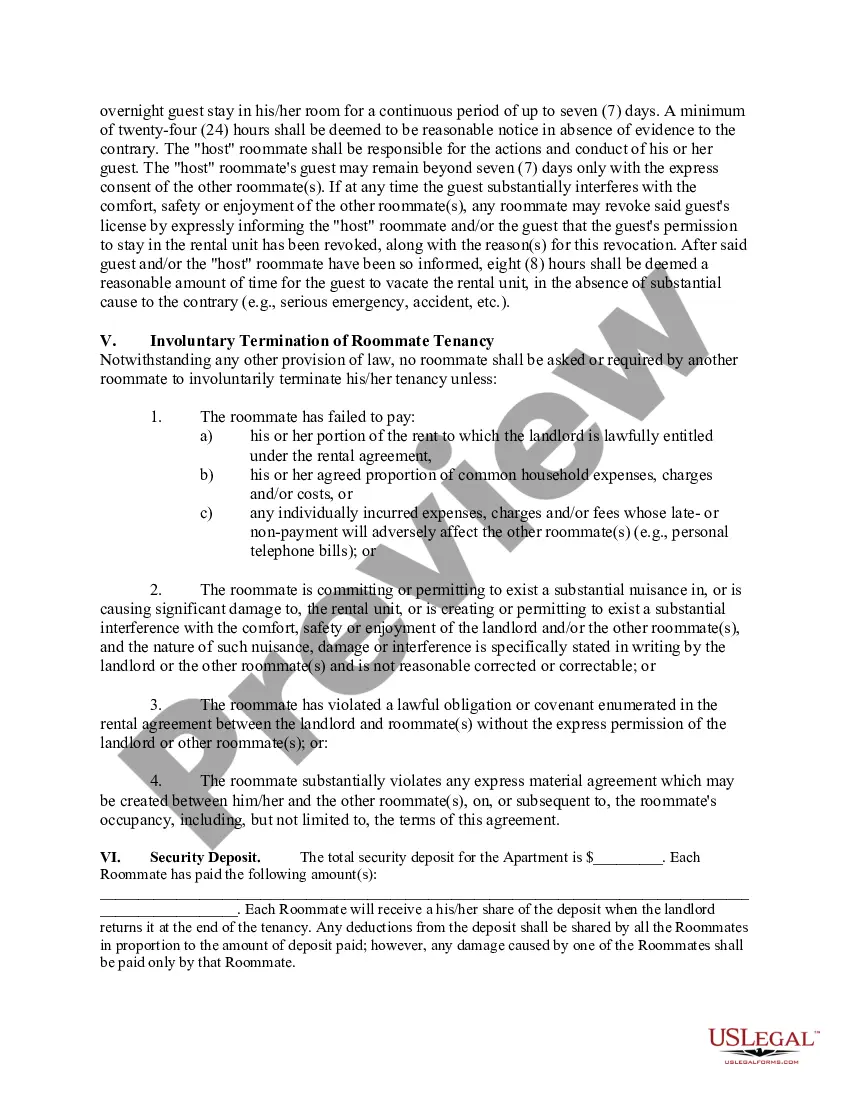
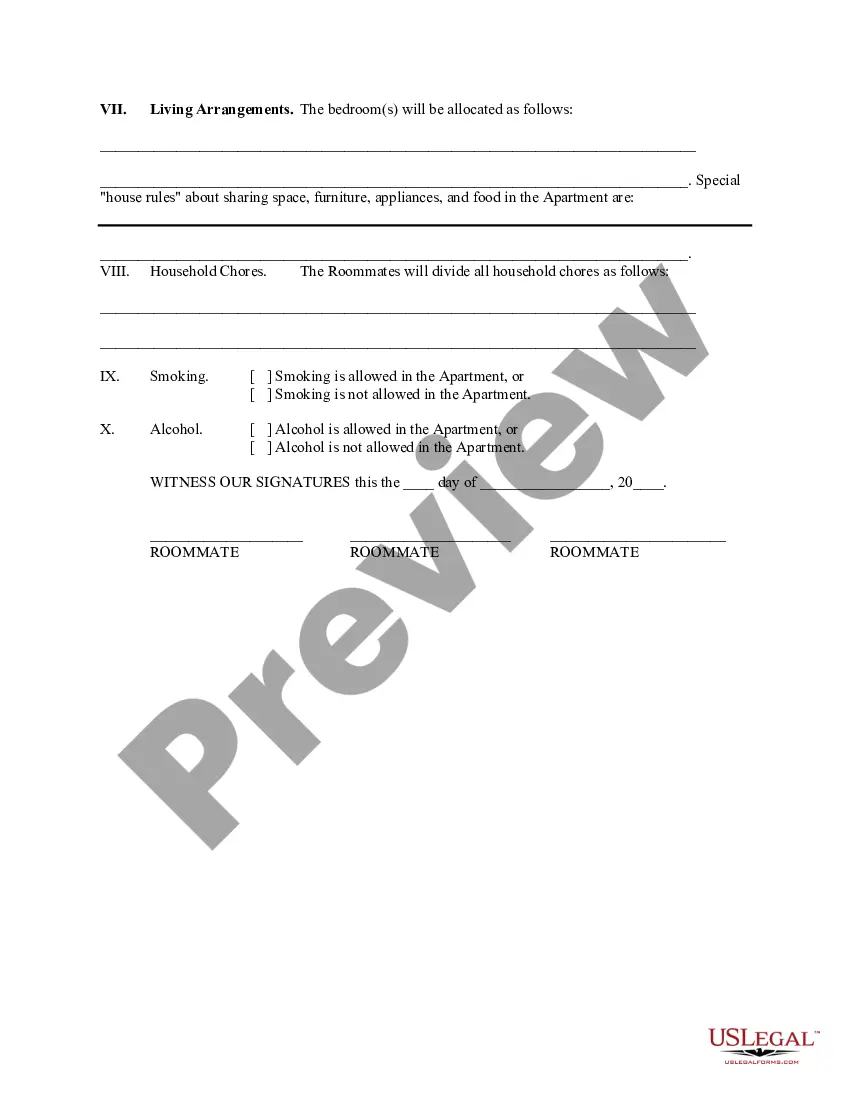
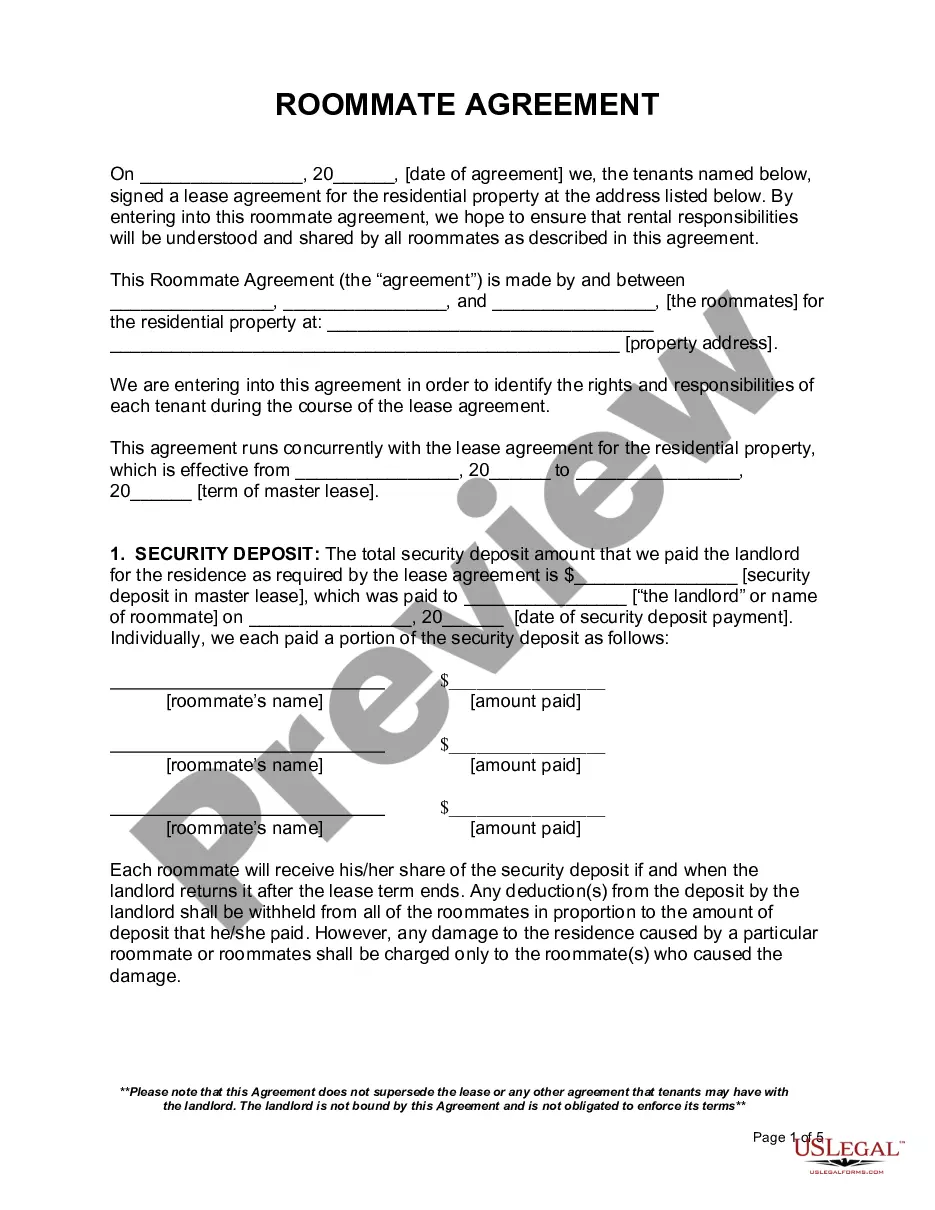
Get your form ready online
Our built-in tools help you complete, sign, share, and store your documents in one place.
Make edits, fill in missing information, and update formatting in US Legal Forms—just like you would in MS Word.
Download a copy, print it, send it by email, or mail it via USPS—whatever works best for your next step.
Sign and collect signatures with our SignNow integration. Send to multiple recipients, set reminders, and more. Go Premium to unlock E-Sign.
If this form requires notarization, complete it online through a secure video call—no need to meet a notary in person or wait for an appointment.
We protect your documents and personal data by following strict security and privacy standards.

Make edits, fill in missing information, and update formatting in US Legal Forms—just like you would in MS Word.

Download a copy, print it, send it by email, or mail it via USPS—whatever works best for your next step.

Sign and collect signatures with our SignNow integration. Send to multiple recipients, set reminders, and more. Go Premium to unlock E-Sign.

If this form requires notarization, complete it online through a secure video call—no need to meet a notary in person or wait for an appointment.

We protect your documents and personal data by following strict security and privacy standards.
Looking for another form?



Form popularity
FAQ
When only one tenant is named on a lease, the tenant has the right to take in a roommate and the roommate's dependent children. When two or more tenants are named on the lease, the number of tenants and roommates cannot exceed the number of tenants named in the lease.
Yes, everyone over the age of 18 needs to be on the lease. This prevents the boyfriend or girlfriend of the children from just moving in. It also helps with the background checks too.
So if you want them out, since they have been there less than a year, you can give them a written 30 day notice to vacate. If they don't move out, then you can file a formal court eviction case in the local Housing Court to evict them.
A roommate holdover case is brought to make a roommate leave the apartment or house that you share. You cannot lock your roommate out of the home you share without a court order. If you are a renter, to start a roommate holdover case, your roommate must rent from you not the landlord.
If you do not have a written lease, or your lease expired and you don't live in rent regulated housing, the landlord/owner may be able to go to court to evict you even if you did not do anything wrong. It is the landlord/owner's right to evict you without a reason.
New York law (RPL 235-f) allows a tenant of any private residential apartment to share their apartment with their immediate family members, one additional occupant and any dependent children of that occupant so long as the apartment is the tenant's primary residence, so long as there is only one tenant on the lease.
How to write a roommate agreement Names of both tenants. The property address. The dates the lease begins and ends. The amount of rent each person pays. Who pays for utilities. Who pays the security deposit. Which bedroom each person occupies. Who buys food, or if you're each buying your own food.
To write a simple contract, title it clearly, identify all parties and specify terms (services or payments). Include an offer, acceptance, consideration, and intent. Add a signature and date for enforceability. Written contracts reduce disputes and offer better legal security than verbal ones.
New York State law protects the right of tenants in privately-owned buildings to have a roommate under certain conditions. If those conditions are met, tenants do not need the permission of the landlord to have an additional occupant, and are legally allowed to have a roommate even if their lease prohibits it.
