Consultant Contract Under Foreign Exchange In San Diego
Description

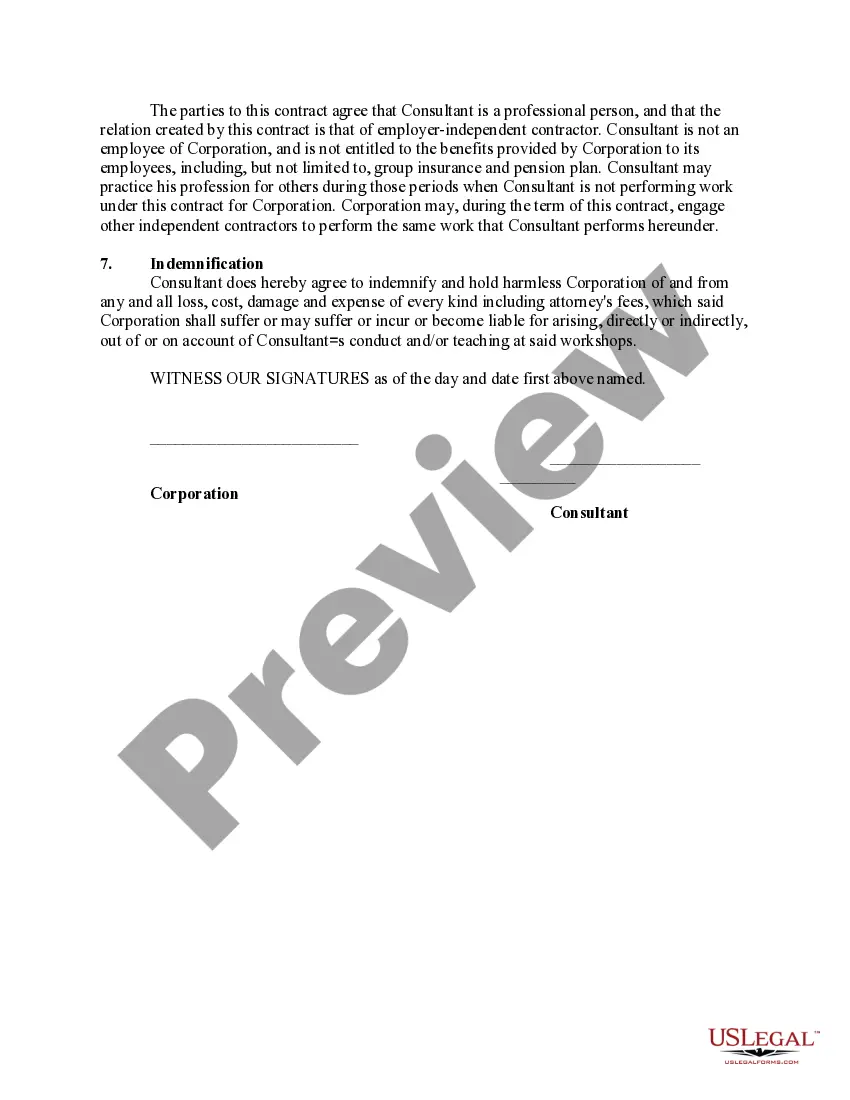
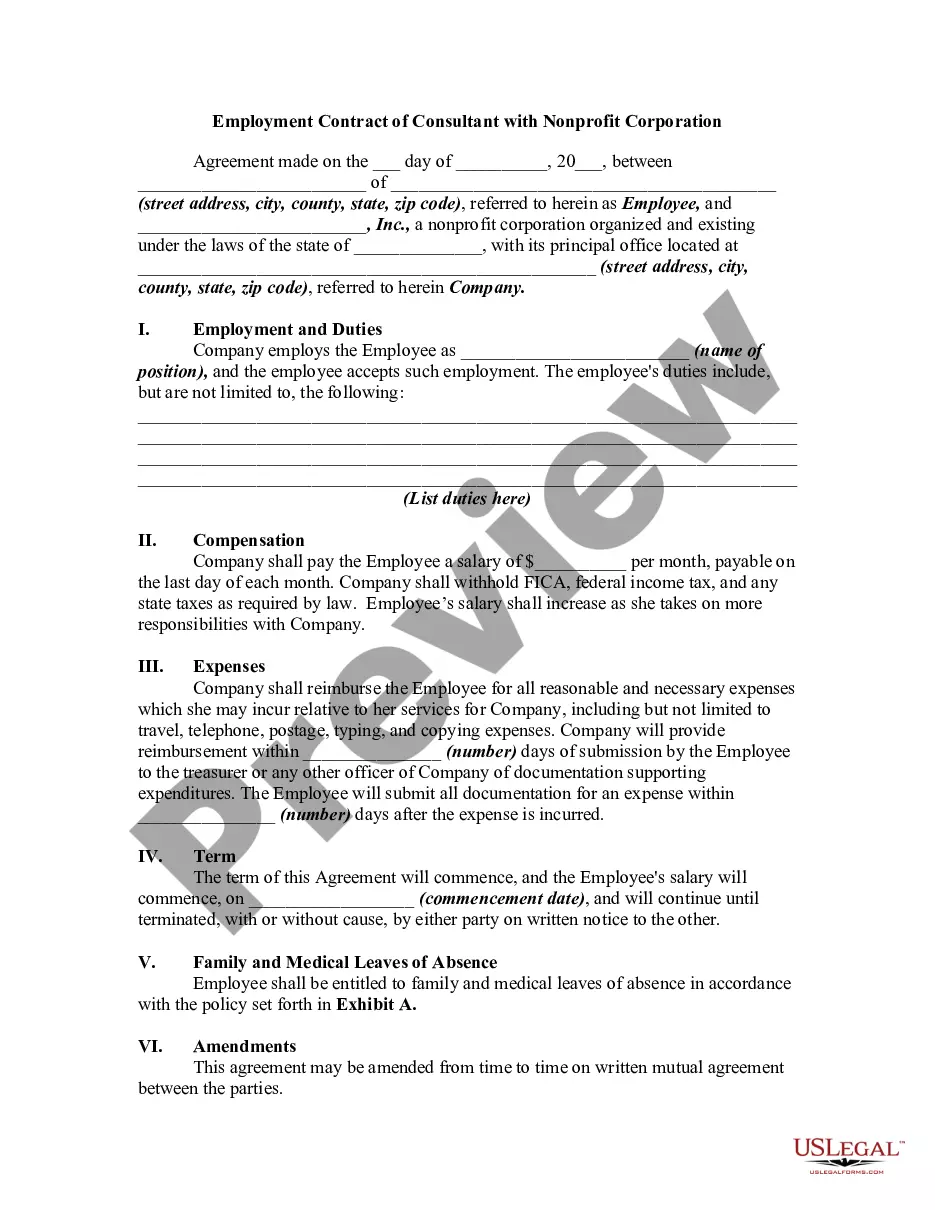
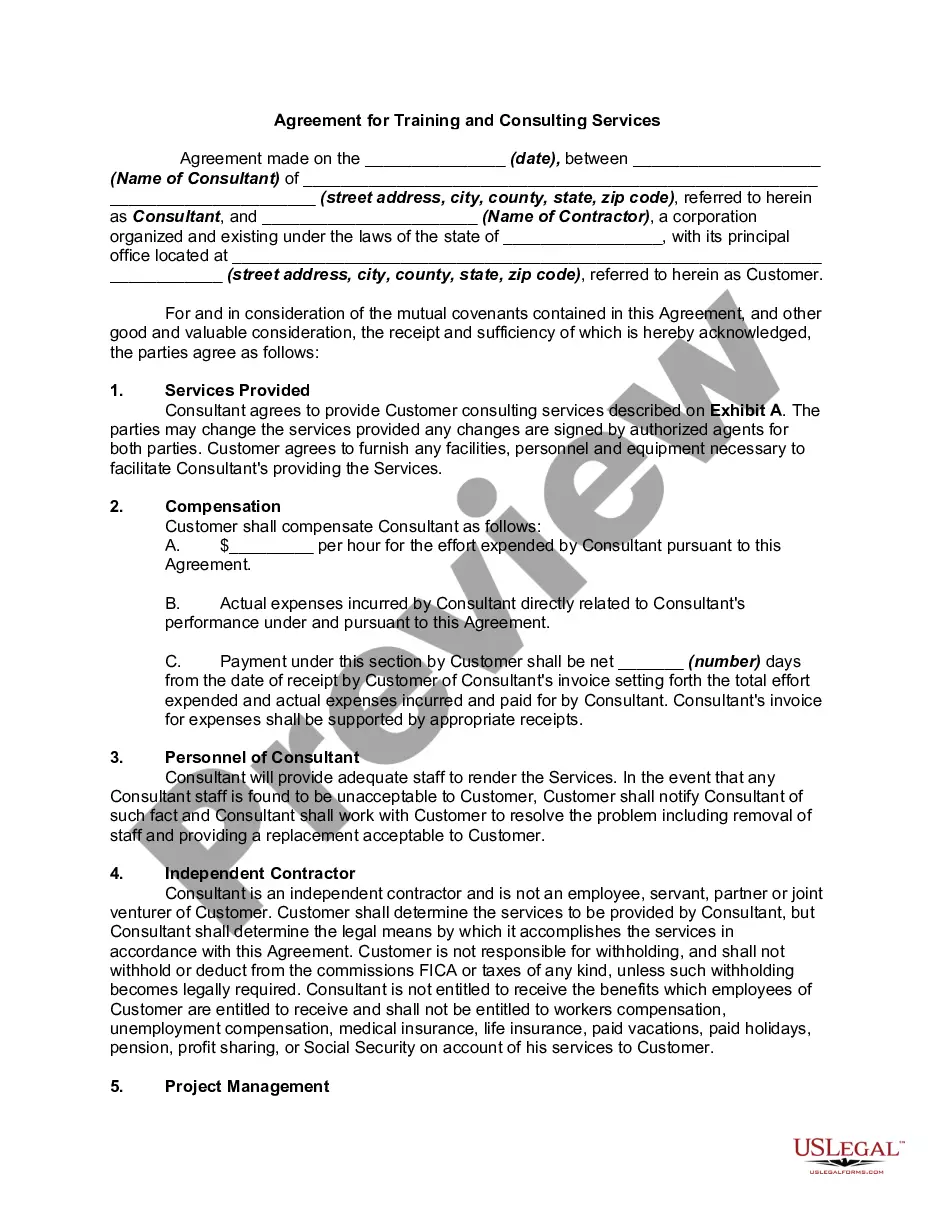
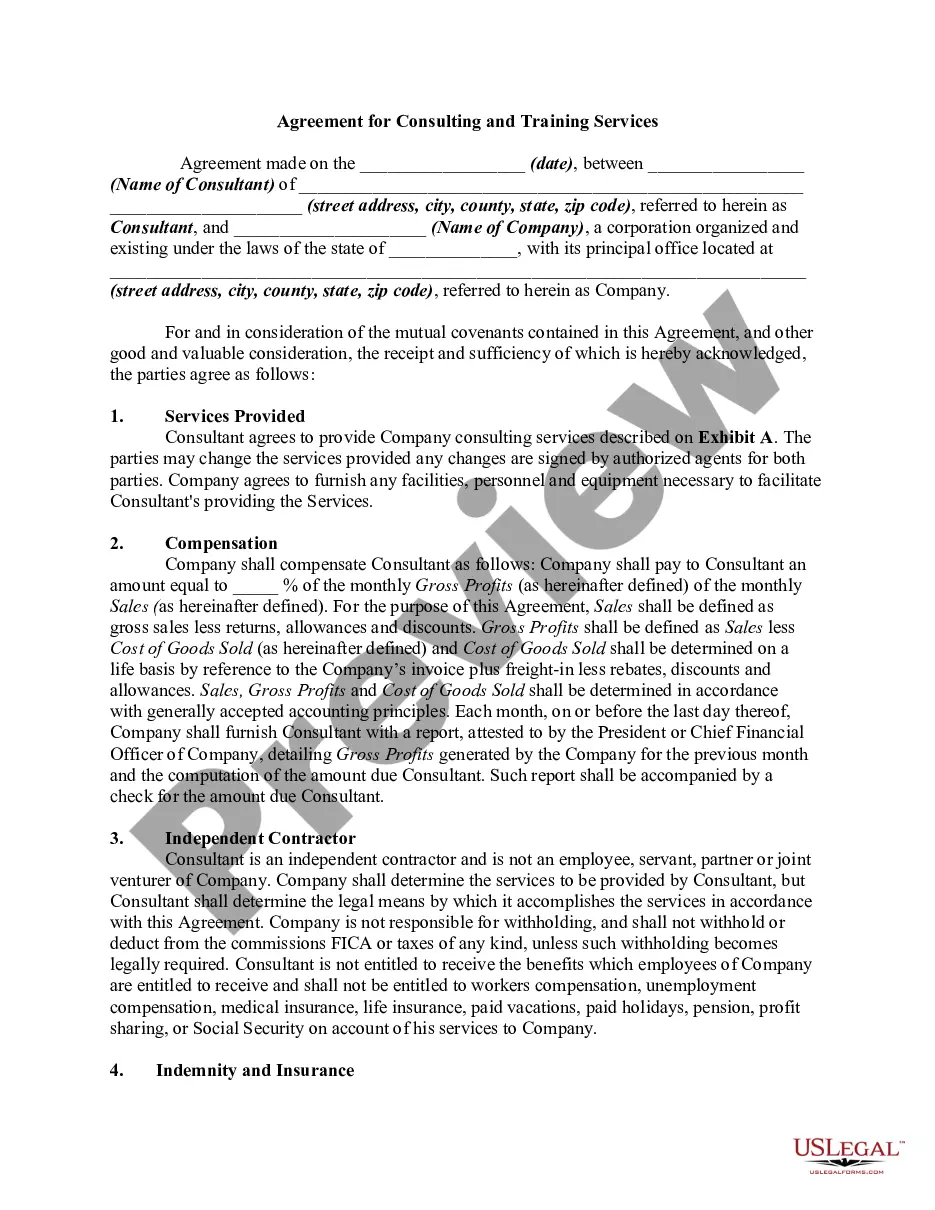
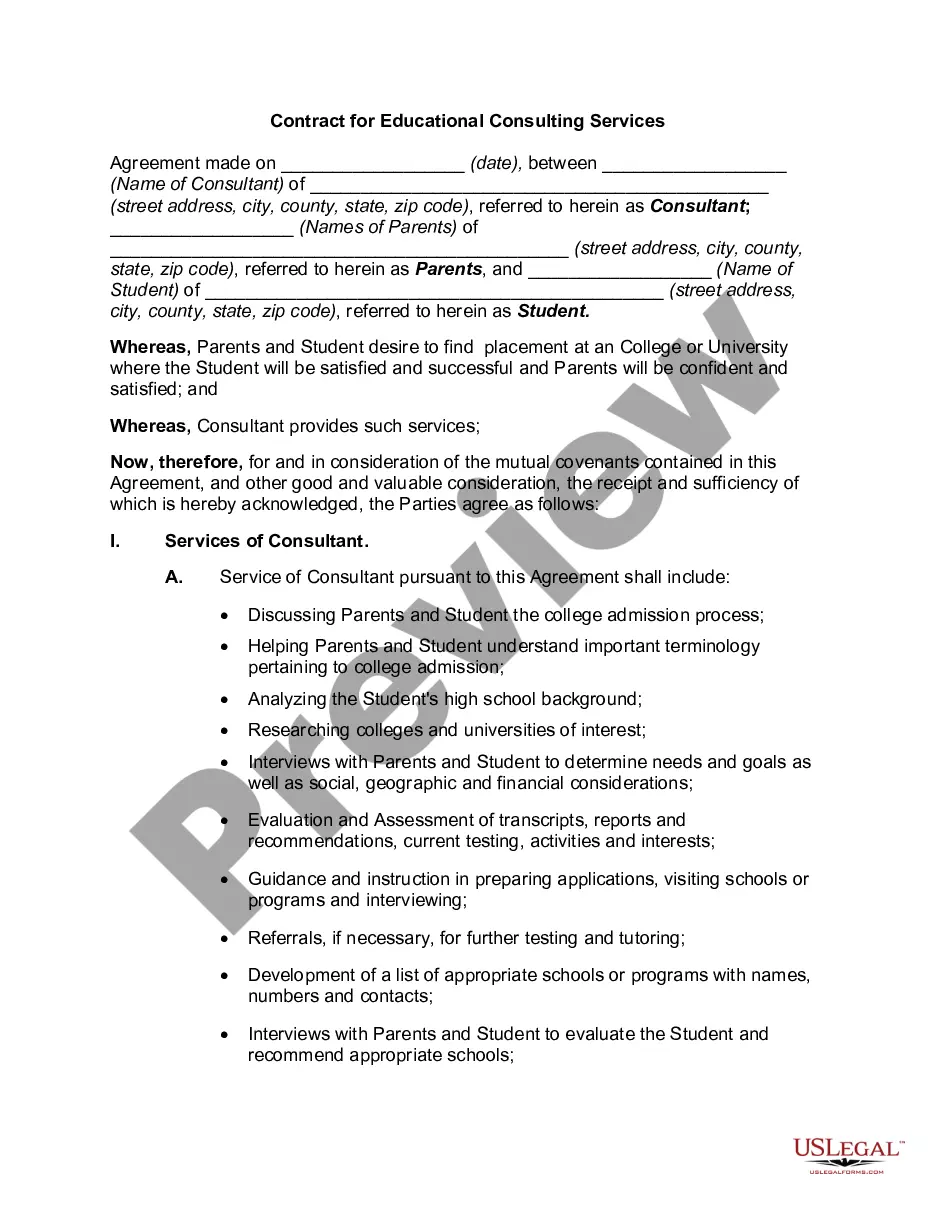
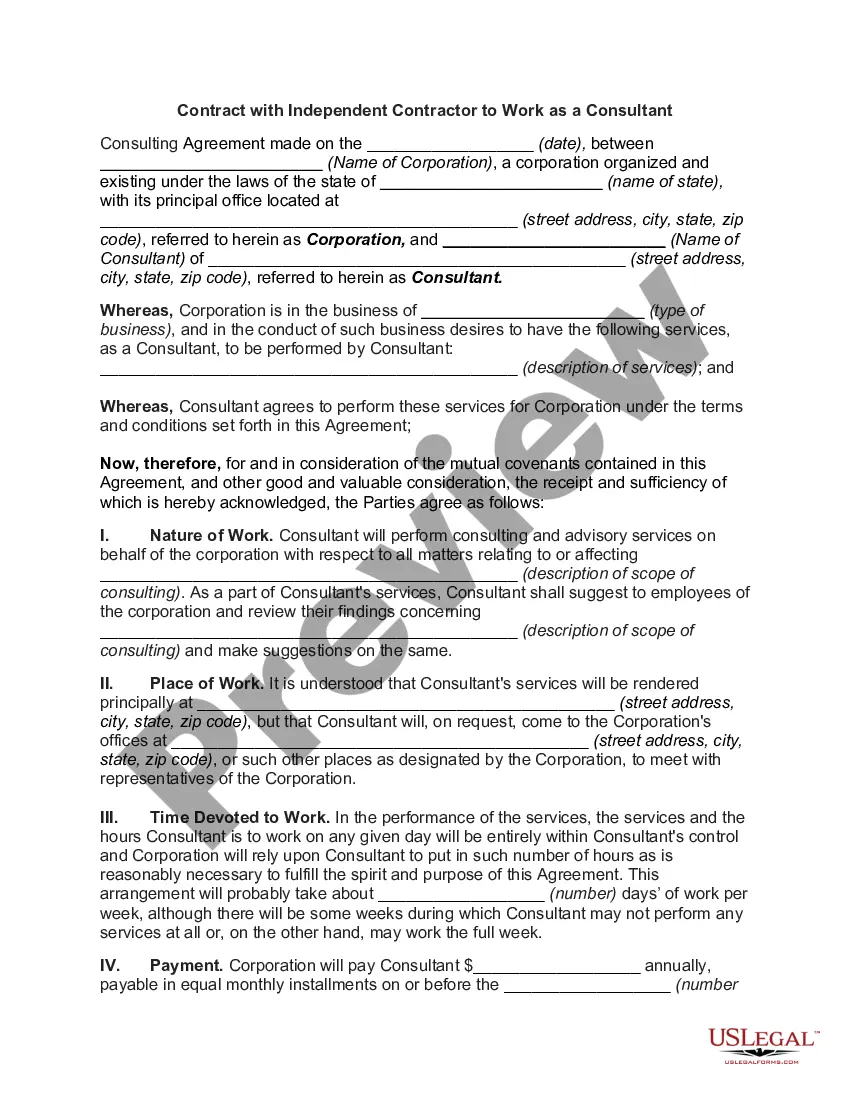
Get your form ready online
Our built-in tools help you complete, sign, share, and store your documents in one place.
Make edits, fill in missing information, and update formatting in US Legal Forms—just like you would in MS Word.
Download a copy, print it, send it by email, or mail it via USPS—whatever works best for your next step.
Sign and collect signatures with our SignNow integration. Send to multiple recipients, set reminders, and more. Go Premium to unlock E-Sign.
If this form requires notarization, complete it online through a secure video call—no need to meet a notary in person or wait for an appointment.
We protect your documents and personal data by following strict security and privacy standards.

Make edits, fill in missing information, and update formatting in US Legal Forms—just like you would in MS Word.

Download a copy, print it, send it by email, or mail it via USPS—whatever works best for your next step.

Sign and collect signatures with our SignNow integration. Send to multiple recipients, set reminders, and more. Go Premium to unlock E-Sign.

If this form requires notarization, complete it online through a secure video call—no need to meet a notary in person or wait for an appointment.

We protect your documents and personal data by following strict security and privacy standards.
Looking for another form?
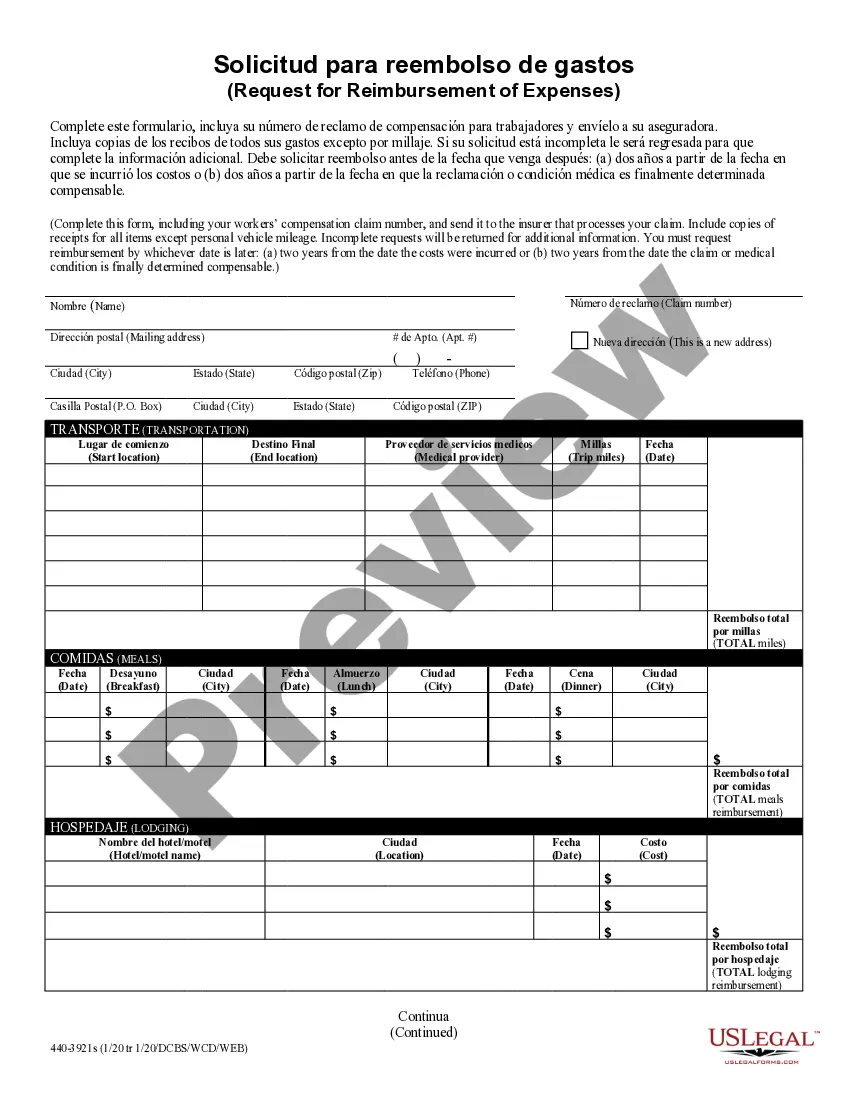
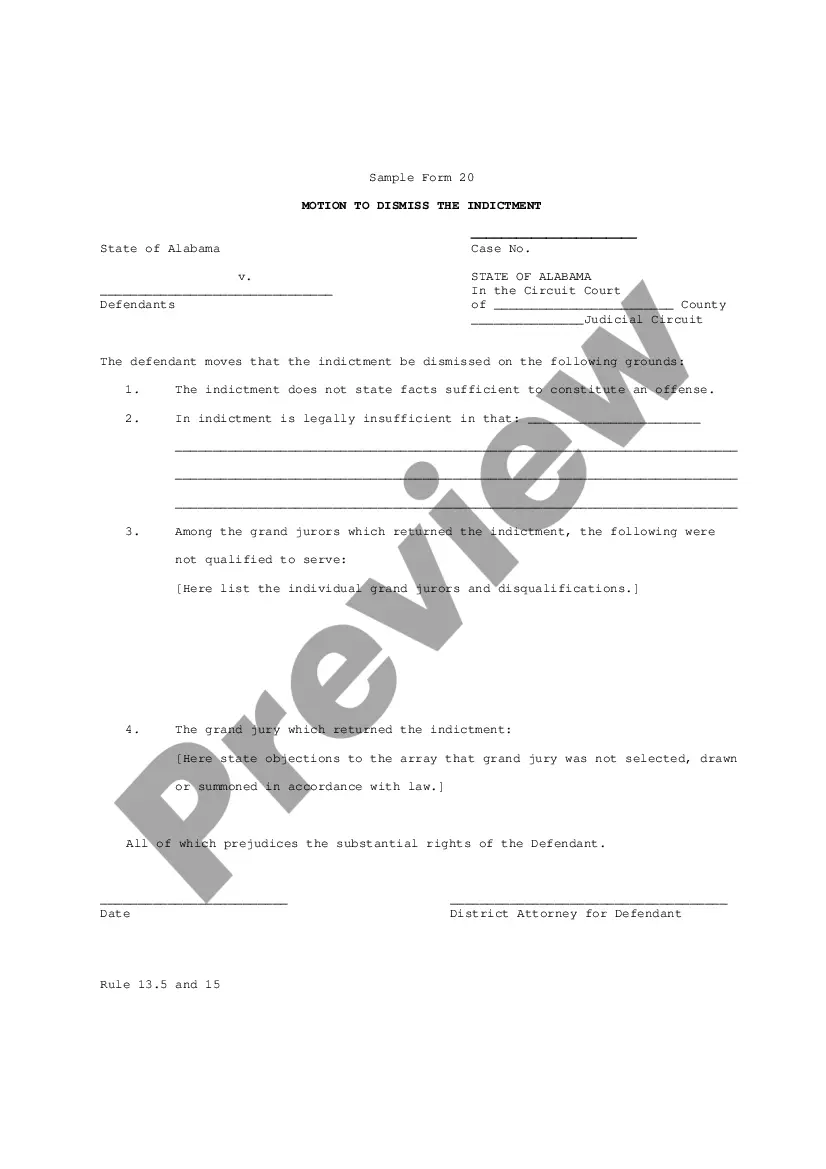
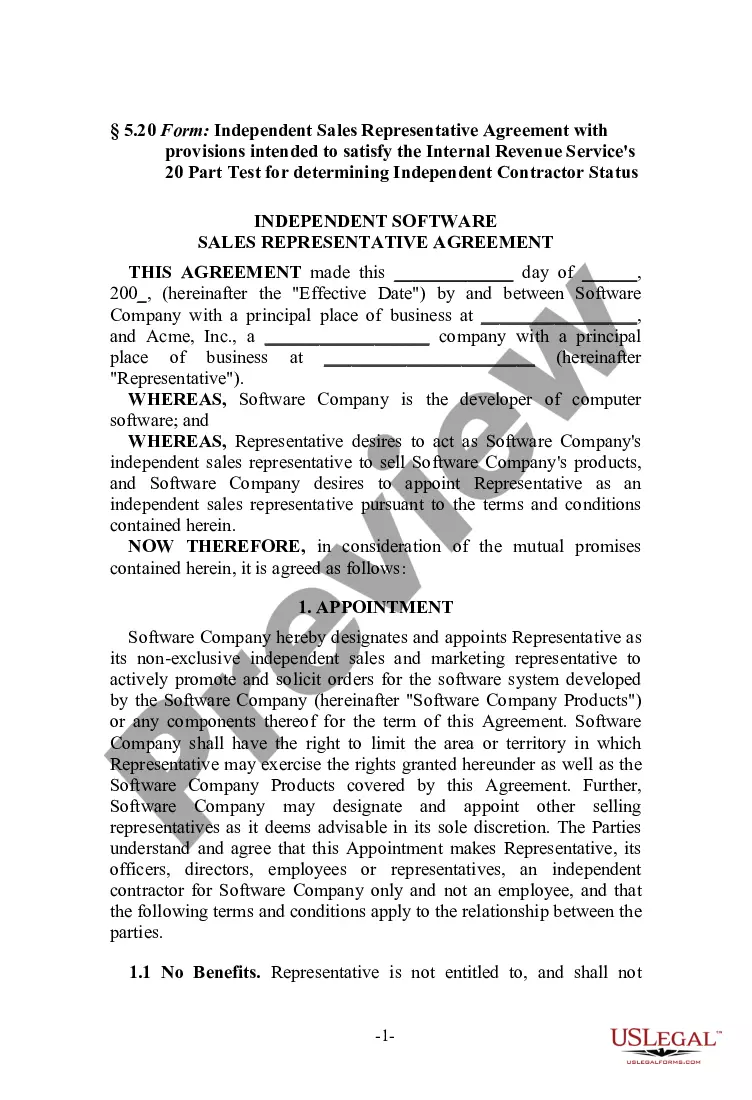


Form popularity
FAQ
Legal consultants are professionals who advise businesses and individuals on a spectrum of legal matters. Unlike traditional attorneys, they don't represent clients in court but offer guidance on navigating the legal system, ensuring compliance with laws and regulations, and mitigating legal risks.
The Texas Bar is now one of the most accessible U.S. bars for foreign lawyers who are either licensed to practice in their own country or have a first professional degree in law from a Common Law system. As of February 2021, Texas adopted the UBE, making scores transferable to other UBE jurisdictions.
This means that it's important to research and abide by the rules and regulations that apply to you and your situation. However, most legal consultants are not required to be admitted to their state bar or be licensed to practice law.
A foreign lawyer cannot provide legal services in the United States without being admitted to at least one state's bar.
Before you can practice law, you will need to choose a state that will allow you to take the bar exam without completing law school. Currently, Washington, Vermont, California and Virginia are the only four states that allow this process.
Foreign legal consultant status FLC status is a means to practise in the US as a foreign-qualified lawyer. Lawyers who register as an FLC can provide advice on the law of their home jurisdiction (for example English law) and international law. They cannot provide advice on US law.
Foreign exchange consulting is a service that provides advice and guidance on various aspects of foreign exchange, such as currency risk management, hedging strategies, market analysis, regulatory compliance, and cross-border transactions.
An international employment contract is an agreement between an employer and employee(s) based in different countries. The contract will need to comply with the employee's local employment laws i.e. the country where they conduct their work, not where the employer is based.
Write the contract in six steps Start with a contract template. Open with the basic information. Describe in detail what you have agreed to. Include a description of how the contract will be ended. Write into the contract which laws apply and how disputes will be resolved. Include space for signatures.
A: Common provisions that should be included in an international agreement include a choice of governing law clause, which specifies which legal system will apply to disputes under the agreement; a dispute resolution clause, which outlines how disputes will be resolved; a mutual termination clause, which specifies how ...
