Consultant Work Contract With Company In New York
Description

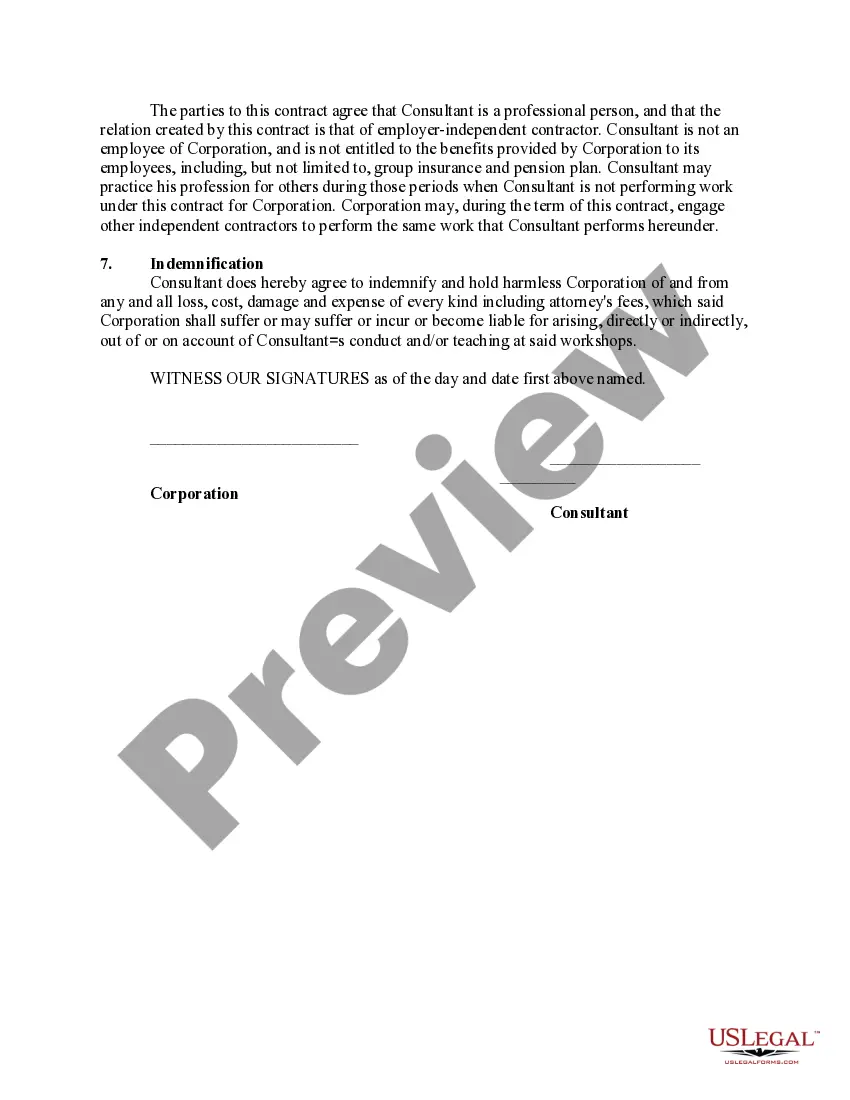
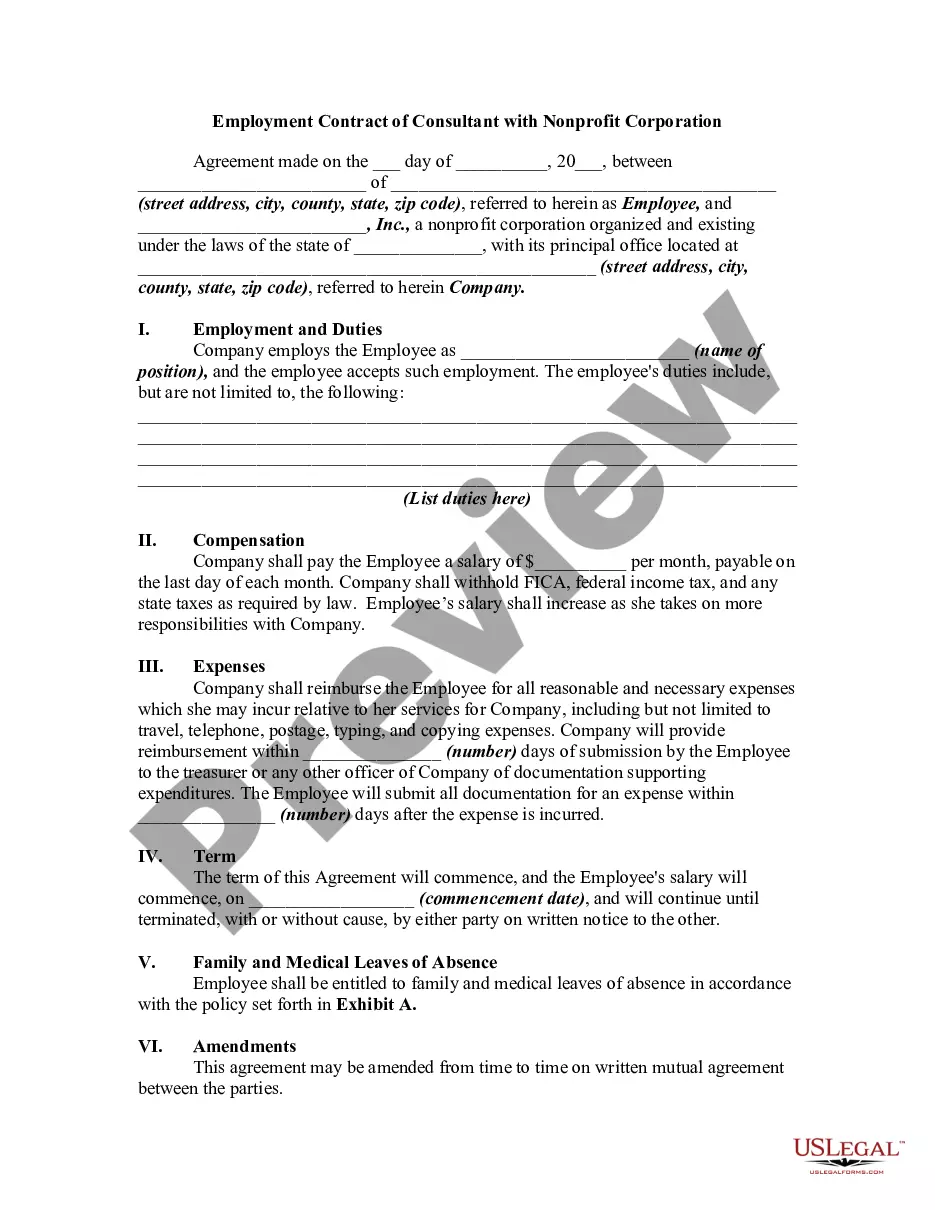
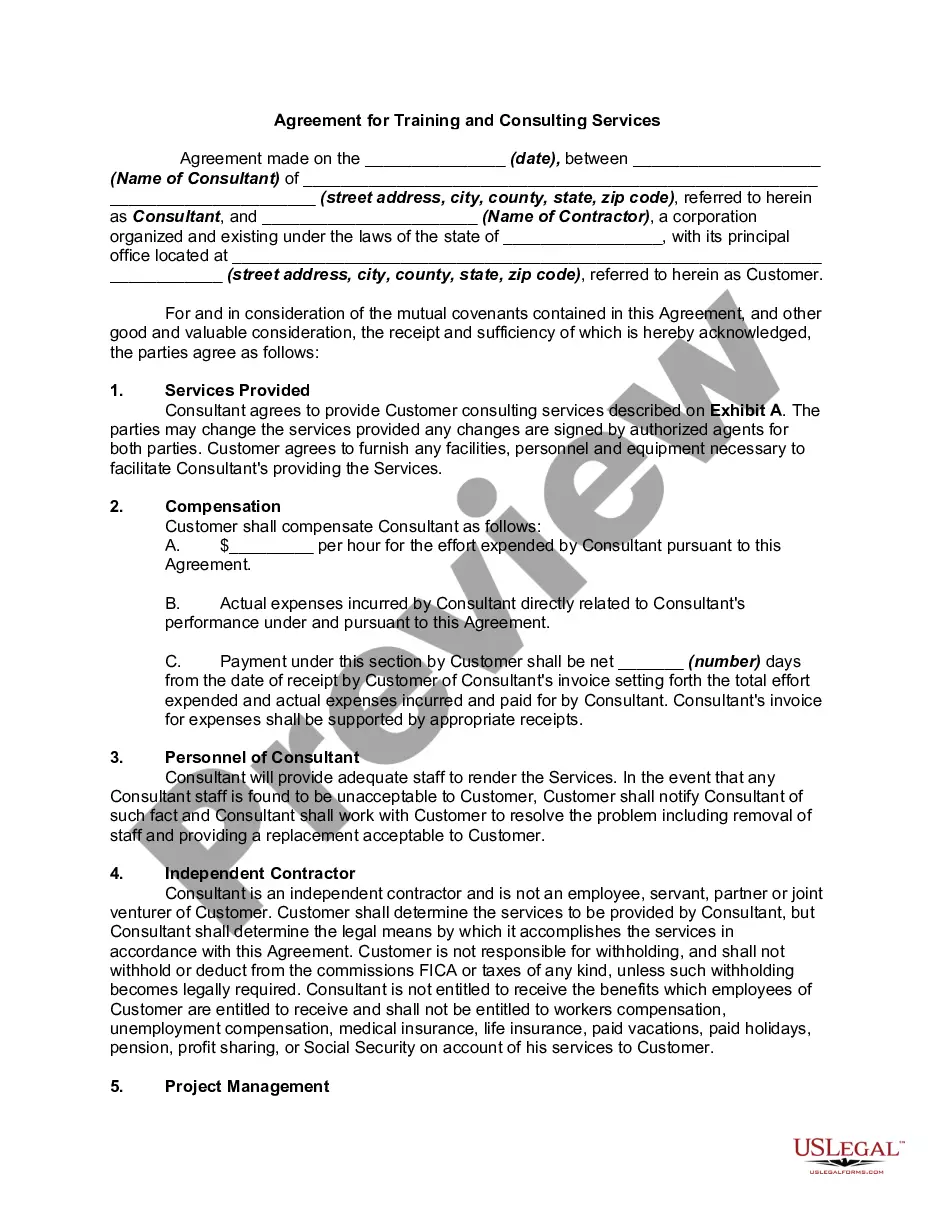
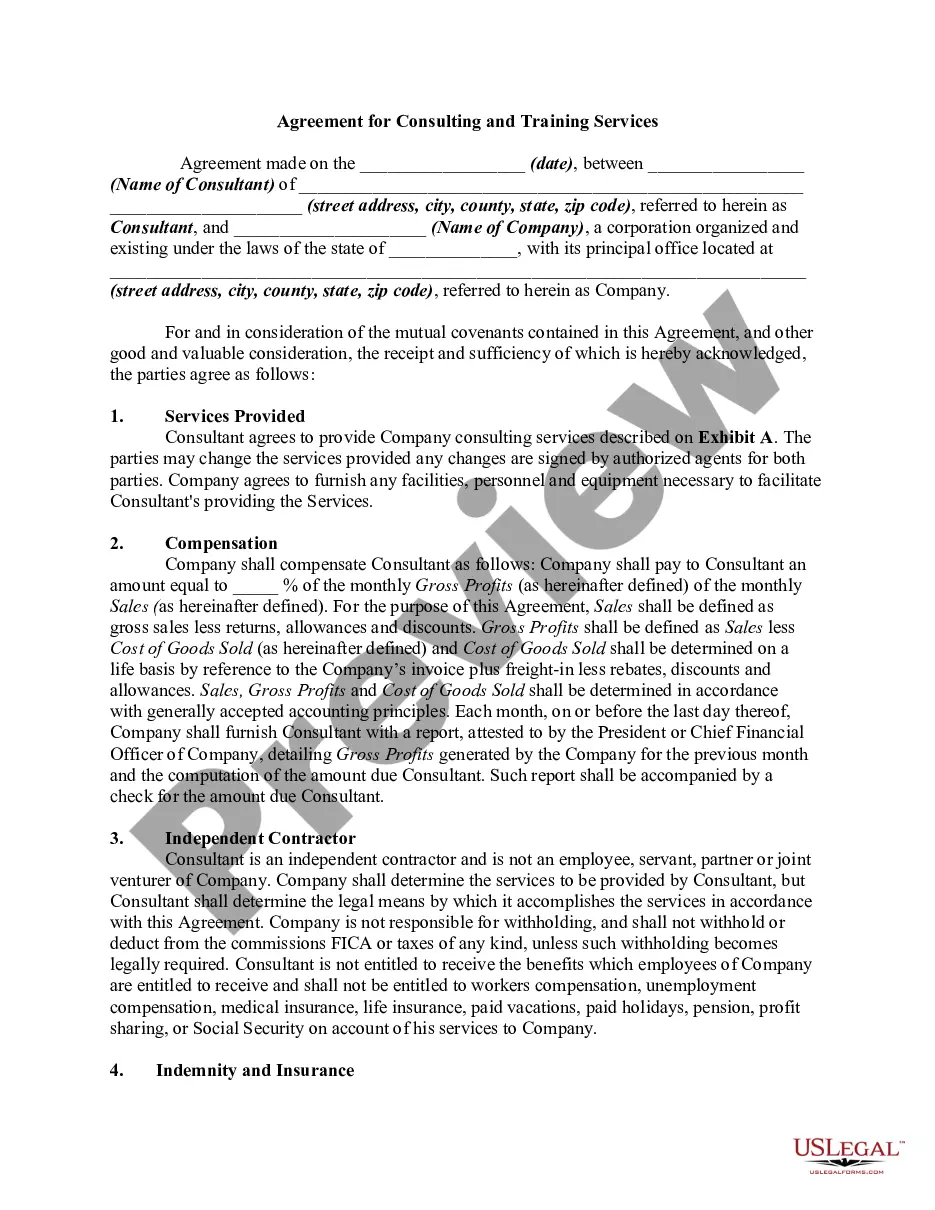
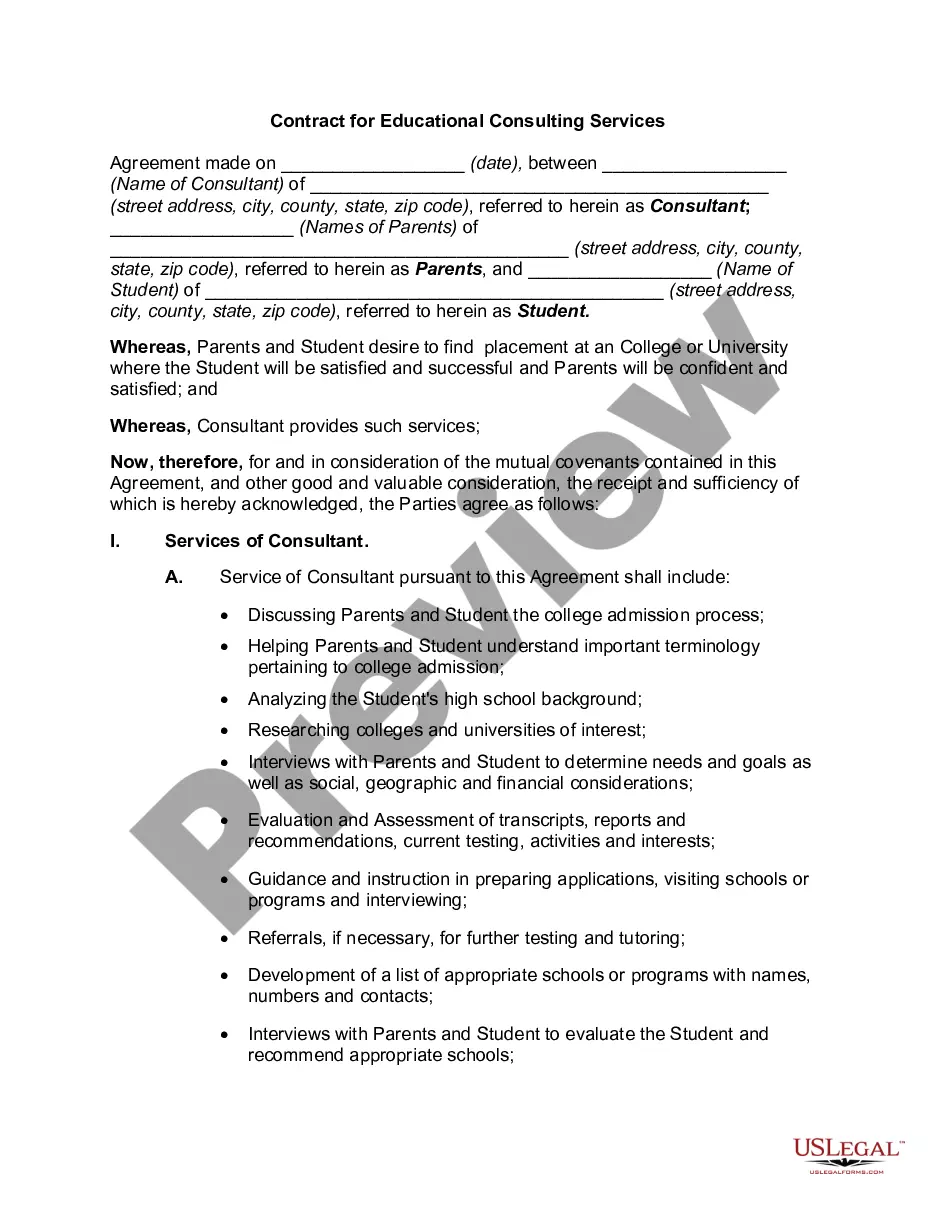
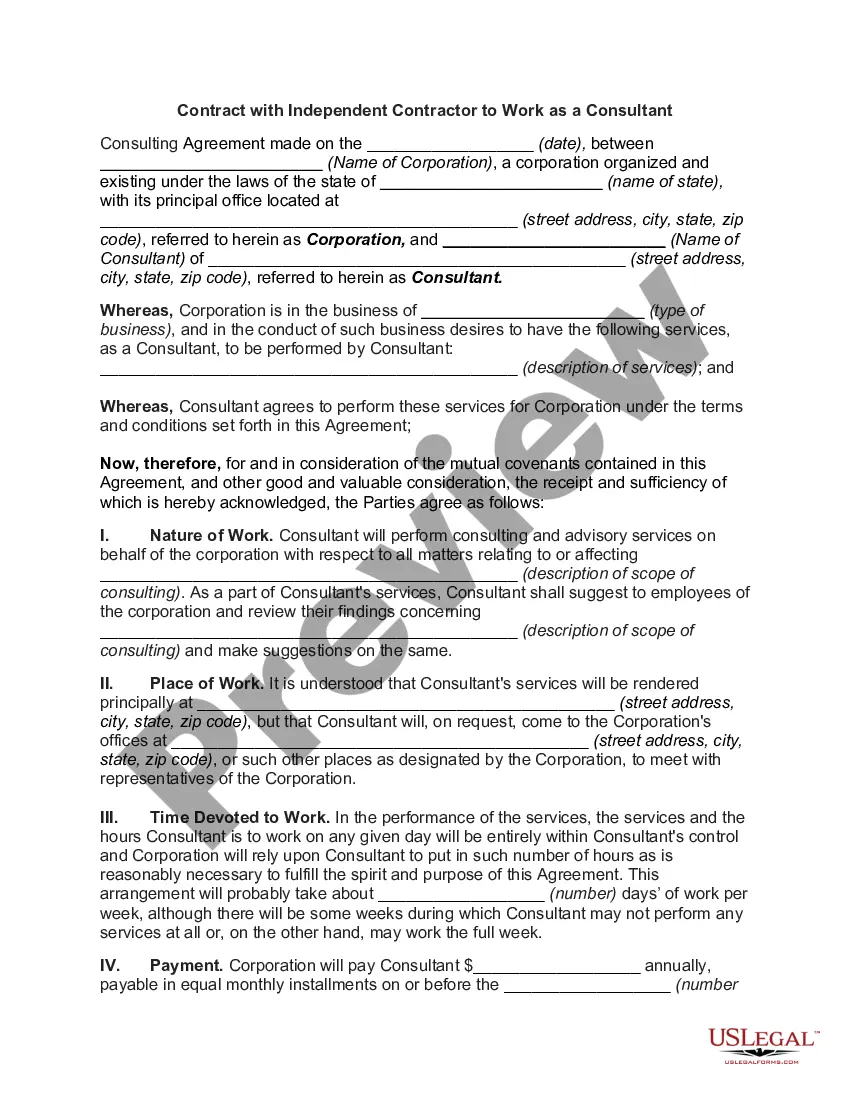
Get your form ready online
Our built-in tools help you complete, sign, share, and store your documents in one place.
Make edits, fill in missing information, and update formatting in US Legal Forms—just like you would in MS Word.
Download a copy, print it, send it by email, or mail it via USPS—whatever works best for your next step.
Sign and collect signatures with our SignNow integration. Send to multiple recipients, set reminders, and more. Go Premium to unlock E-Sign.
If this form requires notarization, complete it online through a secure video call—no need to meet a notary in person or wait for an appointment.
We protect your documents and personal data by following strict security and privacy standards.

Make edits, fill in missing information, and update formatting in US Legal Forms—just like you would in MS Word.

Download a copy, print it, send it by email, or mail it via USPS—whatever works best for your next step.

Sign and collect signatures with our SignNow integration. Send to multiple recipients, set reminders, and more. Go Premium to unlock E-Sign.

If this form requires notarization, complete it online through a secure video call—no need to meet a notary in person or wait for an appointment.

We protect your documents and personal data by following strict security and privacy standards.
Looking for another form?


Form popularity
FAQ
Here are four ways to efficiently find consulting jobs. Use Online Job Marketplaces. Online marketplaces are increasingly prevalent and popular places to find short-term work as an independent professional. Use Your Network. Update Your Resume. Update Your LinkedIn Profile. Build Your Personal Brand.
New York General Business License But good news: New York doesn't require a general license to do business in the state. Meaning, your LLC doesn't need a general state business license. But depending on what type of business you run, your LLC might need an occupational license (aka “industry-specific” license).
A person or business must have a Home Improvement Contractor license to do construction, repair, remodeling, or other home improvement work to any residential land or building in New York City.
A consultant is an person who provides professional or expert advice in a particular field of science or business to either an organisation or individual. As there is no legal protection given to the job title 'consultant', in theory, anyone can on a day wake up and decide to adopt the consultant title.
Consultants can get their first clients through: Tapping into your build network and connection. Offering pro bono or discounted offers for your services to build a portfolio and gain experience. Registering on freelancing platforms. Creating and sharing helpful content on your social platform.
When to call yourself a “consultant” It's safe to call yourself a consultant if you're selling knowledge, advice, or insights in an advisory capacity. Most consultants will focus on charging for the value of the solutions they provide.
Leverage your professional network, join industry-specific job boards, and attend relevant conferences and events. Utilize LinkedIn to showcase your expertise and connect with potential clients. Additionally, consider working with staffing agencies that specialize in contract placements.
Following is a discussion of the more important issues to be considered in every consulting agreement. Scope of Work, Compensation. Independent Contractor. Term and Termination. Rights and Data. Conflict of Interest, Non-Solicitation. Miscellaneous Provisions.
The names of both companies and their business addresses. The type of consulting being offered, with as much detail as possible, and that the client desires to hire the consultant to perform such consulting services pursuant to the terms of the contract. The duration of the agreement, with start and end dates noted.
Key steps for developing your consulting business plan Identify your niche and ideal clients. Analyze the competition. Set your rates and service packages. Create a marketing and client acquisition strategy. Calculate potential project expenses and revenue. Plan for sustainability and growth.
