Suing An Estate Executor For Misrepresentation In Maricopa
Description


Get your form ready online
Our built-in tools help you complete, sign, share, and store your documents in one place.
Make edits, fill in missing information, and update formatting in US Legal Forms—just like you would in MS Word.
Download a copy, print it, send it by email, or mail it via USPS—whatever works best for your next step.
Sign and collect signatures with our SignNow integration. Send to multiple recipients, set reminders, and more. Go Premium to unlock E-Sign.
If this form requires notarization, complete it online through a secure video call—no need to meet a notary in person or wait for an appointment.
We protect your documents and personal data by following strict security and privacy standards.
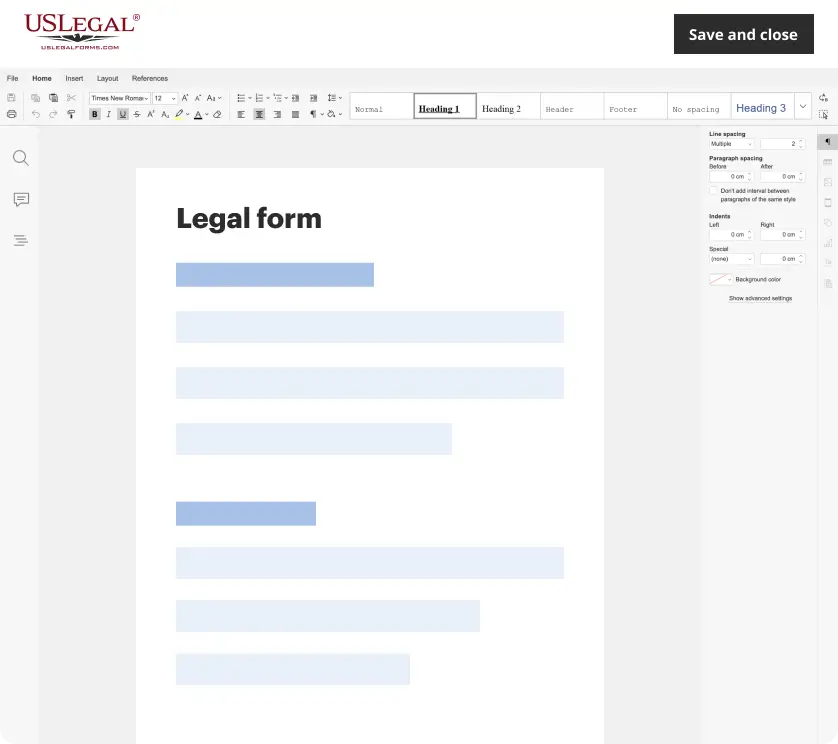
Make edits, fill in missing information, and update formatting in US Legal Forms—just like you would in MS Word.
Download a copy, print it, send it by email, or mail it via USPS—whatever works best for your next step.
Sign and collect signatures with our SignNow integration. Send to multiple recipients, set reminders, and more. Go Premium to unlock E-Sign.

If this form requires notarization, complete it online through a secure video call—no need to meet a notary in person or wait for an appointment.
We protect your documents and personal data by following strict security and privacy standards.
Looking for another form?


Form popularity
FAQ
A: The general time limit for contesting a Will is a few months, usually four after the beneficiaries of the estate have been notified that probate will soon commence.
Liability when an executor makes a mistake Unfortunately, a genuine mistake can sometimes snowball into a much bigger and often expensive problem that can be very complicated to resolve. The executor of an estate can be held personally liable for a mistake that results in a loss to the estate.
There is no set time for an Executor to complete the estate administration process, but there is a deadline when it comes to inheritance tax and an order that must be followed when settling an estate.
If the beneficiaries of an estate (or any one of them) believe that an executor is exercising an executor's power in an irrational or biased way, steps can be taken to challenge this and/or remove the offending executor from having any further role in administering the estate.
Typical Breaches of Fiduciary Duty Include: Commingling of estate or trust assets. Self-dealing. Losses created by the trustee or executor's wrongful act or omission. Material misrepresentation (e.g. failing to disclose facts or false presentation of the facts)
Proving Executor Misconduct Pull the bank statements, transaction records, and communication logs. Let the evidence speak for itself. Beneficiaries or others involved in the probate process can provide detailed accounts of the executor's actions.
For additional information, you may call (602) 37-CLERK, or (602) 372-5375.
Maricopa County Justice Courts A Judgment is enforceable for ten (10) years from date of Judgment. The Judgment may be renewed prior to the expiration of the Judgment date for an additional ten (10) years. The Judgment belongs to you, the Judgment Creditor.
Statute of Limitations in Arizona The statute of limitations for credit card debt is three years. For car loans, mortgages and medical debts it's six years, and for unpaid taxes it's 10 years. The timeframe indicates the amount of time a debt collector has to collect a debt.
As long as there aren't any contests to the will or objections to the executor's actions, the executor will be allowed to settle the estate at the conclusion of the four-month waiting period. That means an executor who is on top of their responsibilities could theoretically wrap up probate in as little as four months.

