Agreement Letter With A Company In Texas
Description
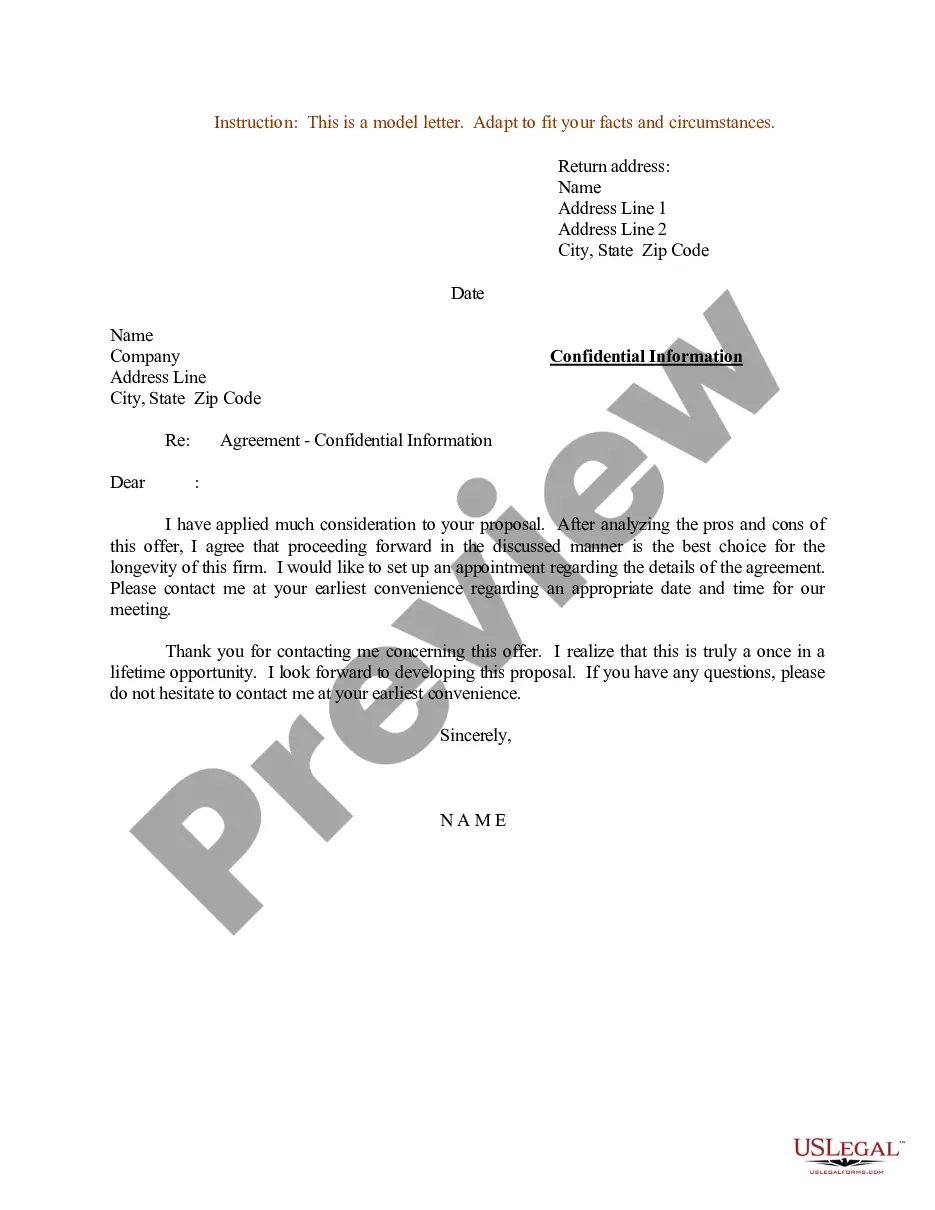
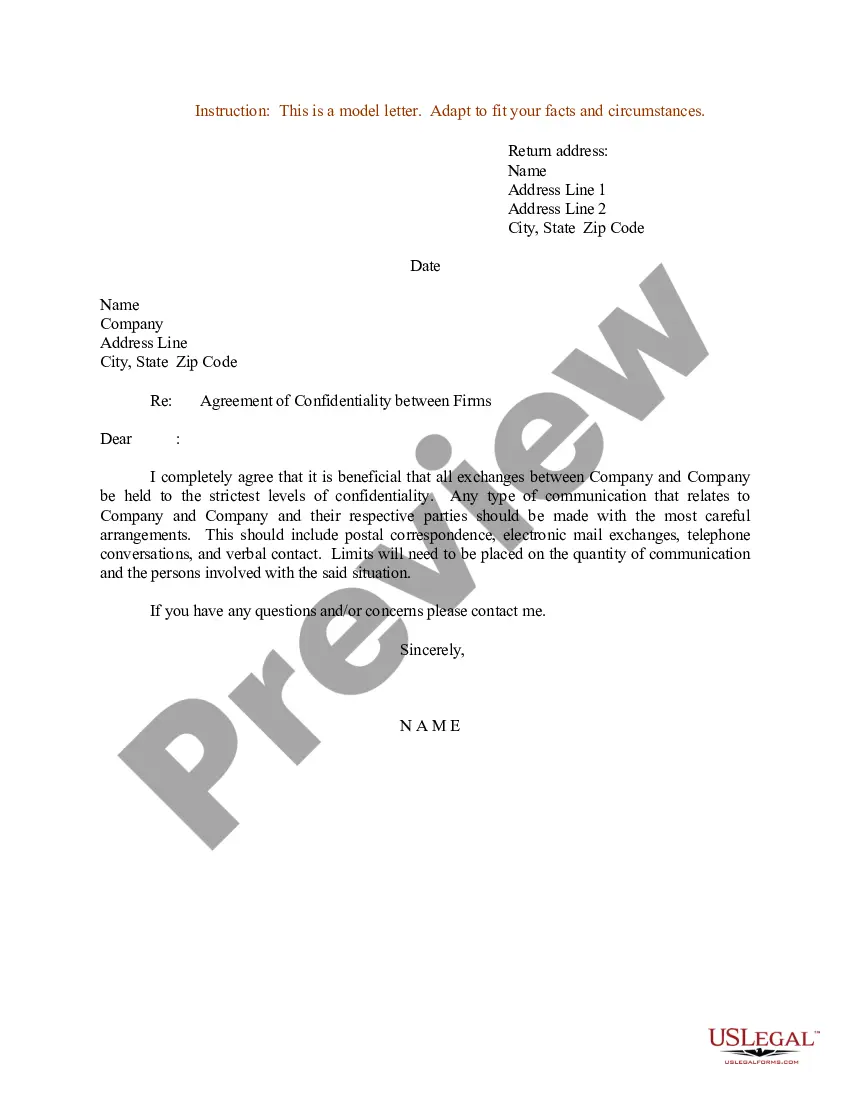
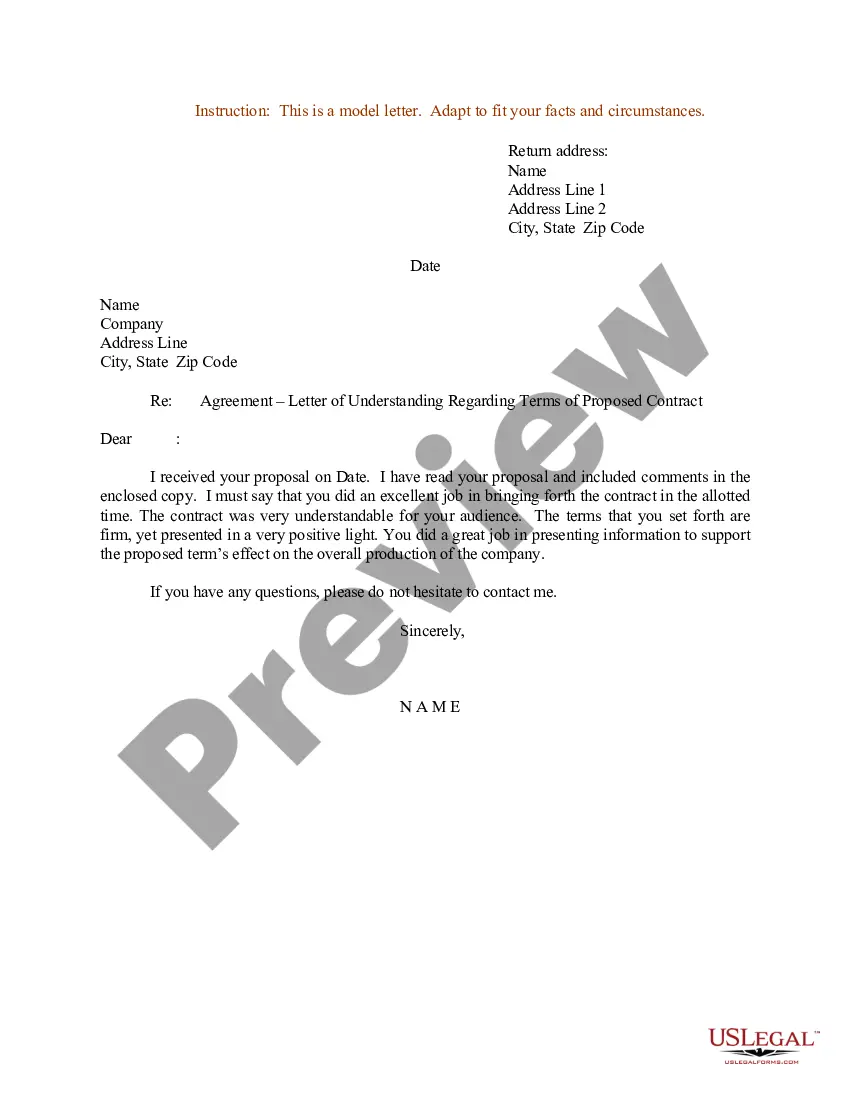
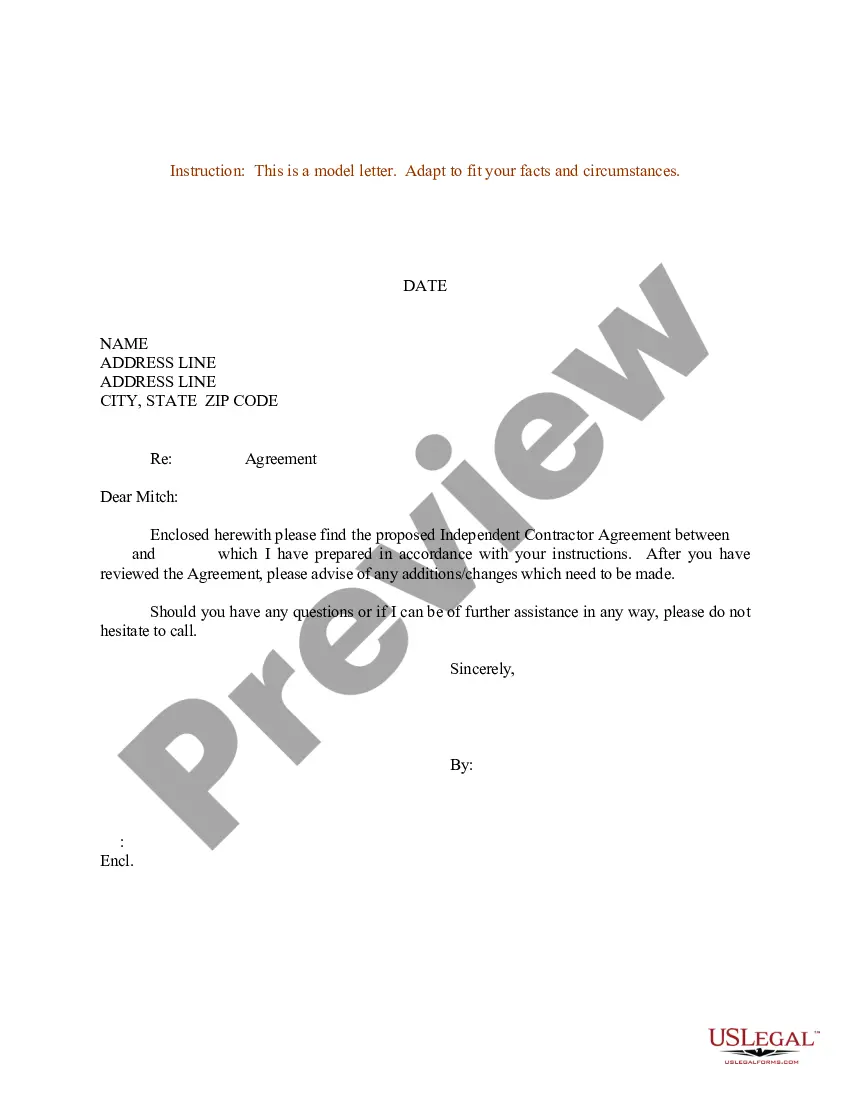
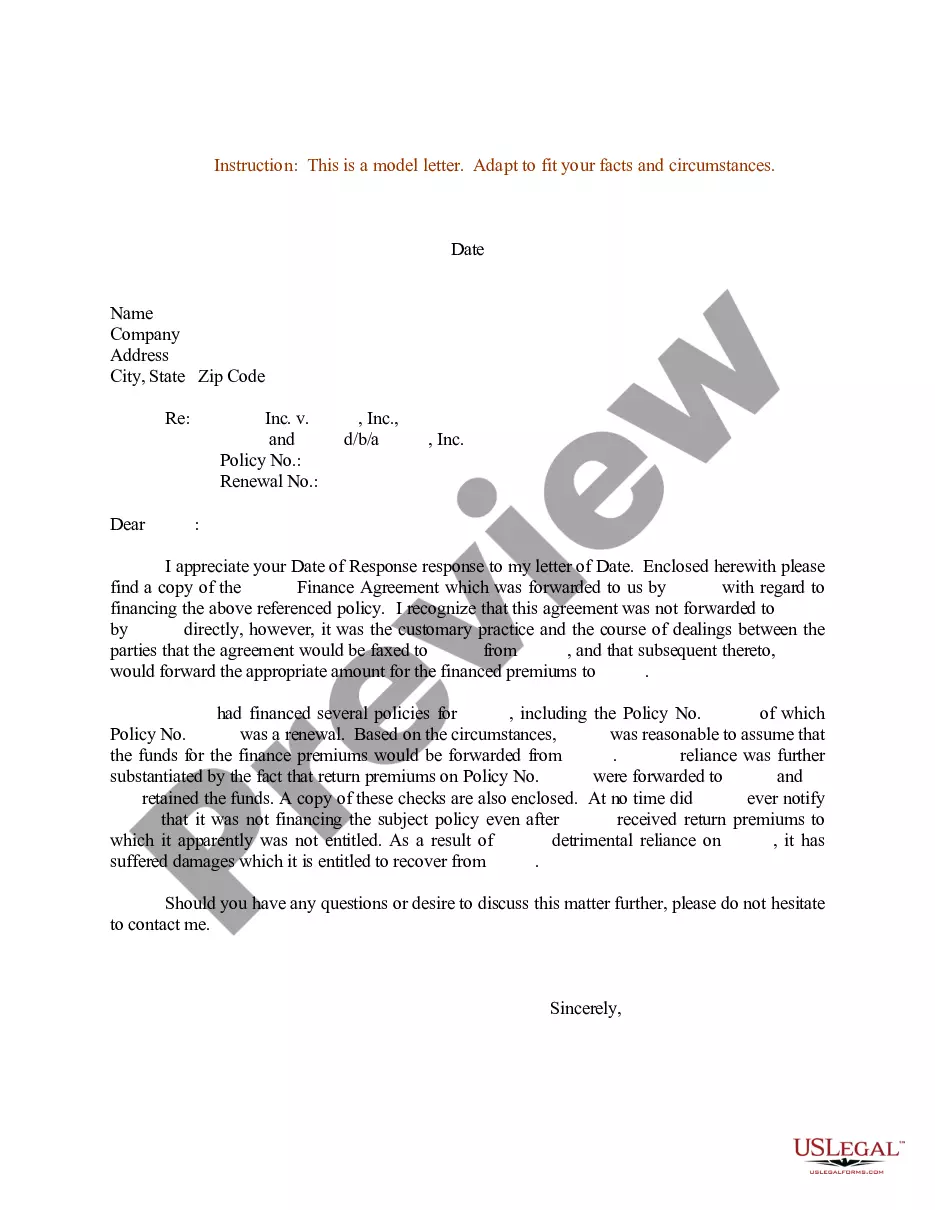
Get your form ready online
Our built-in tools help you complete, sign, share, and store your documents in one place.
Make edits, fill in missing information, and update formatting in US Legal Forms—just like you would in MS Word.
Download a copy, print it, send it by email, or mail it via USPS—whatever works best for your next step.
Sign and collect signatures with our SignNow integration. Send to multiple recipients, set reminders, and more. Go Premium to unlock E-Sign.
If this form requires notarization, complete it online through a secure video call—no need to meet a notary in person or wait for an appointment.
We protect your documents and personal data by following strict security and privacy standards.

Make edits, fill in missing information, and update formatting in US Legal Forms—just like you would in MS Word.

Download a copy, print it, send it by email, or mail it via USPS—whatever works best for your next step.

Sign and collect signatures with our SignNow integration. Send to multiple recipients, set reminders, and more. Go Premium to unlock E-Sign.

If this form requires notarization, complete it online through a secure video call—no need to meet a notary in person or wait for an appointment.

We protect your documents and personal data by following strict security and privacy standards.
Looking for another form?



Form popularity
FAQ
With that in mind, let's consider the basic legal elements of a contract. Under Texas law, a binding contract typically consists of six essential elements. Offer and Acceptance. Legal Purpose. Mutual Assent. Sufficiently Defined Terms. Consideration. Competent Parties. Protect your interests by getting legal advice.
To incorporate in Texas, here's everything you need to know. Choose a Corporate Name. Appoint a Registered Agent. File Certificate of Formation. Prepare Corporate Bylaws. Appoint Directors and Hold the First Meeting. Issue Stock. File a Texas Franchise Public Information Report. Obtain an EIN and Comply With Tax Requirements.
While not technically required by law, it should be considered a necessary document for your business. An operating agreement lays out the ownership of your company and basic management structure.
A company agreement is an agreement that includes information about a company's ownership structure, rights and responsibilities, and voting rights of members. The agreement ensures that the relations between the members of the company, its directors, officers and the company itself are managed properly.
No requirement exists under Texas law for a Texas LLC to create an operating agreement. However, it is recommended. Both sole owners and multi-members benefit from a Texas LLC operating agreement.
Agreements to Agree In the Future Are Not Enforceable Texas law is clear that contracts calling for parties to negotiate in the future —to agree to agree to material terms at a later point—are unenforceable.
There are 8 simple steps to starting an LLC in Texas: Step 1: Name Your Texas LLC. Step 2: Designate a Registered Agent. Step 3: File Articles of Organization (or similar document) ... Step 4: Receive a Certificate From the State. Step 5: Create an Operating Agreement. Step 6: Get an Employer Identification Number.
As mentioned, once the winding up is complete, a Certificate of Termination must be filed with the Texas Secretary of State. The timing for processing this filing is usually three to five days.
Do I have to file my operating agreement in Texas? No. Your operating agreement is an internal document, which means you'll keep it filed away with your own LLC documents.
5 Steps to Write an Operating Agreement Step 1: Decide the parameters of ownership. Step 2: Determine rights and responsibilities. Step 3: Outline the rules for joining or leaving the business. Step 4: Make a plan for dissolution. Step 5: Add a severability provision. Write your operating agreement with a lawyer's advice.

