Agreement Letter For Child Support In Maryland
Description
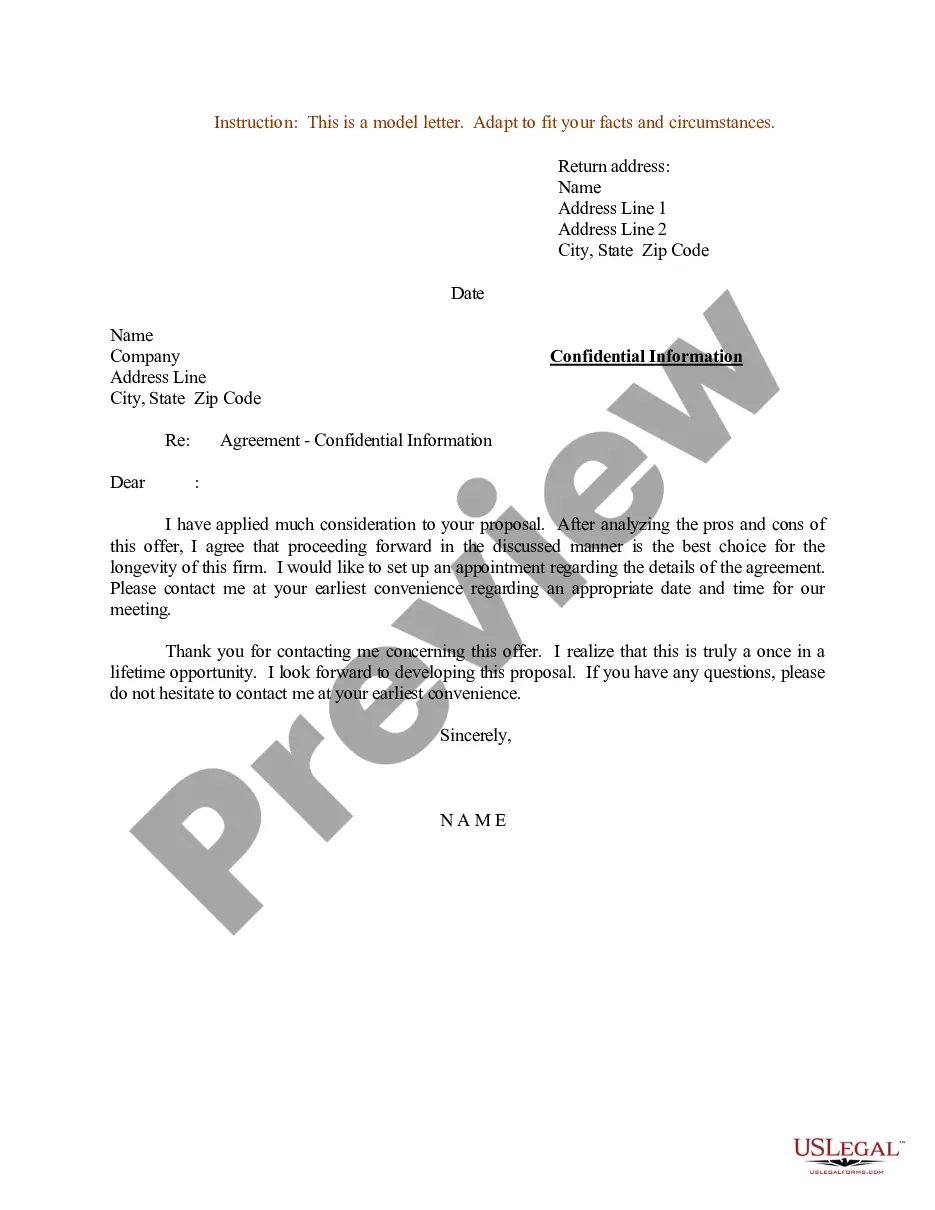
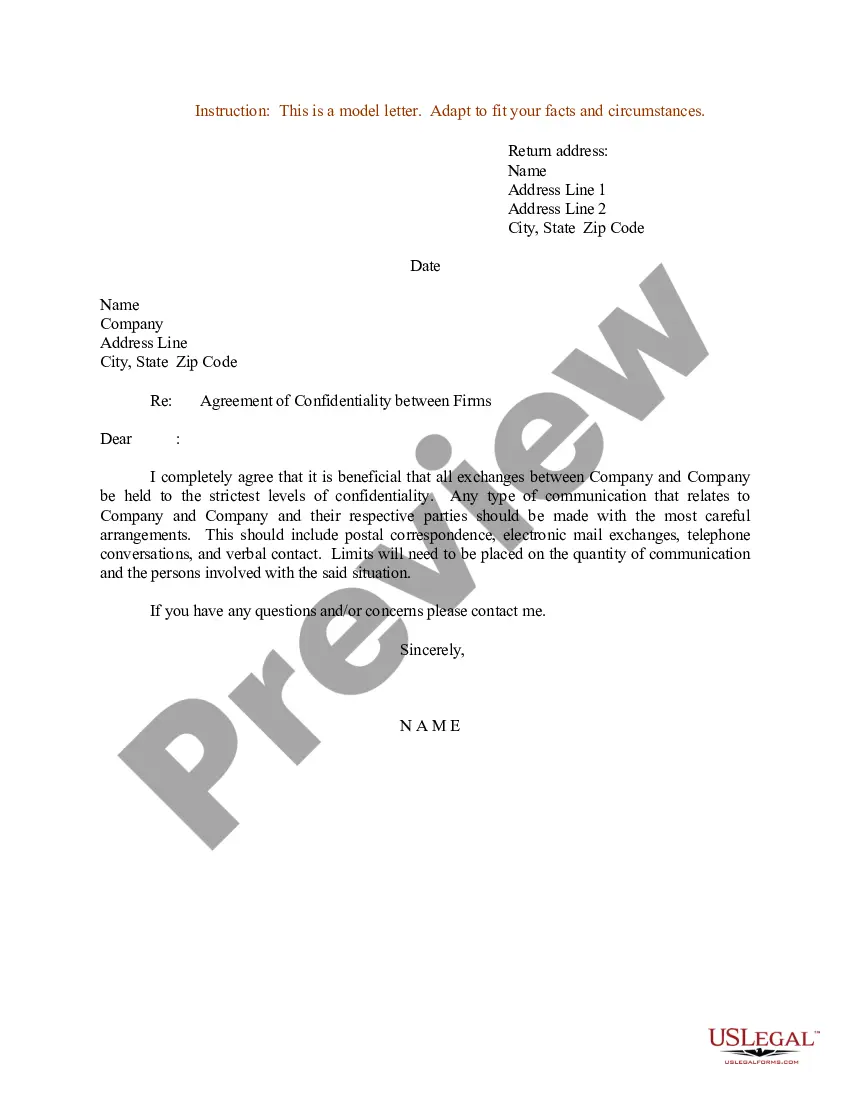
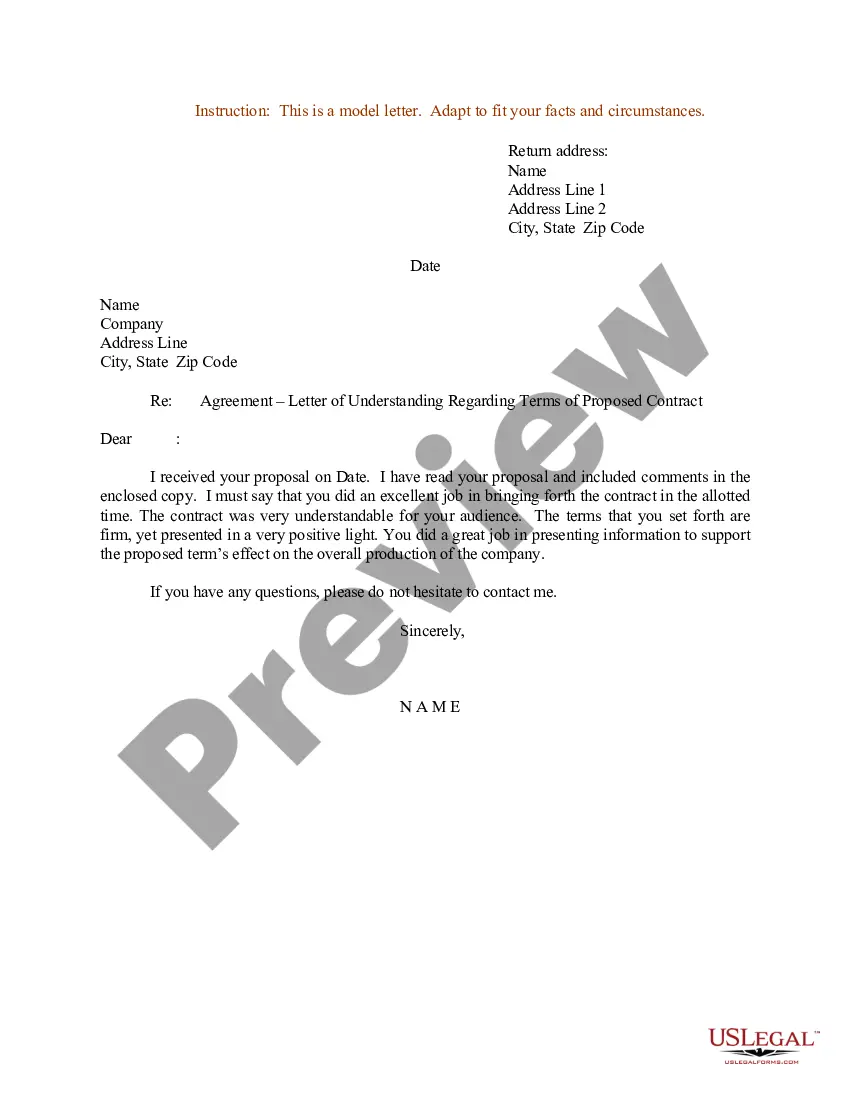
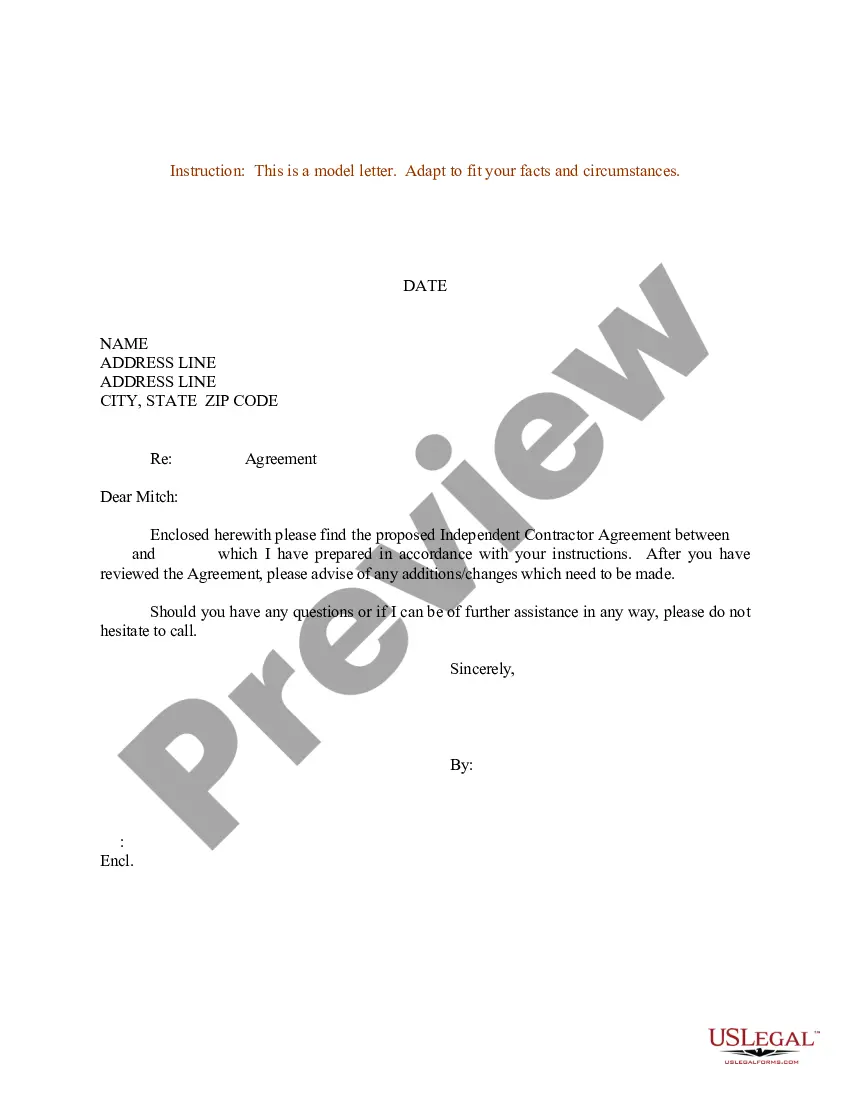
Get your form ready online
Our built-in tools help you complete, sign, share, and store your documents in one place.
Make edits, fill in missing information, and update formatting in US Legal Forms—just like you would in MS Word.
Download a copy, print it, send it by email, or mail it via USPS—whatever works best for your next step.
Sign and collect signatures with our SignNow integration. Send to multiple recipients, set reminders, and more. Go Premium to unlock E-Sign.
If this form requires notarization, complete it online through a secure video call—no need to meet a notary in person or wait for an appointment.
We protect your documents and personal data by following strict security and privacy standards.

Make edits, fill in missing information, and update formatting in US Legal Forms—just like you would in MS Word.

Download a copy, print it, send it by email, or mail it via USPS—whatever works best for your next step.

Sign and collect signatures with our SignNow integration. Send to multiple recipients, set reminders, and more. Go Premium to unlock E-Sign.

If this form requires notarization, complete it online through a secure video call—no need to meet a notary in person or wait for an appointment.

We protect your documents and personal data by following strict security and privacy standards.
Looking for another form?





Form popularity
FAQ
Every child has a right to receive support from both parents even if the parents are separated, divorced, or never married. The Maryland Child Support Administration (CSA) works with both parents to provide the financial, medical and emotional support their children need to grow and thrive.
Apply By Mail: Should you choose to apply by mail, you may pick up an application at your local Child Support office, request an application be mailed to you by contacting DHS Customer Service at 800-332-6347, or download and print the application using the link below.
Maryland's Statute of Limitations on Back Child Support Payments (Arrears) In Maryland, enforcement of a child support order must occur within 12 years.
Maryland's Deadbeat Dad Law is grounded in state statutes and regulations governing child support obligations. Under Maryland law, both parents are legally obligated to provide financial support for their children, regardless of their marital status or custodial arrangements.
The following is a list of enforcement tools that Maryland law allows for the collection and distribution of overdue child support payments: Federal Income Tax Refund Offset. State Income Tax Refund Offset. Administrative Passport Denial. Driver's License Suspension. Professional License Suspension Program.
There are two ways that a child support agreement can be reached outside of court: Parents can reach an agreement using informal settlement negotiations. Parents can use a form of Alternative Dispute Resolution (ADR), such as mediation or collaborative family law.
Technically, not every child support agreement needs to be notarized. But here's the deal – if you want your child support agreement to be legally binding and hold up in court, notarization is highly recommended. It's like insurance for your agreement. Sure, you could skip it, but then you're left relying on trust.
Like child custody arrangements, the amount of child support can be decided by mutual agreement between the parents or by fighting it out in front of a judge.
Why Is Joint Custody the Most Common Child Custody Arrangement? Joint custody arrangements have become more common over the years. For many families, joint custody is the best possible situation after a divorce because both parents spend meaningful time with their children and remain involved in their lives.

