Agent For Commercial Lease In New York
Description


Get your form ready online
Our built-in tools help you complete, sign, share, and store your documents in one place.
Make edits, fill in missing information, and update formatting in US Legal Forms—just like you would in MS Word.
Download a copy, print it, send it by email, or mail it via USPS—whatever works best for your next step.
Sign and collect signatures with our SignNow integration. Send to multiple recipients, set reminders, and more. Go Premium to unlock E-Sign.
If this form requires notarization, complete it online through a secure video call—no need to meet a notary in person or wait for an appointment.
We protect your documents and personal data by following strict security and privacy standards.
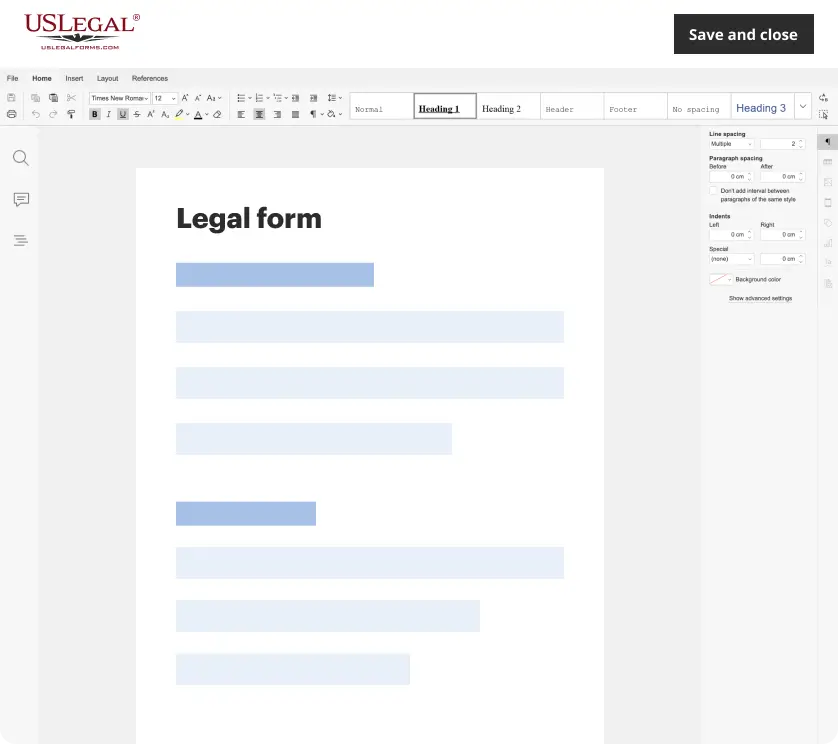
Make edits, fill in missing information, and update formatting in US Legal Forms—just like you would in MS Word.
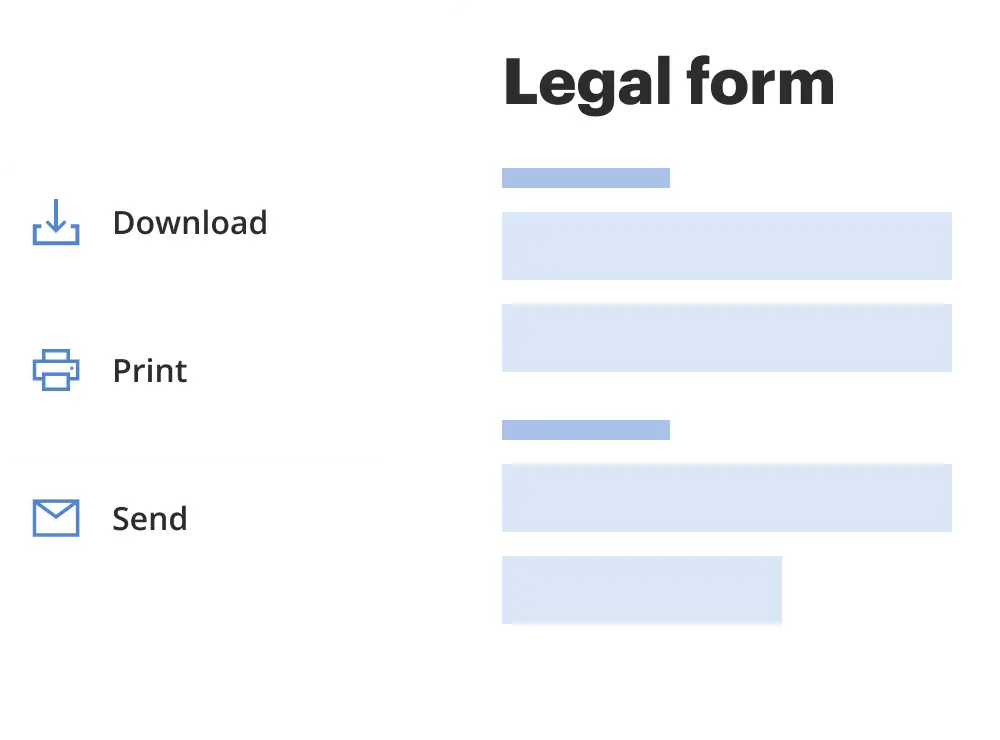
Download a copy, print it, send it by email, or mail it via USPS—whatever works best for your next step.
Sign and collect signatures with our SignNow integration. Send to multiple recipients, set reminders, and more. Go Premium to unlock E-Sign.
If this form requires notarization, complete it online through a secure video call—no need to meet a notary in person or wait for an appointment.
We protect your documents and personal data by following strict security and privacy standards.
Looking for another form?

Form popularity
FAQ
Gross leases are most common for commercial properties such as offices and retail space. The tenant pays a single, flat amount that includes rent, taxes, utilities, and insurance.
Do leases in NY need to be notarized? No, lease agreements do not need to be notarized in New York. As leases are considered similar to standard contracts valid in the state, notarization is not required.
In NYC, evicting a commercial tenant can take a few weeks to several months, depending on the process. Generally, however, the expectation is that commercial eviction proceedings will be faster when compared to trying to evict residential tenants.
Yes, commercial properties may be converted into residential spaces or “artist lofts” in specified areas of Manhattan, Brooklyn, and Queens. Of course, you must adhere to the city's zoning law and building codes when converting from commercial use to residential.
Review the Lease Agreement. The assignor (current tenant) should review the existing lease agreement to understand the terms and conditions associated with the lease assignment. Obtain Landlord's Consent. Negotiate Terms. Deed of Assignment. Land Registry Notification. Completion and Handover.
In New York, it is required for a lease to be enforceable that all parties sign. Which means that your current lease is not binding, but—and this is a major 'but'—if the landlord were to send you a signed copy of the lease now, the lease would become binding.
A New York standard residential lease agreement is a form that allows a landlord and tenant to enter into a legally binding arrangement for leasing residential space. The term "standard" means a fixed term that usually lasts one year.
New York City rent stabilized tenants are entitled to receive a fully executed copy of their signed lease from their landlords within 30 days of the landlord's receipt of the lease signed by the tenant. The lease's beginning and ending dates must be stated.
