Lease Agreement For Rental In Pima
Description

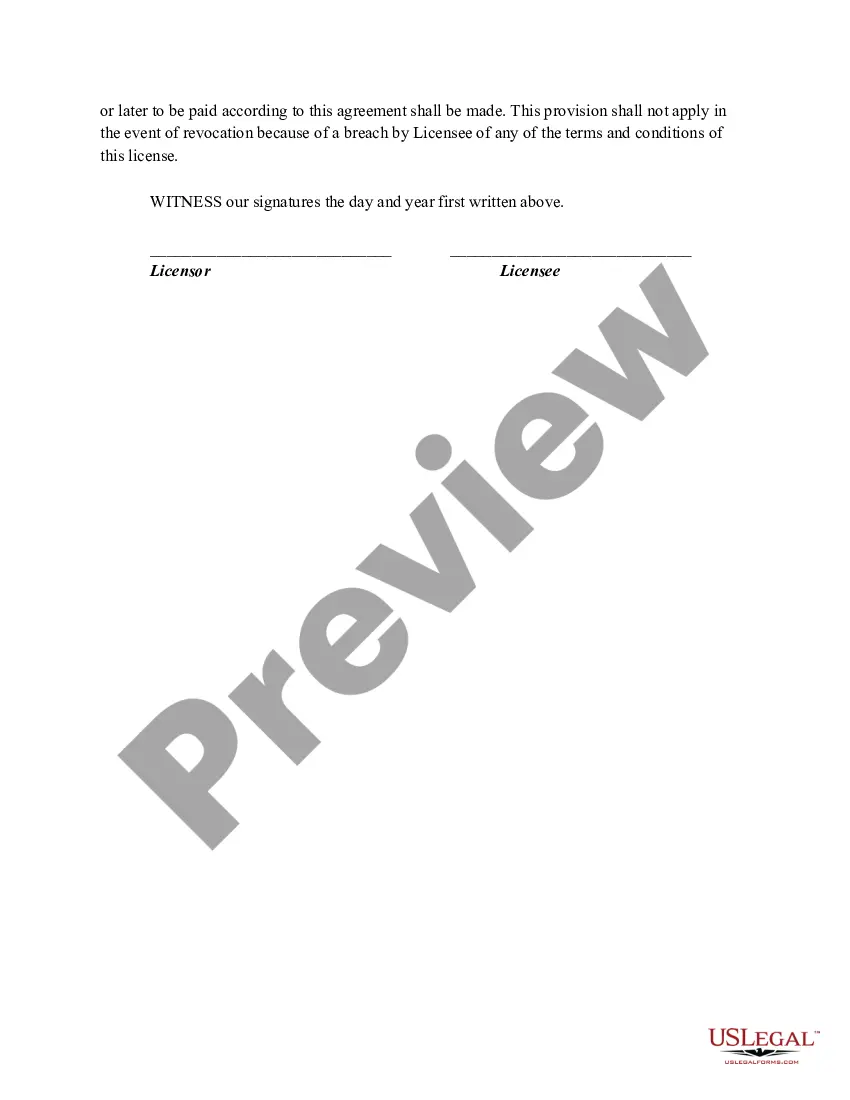
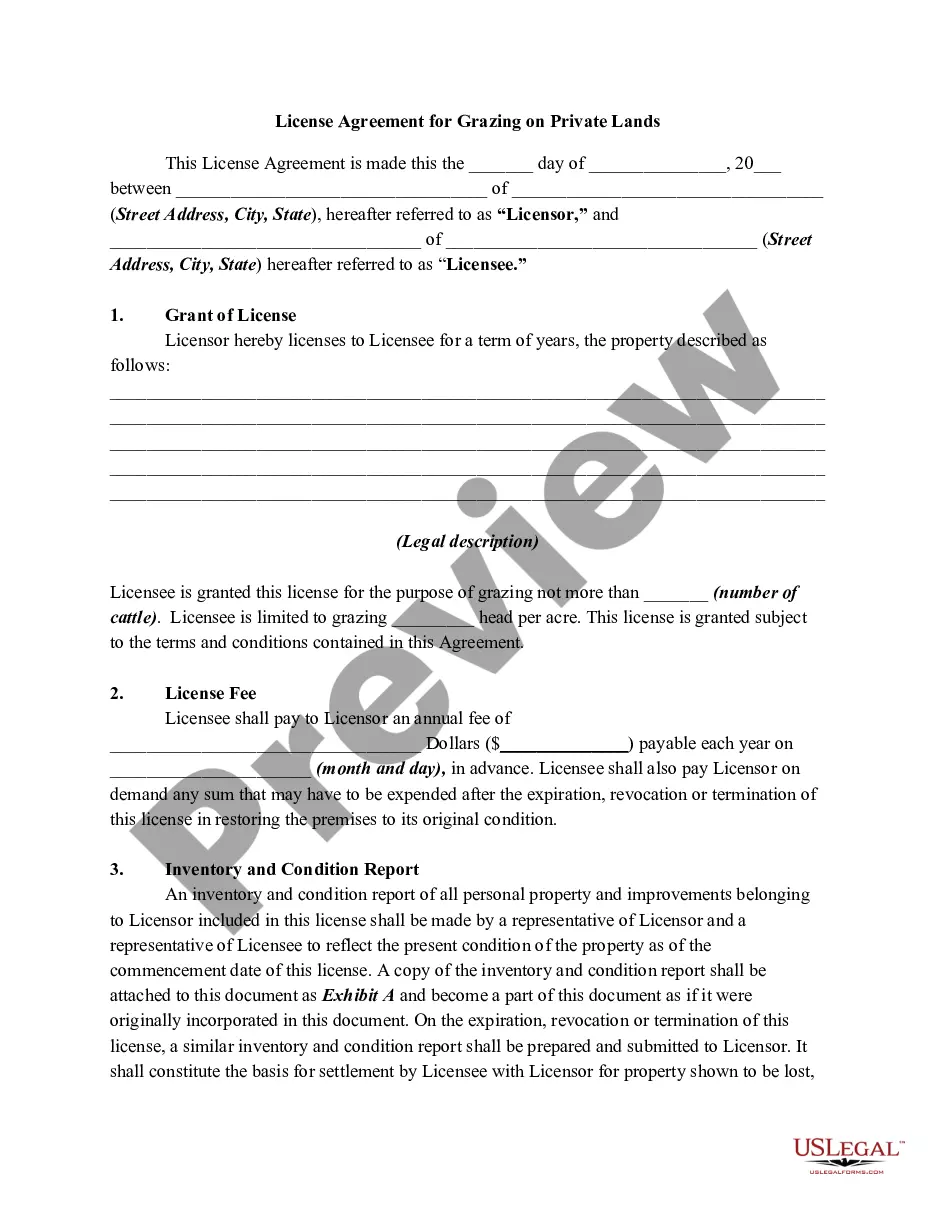
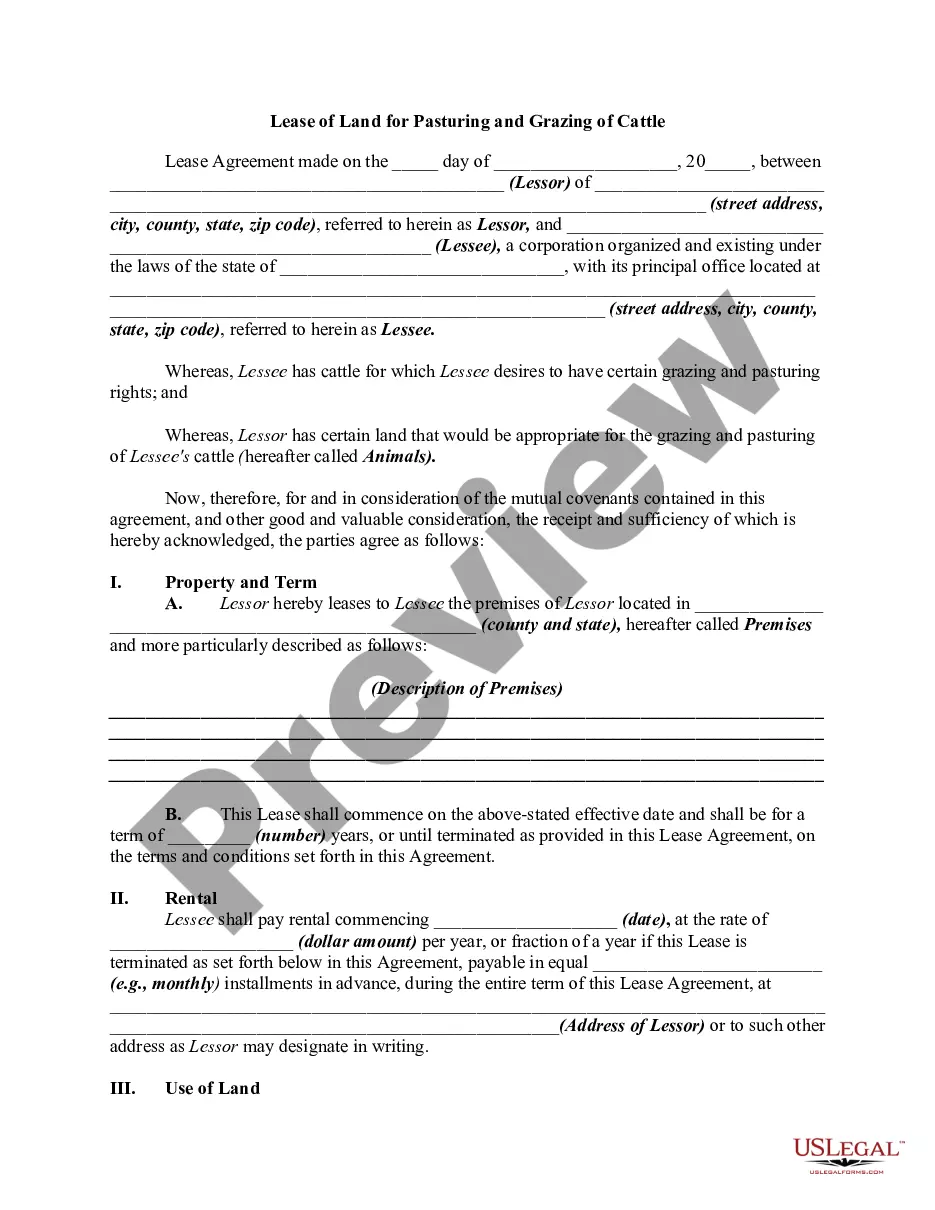
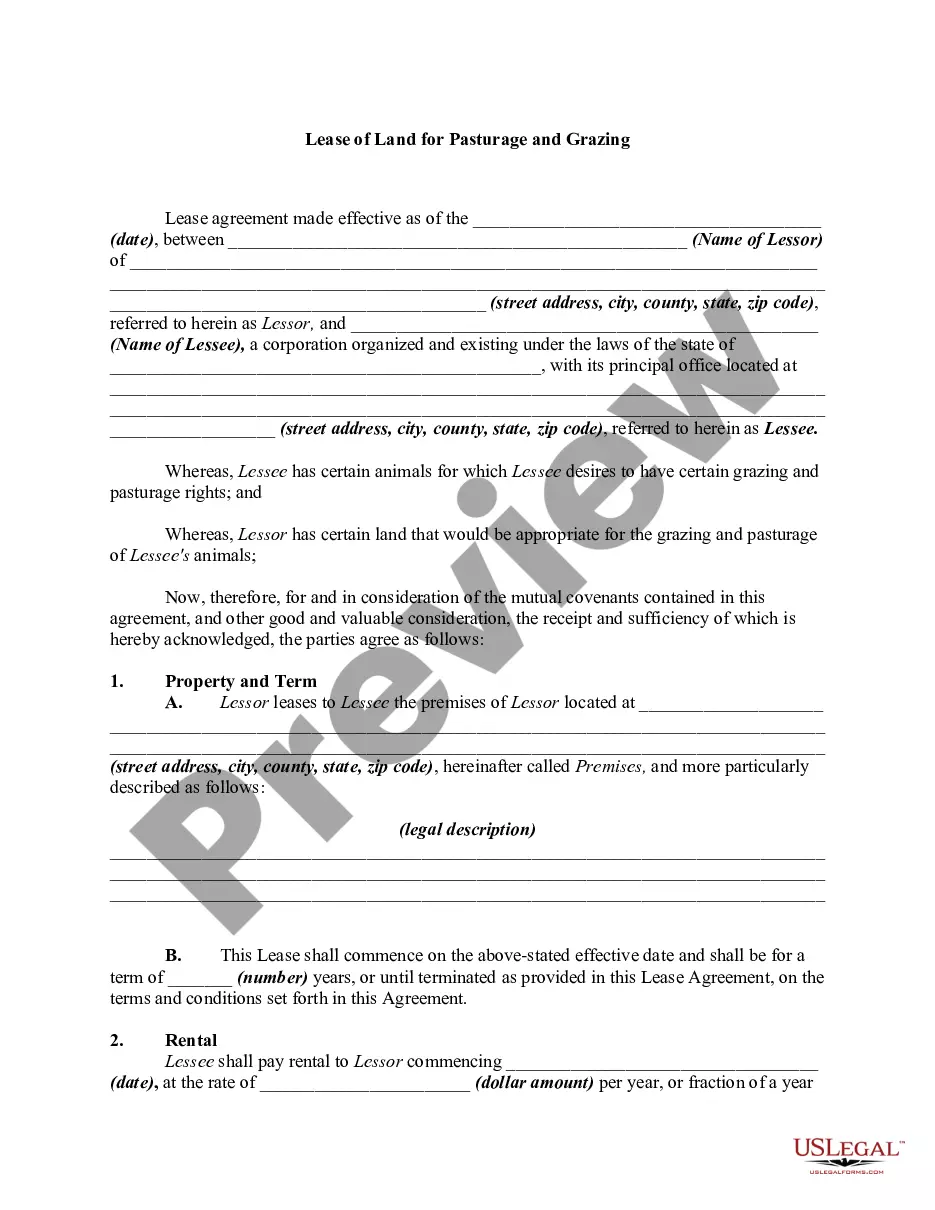
Get your form ready online
Our built-in tools help you complete, sign, share, and store your documents in one place.
Make edits, fill in missing information, and update formatting in US Legal Forms—just like you would in MS Word.
Download a copy, print it, send it by email, or mail it via USPS—whatever works best for your next step.
Sign and collect signatures with our SignNow integration. Send to multiple recipients, set reminders, and more. Go Premium to unlock E-Sign.
If this form requires notarization, complete it online through a secure video call—no need to meet a notary in person or wait for an appointment.
We protect your documents and personal data by following strict security and privacy standards.

Make edits, fill in missing information, and update formatting in US Legal Forms—just like you would in MS Word.

Download a copy, print it, send it by email, or mail it via USPS—whatever works best for your next step.

Sign and collect signatures with our SignNow integration. Send to multiple recipients, set reminders, and more. Go Premium to unlock E-Sign.

If this form requires notarization, complete it online through a secure video call—no need to meet a notary in person or wait for an appointment.

We protect your documents and personal data by following strict security and privacy standards.
Looking for another form?
Form popularity
FAQ
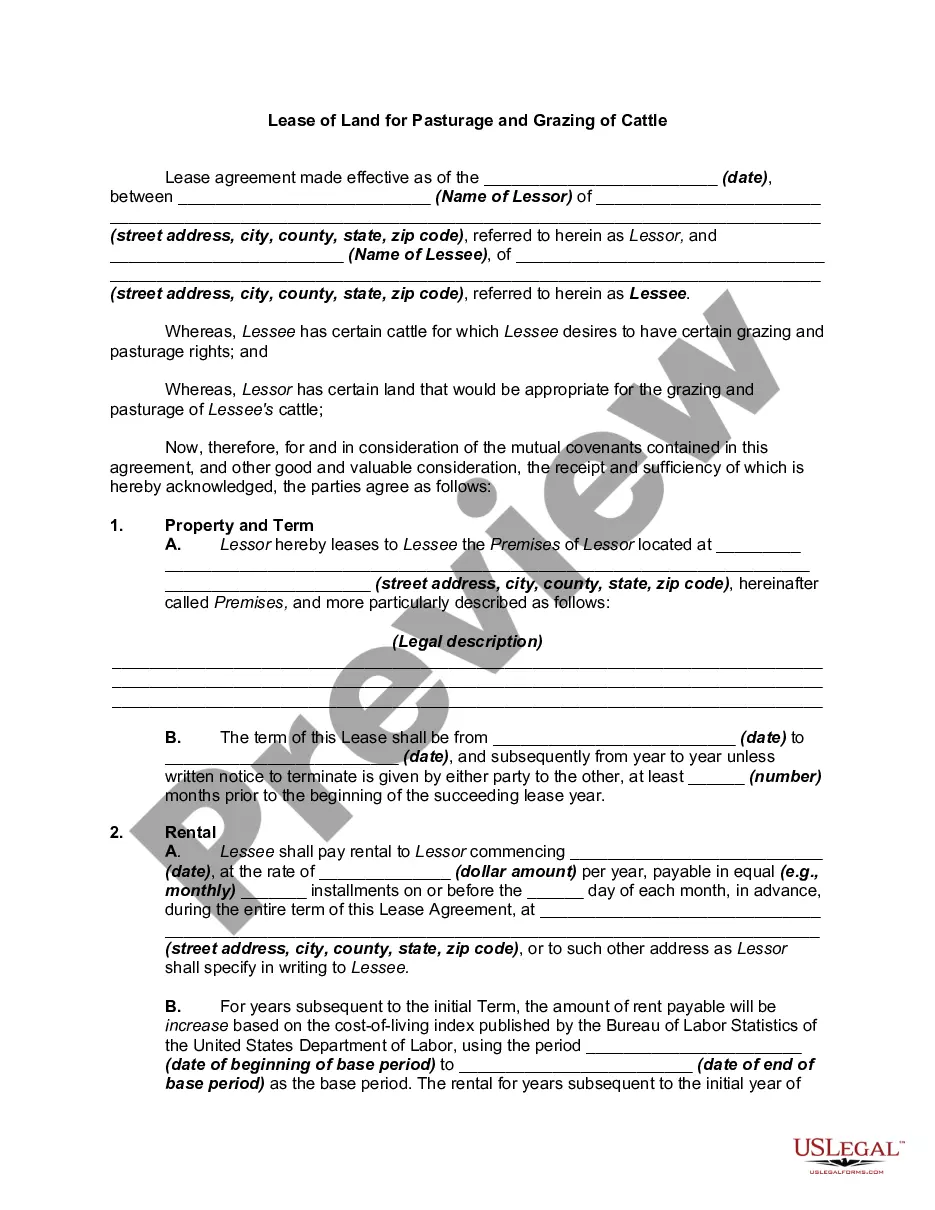
Here's a list of standard fields that you should include in your lease agreement: Tenant information. Include each tenant's full name and contact information. Rental property description. Security deposit. Monthly rent amount. Utilities. Lease term. Policies. Late fees.
An example of a fixed lease term is leasing a building at $1,500/month for 24 months. An example of a periodic term is leasing a storage unit for $500 a month, with the option to continue for another month in perpetuity. The lease ends when either the landlord or tenant gives notice.
No formalities are necessary for the validity of a lease as between lessor and lessee. The parties may agree, however, that the contract of lease is not binding until it has been reduced to writing and signed.
Effective January 1, 2025, Arizona property owners will no longer be required to collect and remit city Transaction Privilege Tax (TPT) on residential rental income for long-term stays of 30 consecutive days or more. This change stems from the amendment to A.R.S.
Under Arizona Revised Statutes (A.R.S.) § 33-1375, either the landlord or the tenant can terminate a month-to-month lease with a 30-day written notice. This notice should be given at least 30 days before the next rent due date.
How much notice does a landlord have to give a tenant to move out in Arizona? Arizona landlords have to provide tenants with at least a written 30-day notice. The notice is to inform the tenant that the lease agreement will be ending after 30 days and the tenant will need to move out at that time.
If no time frame is established in the rental agreement, the agreement becomes a month-to-month agreement. A.R.S. § 33-1314(D). To terminate a month-to-month rental agreement, a landlord or a tenant must give 30 days notice in writing before the next rent payment would normally be due.
Significant changes, such as the amounts of rent or late fees, would effectively create a new tenancy. In that circumstance, a minimum 30-day notice must be given to not renew the month-to-month tenancy under A.R.S.
If you own a property/building that you are renting out, you will need to obtain the state transaction privilege tax (TPT) license from AZDOR.
Answer: As a general rule, the answer is yes. Under the Arizona Residential Landlord and Tenant Act, a verbal rental agreement concerning the use and occupancy of a dwelling unit is just as enforceable as a written rental agreement (or lease) is (A.R.S. 33-1310(13)).
